
Our last overnight stop on the Sambre was at the small town of Beautor, which was ideal for shopping, with a large supermarket, two boulangeries, and a butcher. And the weather had changed. We were now at the start of a heat wave that would continue for the next week. Our new battery system allowed us to run the air conditioner for a few hours, but if we wanted to run it continually, we would need a shore power connection or run the generator day and night.
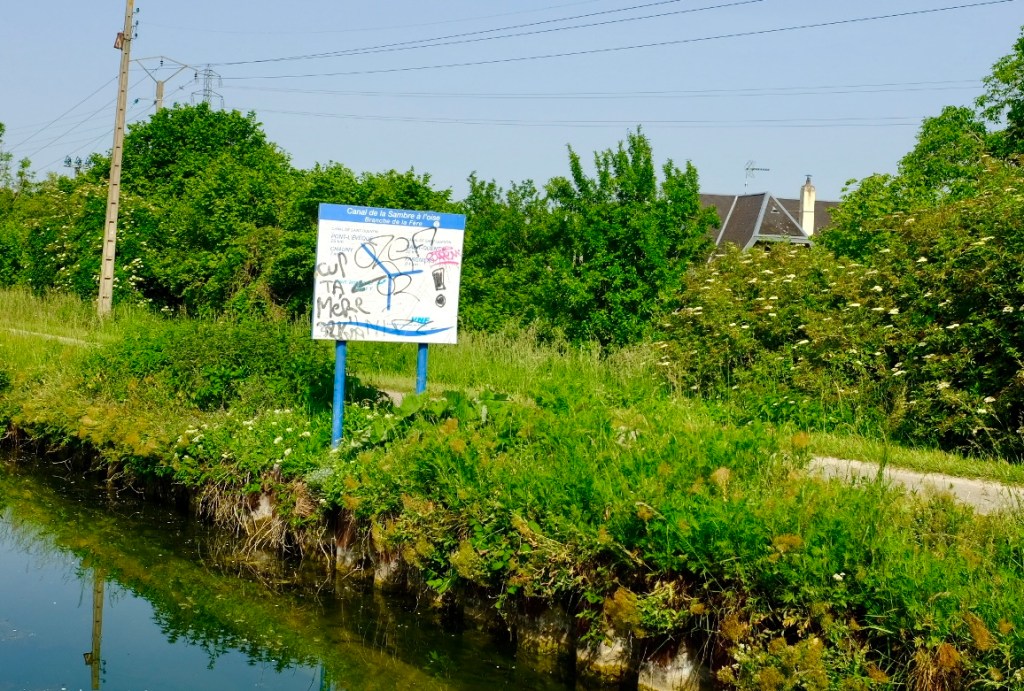
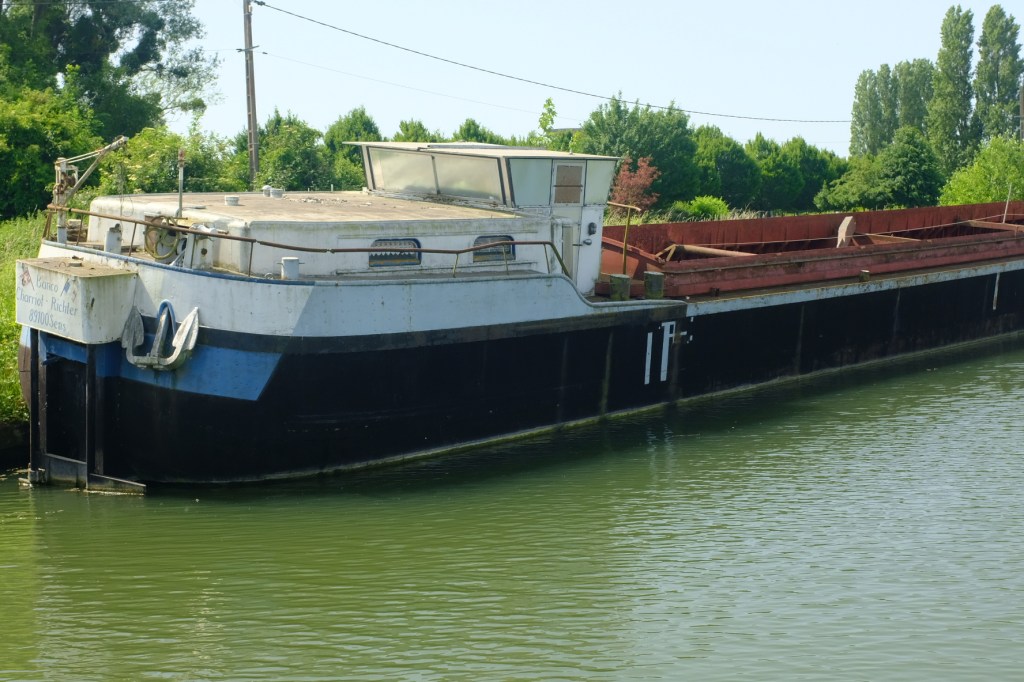
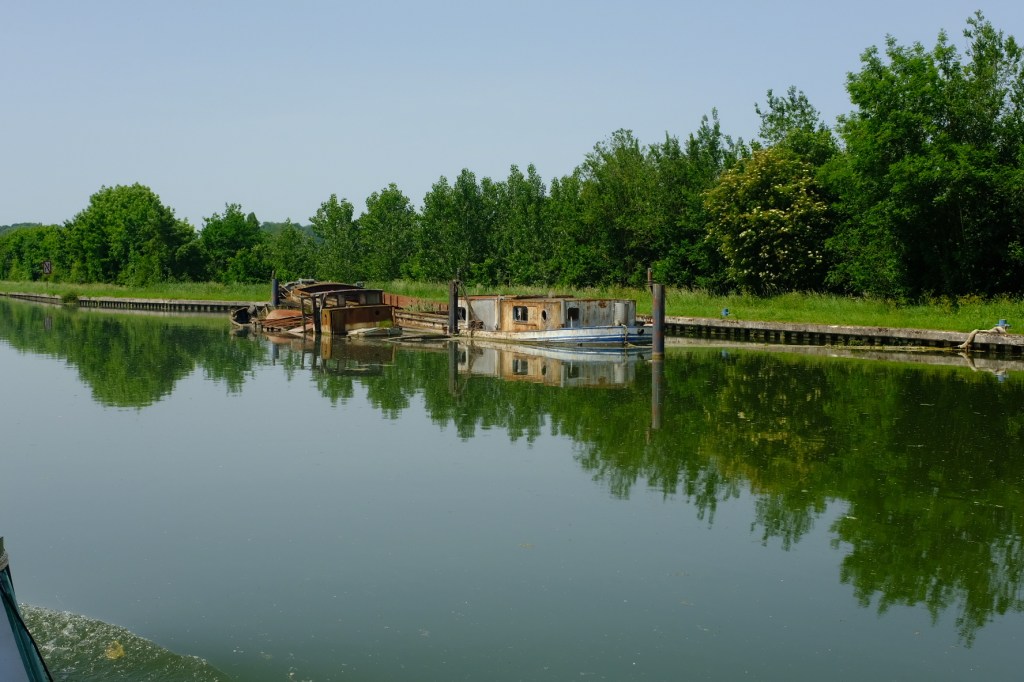
Turning south we entered the start of the Canal St. Quentine, which flows into the Canal lateral a L’Oise. At the confluence of this canal and the Canal de Nord is the barge town of Pont L’eveque. We had visited in 2023 and I remembered there was power and water in the port. But as the saying goes, when we arrived there was no room at the inn. Instead we moored outside and contemplated our next move.
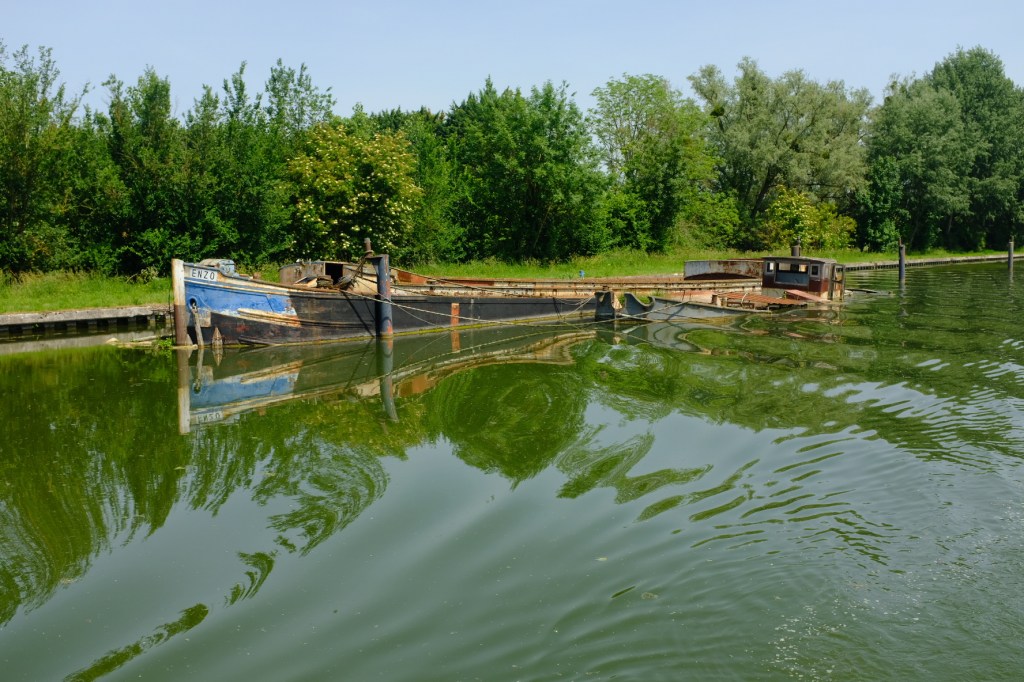
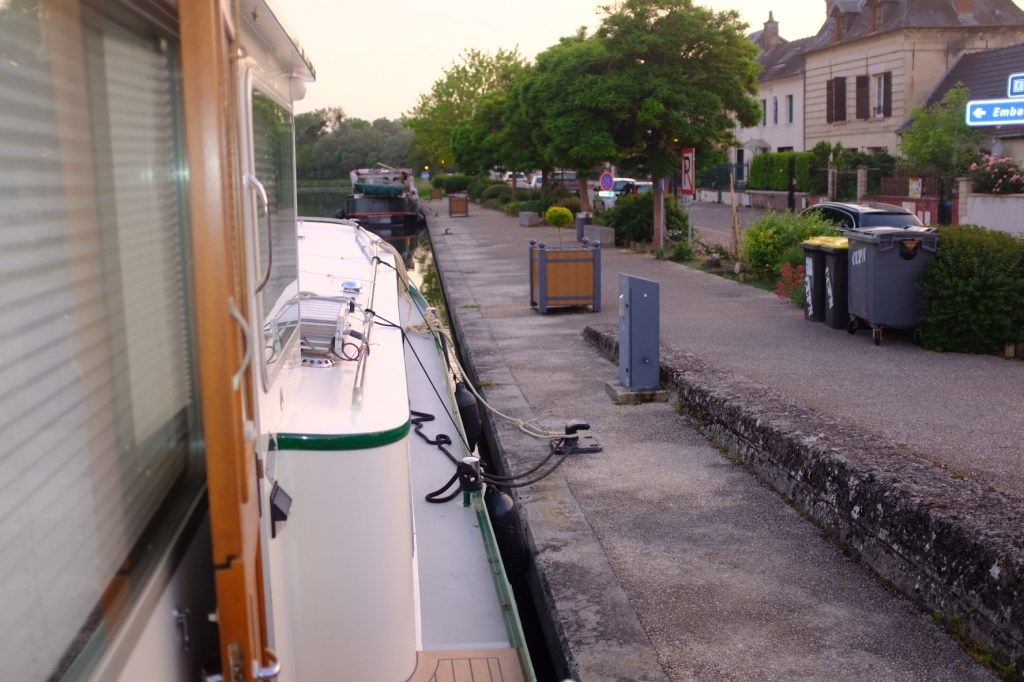
There is a small port at Compiegne, only 18kms and 2 locks from Pont L’eveque and on phoning and speaking to a very pleasant Capitainaire (who spoke very good English) I established that yes there had a place for us and at 15 euros per night including power and water it was a bargain!
Pont L’évêque marks the start of the Canal de Nord, which would take you back to Belgium. The construction of this canal commenced in 1908 to support the coal industry within the region. It was interrupted by WW1 and not completed until 1965. It seems as though the construction of this canal was not a priority. A new canal is planned to replace the Canal de Nord, the Seine Nord Europe. This would be a high capacity canal that would ultimately connect the Seine to the Rhine. The stated objective is to expand trade in a fuel efficient and ecologically friend manner. The nominated completion date is 2032, but looking at the works so far, I think this construction might go the way of its predecessor and be pushed out a number of years.
After exiting the double locks at Janville we left the Lateral a L’Oise and were now on the River L’Oise. The length of the river from Janville (which is just north of Compiegne) to its confluence with the Seine at Conflanes Sainte Honorine is 104kms. It has been used as a navigation route since the Middle Ages and was only canalised is 1835. It is .designated as a Grand Gabarit waterway and is busy with large commercial barges and push-tows.
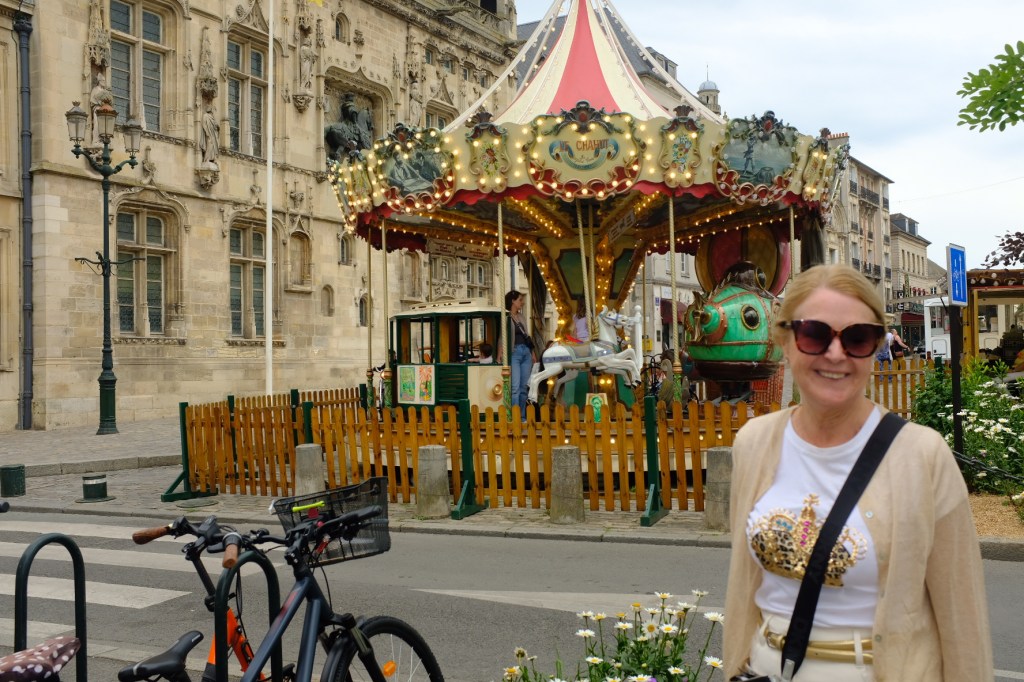
Compiegne is home to many significant historical events. This is where in 1430 Joan of Arc was arrested and handed over to the English. Well, we all know what the outcome of that event was. On 11th November 1918 in the forest that surrounds Compiegne, the armistice was signed ending WW1. In dramatic twist of events Hitler returned in 1940 and forced France to sign its surrender there. This 14,000 hectares of woodland was once a royal hunting ground, with the royal personages resting their weary heads in the Chateau du Compiegne. But we were not there for the history. With the temperature gauge nudging the low 30’s we relaxed in air conditioned comfort enjoying a cool beverage.
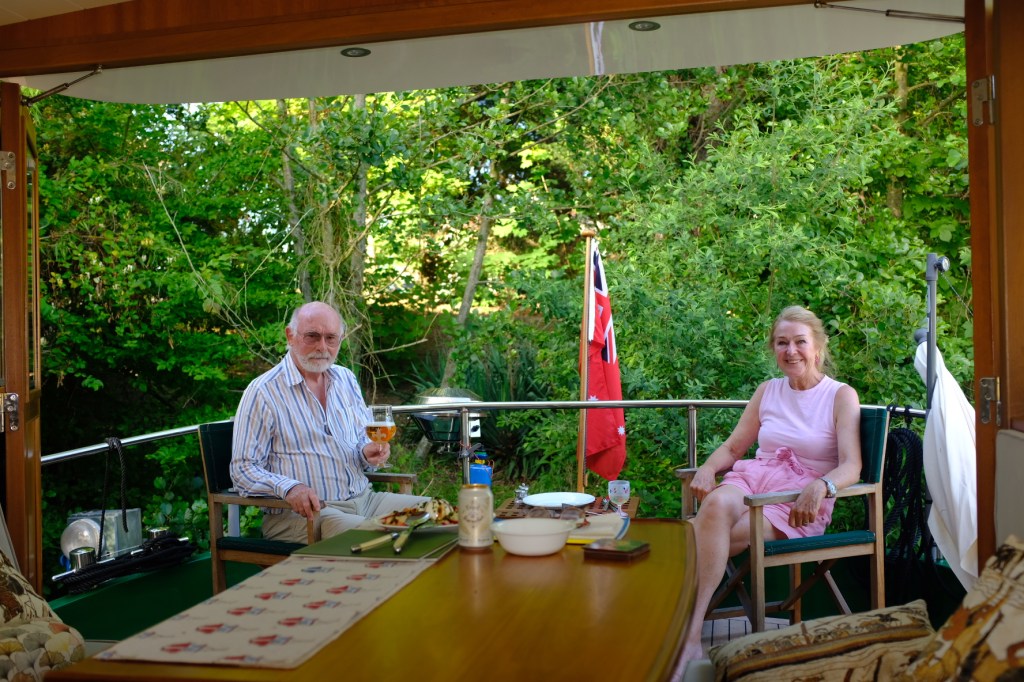
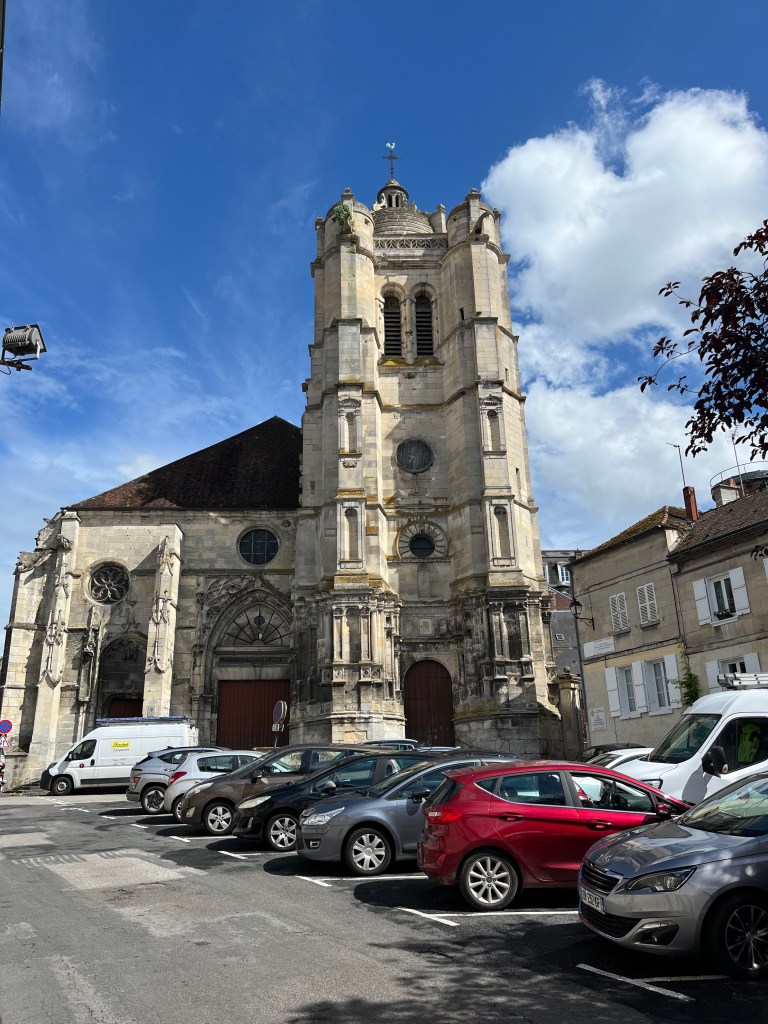
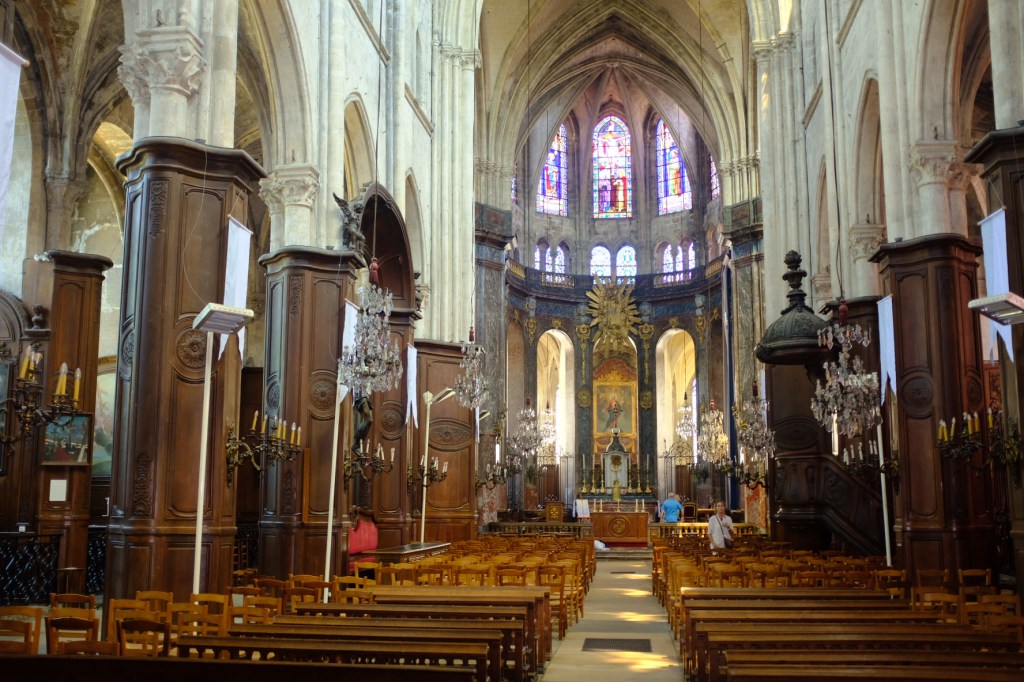
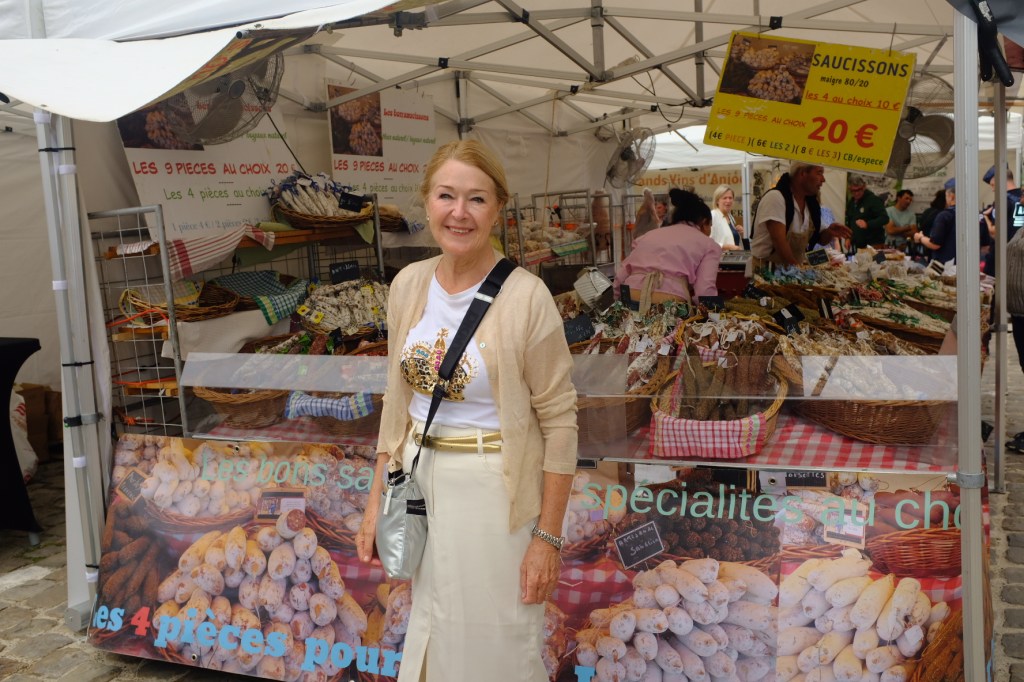
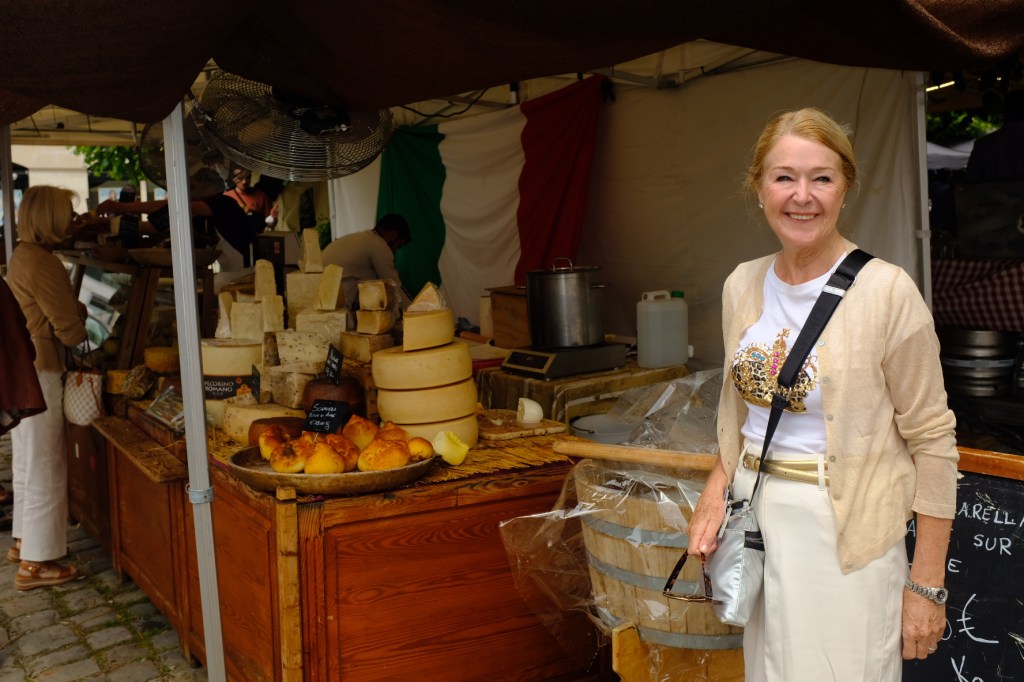
Our stay in Compiegne extended to 8 nights as we waited for our first Australian visitors, Tony and Sally Hennessy. On the first cool day in over a week, we stocked up the cellar and pantry with a visit to the annual Compiegne cheese and wine festival
Tuesday 2nd June
Visitors on board and we leave Compiegne
This is a video. Click on it to play. Please ignore my yelling Peter can’t hear me, but did inform me he could see the barge on AIS.


 Karen’s Travel Blog
Leave a comment