
Unfortunately Tony and Sally didn’t get to experience the pleasures of Compiegne, as we loaded them on board and headed down the river. Having travelled on this route in 2023, I knew the unmissable sights. The first one was a visit to Chateau Chantilly which can be accessed by car from Creil, a town 40kms and 3 locks from Compiegne. The idea was to get as close to Creil as possible so we had plenty of time to enjoy the delights of the chateau.
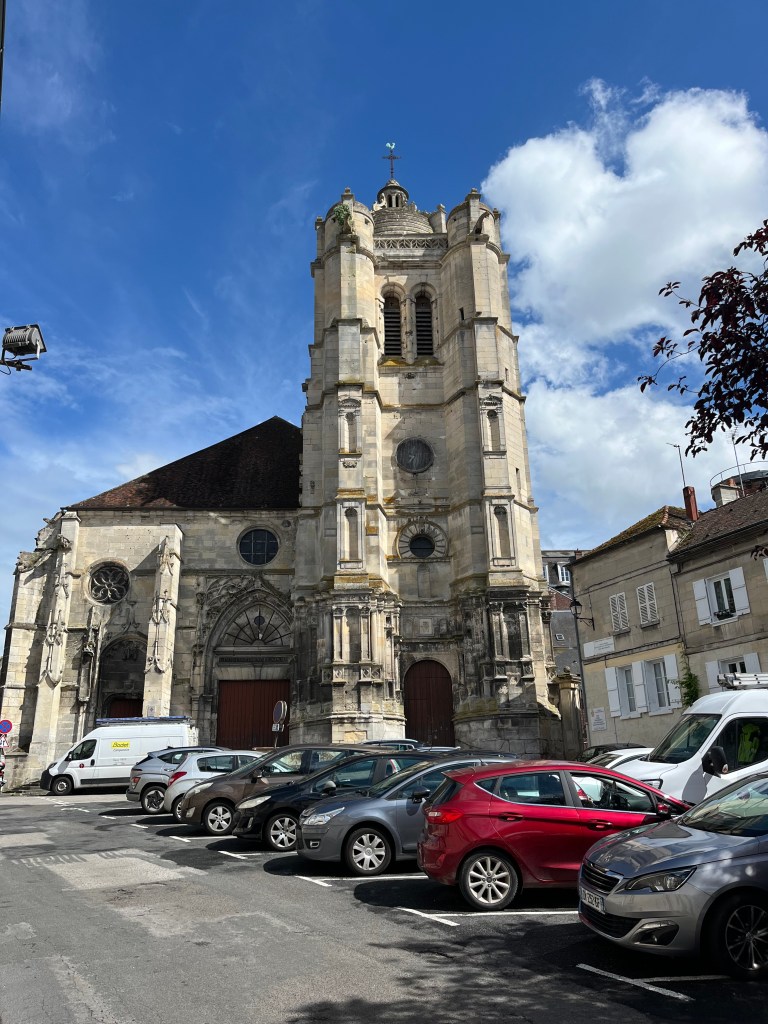
First stop was Pont Sainte Maxence. The name of this town combines two elements –
Pont which of course is French for bridge and indicates the importance of the town as crossing point over the L’Oise.
Sainte Maxence who was a Christian princess that martyred herself after fleeing from a pagan suitor.
And of course it was a suitable mooring!
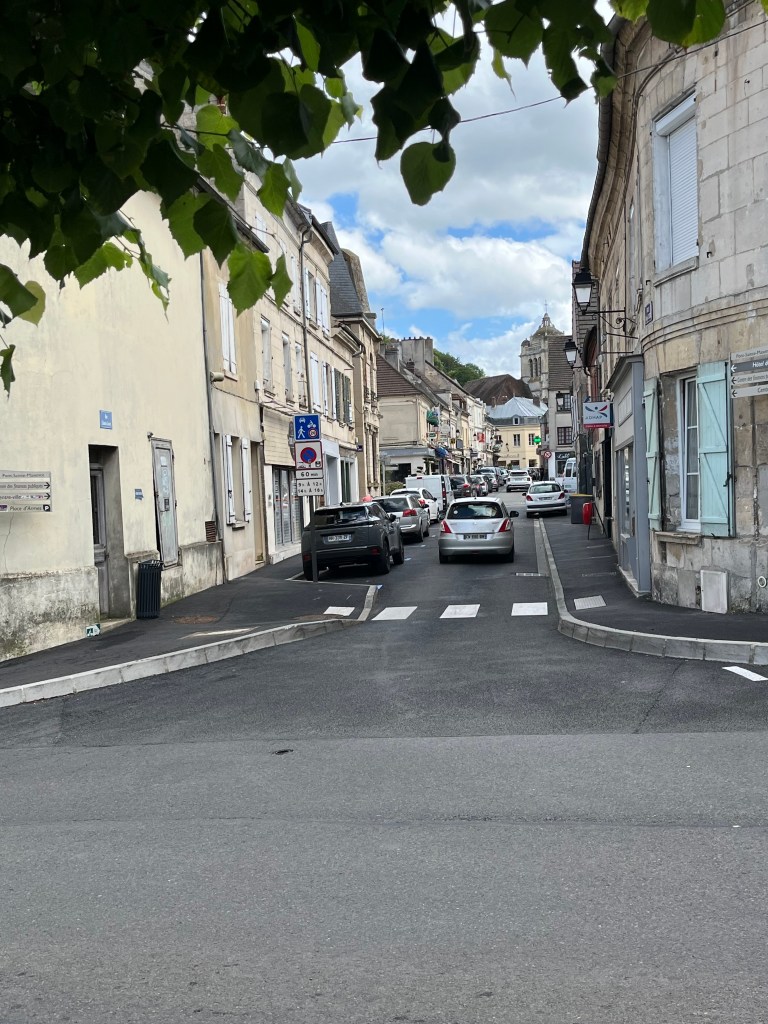
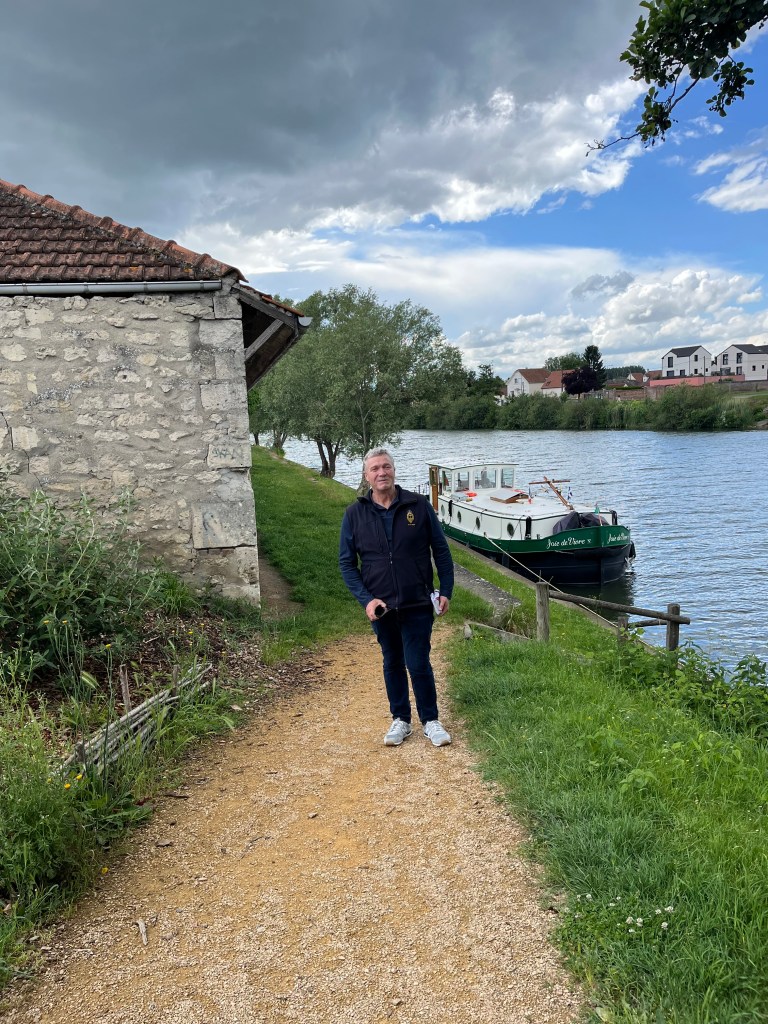
With only 10 kms and no locks we made Creil by early morning. Even though this is my second visit to Creil I have never spent anytime exploring its wonders. It was once a royal residence and the town is now renovating its medieval castle. Well maybe next time. But this time with Tony and Sally in tow, we were off to Chateau Chantilly.
Click twice to play the movie
Chateau Chantilly is made up of a number of intertwined parts.
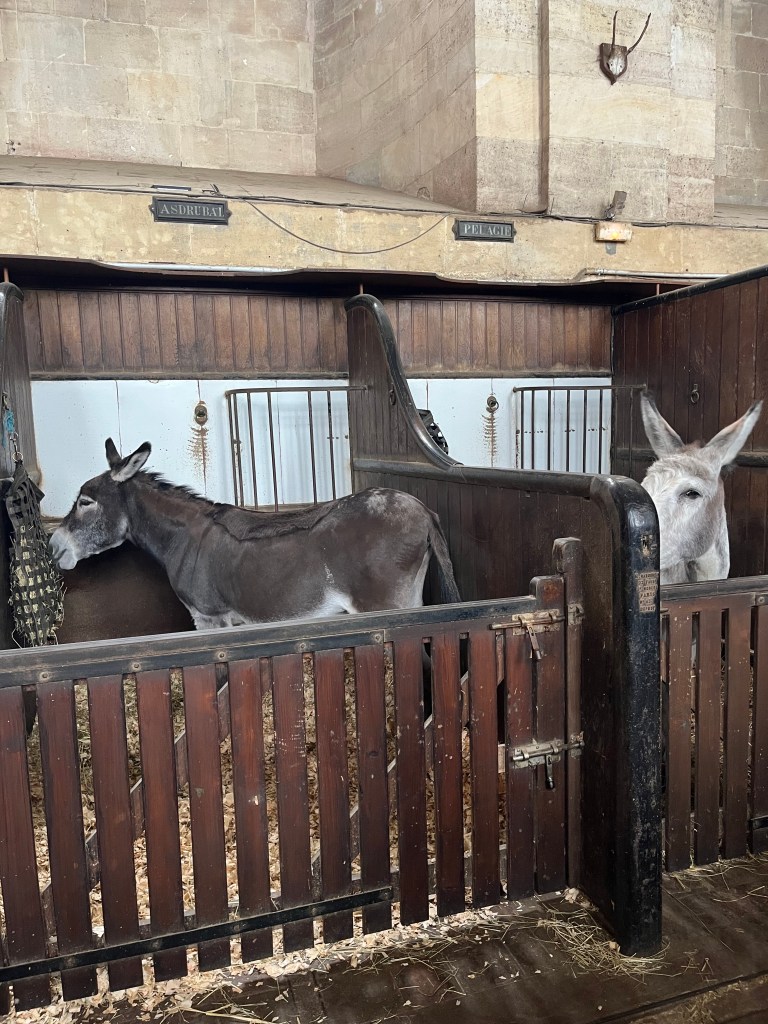
The living museum of the horse
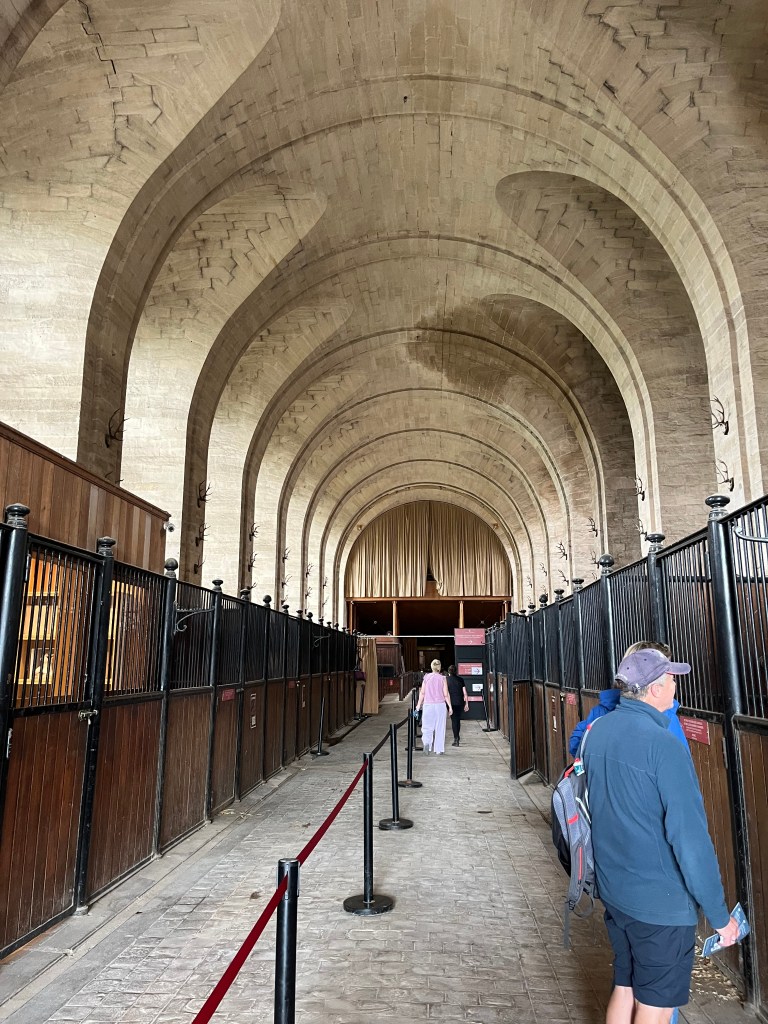
This is one of the most distinctive equestrian museums in Europe and is housed in the Grandes Curies de Chantilly, the largest princely stables in Europe. The building was commissioned by Louis Henri de Bourbon in 1719 7th Prince of Conde and chief minister to Louis XV. Legend had it that he believed he would be reincarnated as a horse and wanted accomodations worthy of his statue. This palace for horses accommodated over 240 horses and 400 hounds. Unlike the adjacent chateau it survived the French Revolution as it was utilised by the French cavalry.
This museum is ” living” because it sits in working stables that host equestrian demonstrations and shows throughout the year. Additionally, it fronts onto a popular race track.
The Chateau
The Chateau is a combination of two distinctive parts –
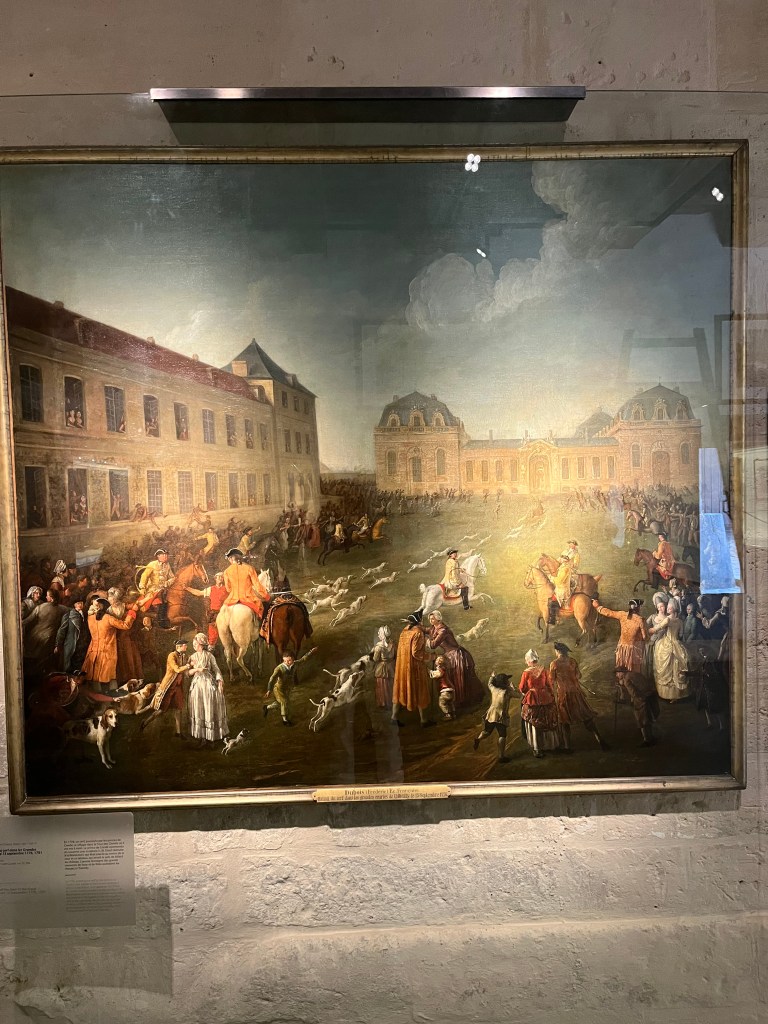
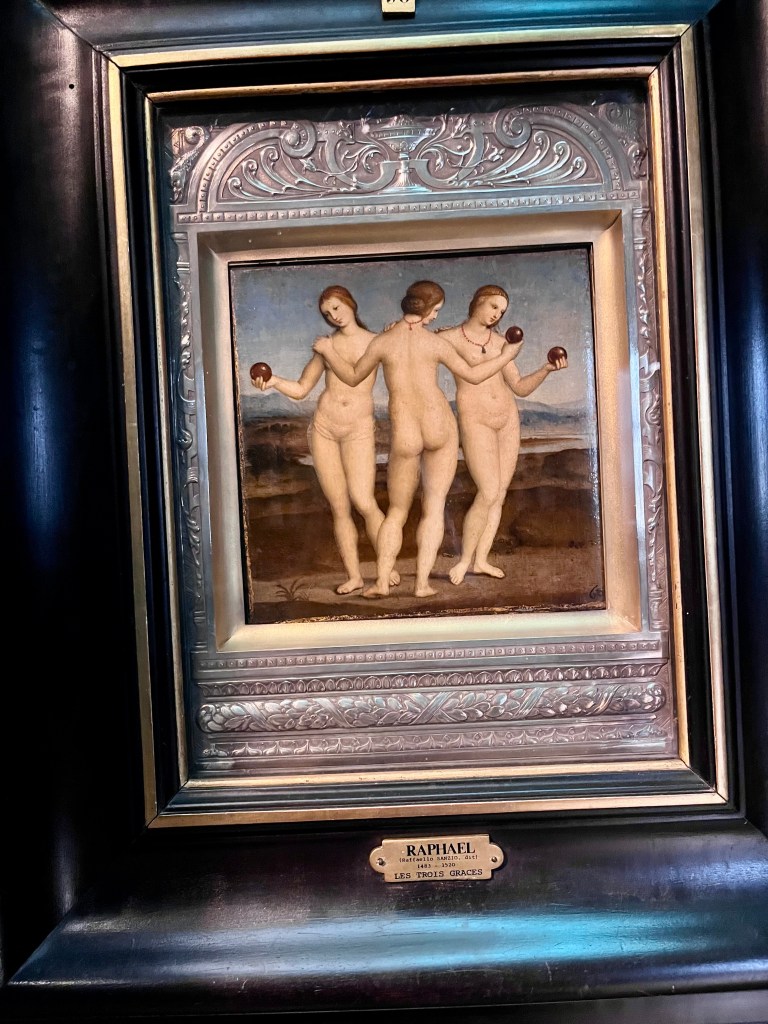
The Grand Chateau originally built in the Middle Ages and turned into an authentic Renaissance chateau in the 17th century. This building was destroyed during the French Revolution but rebuilt in 1830 by the last Duke of Conde to house his extensive art collection
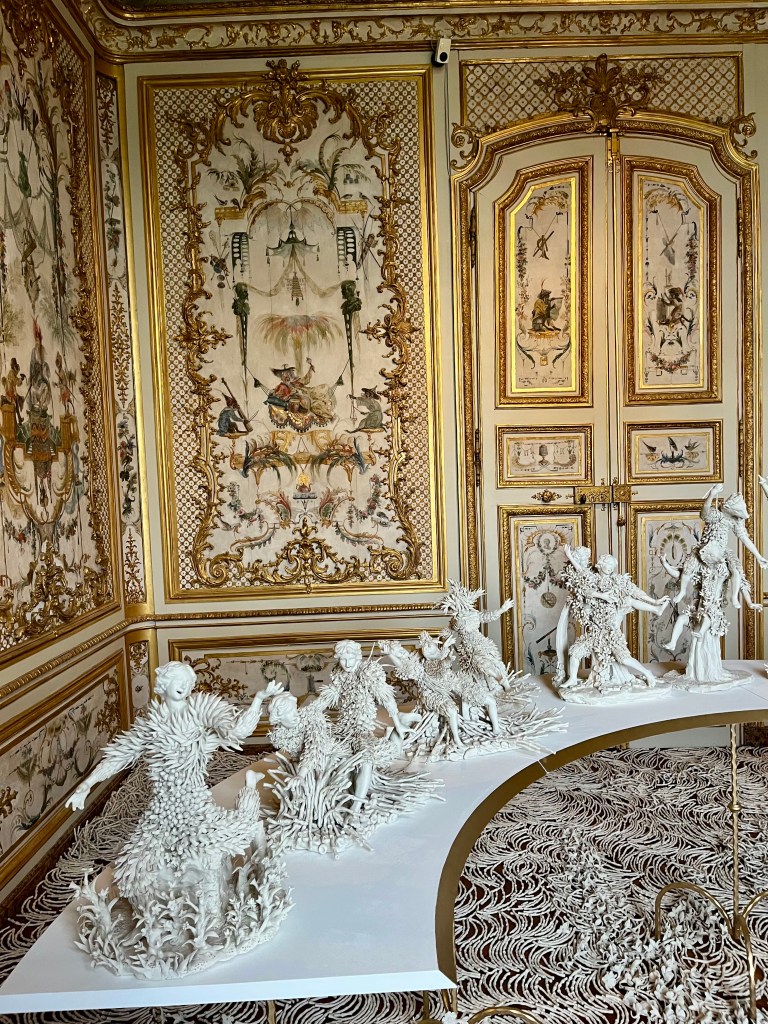
The Petit Chateau built in the 17th century. This section of the Chateau survived the French Revolution and is where the visitor can delight in the most beautifully decorated rooms in the estate
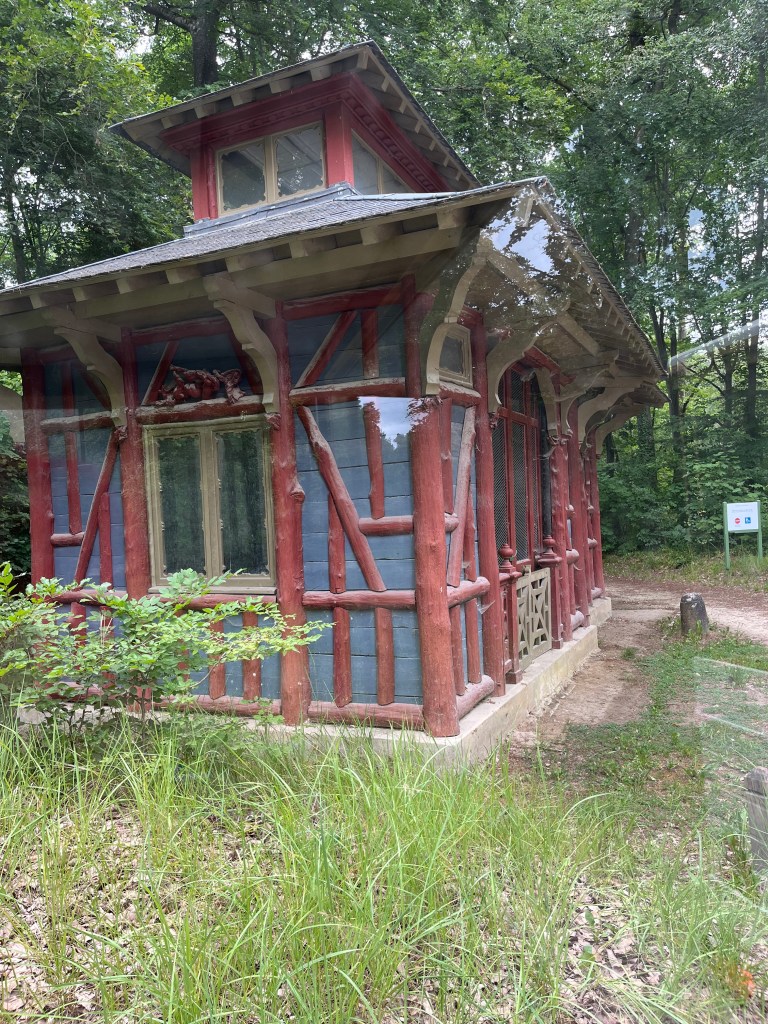
The Parc covers about 115 hectares. If you’re not up to the walk then why not hop aboard the petit train, rent a golf buggy or for those energetic souls, a bike. Incorporated in the extensive grounds are a 2km canal, a rustic hamlet that later inspired the construction the farm setting in Versailles built for Marie Antoinette and a cleverly devised hydraulic system that powers the fountains and waterfall. There is even an Australian touch with the inclusion of a kangaroo enclosure. Hope they weren’t included in the hunt!
4th June, 30kms 3 locks to L’Isle Adam
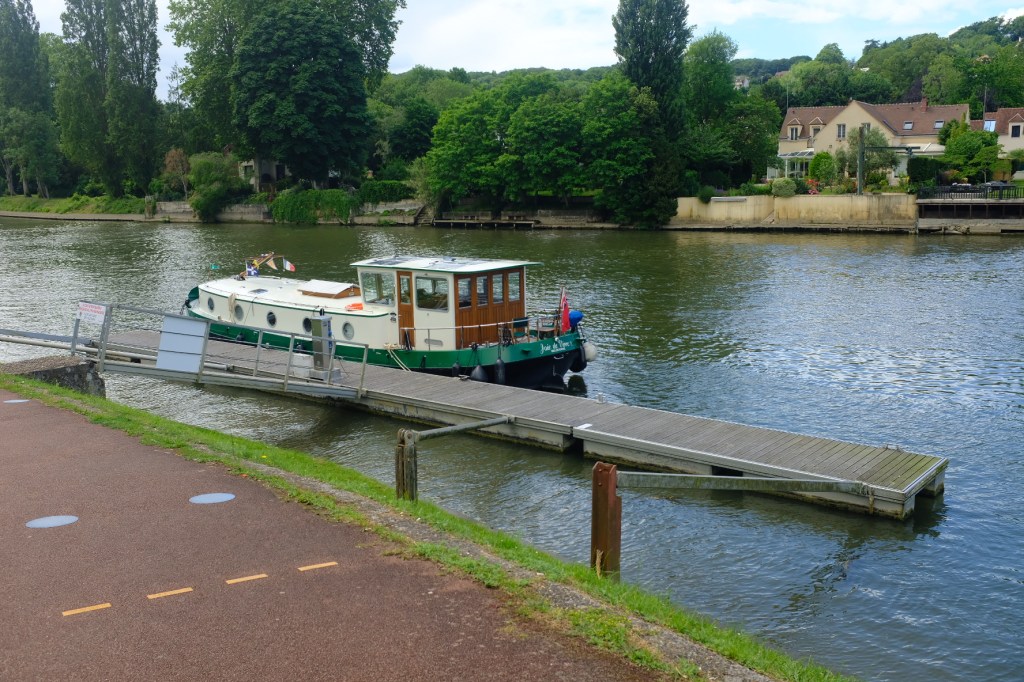
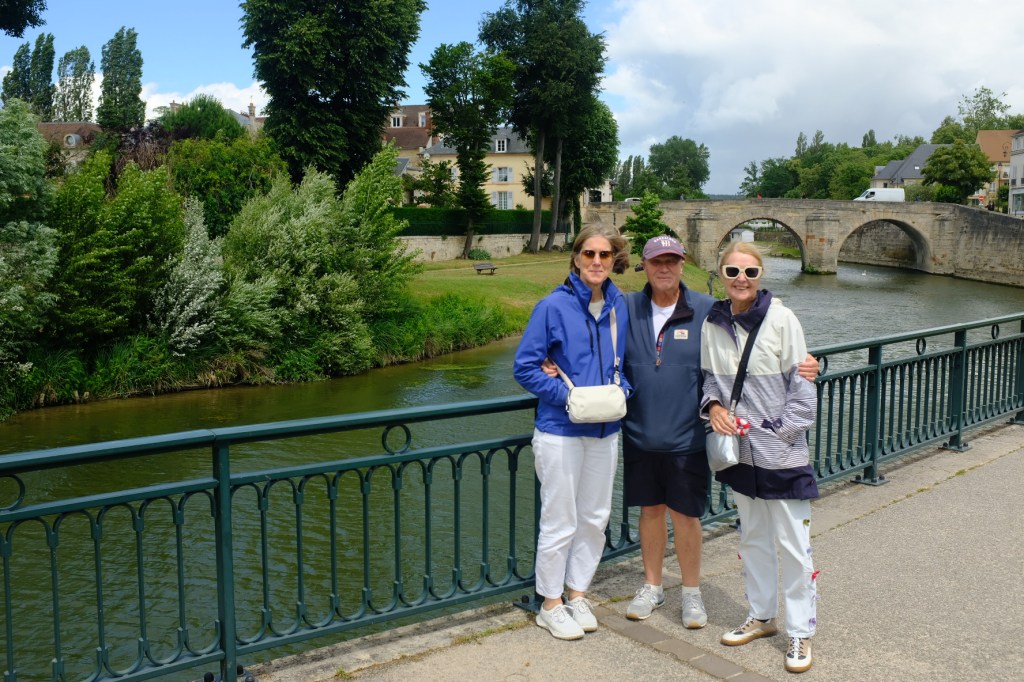
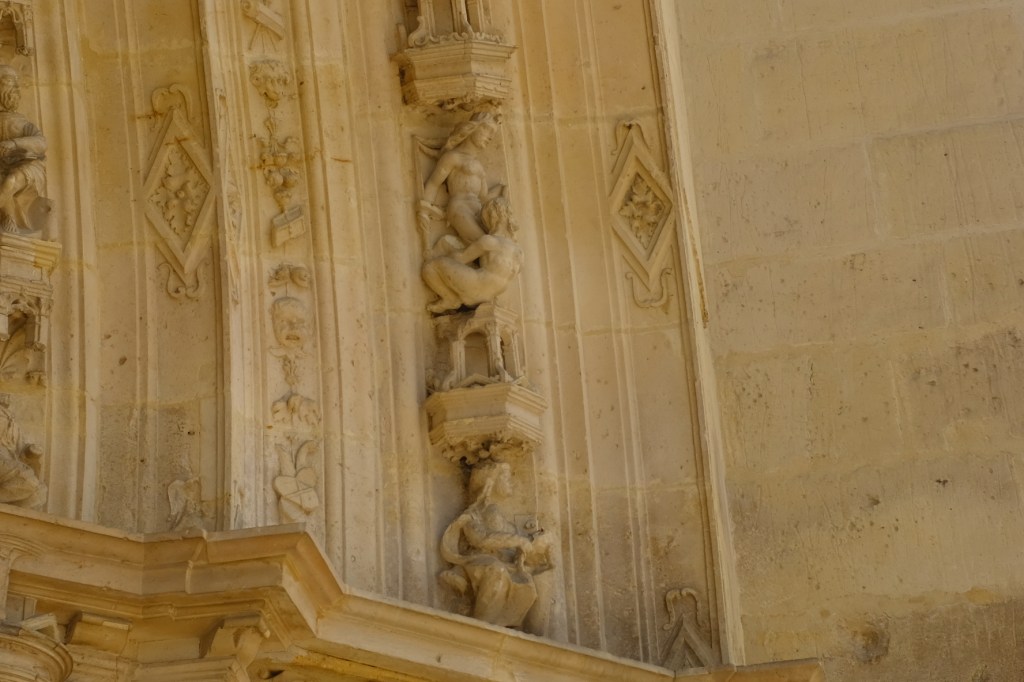
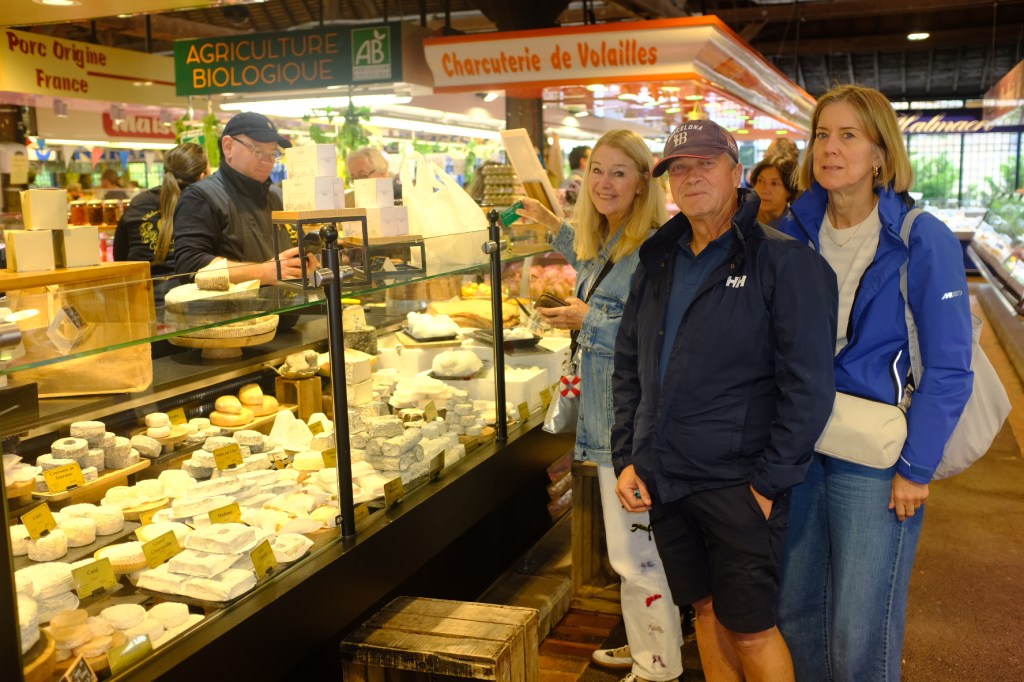
This is an upmarket elegant town on the L’Oise (think Brighton). There are a number of very good restaurants (this year we tried a French restaurant), a market twice a week, a pool enclosure that looks as though it stepped off the French Riviera, a historic church with an interesting gargoyle, an attractive riverside park and forest. One of my favourite stops along the river.
5th June 6km Auvers
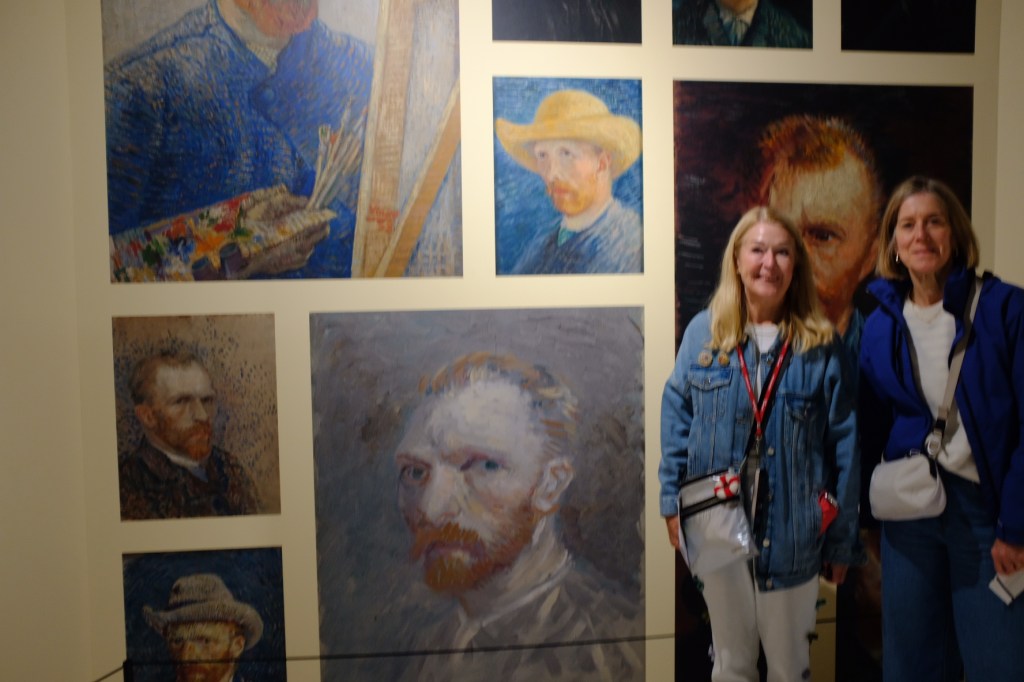
Now I’m sure you are wondering why we travelled such a short distance. The village of Auvers is the resting place of Vincent Van Gogh and his brother Theo. He only stayed in the village for a few months before he shot himself but the village is certainly taking advantage of promoting his memory.
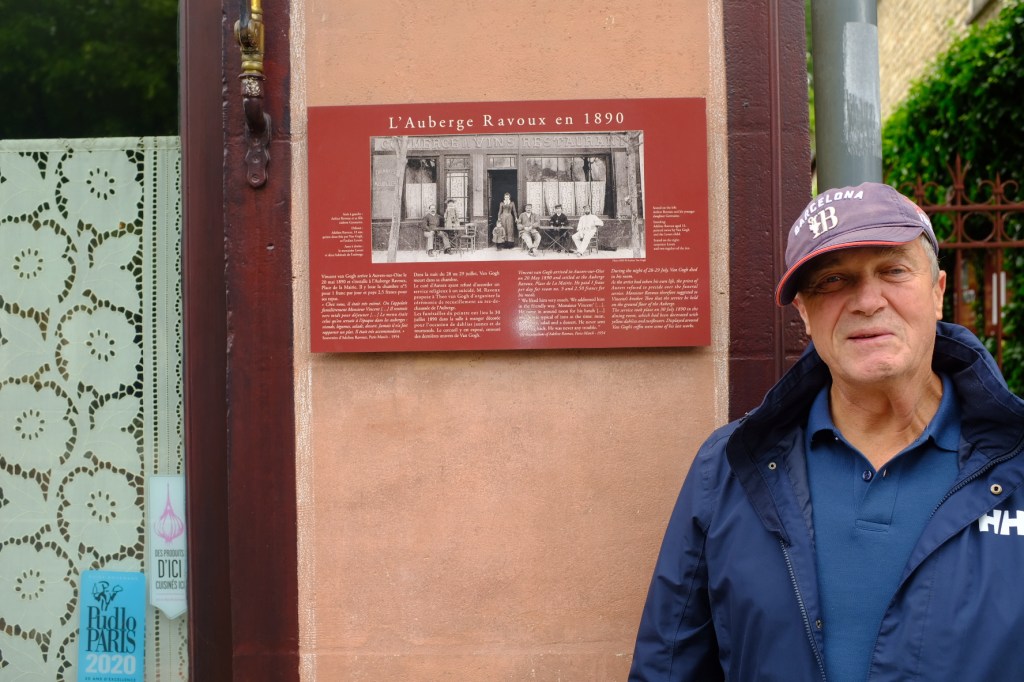
We wandered the village, went to the chateau and then visited the Absinthe museum. This museum was closed in 2023. The lady who established in the 1980’s was old and lacked the energy to deal with pesky tourists. It was bought by two fellows who were actors. They have reestablished the tradition of educating the masses in the delights (or not) of drinking absinthe.
Double click on the video and discover the secrets of absinthe
6th June 32kms 1 lock Port Seine-Parisii
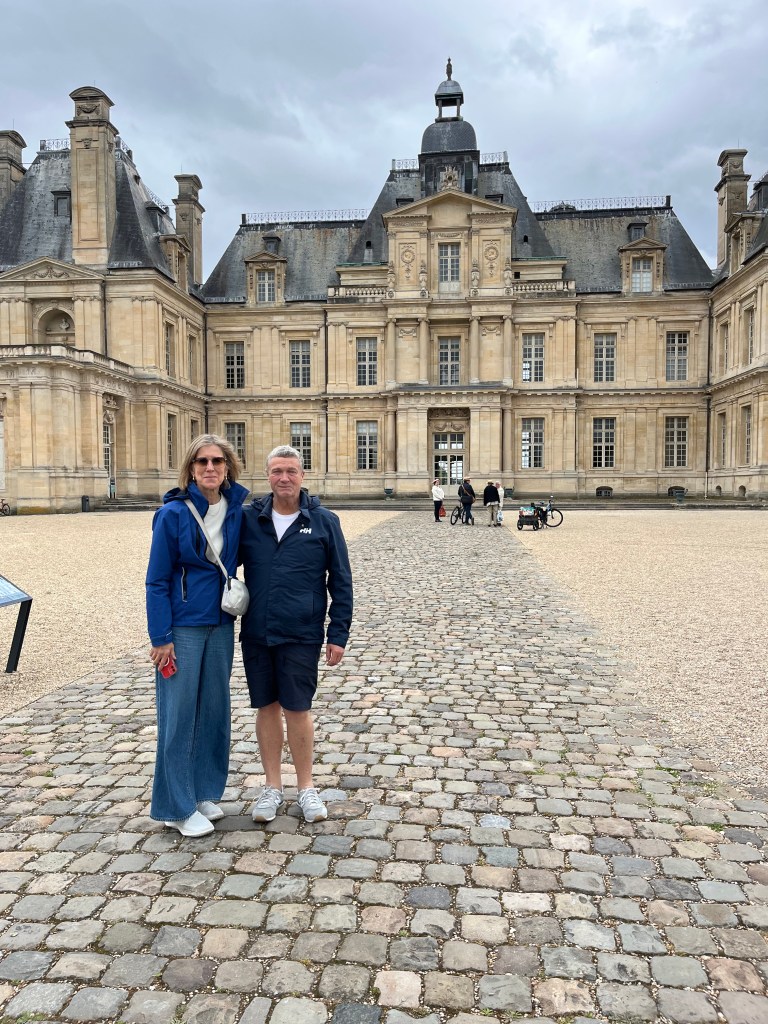
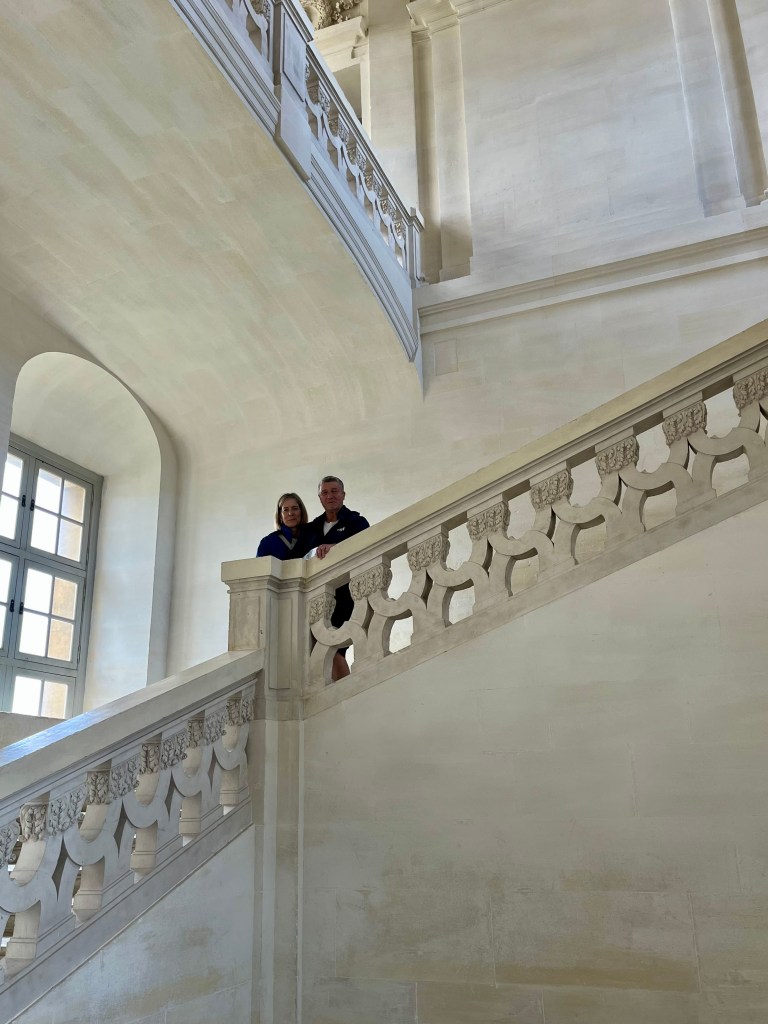
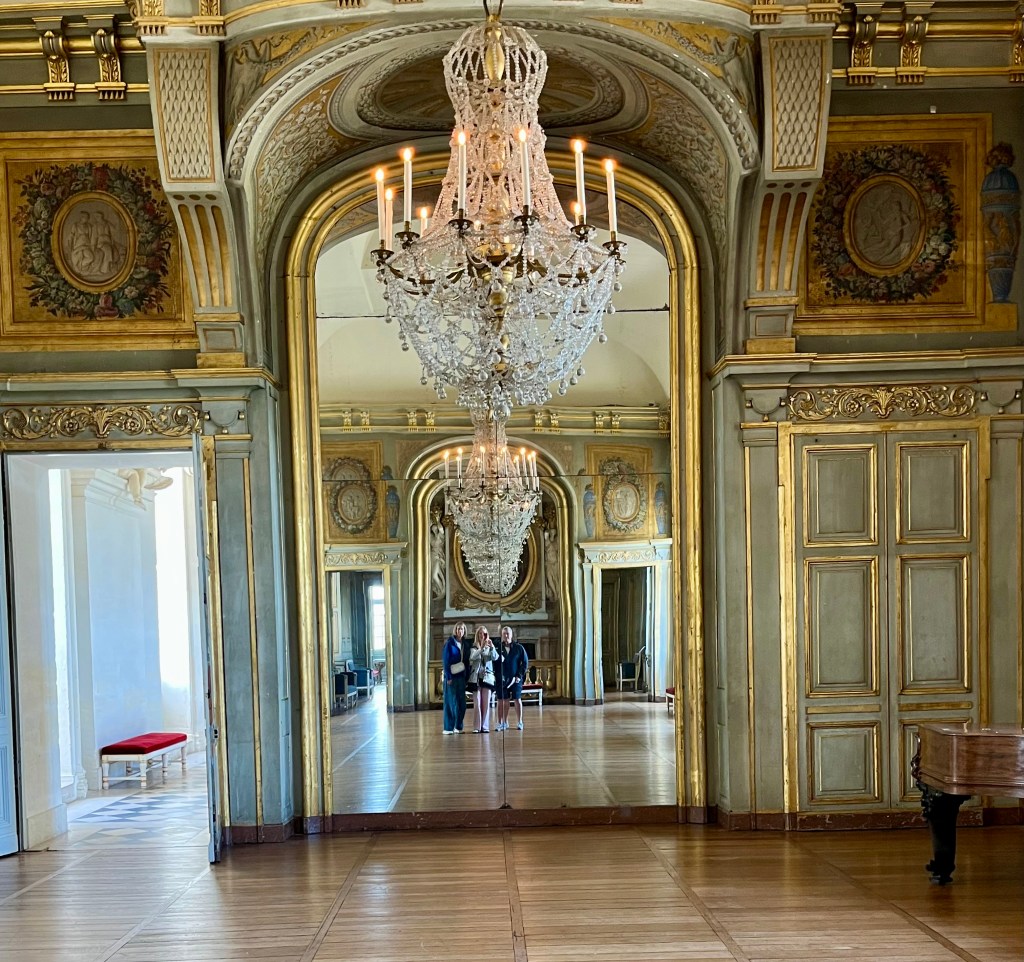
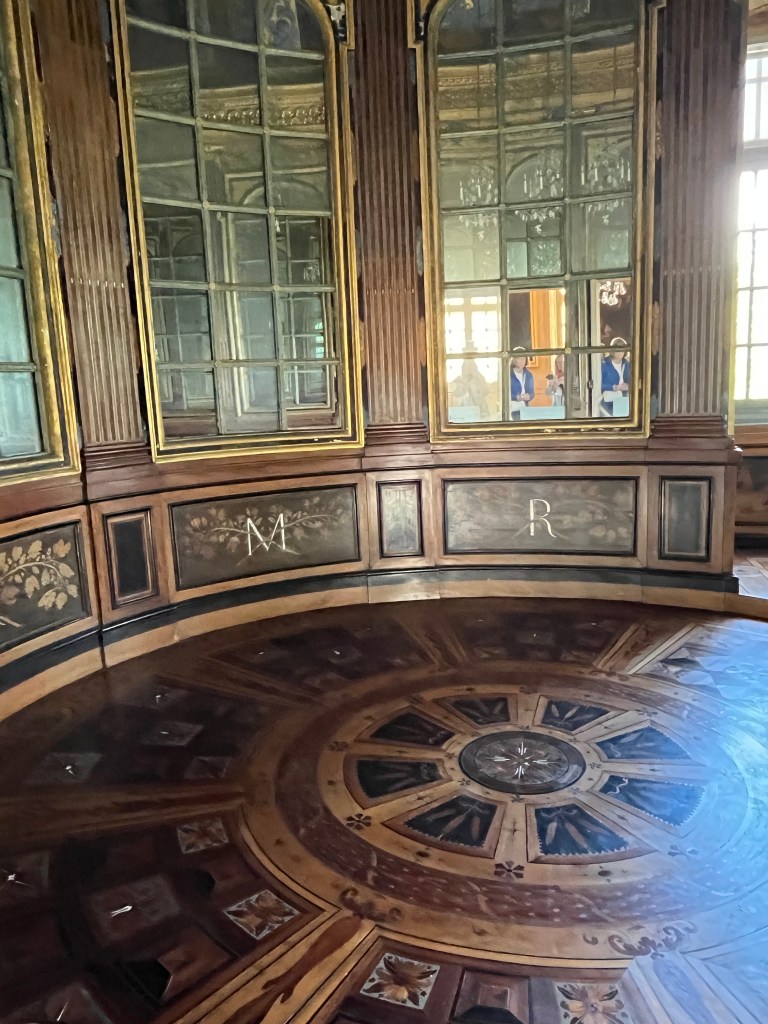
Today we left the L’Oise and entered the Seine, direction Paris. We stopped at a newly developed port, that was a cement factory in its previous incarnation. This modern mooring is a car ride to the town of Maison noted for its horse racing culture and the Chateau de Maisons, built in the 17th century. This chateau was famous for hosting royalty, including Louis XIV. Yes it was a matter of another day, another chateau.
Why so many chateaus in this part of the world? The valleys of the L’Oise and Seine were a great playground for the French nobility. These valleys were easily accessible from Paris, the political and social heart of France. After all the rivers were the railways and highways of the past. A noble family in Paris could jump on their boat and be in their country estate in a much shorter time than trying to navigate the roads of the time.
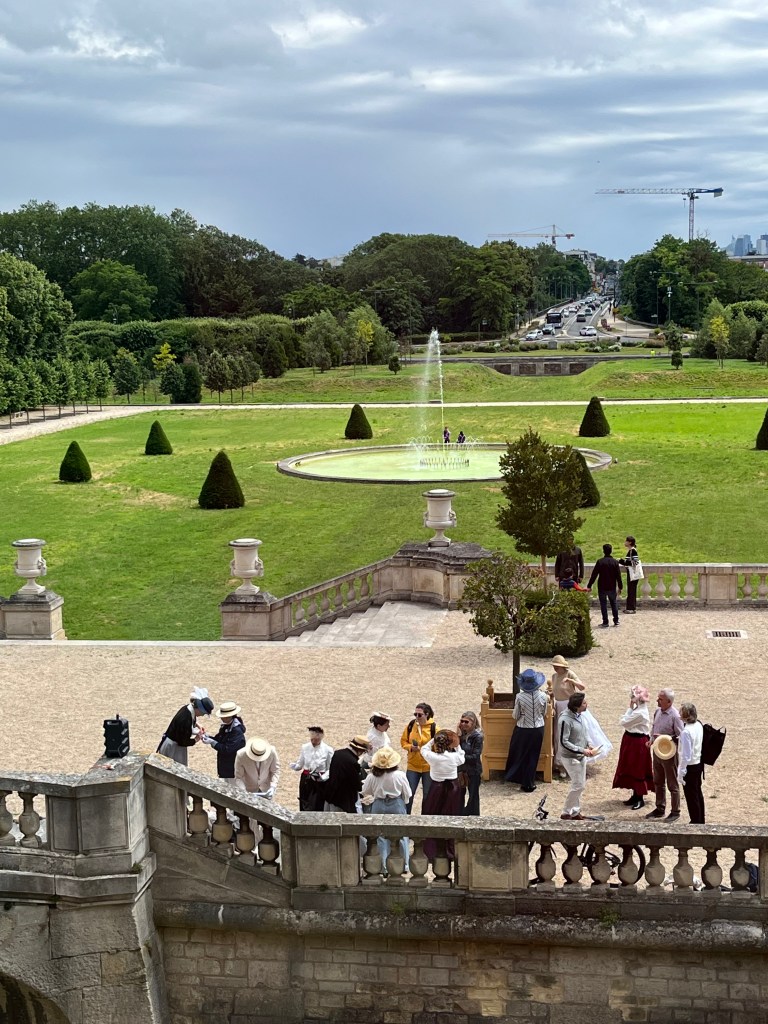
7th June 16kms 1 lock Rueil Malmaison
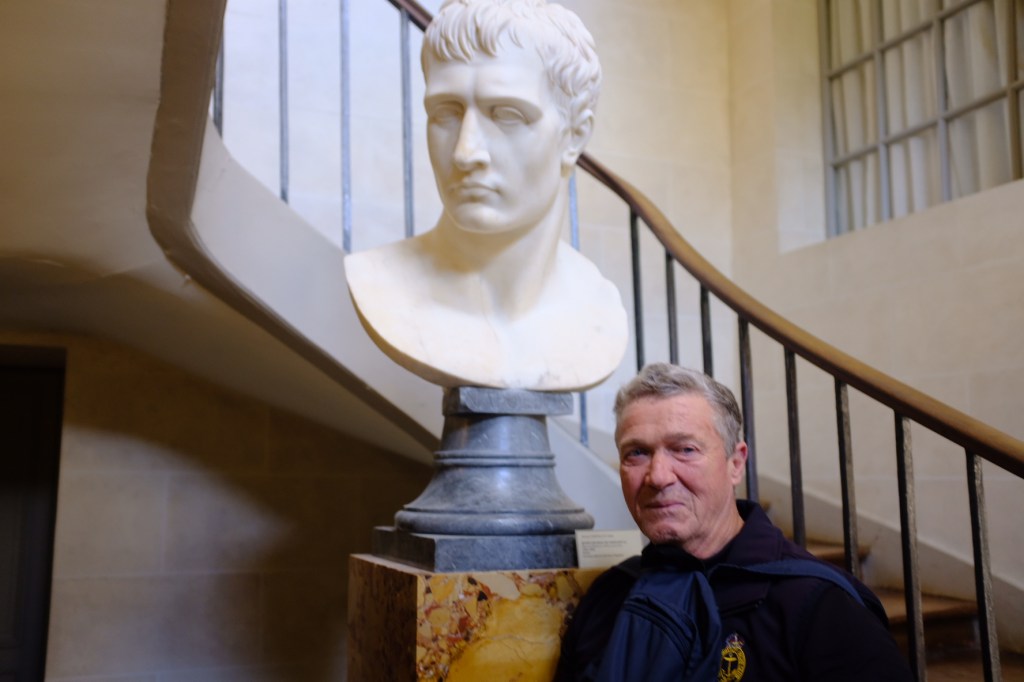
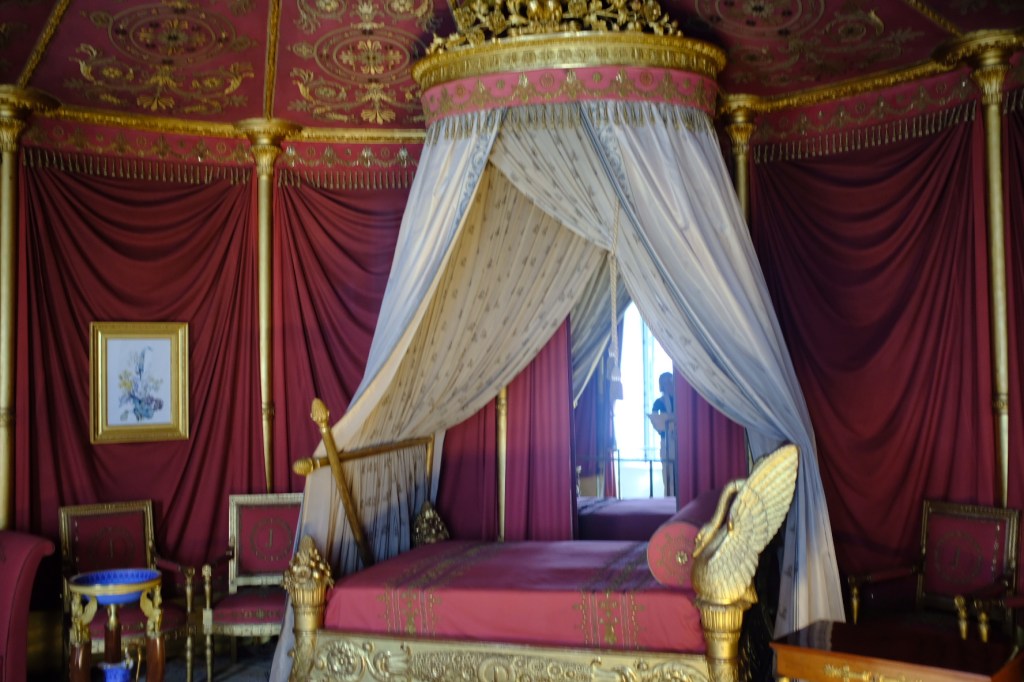
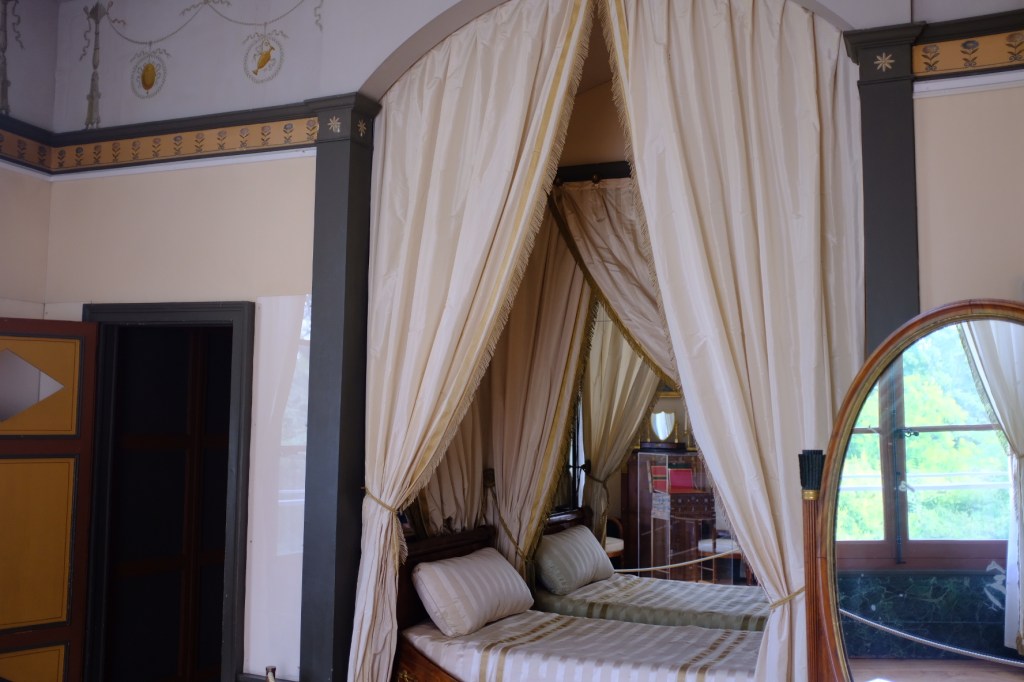
This town was shaped by its association with Napoleon and Josephine. Josephine purchased the Chateau Malmaision 1899, while Napoleon was fighting in the Egyptian campaign. The house was run down, but she expected a windfall from Napoleon’s exploits in Egypt. On his return Napoleon was furious with Josephine for spending well over 300,000 francs for the dilapidated mess. She spent a fortune renovating the chateau including developing an extensive rose garden. After her divorce from Napoleon she continued to live at the chateau until her death in 1814.
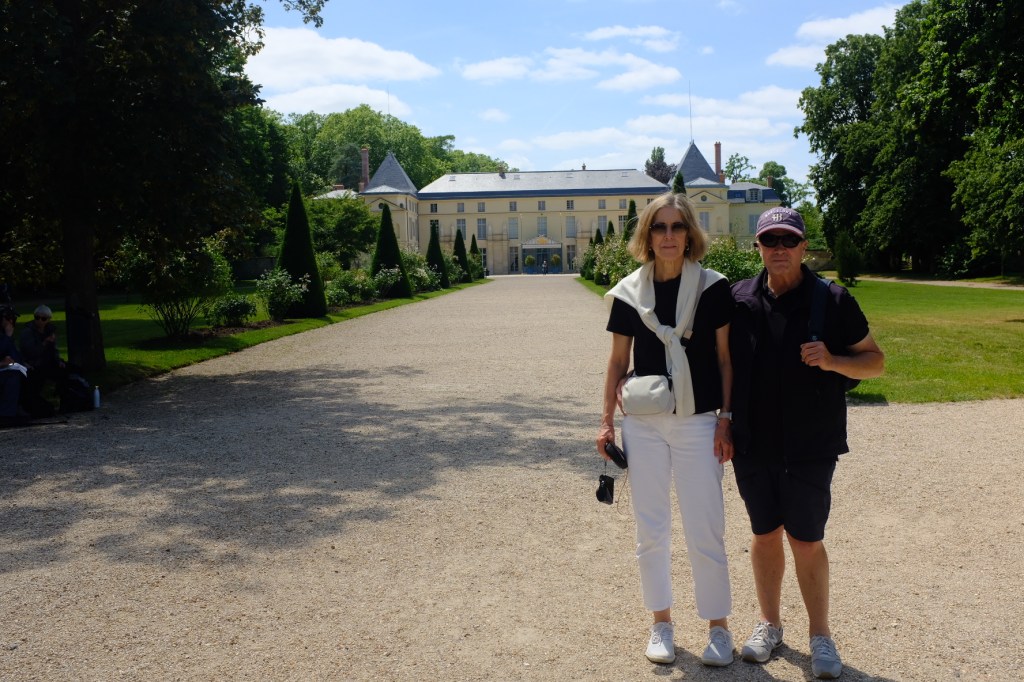
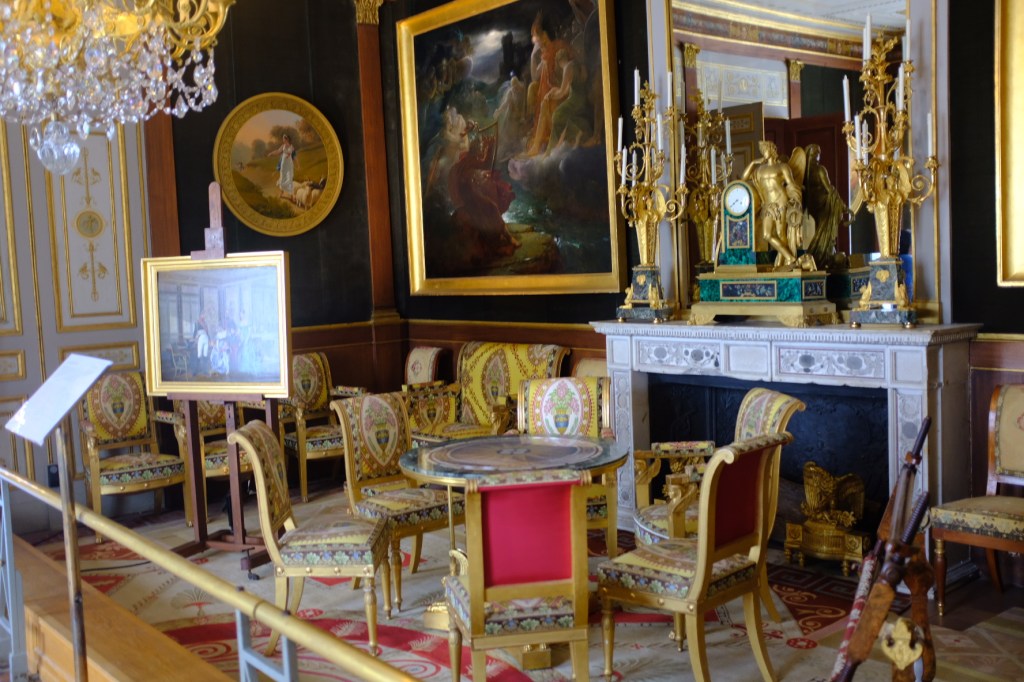
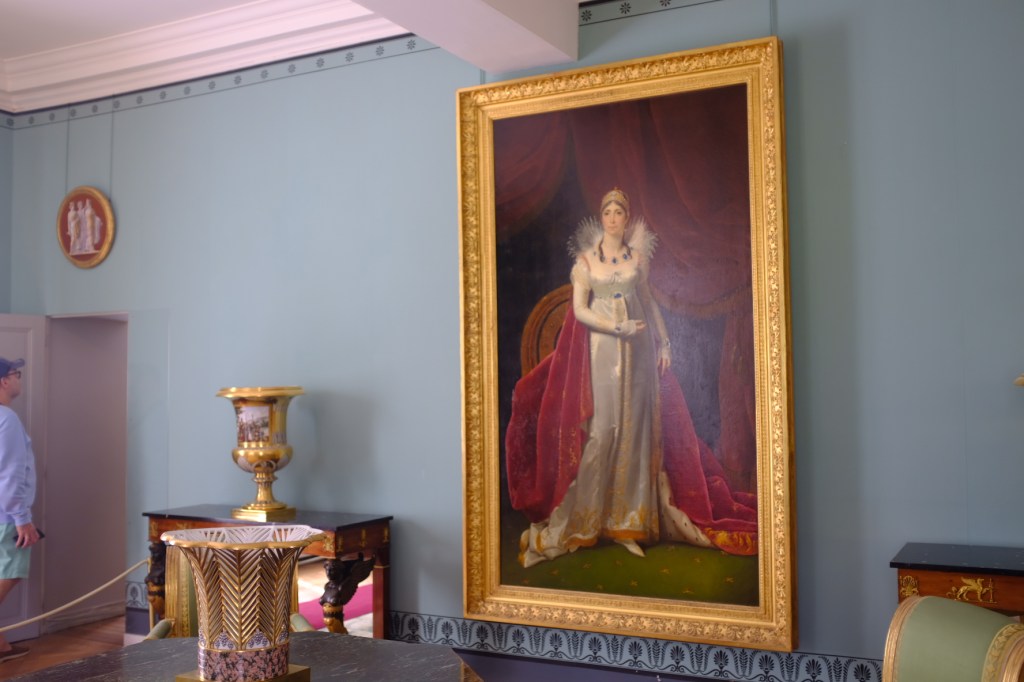
8th June 43kms 1 lock Paris (Port Arsenal)
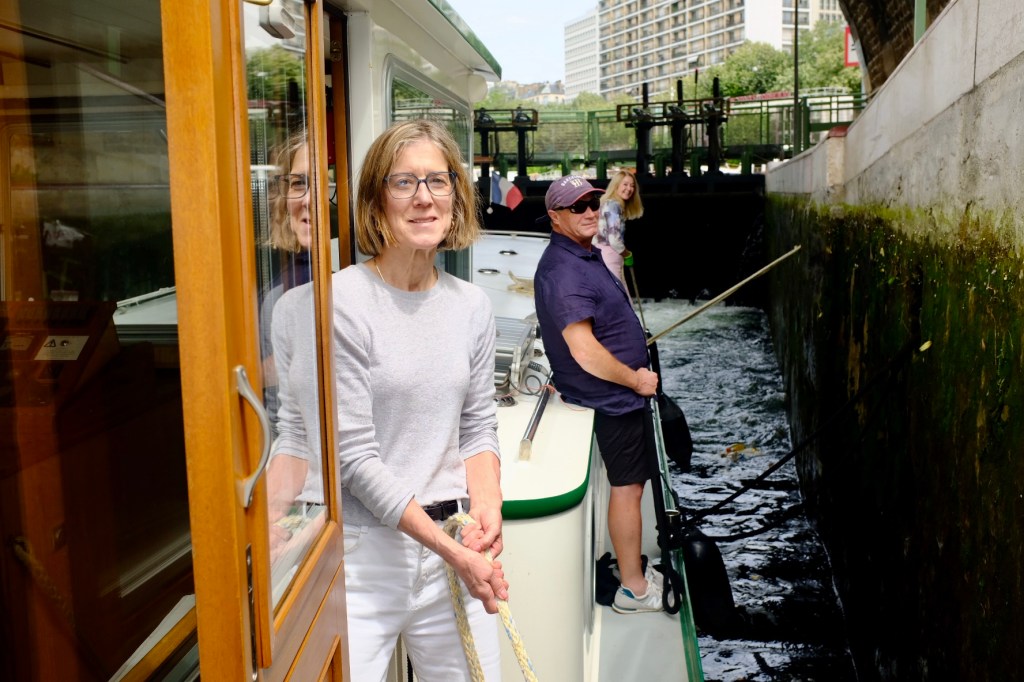
On the final day with Tony and Sally we cruised to Paris. At this stage I think a picture is worth a thousand words
Remember to click twice to play the video


Leave a Reply