Before I commence this post Peter insists that I inform you, my audience that if you wish to enlarge the images you just click on them. Okay that the housekeeping finished, now on to the final chapter for this year
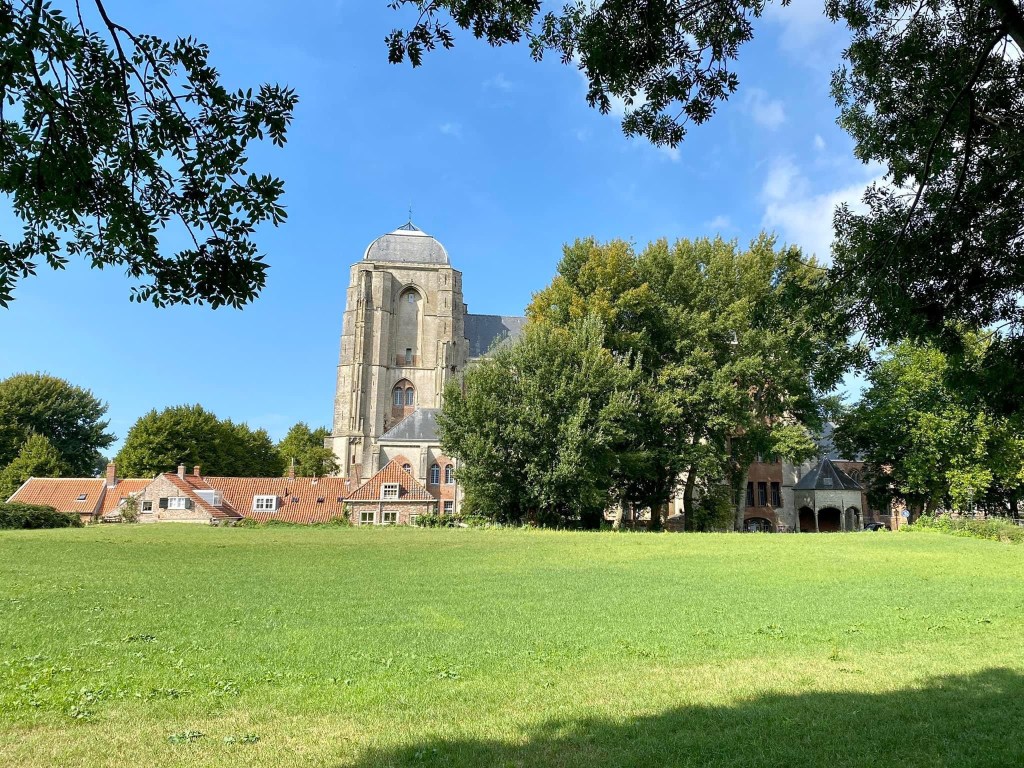
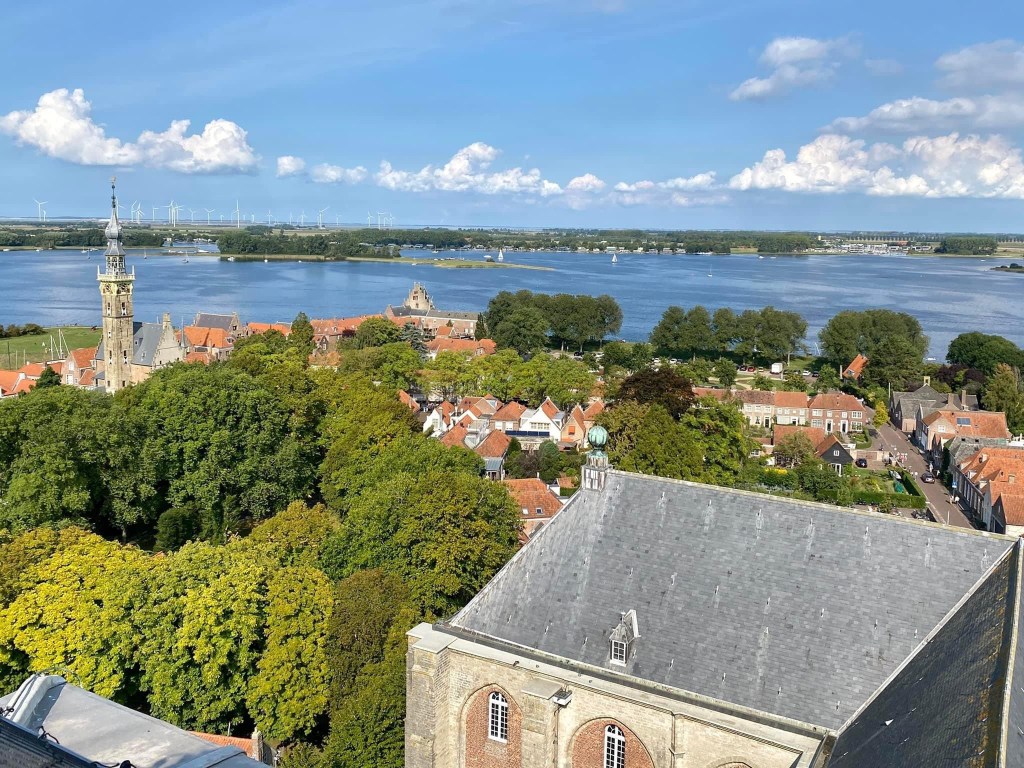
The trip from Veere to Brugge is a total of about 120kms, and would take us the next 7 days to complete, (with a 2 night stop over in both Middelburg and Ghent). But our first stop was Veere, which was an important trading town in the 16th century, with strong Scottish connections. The skyline is dominated by the Grote Klerk and due to the narrow harbour, we were forced to back in. Luckily there was no wind when we arrived.
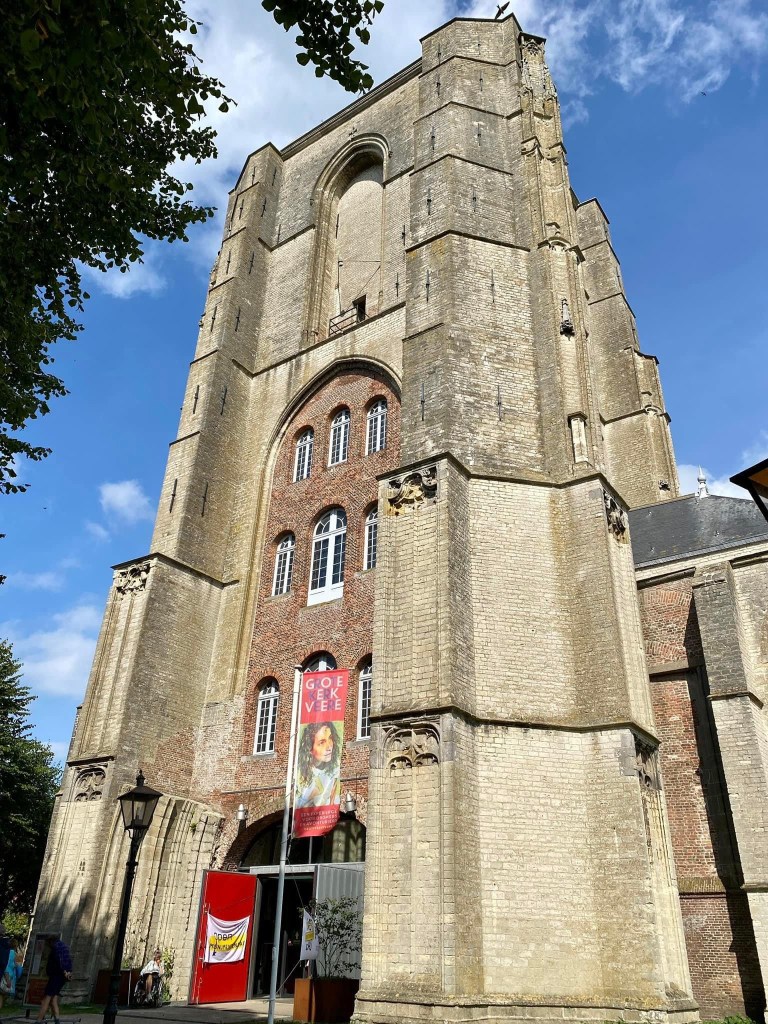
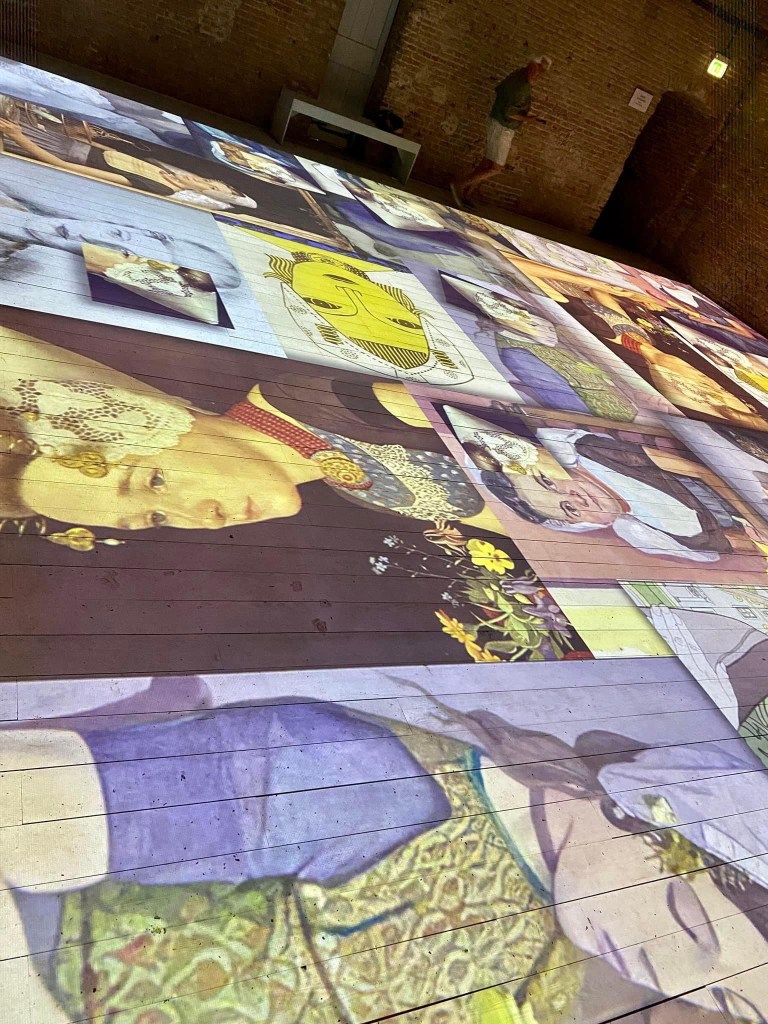
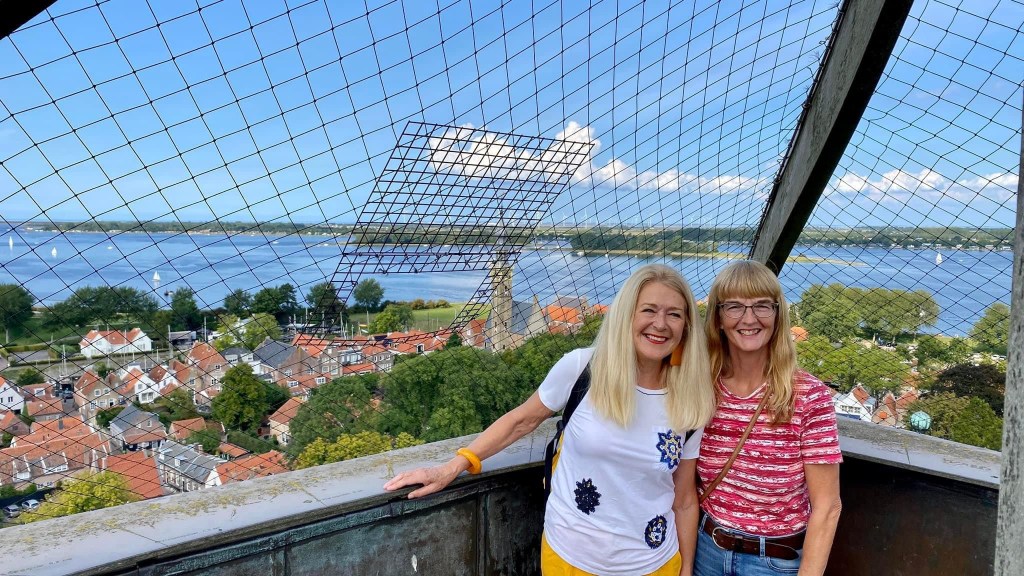
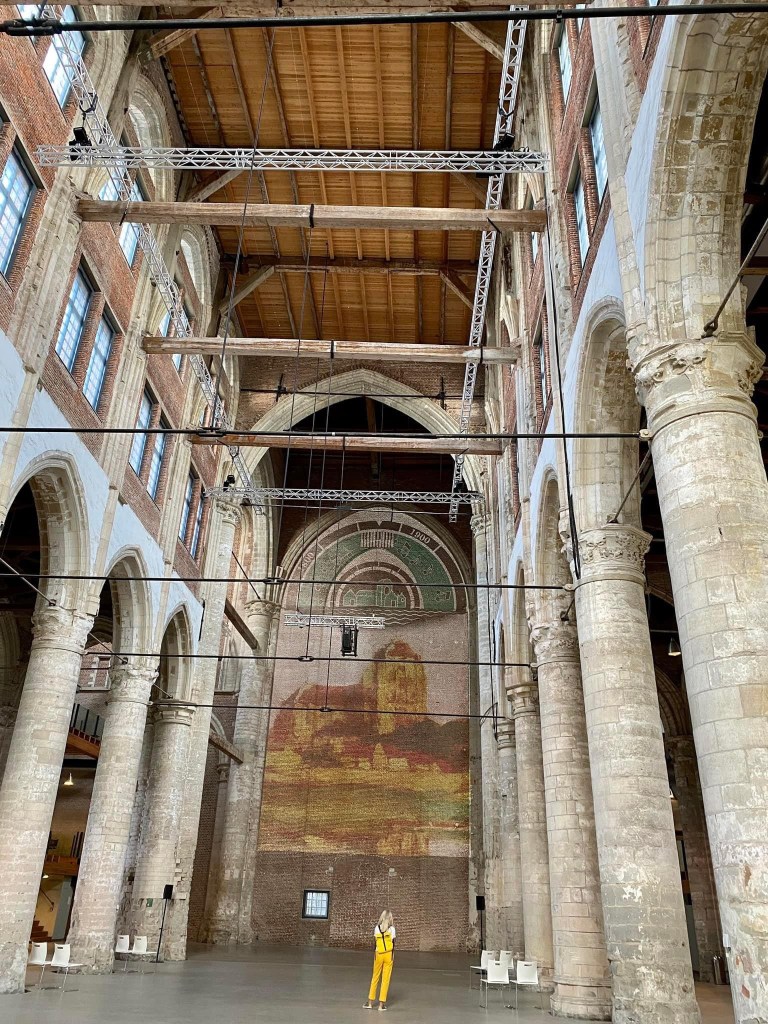
Arriving at he port in Veere. Yes arriving not leaving. It was necessary to back into the harbour A view of the Grote Kirk. This unfinished church has a chequered past.The tower was meant to be 100 meters high but never reached this dizzy expectation. This explains its rather squat look. During the napoleonic wars it was utilised as a hospital and military barracks and during floods was an emergency stables for cattle. Today it is a cultural venue and tells an exciting visual story of the town.The tower of the Grote Klerk, 250 steps to the topHalf way up the tower the floor gives a visual account of the story of VeereIn the towerAt the topA great view Impressive projection on the church wall
Veere is on the north side of the island of Walcheren and our destination was Vlissingen on the south side, accessible via the Kanal door Walcheren. Half way along the canal is the town of Middleburg, which is the historic capital of Zeeland.
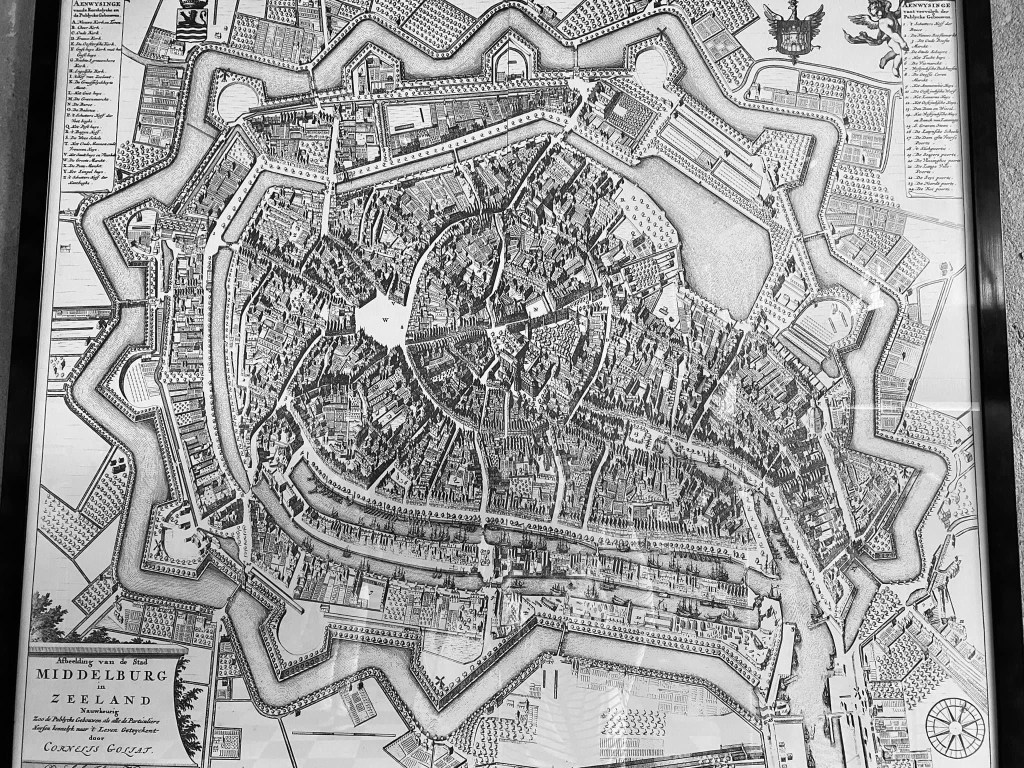
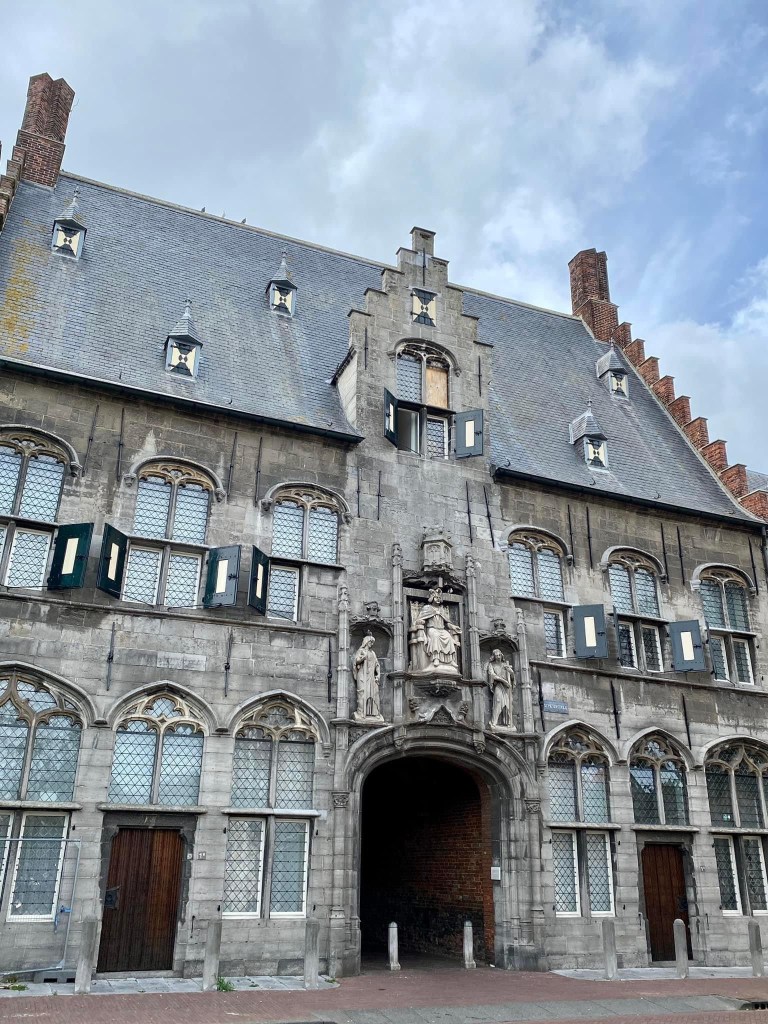
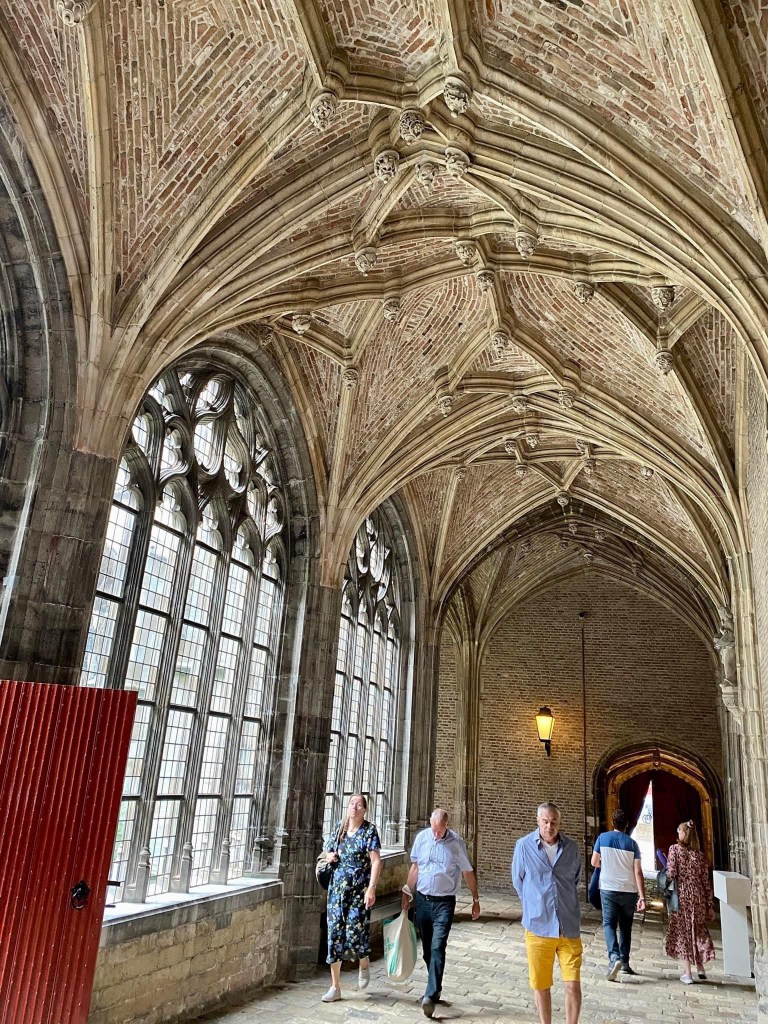
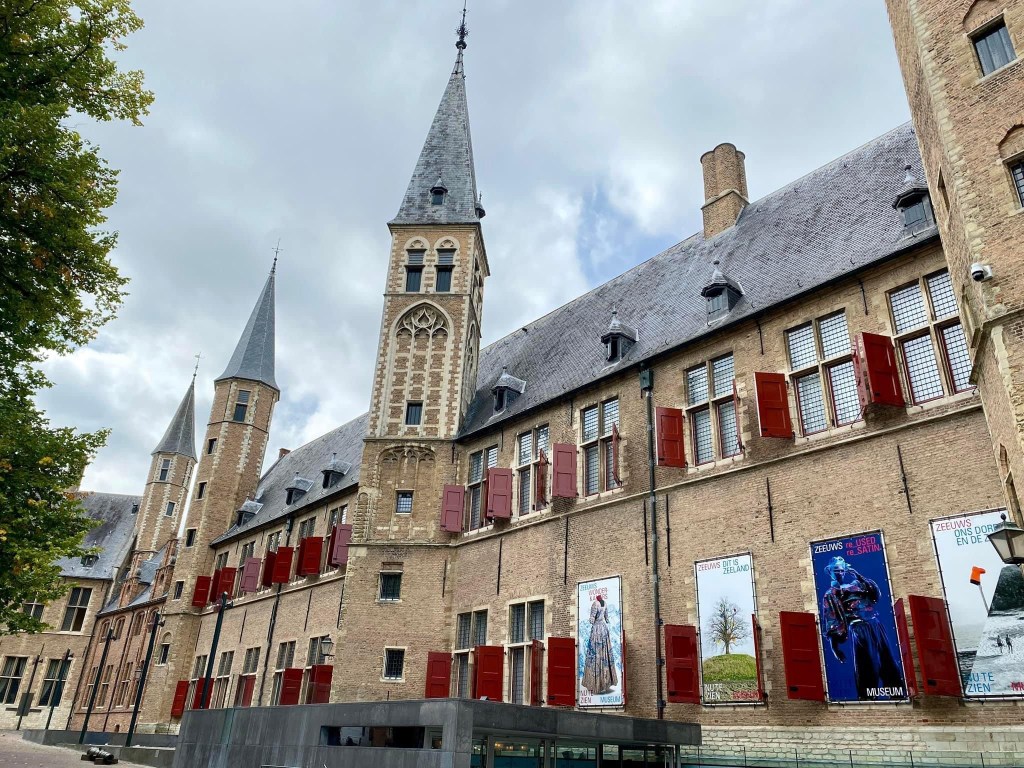
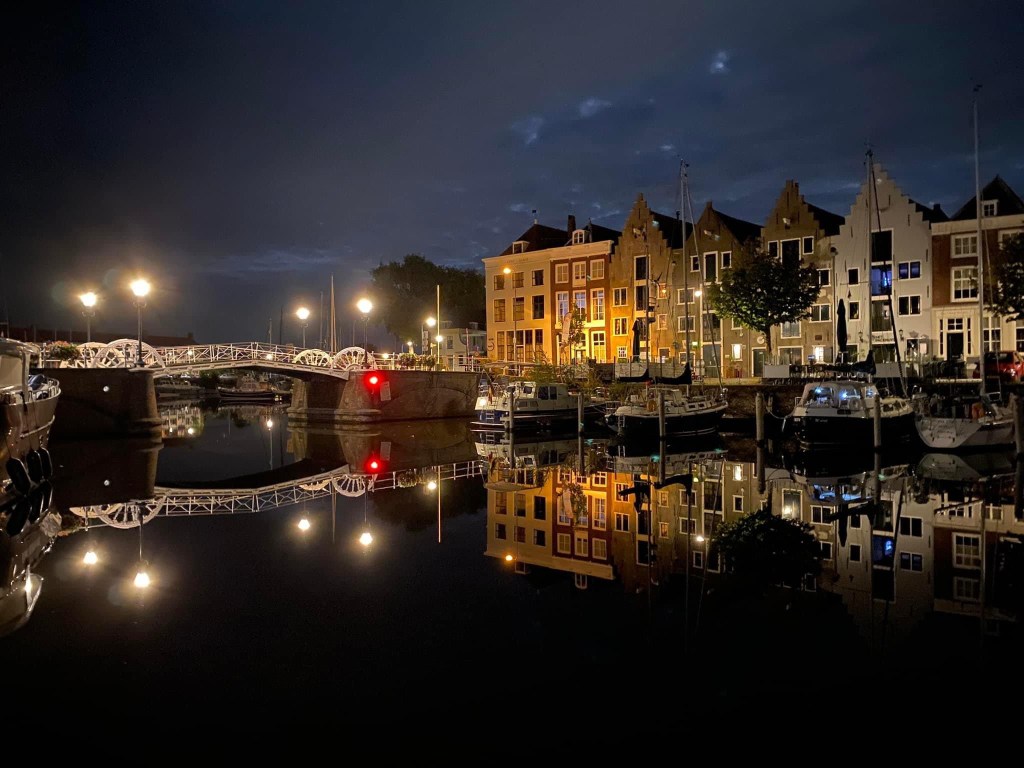
Middelburg developed at the top of a small hill and was a defensive stronghold protecting the local populous against the invading Vikings. In the 12th century a large abbey was built on he site, but later was taken over by local government, an arrangement that remains in place today. One of the old abbey buildings now houses a museum. The town was also an important trading centre during the 18th century for the Dutch East India Company. All this history resulted in the creation of more than 1,000 of what are now, important historical buildings. Much of the street scape was lost during WW2 due to heavy bombardment. The city centre was largely destroyed. Fortunately a decision was made to renovate and rebuild the buildings in the architectural style of the past.The Statehaus was rebuilt after WW2All the building renovated or rebuilt after WW2 are identified with this plaque.Part of the old abbeyInside the old abbeyThe museumOne of the recreated medieval streets. Renovation of the old streets and buildings still continues in order to maintain their historic appearanceViews of MiddelburgOur harbour in Middelburg
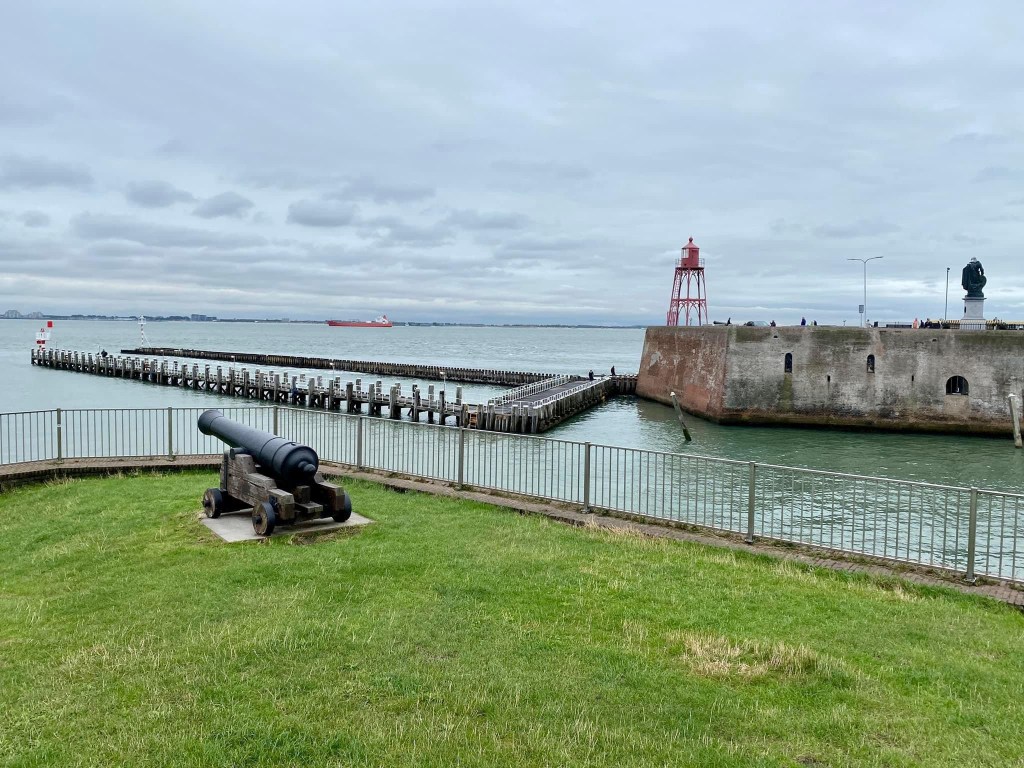
On to Vlissingen (known to English yachtsmen as Flushing, which was a traditional first port of call when sailing to the Netherlands), and the rain came tumbling down. This was our last port before dashing across the open waters of the Westerschelde into the Terneuzen Ghent canal, and Belgium.
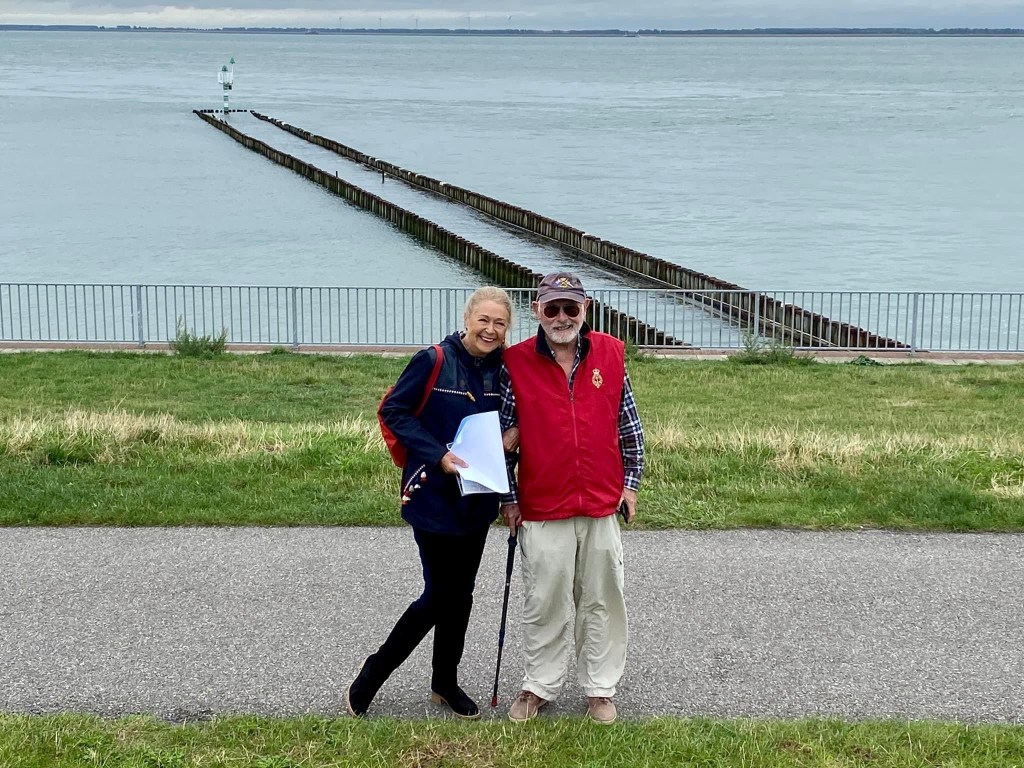
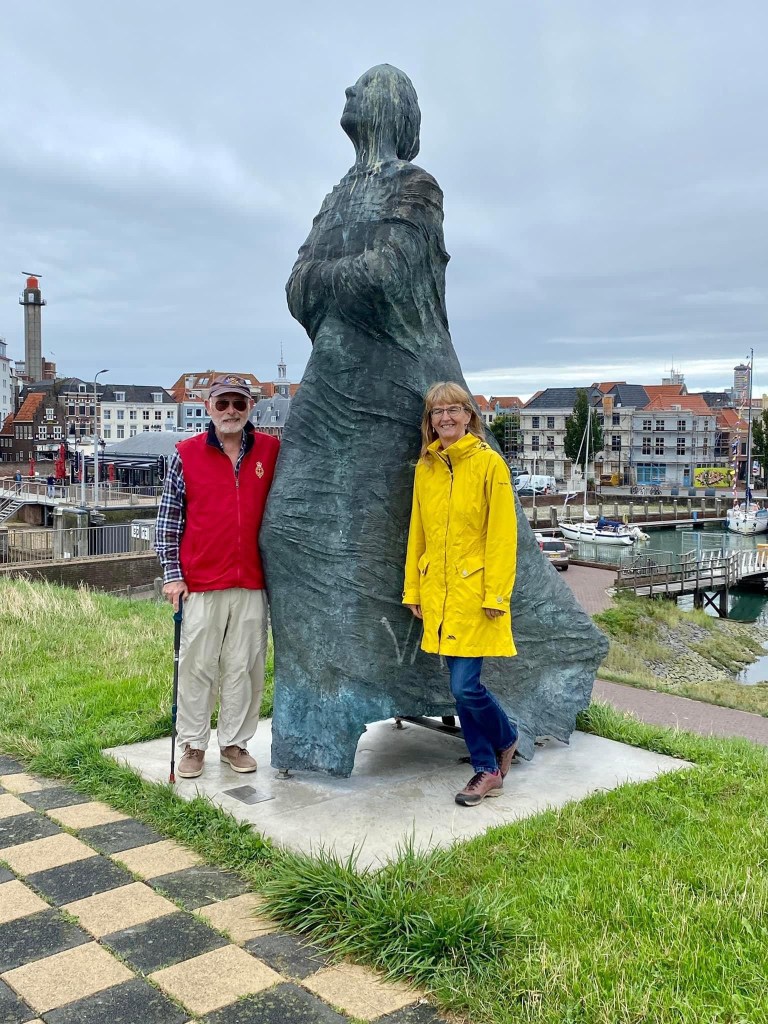
Standing on the dyke in Vlissingen looking out to the Westerschelde Vlissingen
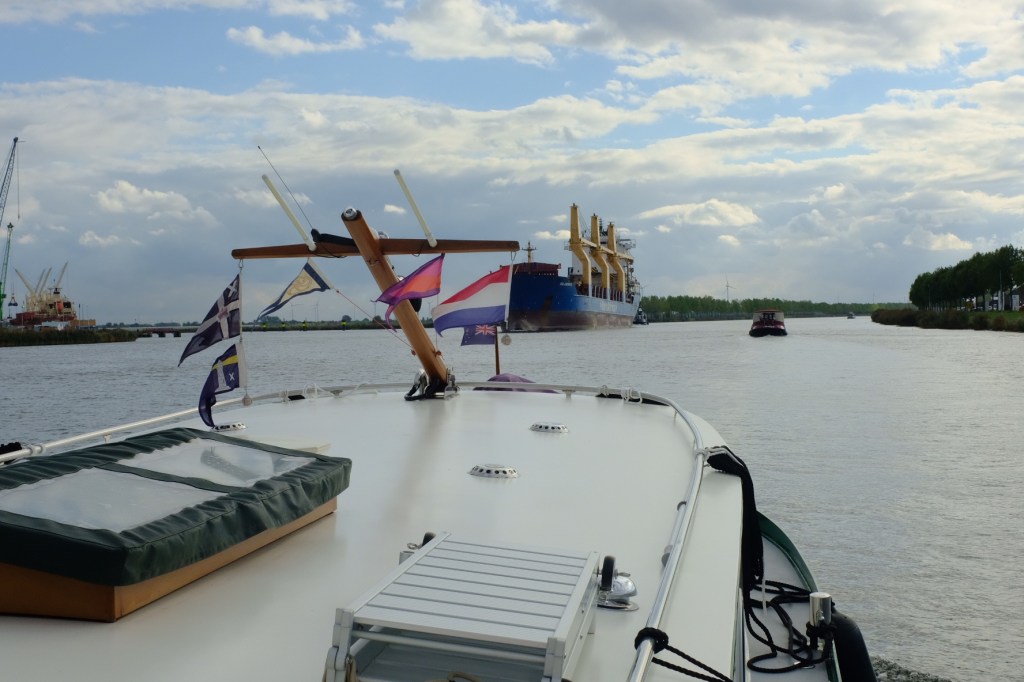
Out through the sea lock to the relative calm of the Westerschelde . The crossing took just under 2 hours and yes we just beat the wind that came in just before we entered the Terneuzen Ghent canal.
The commercial traffic on the Terneuzen Ghent canal. Only one more over night stop and we were in Ghent.
Now I’ve always said there is plenty to discover in both Ghent and Brugge. That’s one of the reasons that I love this part of the country. And again Ghent lived up to this expectation.
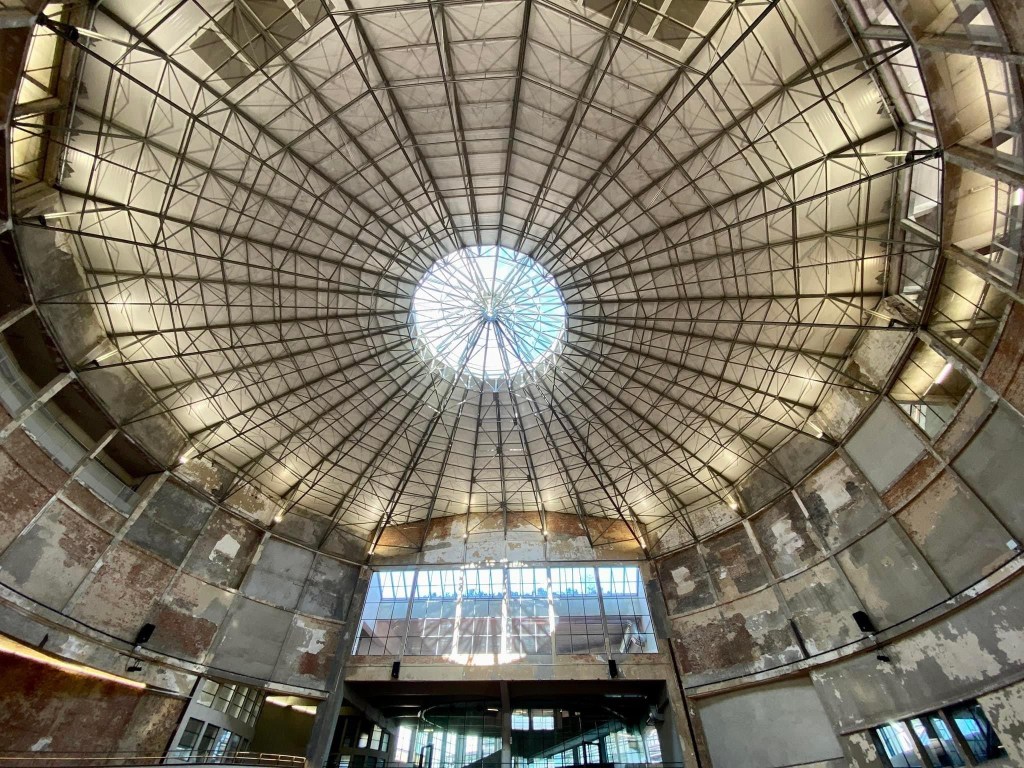
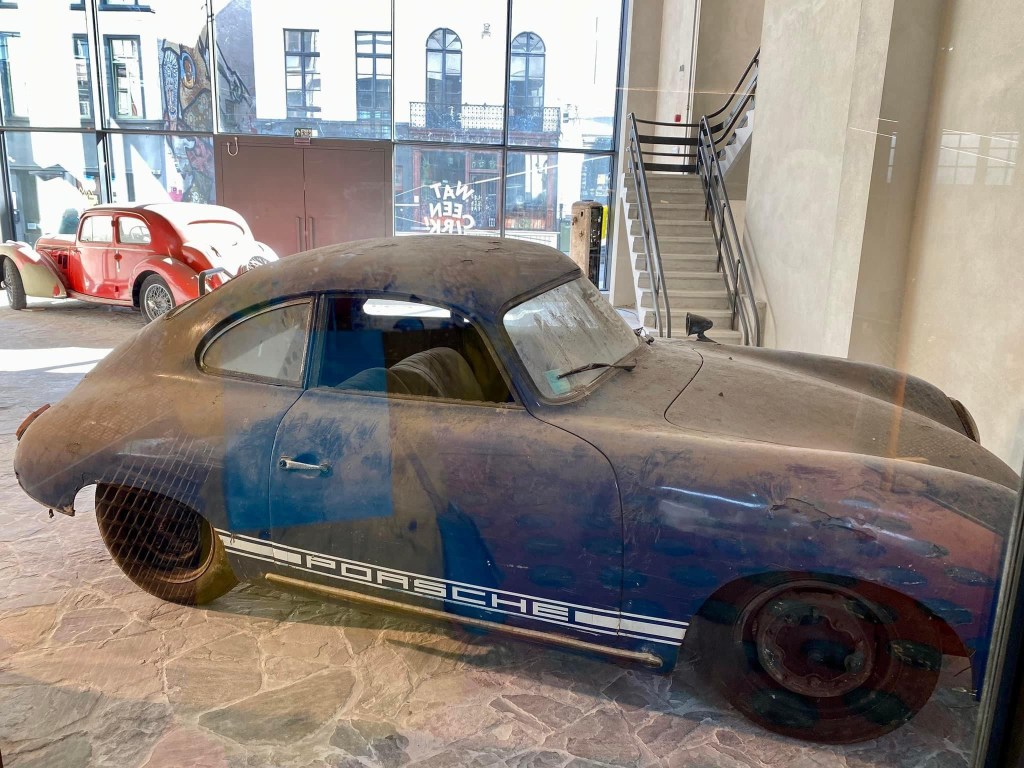
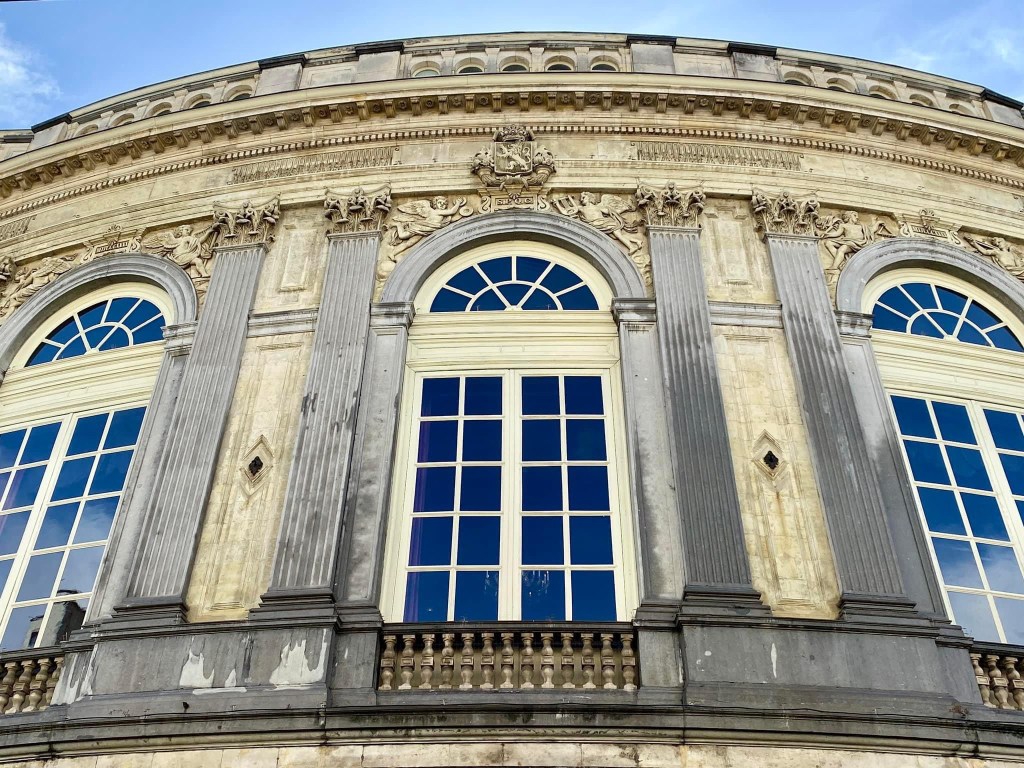
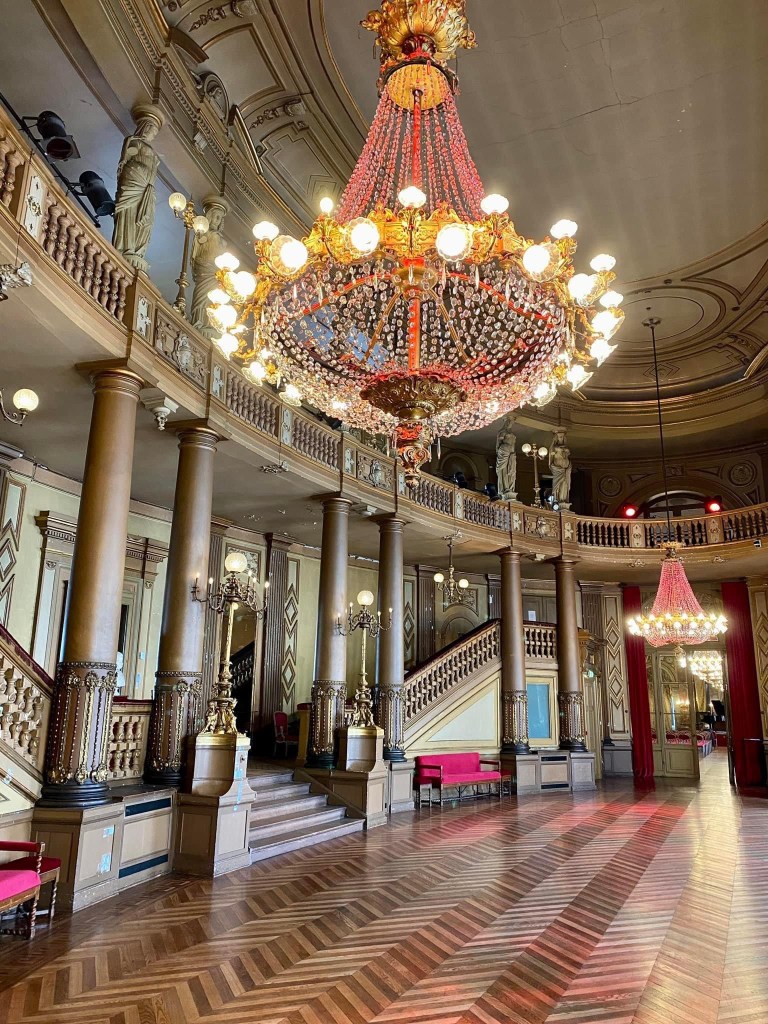
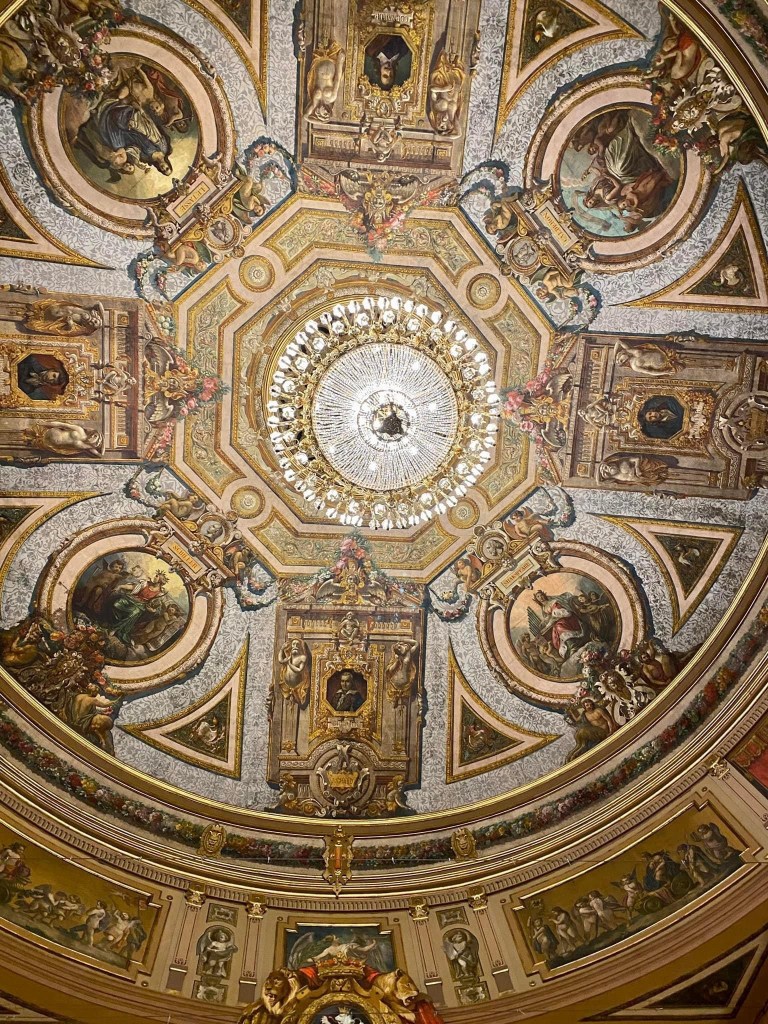
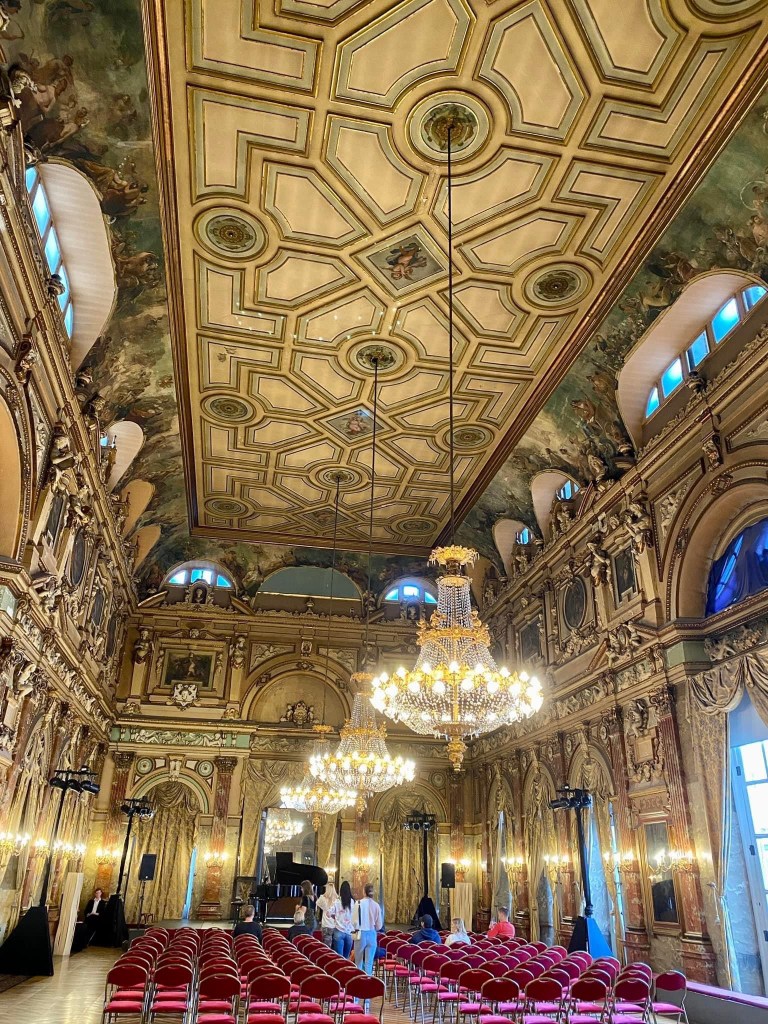
The ceiling of a renovated space that was once a 19th century indoor circus, then a car show room, now an area to showcase artUnrenovated Porsche in the art spaceThe operaInside the operaThe ballroom in the opera houseCeiling of the ball roomCeiling of the concert hallWe were treated to a 20 minute free concert
Luckily there is no Whelan the Wrecker in Ghent, and we discovered a newly renovated art space with displays that gave a nod to its past. The opera house is near the mooring in Ghent and I have always wanted to peek inside. Luckily the doors were open and we were treated to a personal guided tour and a free concert! Wow that was a discovery!
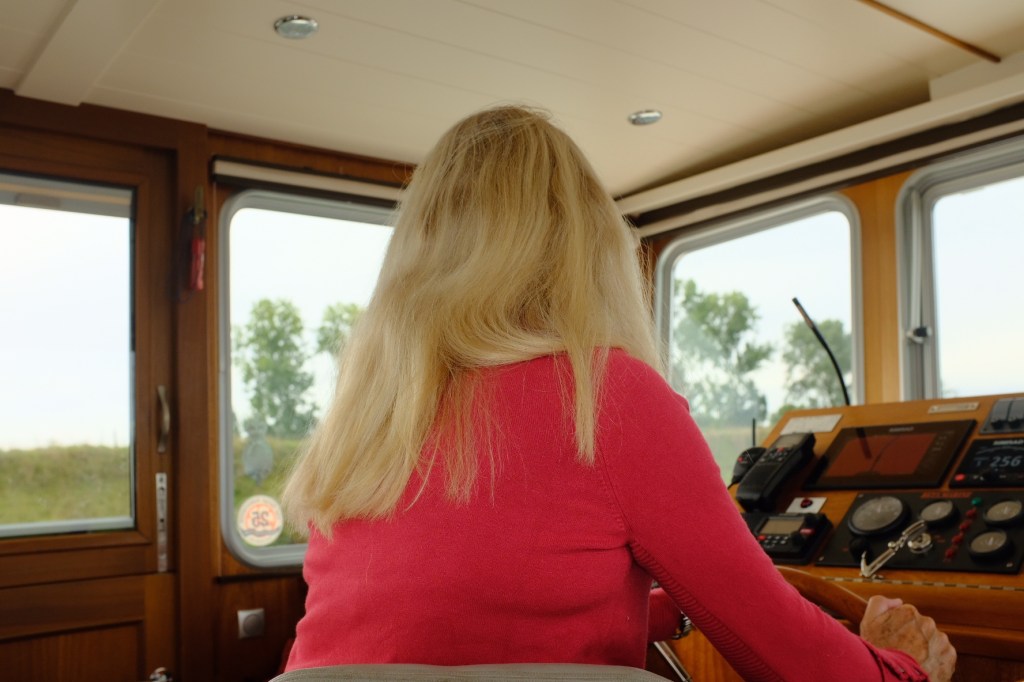
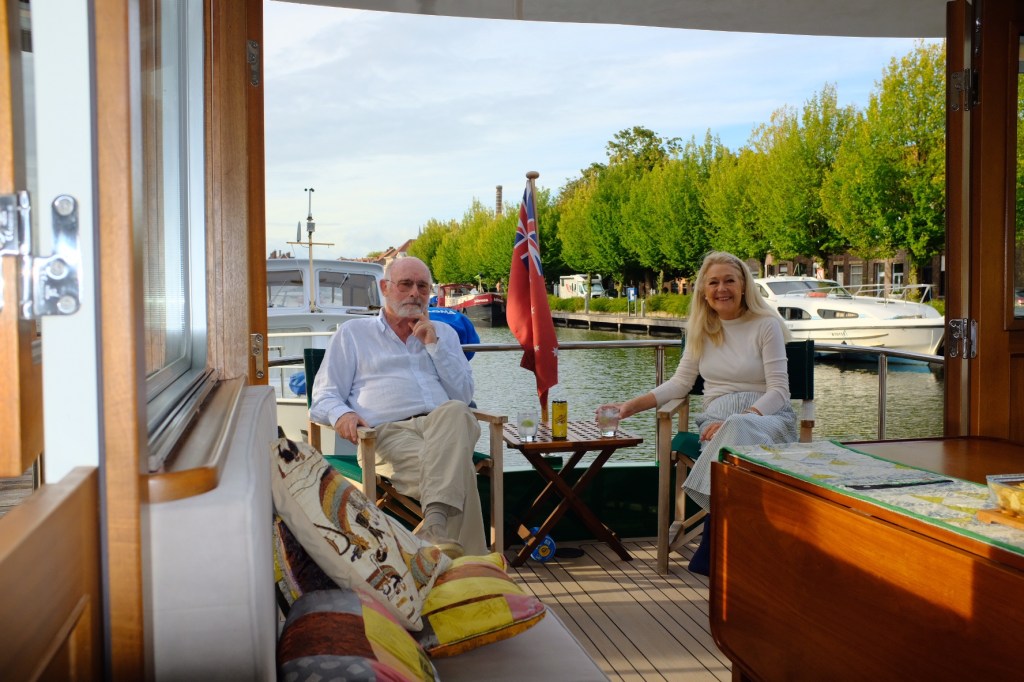
The final leg, driving from Ghent to Brugge.Back to Brugge and a celebratory G&T
So that’s a wrap! And our statistics…..
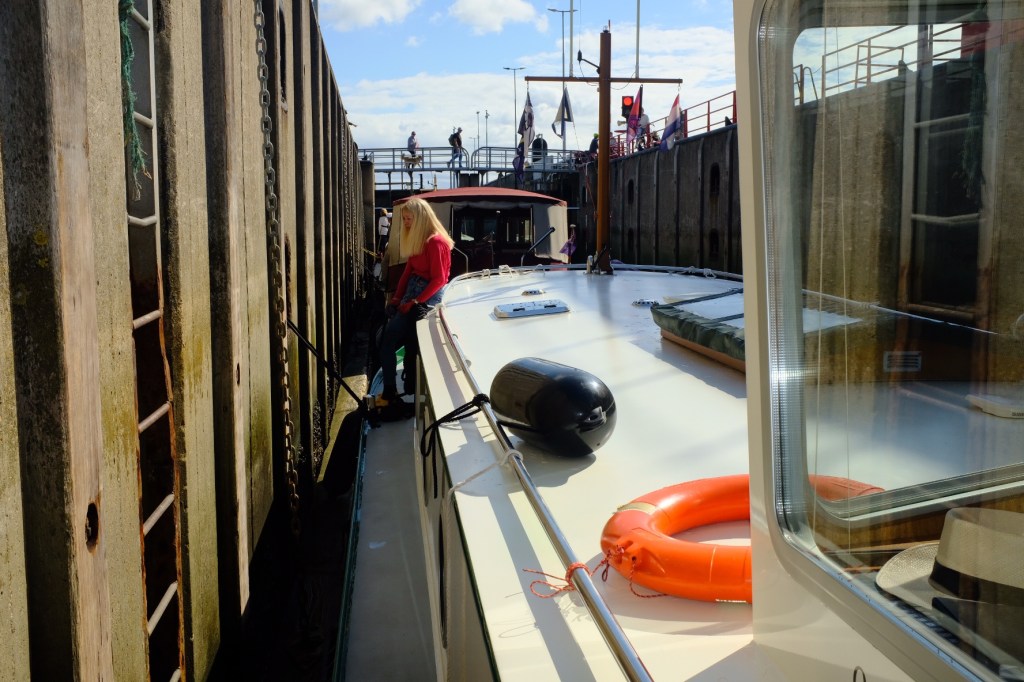
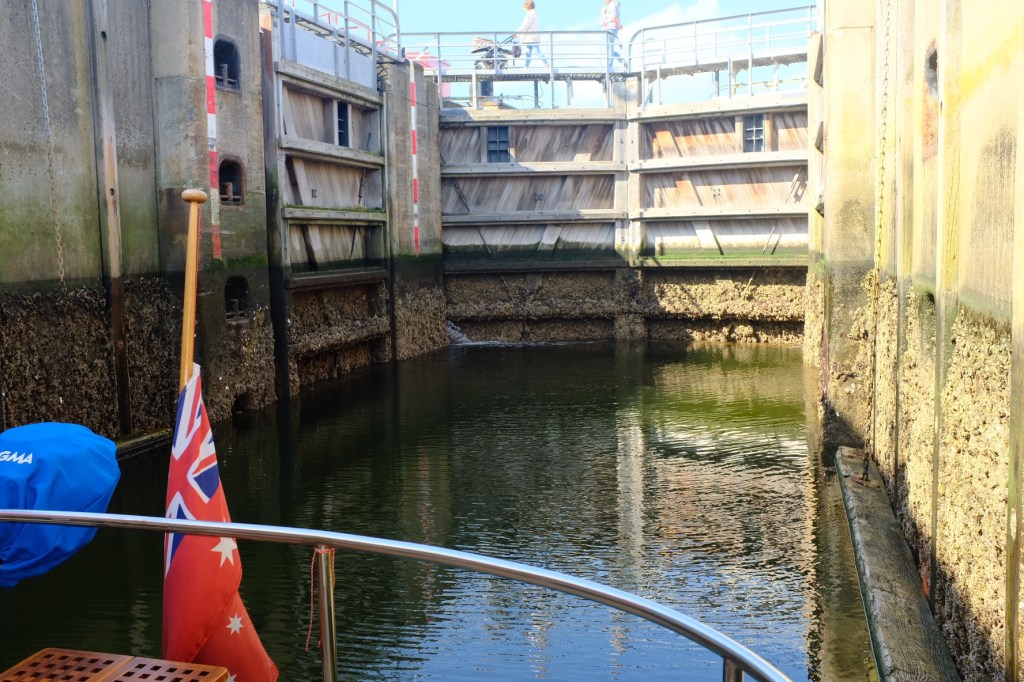
We motored for 285.4 engine hours that at an average of 9kms per hour resulted in 2,568.8kms in distance. In transiting he canals we went through 127 locks, under 183 lifting bridges (I don’t count the bridges we are able to sneak under and through 4 tunnels. Our journey on our boat took us to 3 countries, Belgium, France and the Netherlands with a 2 week sojourn in Italy on Geoff’s boat.
Now it’s time to pack up and leave for our return to Australia. Au revoir❤️











 Karen’s Travel Blog
Leave a comment