
Of course if you mention the Somme to any number of people, what immediately jumps to mind is the disastrous event at the beginning of the 20th century, namely the killing fields of the First World War. But there is so much more to this wonderful river. The Upper Somme features a quiet rural landscape dotted with lakes. Amiens and the middle Somme is the historic heart dominated by a magnificent cathedral, while the lower Somme is predominately a seaside resort.
People have lived along this river since Pre Historic times. The original Celtic name was Samara, meaning the summer river or the river flowing in summer. Over time due to the process of gradual linguistic evolution the name changed to the Somme.
So how did we get here?
We left Rouen on the 18th July cruising up the Seine to the confluence with the L’Oise. After spending a few days in Isle Adam to enjoy a few of their many restaurants and restock the panty we made a dash from the L’Oise to the Canal de Nord and to the start of the Somme at Peronne. 345kms in 8 days was quite a feat.
Cappy
Our first port of call on the Somme was Cappy. In the 1990’s the port was host to a hire boat company and even though these pleasure boats have disappeared the port still has a holiday atmosphere, hiring out canoes and peddle boats. There are no shops in the small town, only a restaurant which we visited. The town of Bray, which is about 3kms away, is the nearest town that offers some shopping options.
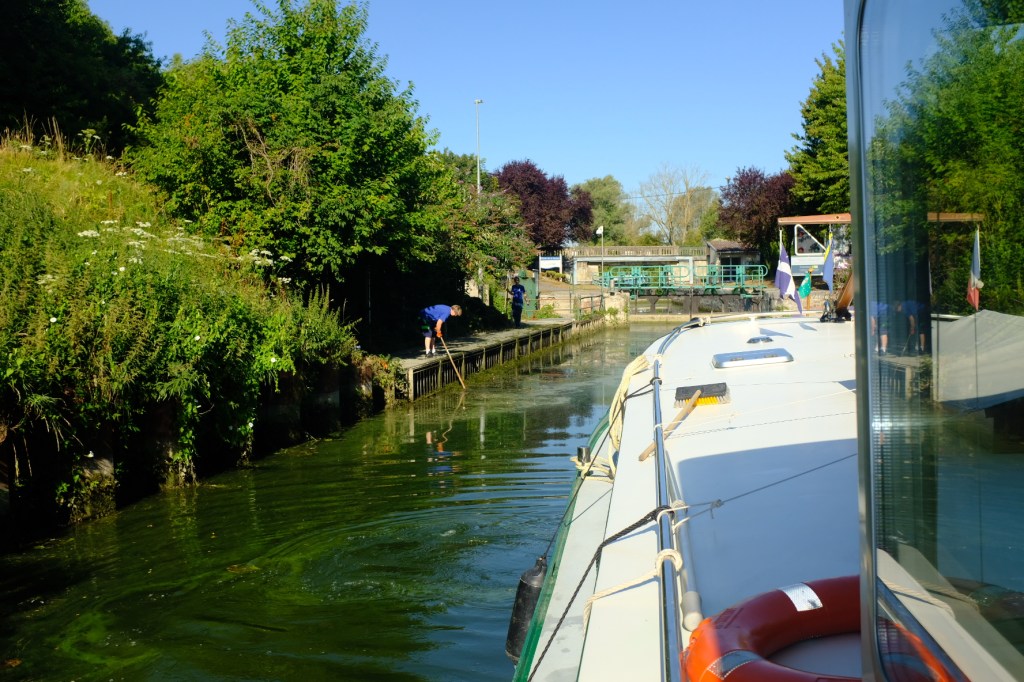
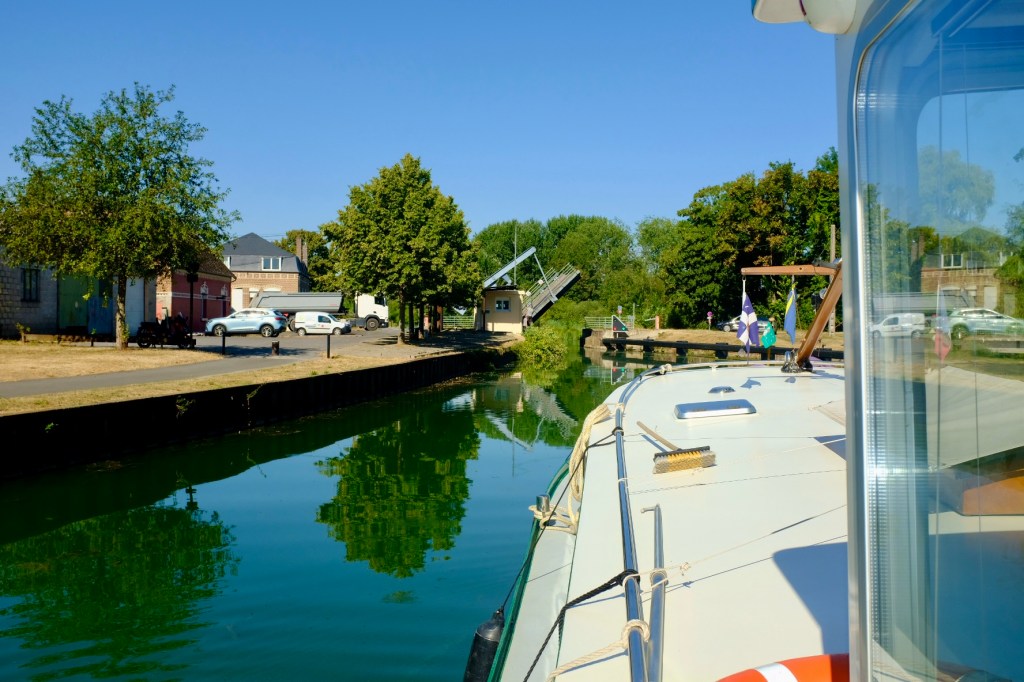
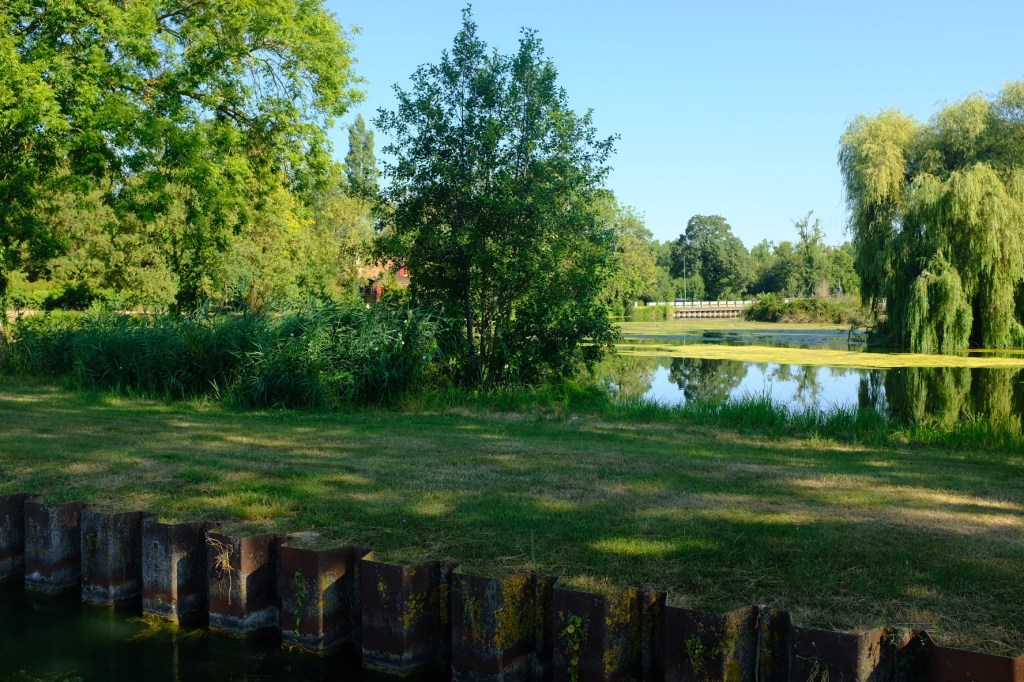
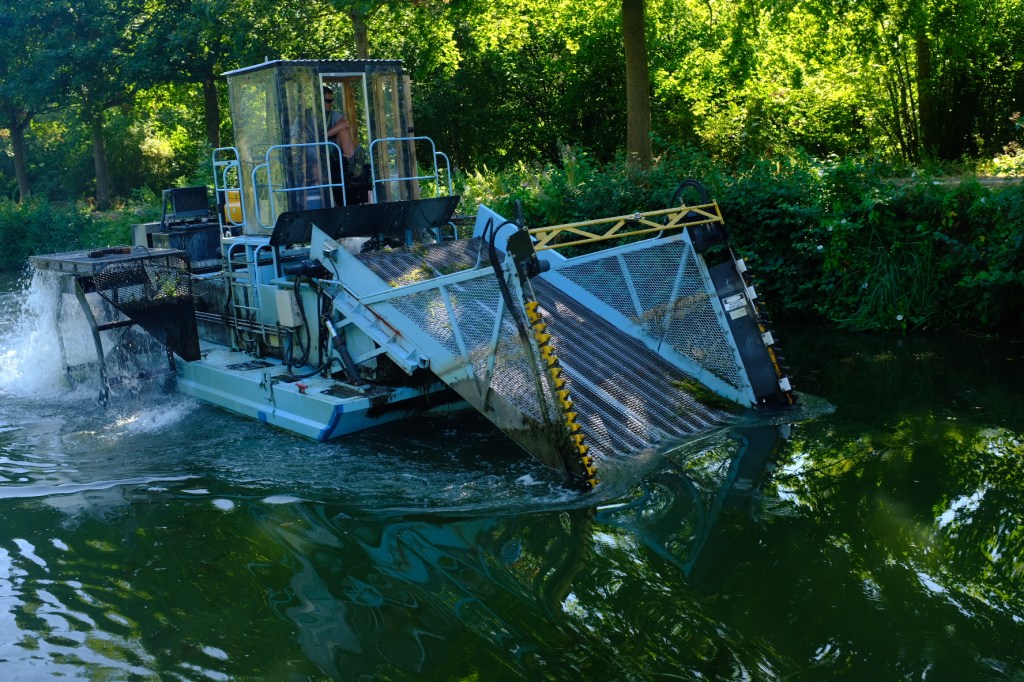
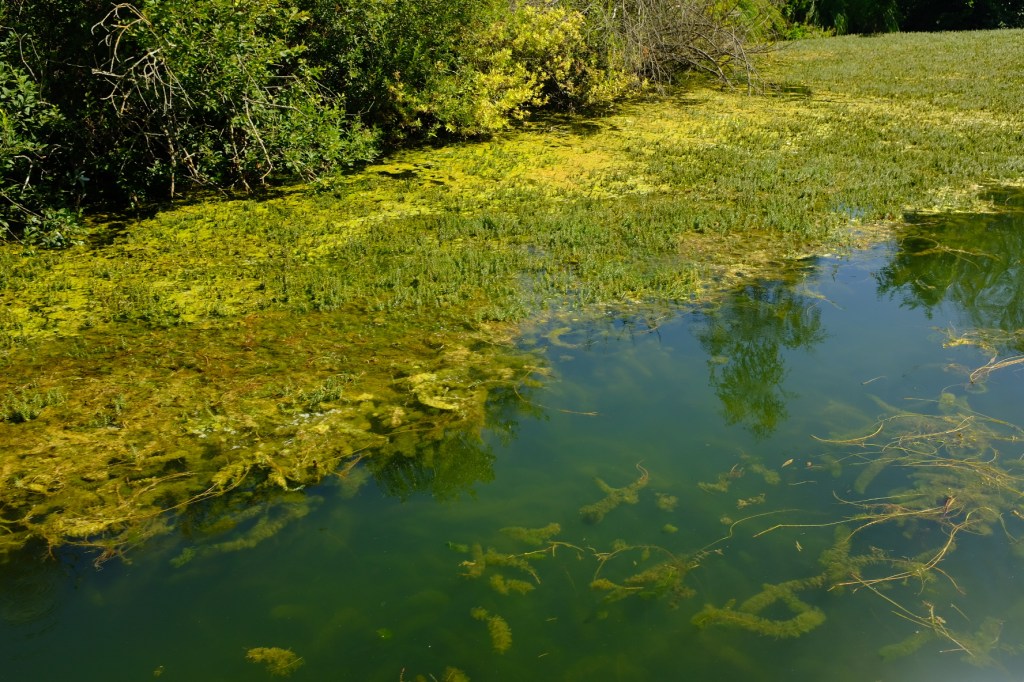
Due to the town’s position on the Somme controlling an important river crossing, Cappy was no stranger to the effects of war. It was attacked and burned during the 100 year war and in WW1 it lay in the precincts of the battle of the Somme. The French even operated gunboats on this part of the river.
We hibernated in Cappy for 5 days, waiting out yet another heat wave and the arrival of our friends, James and Julie.
Corbie
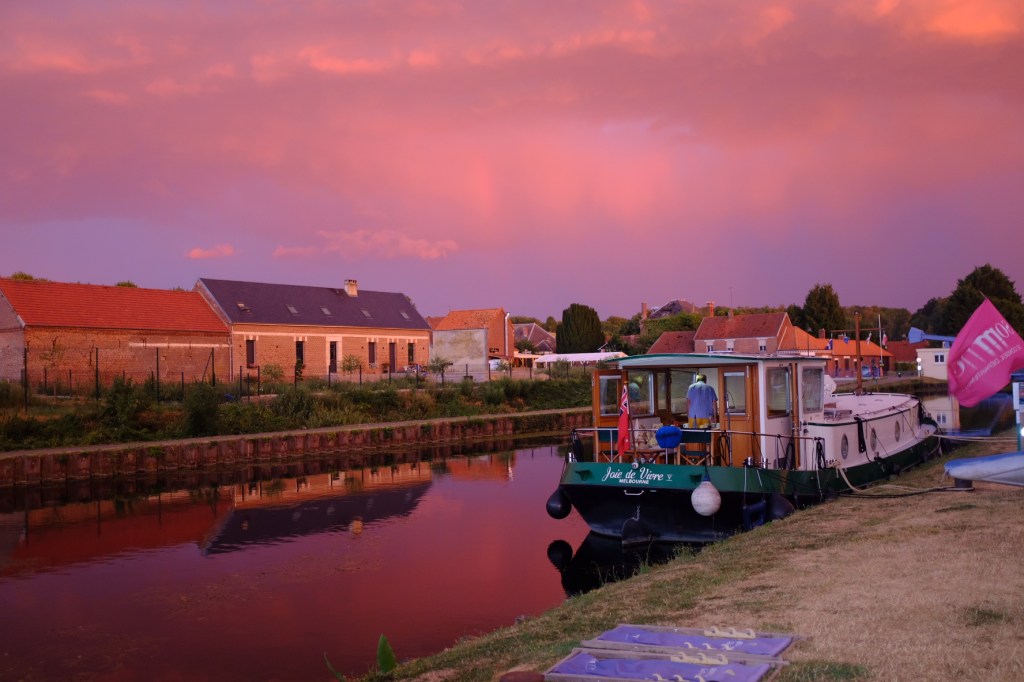
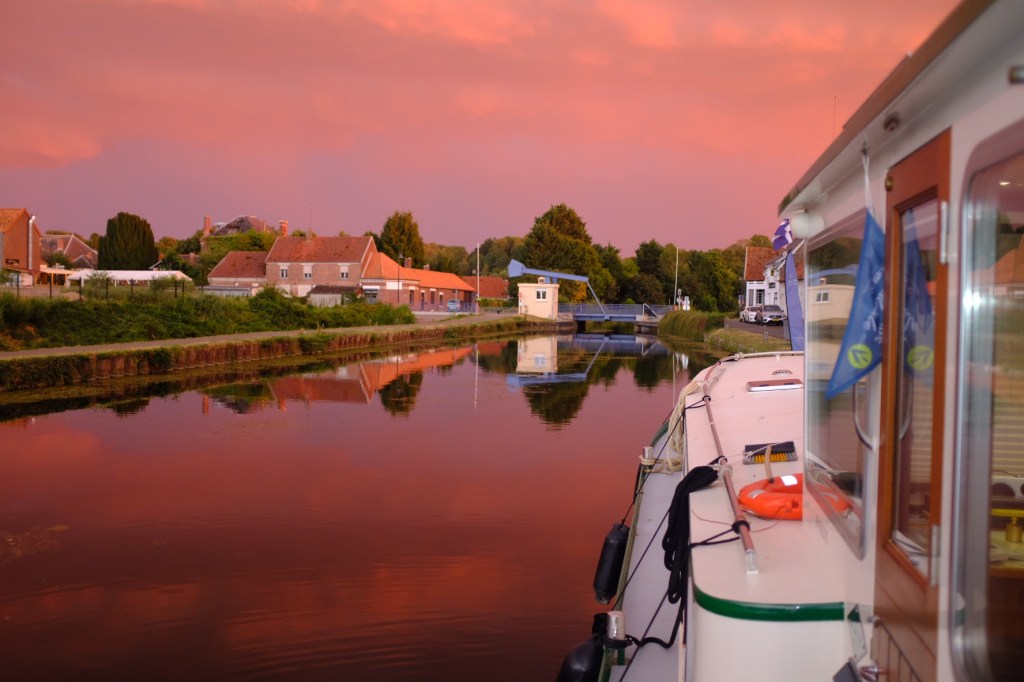
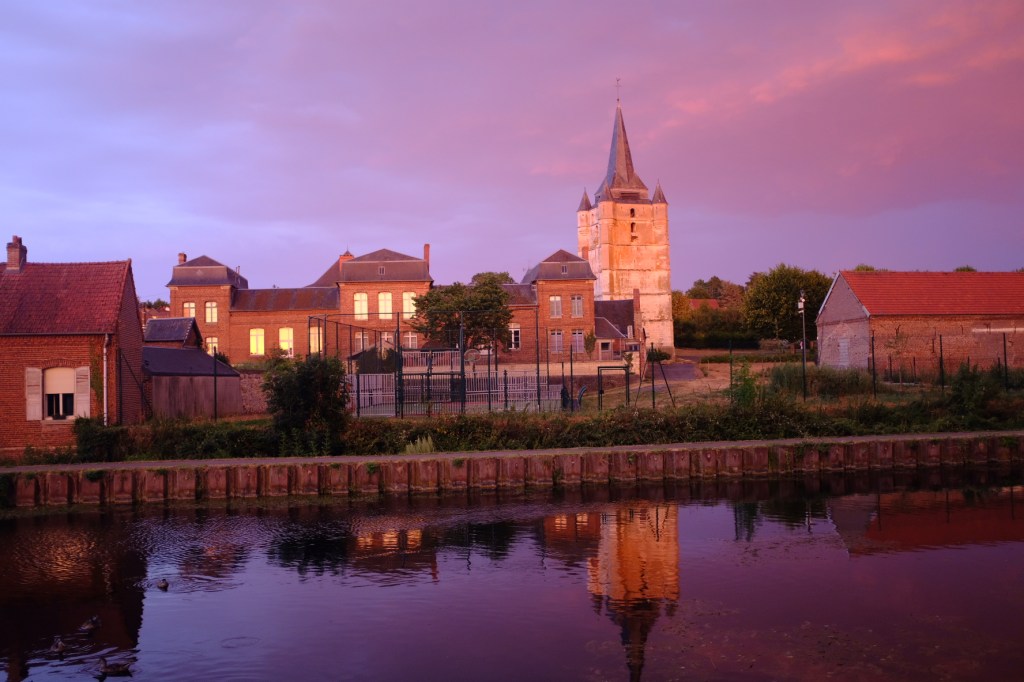
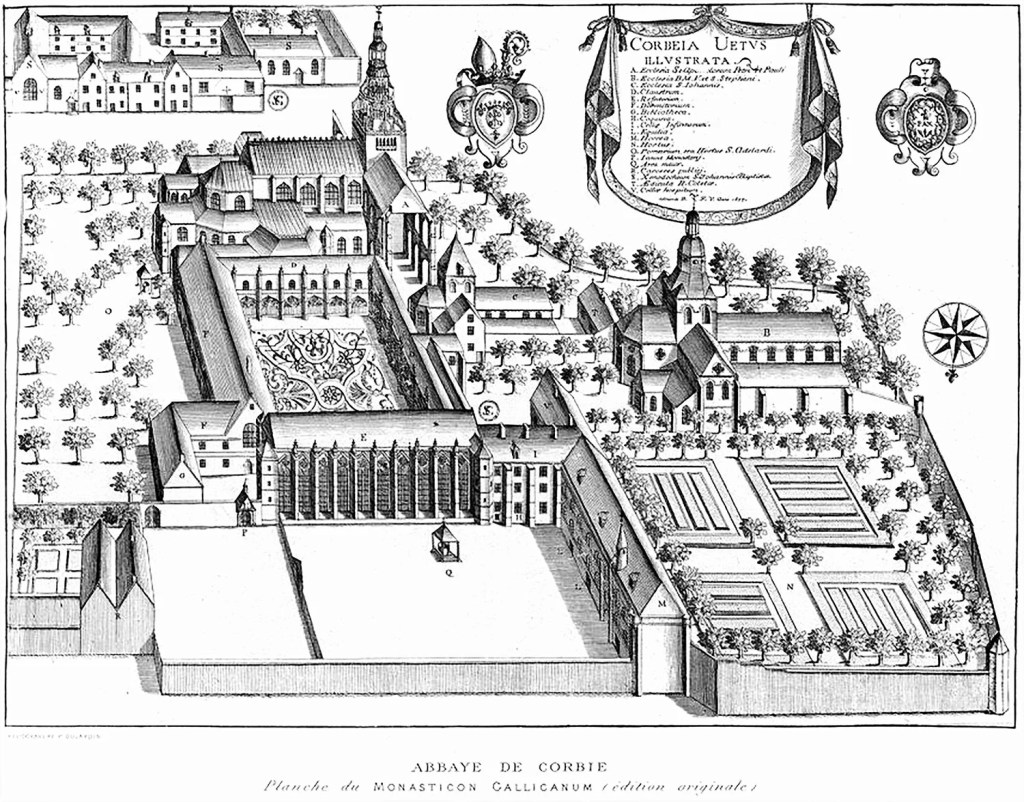
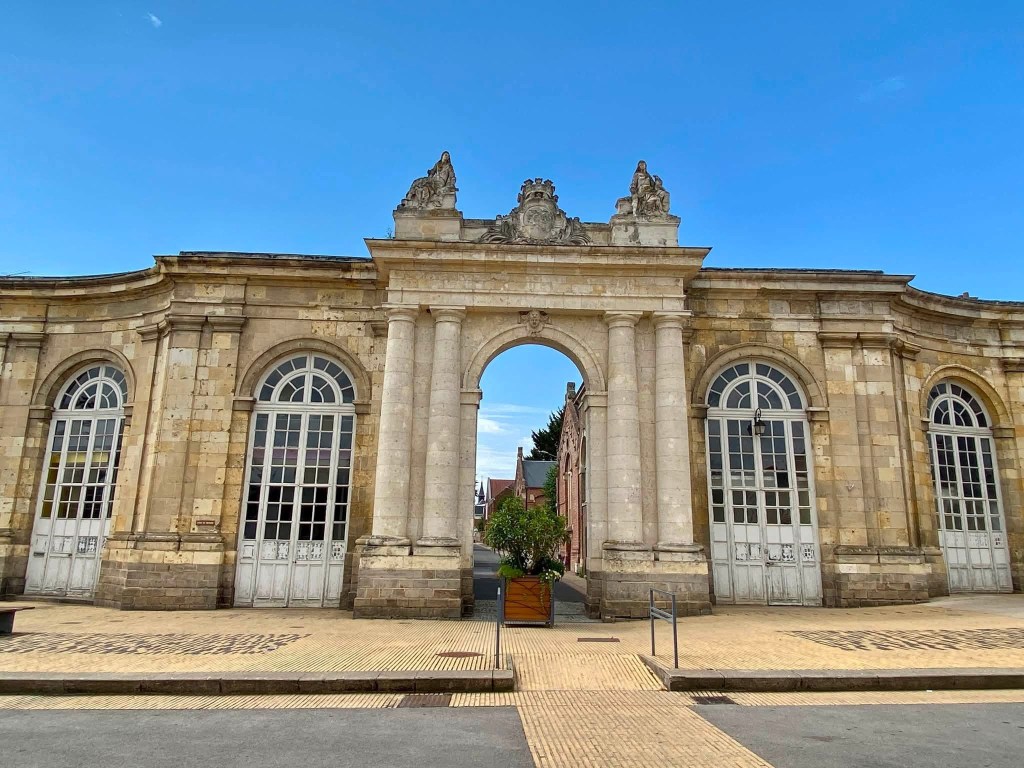
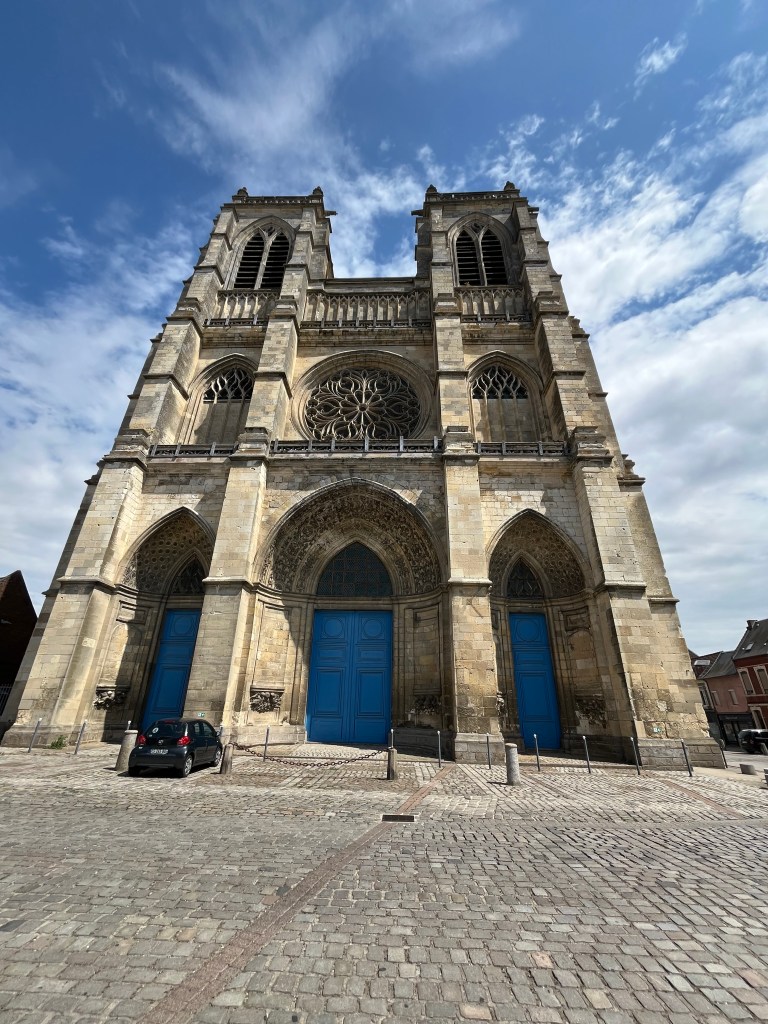
With James and Julie on board we cruised to Corbie. Although there is not much to recommend this small town today, for more than a 1,000 years it was home to one of medieval Europe’s most important monasteries. The Benedictine Abbey of Corbie founded in the 7th century included a library and scriptorium. As the Abbey of Corbie was one of the great manuscript producing centres of the 7th and 8th centuries it contributed to the emergence and spread of Carolingian minuscule, which was a much clearer style of handwriting. Before this style of writing appeared manuscripts were very difficult to read, words ran together and letter forms varied considerably. Rather than a dense string of elaborate capitals the Carolingian minuscule was clear lower case letters with spaces between words and punctuation and the consistent use of capitals. Very much like the content that you are reading today.
Amiens
From rural Corbie we travelled to Amiens, the historic capital of Picardy and the largest city on the Somme. A canal city dominated by one extraordinary building, the Amiens Cathedral, that during the summer months puts on a Son et Lumiere. In French this literally means sound and light and are usually staged on historic buildings and cathedrals. After dark strong projectors illuminate the building with changing colours and images. This is accompanied by music. In Amiens the show ends with bright colours projected onto the cathedrals medieval sculptures, that seems to bring them to life.
I hope you enjoy my cut down version of the show
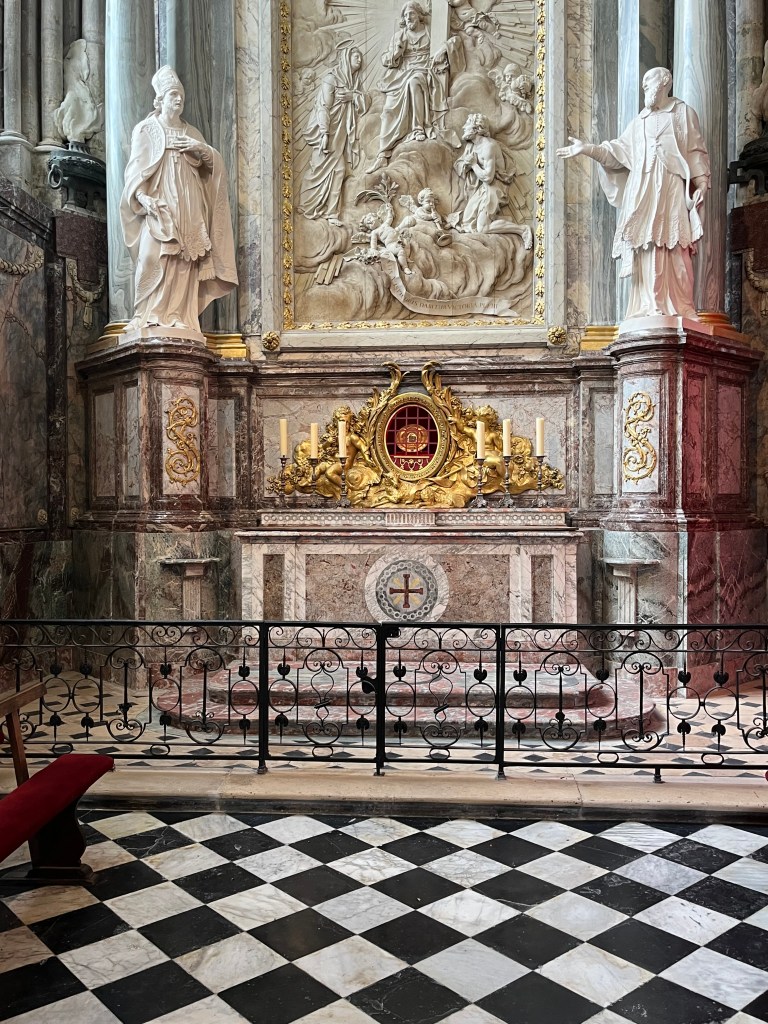
The Cathedral
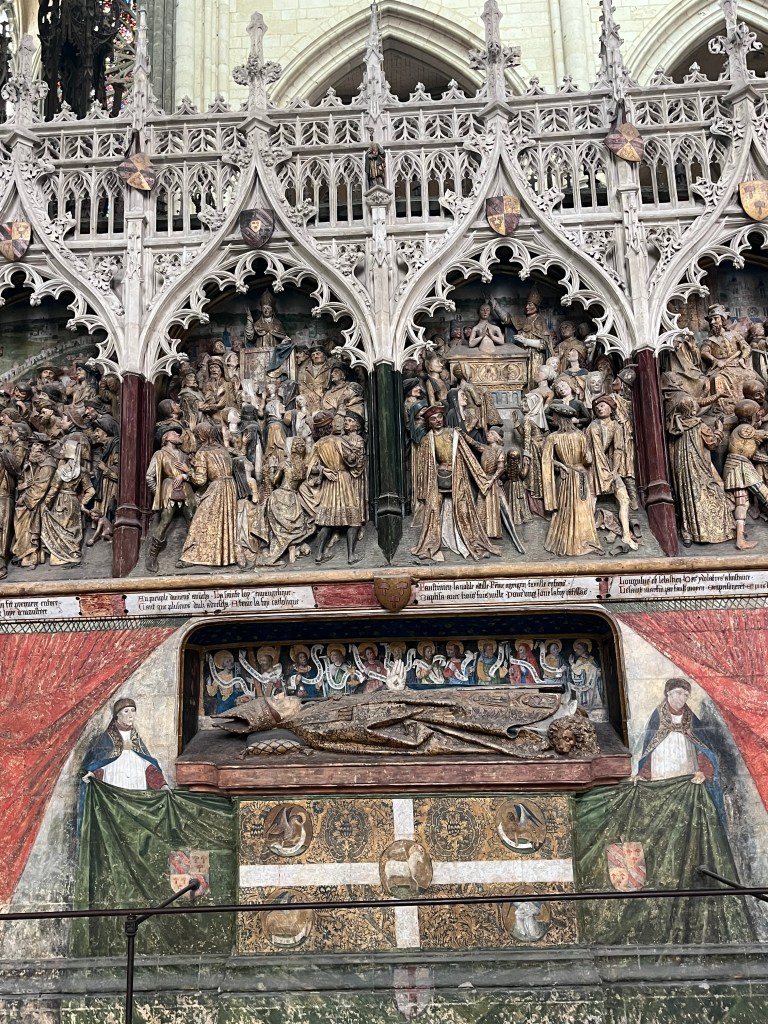
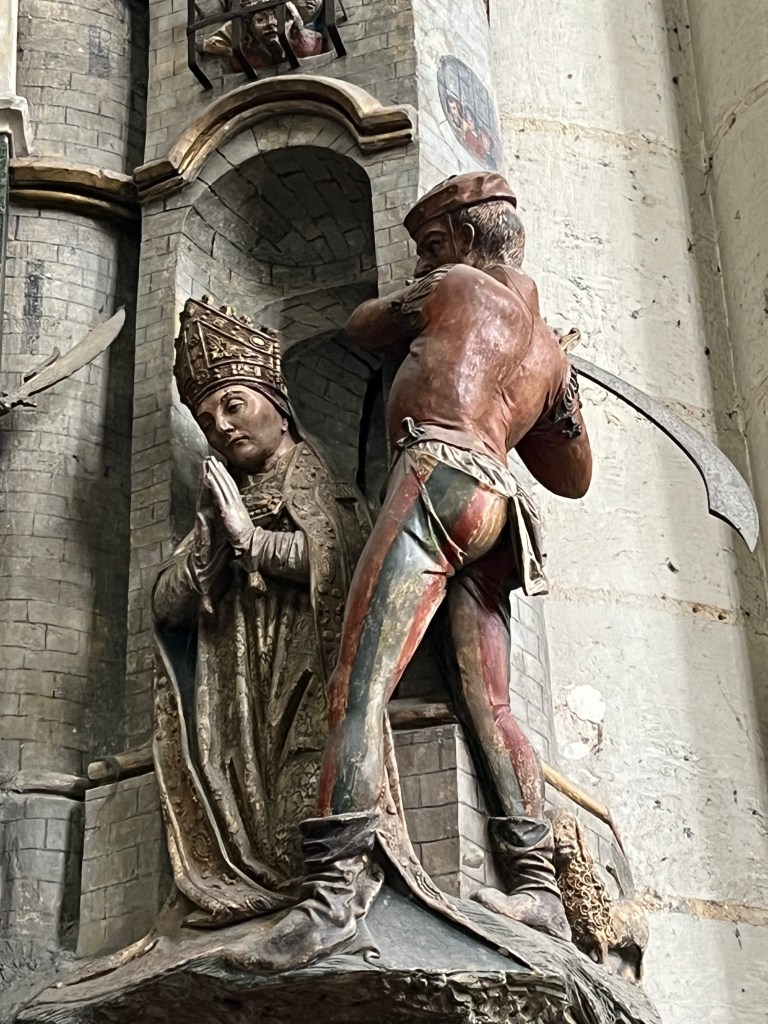
Although the Cathedral is dedicated to the Virgin Mary, St. Firmins, the first bishop of Amiens occupies an exceptionally important place in its ascetic design. His story of pilgrimage, the conversion of many inhabitants of Amiens to christianity in the 3rd century and his imprisonment and final beheading is told in both the carvings on the north portal and along the choir enclosure.
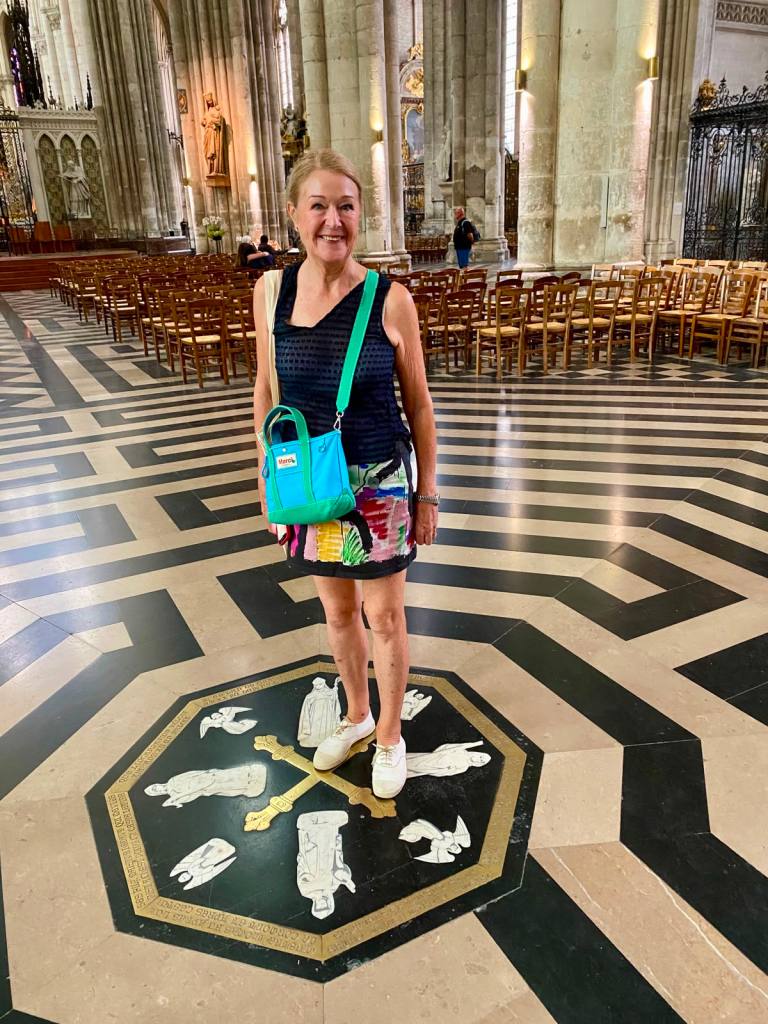
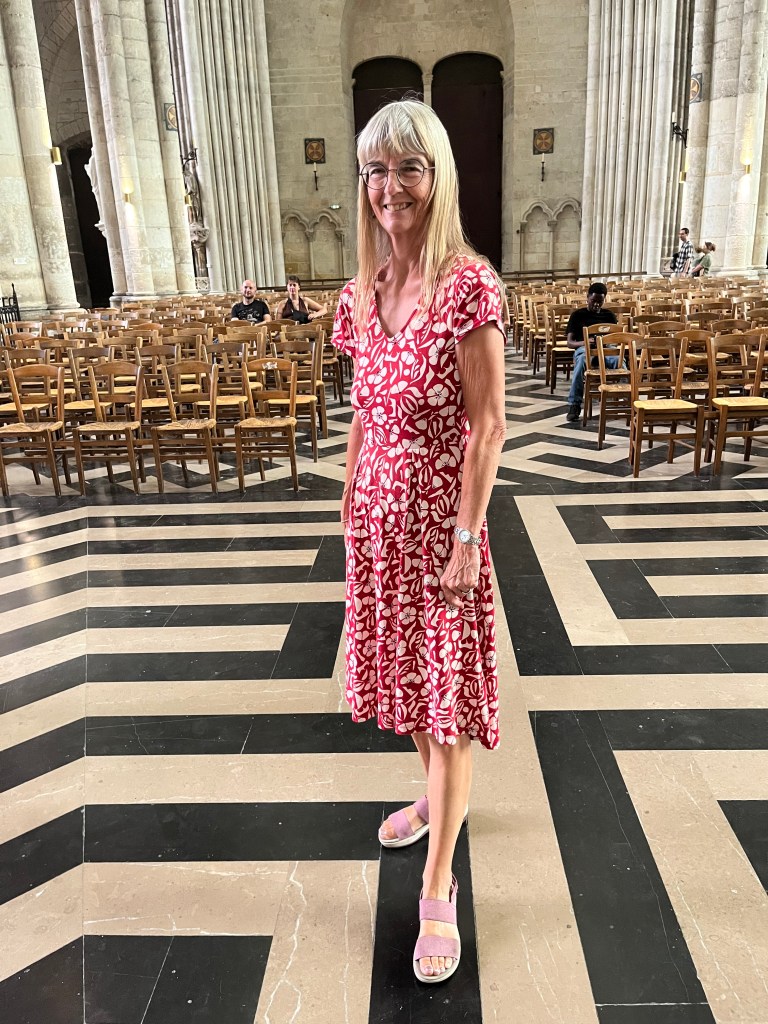
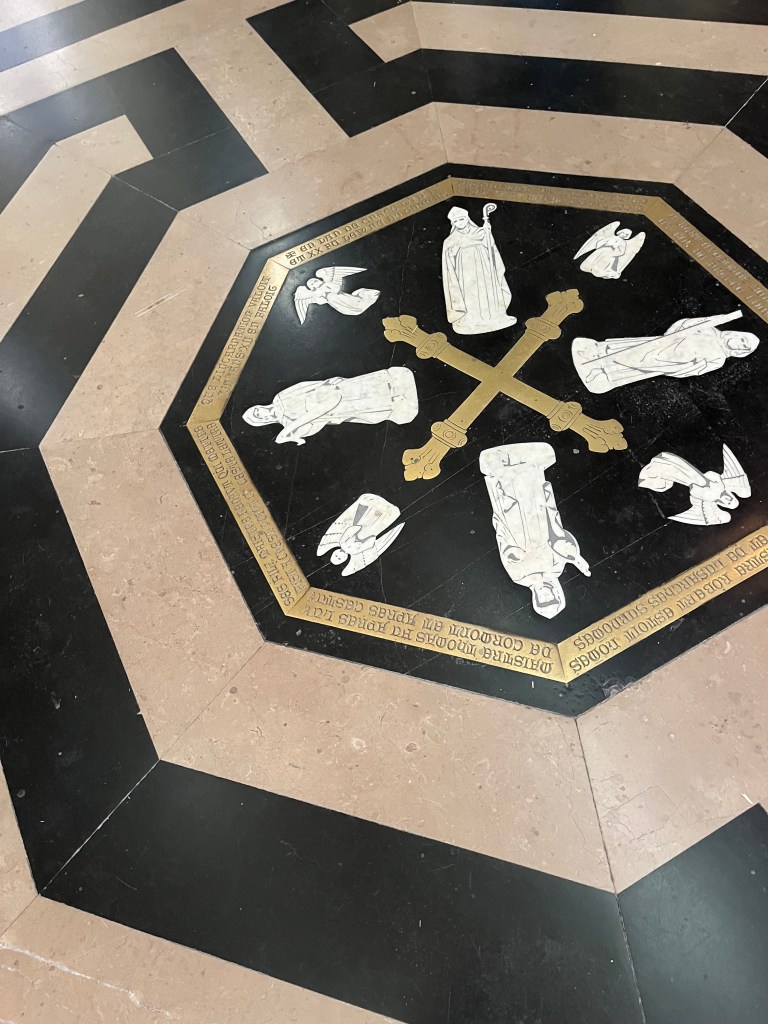
Set into the floor of the nave is a remarkable black and white geometric pattern. It’s not a maze but rather a continuous route leading from the outside to the centre. It looked remarkably Art Deco to me even though it was originally installed in 1288. In the centre is a stone plaque that commemorates the people responsible for building the cathedral. Its function is primarily symbolic. To follow its long twisting path represents a Christian’s spiritual journey towards salvation. In other words a pilgrimage. Of course the other option is to hike along the Camino!
Picquigny
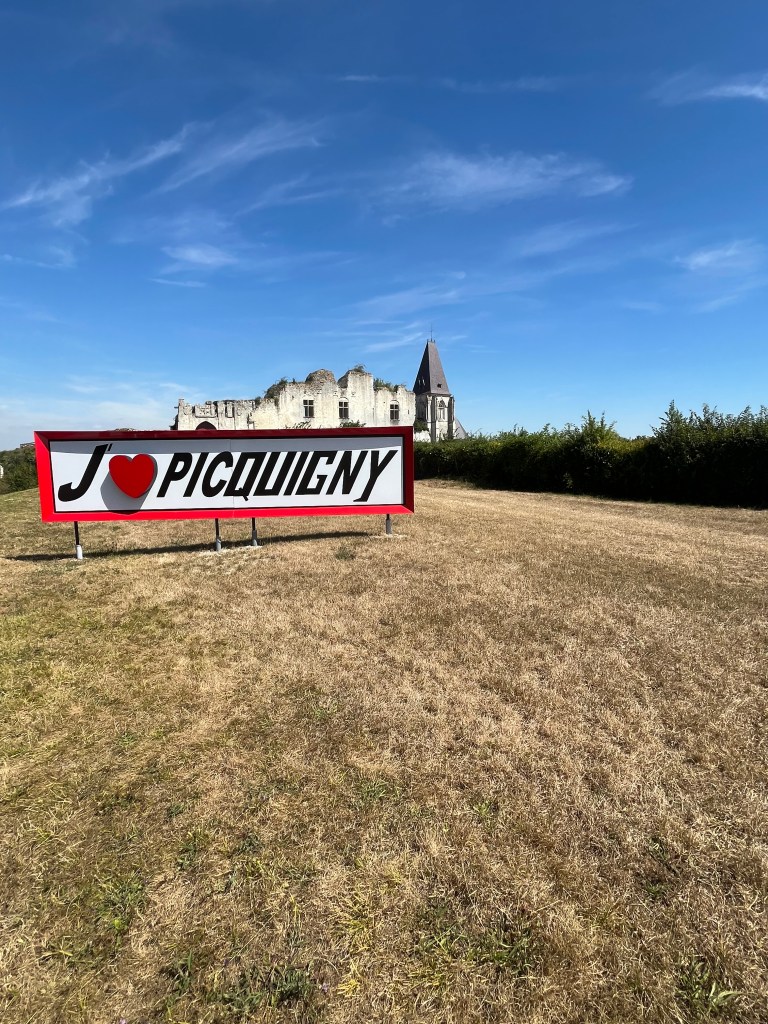
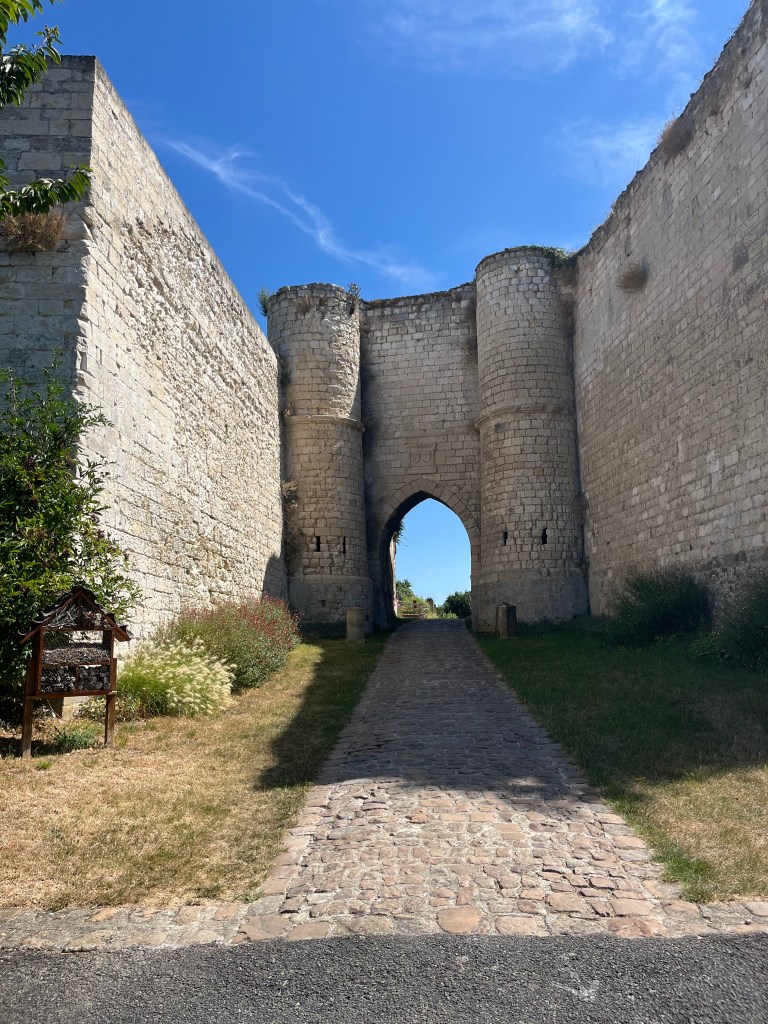
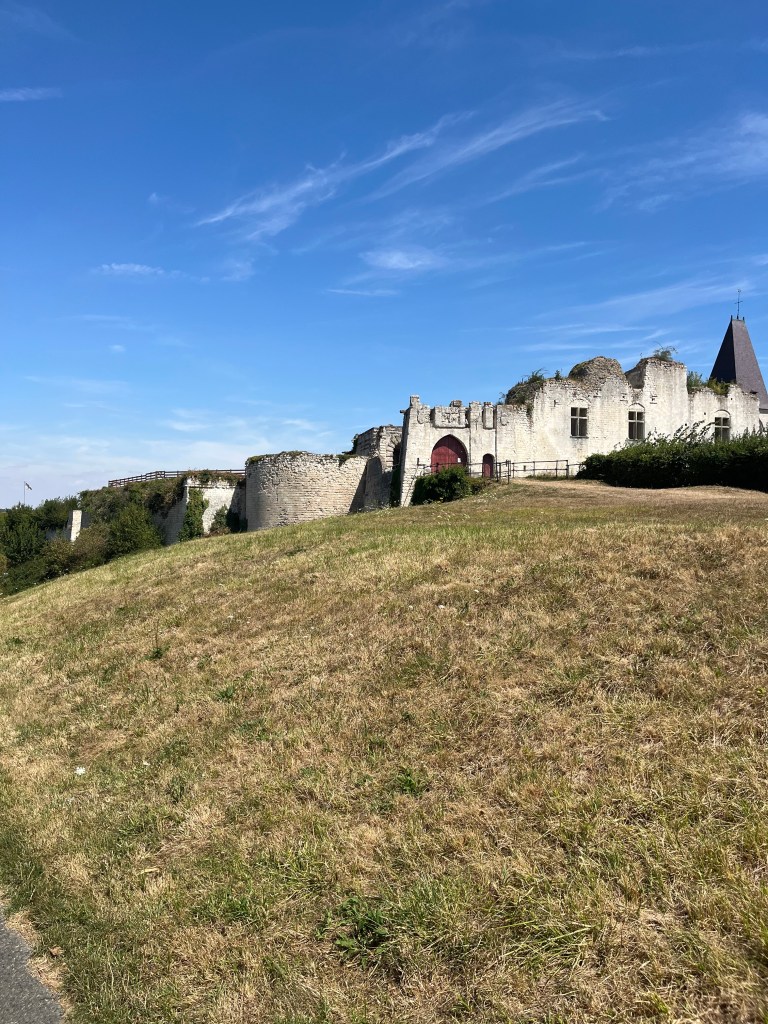
We farewelled James and Julie at Amiens and left the city of canals and floating gardens to continued down the river either travelling past or visiting villages and towns that have a strong medieval and industrial past. First stop was Picquigny. Above the village are the ruins of the Chateau de Picquigny, that from its high point once overlooked the controlling passage through the valley. Beside the Chateau is the Collegiale St. Matin
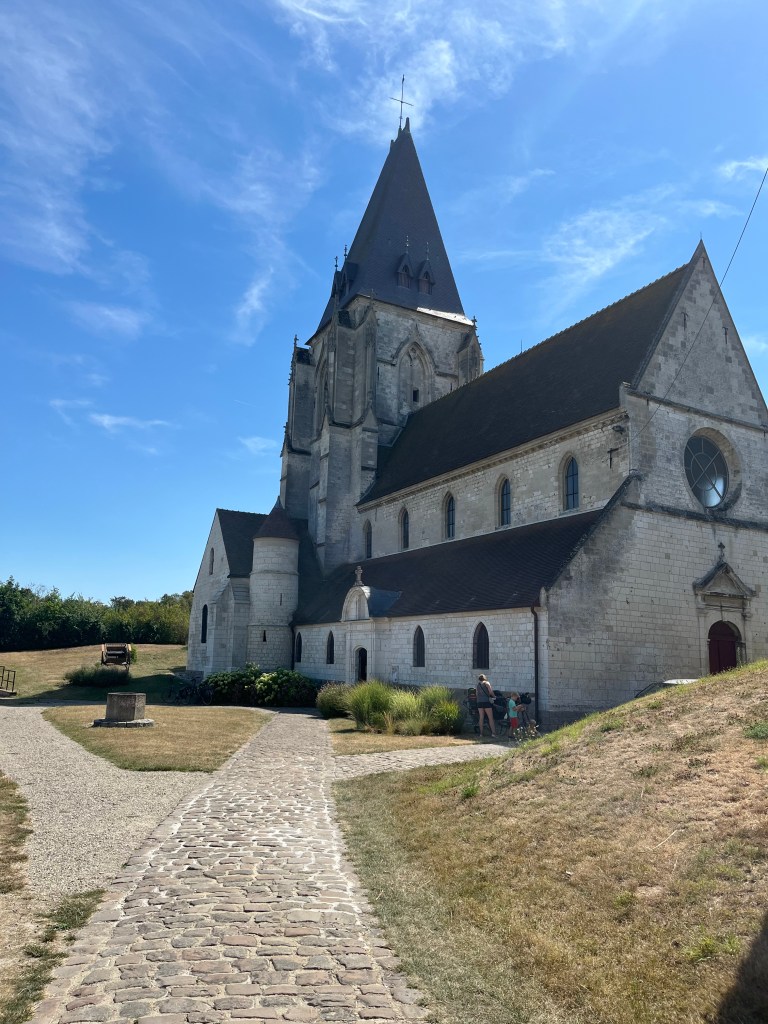
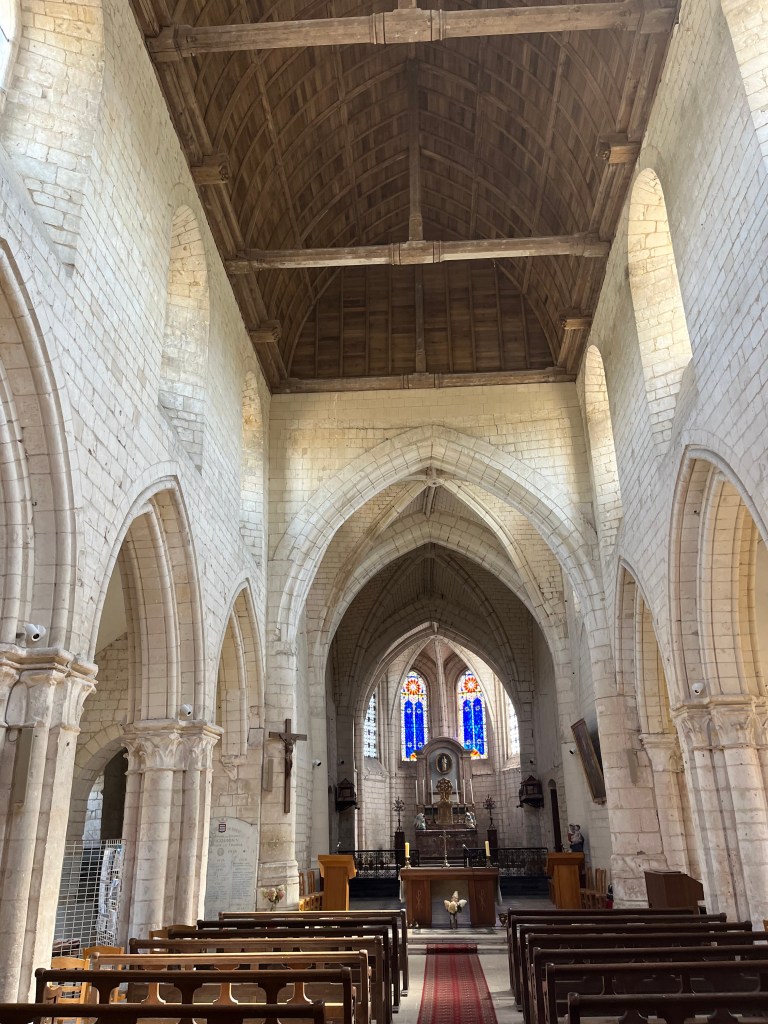
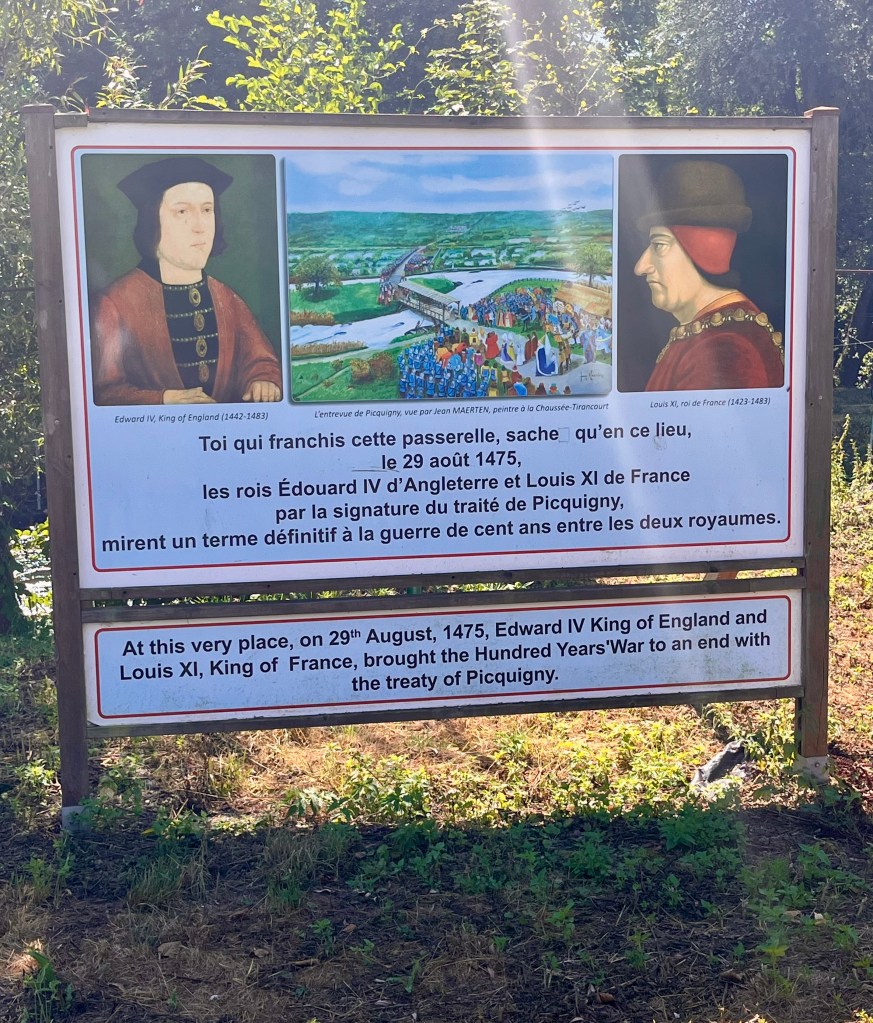
The church has a rather interesting collection of relics and a visual display tracing the history of the 100 year war. This war, that actually lasted for 116 years, was the struggle between France and England over who would rule France.
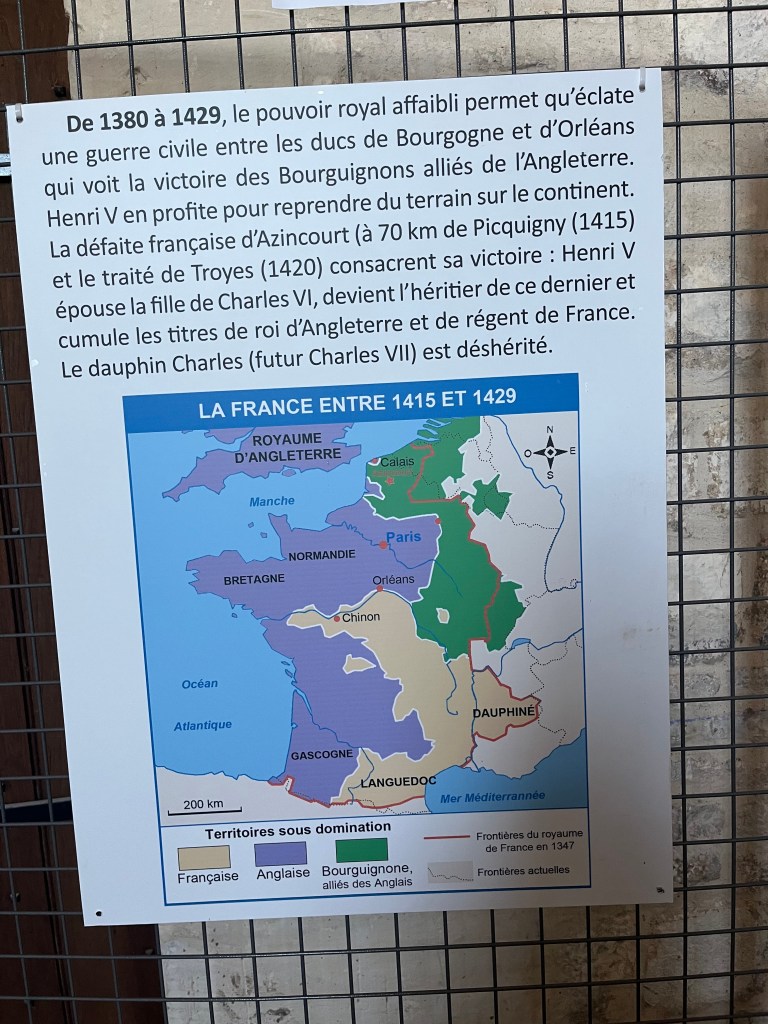
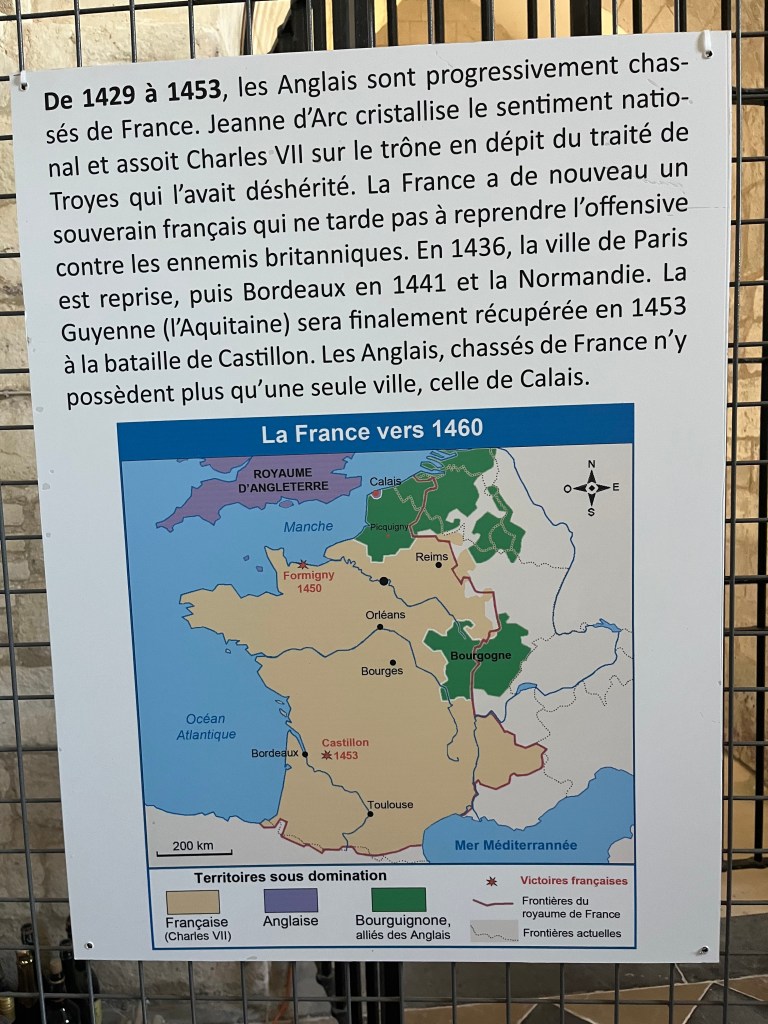
The English attempts to conquer France collapsed after the Battle of Castillion in 1453, but it was not until 1475 that a comprehensive peace treaty was signed, and the site of the signing of this treaty was of course was in Picquigny.
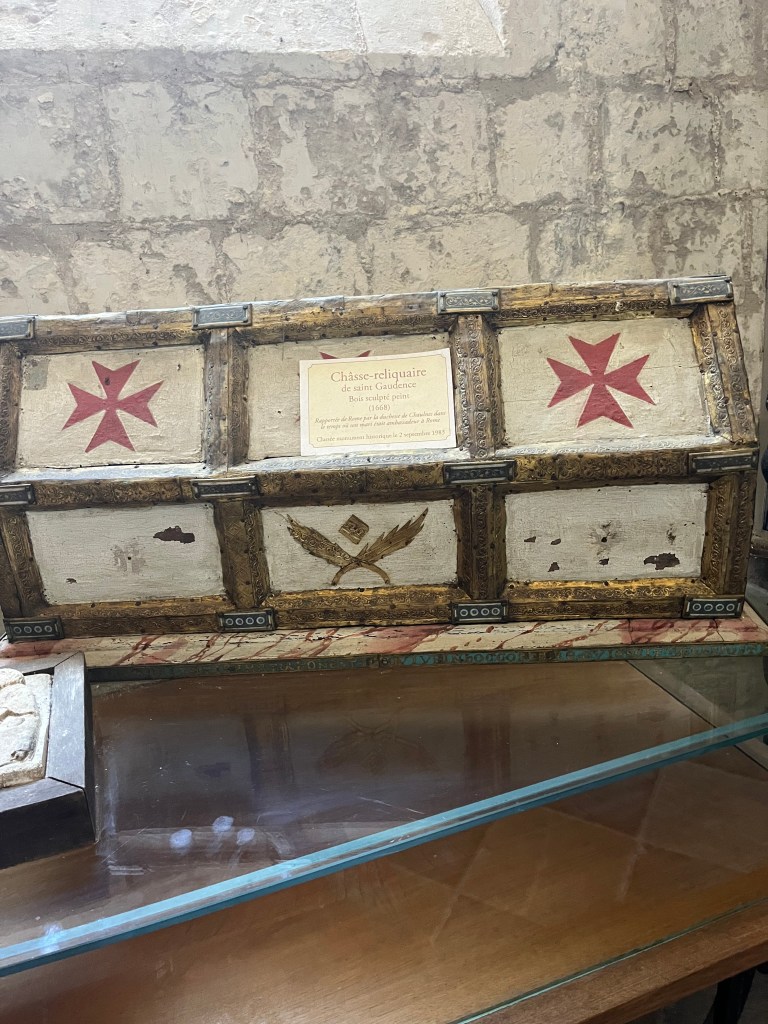
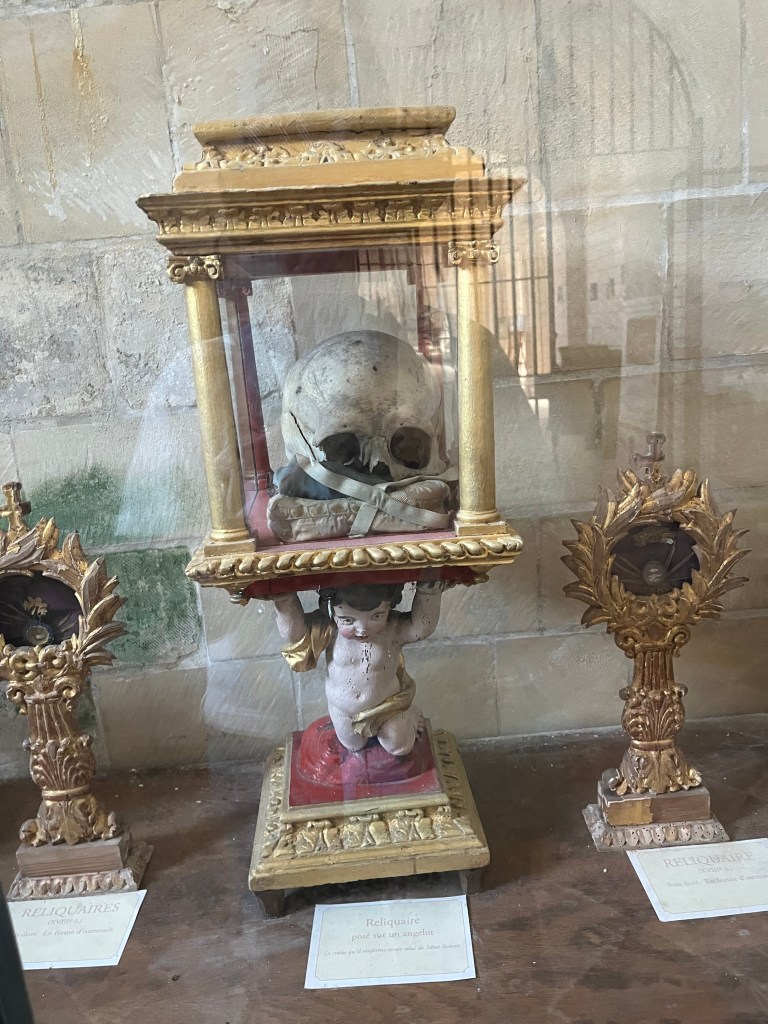
As mentioned above in the church treasurer I discover a few relics, the relic of St. Gaudence and the relic of St. Robert
Long
It is certainly relaxing, quietly travelling along the Somme. We have only encountered a few pleasure boats along the way. The locks were built to Freycient standards (38.5 to 40 meters long and 5.2 meters wide) and in addition the local authority provides a lock keeper at every lock to help you through. Well they actually spend more time chatting, me improving my French and they of course practicing English.
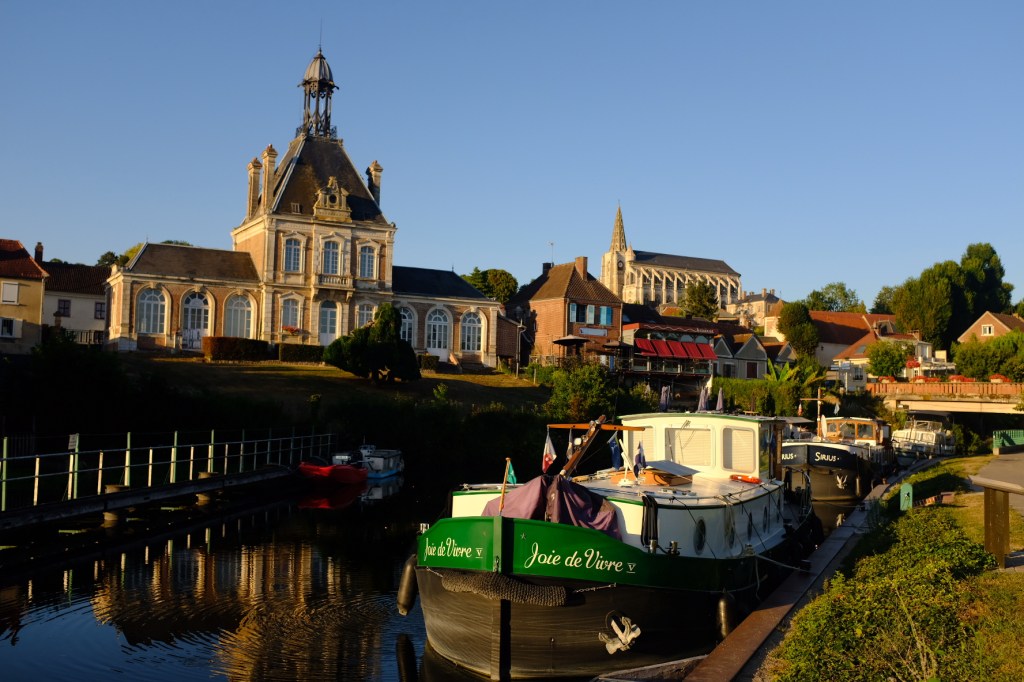
Our next stop was Long, one of the most attractive villages along the river. Sadly no boulangerie. The village became unusually prosperous during the 19th century, due to peat extraction. The money earned from these communal peat grounds payed for substantial public buildings and improvements.
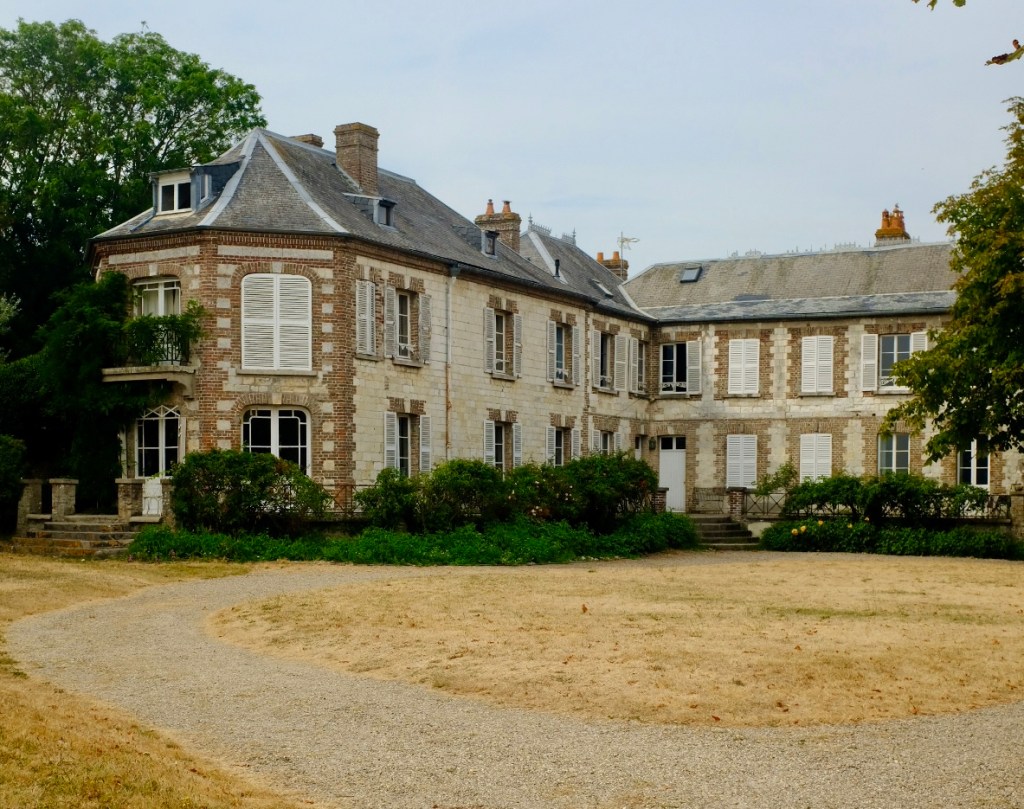
The village’s star landmark is Chateau Long, that stands elegantly above the river
Abberville
In marked contrast to Long, Abbeville had a trading and industrial past. Much of the town was destroyed in German bombing raids in 1940, and the post war reconstruction has radically changed the appearance of this town. Gone are the medieval streets and renaissance buildings, replaced by a mid 20th century modern outlook.
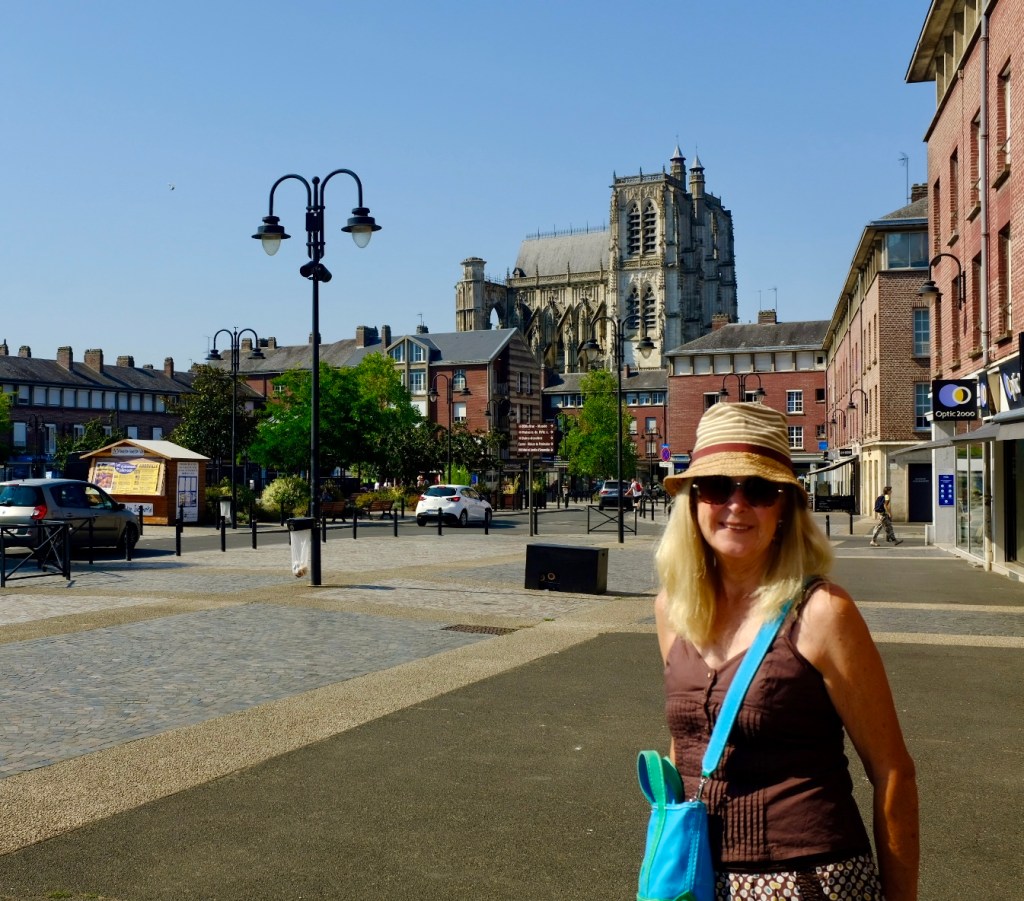
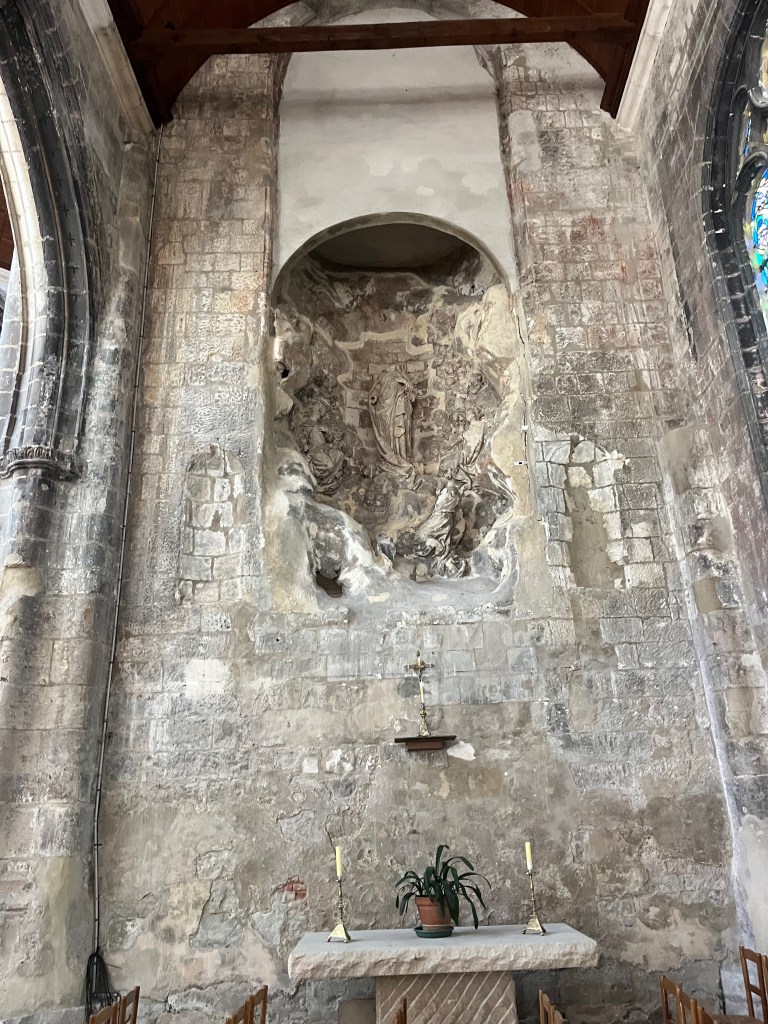
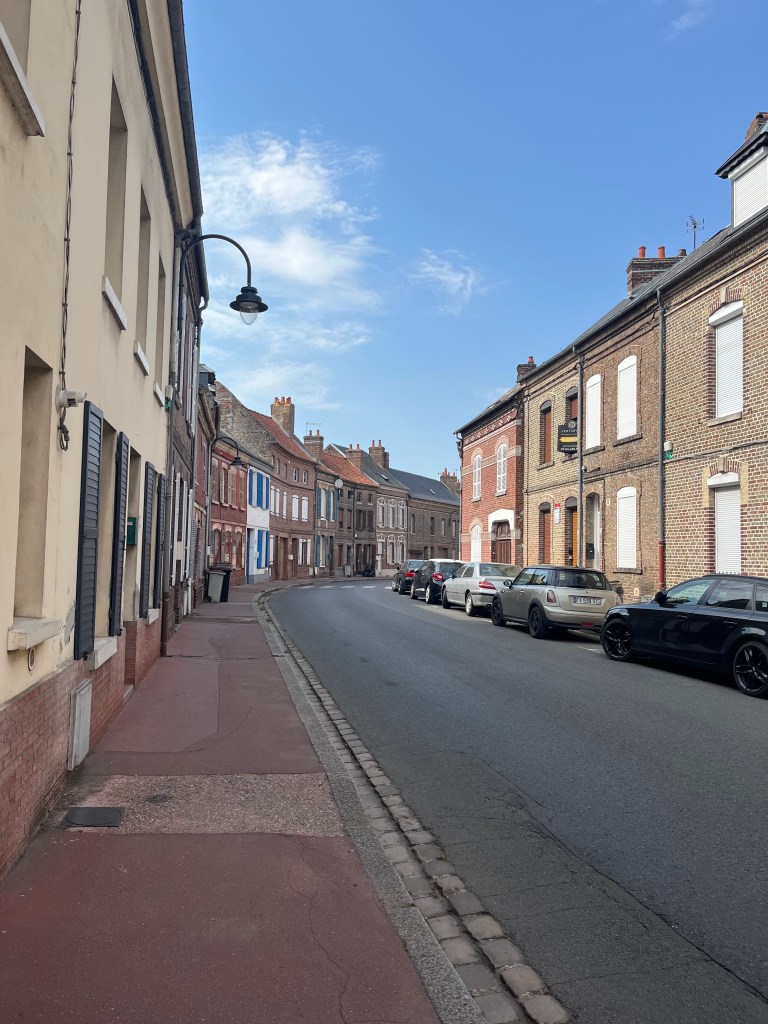
The church of Saint Vulfran was badly damaged in WW2 and still bares the scars. Although it has an extraordinary Gothic facade with 2 towers, from the side it looks as though it was never completed.
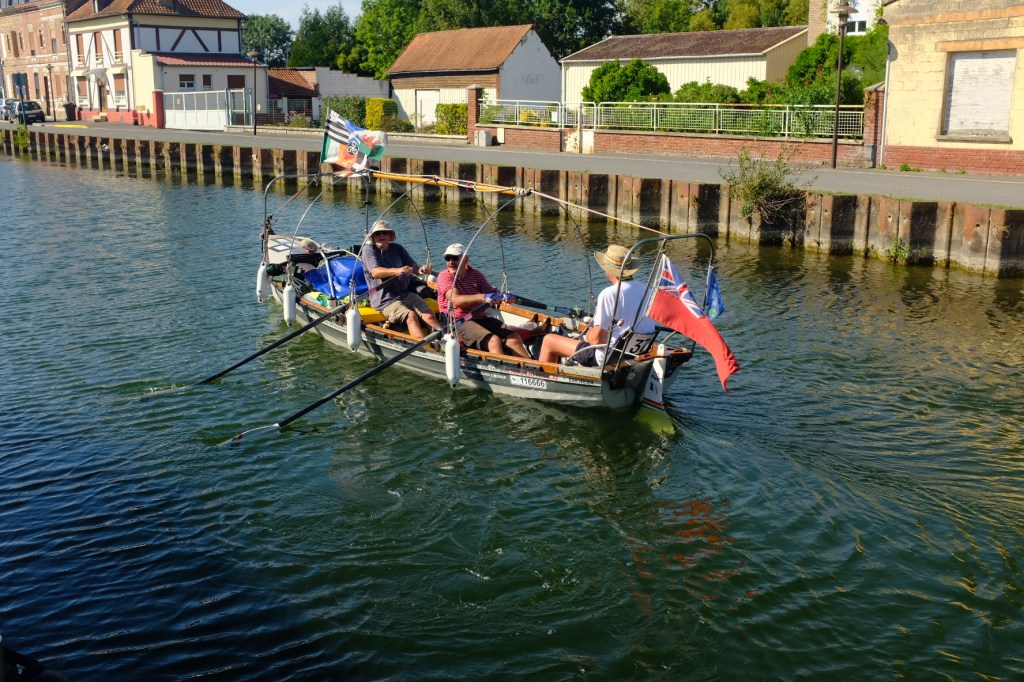
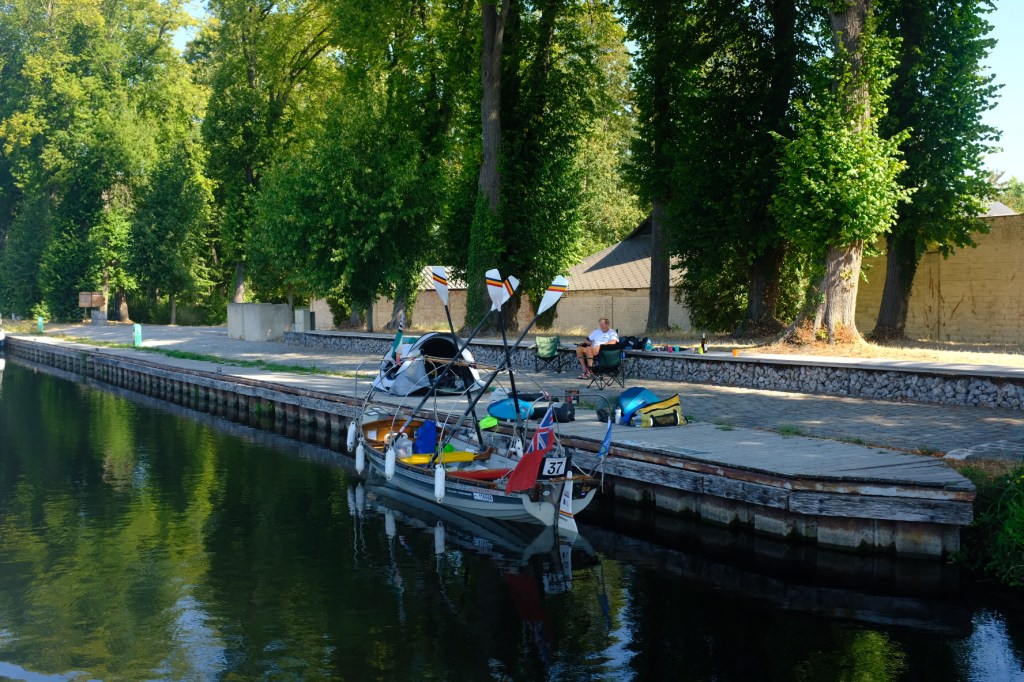
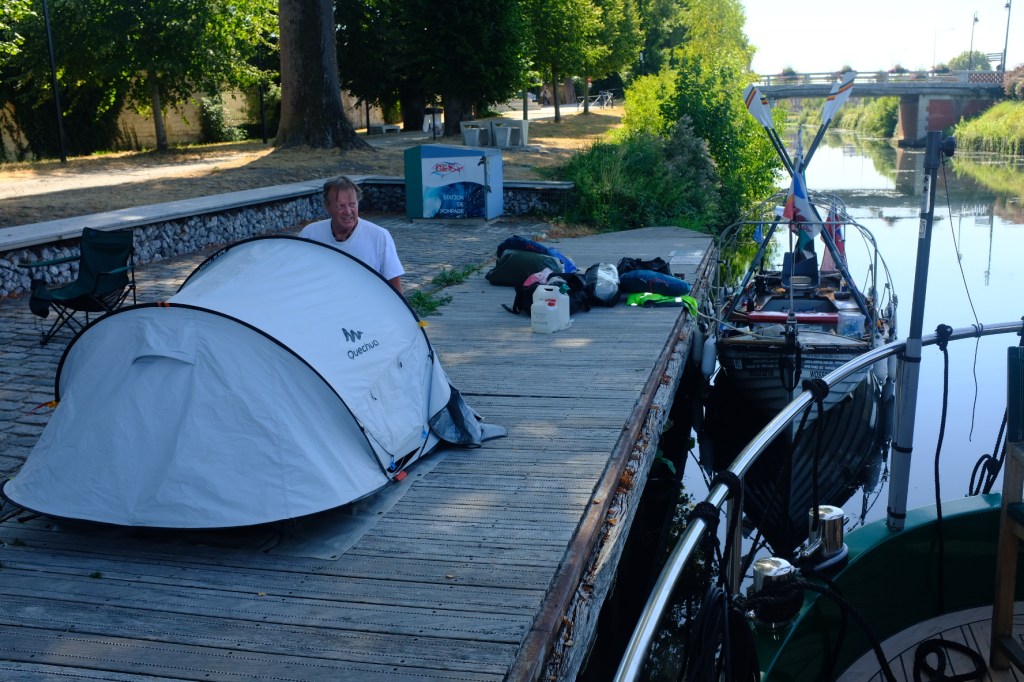
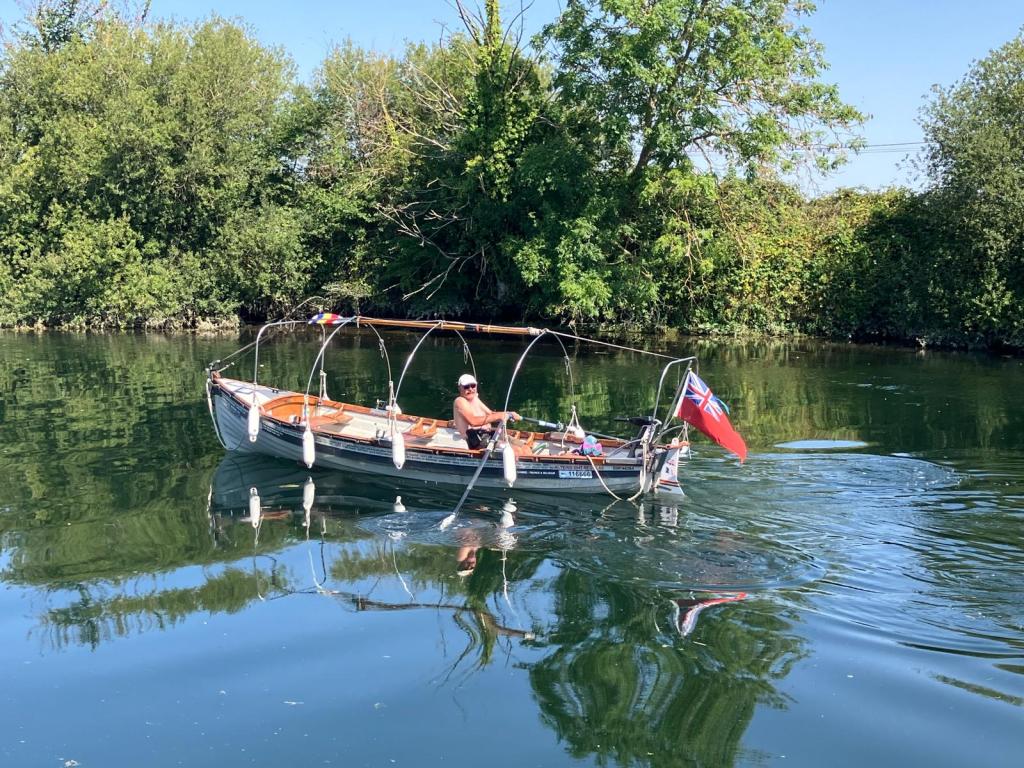
A great part of cruising is the folk you meet on the rivers and canals. On the Somme we came across 3 English fellows who spent their summer holidays rowing along the waterways. Yes and camping by the river!
St. Valery
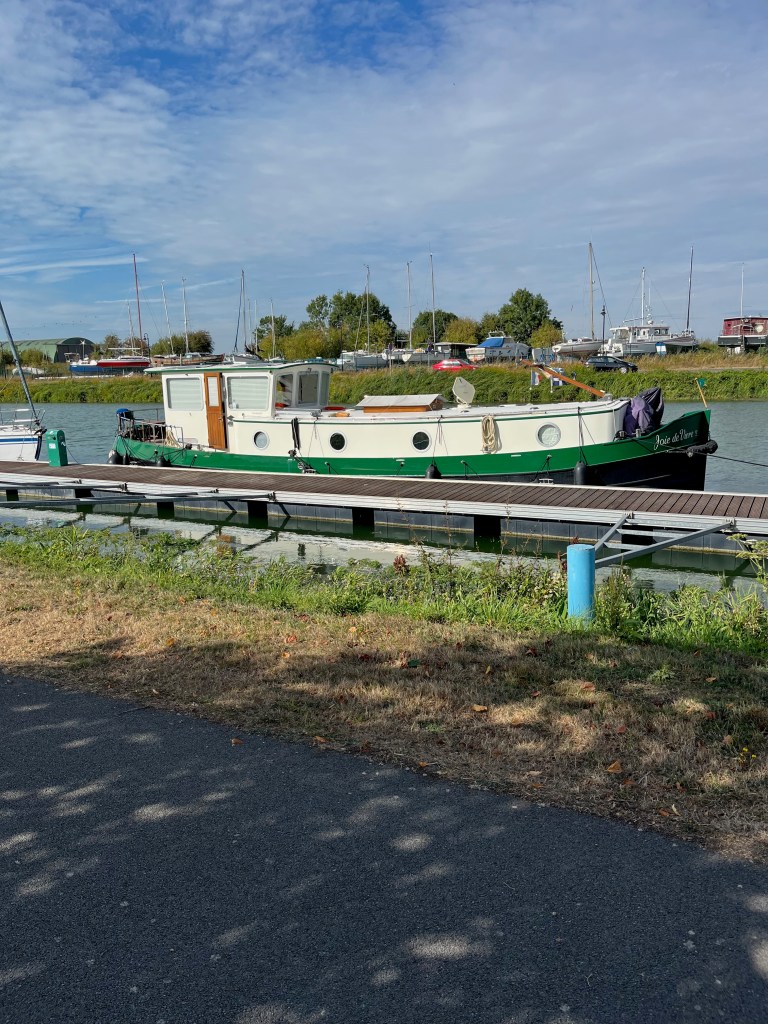
Abbeville was the last stop before we reach the sea port at St. Valery. There is no need to go through the sea lock into the marina, as there are plenty of moorings before it. The straight canal of 15 kms was our final leg down the Somme. This canal is crossed by 4 swing bridges that are manually operated and yes we had staff come along with us to operate the bridges.
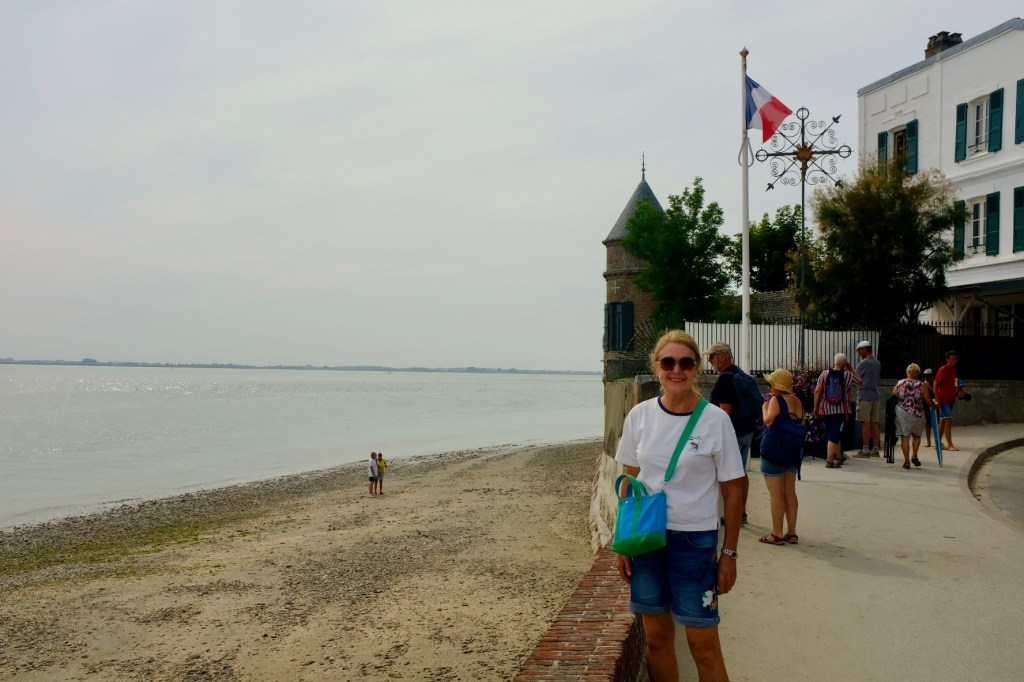
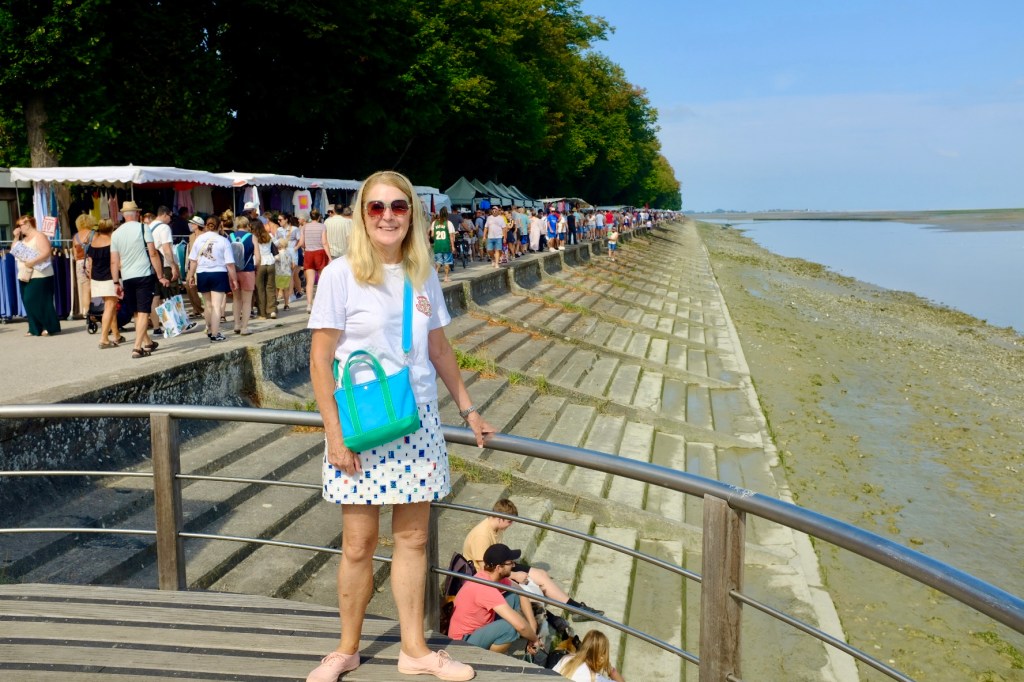
St. Valery is a pretty seaside resort on the Baie de Somme. Here the river opens out into a bay featuring salt marshes, mud flats and fishing boats
Its greatest historical claim to fame comes from 1066 when William, the then Duke of Burgundy, assembled his fleet to invade England. Within a few weeks he would be recognised by the title, William the Conqueror.
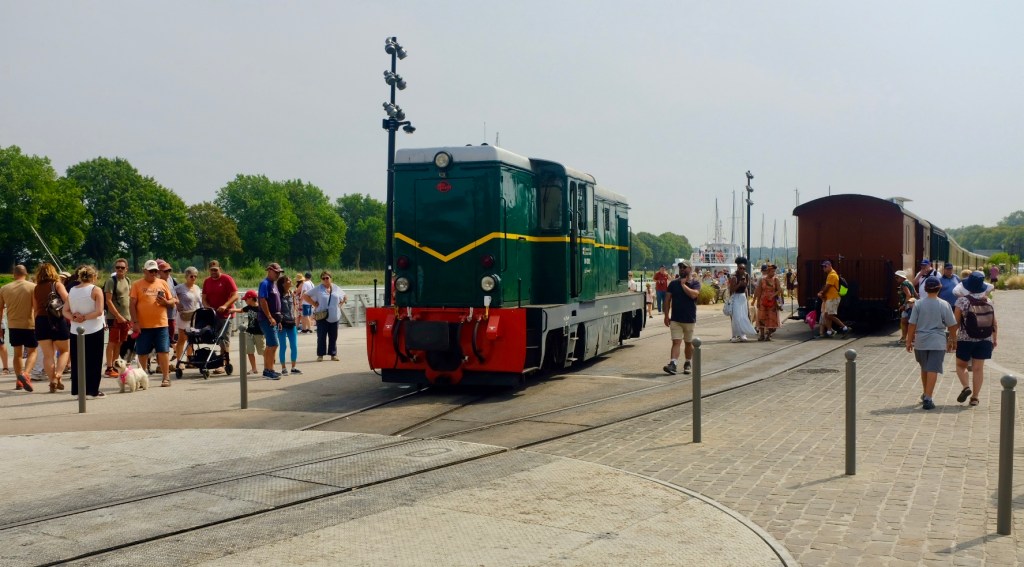
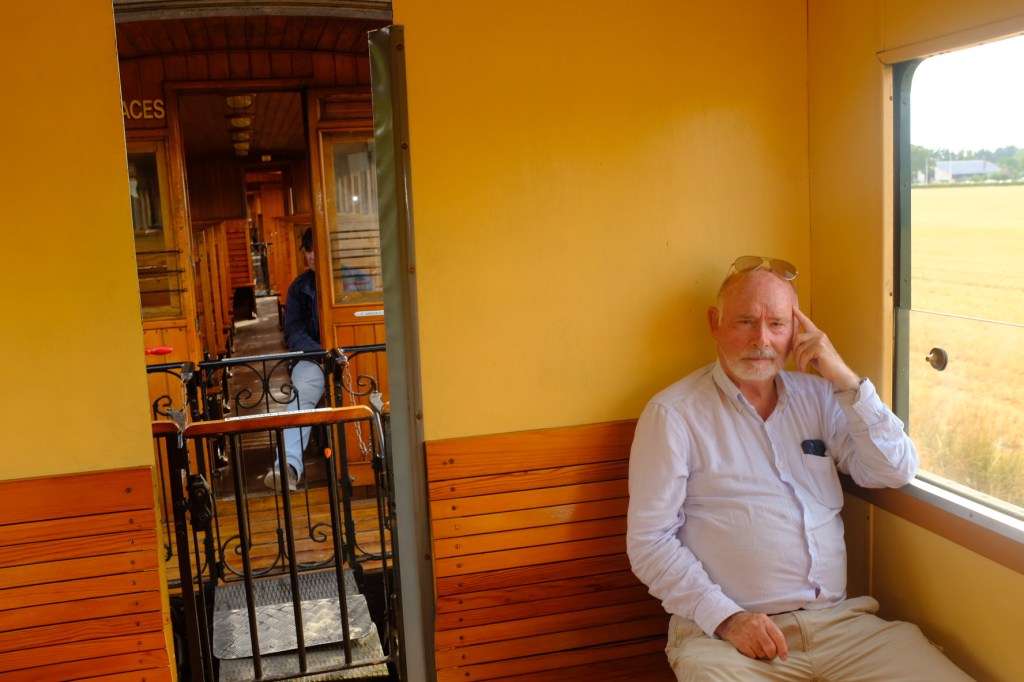
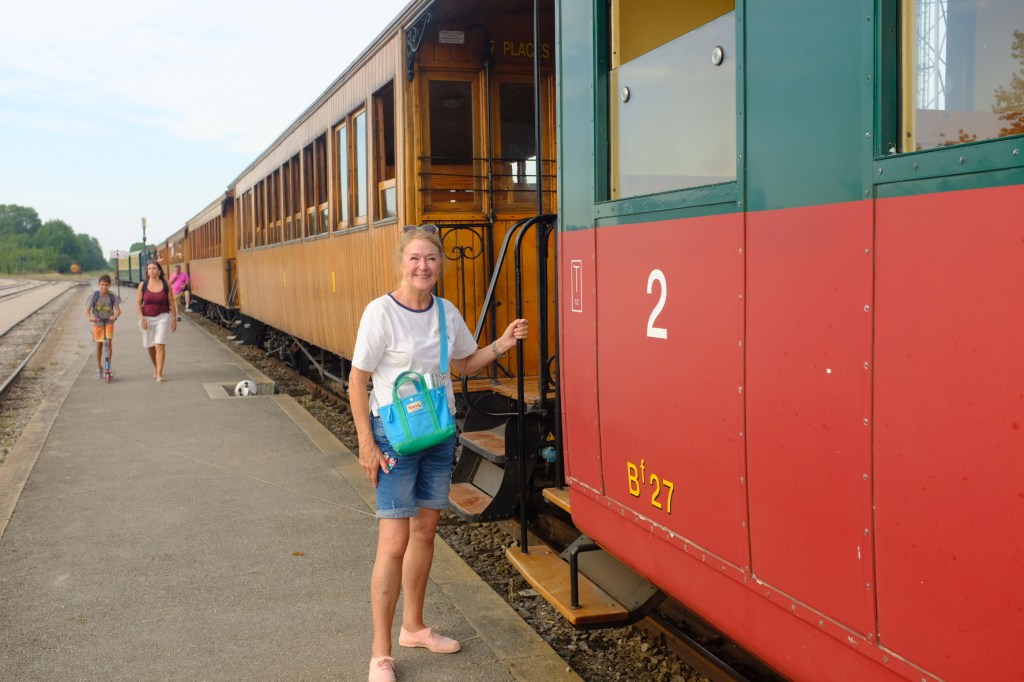
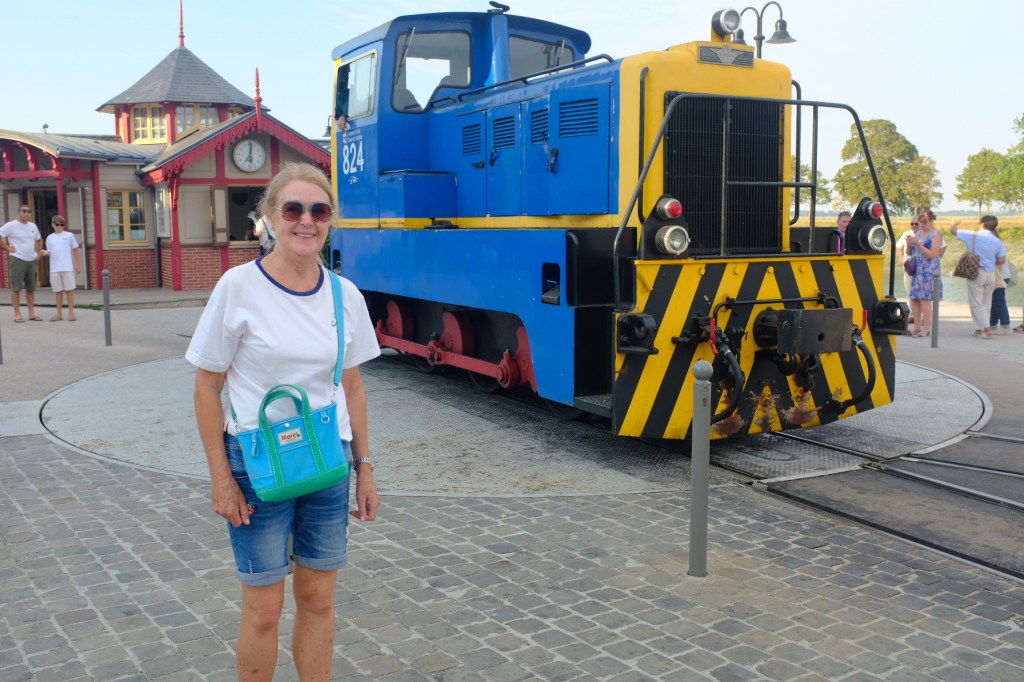
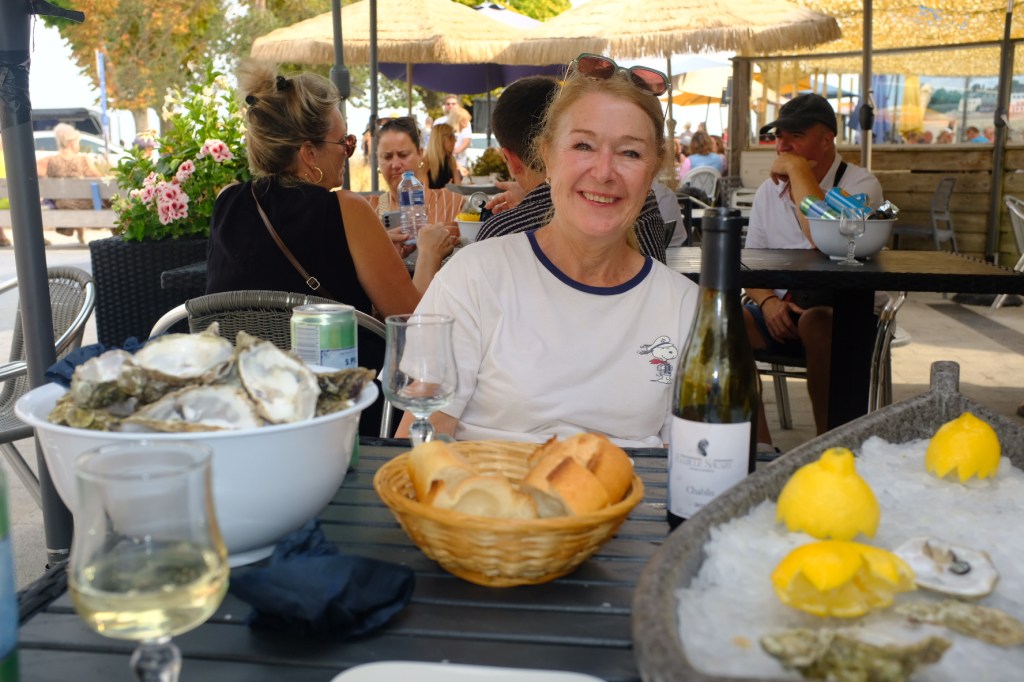
We arrived on the busiest weekend of the year. The town was packed, but we did manage to secure a ride on the heritage railway, that transported us to the opposite side of the bay to the village of Le Crotoy. Another seaside resort abet smaller, where apparently Jules Verne wrote his novel Twenty thousand Leagues under the sea
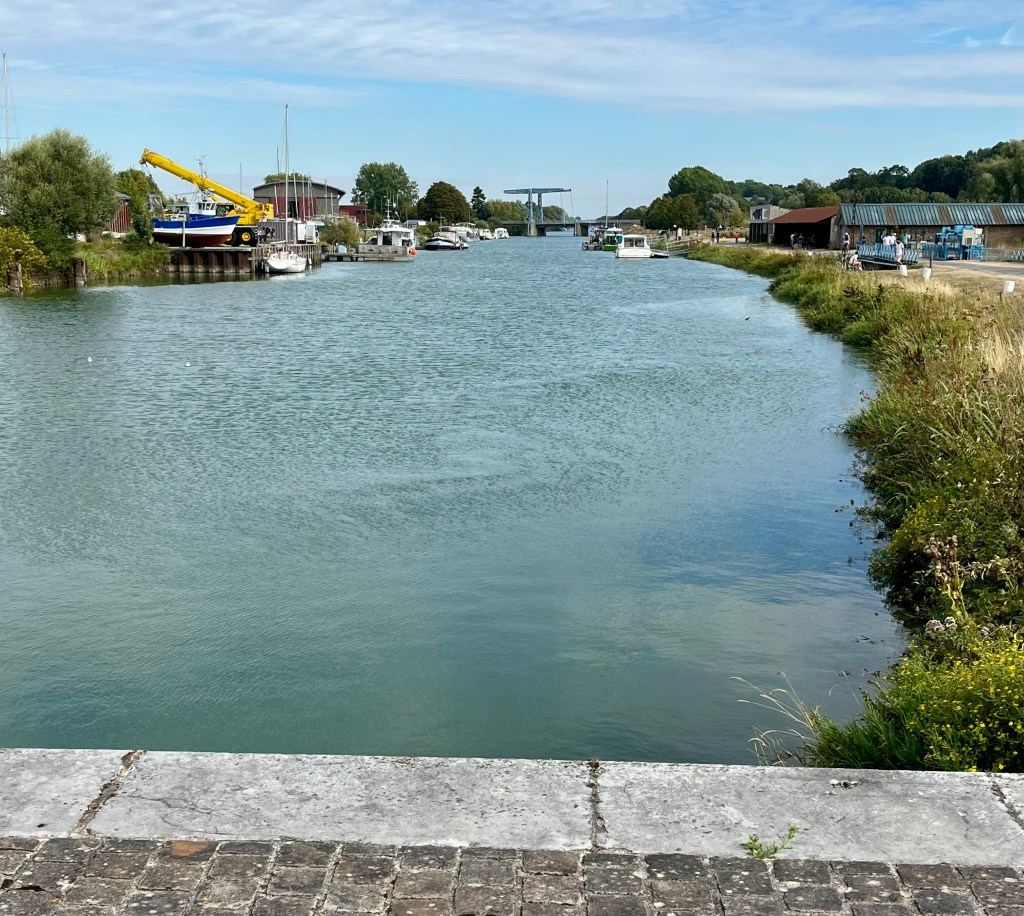
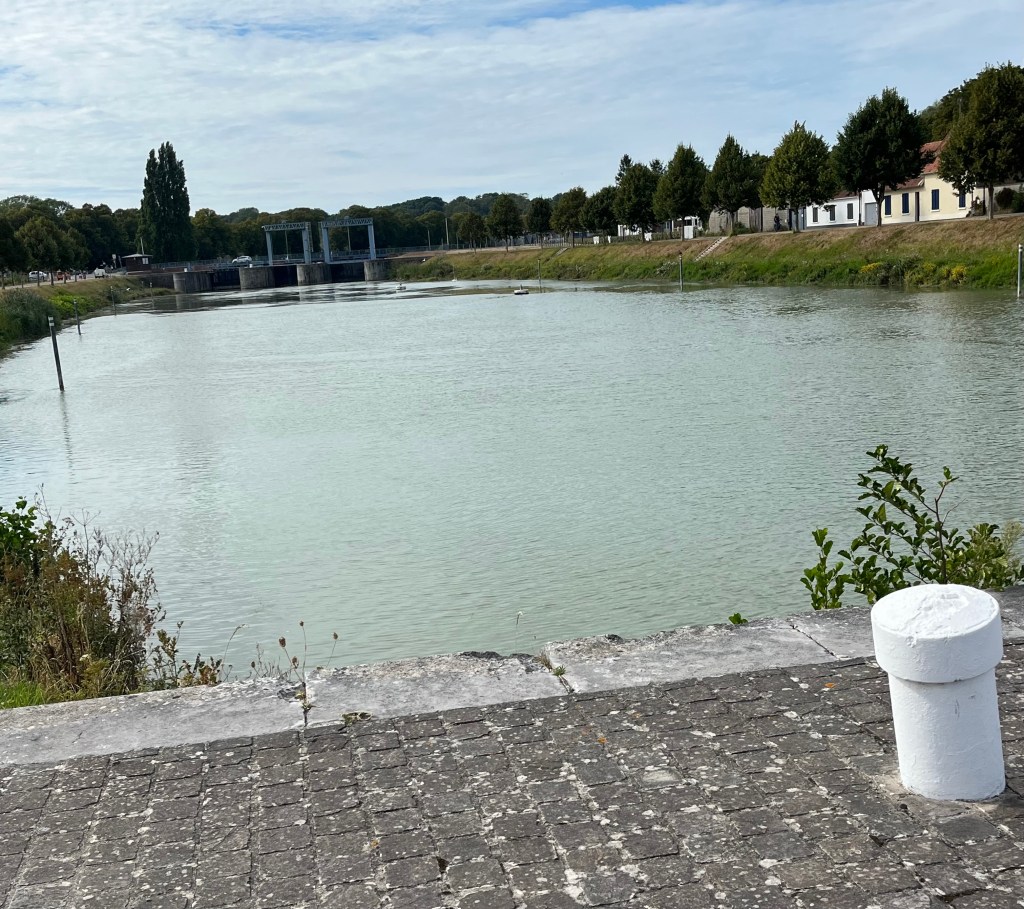
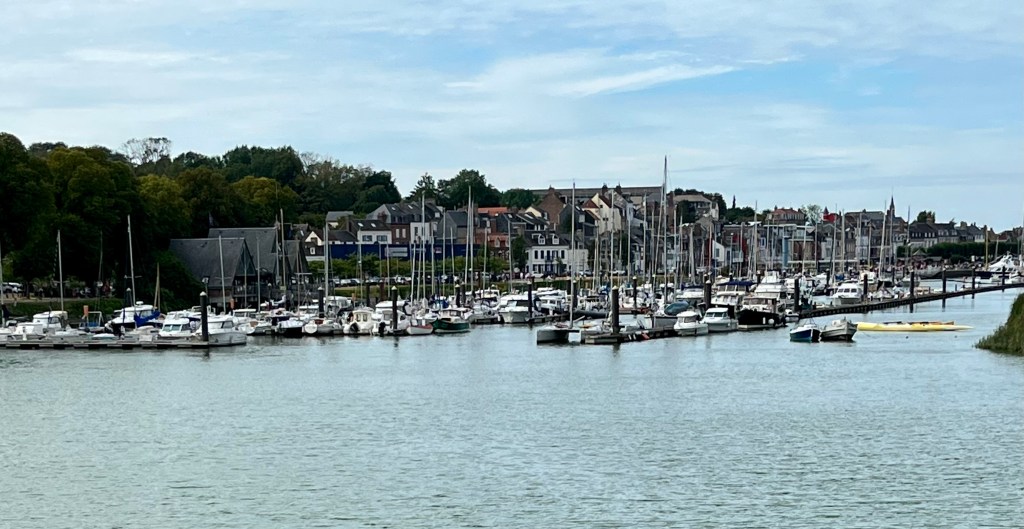
Each tide brings in about 50 million cubic meters of water along with around about 5 thousand tons of mud. The ebb tide is less powerful than the flood tide so approximately 1% of this mud is left behind with each tide (about 50 tons). The canal is used to flush away this excess build up six times per month. The sea lock is closed so that the canal is raised by 1 1/2 meters creating a reservoir full or millions of gallons of water. The gates are fully opened at low tide creating a powerful stream that drags the sand away.
Sadly it was time to turn around and journey back up the Somme, exploring other sights that had been missed on our descent.


Leave a Reply