
Day 11, Souffelweyersheim (try to say that 3 times fast!)to Strasbourg 2 locks, 8kms
There were many times during the past 2 1/2 months that we have questioned the wisdom of this trip to Strasbourg, but finally on the 1st July we arrived in the port. Do we deserve a medal YES!
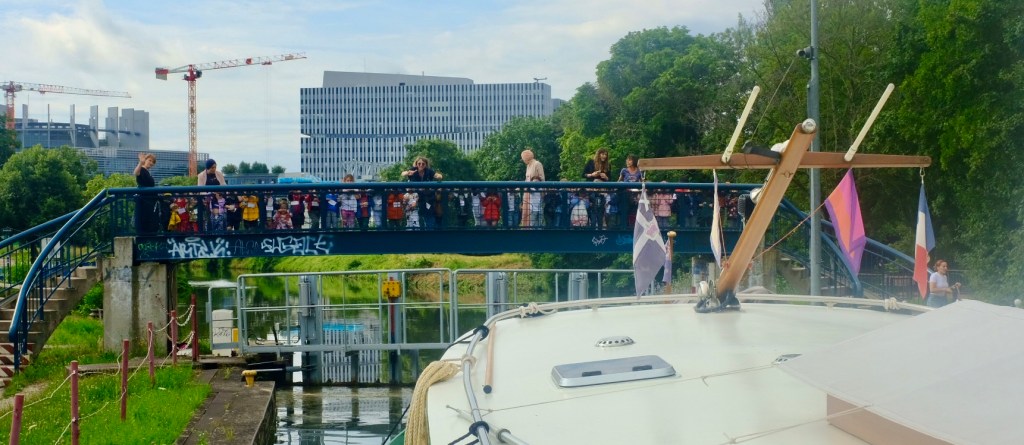
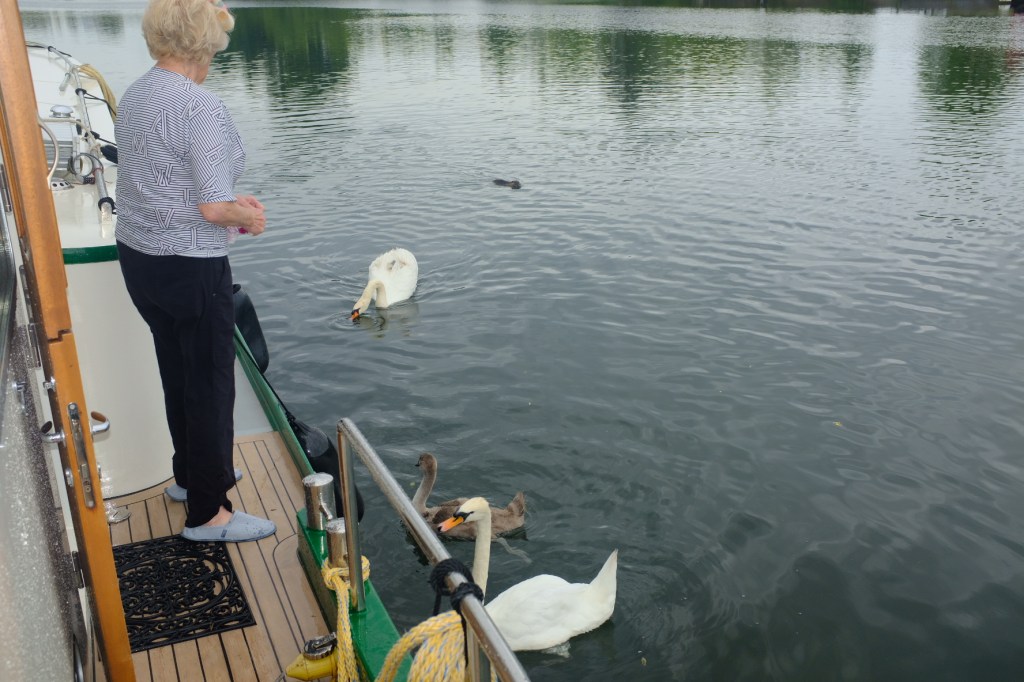
The last push to Strasbourg was a delightful short hop. At our last lock before the city we were greeted by a family of swans. We have seen very few such families on our way east. Maybe the wildlife is on strike, hoping to bring our attention to the affects of climate change. Then on the bridge above the lock there was a group of small kindergarten children with their teachers enthusiastically waving to us. A lovely entree to Strasbourg which is a delightful city.


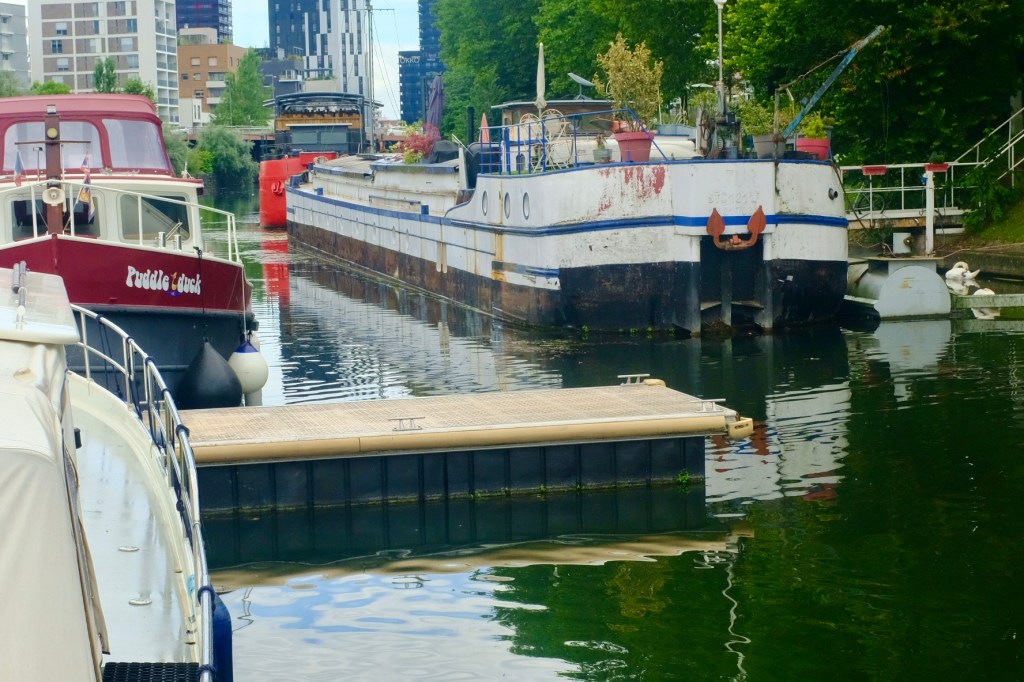
There is only one marina in Strasbourg and it is best to ring and book. Travelling with Mimosa we were given instructions to raft up.

Located on the Rhine and bordering Germany, Strasbourg is the capital of the Alsace Lorraine region and is the eighth most populist city in France. It is also home to the European Parliament along side the seat of several European institutions. The area has been much disputed over the centuries as both France and Germany played tug of war, but has also been a cultural bridge between the 2 countries. Due to its location it has developed as an important transport hub. In fact the Port of Strasbourg is the second largest on the Rhine. The cities name can be traced back to the 5th century and its germanic origin means “town at the crossing of roads”.
The sights of Strasbourg
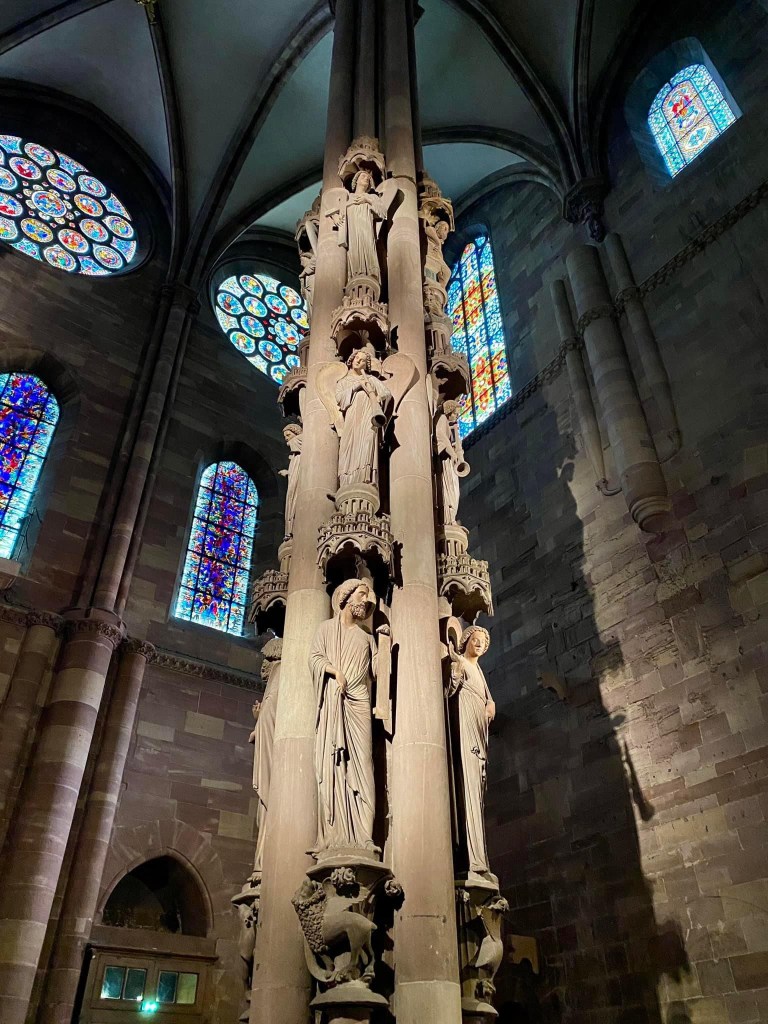
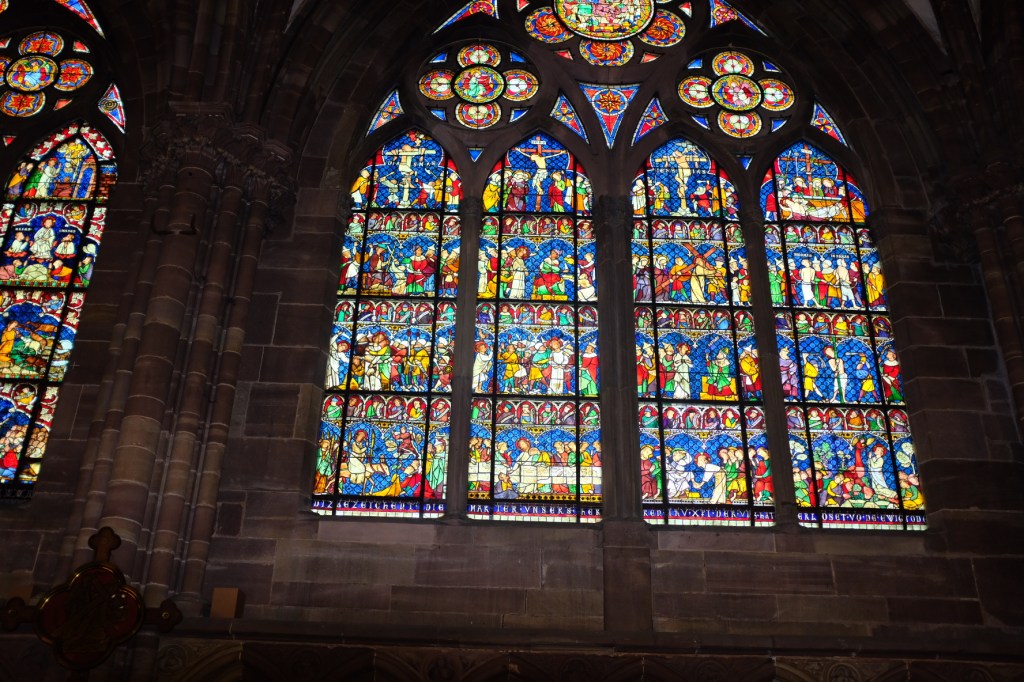
This is a city of many rich sights, the most prominent of which is the cathedral. Built of the reddish brown local sandstone which in different light seems to shimmer, construction commenced in 1015 and was finished in 1439. Now that’s a long build! Inside one can admire not only the mandatory stain glass windows and rose window but also the 16th century astronomical clock and the Angel Pillar, a vertical construction featuring 12 sculptures


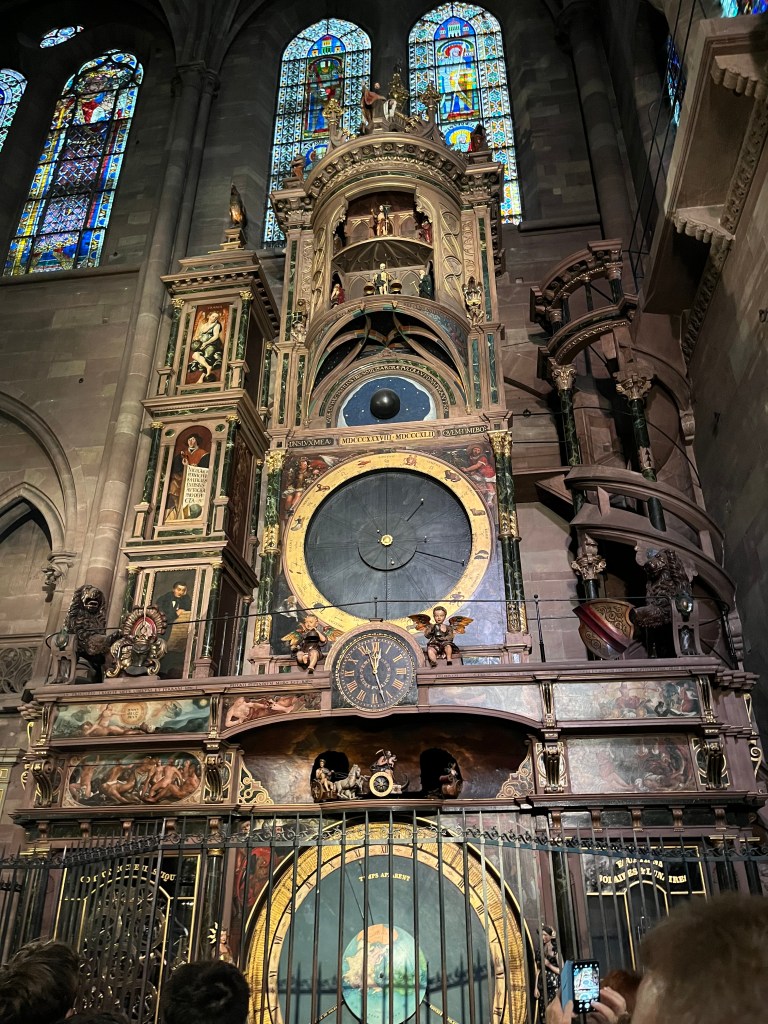
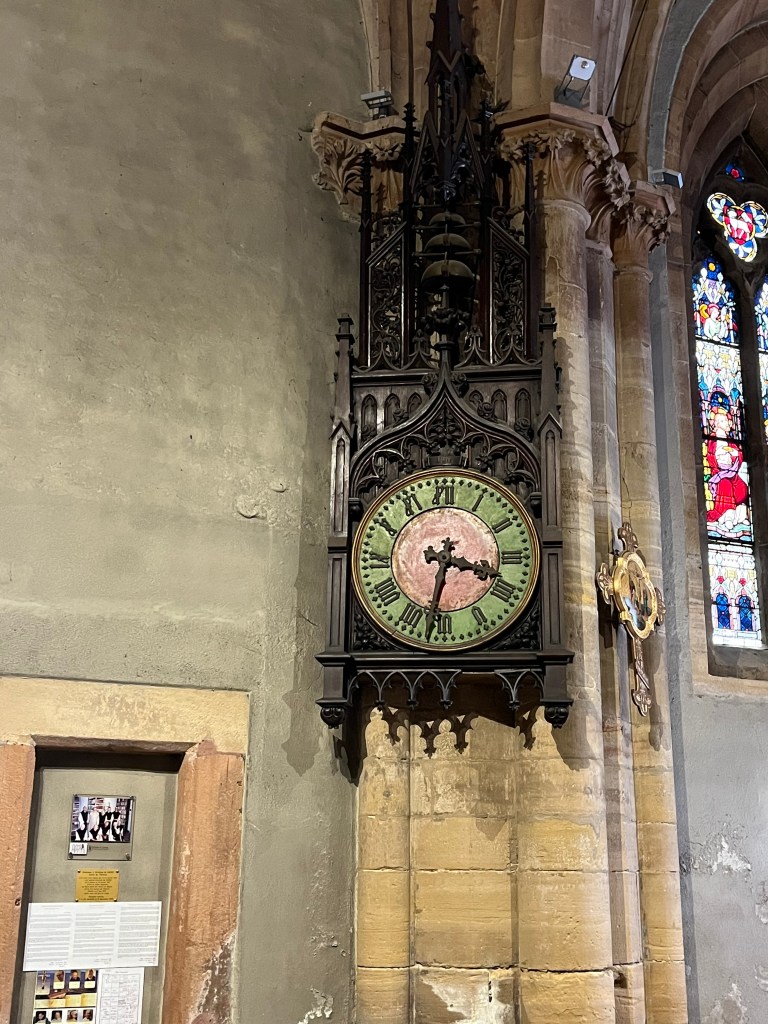
This is the third clock that made its home in the cathedral. The first was lost in time while the metal cogs of the second clock wore out. Legend has it that a 9 year old boy who was taken by his family to admire the then defunct clock claimed that one day he would fix it. True to his word he became a watch maker and outstanding mathematician, and 50 years later in 1838 he was contracted to implement the renovation. The clock strikes at 12.30 each day when the automation comes to life. The mechanical rooster crows and 12 apostles parade, paying homage to Christ. Recognised as an early mechanical computer the Comput Eccleslatique is set on the 31st December each year to calculate the date for Easter and the Saints holidays for the following year. We bought our tickets to view the clock in the morning. The presentation lasted for about an hour.
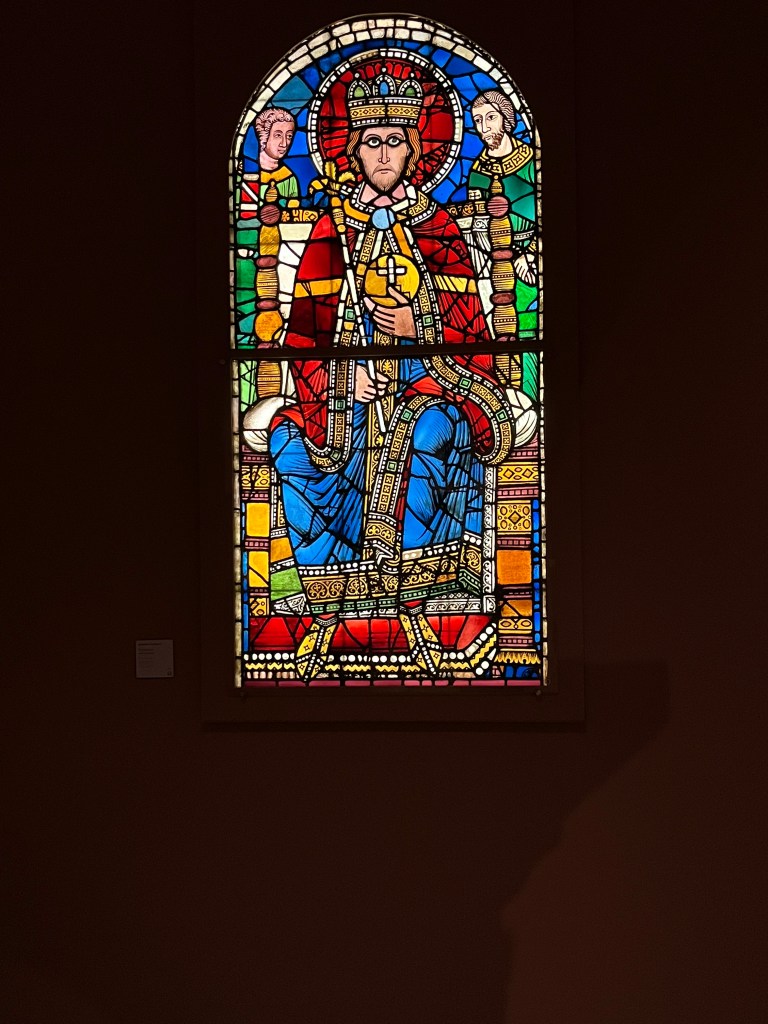
Virtually opposite the cathedral is the Oeuvre Notre Dame Museum. Within the walls of a combination Gothic, Renaissance and 17th century buildings the museum showcases masterpieces of medieval sculpture and stained glass from the cathedral.
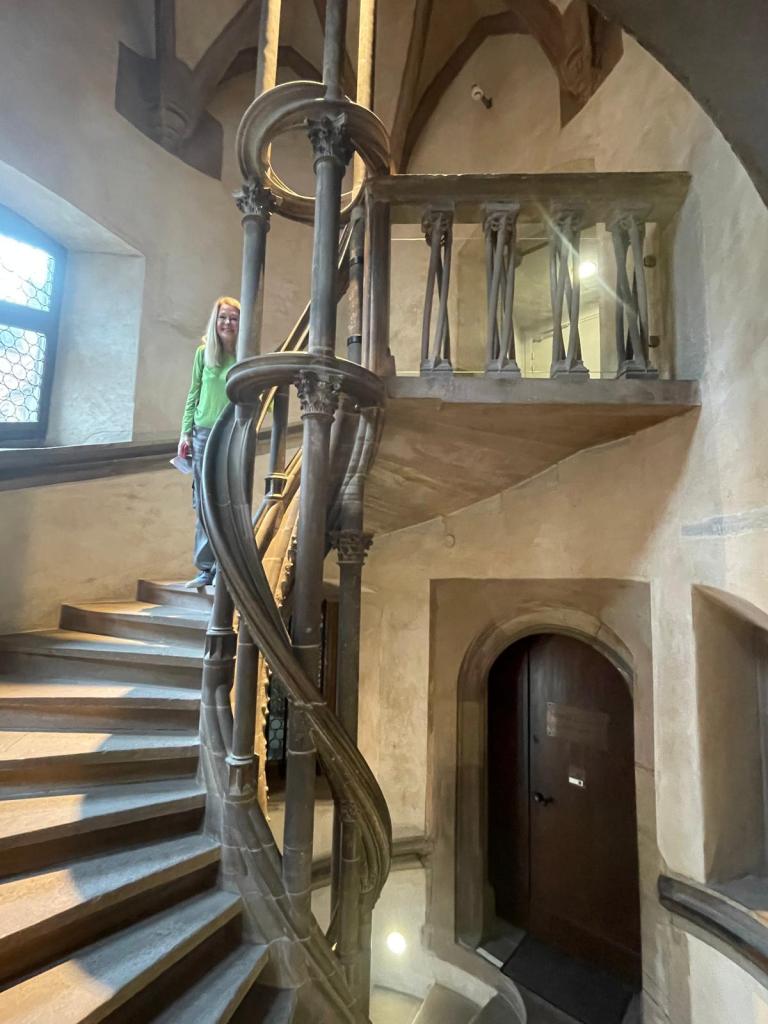
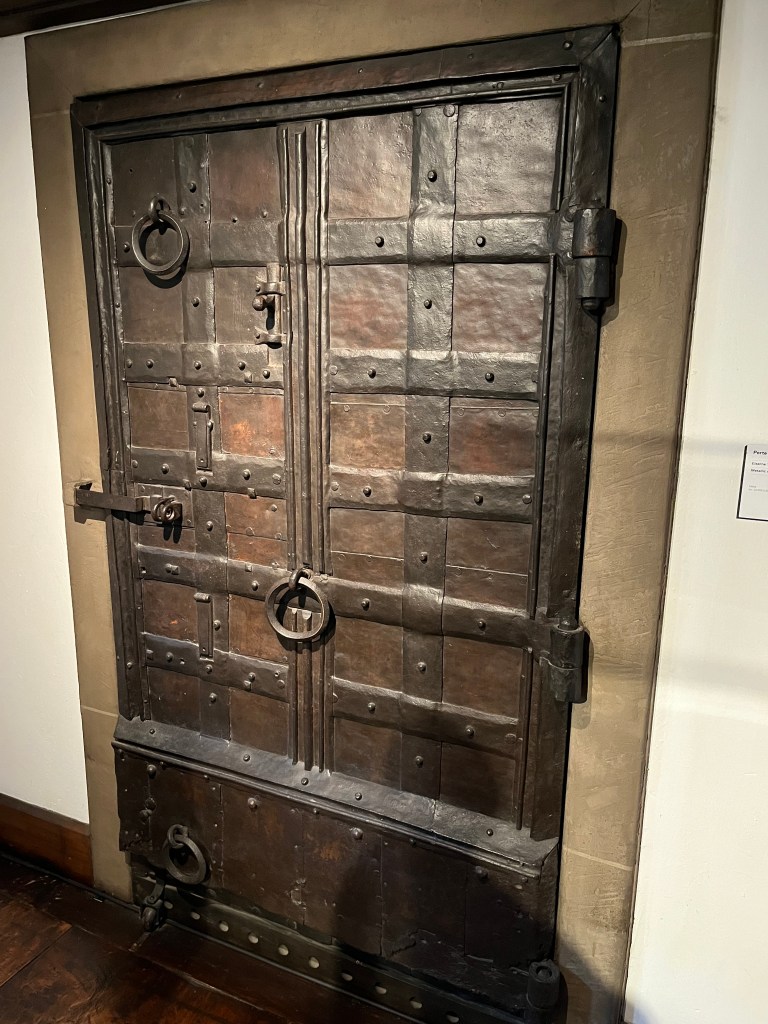

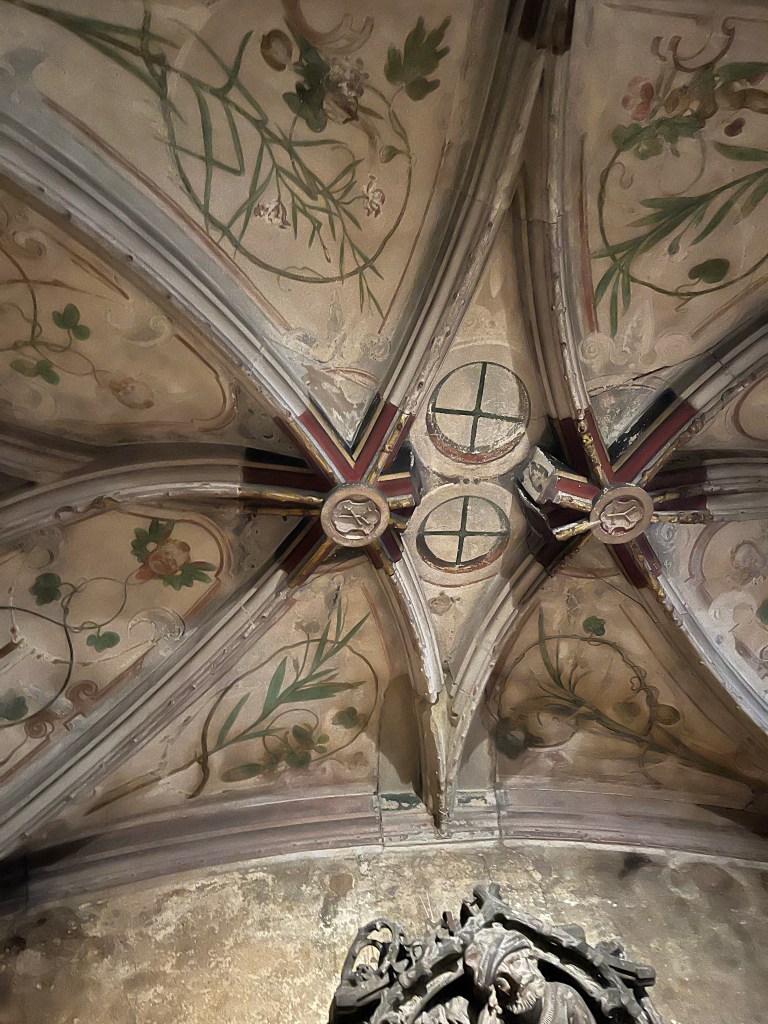
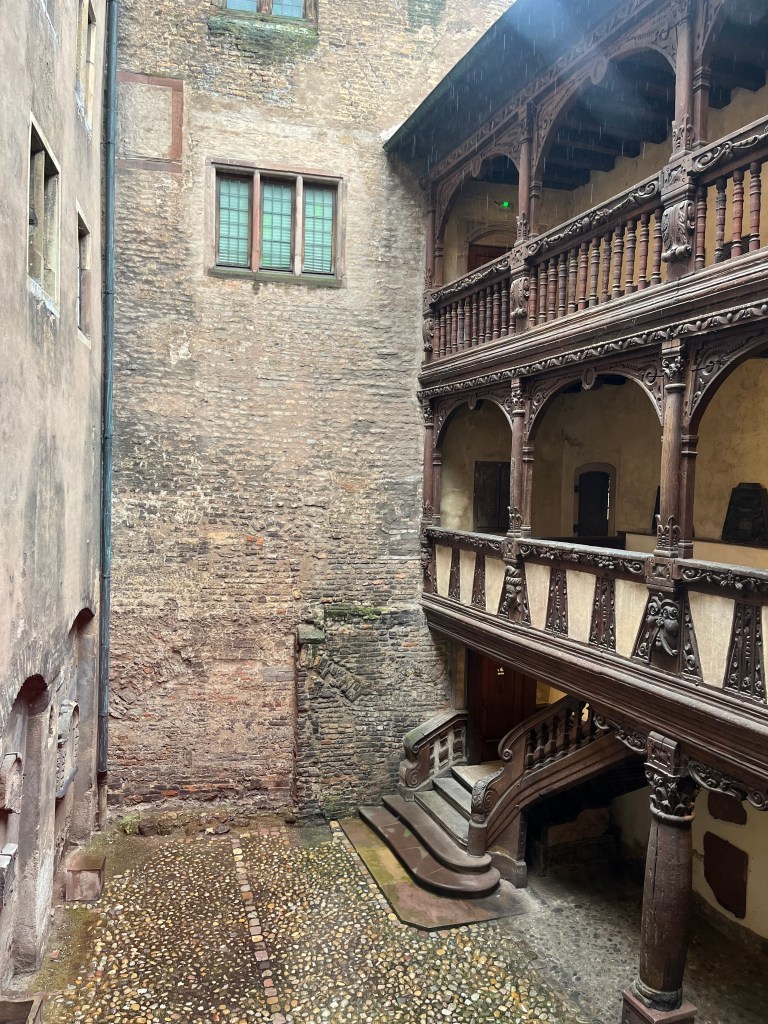
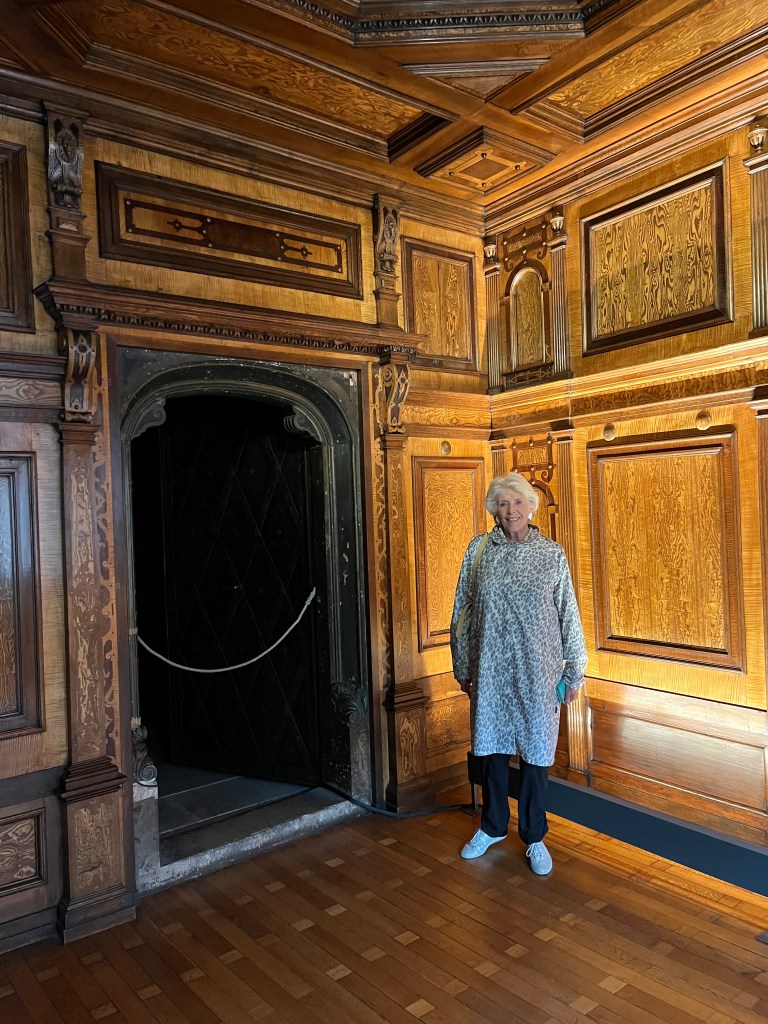
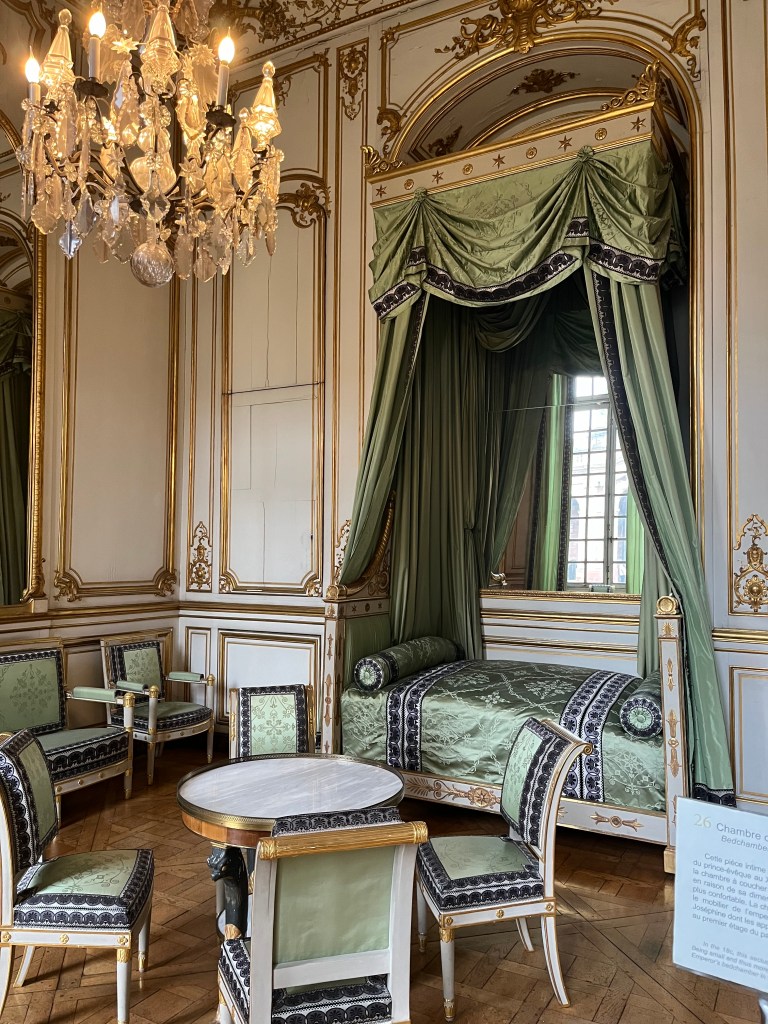
Another Michelin star attraction in Strasbourg is the Decorative Arts Museum, housed in the Rohan Palais. The palace was built in 1704 and was the former residence of the prince bishop and cardinals of the house of Rohan an ancient French noble family.
The grand appartments are ranked among the finest 18th century French interiors.

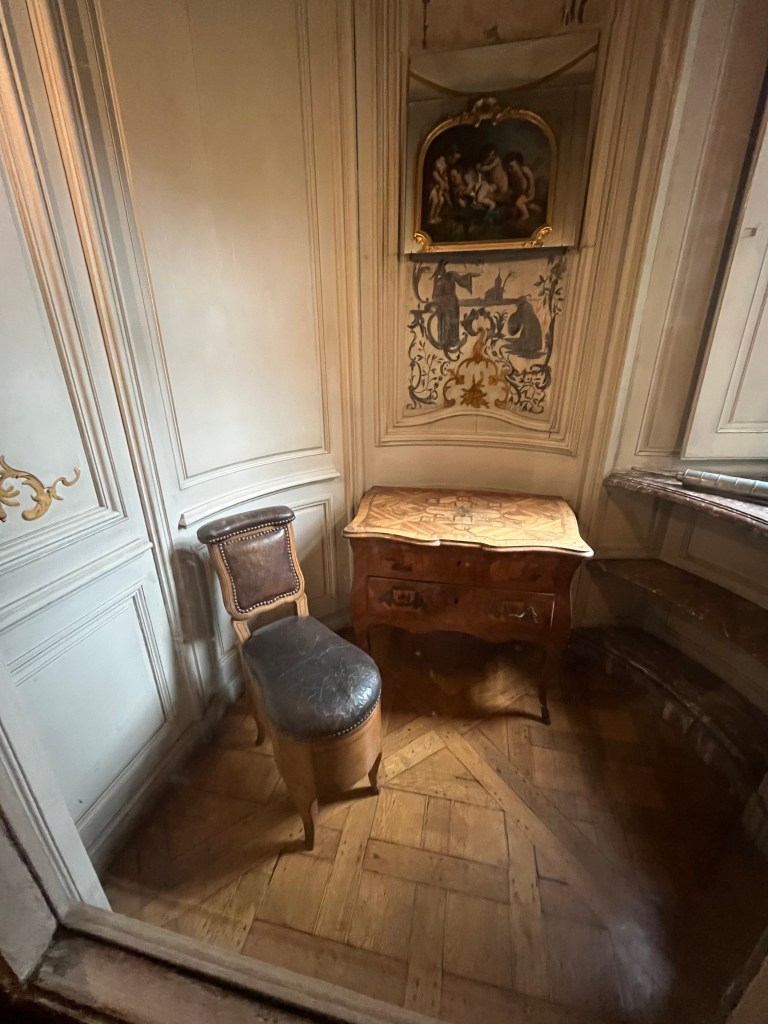
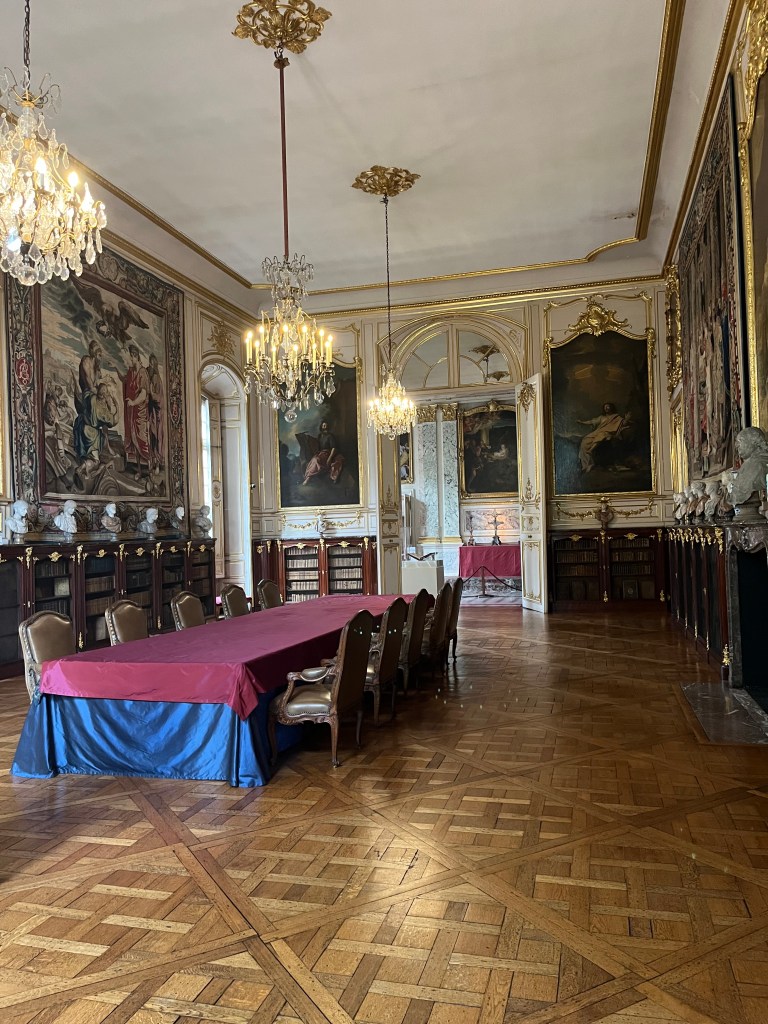
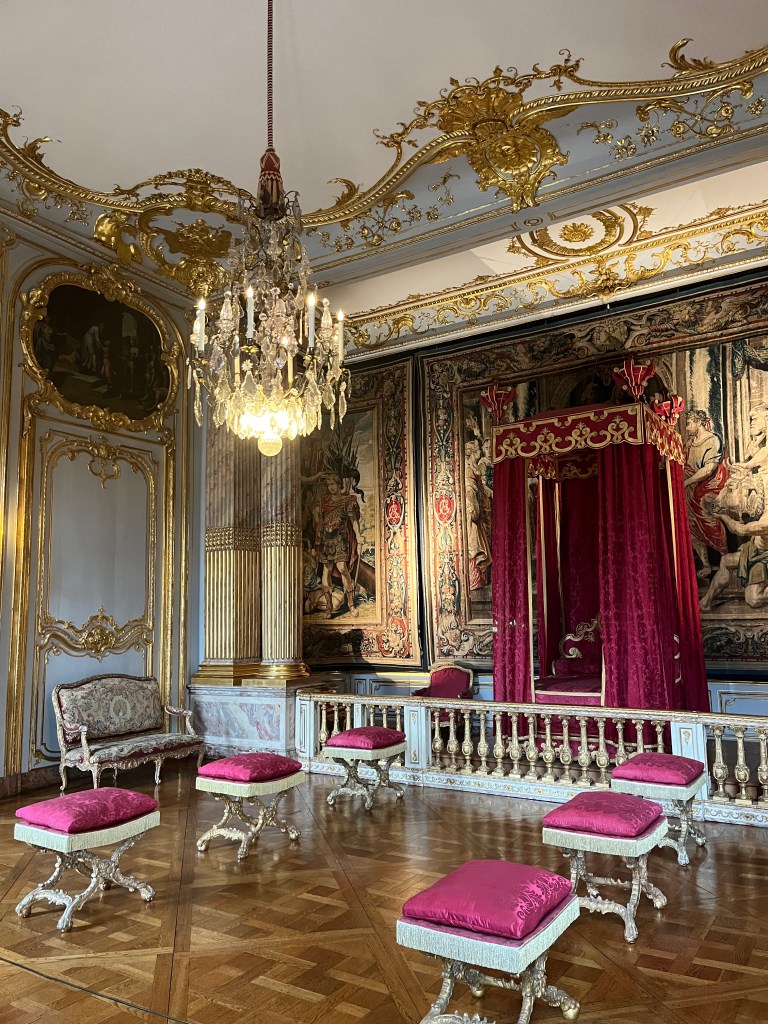
Then there is a walking tour through Petit France, the part of the town which was once the fishermen and tanners district, to the covered bridges (no longer covered) and the Vauban Barrage. Built in the 13th century the cover bridges are comprised of 4 defensive towers connected by a set of 3 bridges that cross the river channels of the River Ill that flows through Strasbourg. Then in the 17th century the Vauban Barrage or defensive weir was built. The idea was that in the event of an attack the level of the river Ill could be raised to flood the land south of the city. This defensive measure was enacted in 1870 when the city was besieged by the Prussian army.


Around Strasbourg
Venturing a little further we took the tram across the Rhine to Germany and the city of Kehl for morning tea and then a train to Colmar for the day.

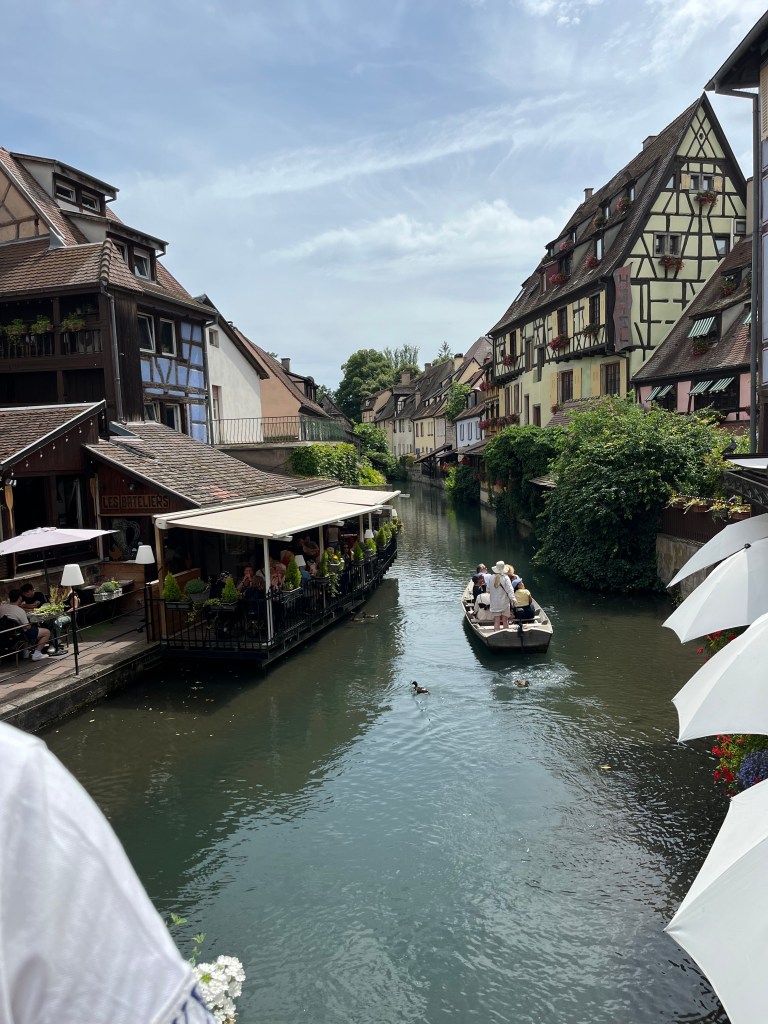
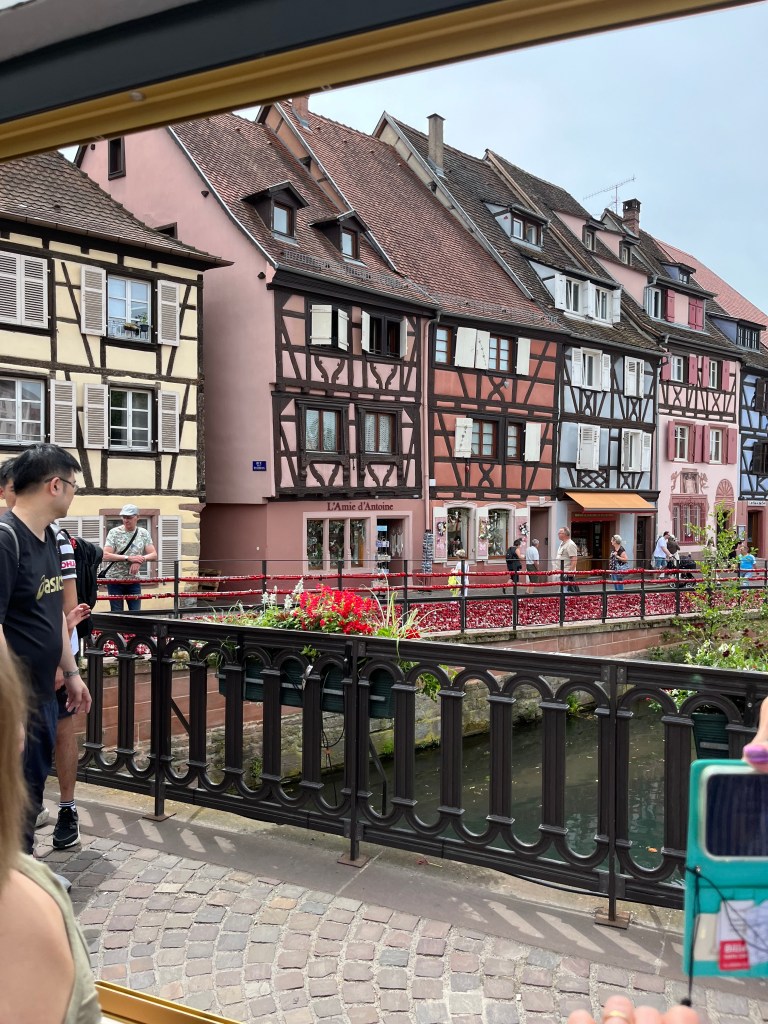
Colmar, considered to be the capital of Alsatian wine is renowned for its well preserved old town, which has been mostly spared from the destructions of the many wars that have ravaged the area. The town is crossed by the canals of the river Lauch and the former tanners and fishmongers quarter is now referred to as Little Venice.




After a wonderful 6 days in Strasbourg it was time to start our slow journey back to our home base in Brugge or as Peter suggested “bugger off to Brugge”.

 Karen’s Travel Blog
Leave a comment