
It had taken us 10 days, travelling each day to make the voyage from Vitry to Toul on the western section of the Canal Marne au Rhin. We had a 3 day break in Toul, then a 7 day unplanned rest in Nancy. Now it was time to complete our navigation of the eastern section of this canal all the way to Strasbourg.
Day 1 Nancy to Einville au Jard, 9 locks, 1 aqueduct and 27kms

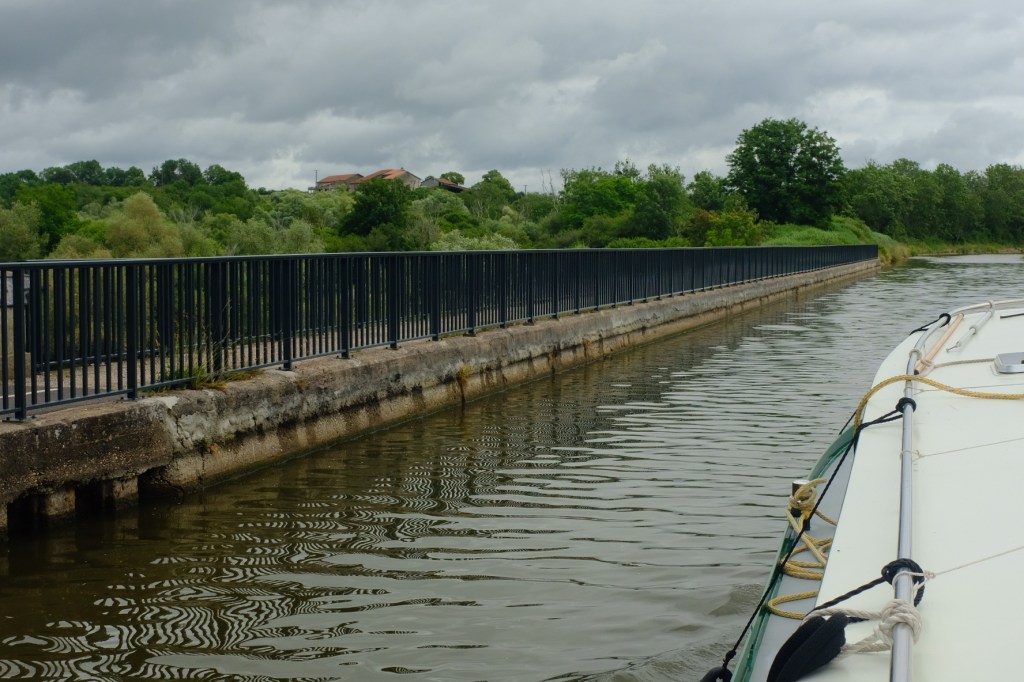
The canal crosses the River Meurthe, which is a tributary of the Moselle on the way to Einville au Jard.

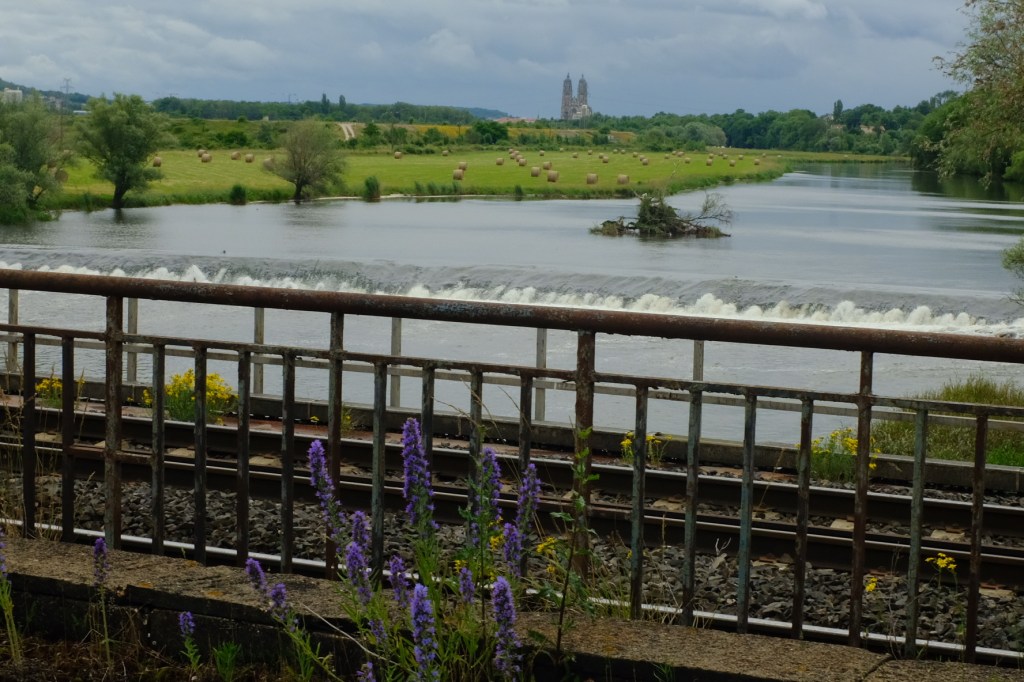
Along the way we viewed at a distance the basilica of St. Nicholas
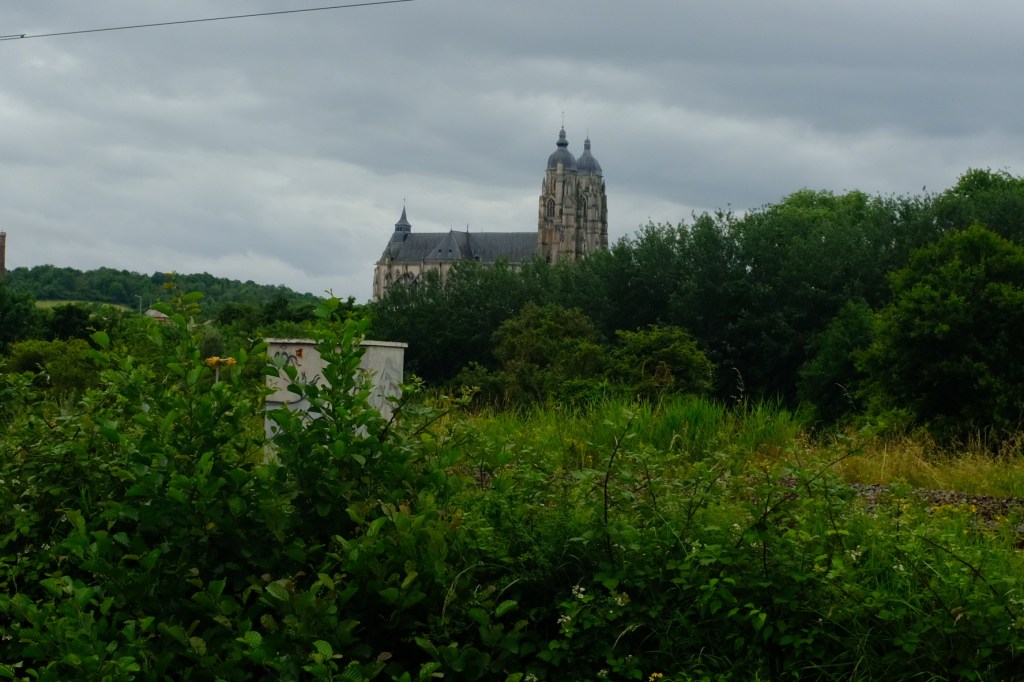
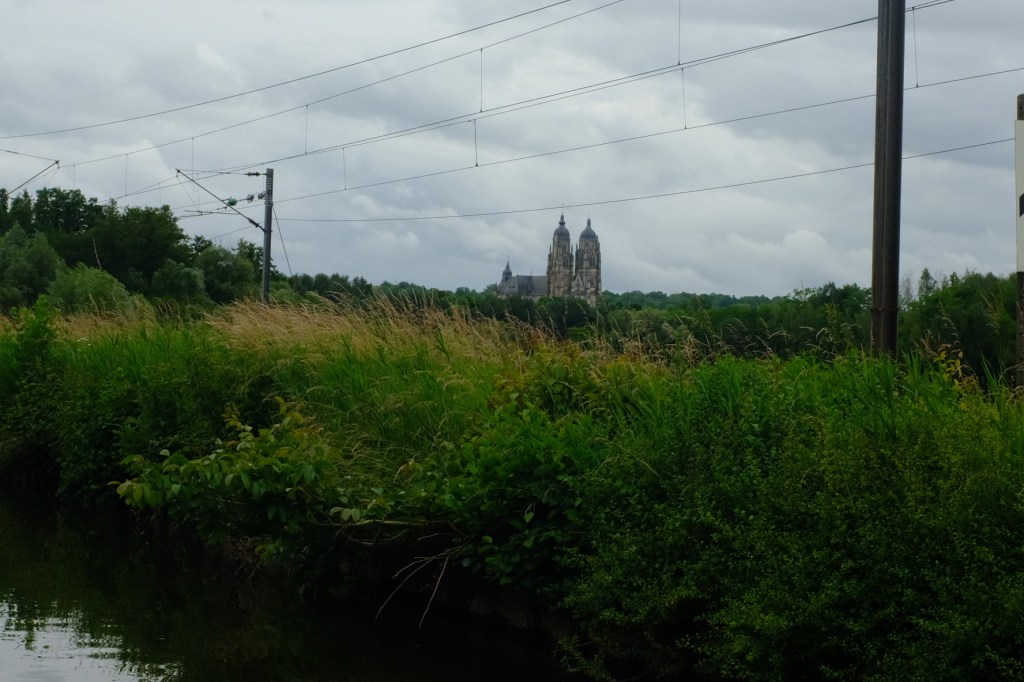
We didn’t stop at St.Nicholas de Port.The basilica was built in the 15th and 16th century in honour of St. Nicholas, patron saint of barge people. The two tall towers, that dominate the landscape were badly damaged in WW2 but completely renovated in 1980 via a donation from a wealthy American lady born in St. Nicholas. I could give a few names of other churches that could do with her patronage.
From Einville au Jard, it was only a 2km drive to Chateau de Luneville, home of the dukes of Lorraine since the 13th century. But alas no Uber could be found to transport us there.
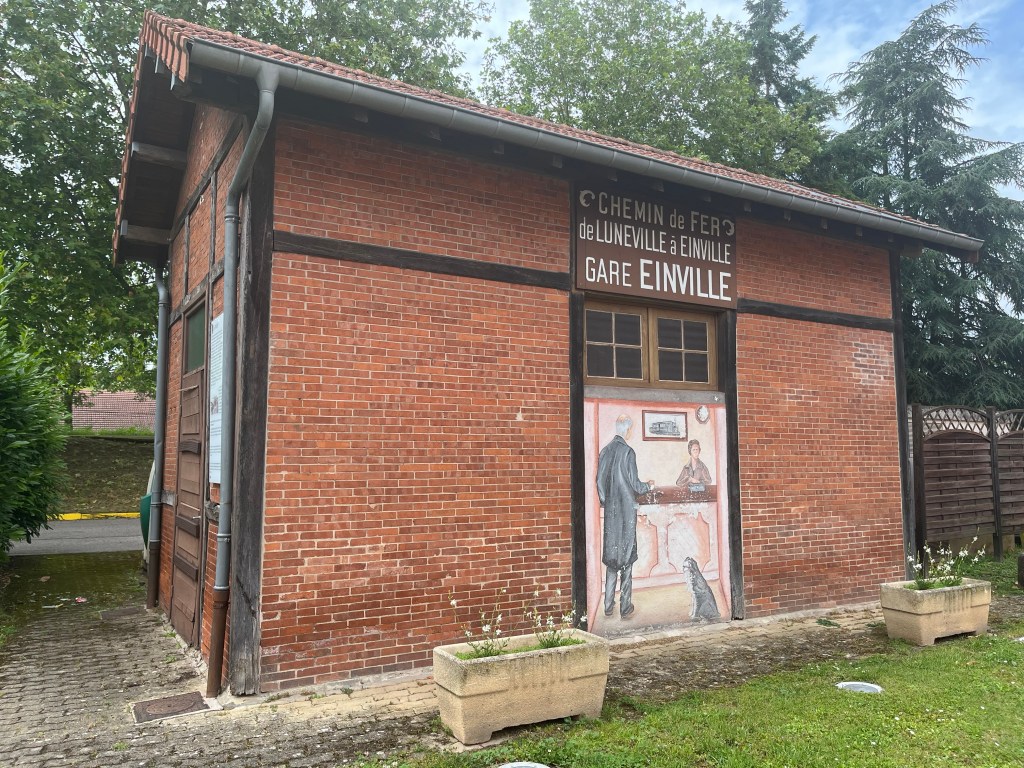
Day 2 Einville au Jard to Parroy 2 locks, 9kms. Easy trip

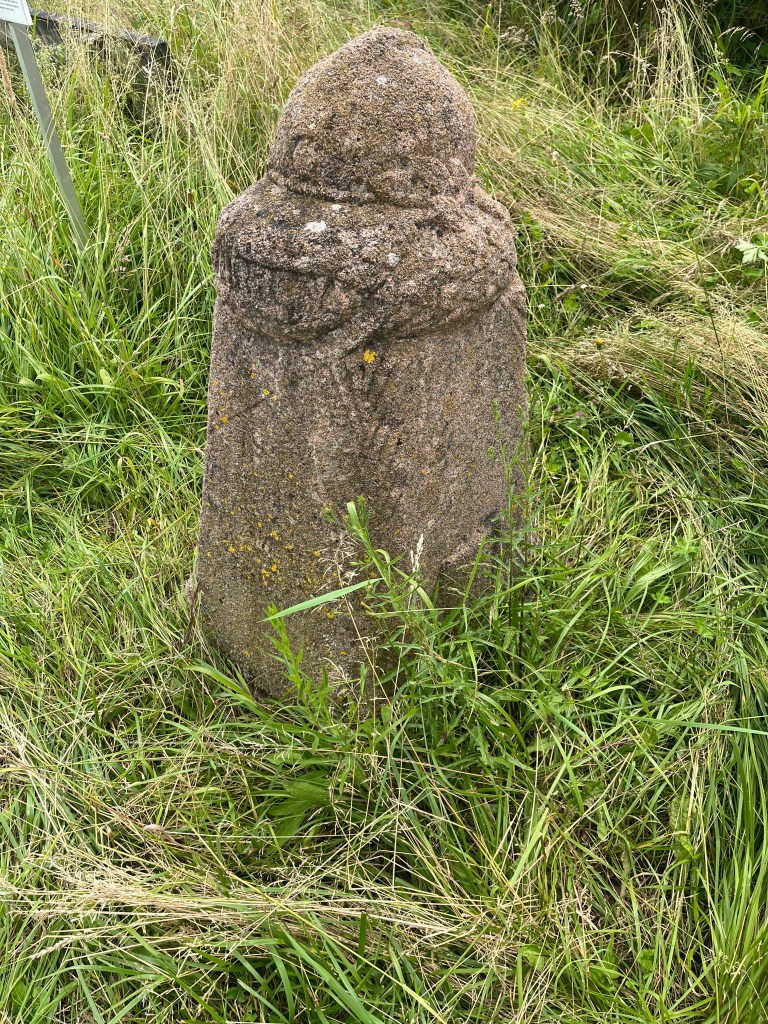
During our exploratory walk around the small village we discovered a stone borne. Western Front demarcation stones also known an Bornes du Front are monuments erected in France and Belgium mark the limit of the German advance during WW1. The stones were the idea of sculpture and veteran Paul Moreau Vauthier. These stones identify the army that held the sector in 1918 and are engraved with the text “Here the invader was bought to a standstill in 1918.” There was thought to be 118 stones erected of which 93 survive today.
Day 3 Parroy to Lagarde 3 locks 8kms. We must be on holiday!
At last we make it to the chateau at Luneville! The port at Lagarde had a 2CV Citron car available to hire, so we piled in (literary) and drove 40 minutes to Luneville. This economy French car was produced from 1948 to 1990, so it was not in the first flush of youth, but all agreed it served its purpose very well. James was able to cox it up to the hair raising speed of 60 miles per hour. That’s the fastest we have moved in quite a while!
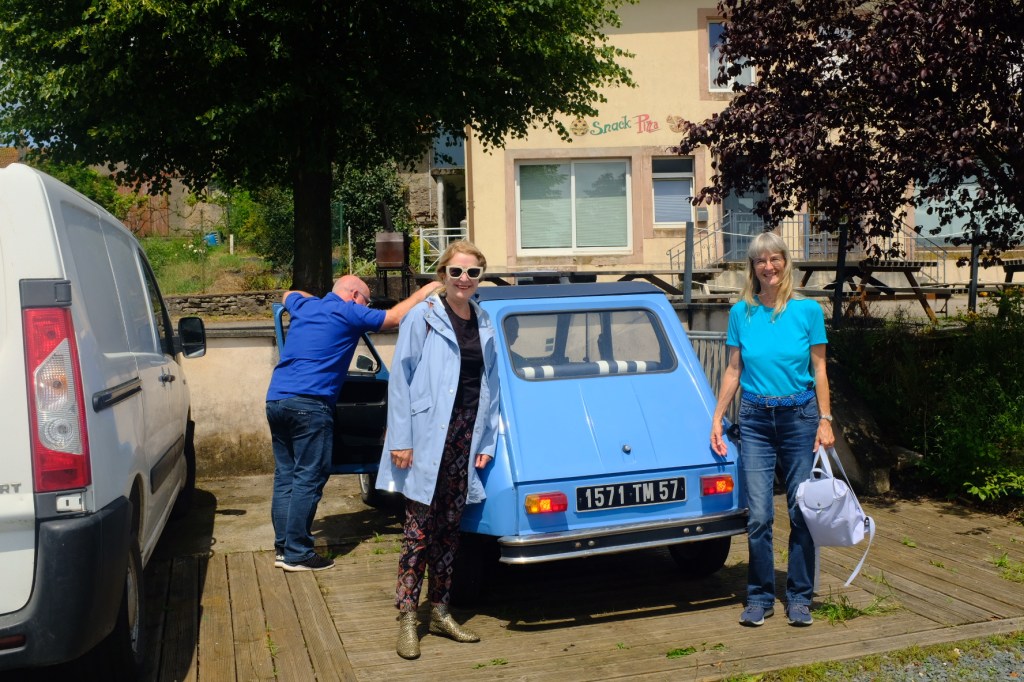
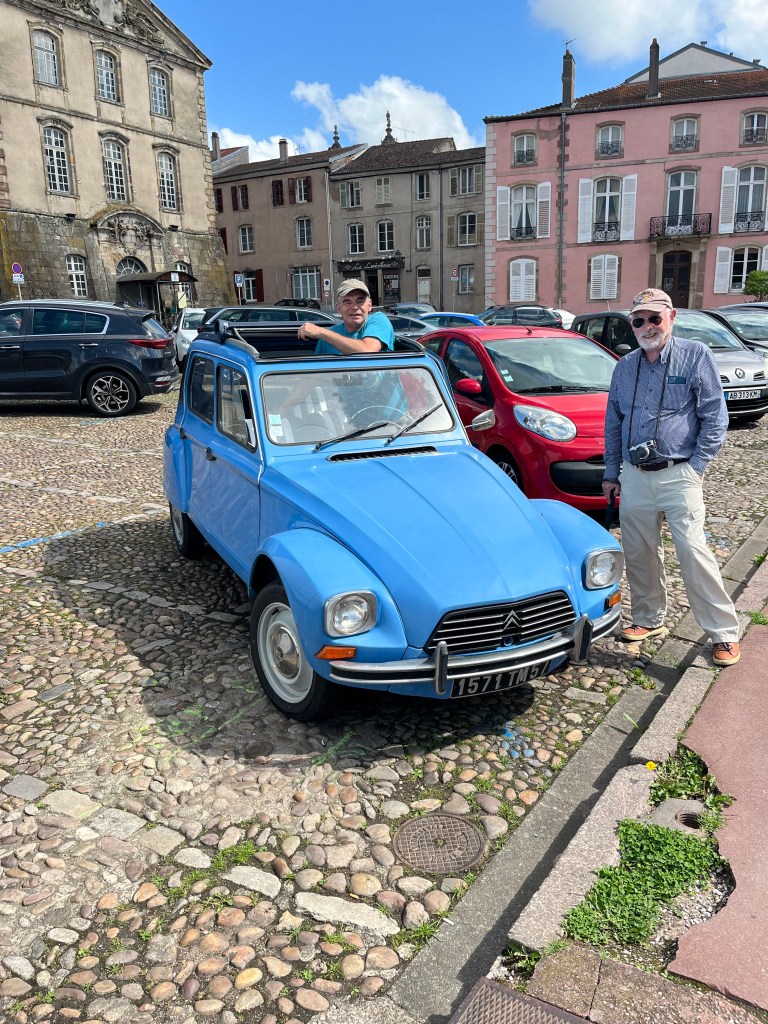

I don’t know what we enjoyed more, the car ride or the chateau visit. Peter and James certainly enjoyed the car ride as they bailed on the chateau and passed their time languishing in the shade in the cafe opposite the entrance to the chateau.


The Chateau de Luneville was constructed in the 17th by Duke Leopold 1 and further enhanced by Stanislaw, the last Duke of Lorraine. After the Duchy of Lorraine passed under French rule it became a military barracks. Throughout its history it has been the victim of fire, the last in 2003. With very few rooms reinstated it was a quick visit.
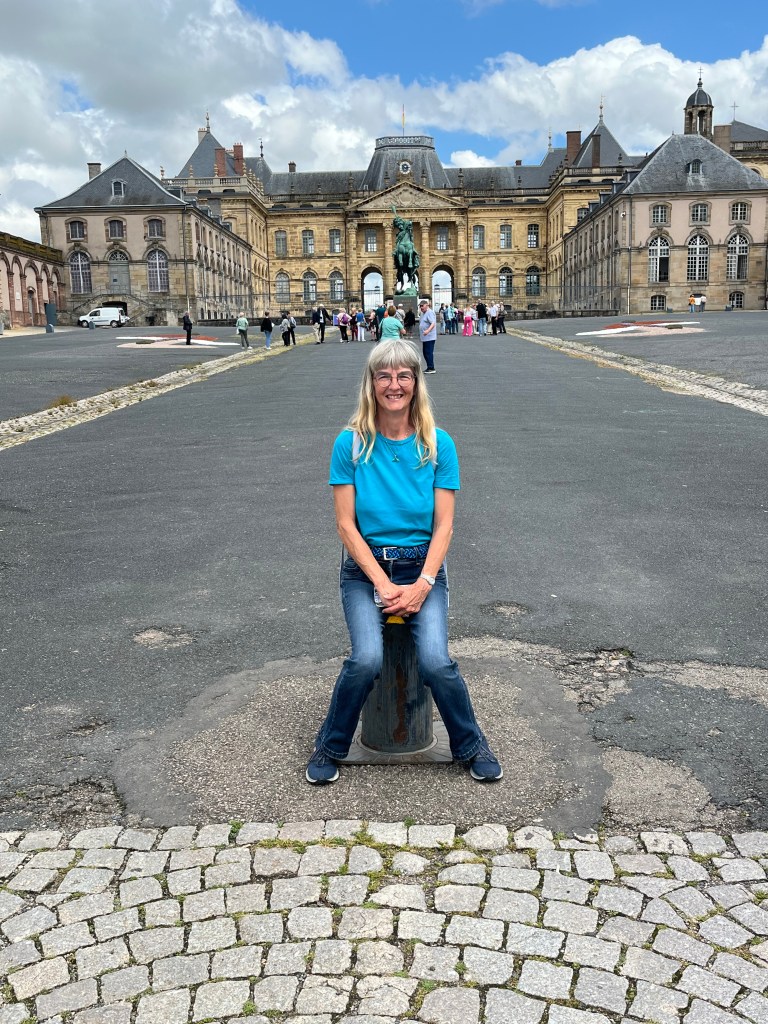
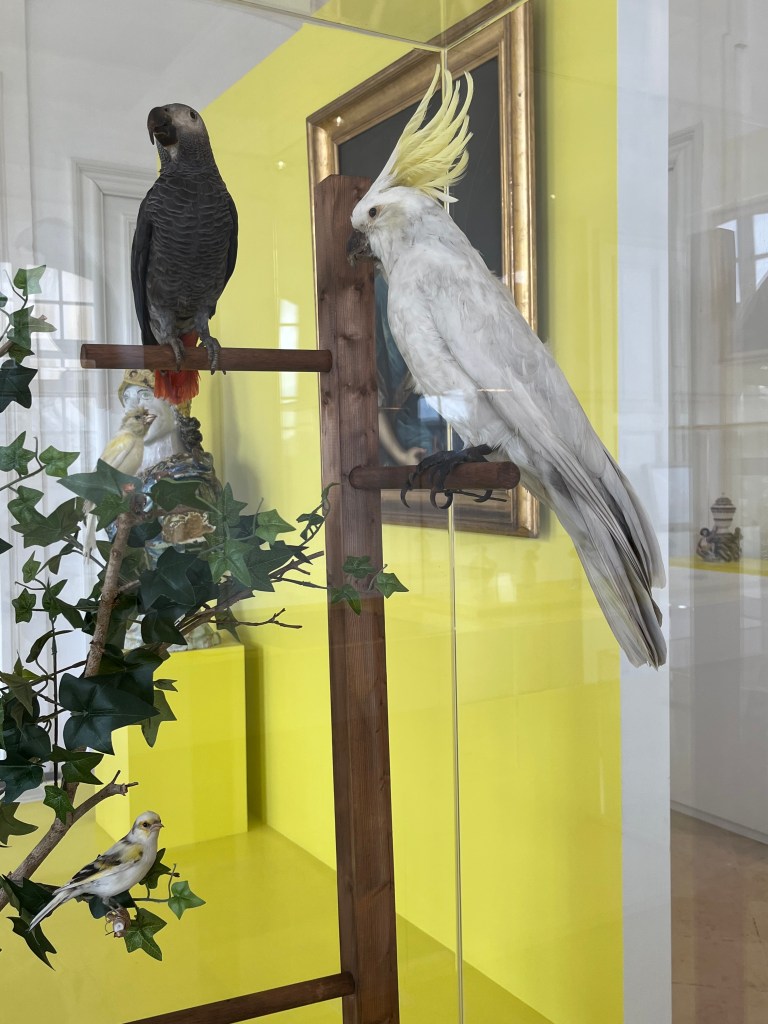
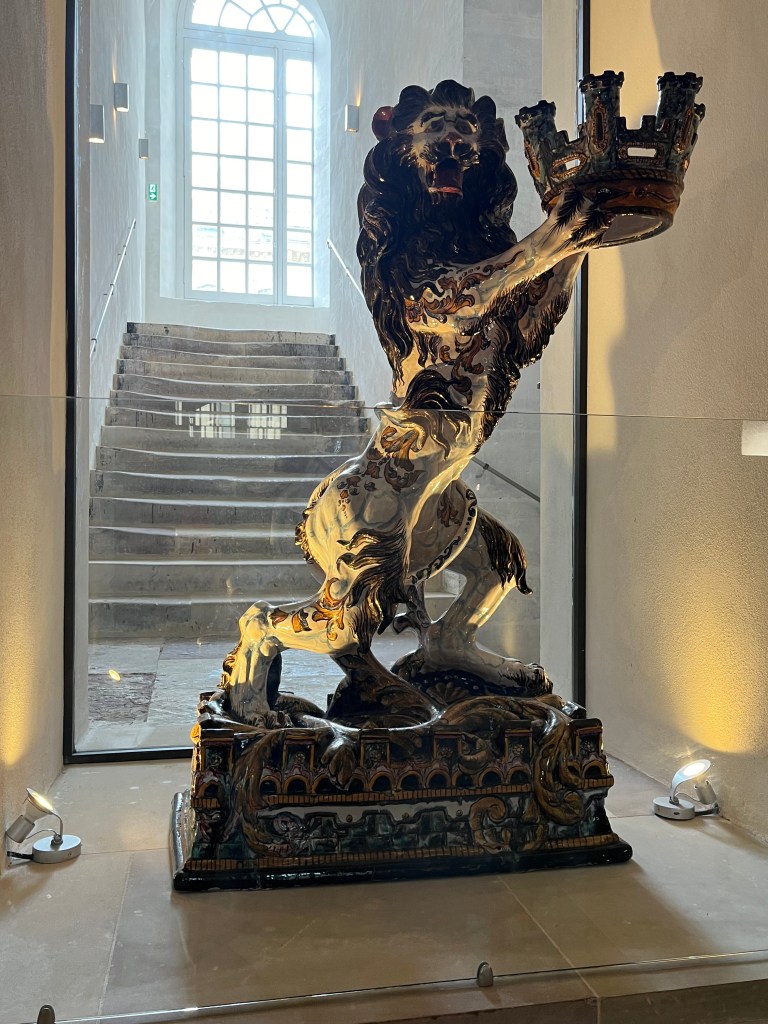
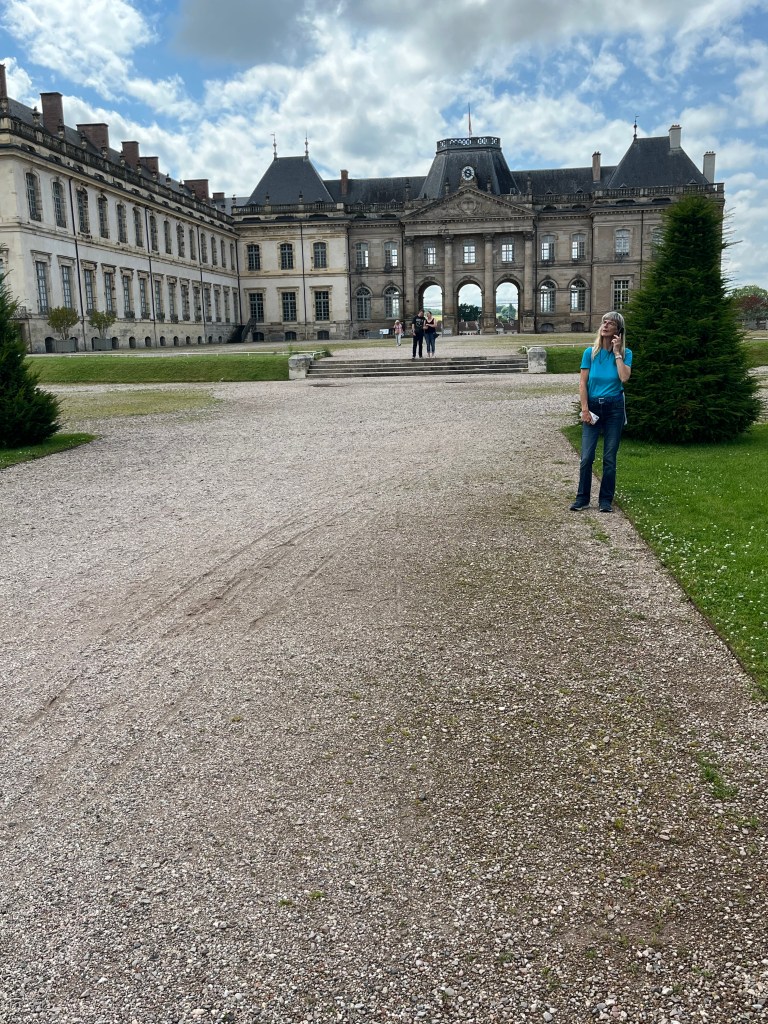

Chateau de Luneville, a pale ghost of its former glory
Day 4 Lagarde to Port du Houillon 7 locks 20kms
Port du Houillon is a slight detour, 2kms up the Sarre, but after a long day it was the perfect stop.
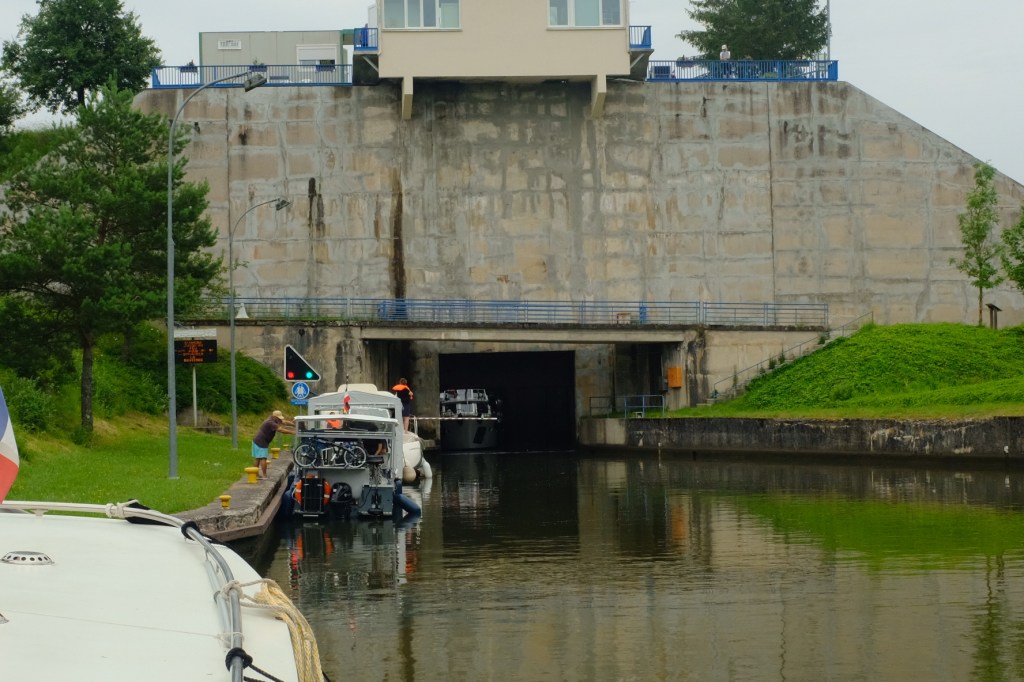
The last lock of the day was the 16 meter Rechicourt lock that was built in 1960 to replace a chain of 6 locks.
We are now in hire boat country that means we have to wait at locks. Oh well, we have had it good up until now. Previously there has been no traffic on the waterways to mention.

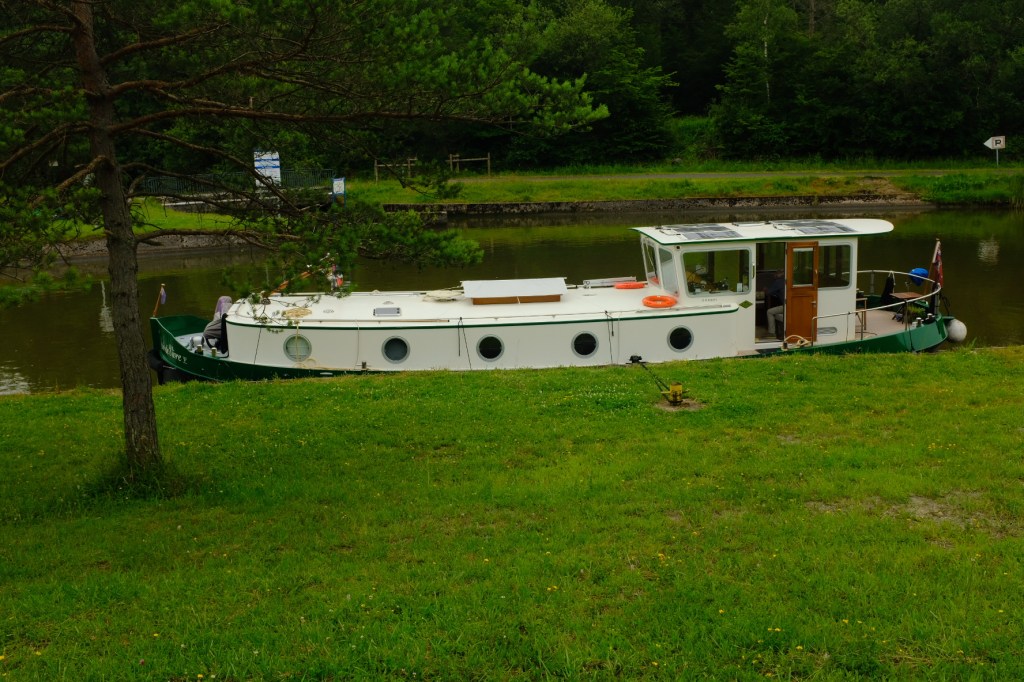


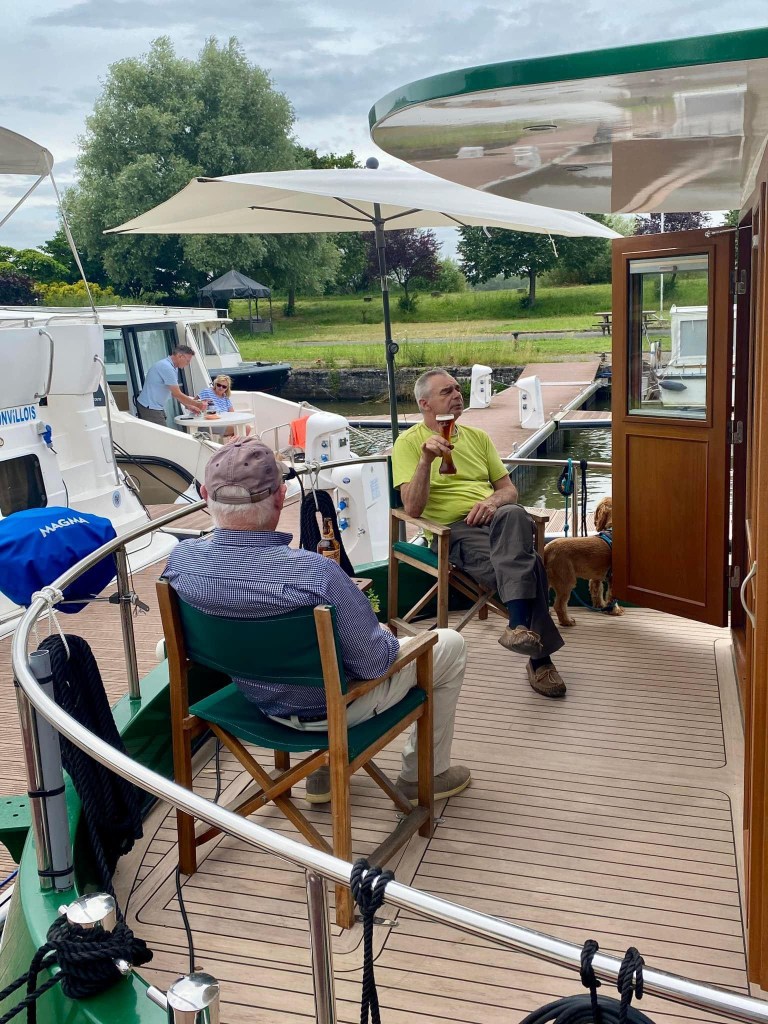

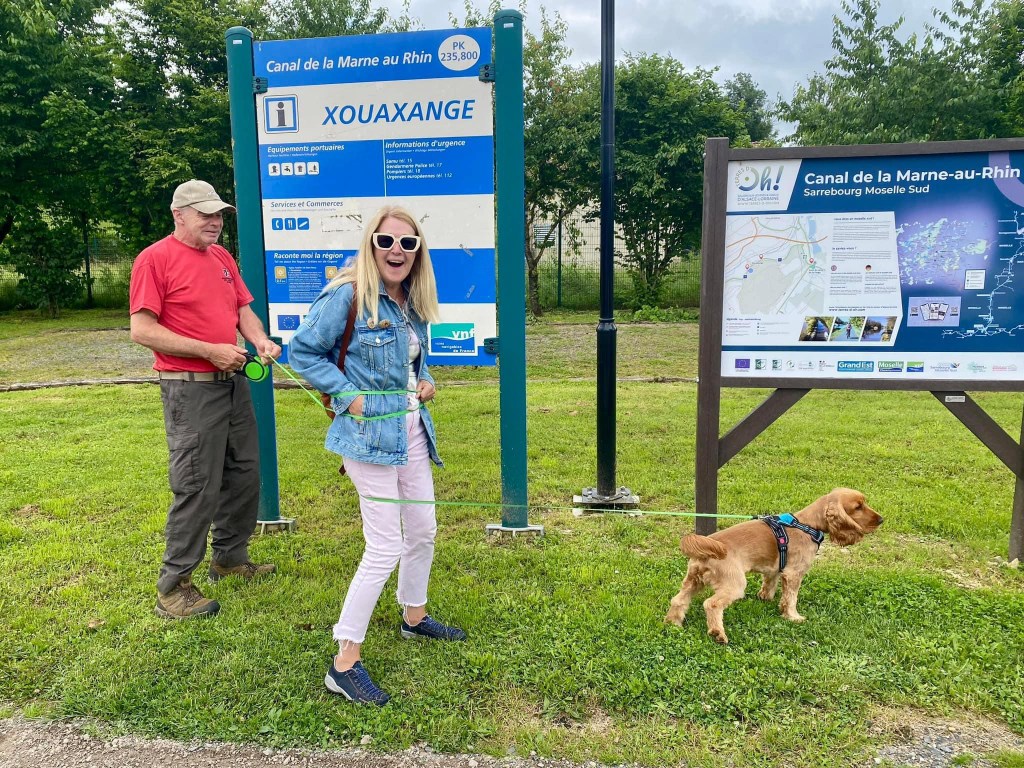
Day 5 Port du Houillon to Xouxange no locks 10km. We are now on the summit level that stretches 33kms ahead of us. By the way I have no idea how to pronounce the name of this village, so don’t ask.
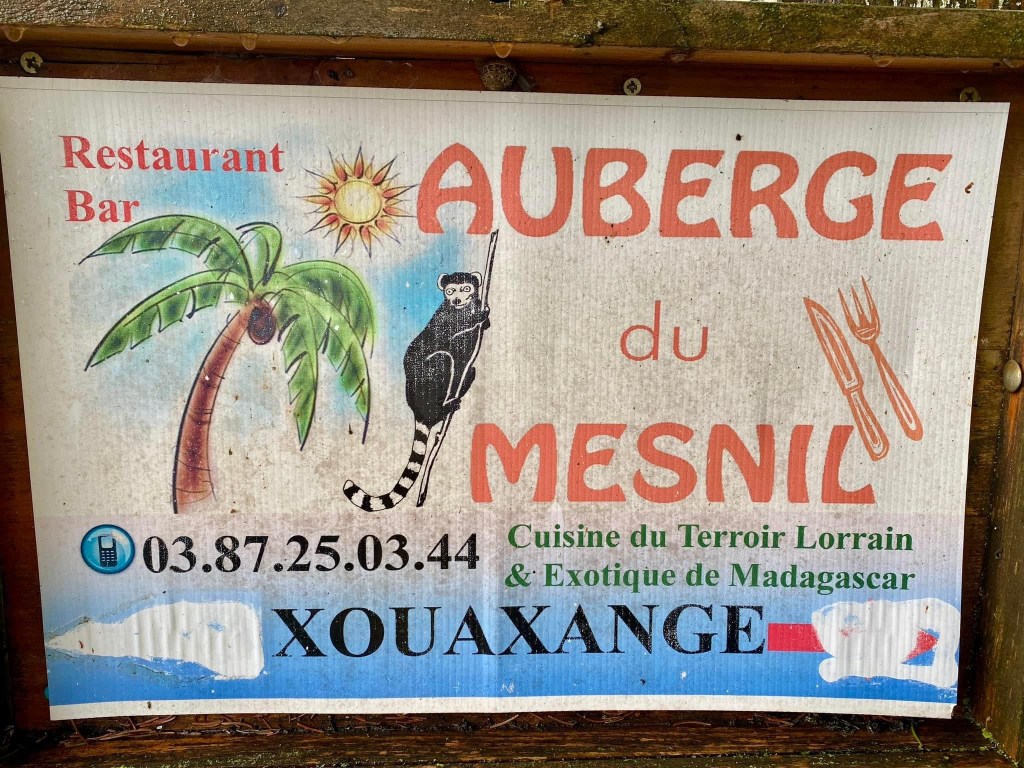
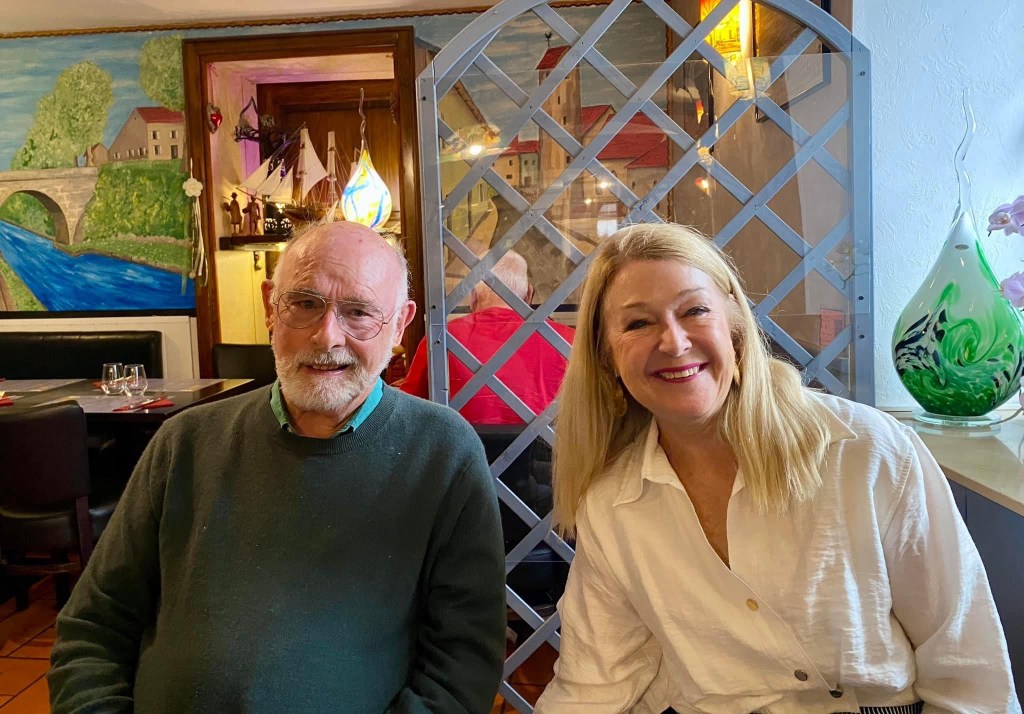
The only real item of interest in the small village of Xouxange is a lovely Auberge, which serves food with a Madagascan influence. With no boulangerie in the village we were even able to purchase a couple of baguettes at the restaurant for our onward journey.
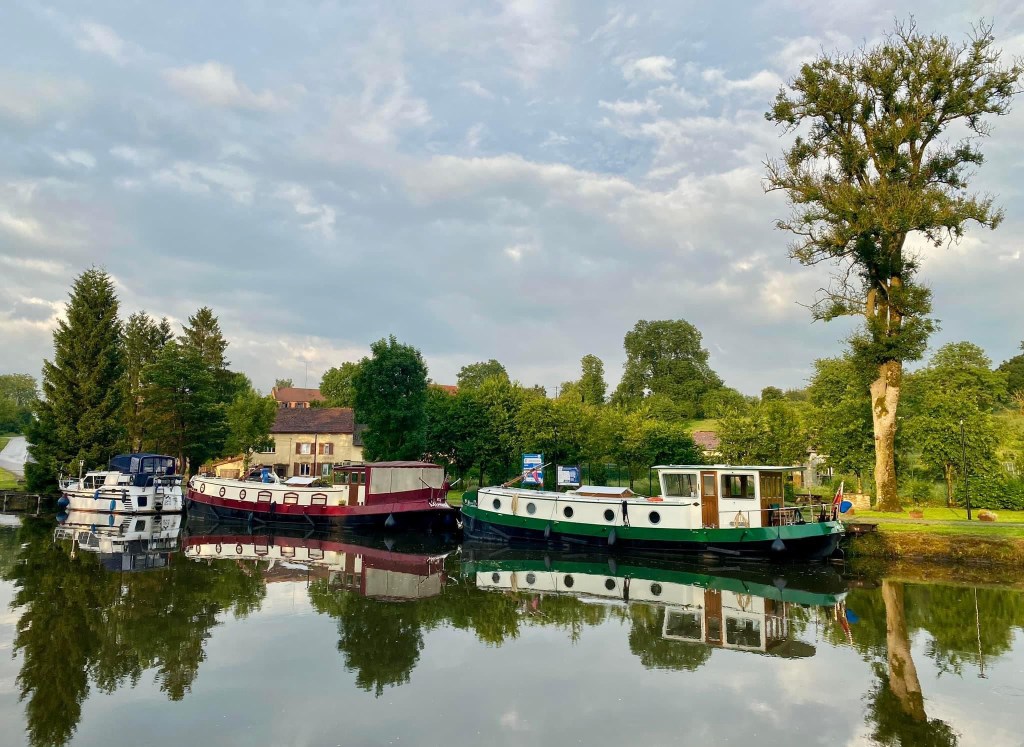

Day 6 Xouxange to Niderviller no locks 10kms. Not a great day to travel, pouring with rain and even though there were no locks to force the crew away from the comfort of the wheelhouse we decide to make it a short trip.
The stop at Niderviller was to be our last on the summit. The town is mostly known for its production of Niderviller pottery established in 1735. Despite a through investigation Julie and I could only find the renovated remnants the pottery kilns, that now function as a wedding venue. No shops selling this prized porcelain.
This fine pottery, which today is displayed in many museums worldwide was a competitor of Sevres porcelain, which in the 18th century had a royal monopoly. As Niderviller was located in the duchy of Lorraine it was exempt from the French laws that were designed to protect the Sevres monopoly. The business has had its ups and downs including near bankruptcy, fires, wars, and a revolution in which the then aristocratic owner lost his head (literally). The region has been an independent duchy, a province of France, then of Germany, back to France after WW1 and then returned to Germany in WW2. Today it is firmly in French hands with lots of German visitors.
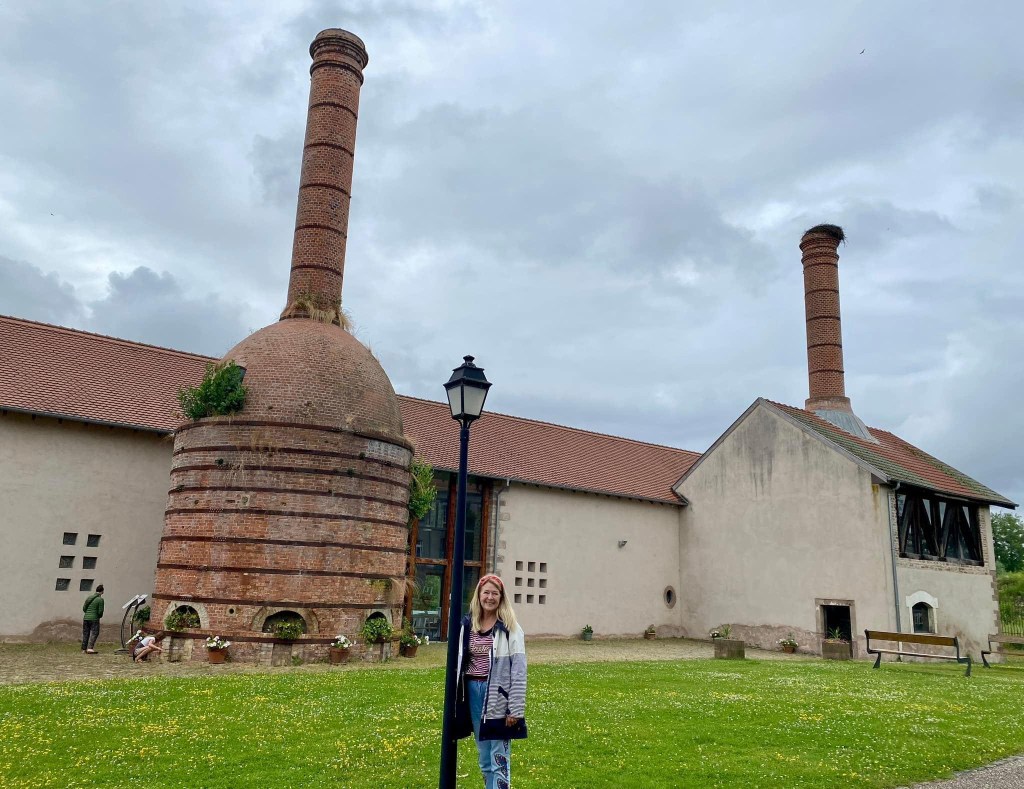

Day 8 Niderviller to Lutzelbourg 4 locks, an incline plane, 2 tunnels 13kms
The day commenced with a trip through 2 tunnels, the 475m Niderviller tunnel quickly followed by the 2.3km Arzvillers tunnel.
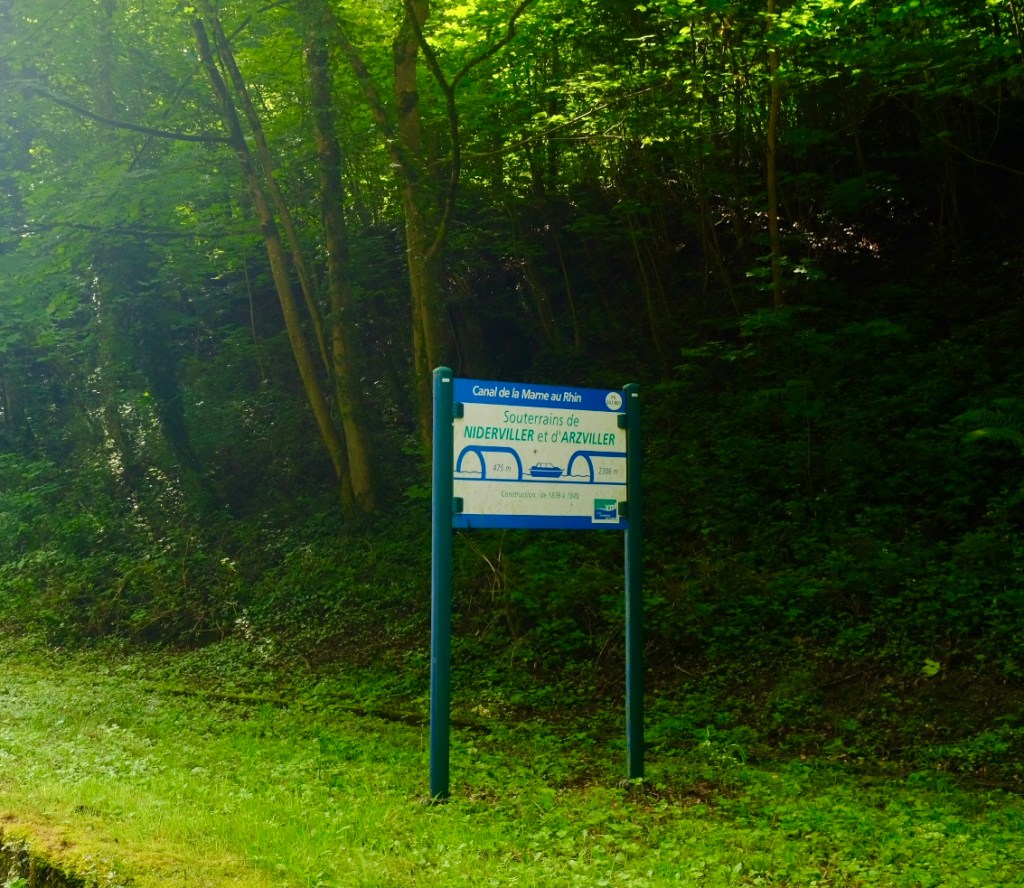
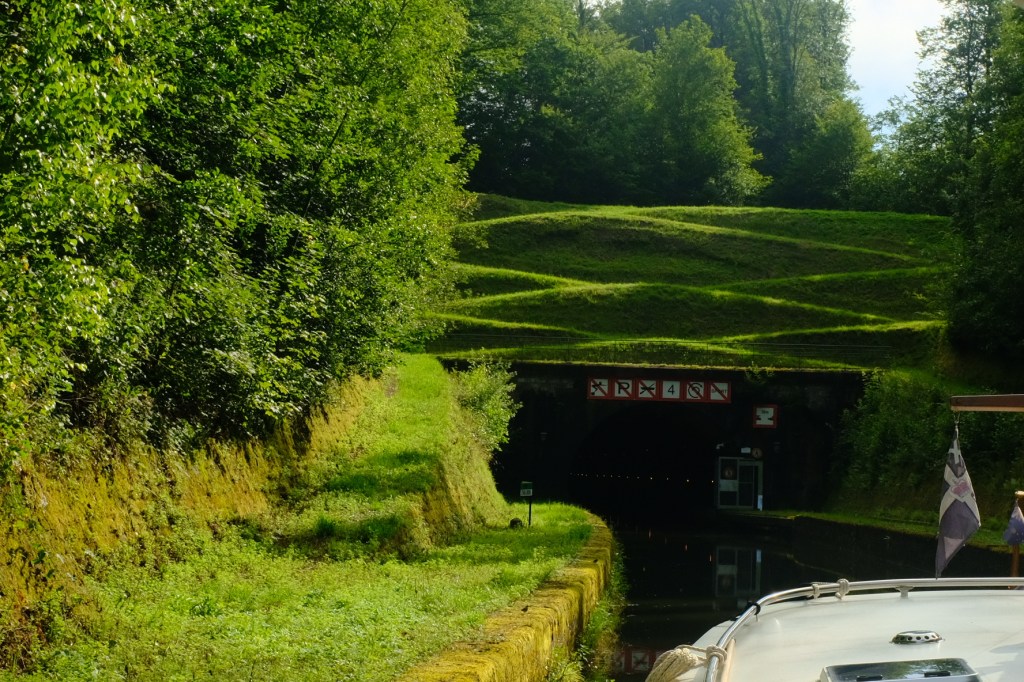

Once through the tunnels we were at the top of the Arzvillers Incline plane. Opened in 1969 this sophisticated feat of engineering was built to replace a staircase of 17 locks, that in their time took 8 hours to traverse. Today we can slide down the mountain in 25 minutes.
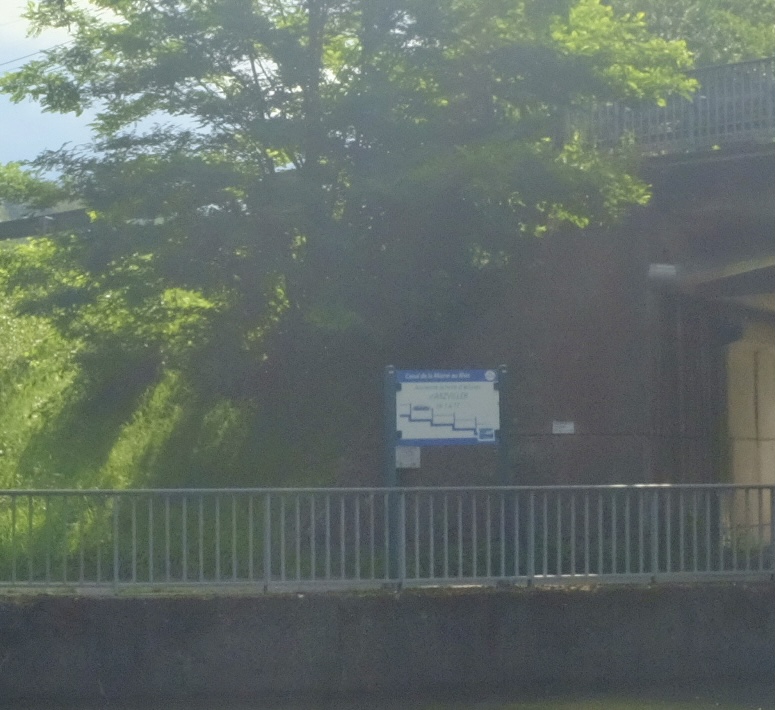


Nestled 4 locks below the incline plane is the alpine village of Lutzbourg. This pretty village deserved a 2 day stop over which gave the crew plenty of time to explore and the captain a well deserved rest from the hazards of navigating the French canals.

Approaching Lutzbourg the skyline is dominated by the ruins of the Chateau de Lutzelbourg. Built in the 11th century the original hereditary family was ousted in the 15th century, who then as a defensive strategy ordered its demolition. The ruins we saved form complete destruction in 1840, when the then owners planned to sell the stones to the companies building the railways in the district. After several successive sales the site was purchased by a history buff who undertook some excavations and renovations. The chateau has been an historic monument in France since 1930.

Yes you guessed, the next day it was a hike up the mountain to the ruins.
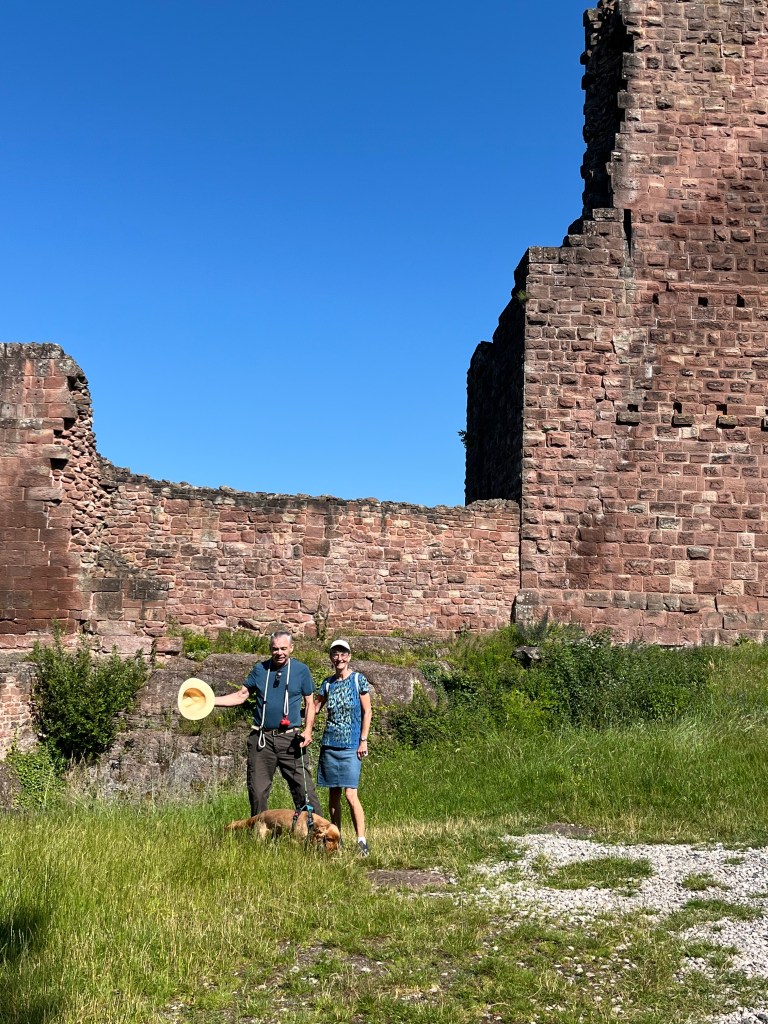

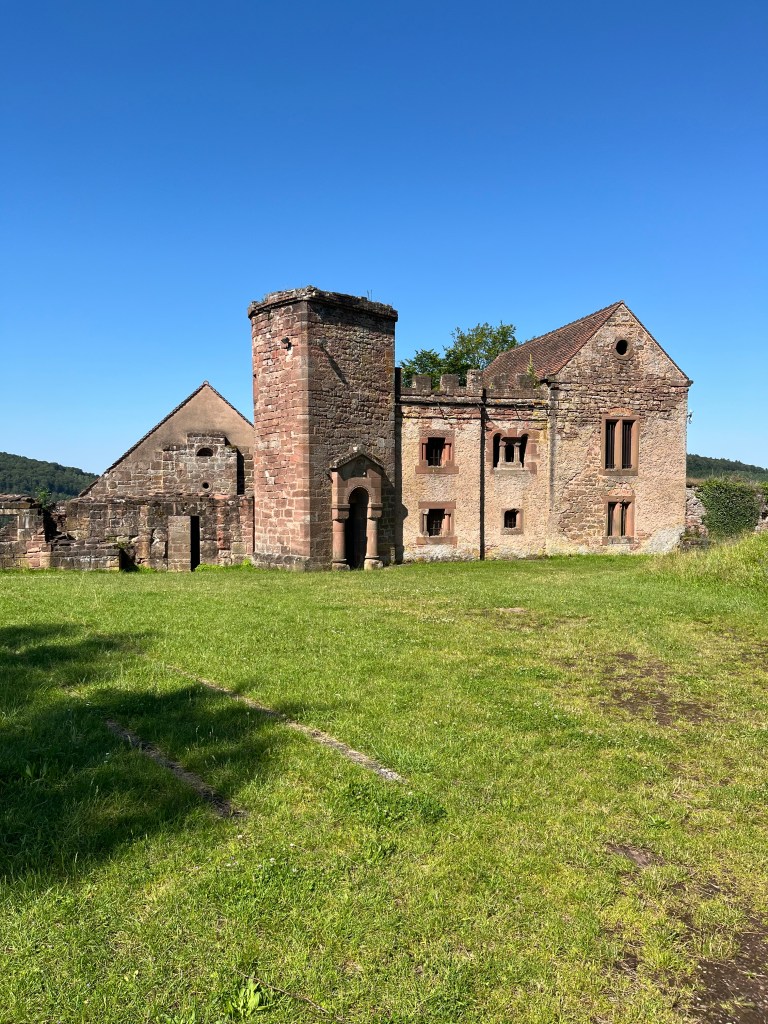
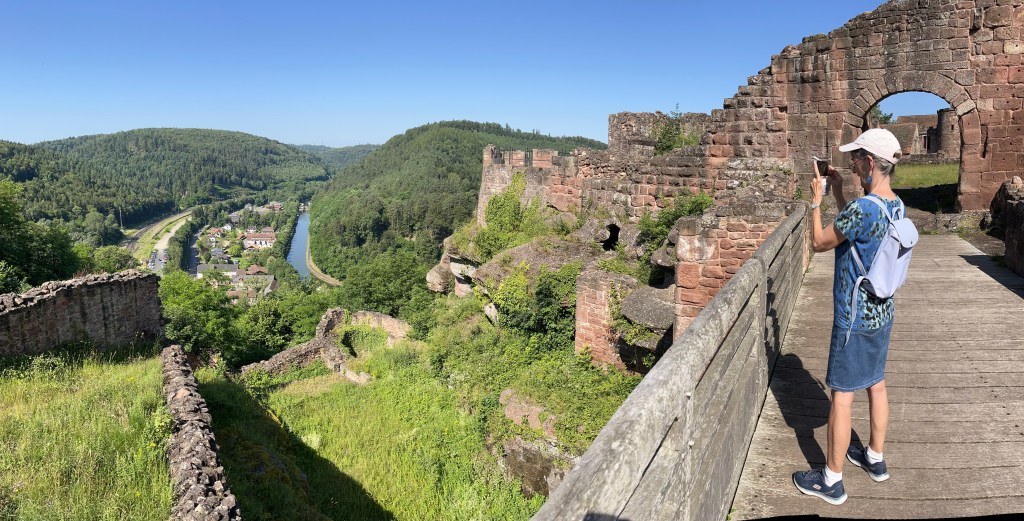
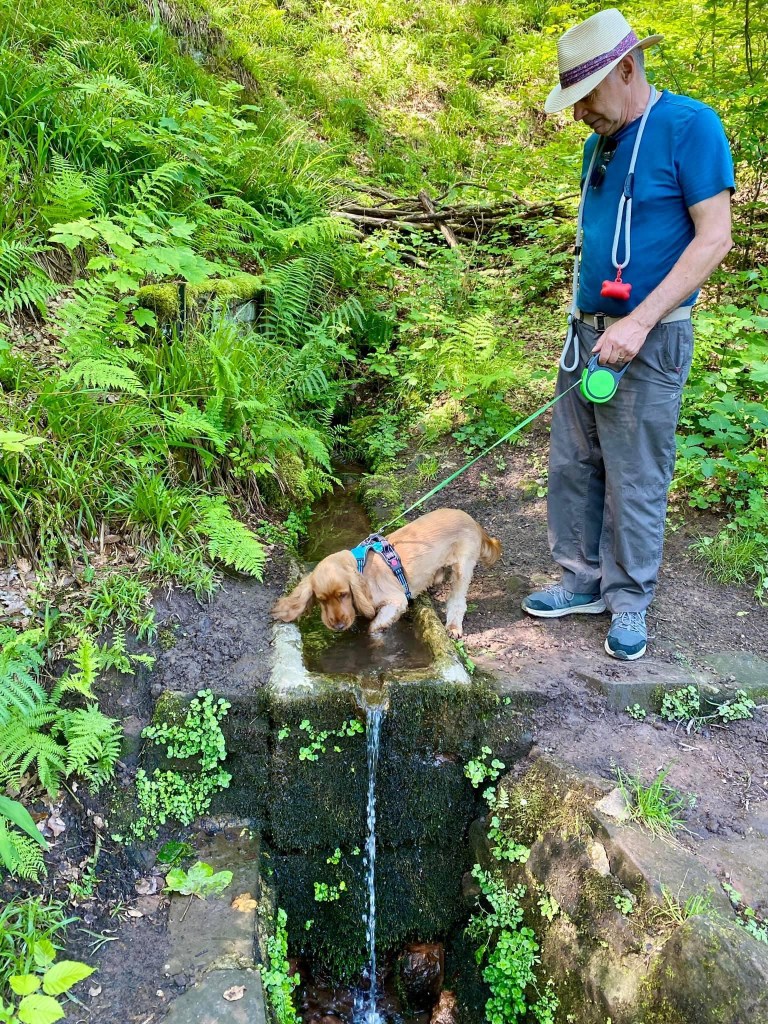
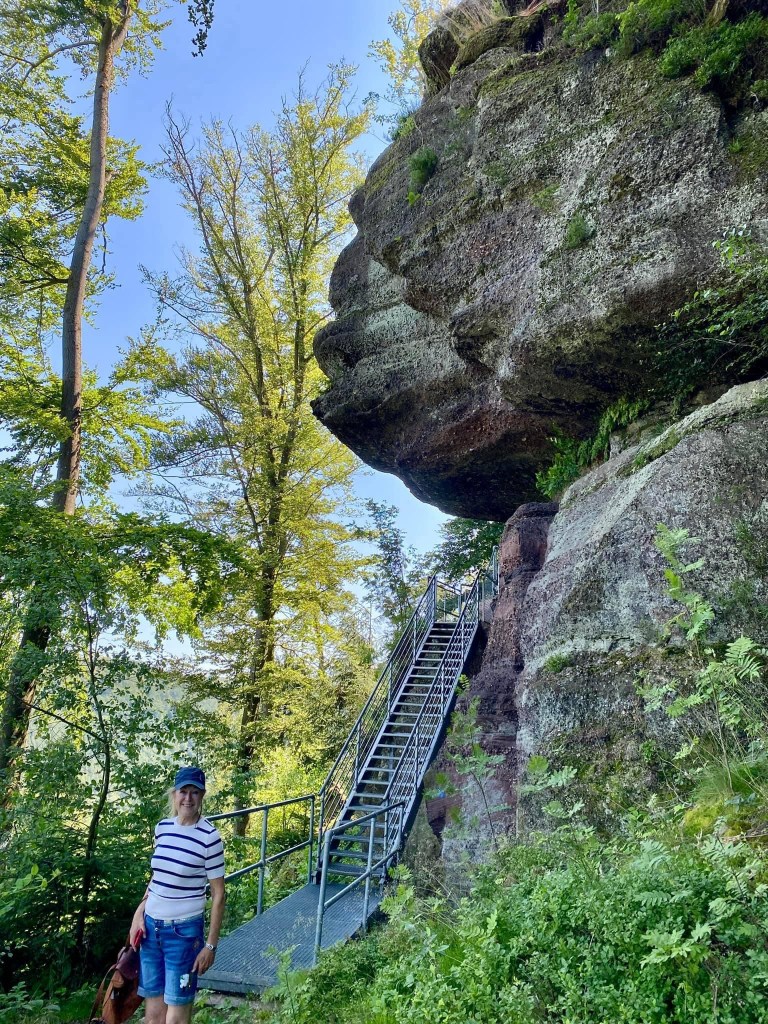
After a challenging climb up to the ruins we descended past a spring and a very steep metal staircase that weaved through the rocky outcrops



The 2 final to expeditions to ensure we had done Lutzelbourg so to speak were a visit to the crystal shop and dinner at the Hotel de Vosges. Now I will make a mention of the latter. Despite being heavily decorated with WW2 memorabilia honouring the American liberation of Lutzelbourg, in 1940 this restaurant received the patronage of Hitler on Christmas Eve. There was no plaque commemorating this event, I discovered this information on line.
Day 9 Lutzelbourg to Saverne, 8 locks, 10kms. After 2 days we were on our way again. Saverne is only 45kms (as the crow flies) from Strasbourg, our final destination for this season of cruising, before we turn around and make our way back to Brugge.
Saverne has a history that traces its way back to Roman times. This city is home to many heavily decorated half wooden buildings that imbue a fairytale feel. The most significant attraction and an iconic symbol of the town is the Chateau des Rohan. Built in 1779 today it houses a museum, an elementary school, a youth hostel and reception rooms. I have to tell you, I won’t mind going to school in such a prestigious palace!
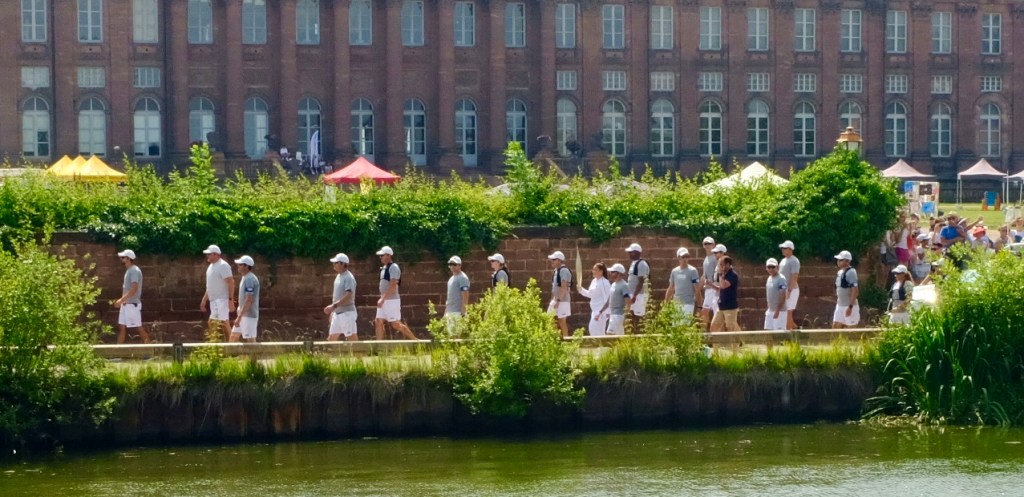
We again crossed paths with our friends from Brugge, Janos and Rachel. They had made it to Strasbourg and had now commenced the journey back to their home port. So it was party time, in more ways than one, as the following day the Olympic touch relay arrived in town for a brief but memorable visit.
The emblem of the town is the unicorn, as legend has it that a unicorn horn was found in one of the nearby castles


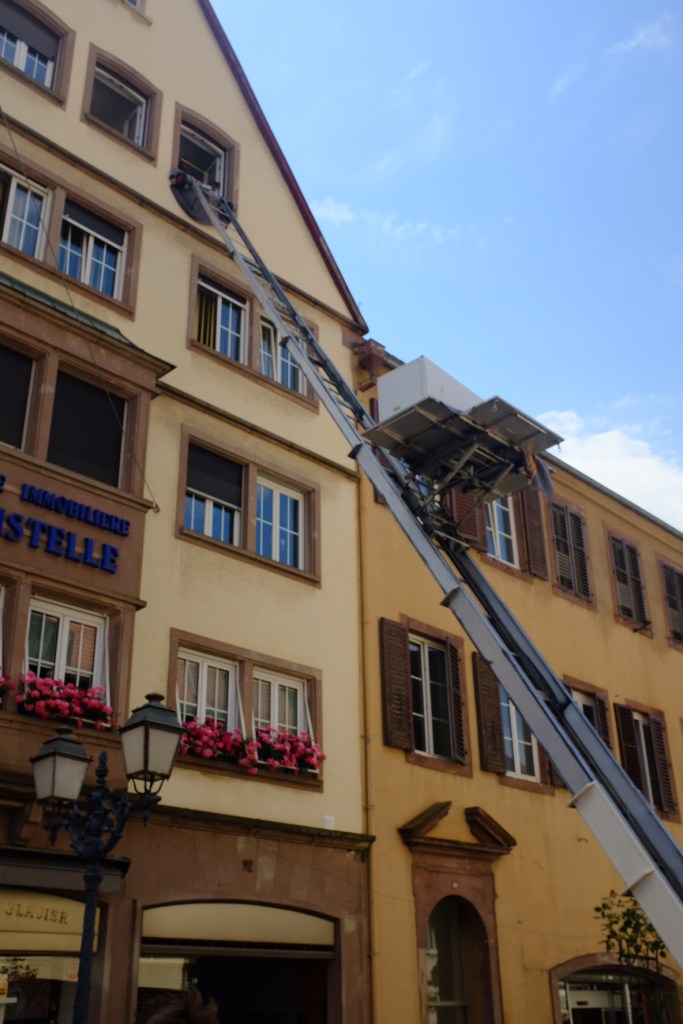
After 4 days we farewelled Saverne until our return trip.
Day 10 Saverne to Souffelweyerheim 17 locks, 38kms 1 lifting bridge.
It was hot, too hot to wander around villages so we decide to keep on the move. At least there was a bit of a breeze as we motored along
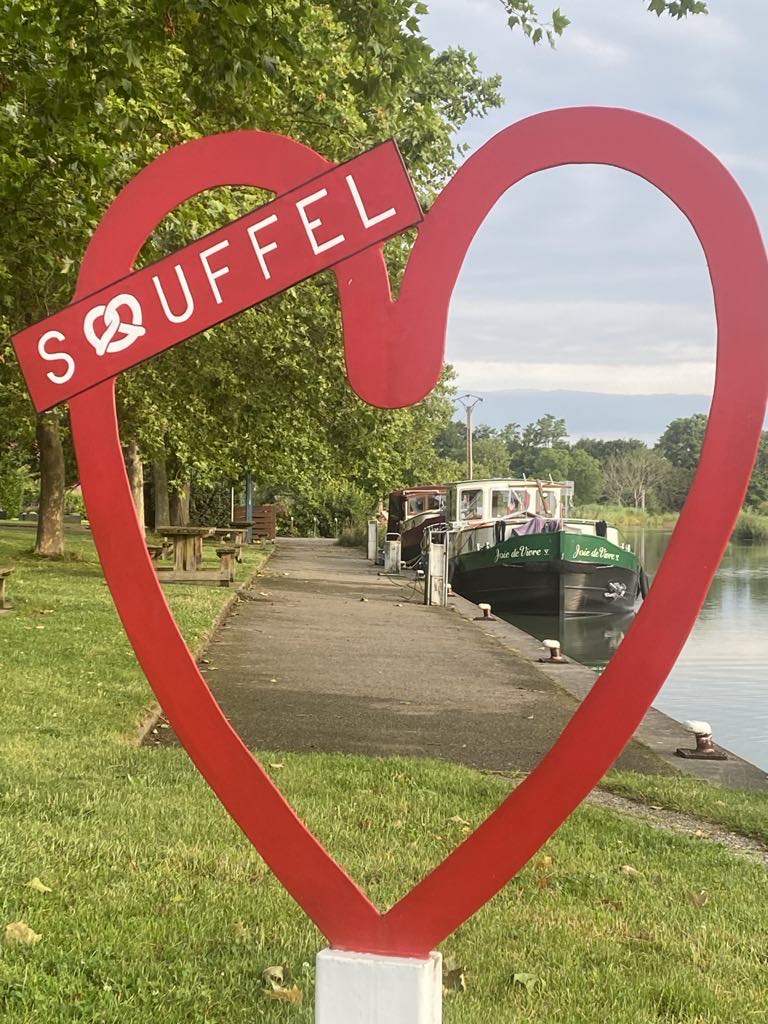
1st July, the last push to Strasbourg. Stay tuned for the delights of this city

 Karen’s Travel Blog
Leave a reply to Jill Bartrum Cancel reply