
My last entry left us in the small port of Demange sur Eau anticipating our voyage through the Mauvages Tunnel. We had spent the last week travelling up out of the Ornain valley to the summit level. After navigating the tunnel we would be descending to the Meuse valley and the city of Toul.
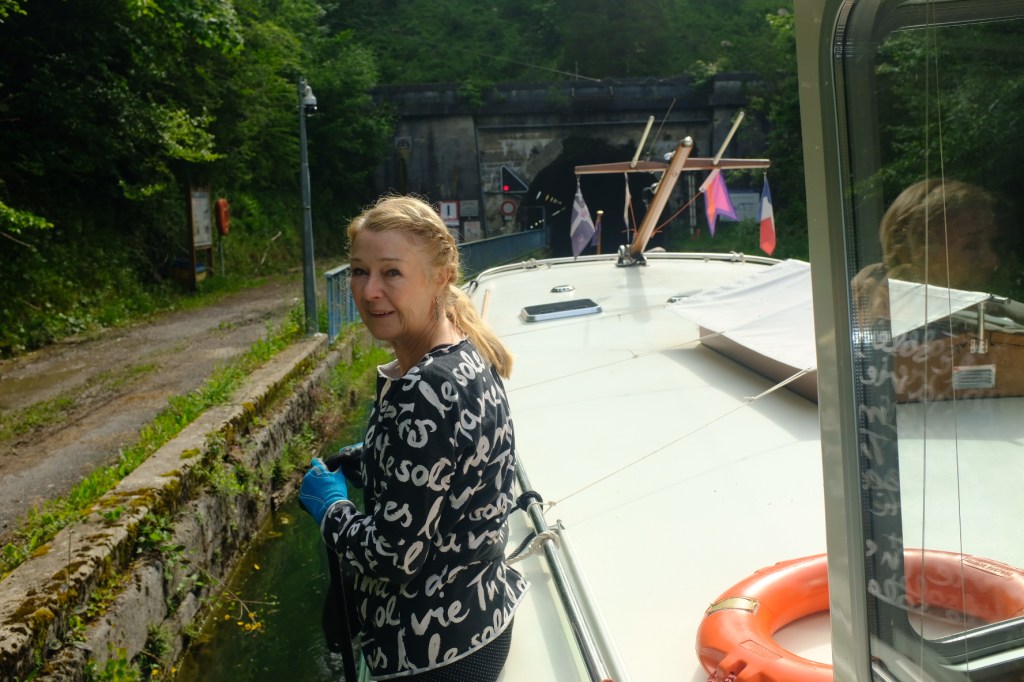
The tunnel, at nearly 5kms in length is the second longest in France and was built from 1841 to 1846. Due to poor ventilation boats were originally towed through by means of an electric chain tug and overhead electric wires. Today you motor through with an eclusier cycling alongside your boat to ensure there are no mishaps.


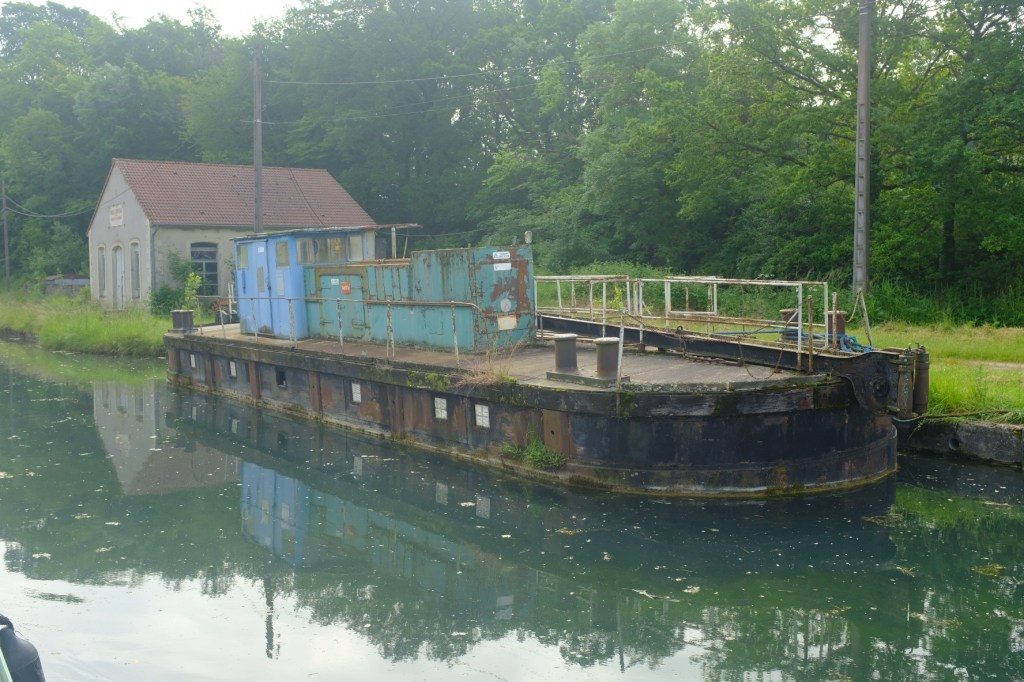
The now decommissioned tow boat languishes abandoned before the tunnel entrance
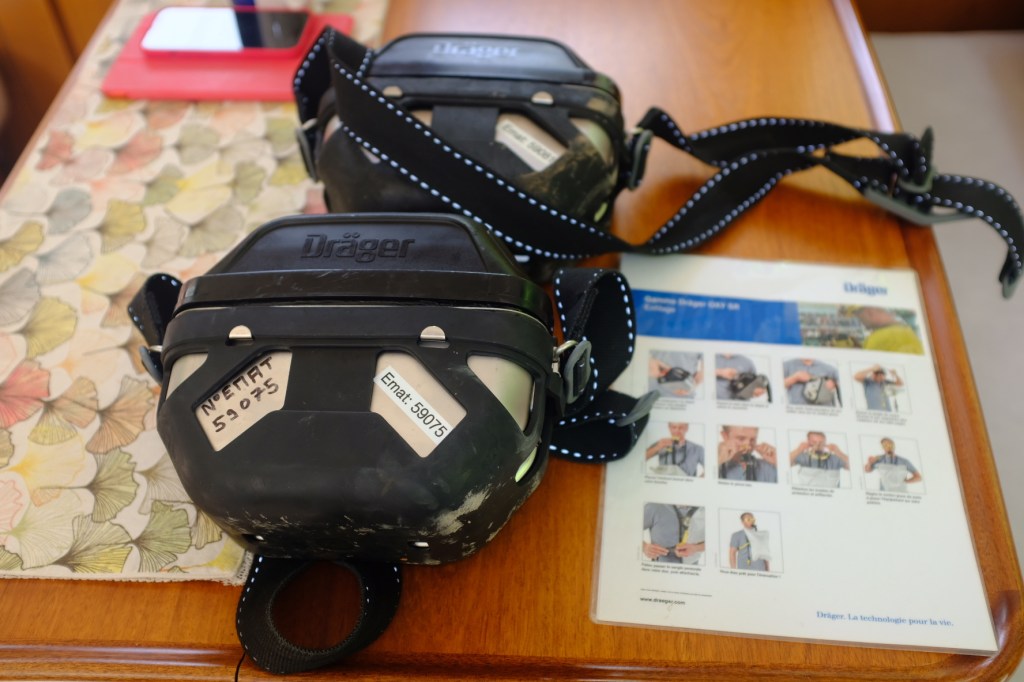
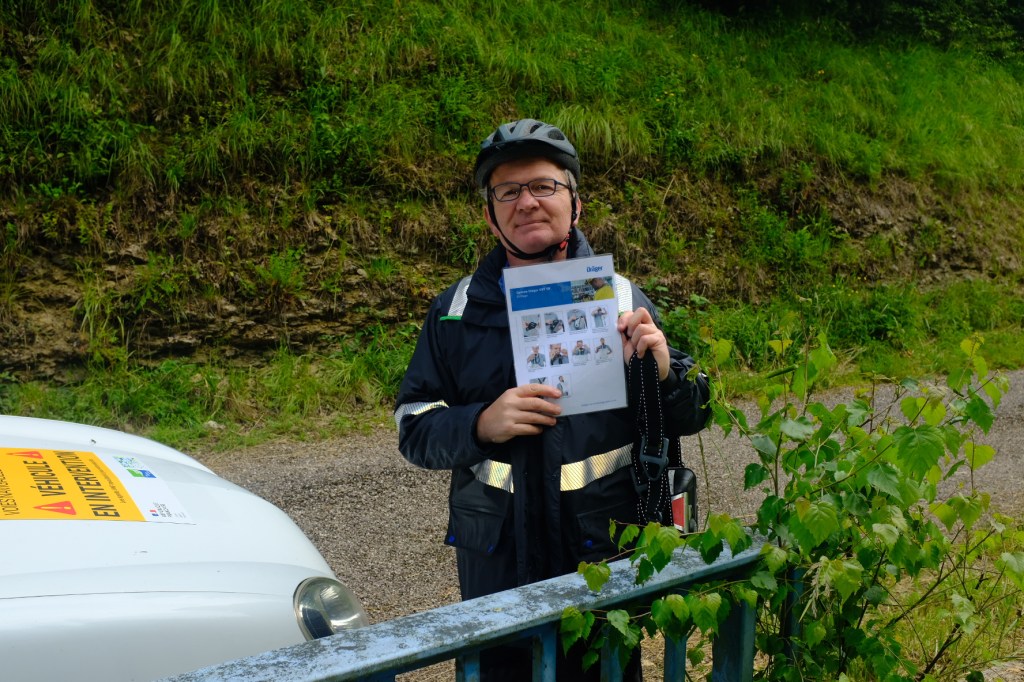
Before entering the tunnel we were handed breathing apparatus and an instruction sheet in French and German. Pity about the English, I guess we just suffocate if there is an accident!
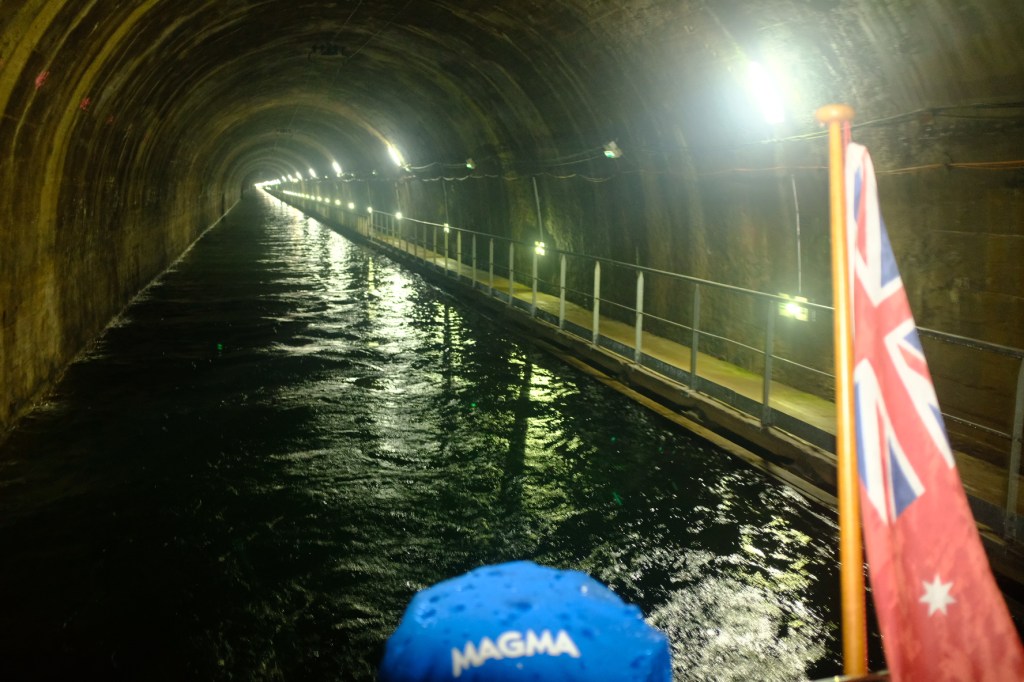
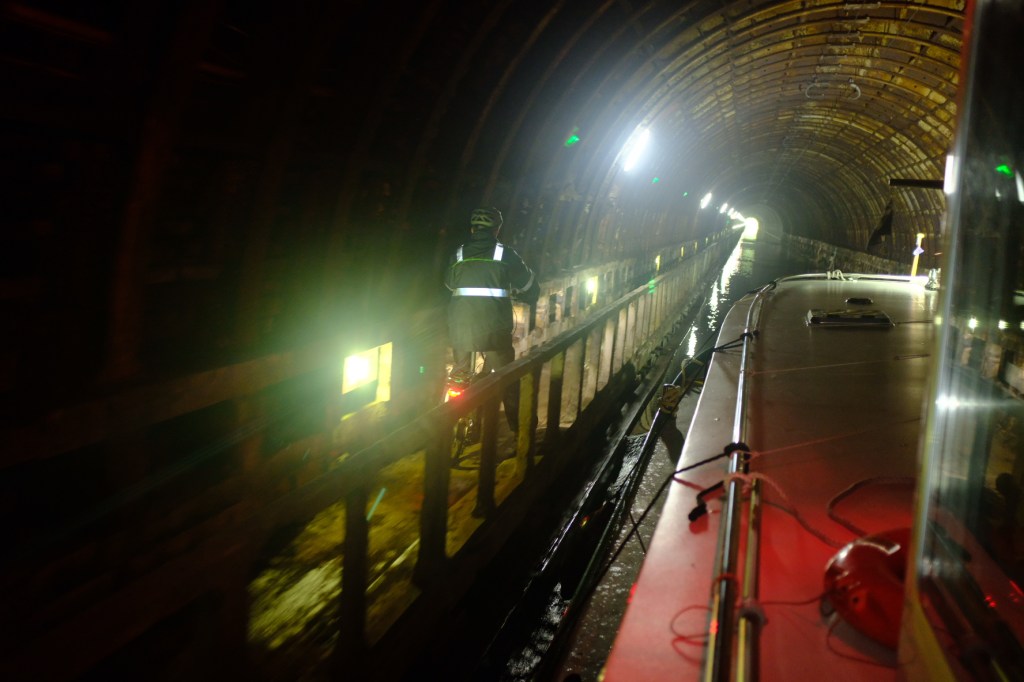
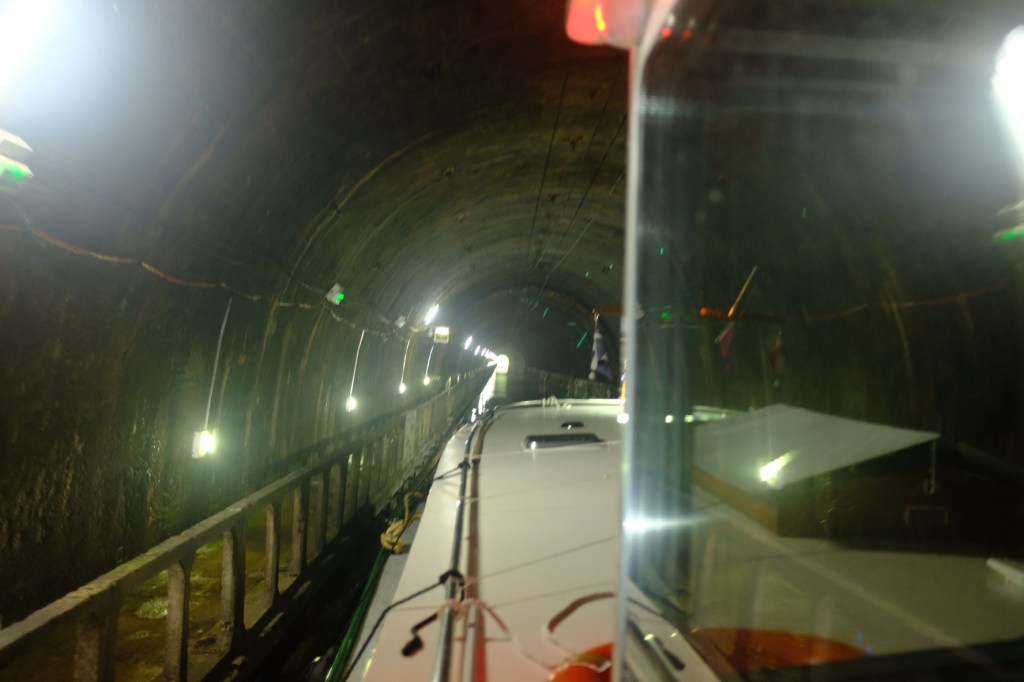
In the tunnel with our eclusier cycling beside the boat
So that brings us to the summary for day 8 on the Canal Marne au Rhin. 13 locks, 1 tunnel and 19kms to Void.
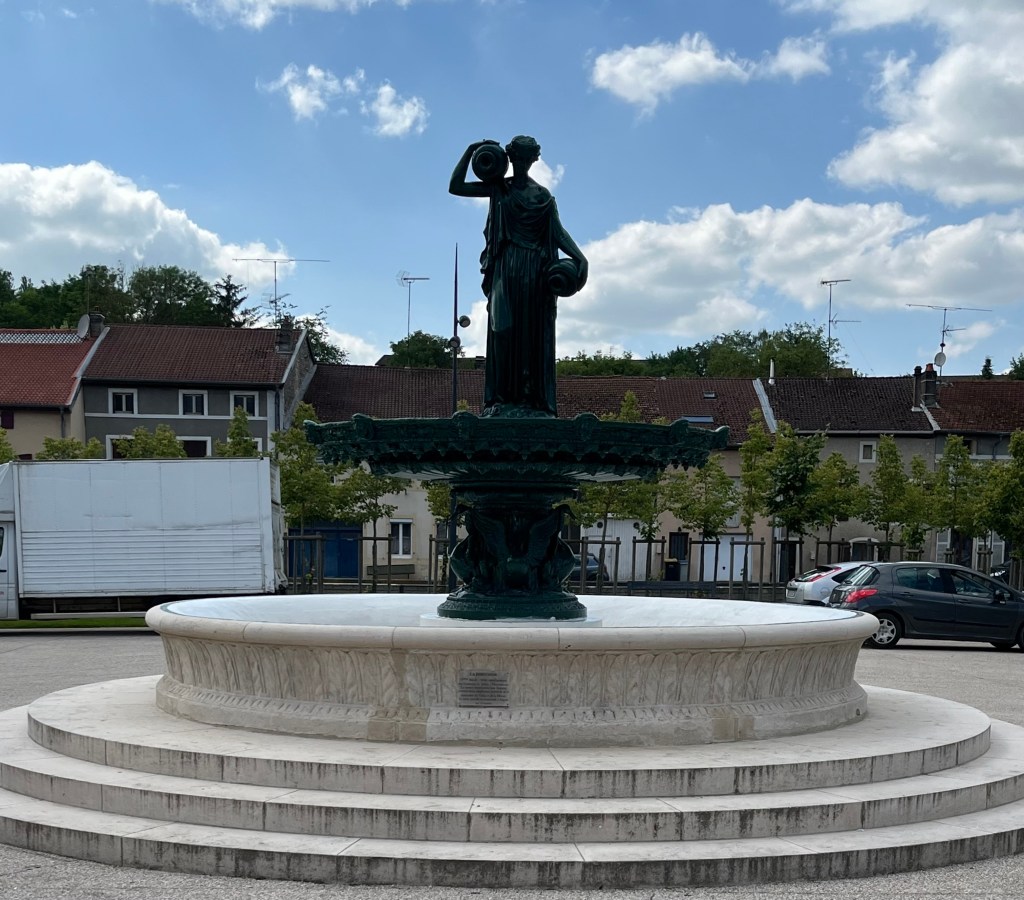
The river Vidus, which is a tributary of the Meuse runs through the rural village of Void. Sights include the remains of defensive walls and a castle, destroyed in the 19th century, a Roman style covered market, which today is a carpark and various fountains testifying to the watery heritage of this area.



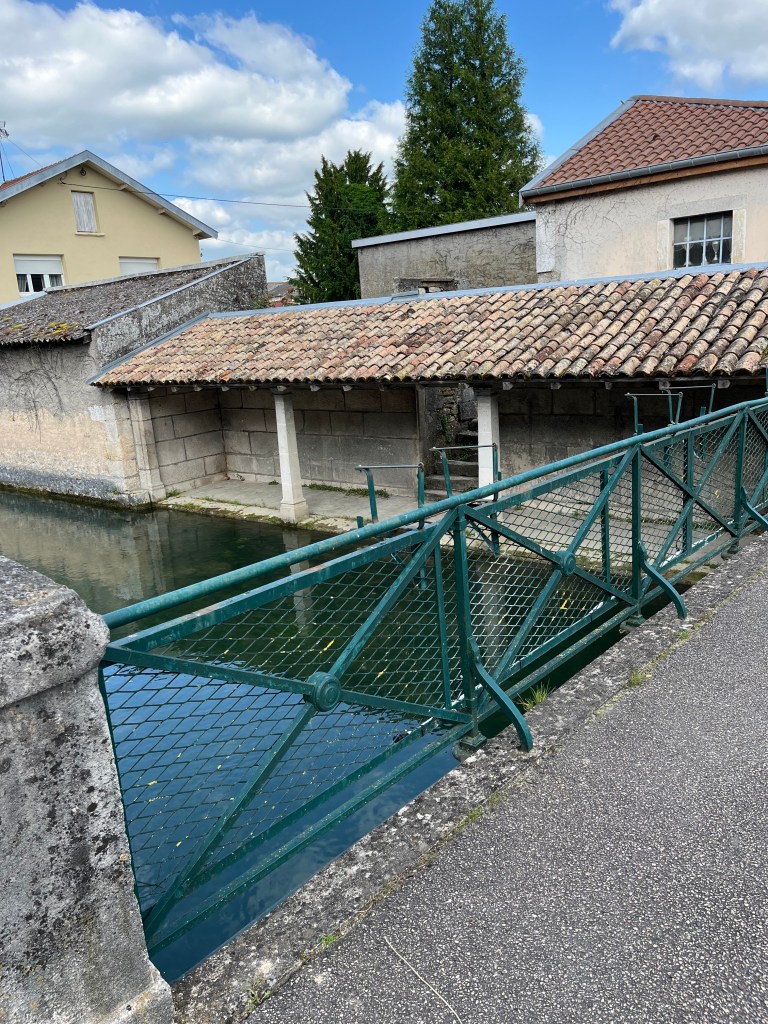
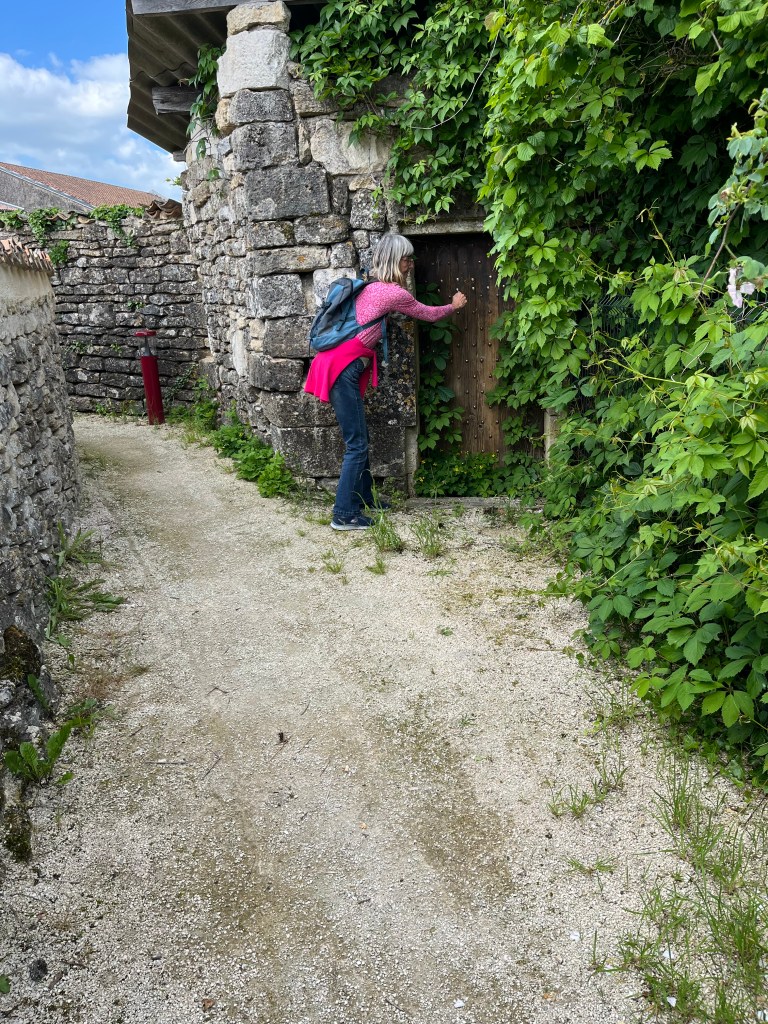
Day 9 no locks (I can hardly believe it, Peter will go into a decline), 1 aqueduct 12kms to Pagny

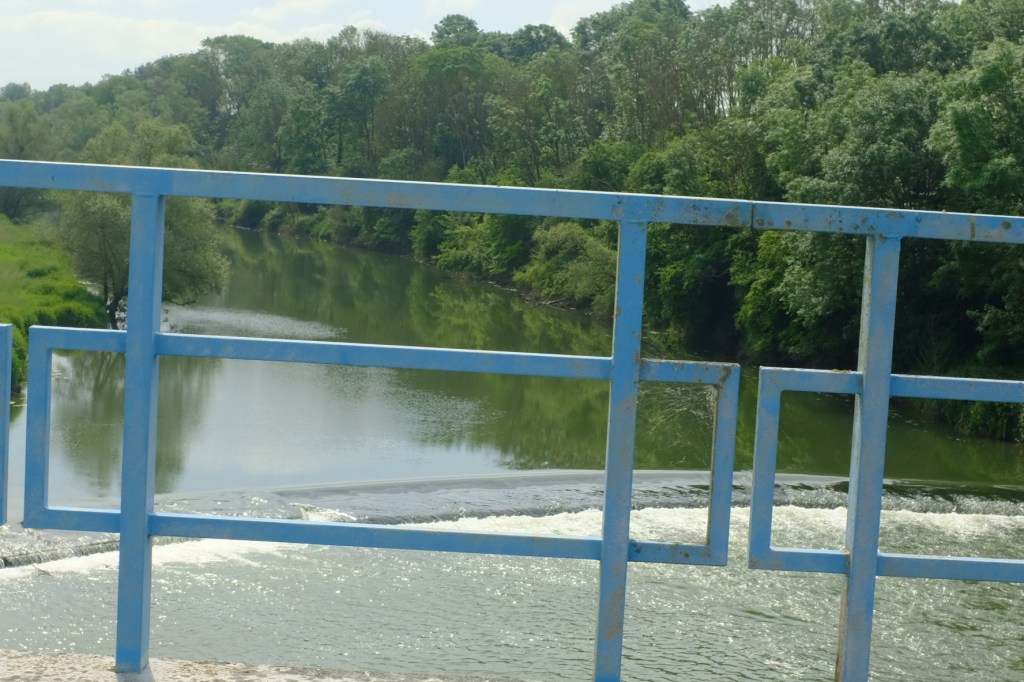
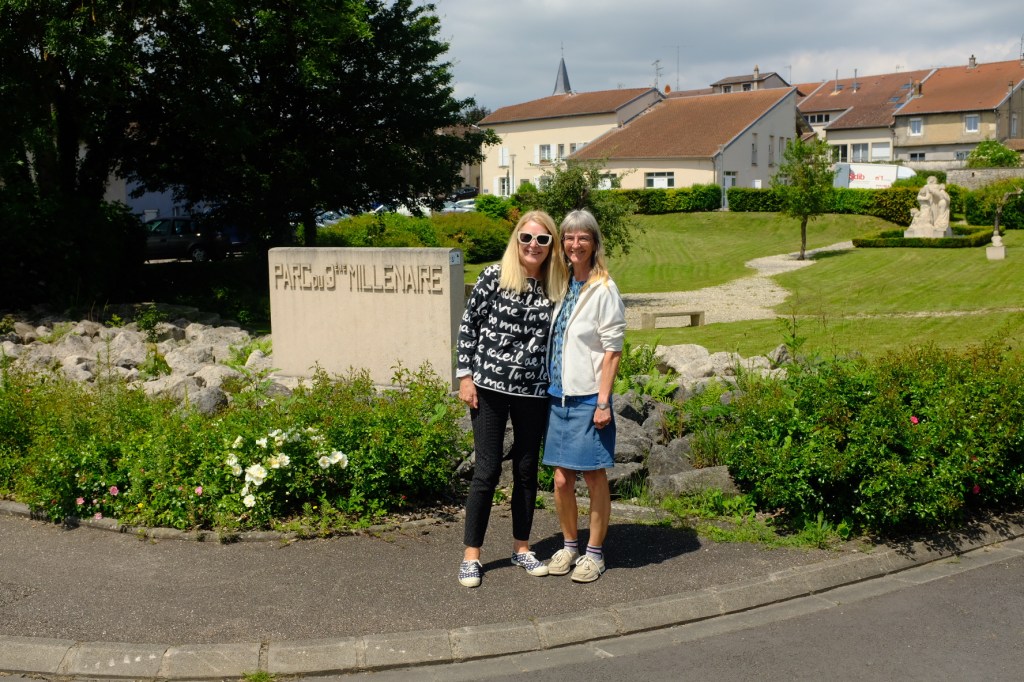
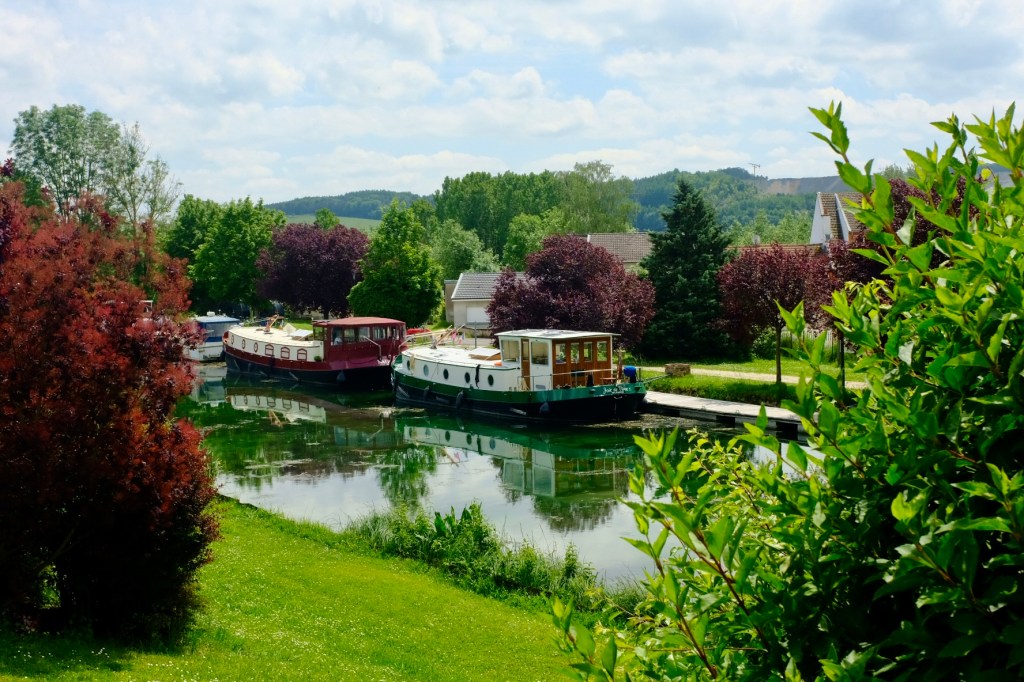

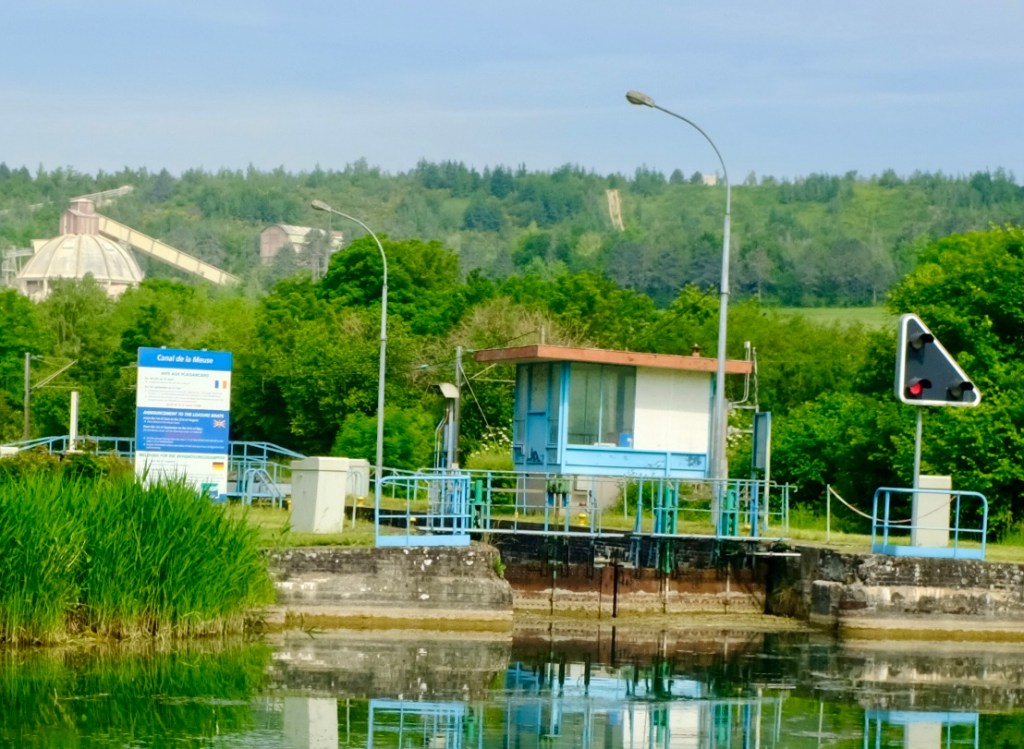
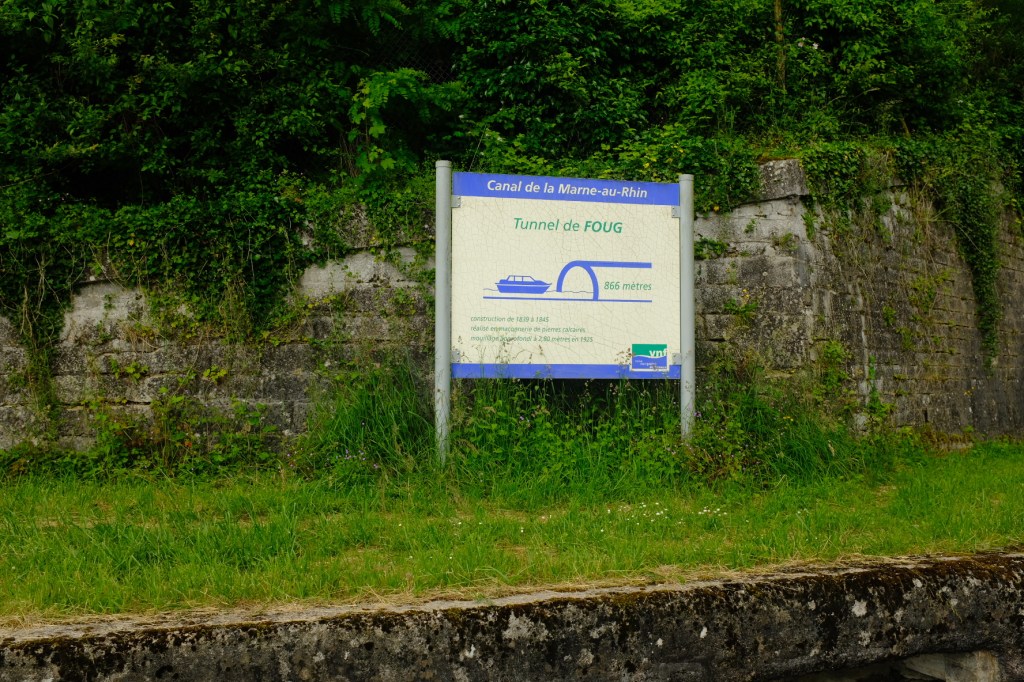
Day 10 12 locks, 1 tunnel, 14 kms to Toul and a planned 3 day respite from travelling every day.


Toul is situated at the cross roads of the Moselle, the canalised Moselle and the Canal Marne au Rhin and was once an important inland port. It has been a fortified city since Gallo-Roman times. Today the most striking feature of the town are the impressive stone ramparts, that are in some parts 5 meters high, built by Louis XIV’s military engineer, Vauban.

The town’s architecture is a pale reminder of its past glories and bears witness to the many wars that have raged through this vicinity. From the Franco-Pussian war of 1870, when the then French city was placed under siege by the Prussians, to the home of the fledgling United States Airforce in WW1, which was to be the predecessor of the American Fighter Group using the local airfield in 1944-1945 and then an American NATO airbase in the 1950s and 1960s.
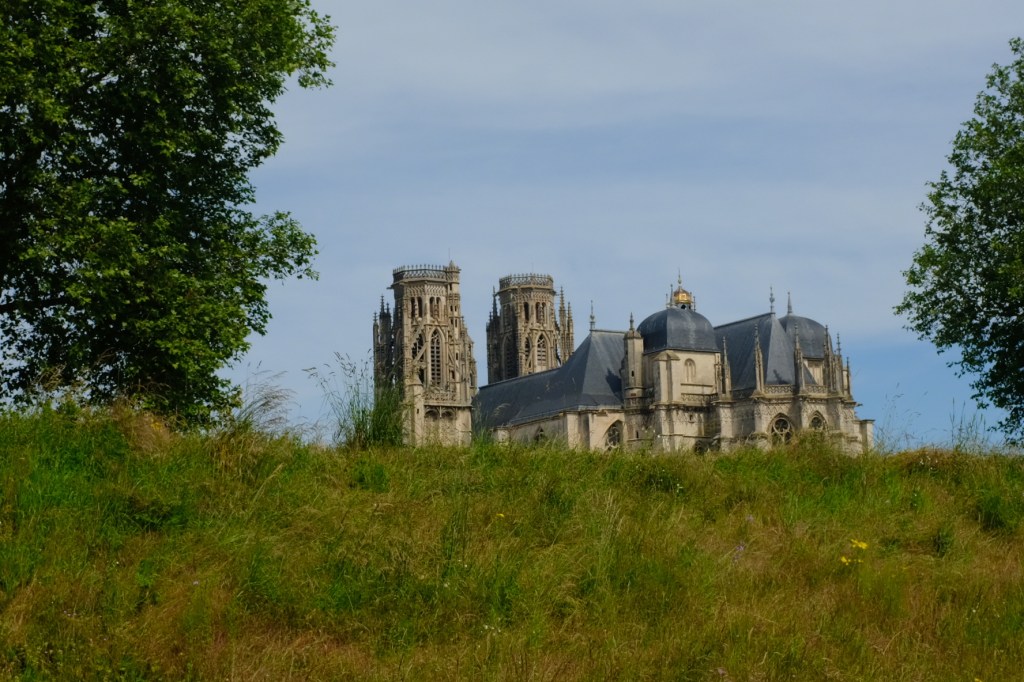
The skyline is dominated by 15th century gothic cathedral that sustained damage in 1940 when bombing destroy the roof. The restoration program is still going on today. Within the Cathedral we discovered the cenotaph of St. Marsuy the first bishop of Toul, of whom the miracle of bringing the apparently drowned son of the governor back to life is attributed. The adjacent reliquary contains the saint’s scull. In another chapel the altar of relics contained 3 more sculls, St. Aprone, a heroine who killed a dragon (so that’s why there are no dragons roaming the skies these days), St. Gerard the 33rd bishop of Toul and one of the 11,000 virgins who was a companion of St. Ursula.(as a footnote St. Ursula was accompanied by 11,000 virgins on a Pan European pilgrimage but were massacred in Cologne by Huns). Not a great way to end a holiday.
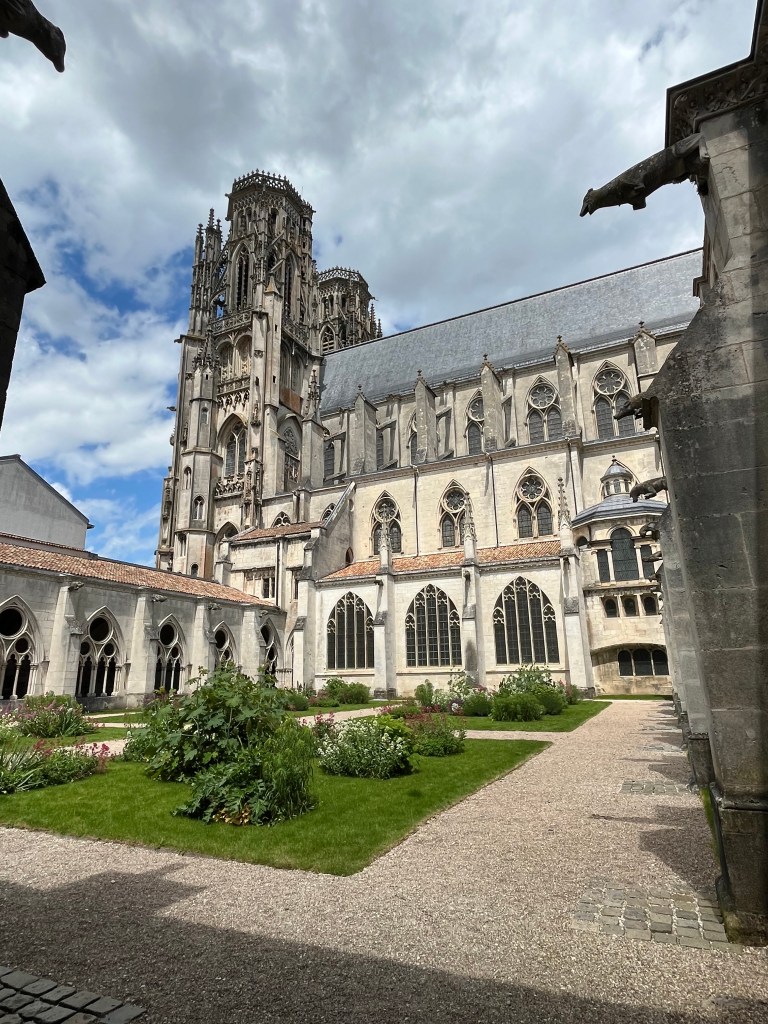

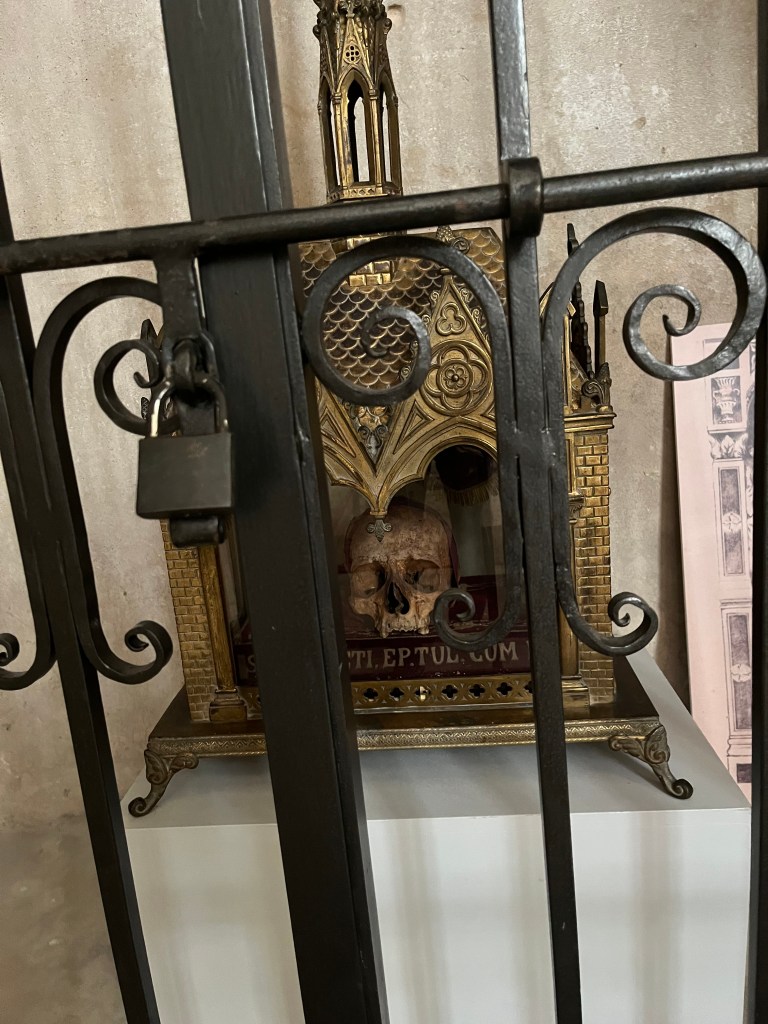


A walking tour of the town wandered us through many faded relics from the past. I did find it interesting how the carved doorways from days gone by were incorporated into modern buildings.
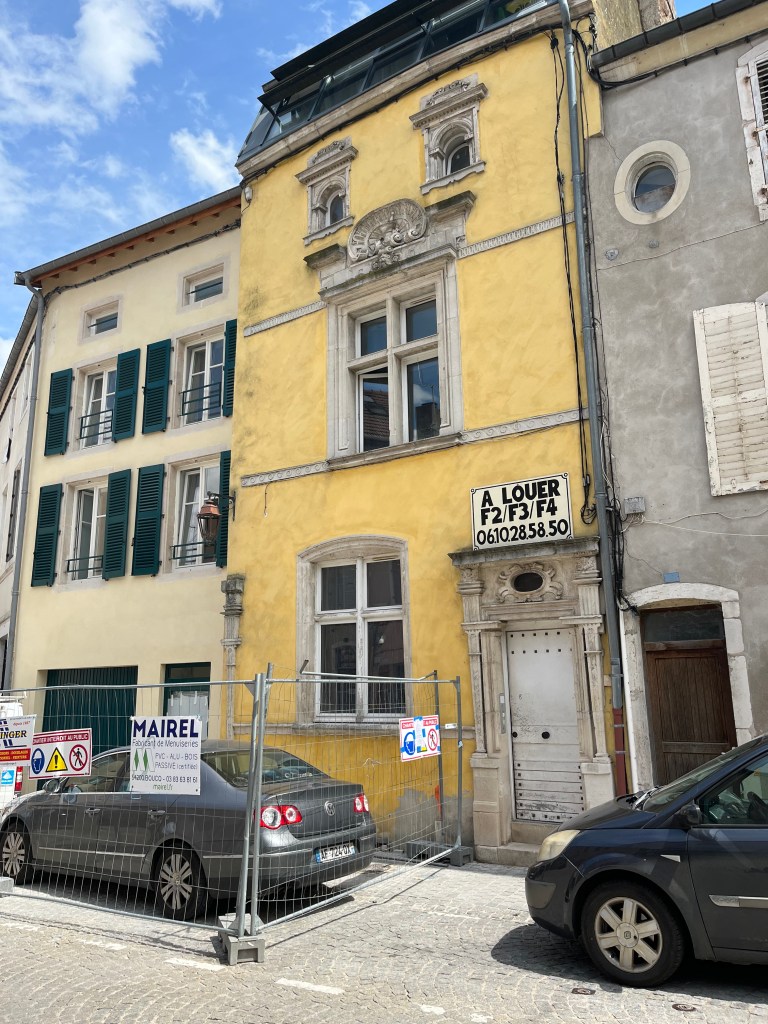
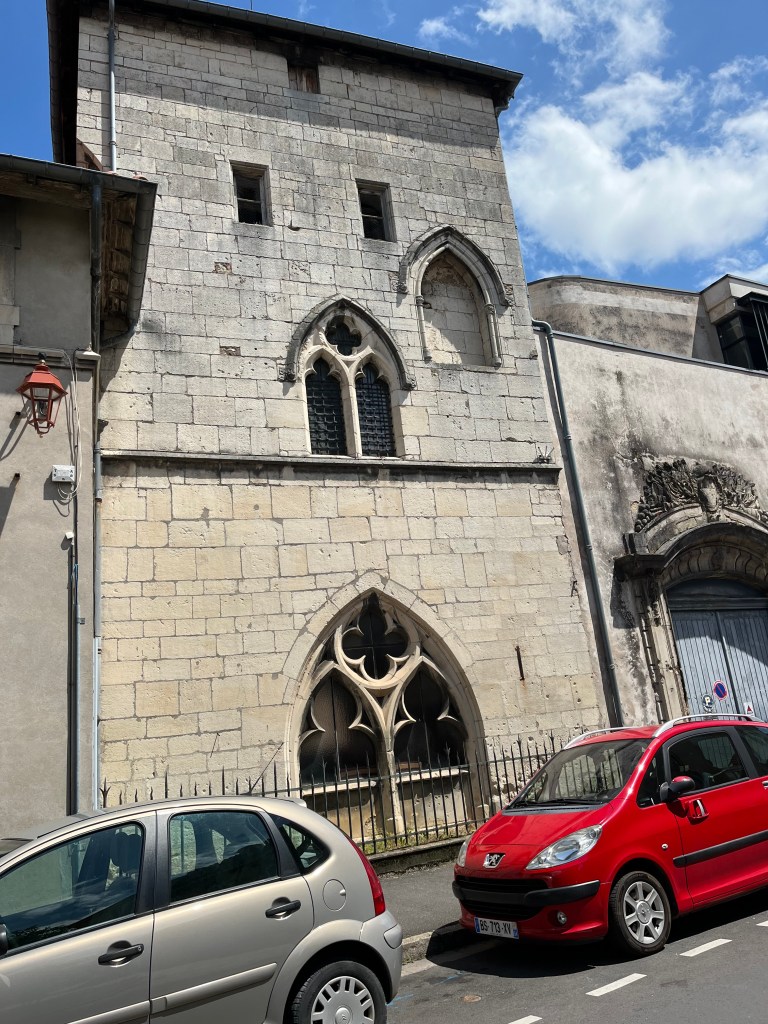


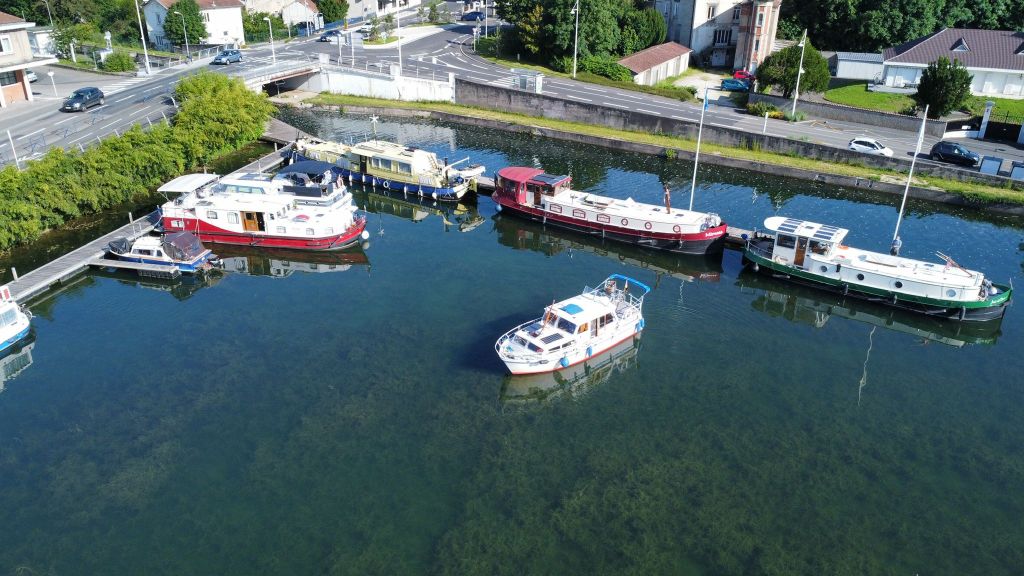
In summary, a lovely town, with a very well provisioned port (we ate at the small cafe within the marina). Well worth the extended visit.
From Toul we would meander along the upper Moselle to the Embranchment de Nancy and finally to the city of Nancy, but that’s a story for another day.


 Karen’s Travel Blog
Leave a reply to David C Hutchings Cancel reply