The river has its source in Belgium and flows in a southerly direction before it joins the Seine at Conflans Sainte Honorine. It has always been regarded as an important transport link between the northern countries and France, although the river was not canalised until 1835. From Longueil Annel the Oise becomes the Lateral a l’Oise. In other words a canal was dug close by the river , to avoid the extreme winding bends. The canal takes you north either via the Canal St. Quentin or the Canal de Nord. Since the mid 1970s there has been a major plan afoot to replace the Lateral a l’Oise and the current Canal de Nord with the Seine Nord canal, which will link the Seine basin with the Rhine basin. Currently the capacity of barges on this route are limited to 250 to 650 tons. The new high capacity canal will carry barges and push tows up to 4400 tons and have a positive impact on road traffic congestion and CO2 emission. The plan is to open the new canal in 2028, but given the scope of this undertaking, I think it will be a matter of watch this space.
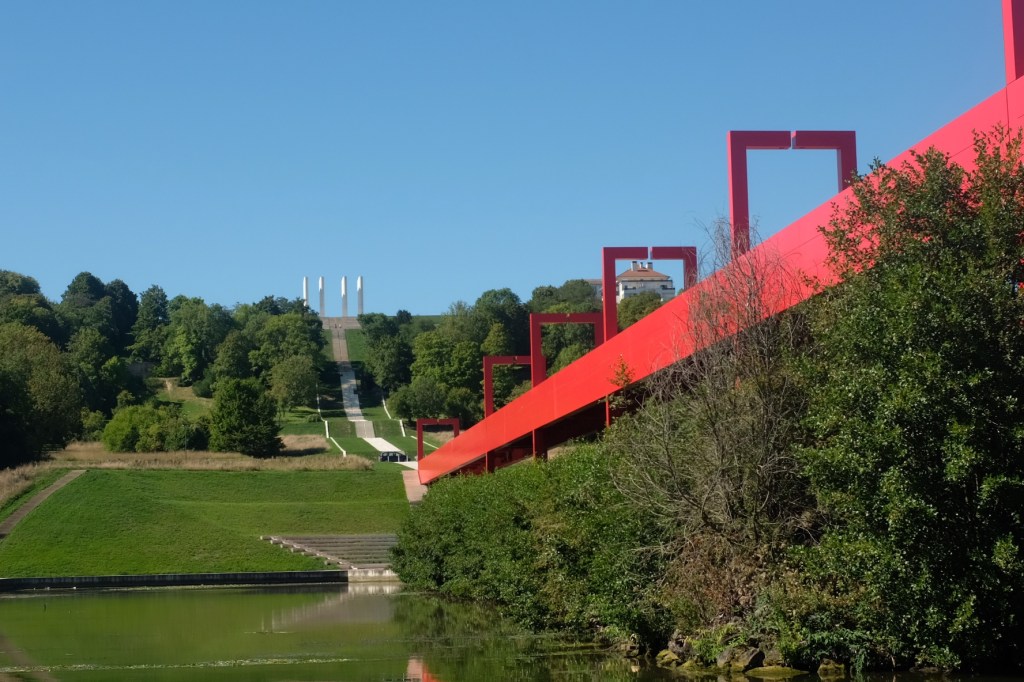
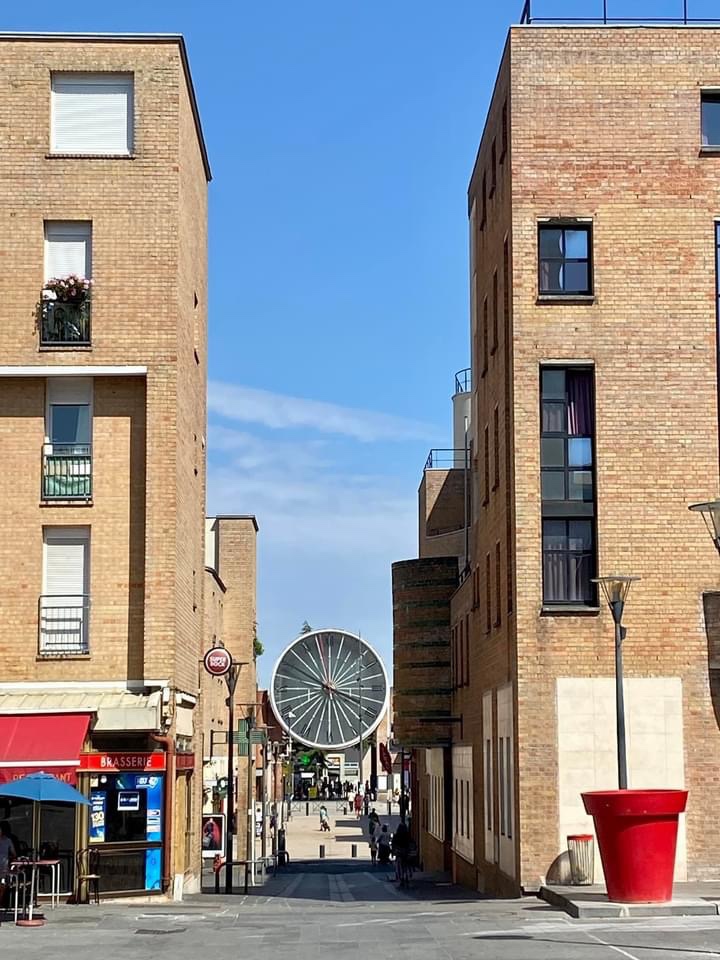
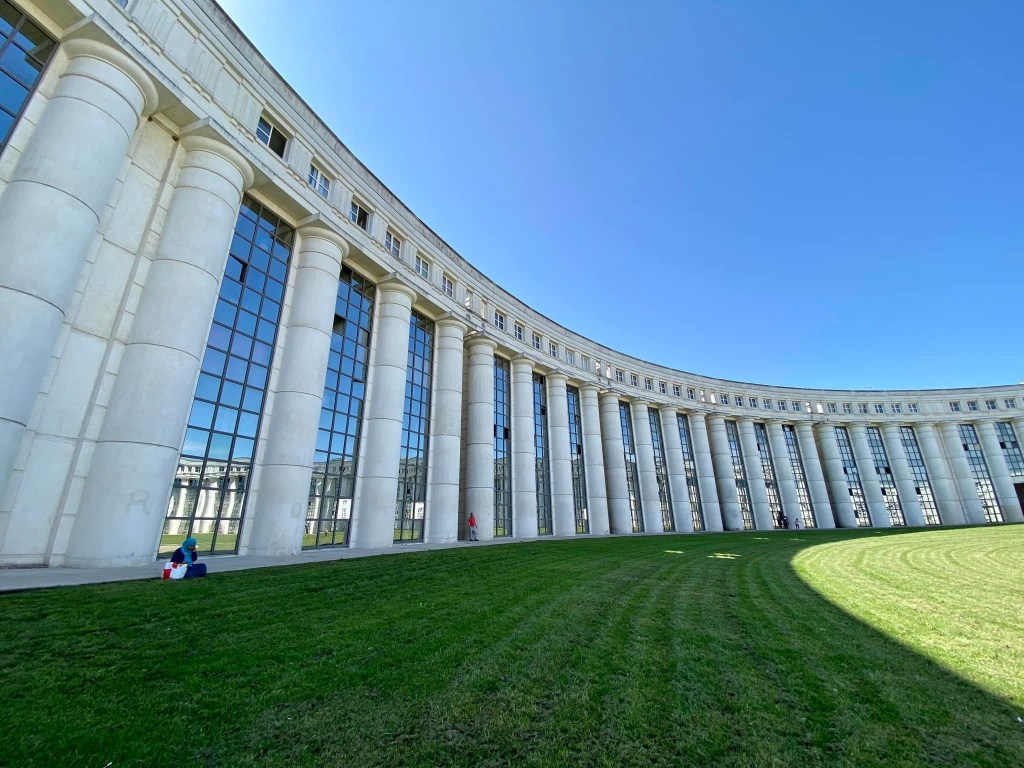
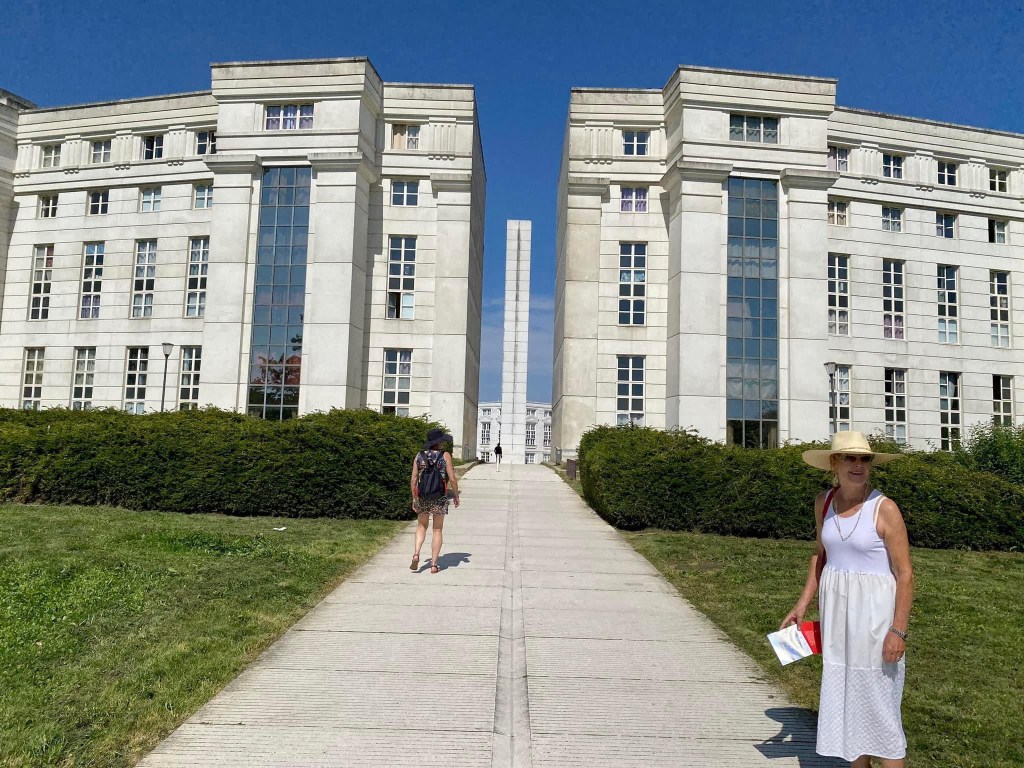
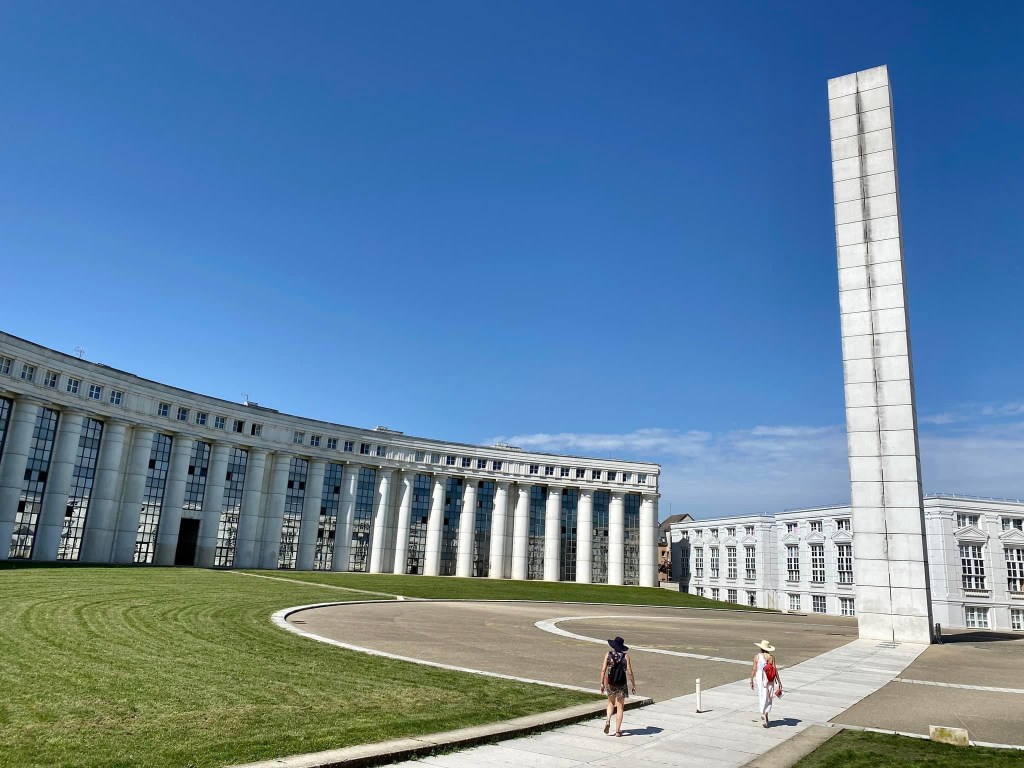
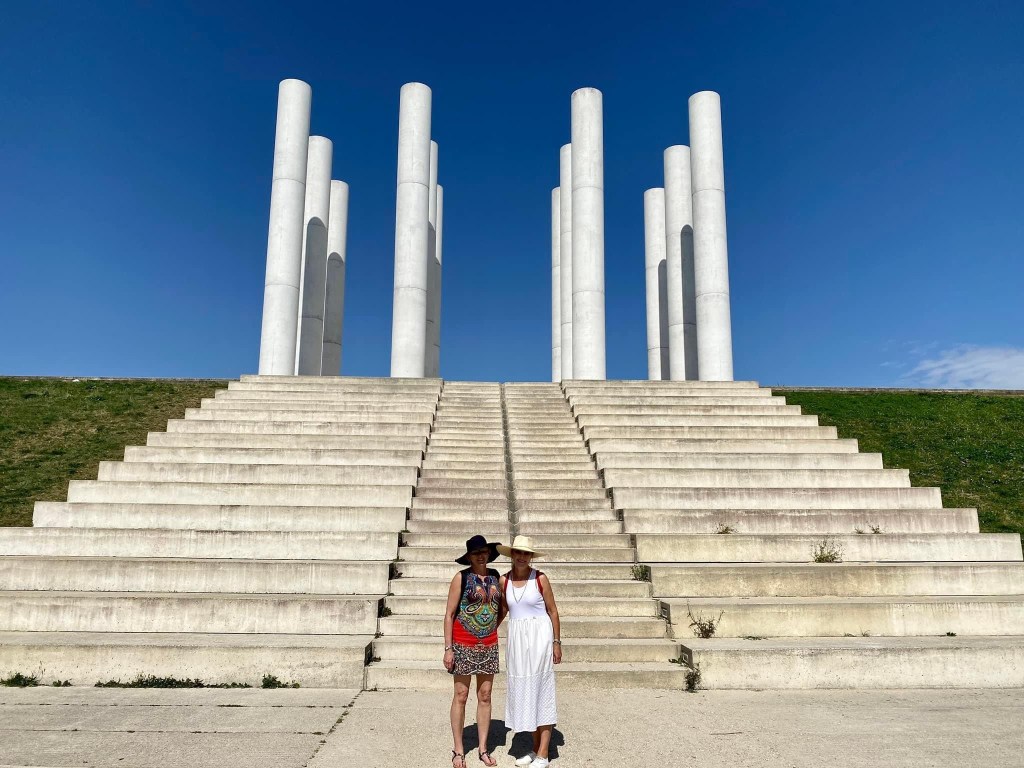
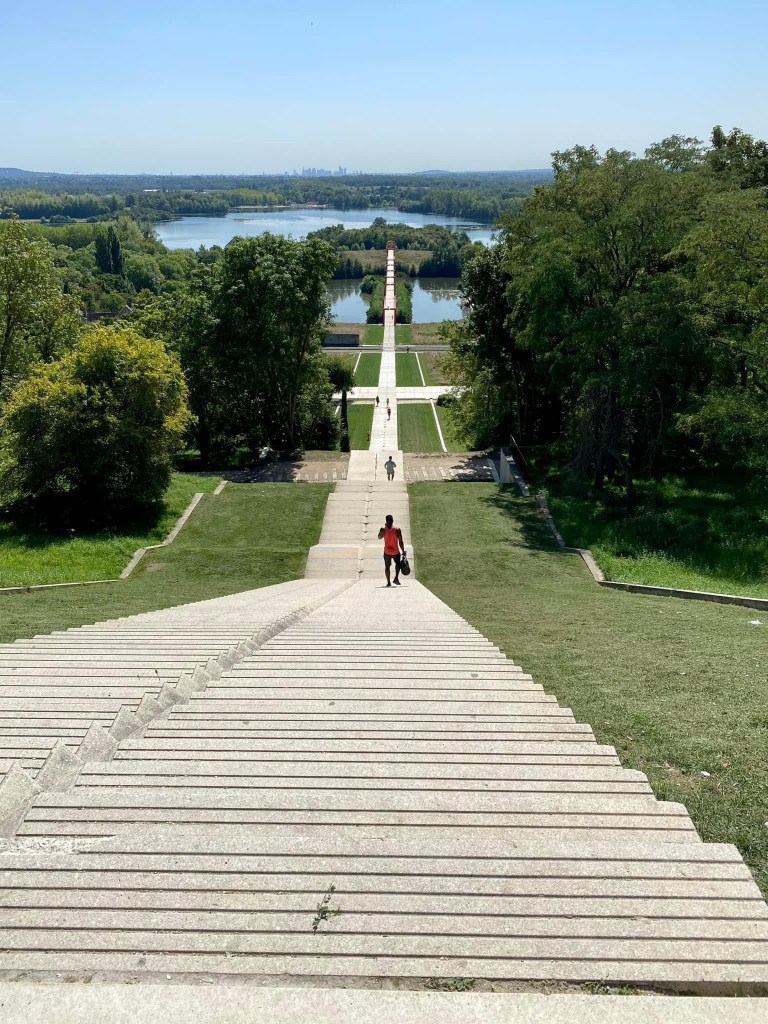
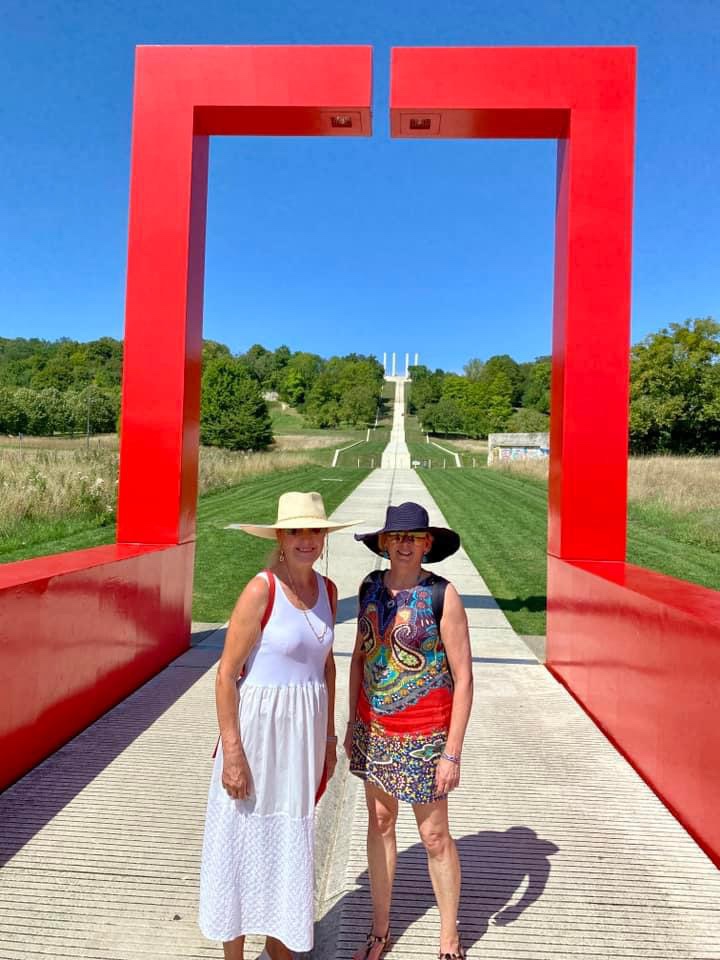
On the way to Pontoise we past under the footbridgebridge of the L’ Axe Majuer. This monumental grand work of art is 3.2kms long, and despite its immense size it is little known outside FranceThe site certainly deserved closer inspection. From the largest clock in Europe at the Clergy railway station, to the bright white crescent of contemporary buildings that surround a viewing tower (unfortunately closed when we visited), the gardens that have fallen to disrepair, the 12 columns that accentuate the river and the view of Paris in the distance, steps to an amphitheater and a bright red bridge this architectural feature represents a modern urban landscape.Only 6kms up the river is the village of Auvers, a must stop.
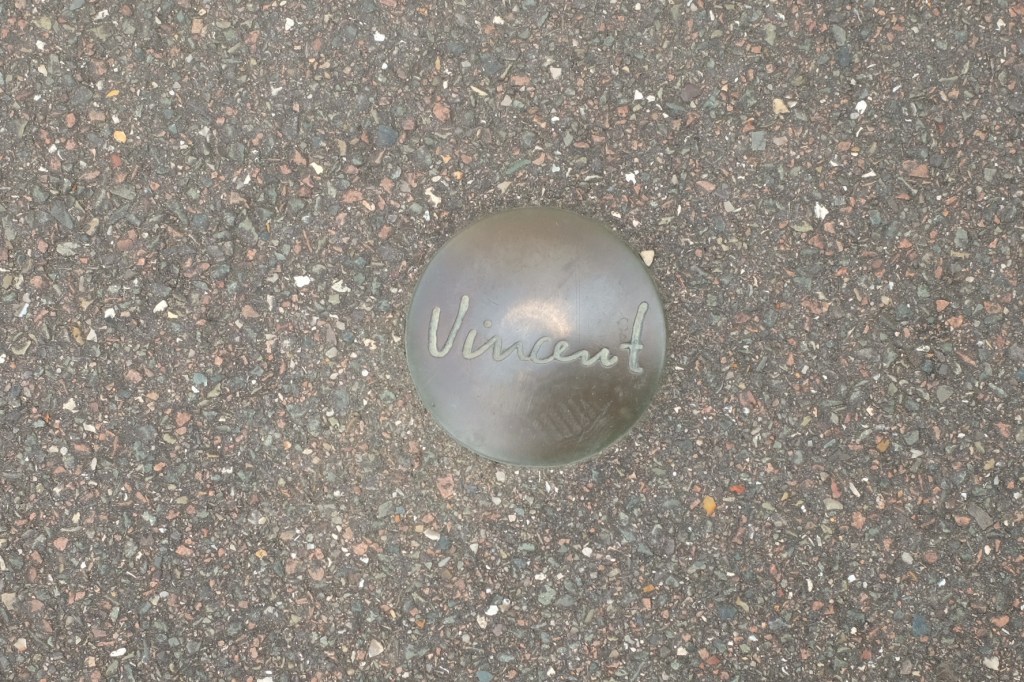
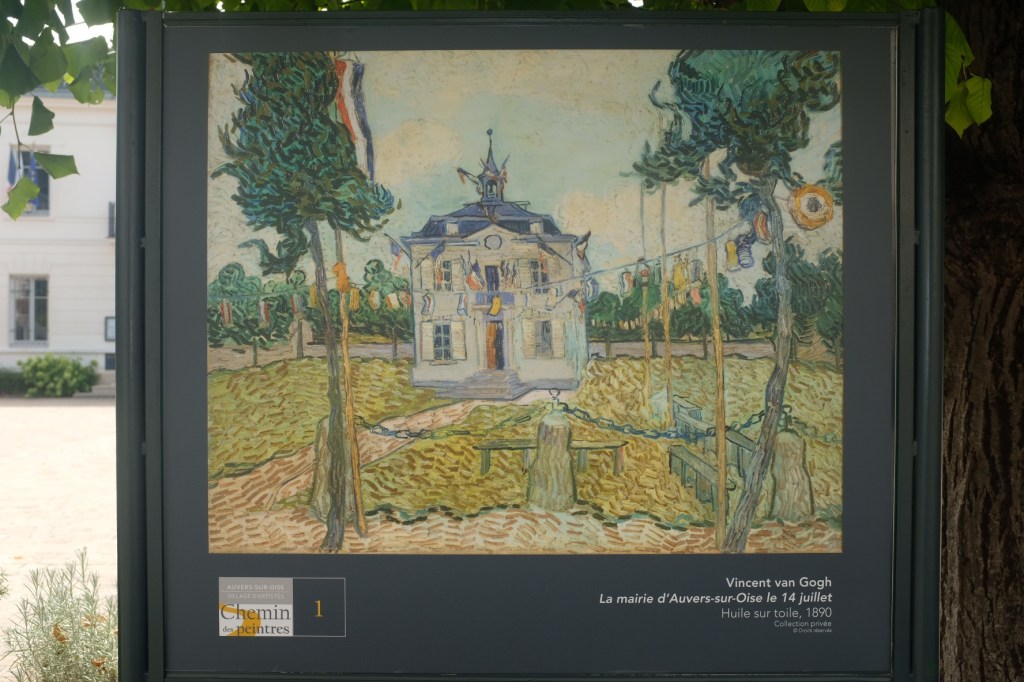
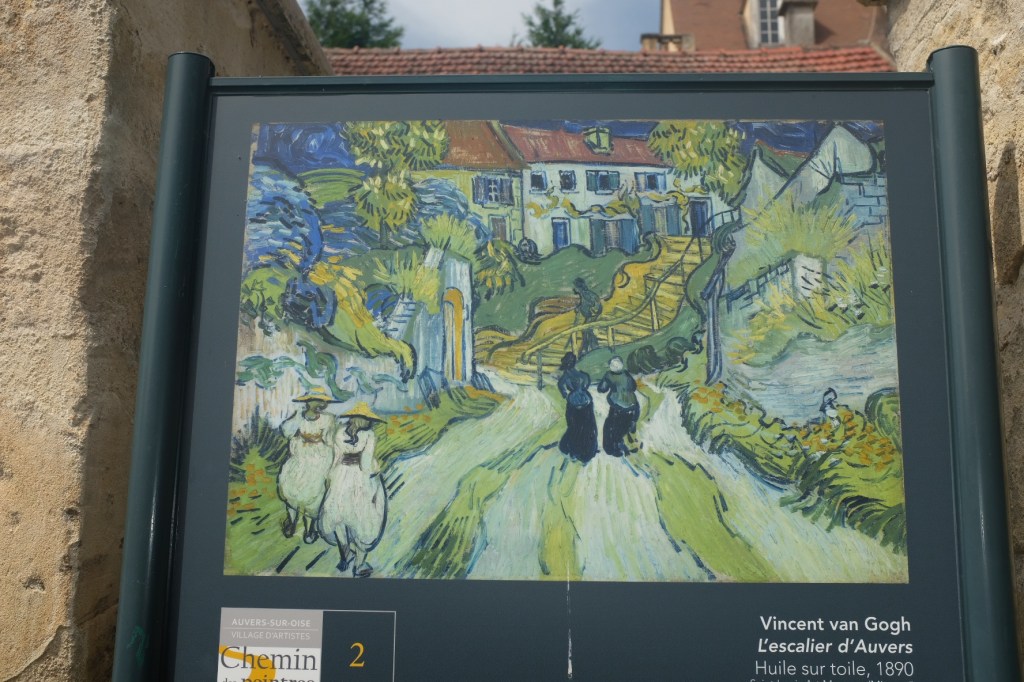
During the 19th century a number of painters lived and worked in Auvers, including Pissaro, Cezanne and Daubigny to mention just a few. But the towns most famous son was Van Gogh who spent his last 3 months of his life in the village, painting over 70 works of art, before shooting himself in the stomach, and dying 2 days later. The boarding house where he died is now a restaurant and museum and the town is dotted with images of his paintings.
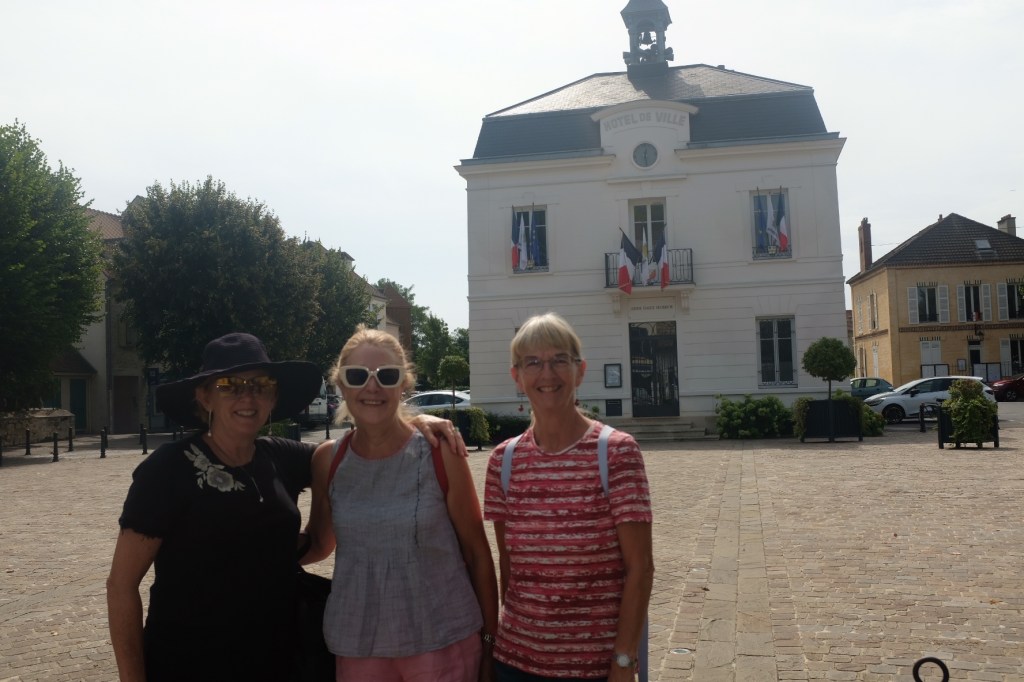
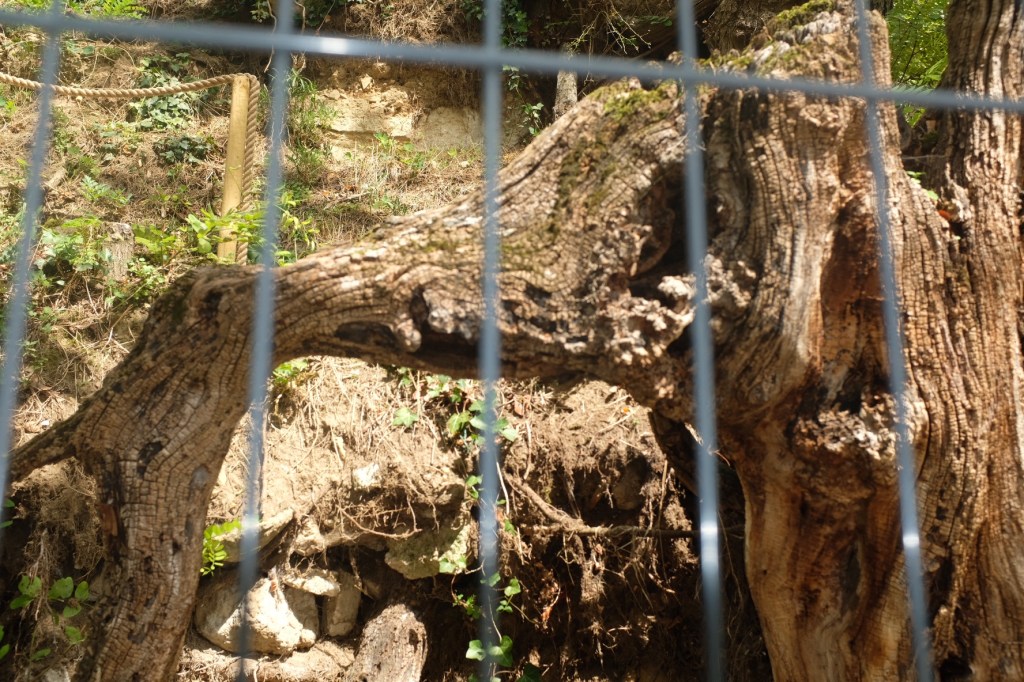
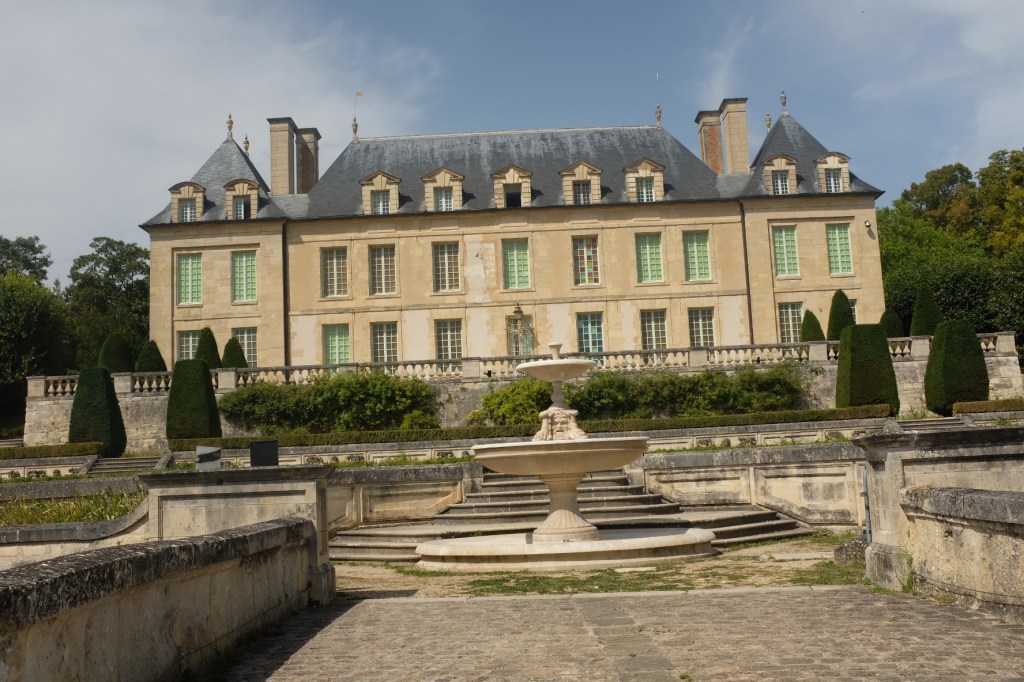
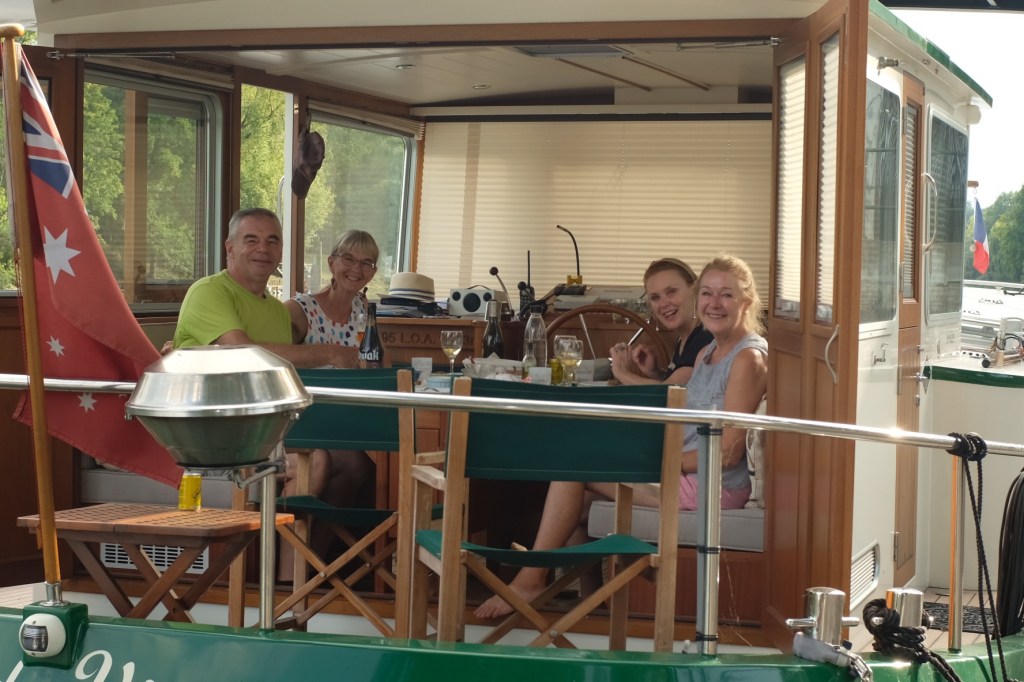
The town hallThe village stepsReputed to be Van Gogh’s last painting, an image of twisted roots.Not only did we visit all the Van Gogh sights but there was also a chateau at Auvers, though only the garden was open.Dinner on the boat that nightWith another heat wave it was a struggle to cool off especially when not connected to the power
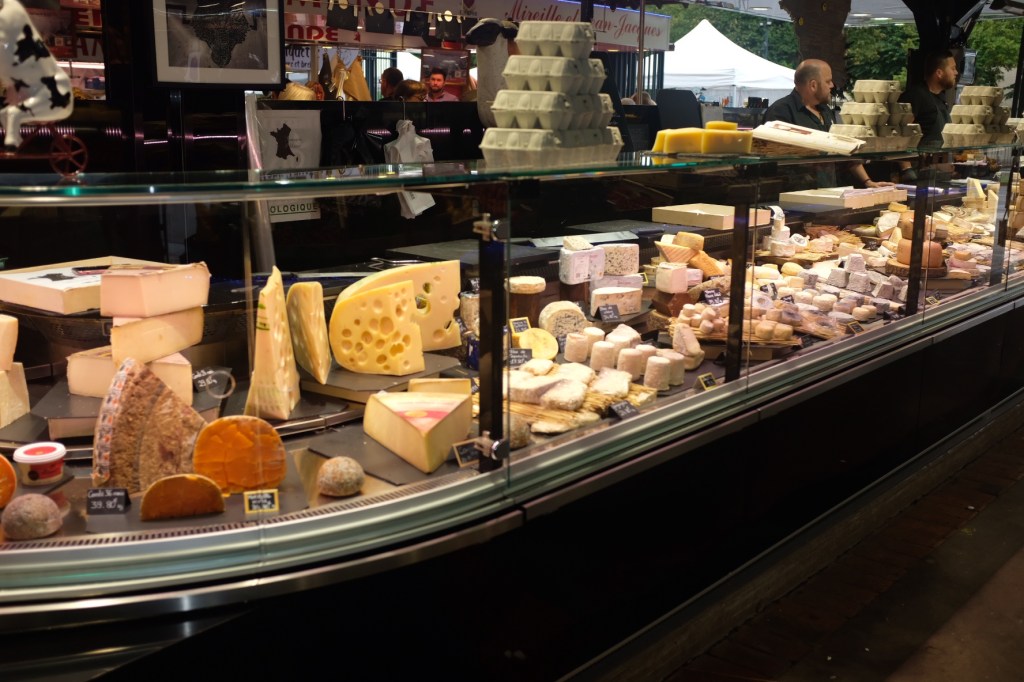
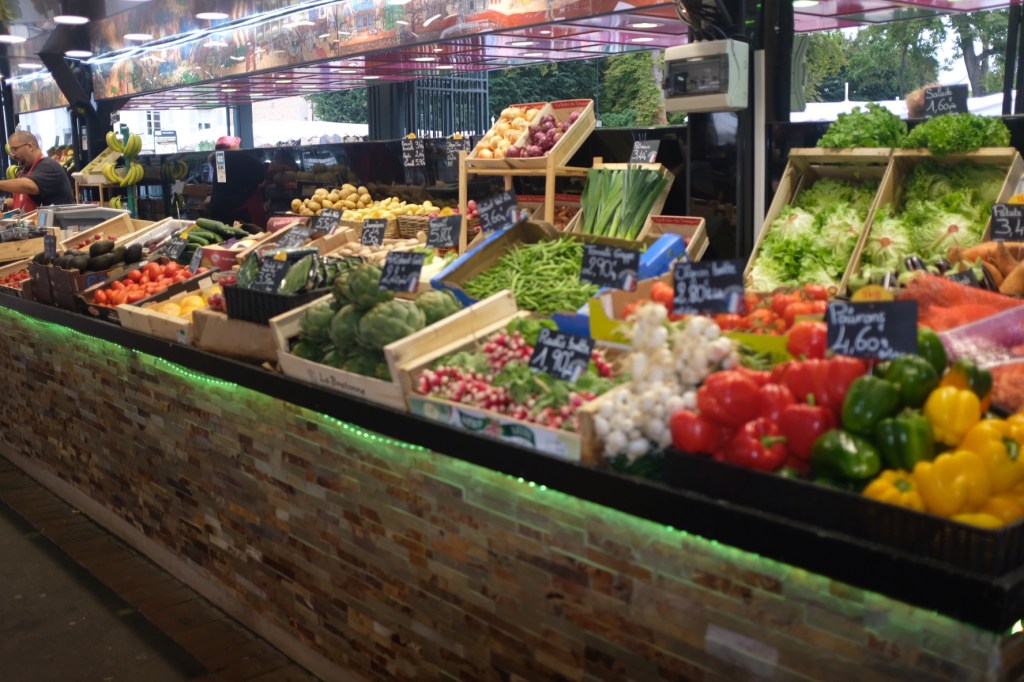
Only anther 7kms up the river was our next stop at L’isle Adam. This town has several historical sights, including a chateau (damaged in WW2 but now renovated) but more importantly a number of very good restaurants and a noteworthy market on Saturday.
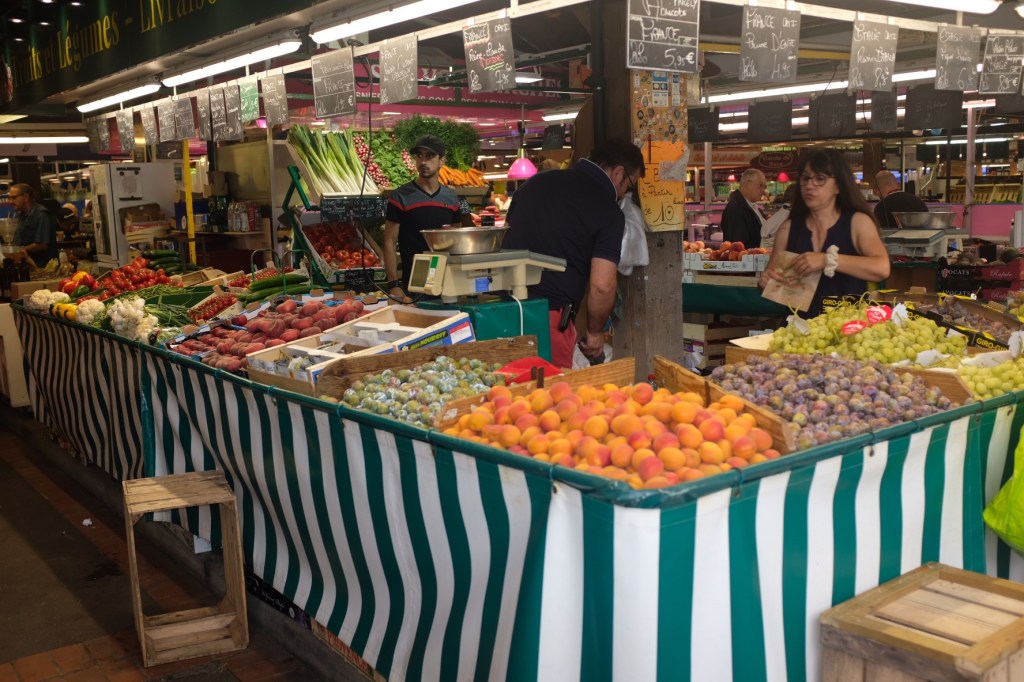
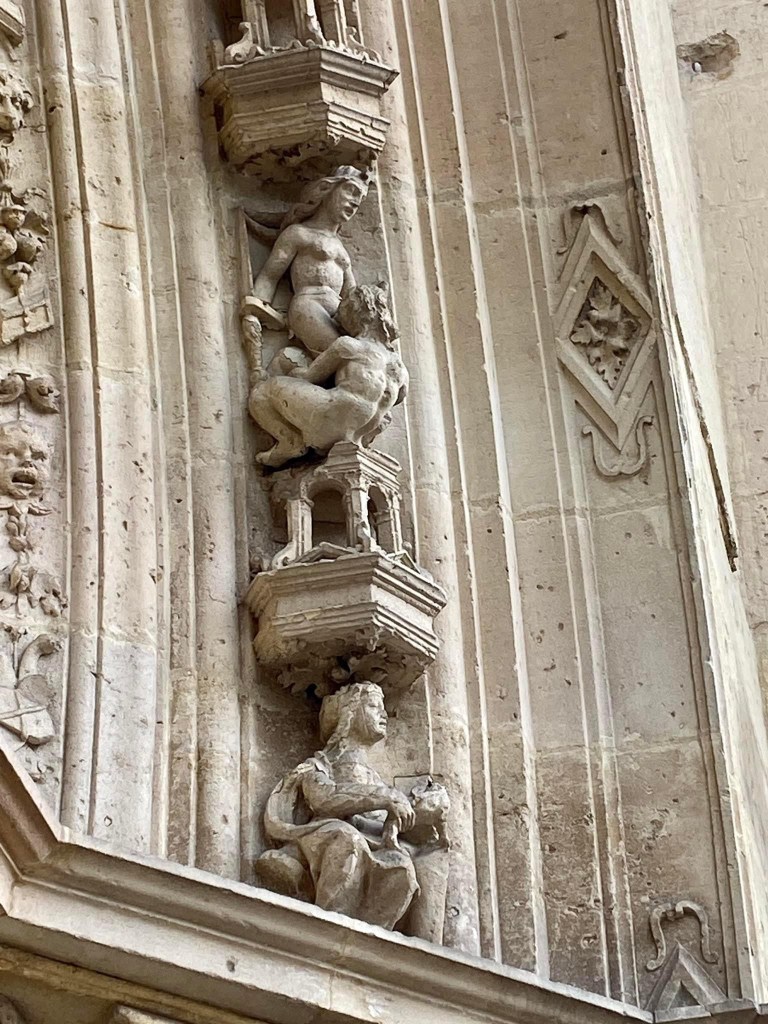
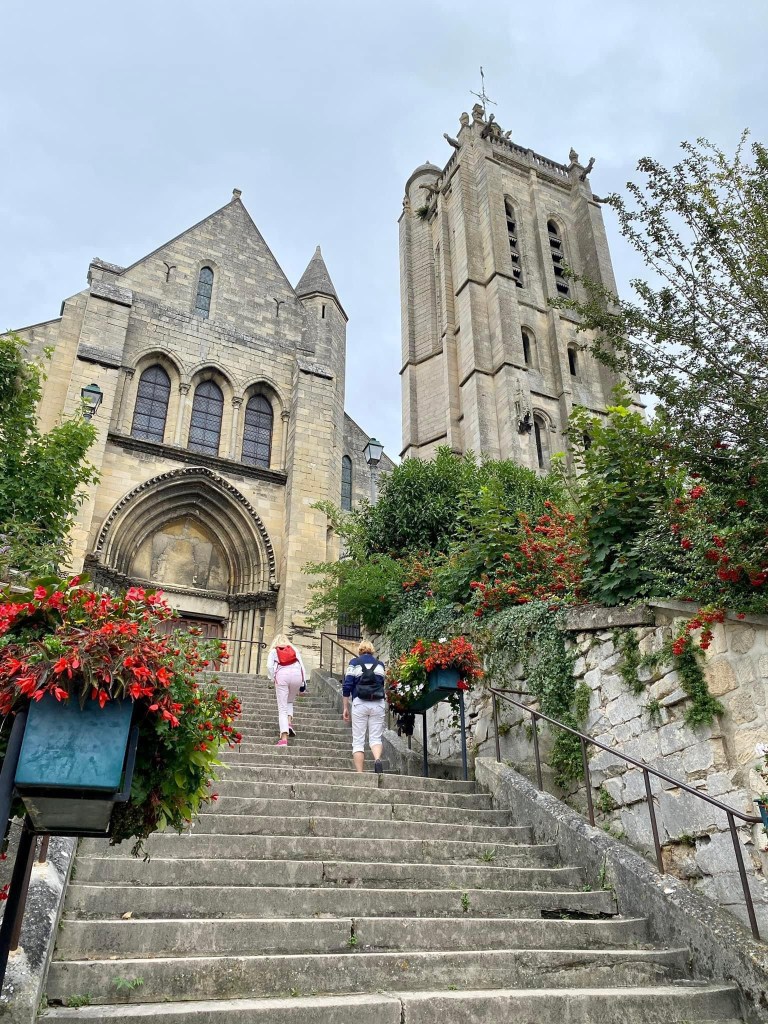
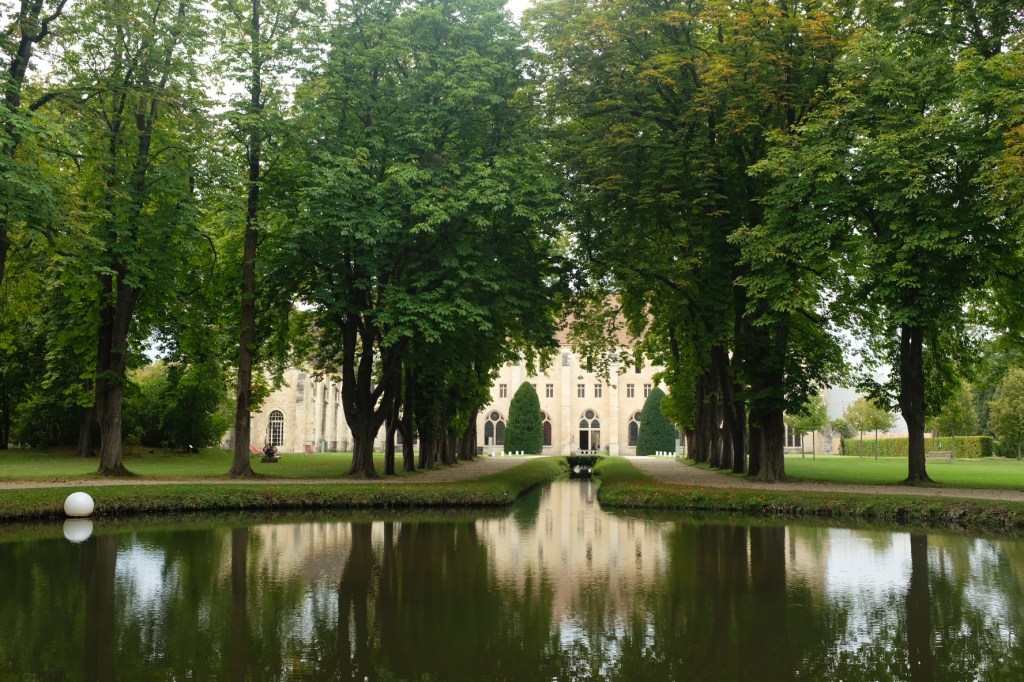
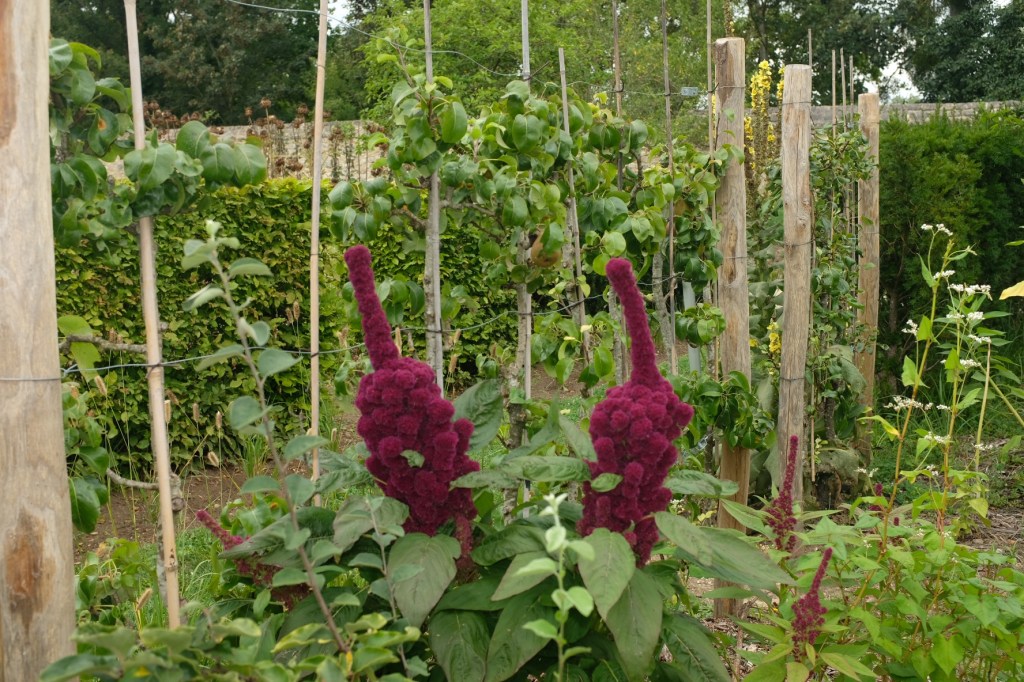
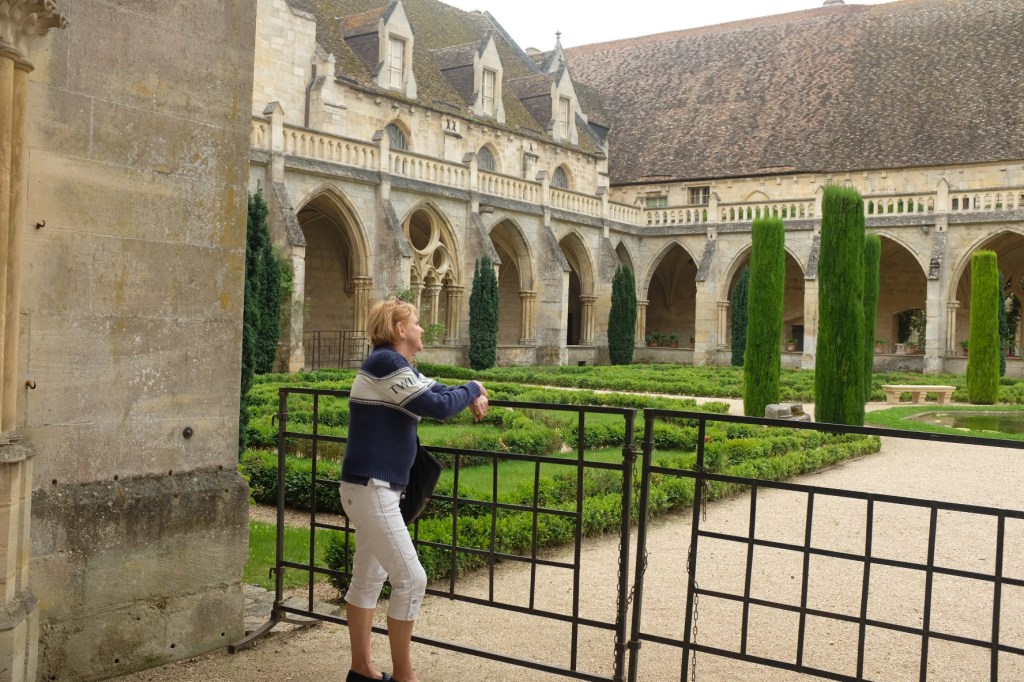
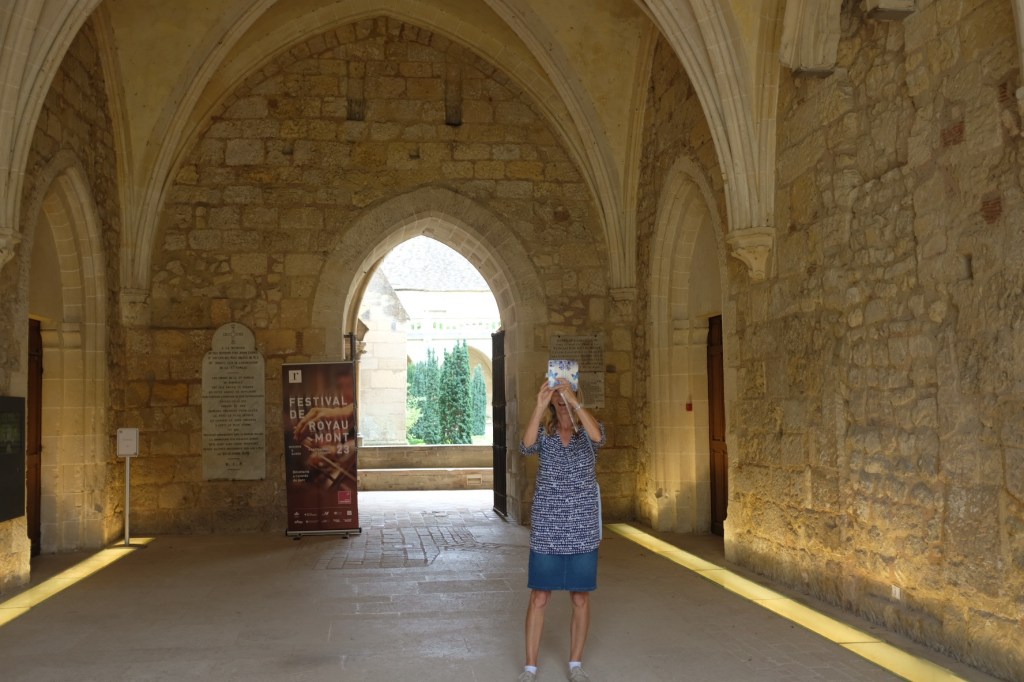
We sampled the Italian restaurant close to our mooring and replenished supplies at the market on SaturdayThe Elise St. Martin in L’isle AdamWith rather an unusual religious carving on the porticoAnother short hop to Beaumont sur Oise. Although the town had a gothic church and a ruined castle the main feature, the Abbey of Royaumont was only a short Uber ride away.This Cistercian Abbey was completed in 1235 and was the last resting place of several members of the French royal family. The abbey was partly dismantled during the French Revolution and served as a premises for a cotton mill. In 1915 it was opened as a hospital, treating wounded soldiers who had fought in the Somme. Subsequently in 1964 it was purchased by a French family, who created the Royaumont foundation. Not only is it a tourist attraction, but also serves as a cultural centre. The renovated buildings are certainly , breathtaking, while the extensive gardens are a joy to stroll through.
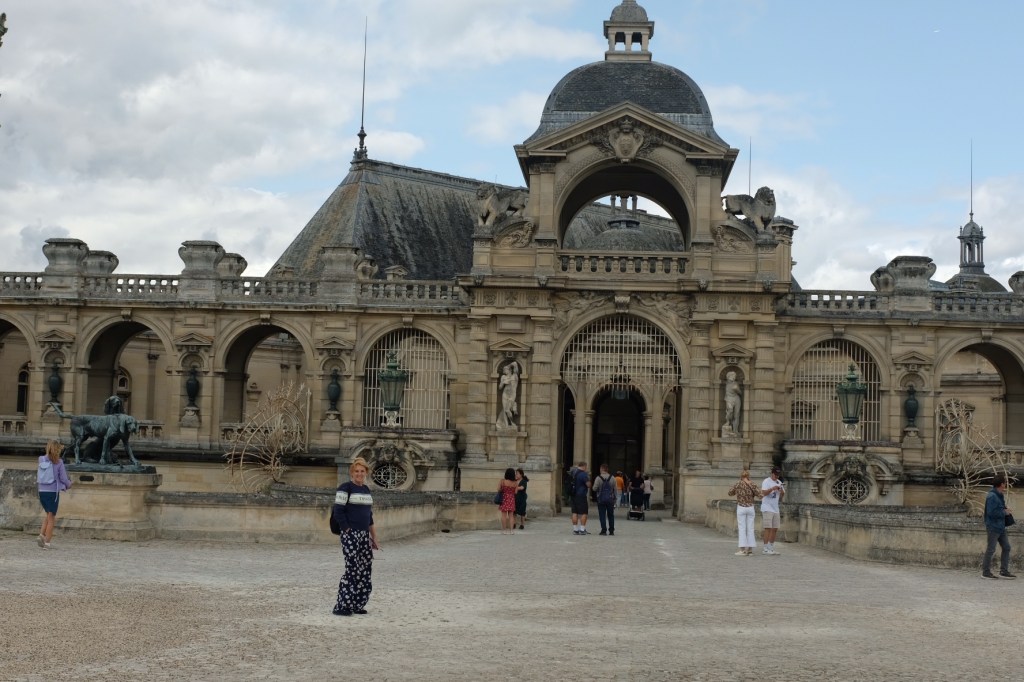
We were still only 50kms north of Paris, but there was plenty to see. The small town of Creil is on the river, but only 2kms away is the more prestigious town of Chantilly, and the Chateau Chantilly.
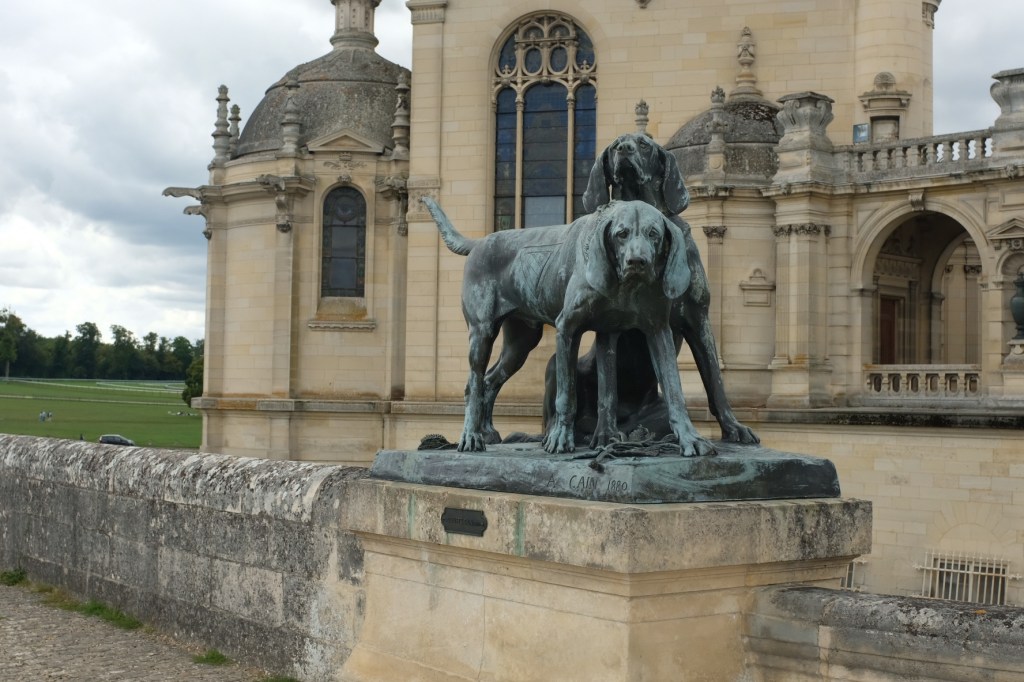
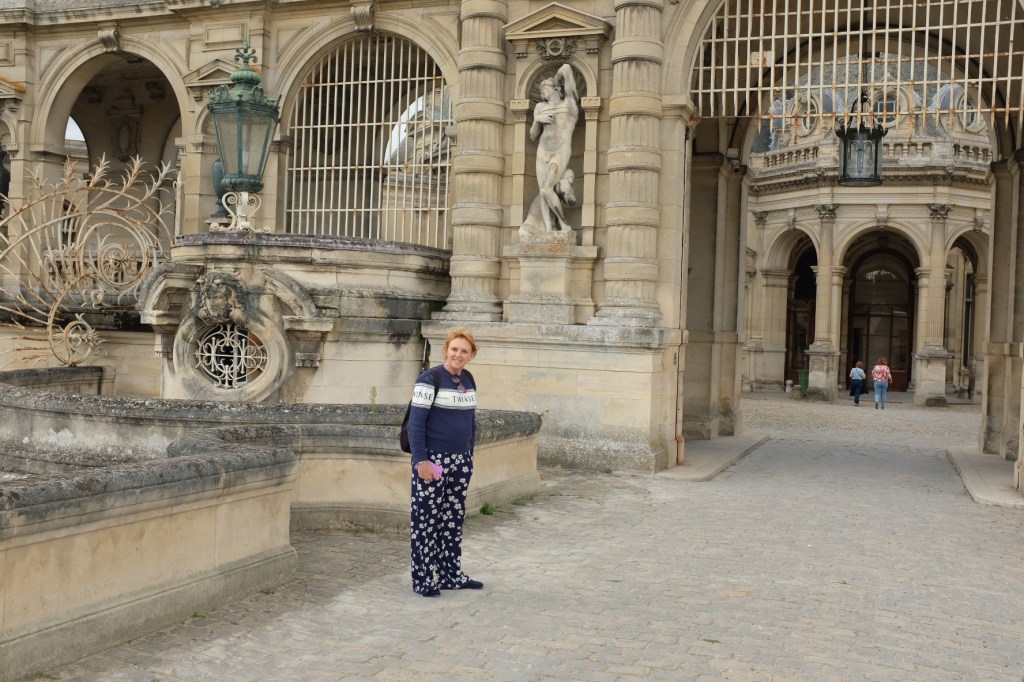
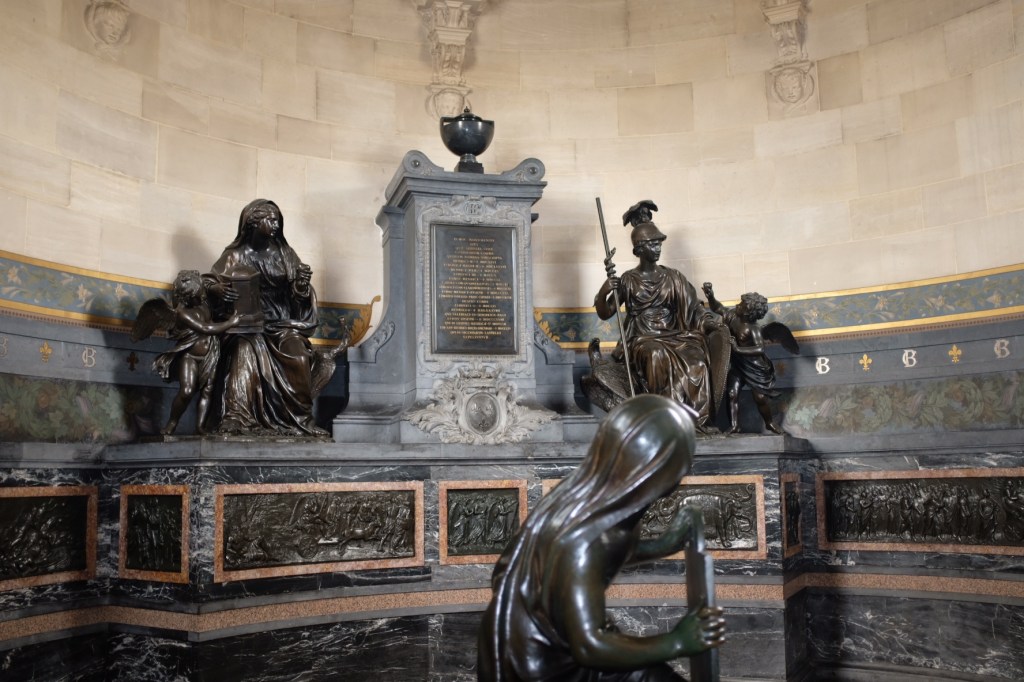
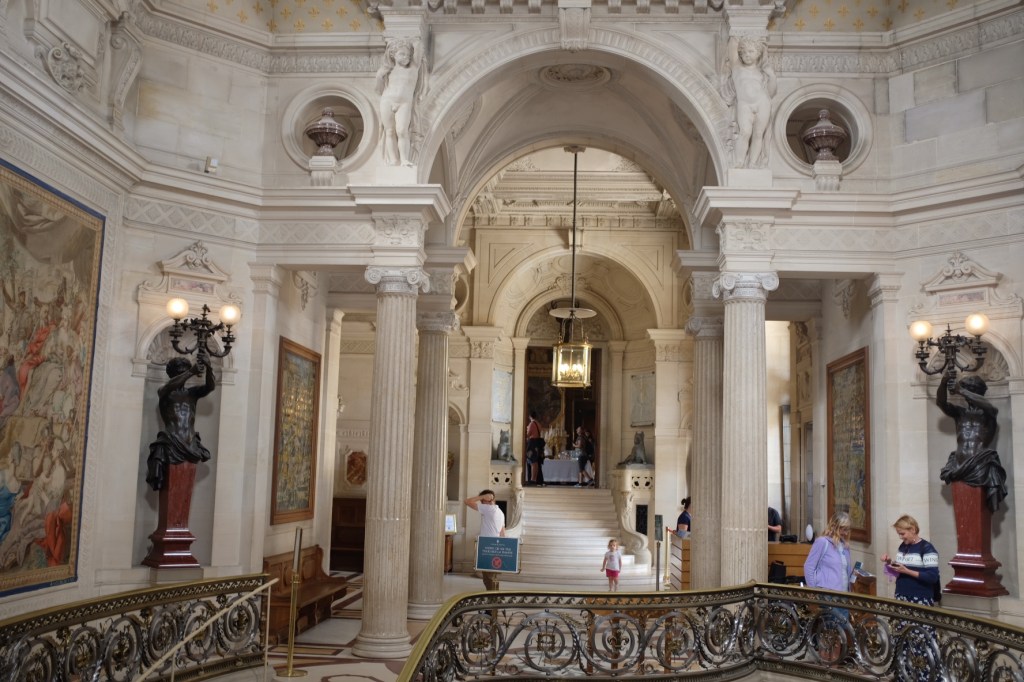
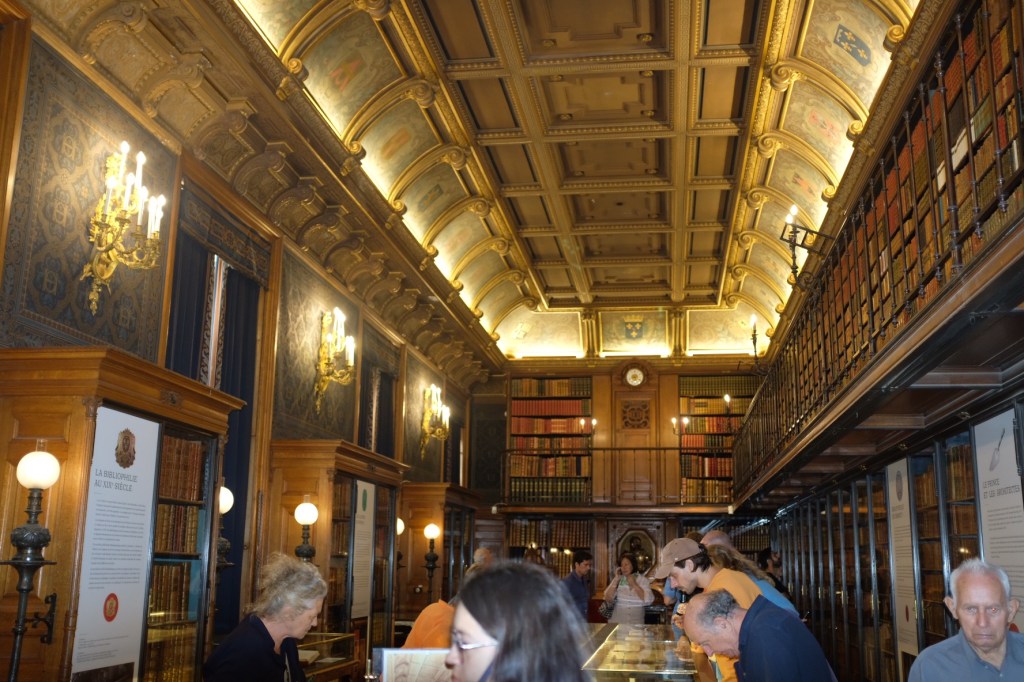
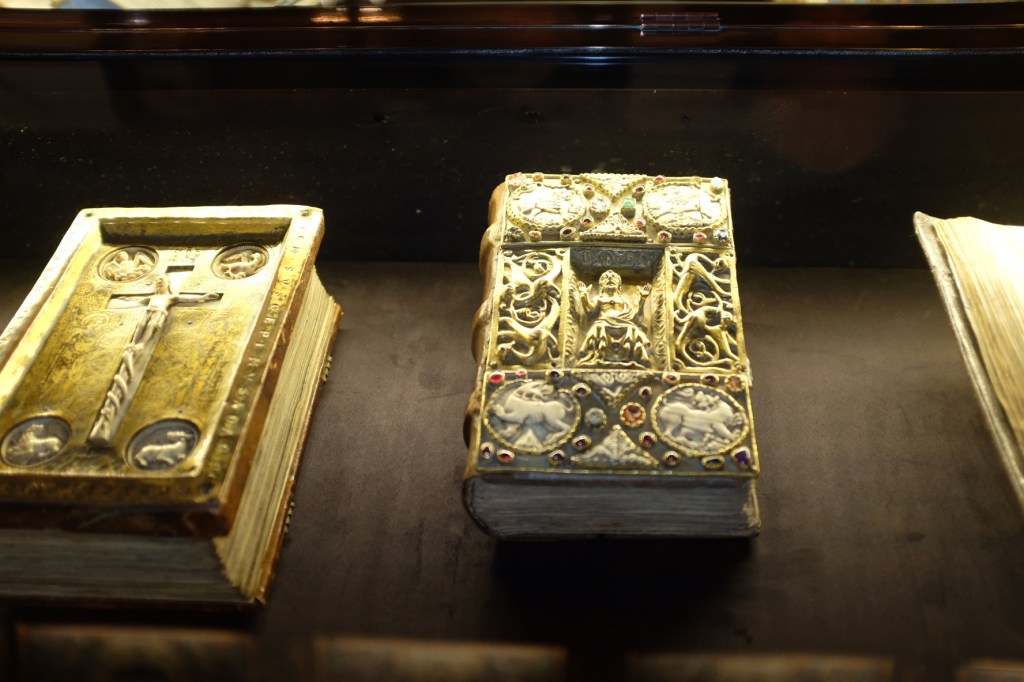
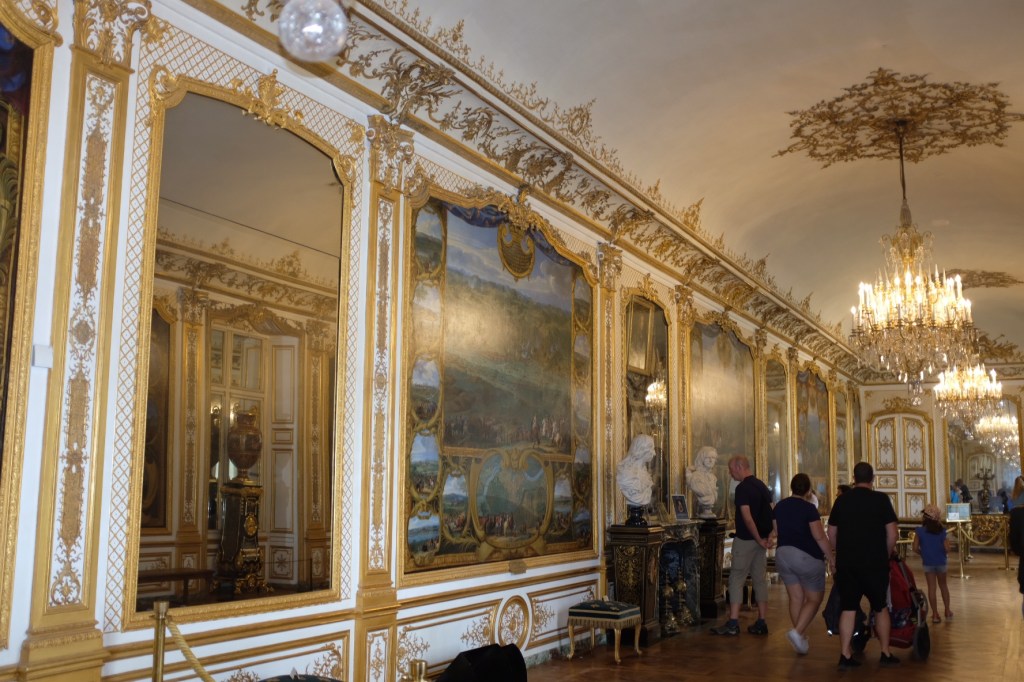
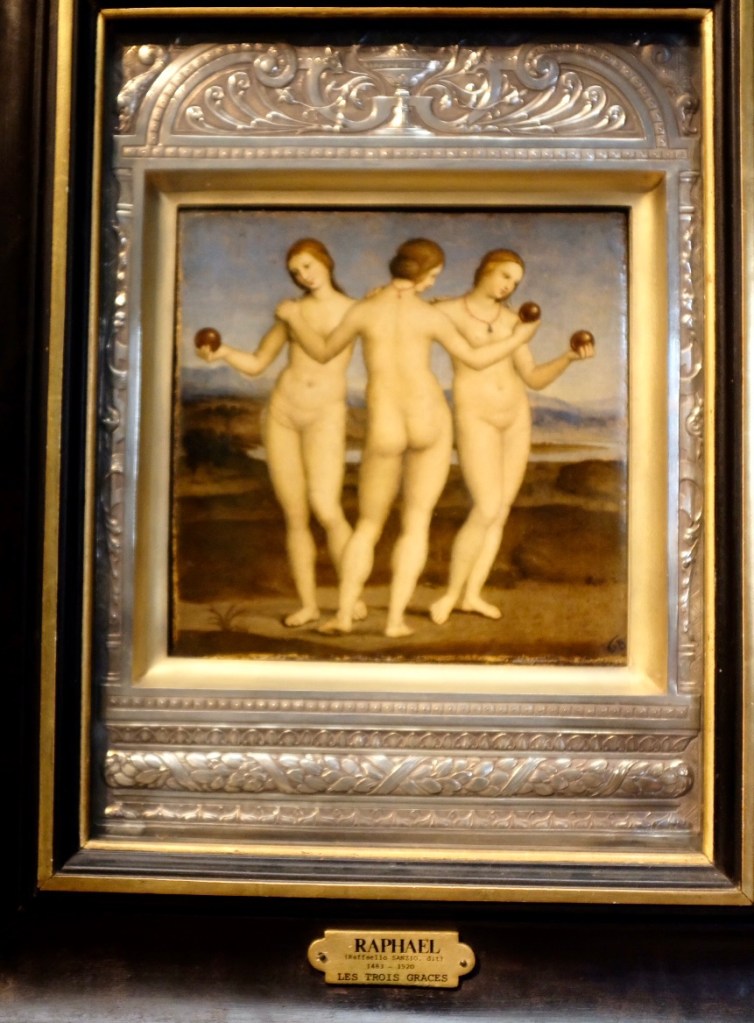
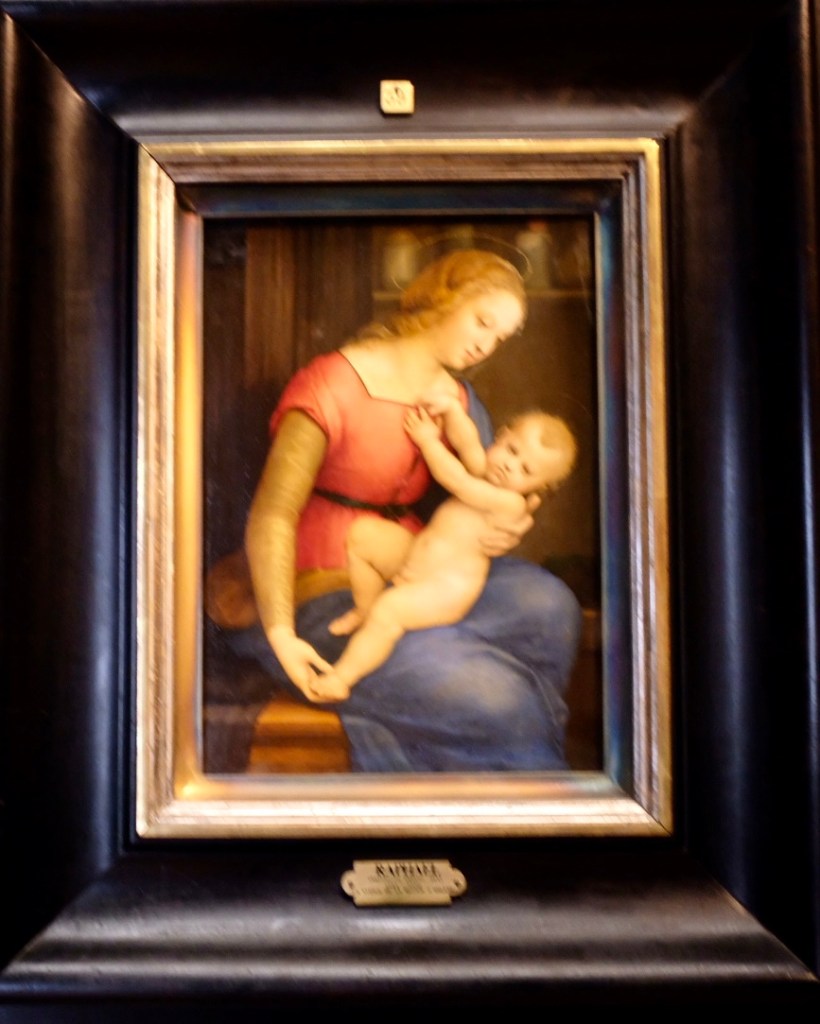
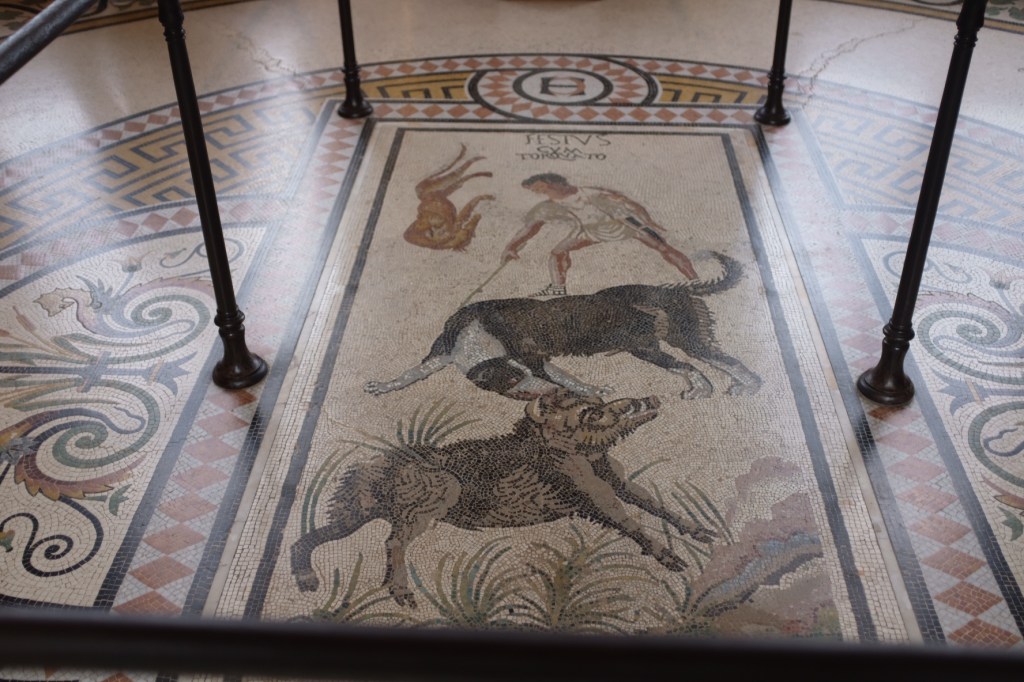
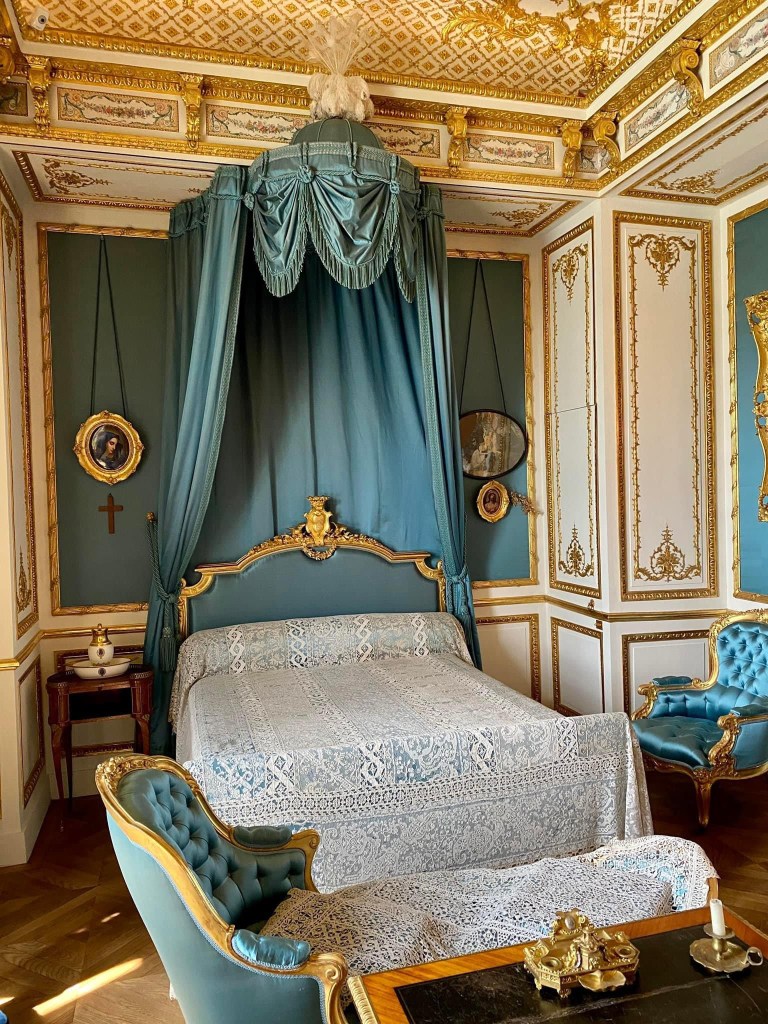
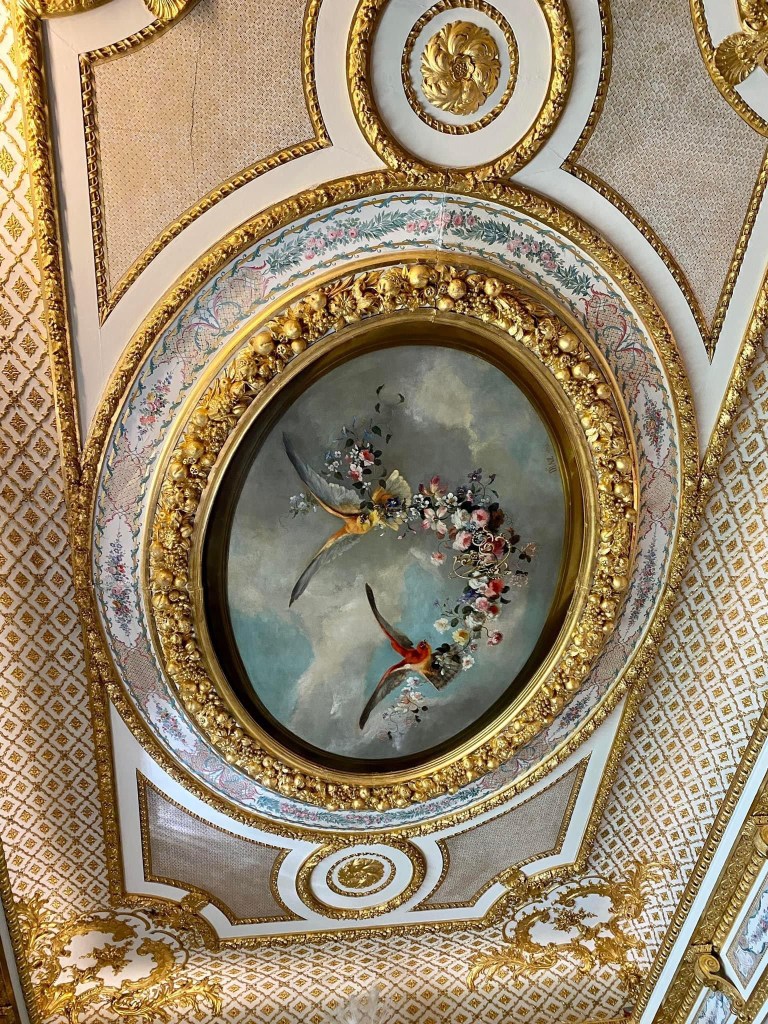
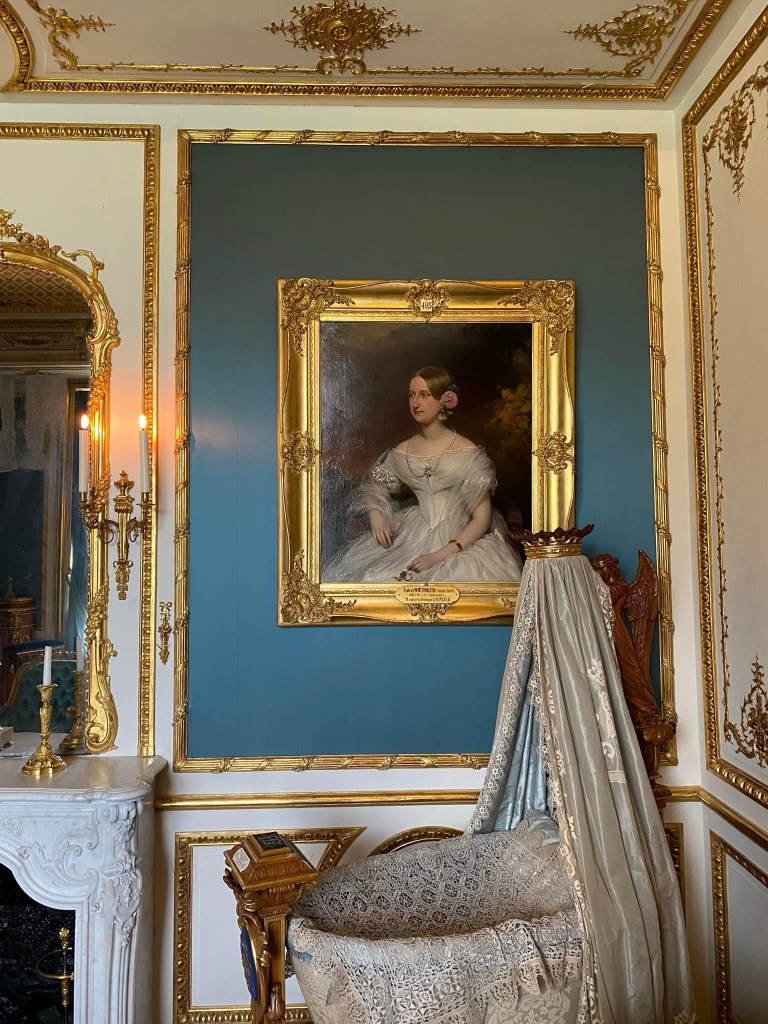
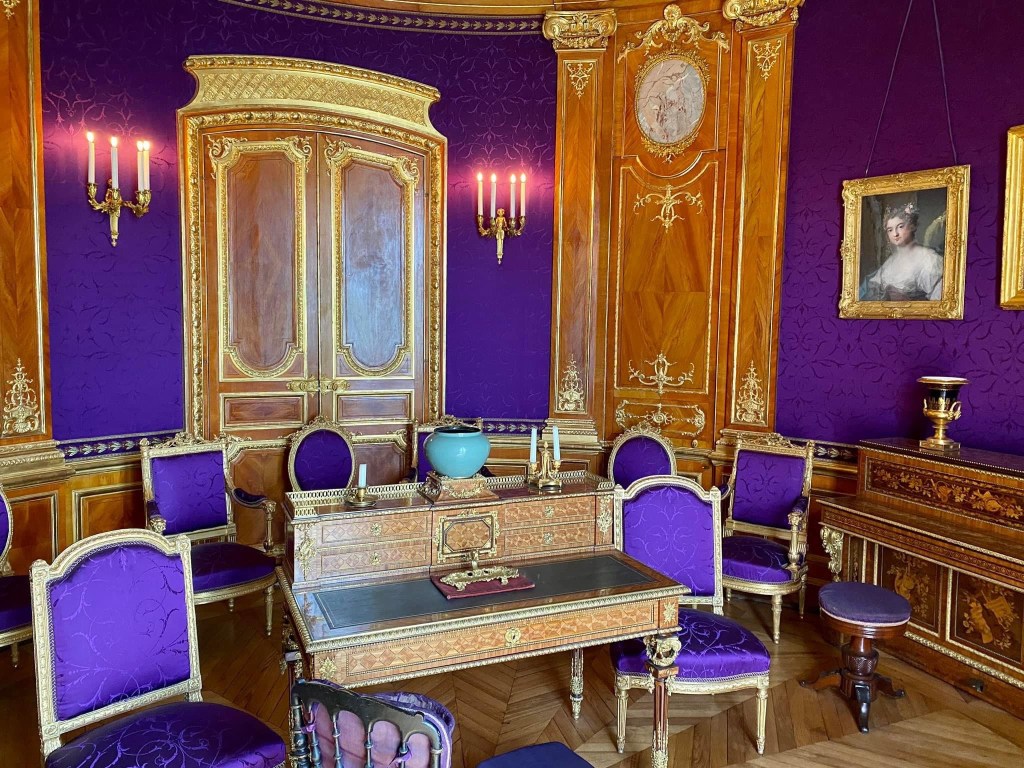
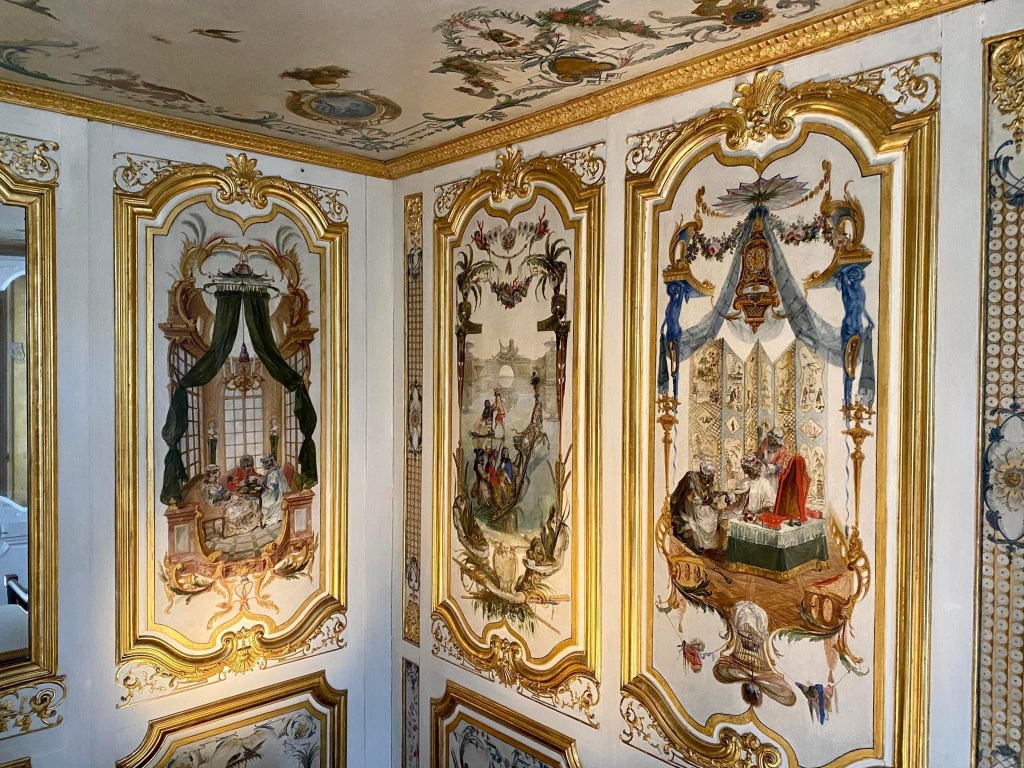
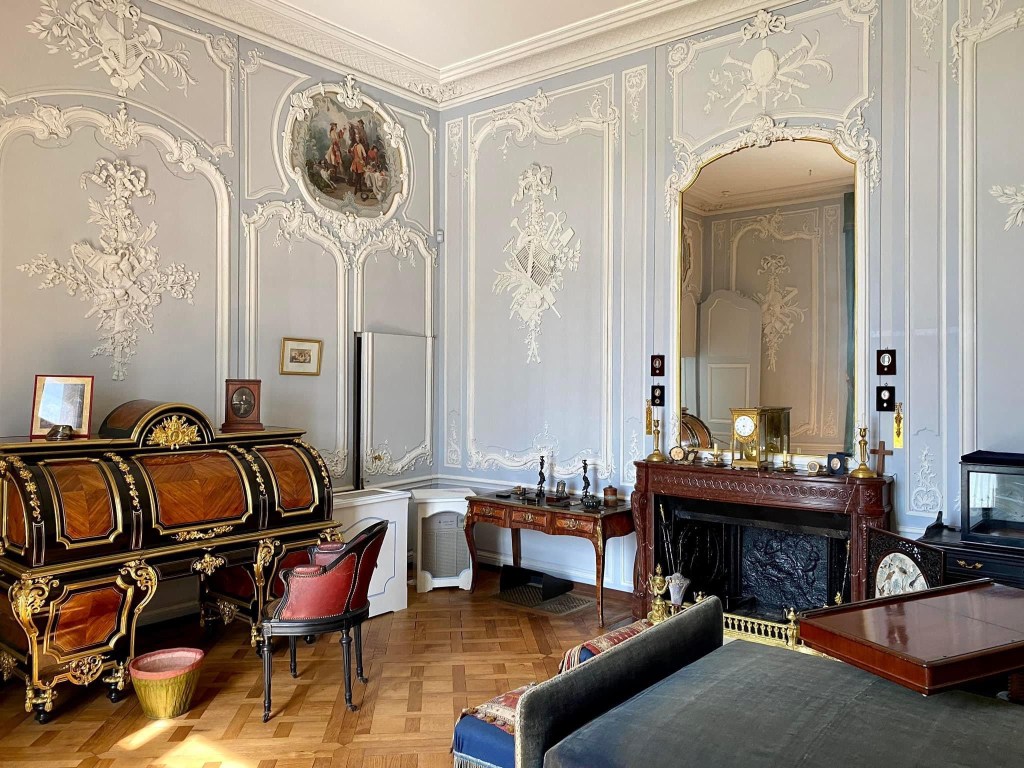
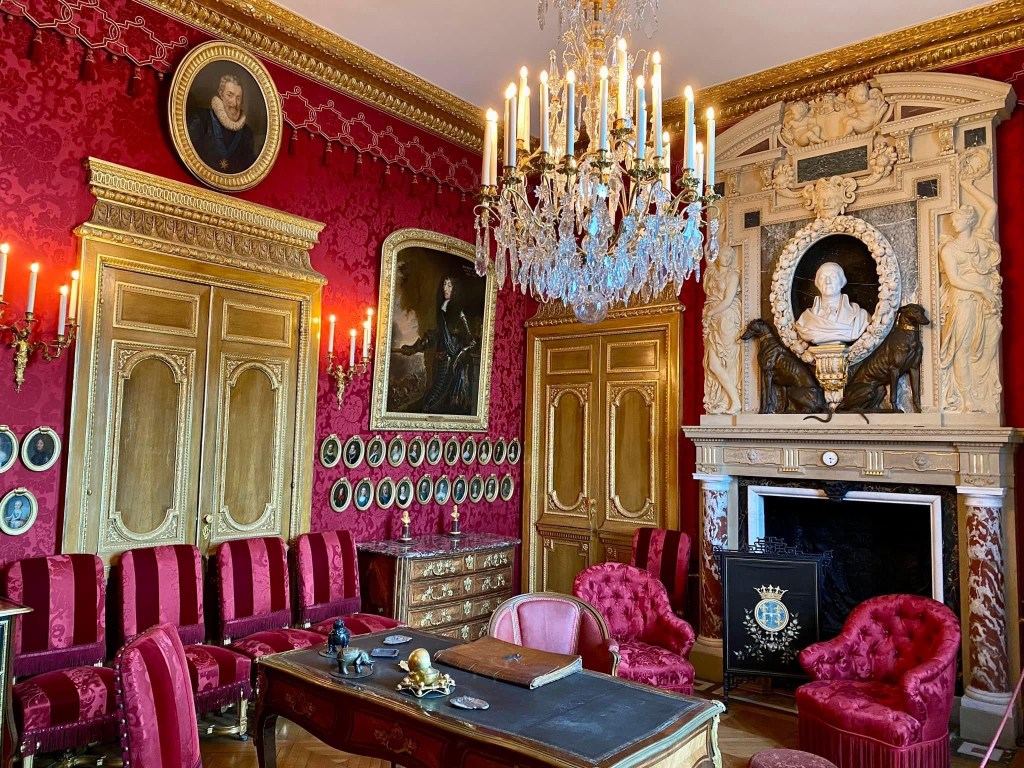
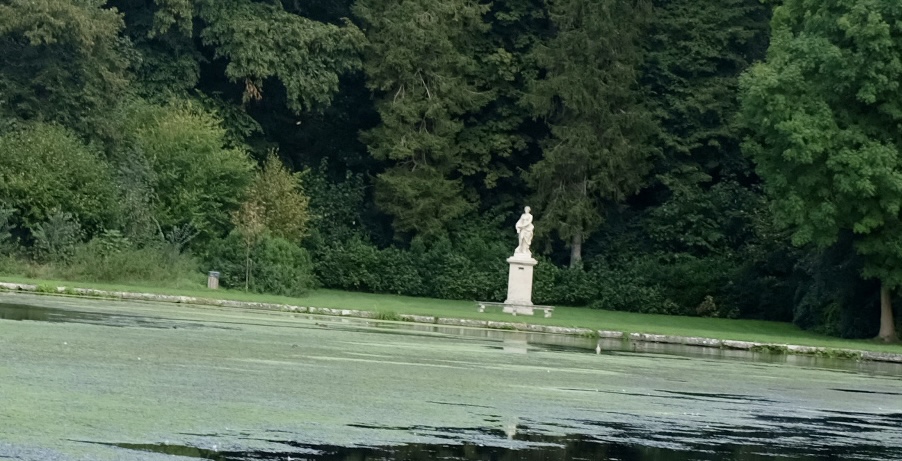
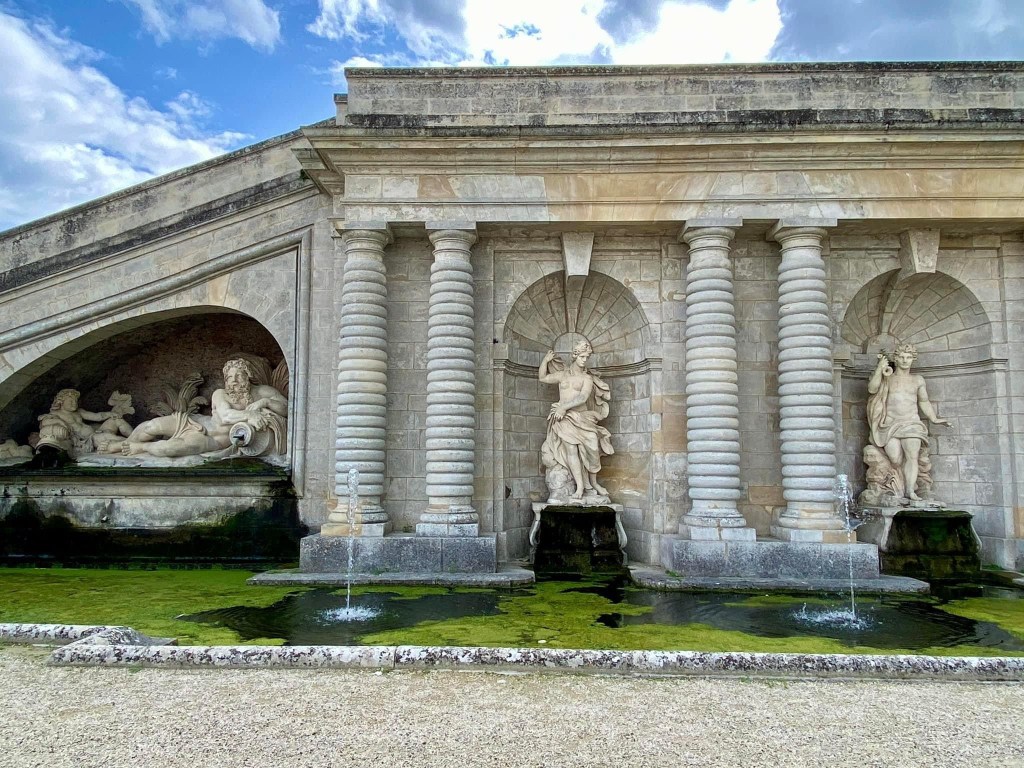
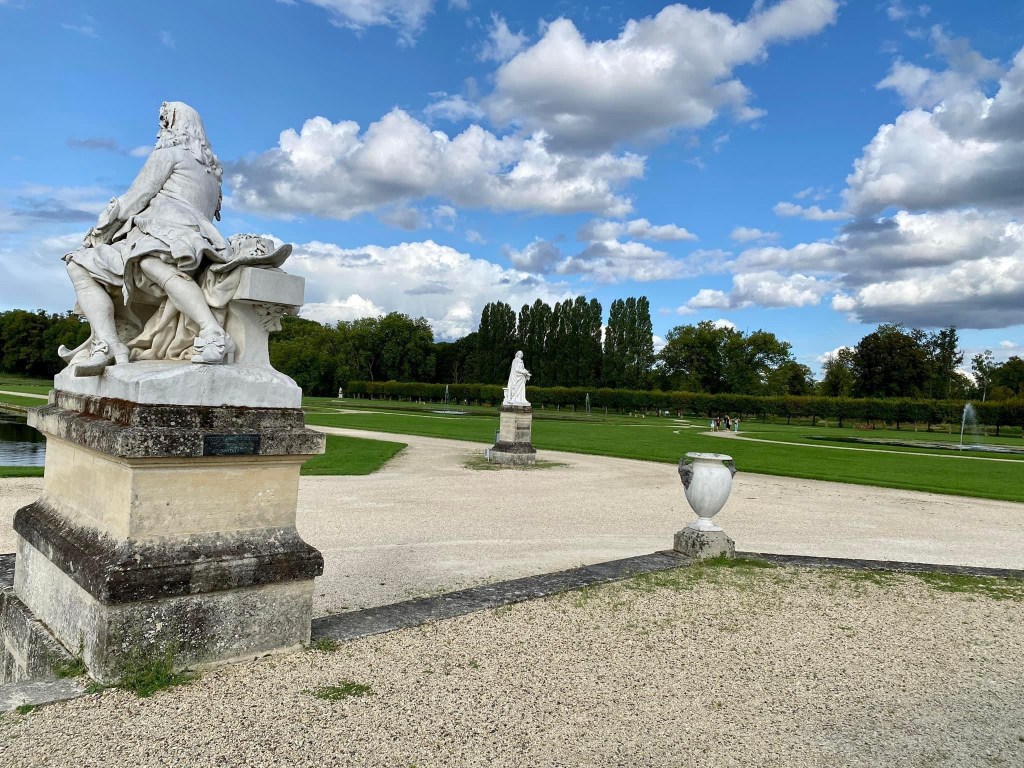
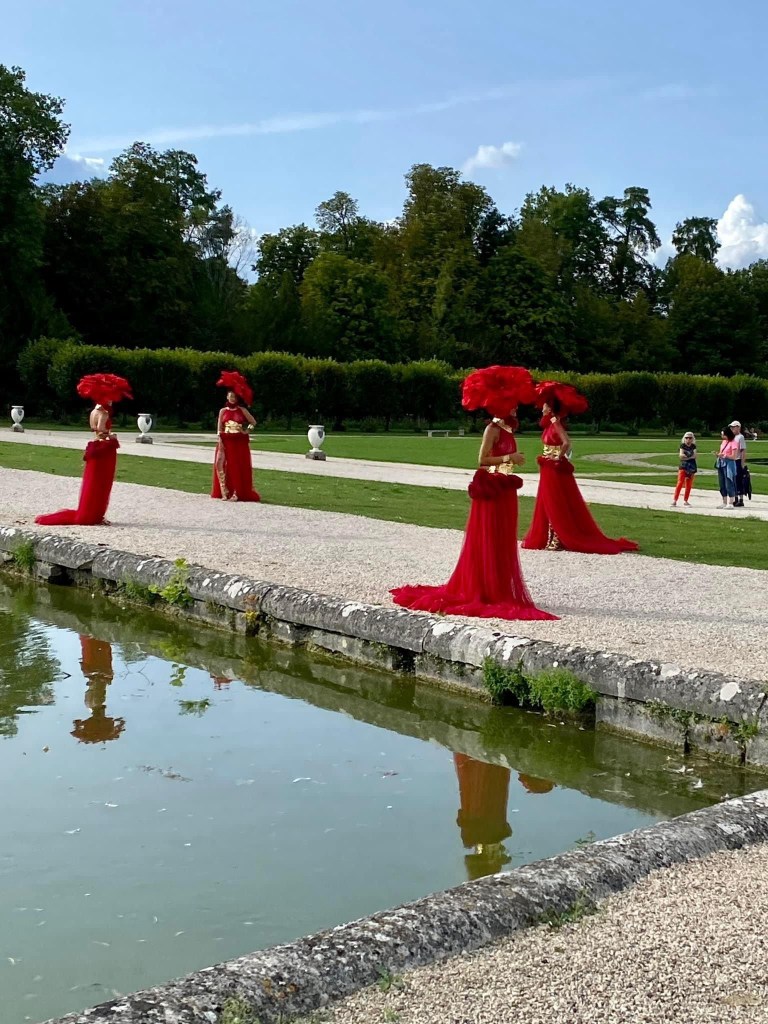
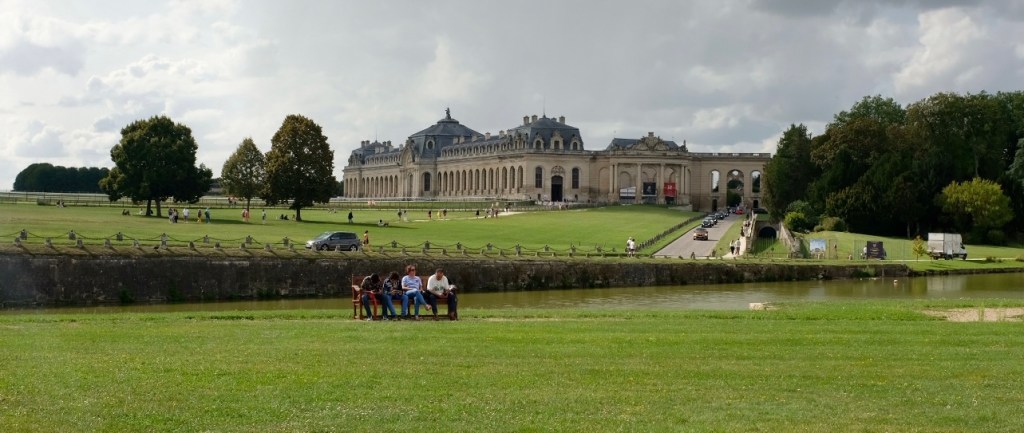
With an overall area of 115 hectares the chateau comprises of two attached buildings, the Petit Chateau built in 1560 and the grand Chateau, destroyed during the French Revolution but rebuilt in the 1870s. It’s last resident, the Duke of Aumale, fifth son of King Louis Philippe, the last king of France rebuilt the Grand Chateau to house his exceptional collections of books, paintings and furniture. He died with no direct heir and bequeathed the Chateau and its treasures to the Institute of France. Outside the Louvre the Conde museum is the most important collection of old masters in France.The Petit Chateau and the Grand ChateauChapel of the Hearts of the Prices of CondeThe grand hallThe libraryThe collection includes 3 Raphael’s and a mosaic from Pompeii The private apartments of the Duke d AumaleThe gardens accessed by the Petit Train, including a kangaroo enclosure. And of course the chateau was hosting an event, sorry don’t know what the girls dressed in red were doing!We didn’t have time to visit the Great Stables, the largest horse stables in Europe that houses the Museum of the Horse. The stables were built in 1719 by Louis Henri Duke of Bourbon, who was a French nobleman and politician. According to legend he believed he would be reincarnated as a horse, so he had built accomodation suitable to his rank.
Compiegne was our last stop on the Oise and the chance to visit another Chateau, Chateau Compeigne.
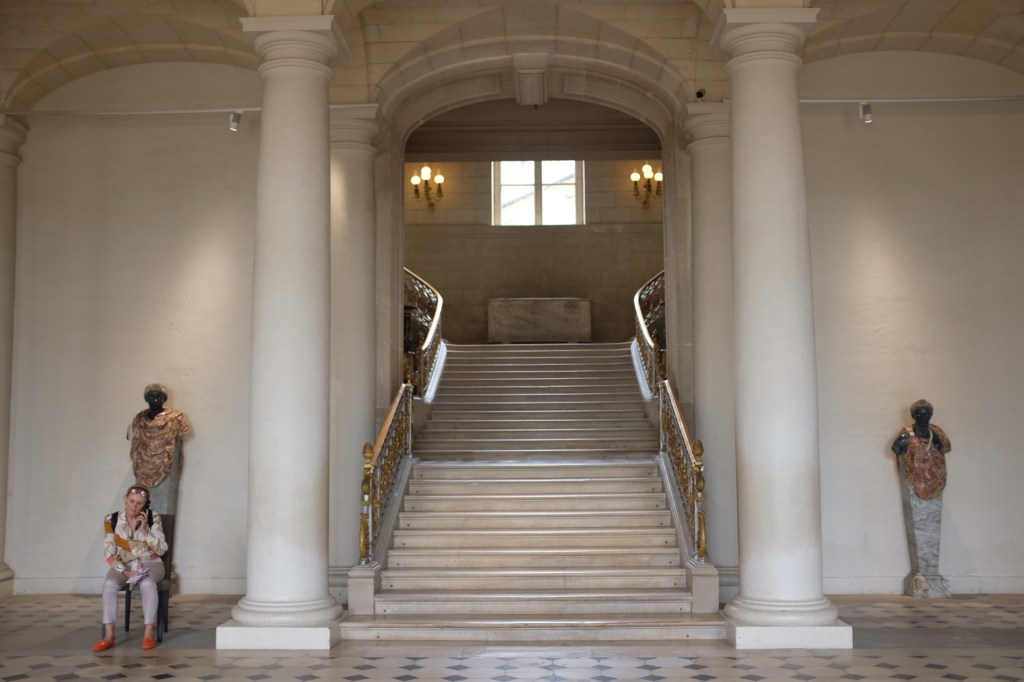
This royal residence was built for Loiuis XV and restored by Napoleon, although even before the Chateau was constructed, Compiegne was the preferred summer residence for French monarchs, due to its proximity to the Foret de Compiegne with the availability of hunting. The earliest recorded mention of the existence of a castle at Compiegne is in 561, when Clothair I , king of the Francs dies in his castle there, after returning from a hunt.The main stair caseThe guards room
The Chateau was not destroyed during the French Revolution, though all the furniture was sold off. As Napoleon renovated the chateau it is a prime example of the First Empire Style (1808-1810).
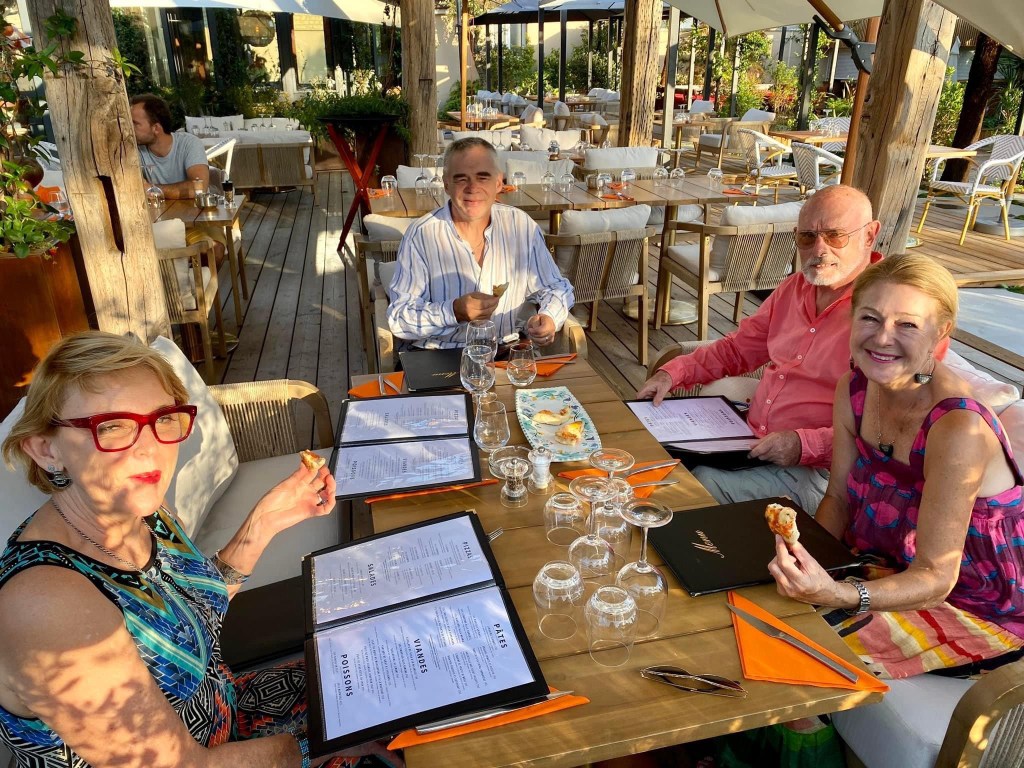
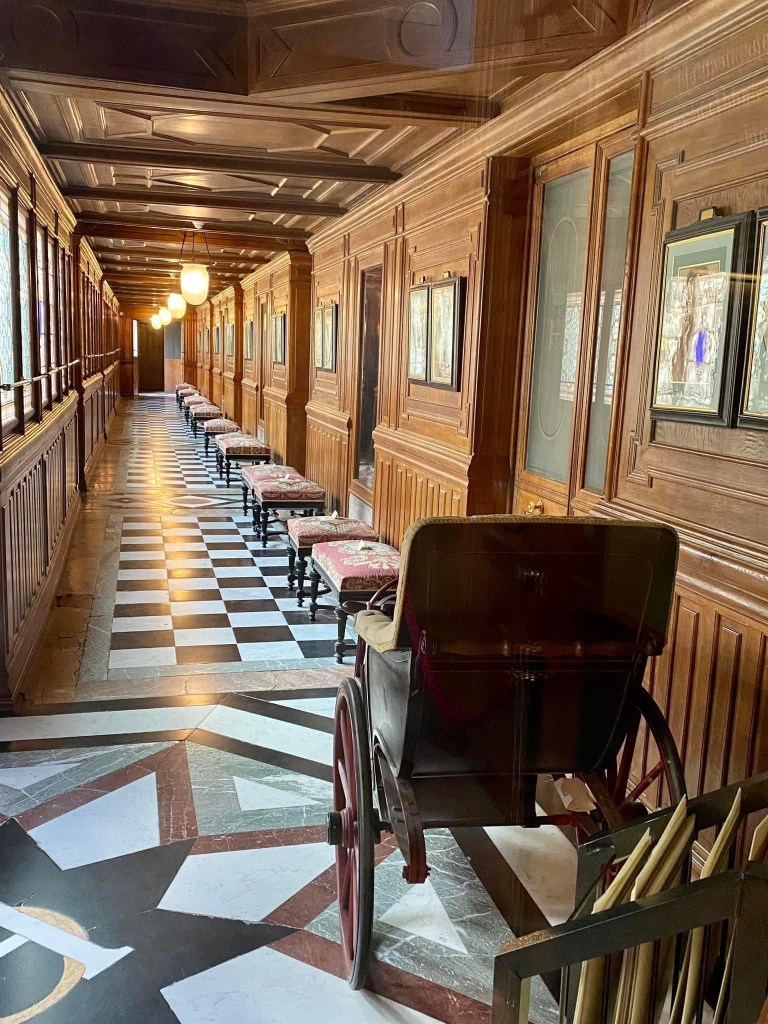
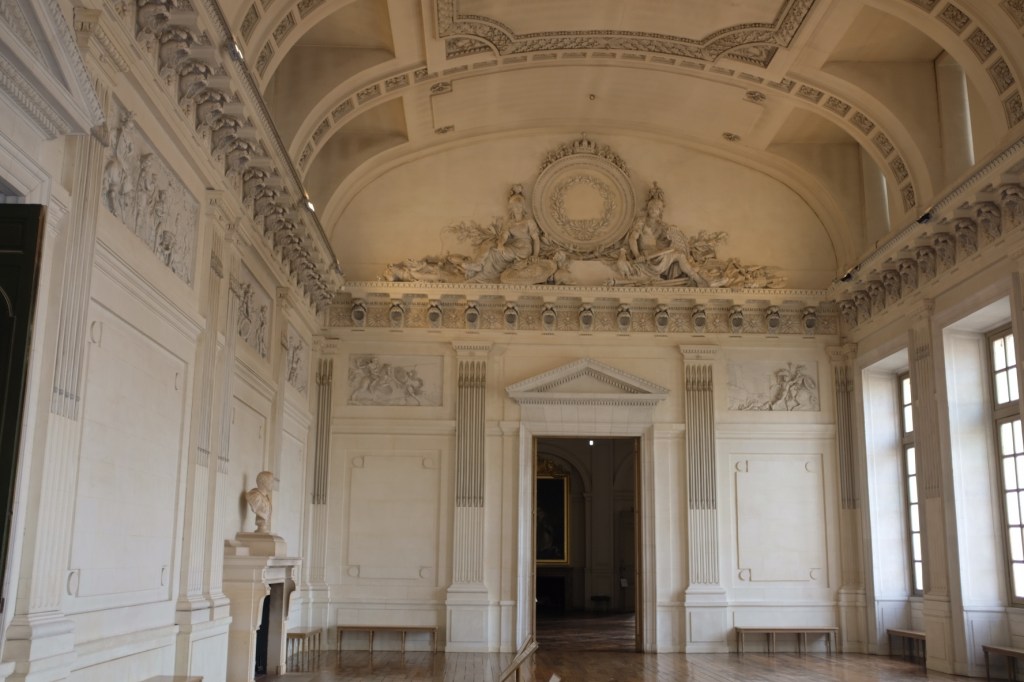
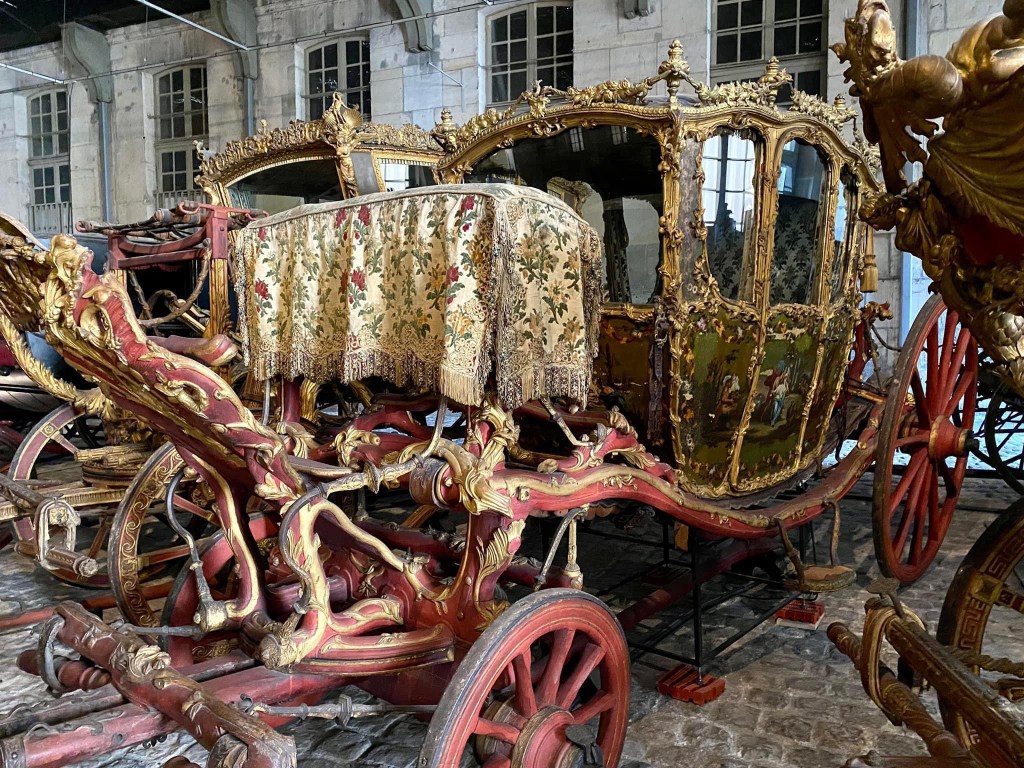
Napoleon’s bedchamberThe bedchamber of Napoleon’s second wife, Empress Marie LouiseThe ballroomThe facade of the chateau overlooking the park. The three French windows were in the kings bedchamber built by Louis XV, which became the family room during the time of Napoleon.The chateau also houses a car and carriage museum that Julie chose to explore, while Margaret and I bailed. Instead it was back to the boat to prepare for Peters birthday celebrations.



















 Karen’s Travel Blog
Leave a reply to Peter Suffren Cancel reply