The visit to the Mumm cave educated us a little on the history and production of champagne, but now we were travelling into the heart of the area we discovered there was a lot more to learn, other than just drinking it.
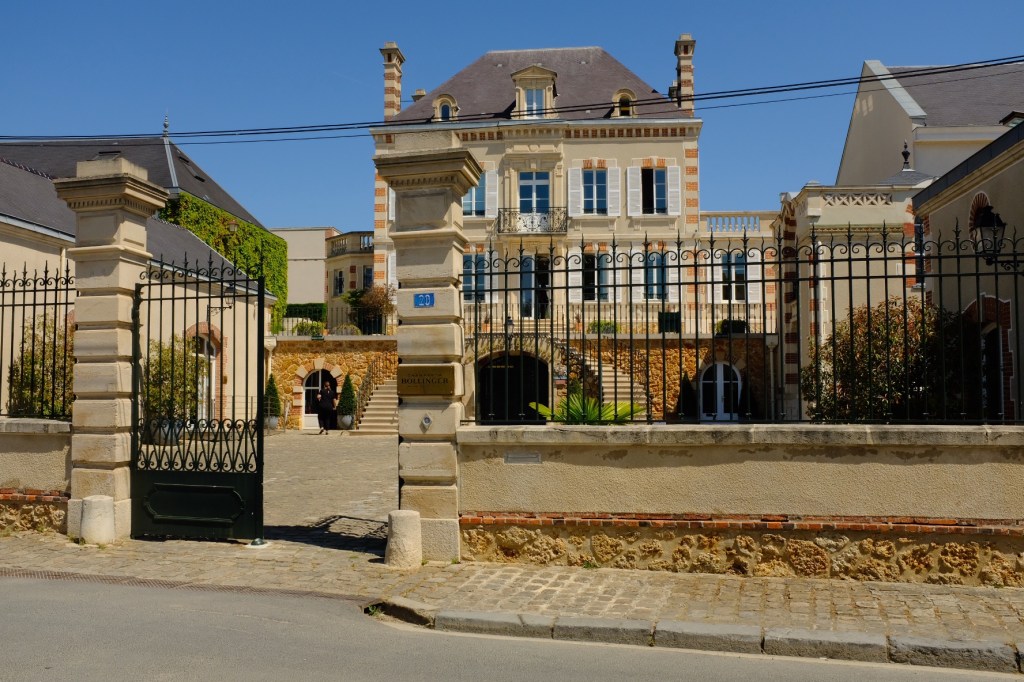
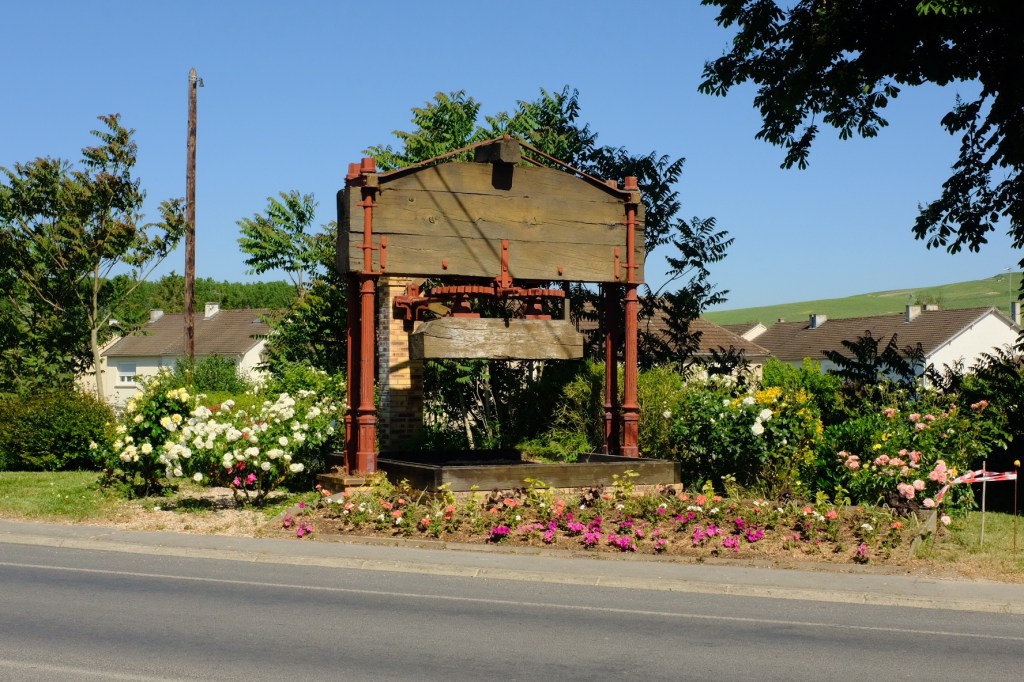
The vines prefer a south facing slope to enjoy the continuous heat of the sun. The vines are kept low to the ground as this is where most of the heat is from. To make champagne the following varieties are used, Pinot noir, Chardonnay and Meunière. The harvest is dependant on the weather. Last year they harvested in August as there was an early hot summer in Europe. This year due to the cooler spring they expect to harvest in September. I won’t go into the details of how the wine is made. I’m sure this would bore you to death. However with over 100 champagne houses and 19,000 vine growing producers in the area I thought you might like to know how to identify the type of champagne producer that you get your bubbles from. All bottles have a 2 letter abbreviation followed by an official number.We purchased champagne in Tours sur Marne from a small family owned establishment. The abbreviation on the bottle is RM, Récoltant manipulant. A grower who makes wine from their own grapes. When visiting the towns, these are the houses that we look for. The wine is reasonably priced (around €20 a bottle) and you have the opportunity to experience different tastes.The majority of larger companies buy the grapes and produce the champagne. These bottles are marked NM, for Négociant manipulant. By the way this is the house of Bollinger in Ay.
The other most common abbreviation is CM Coopérative de manipulation. Cooperatives that make champagne from the growers who are members, with all the grapes pooled together. There are also abbreviations for champagne sold under supermarket labels or under a wine shop label.
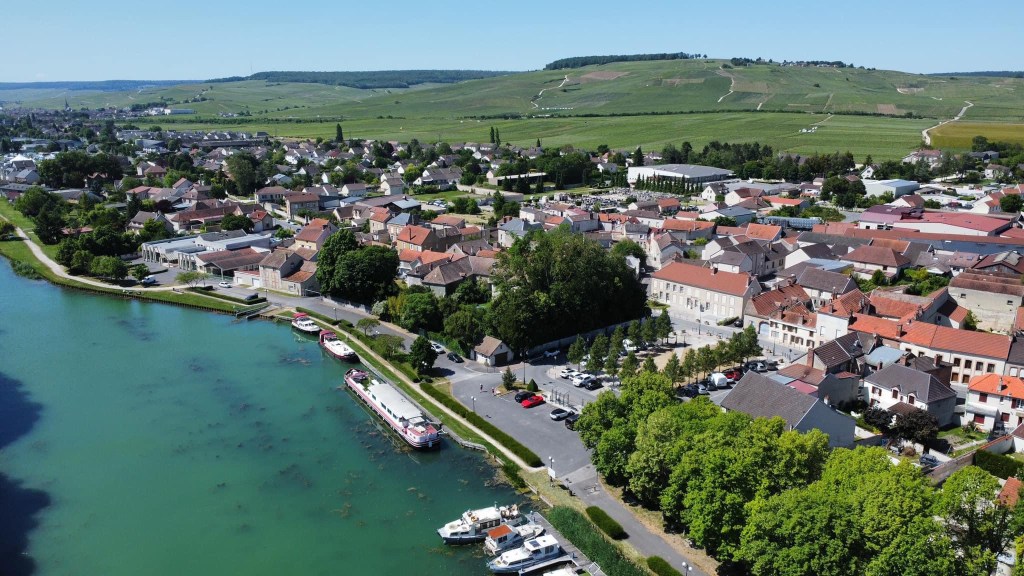
Our fist stop on this part of the canal was at Tours sur Marne, a village surrounded by Grand Cru vineyards. To achieve this classification the vineyard must consistently produce the highest quality grapes. This is the highest classification.
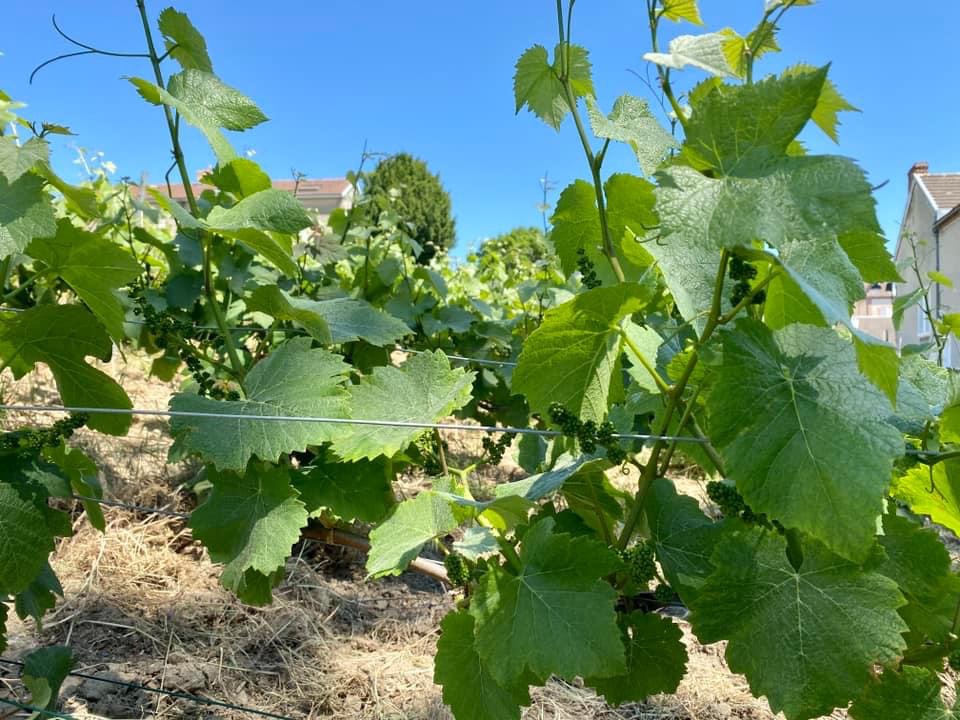
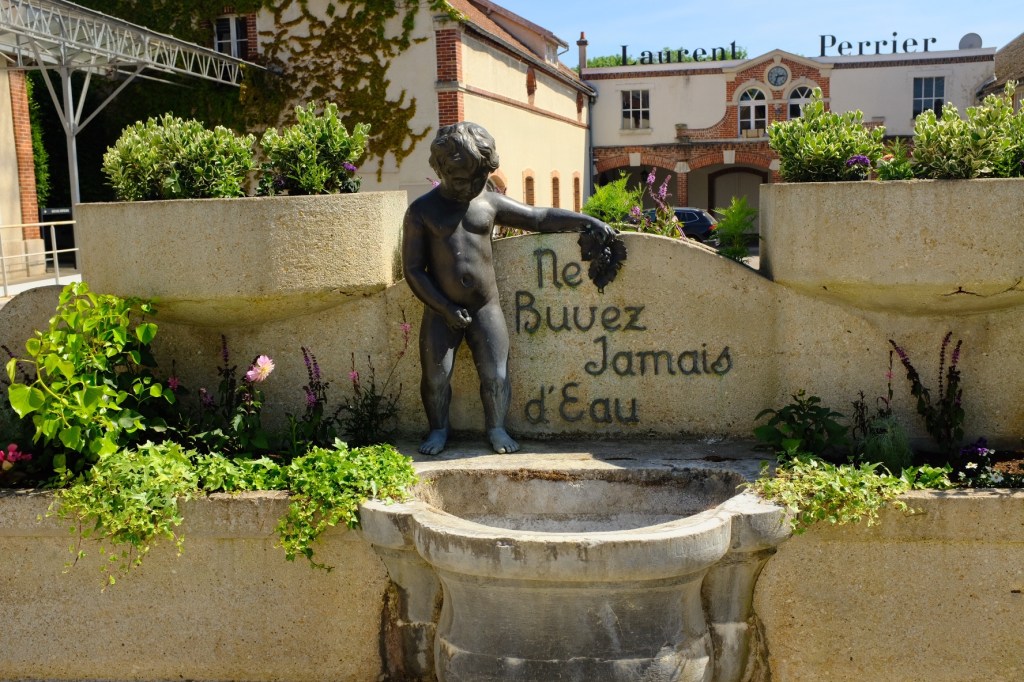
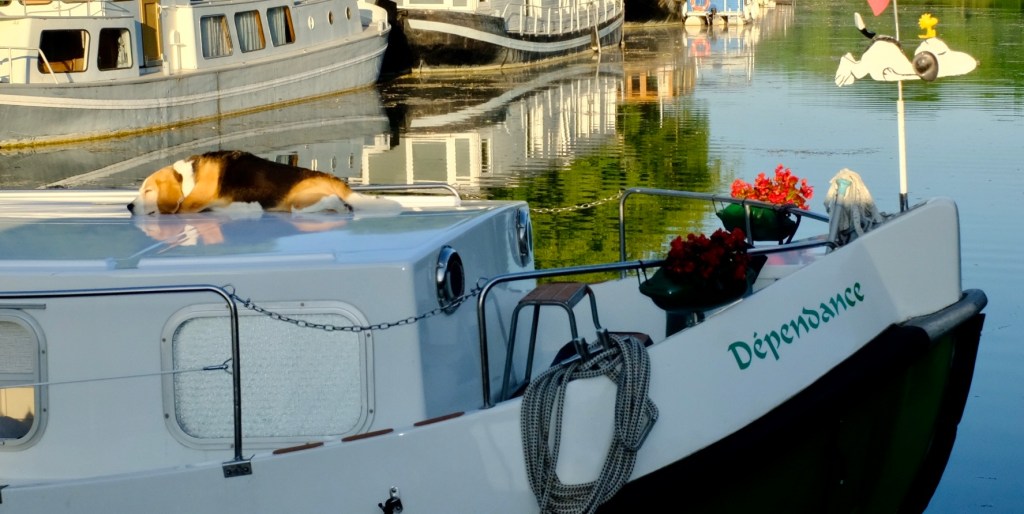
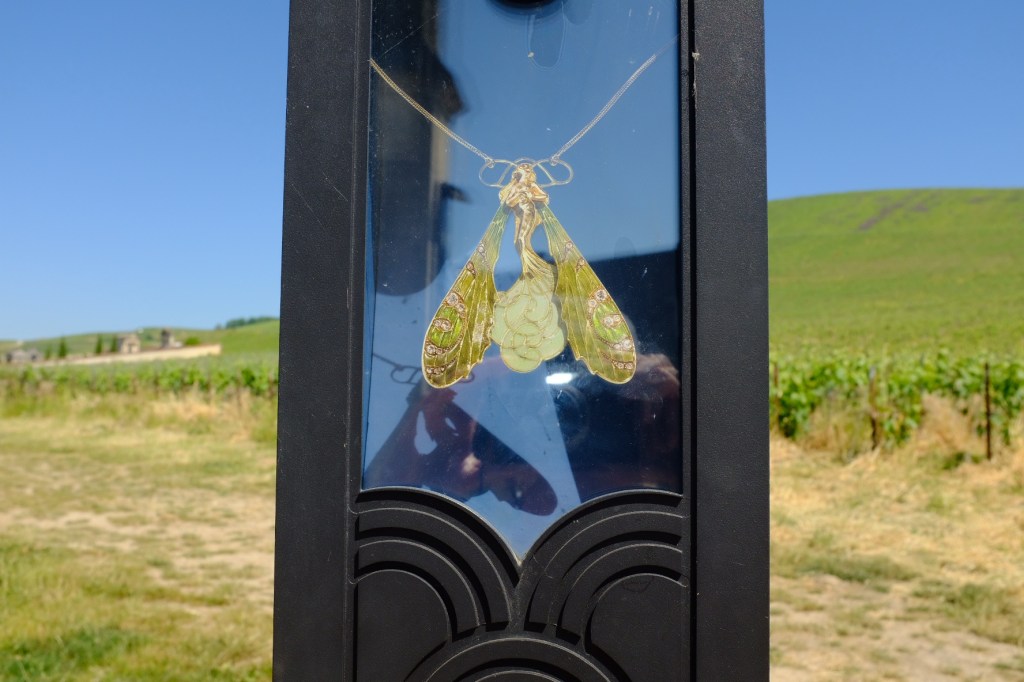
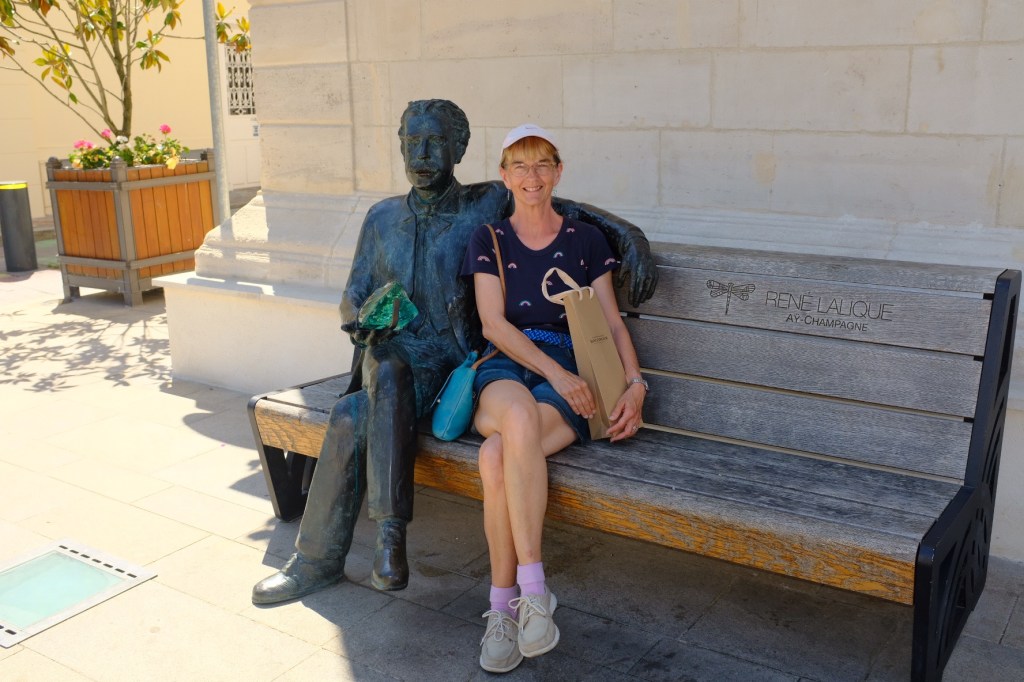
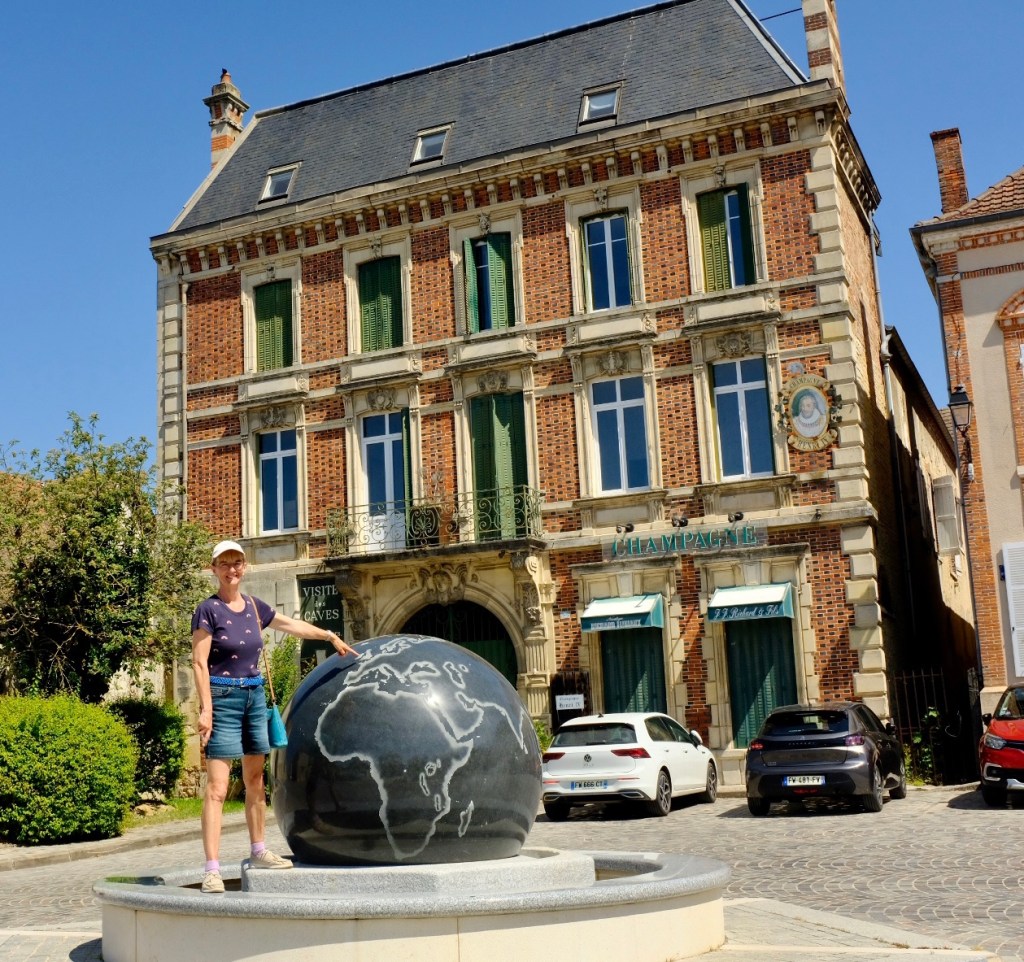
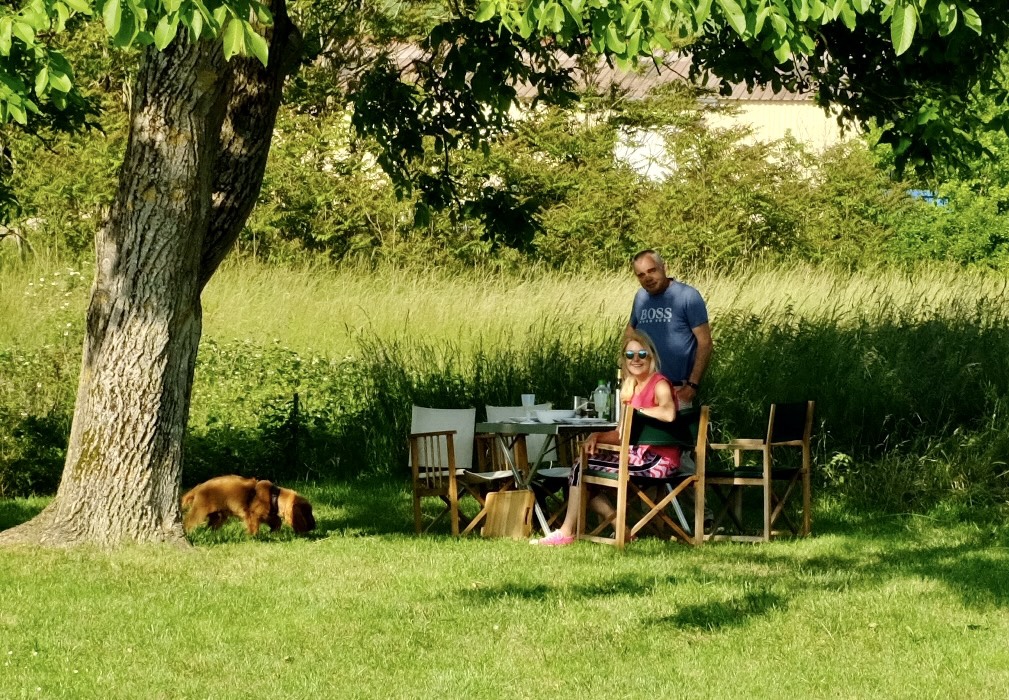
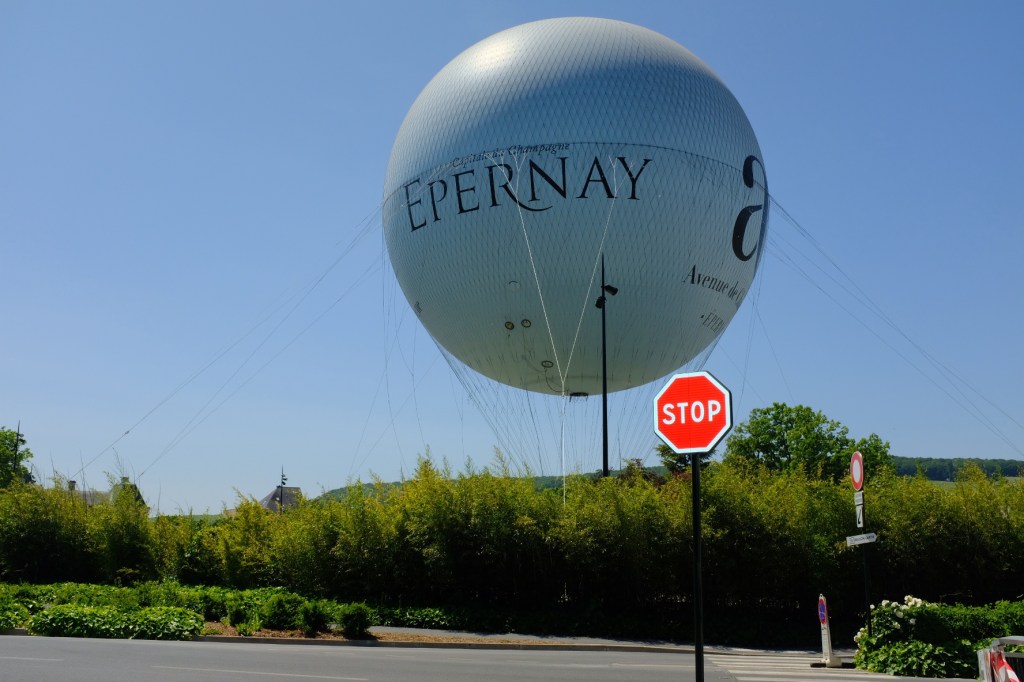
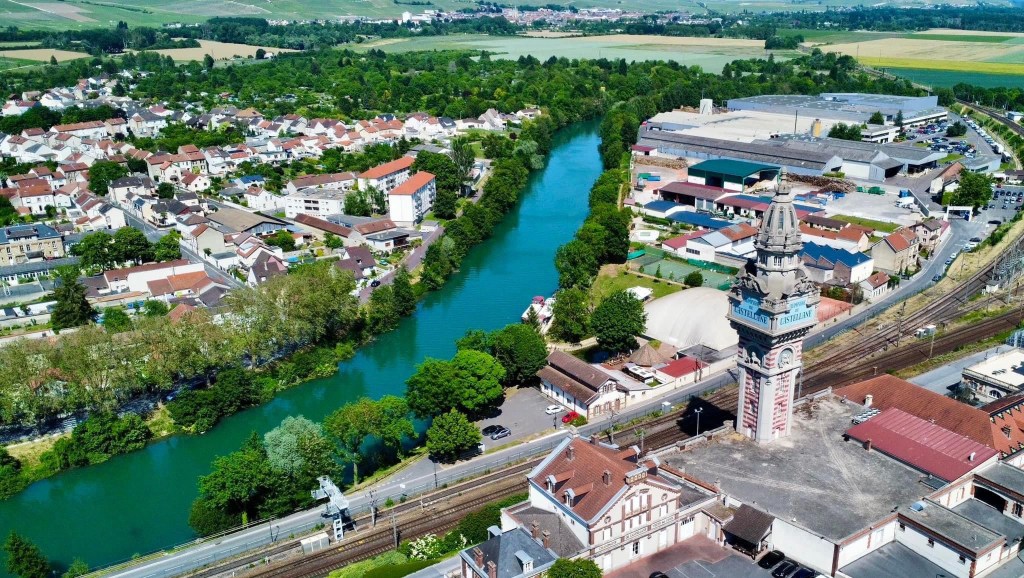
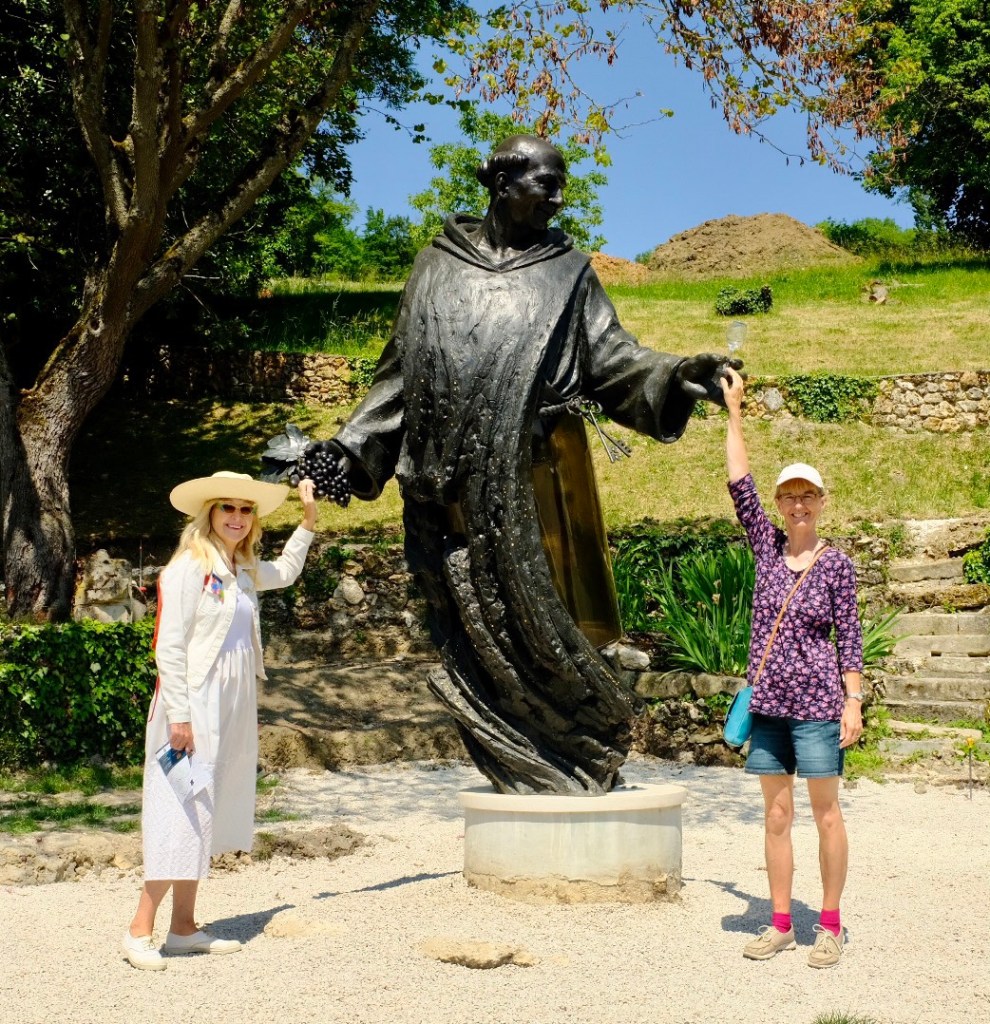
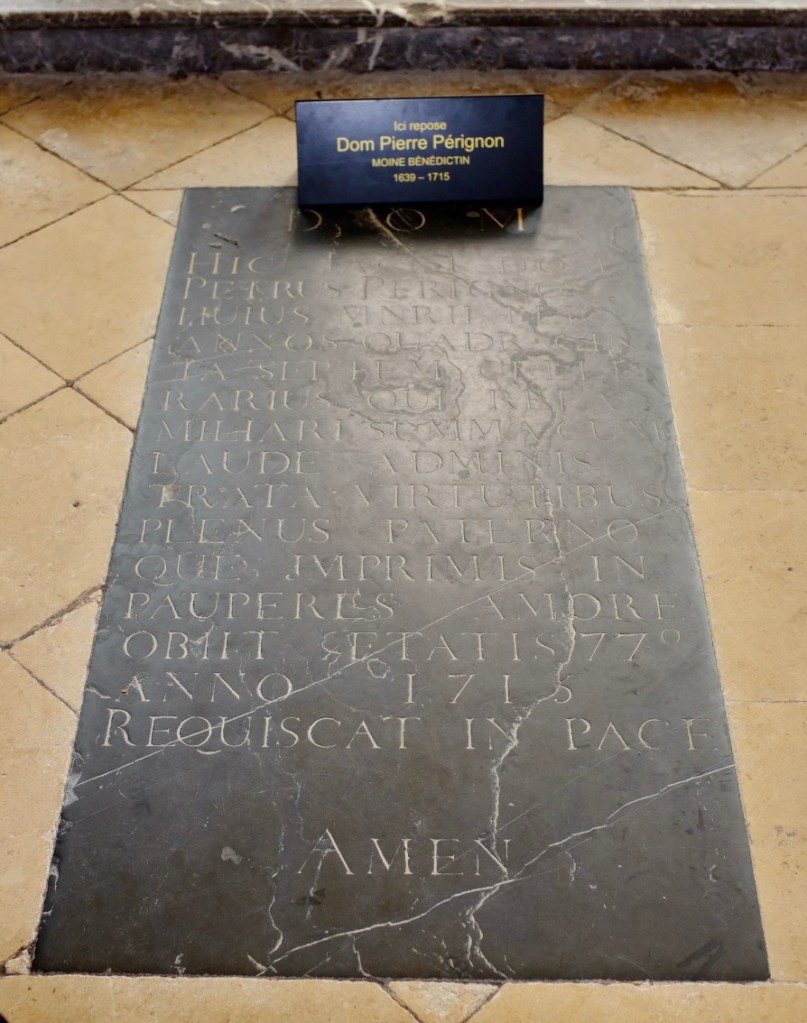
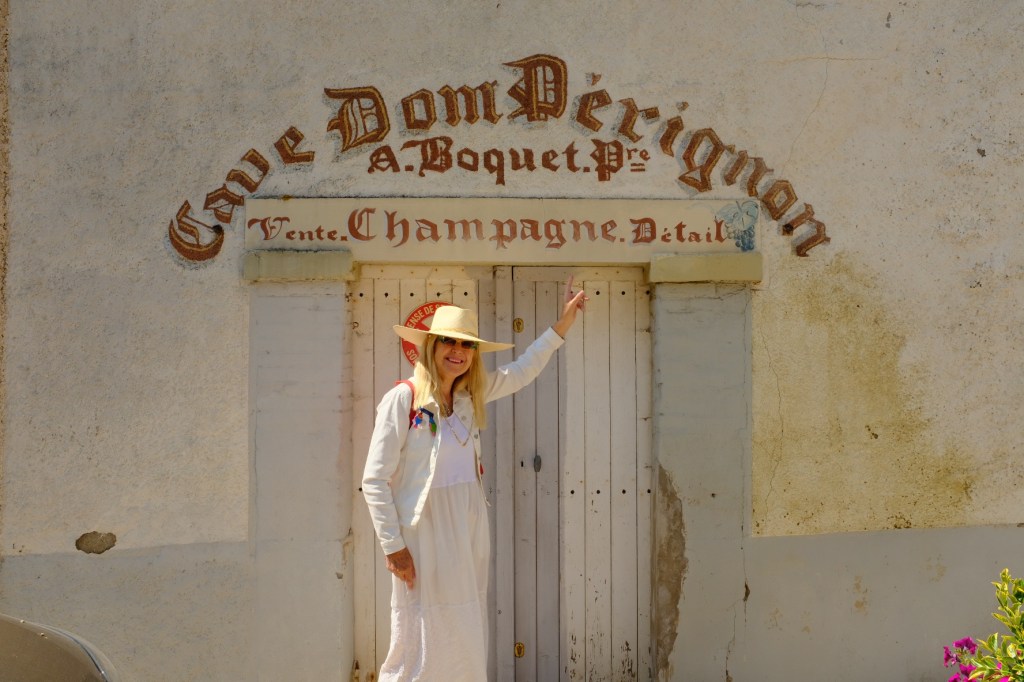
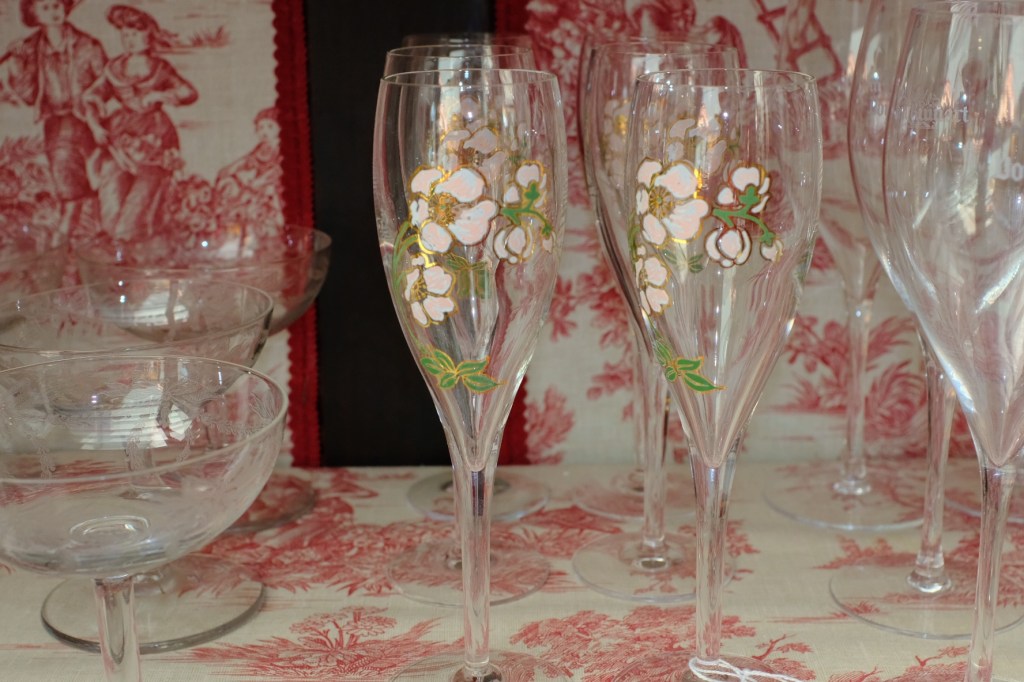
The grape vines. The little green drops are not baby grapes but the buds waiting to burst into flowerA wise recommendation, never drink water!Mareuil sur Ay. The vineyards around this village are classed Premier Cru, a step down form Grand Cru. This is home to Billycart Salmon, a winery that Peter rushed me past! Instead we found a small tasting room and bought champagne for €20 a bottle. Even delivered to the boat!Our next door neighbour in the marine enjoying the afternoon sunIt was only 5kms down the river to our next stop, Ay. This village is renowned for it Grand Cru vineyards and was apparently where many royals, including Henry VIII purchased his bubbles. It is home to Bollinger and the birthplace of Rene LaliquePlaques through the town tell the story of Lalique, and his family who owned vineyards in the area. A lot of his inspiration for his jewellery was derived from the insects and flowers that were scattered in his home villageAnd it was picnic time at our mooring in Ay. With no electricity to power the air conditioners we retreated to the shade of the trees to avoid the heatAt the next lock we left the canal and were now on the river Marne. First stop was Epernay and a warm welcome from the harbour master. Included in the mooring fee was a champagne tasting at 6pm that evening and free tickets for a tour and tasting at the Castellan cellars that were adjacent to the mooringThe water tower at Castellan in the foreground, never fulfilled its destiny to deliver water. Today it is a landmark in Epernay The Avenue de Champagne is home to many prestigious houses and as you walk along the streets of Epernay you are actually walking over kilometres of champagne cellars containing over 220 million bottles of champagneAt Epernay we welcomed on board our friends Robin and Phil Mellet. Other than another unsuccessful attempt at fixing our cabin lights, with access to a car Phil drove us up the mountain to the pretty champagne village of Haut Villiers, where the famous Dom Perignon lived.His home was in the Abbey of St Peter which existed in this village until the French Revolution. Rather than inventing champagne he worked hard to improve the quality. The invention myth was a production of one of his successors in the 19th century developed to promote the village and the churches prestigious association with champagne. And even today the village is an important tourist trap. The statue in the photo was created in 2022. This bronze integrates a very large glass champagne bottle into the figure’s lower portion as well as a motif at its base which represents the trunk of the grape vine. The two cellar keys hanging from his belt sash represents the coat of arms of the village.The grave of Dom Perignon is the village churchA prayer for the day, health for a longtime, work not too often, love from time to time, but champagne all the time. Mmmmm…. have to agreeSurrounded by vineyards the views were spectacular The underground cellars, used for storing and fermenting the champagne, were built in the late 17th century and are some of the first cellars specifically dedicated to storing champagne.A visit to the Castellan cellars completed our tour of the Epernay areOh and a generous purchase of vintage Perrier Joulet champagne flutes by Peter ensures the champagne on Joie de Vivre is top of the pops!
Loved reading about and seeing photos of your trip though the champagne region. Most interesting. We’ve just finished 3 great days on the bay for AWKR.










 Karen’s Travel Blog
Leave a reply to Angela Wharton Cancel reply