
After over 3 months travelling north we were finally in reach of Friesland. Our first stop for the night was Etchenerburg a small village on the shores of the Tjeukemeer ( a meer is a lake). With a campsite and marina, the town offers a small supermarket, a few restaurants and a chandler, where I purchased our Marrekite flag. At a cost of only 20 euros this flag allows you to moor in over 3,000 free moorings throughout the province for up to 3 days. As Friesland consists of 24 lakes which are connected with a spider web of canals and channels, there are plenty of opportunities to enjoy a free lakeside setting.
This was an overnight stop only and the next day we cruised to our next destination, Sneek.
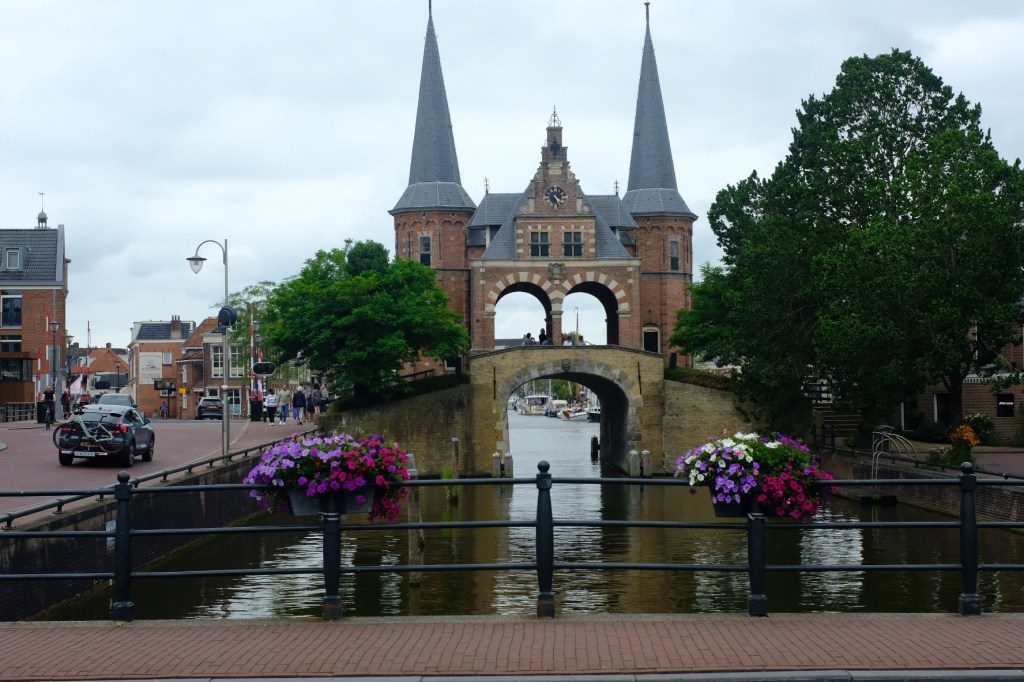
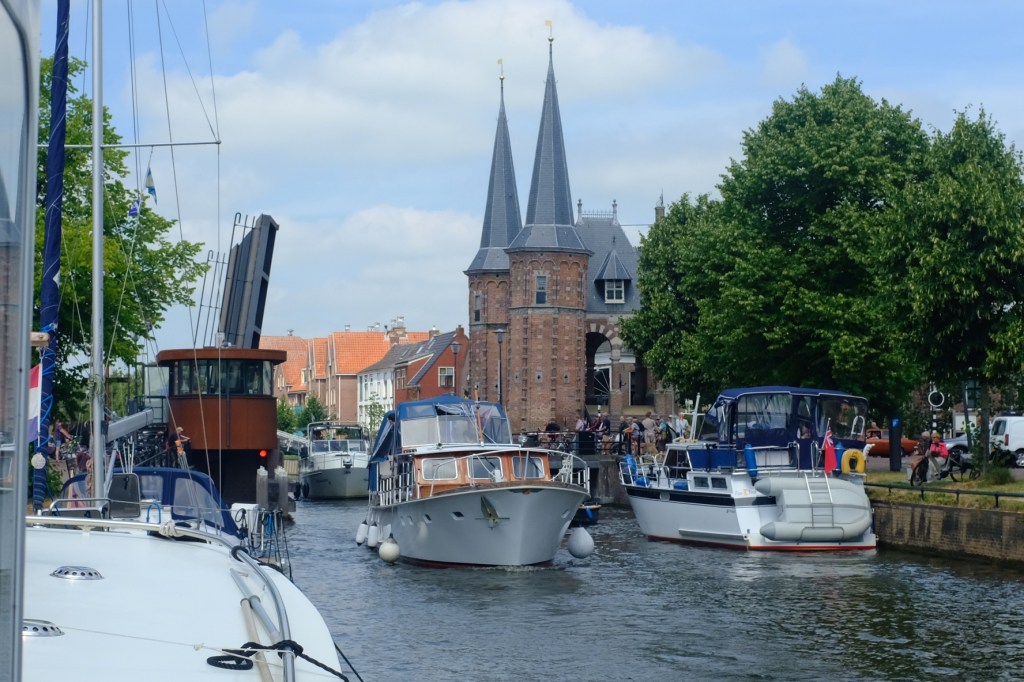

Today Sneek is a watersports centre with the major annual event held each August, Sneekweek, that brings together sailors and of course party goers from all over the country. Part of the celebrations include the Skutsjesilen or Dutch regatta. Schuitje sailing is a Frisan sailing sport, the skutje being the name of the typical spritsail barge. In this year’s program 14 boats are competing in 11 races held in various towns throughout Friesland. The final race will be run on the lake just outside Sneek (the Sneekmeer) on the last day of Sneekweek, with the champion of the year being announced. These racing boats are based on the design of the boats historically used to transport cargo and as ferries.

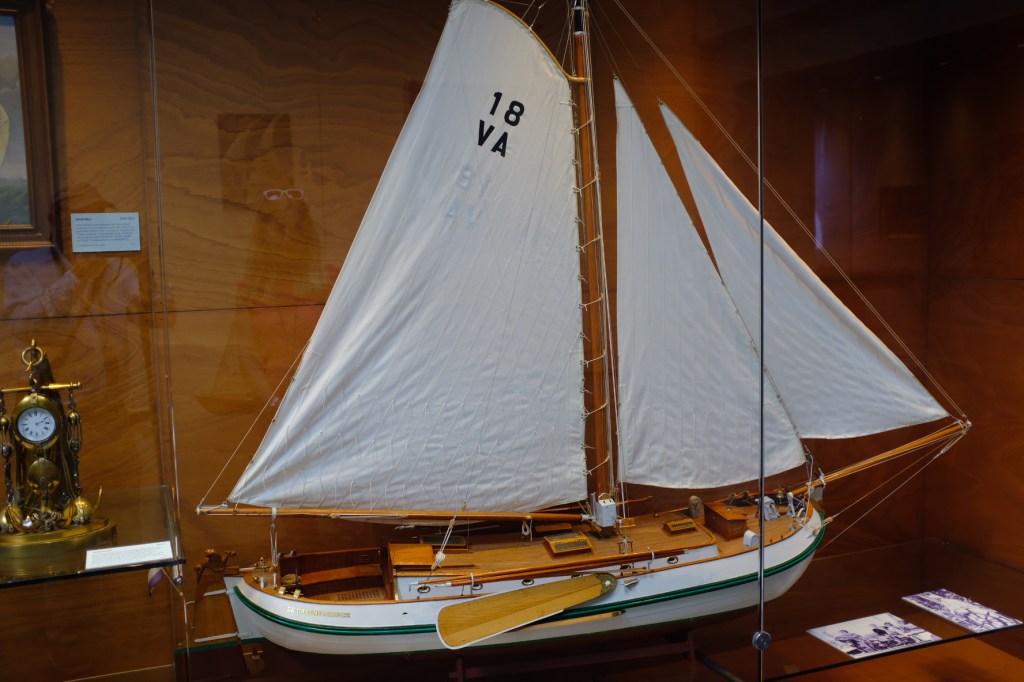
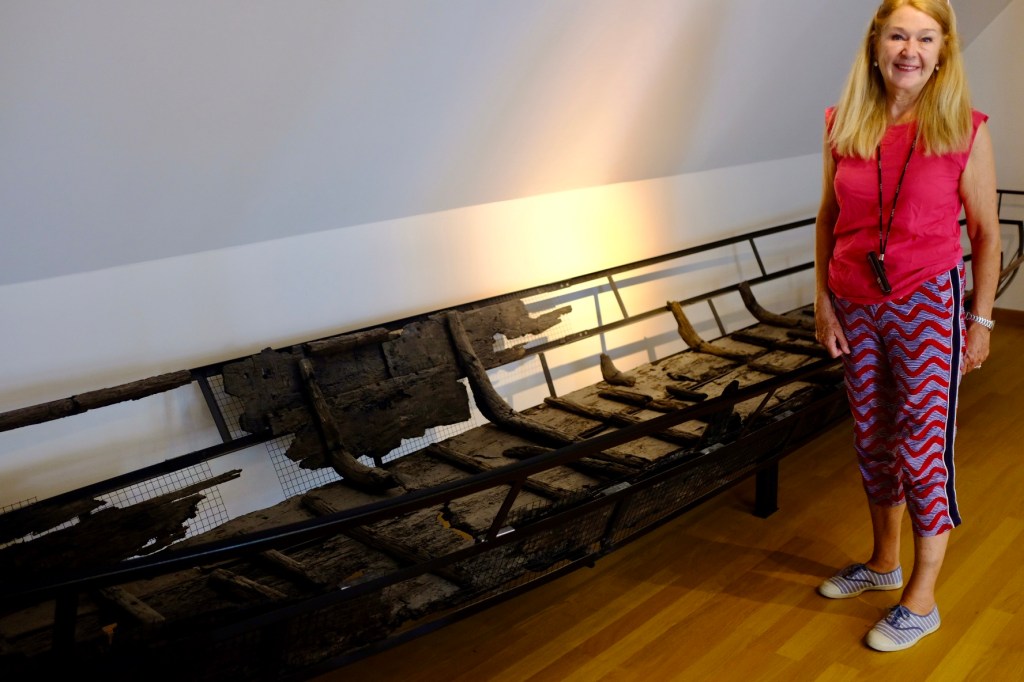
The museum in the town, of course, focuses on the history of navigation and ship building and contains a magnificent collection of model boats


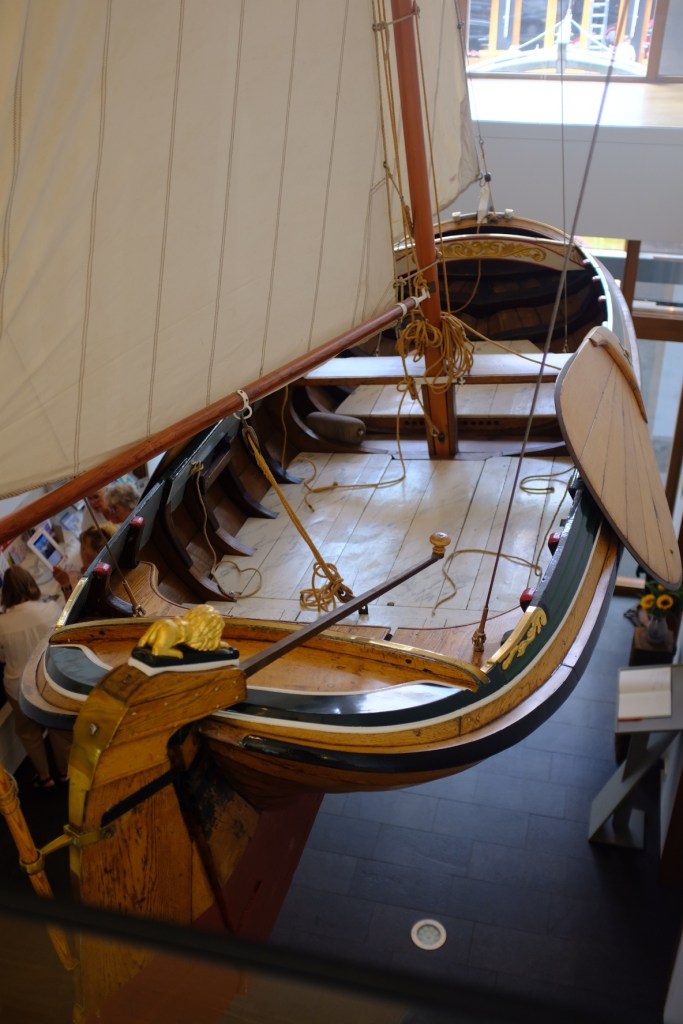

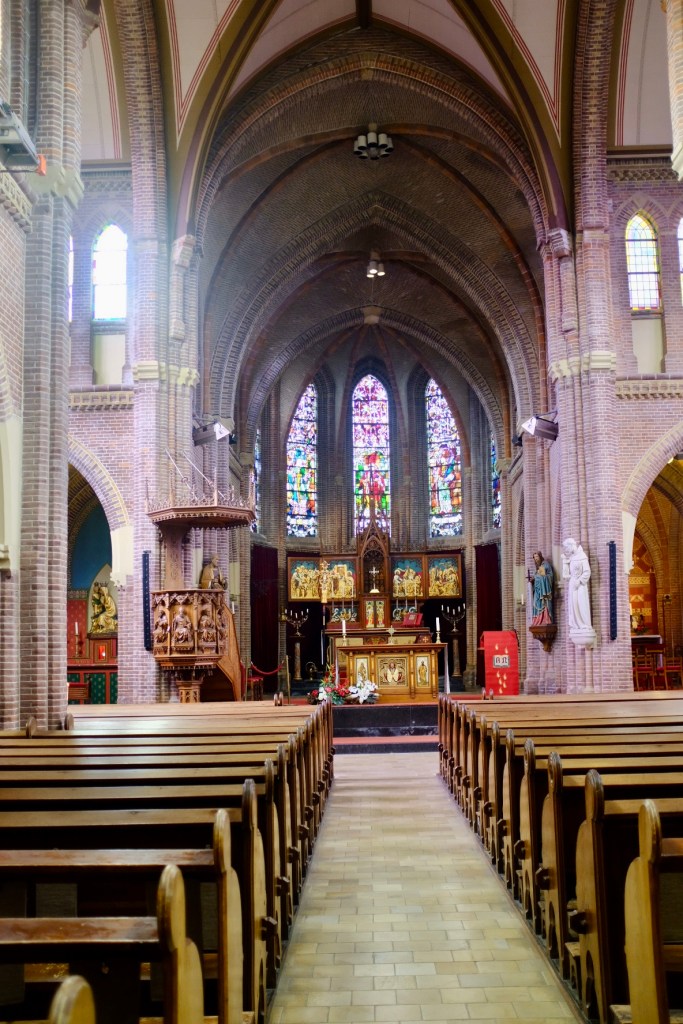
The final day of the Skutsjesilien might be celebrated in Sneek, but this racing regatta commences in Grou, the next town on our agenda. Traditionally a village of fishermen, sailors and farmer it is situated on a peninsular that could only be reached on water, until a road was built in 1842. St. Pieterchurch, named after the apostle, Peter, the patron saint of fishermen is central in the village. Every year St. Pieterfest is celebrated in February, instead of Sinterklaas in December.

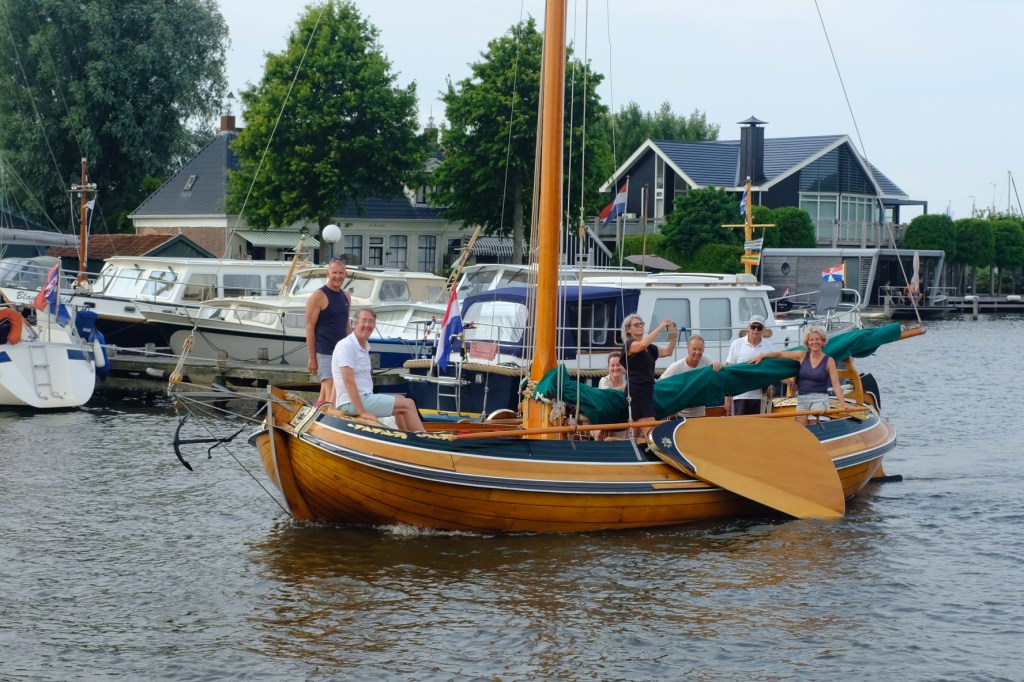


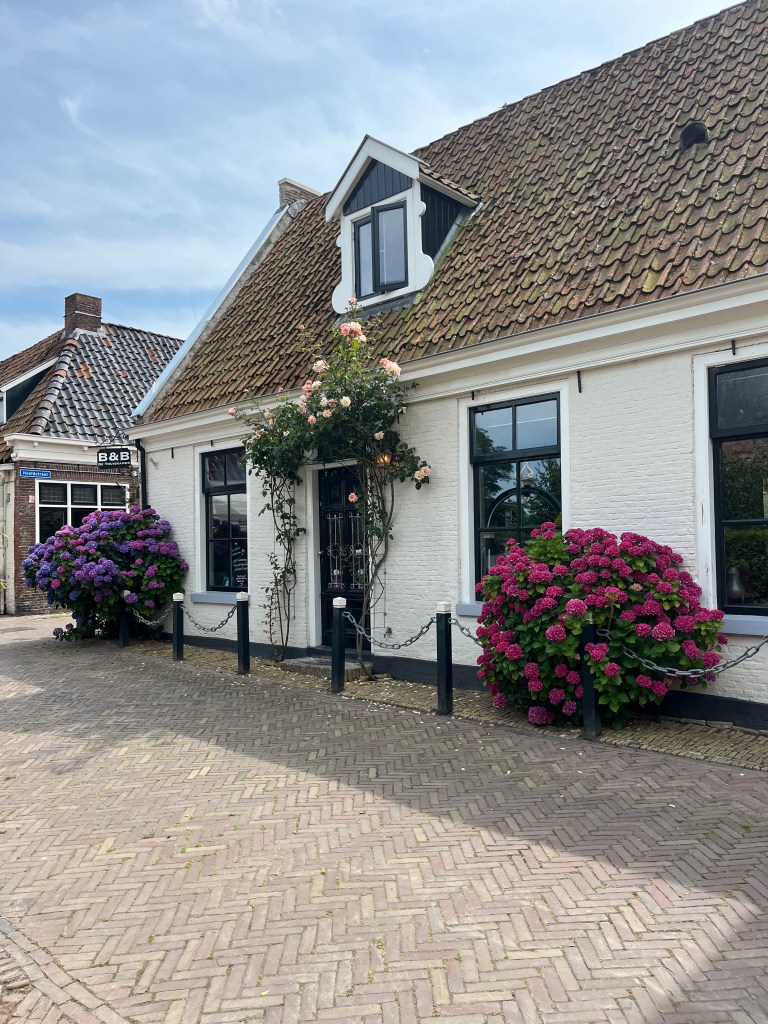
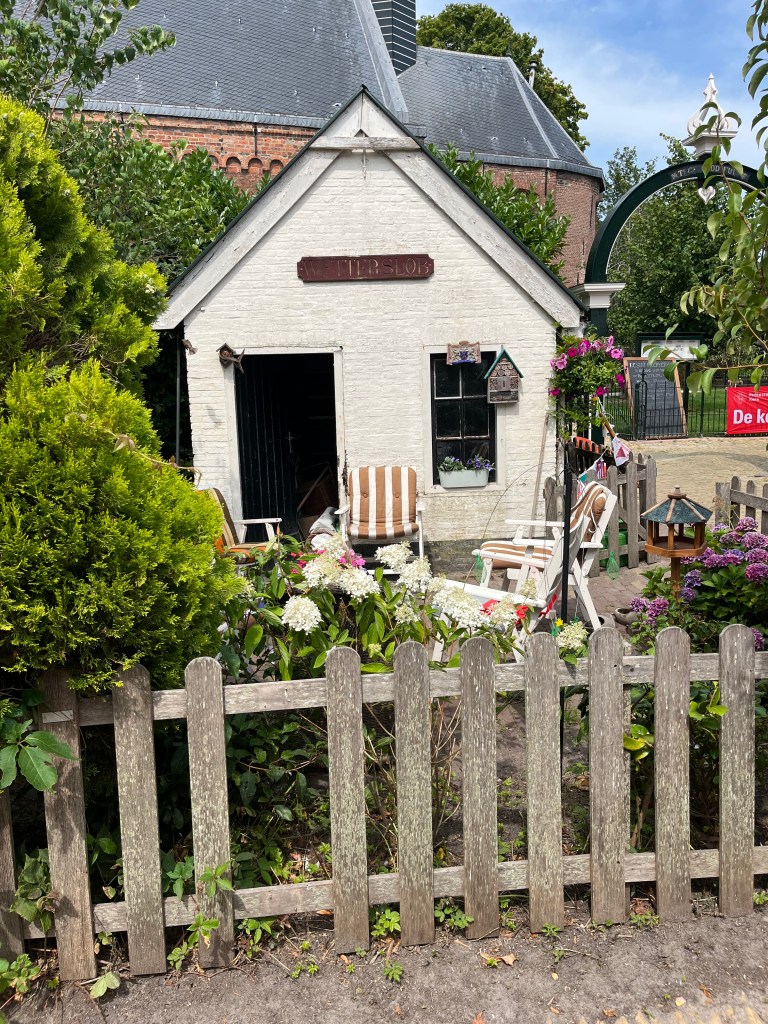

We moored outside the hotel, the deal is to eat dinner there, so that saved the cooking for 2 nights!
Only 2 hours away by boat is Leeuwarden the capital of Friesland. In 2022 we only cruised as far north as Leeuwarden, before turning around and heading south. This year we were earlier in the season, so we had a lot more opportunities to explore further afield. We would return to Leeuwarden over the next few weeks, as this was our gateway to the south. This culturally mature royal city was built in 3 man made mounds and being situated on the Middlezee, that flowed into the Waddenzee. It was an active centre of maritime trade until the Middlezee silted up in the 13th century. Leeuwarden maintained access to the sea via the canal to Harlingen.
We moored up outside the Oldehove, which is one of the city’s most important symbols. You’ve heard of the leaning tower of Pisa, well this is the leaning tower of Leeuwarden
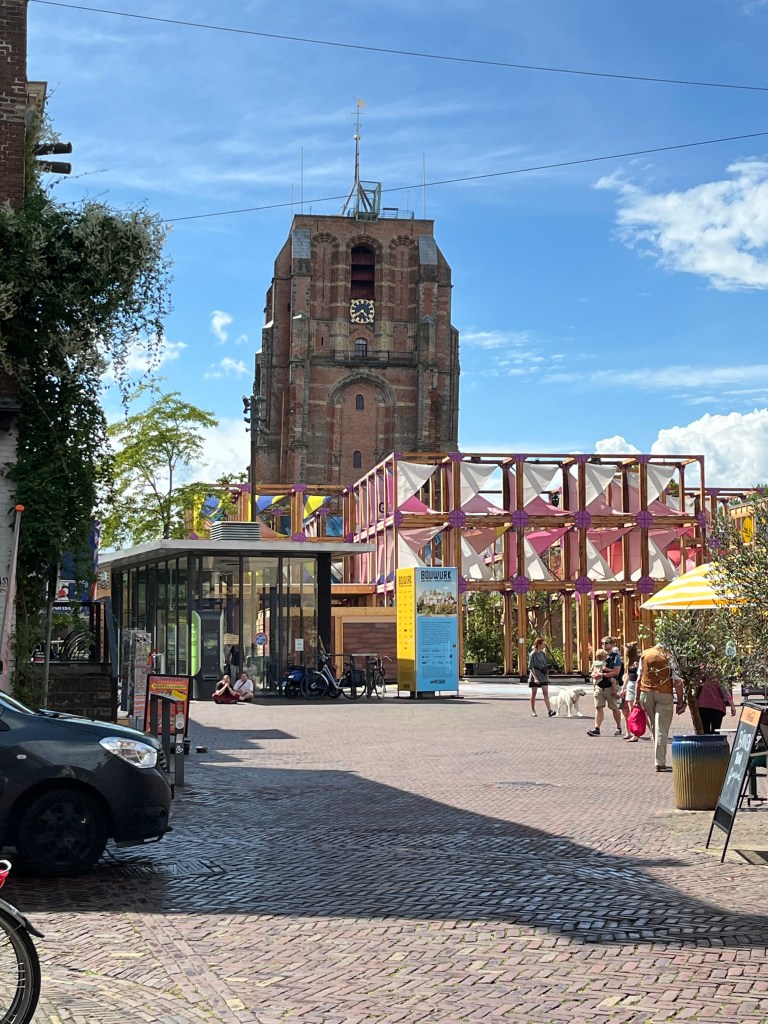
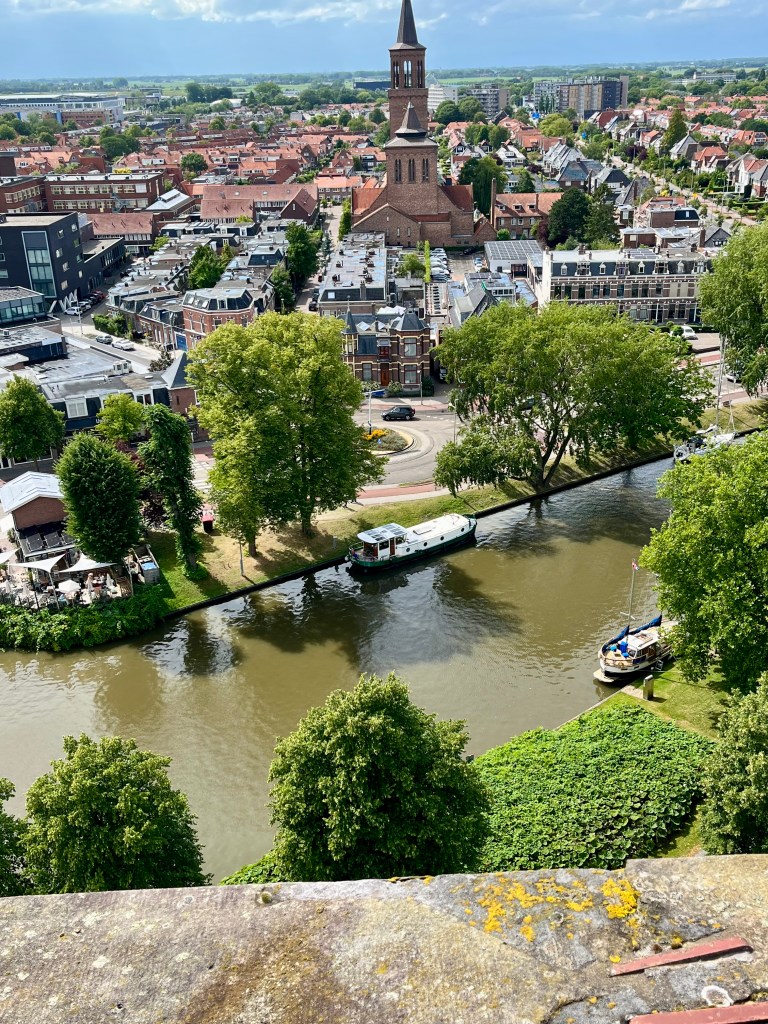
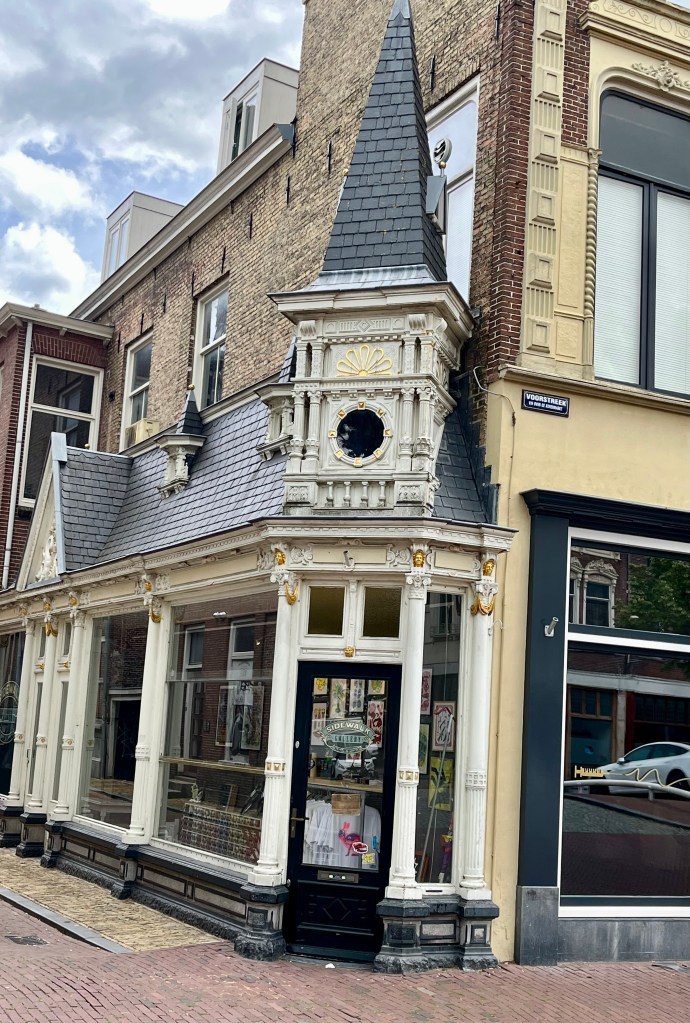
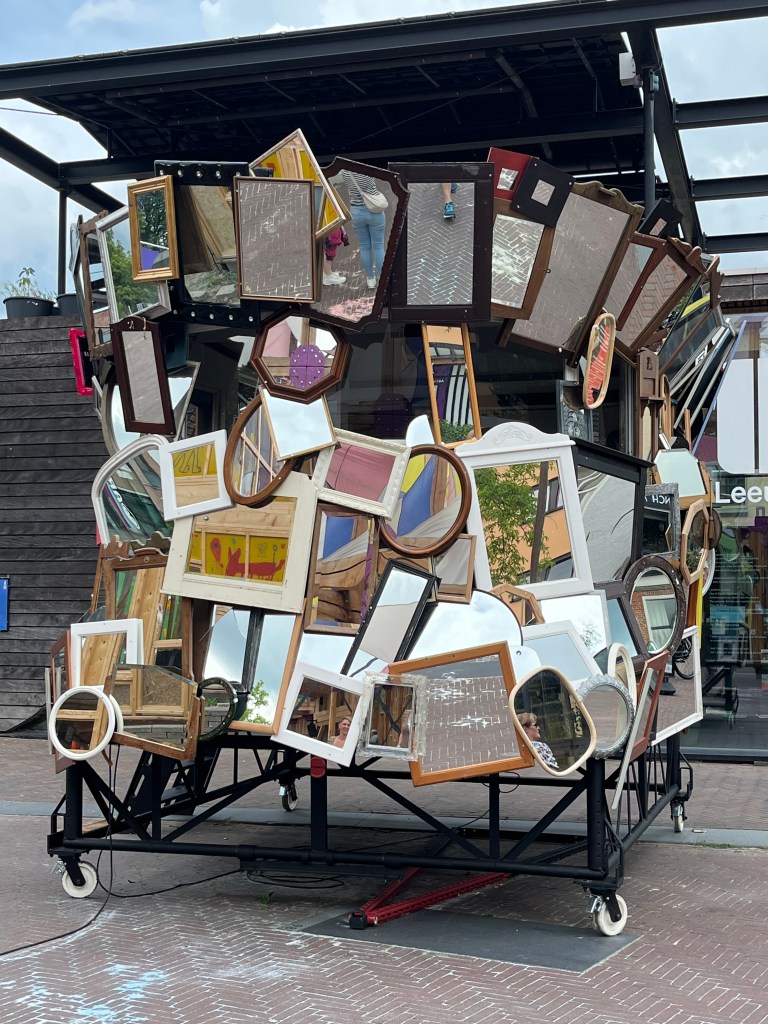
With a number of museums in Leeuwarden, the city is recognised as the cultural capital of Friesland. We found the little train, that gave us a good insight into both the ancient monuments and modern influences.
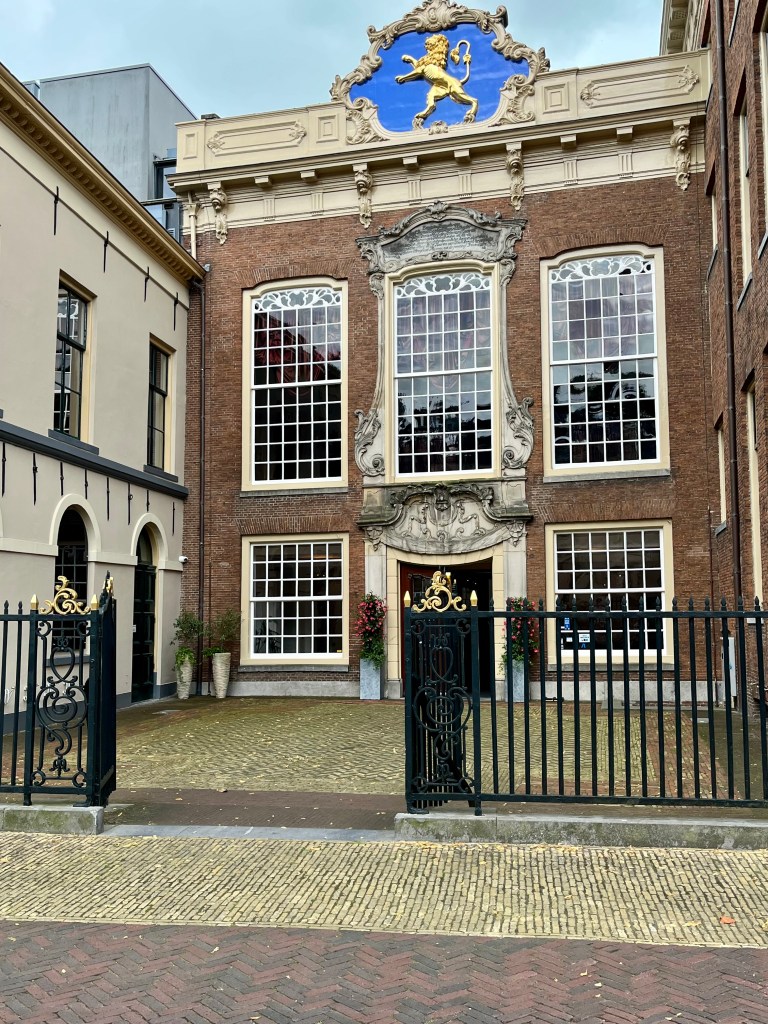


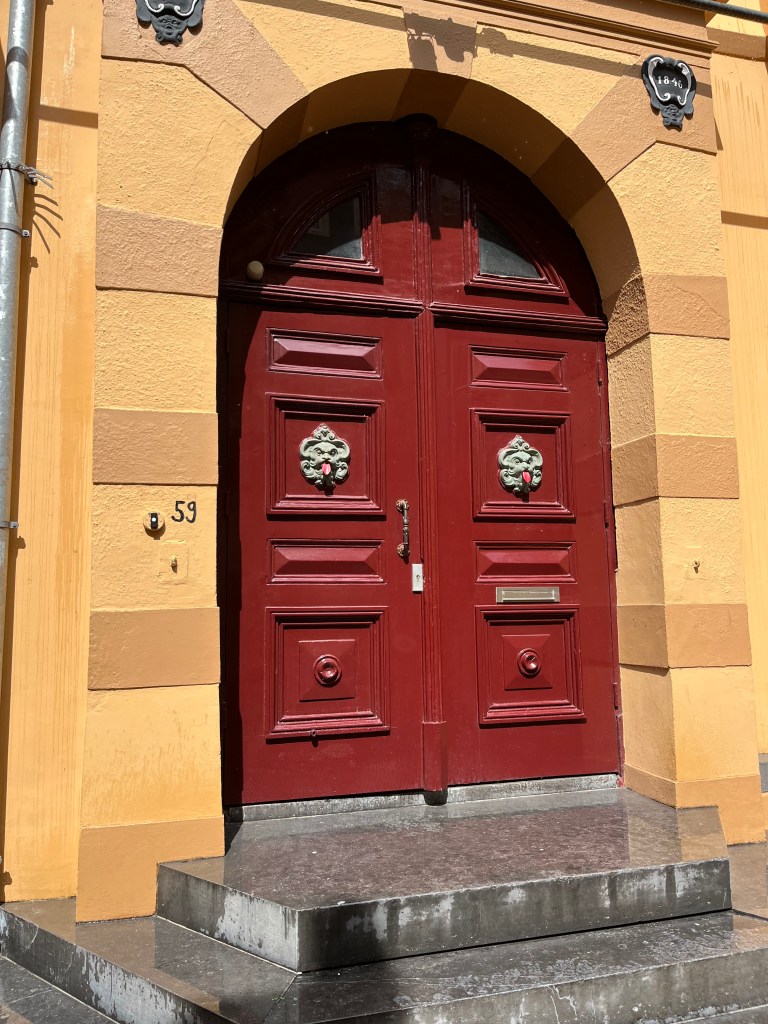
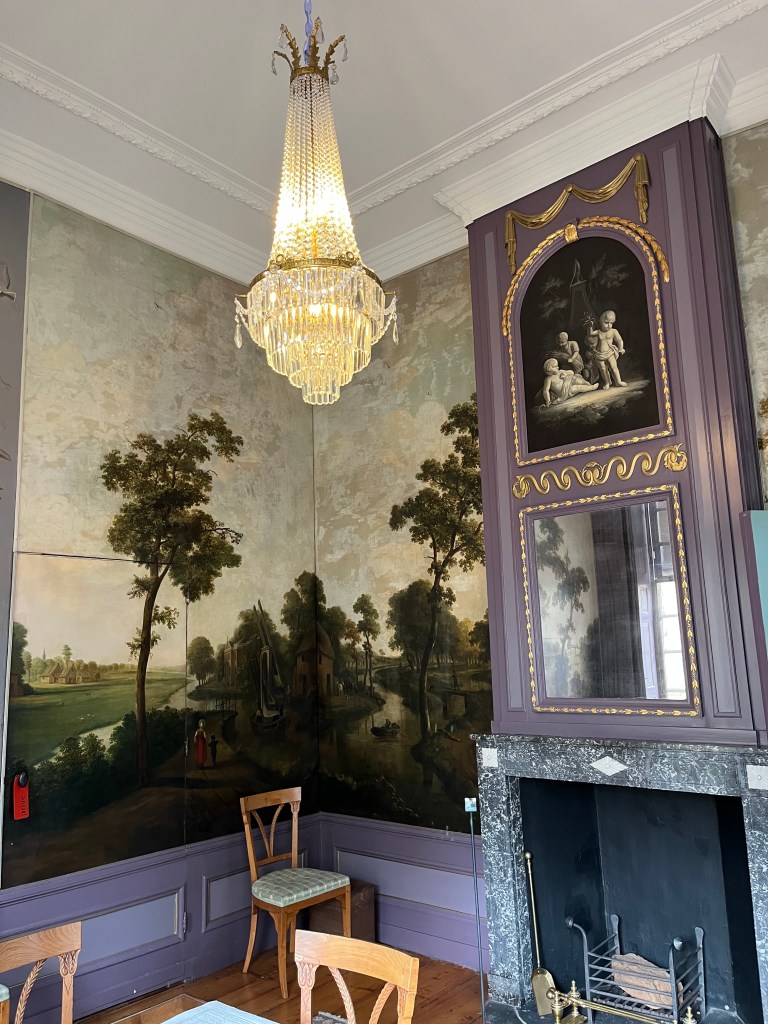
I choose to visit the Huis van Eysinga, which is managed by the Henrick de Keyser foundation. This house built at the end of the 18th century by Frans Eysinga, a canton judge. At the end of the 19th century the house was used as a museum, until it moved to a new building in 2013. Today it is a museum house, where you can experience how the nobility lived in the 18th century.


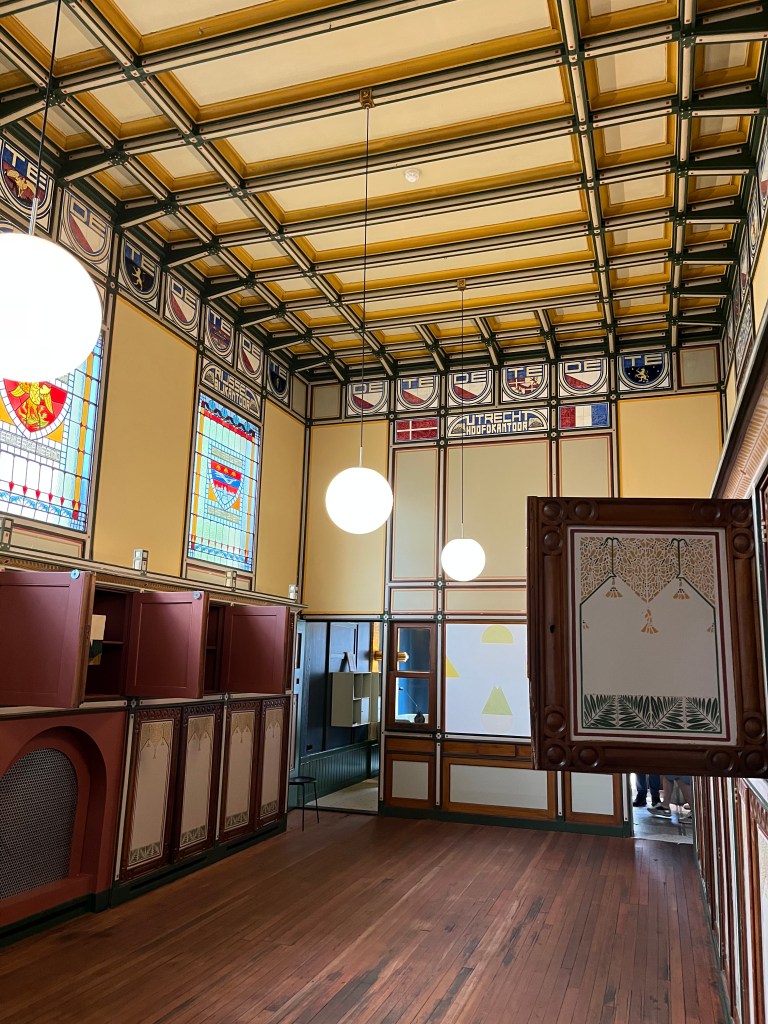
I discovered a hidden art nouveau gem, the Utrecht insurance building and was given a private tour.


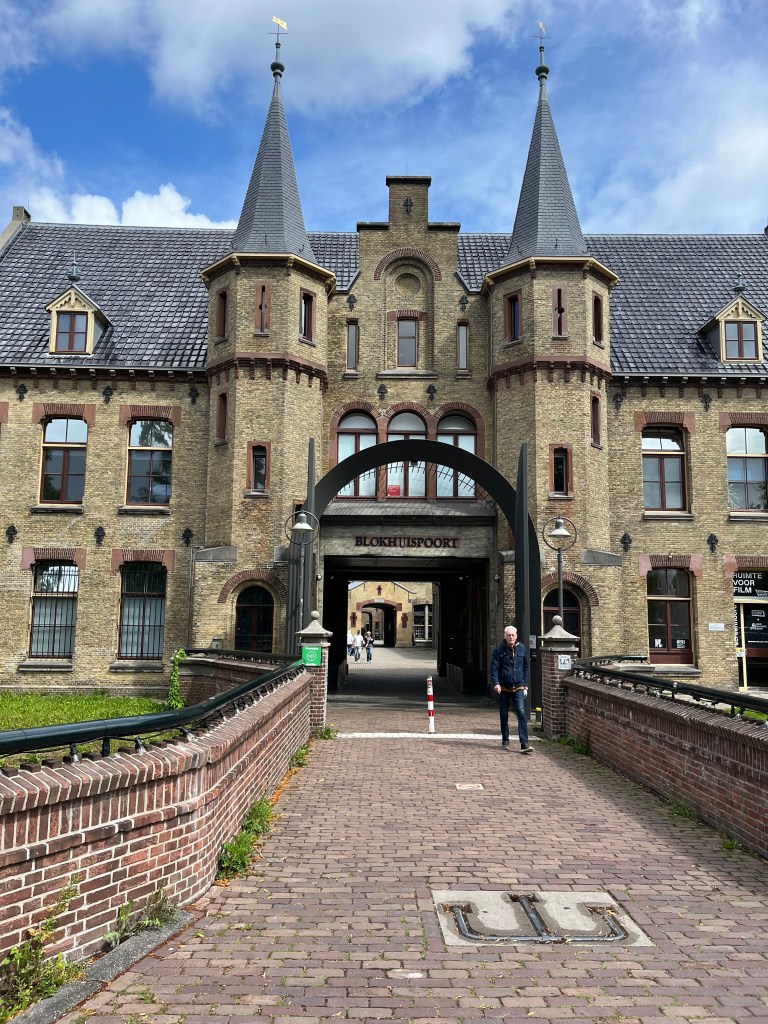
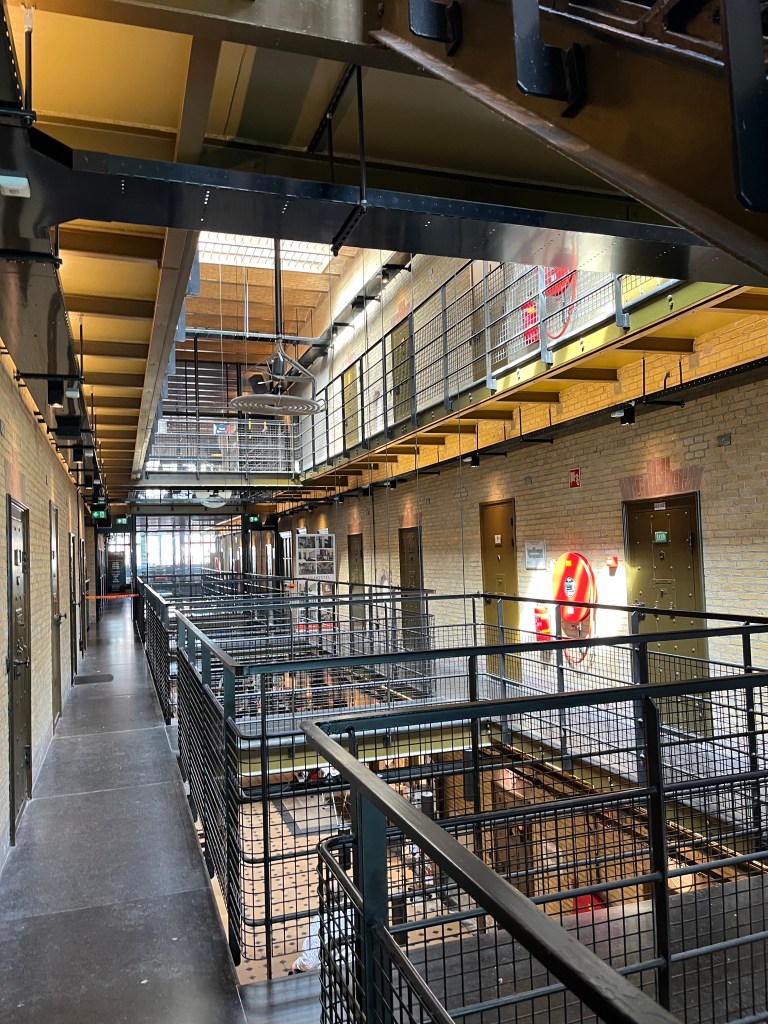
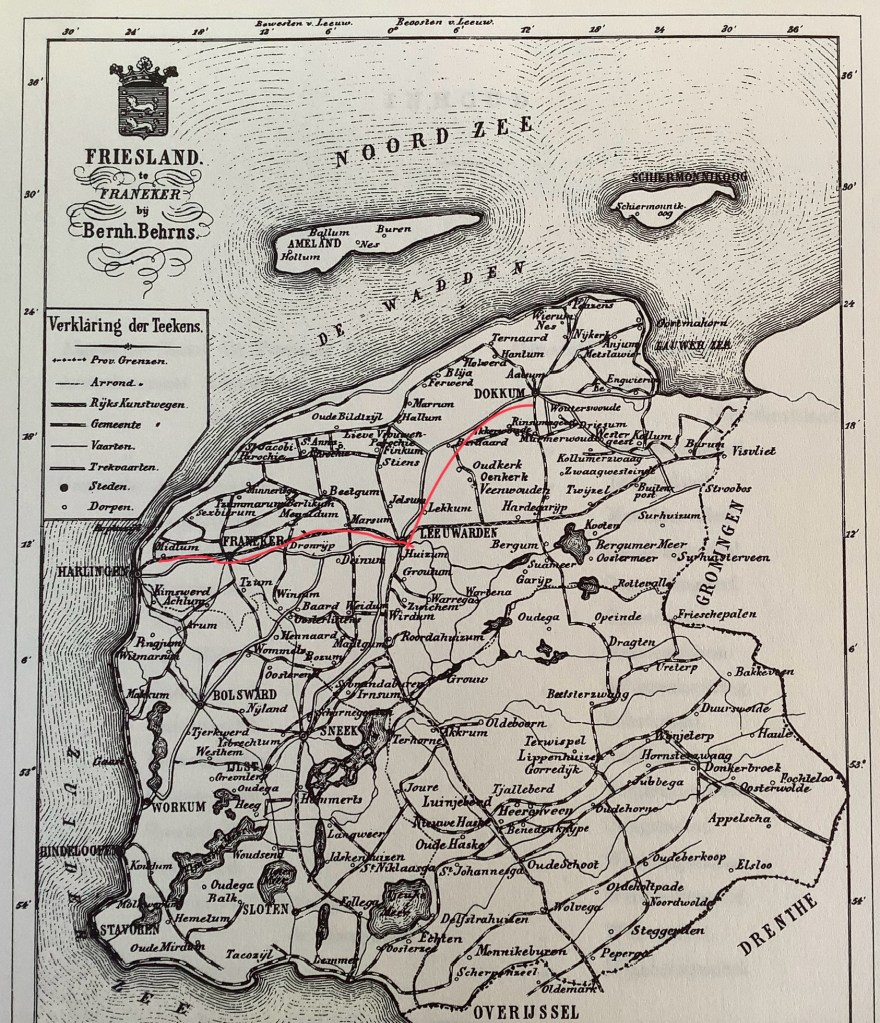
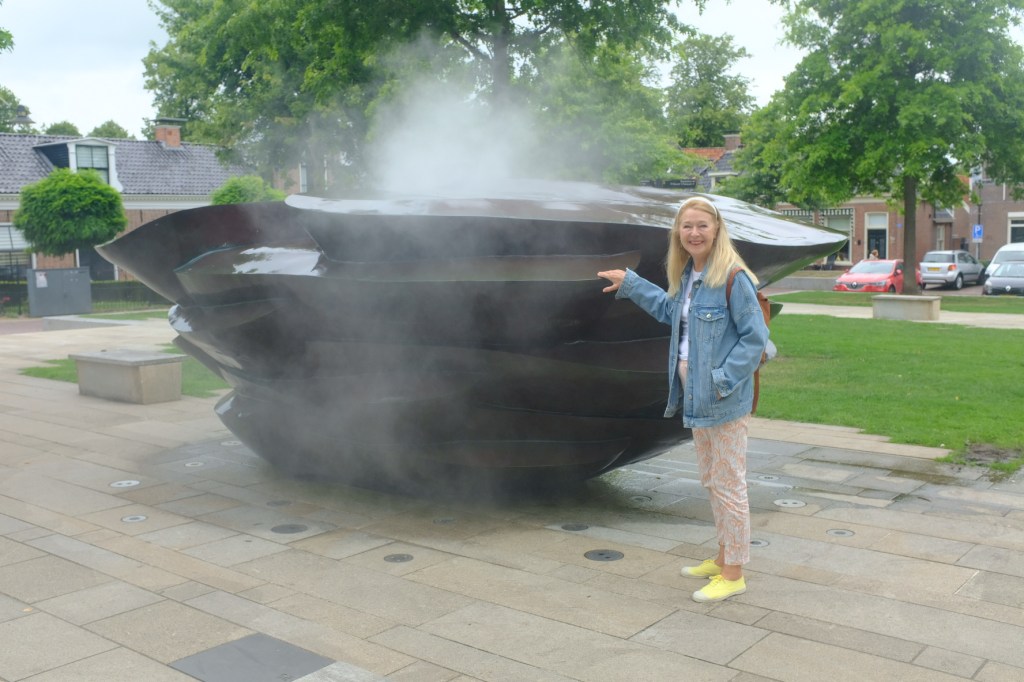
From Leeuwarden we head north east to Dokkum, the fortress city of the Wadden Sea. The tourist map assured me that I would lose my heart to this grand little town, and I did! The towns claim to fame is this was where the early Christian missionary, St. Boniface met his end. During his 2nd attempt to introduce the heathen Frisians to christianity he was murdered on 5th June 754. This date has become the first recorded historical date in the Netherlands. The town centre was also the turning point for the Elfstedentocht, the 11 city skating race. Despite the race not been run since 1997, the town still celebrates this event with seating for the weary in the shape of skates along the canal and the unusual ice fountain
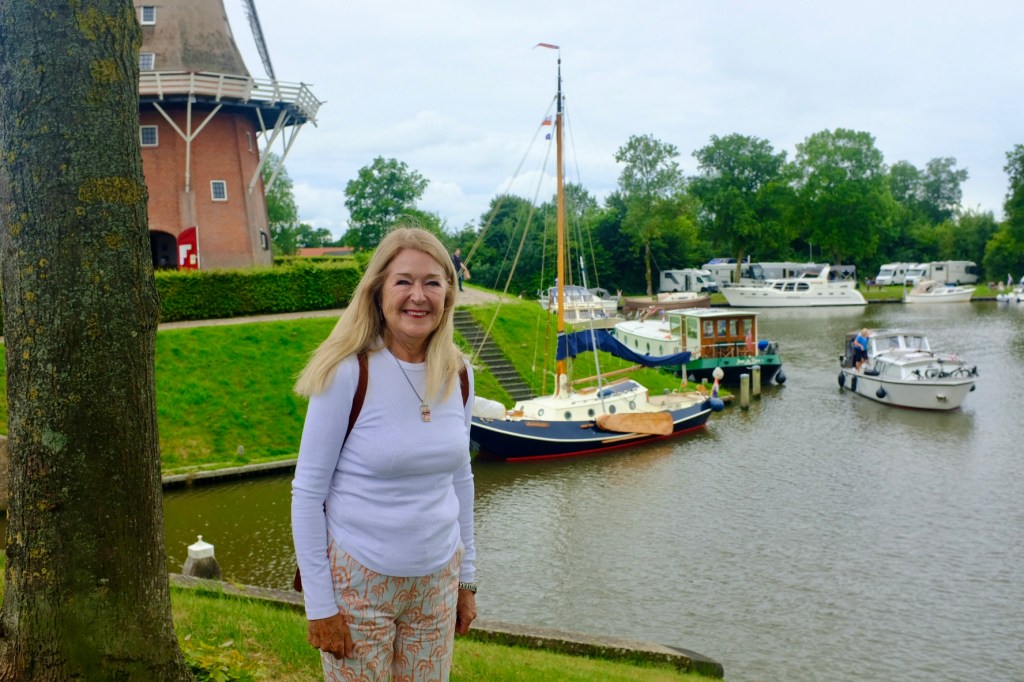



The following day we left Friesland and entered the province of Groningen. We had an overnight stop at the small fishing village of Zoutkamp, and then an other stop at Garnard where we caught up with our new Dutch friends, who had organised a mooring for Joie de Vivre for Sail Amsterdam


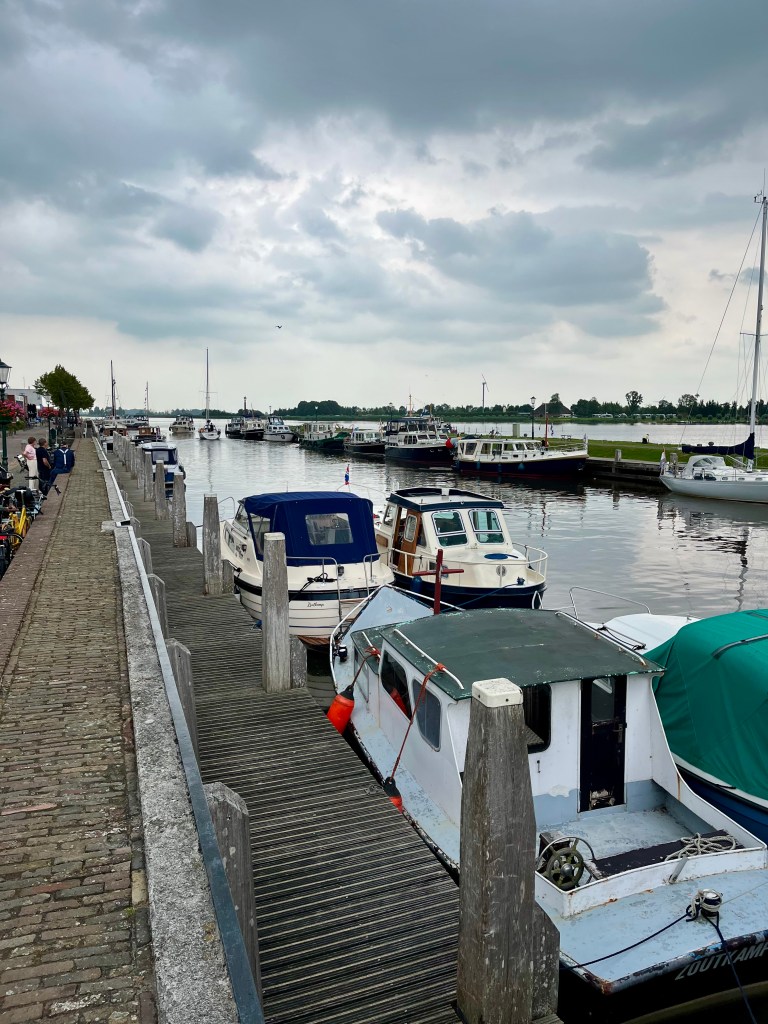
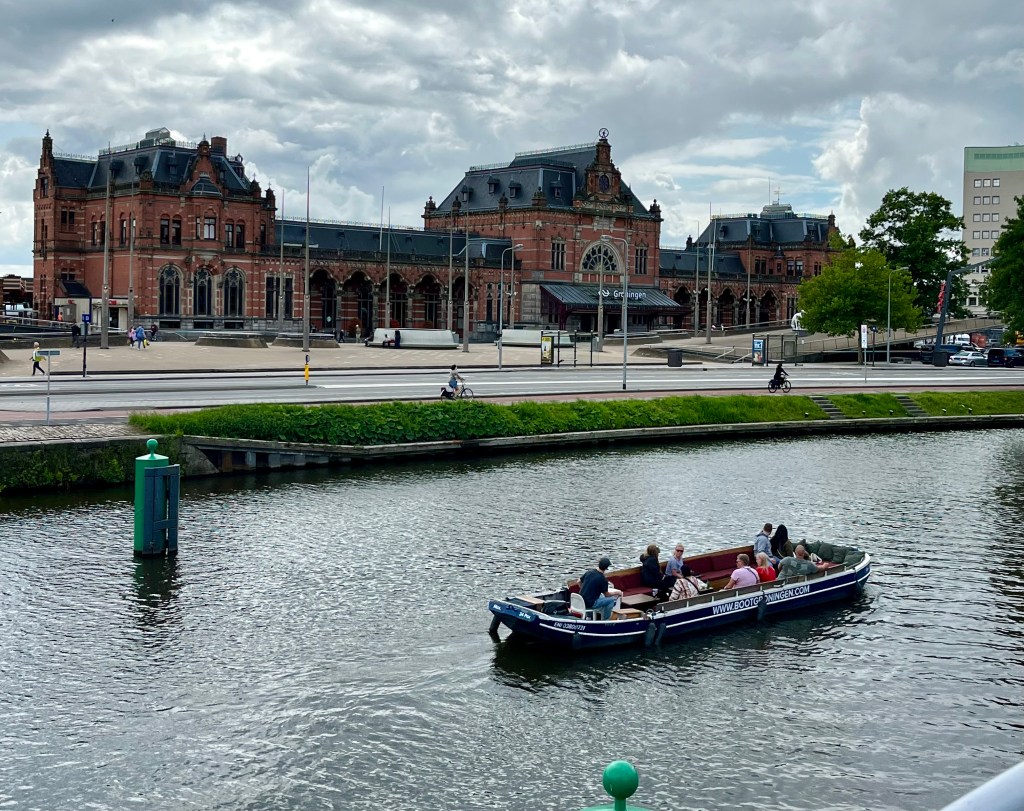
Groningen is the most Northern province of the Netherlands with its capital being of the same name. It is noted for its museum, historic buildings and private gardens. Unfortunately being this far north, the weather was inclement, and not very conducive to sight seeing.
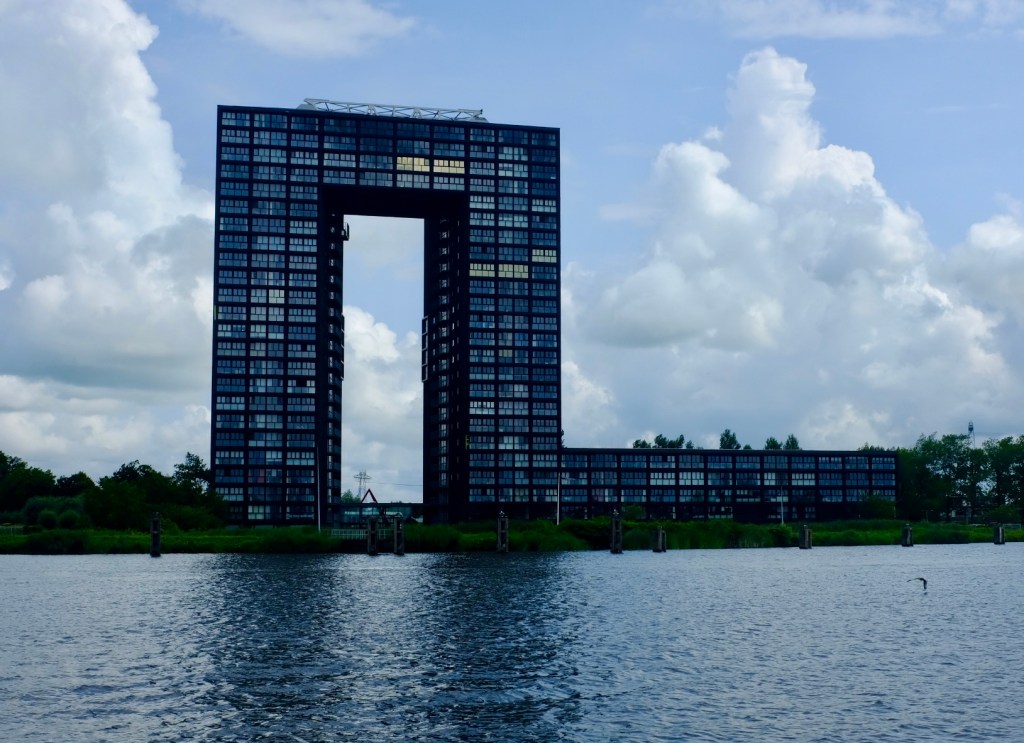
The tourists information is situated in the Forum, a futuristic building adjacent to the 13th century Matinkerk. This building was constructed in 2019 and is home to international exhibitions, a library, a cinema and a roof top terrace. I couldn’t entice Peter to climb the 97 meter Martinitoren for a view of the city, so we took the 10 story flight of escalators to view the city from the top of the Forum


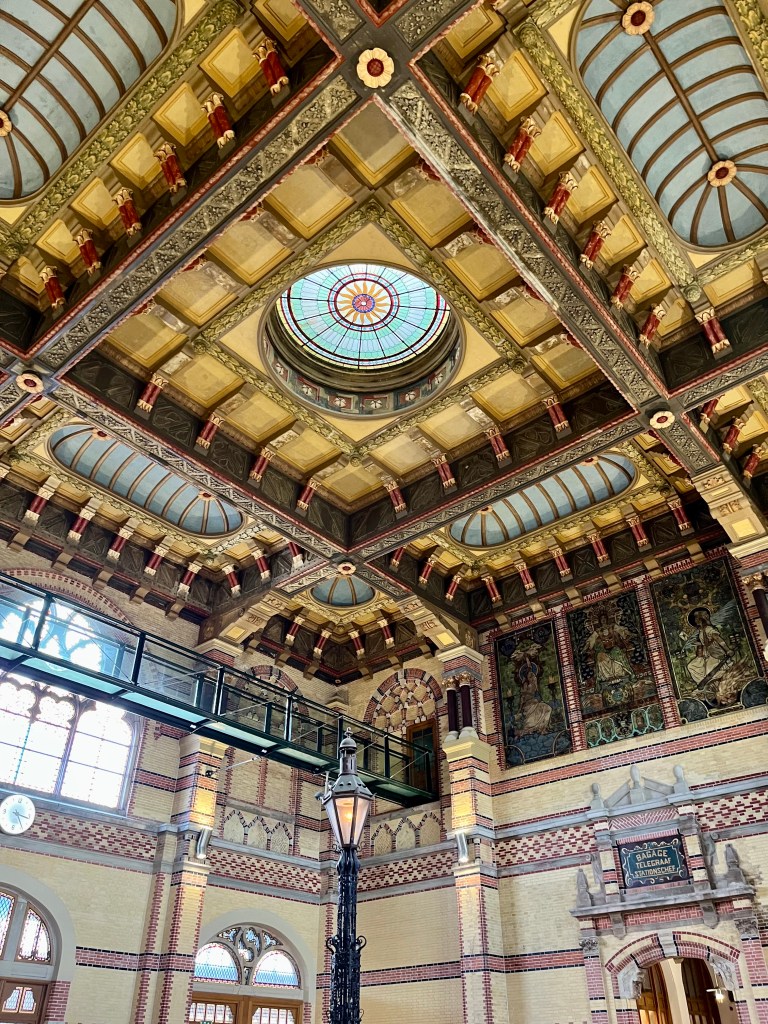
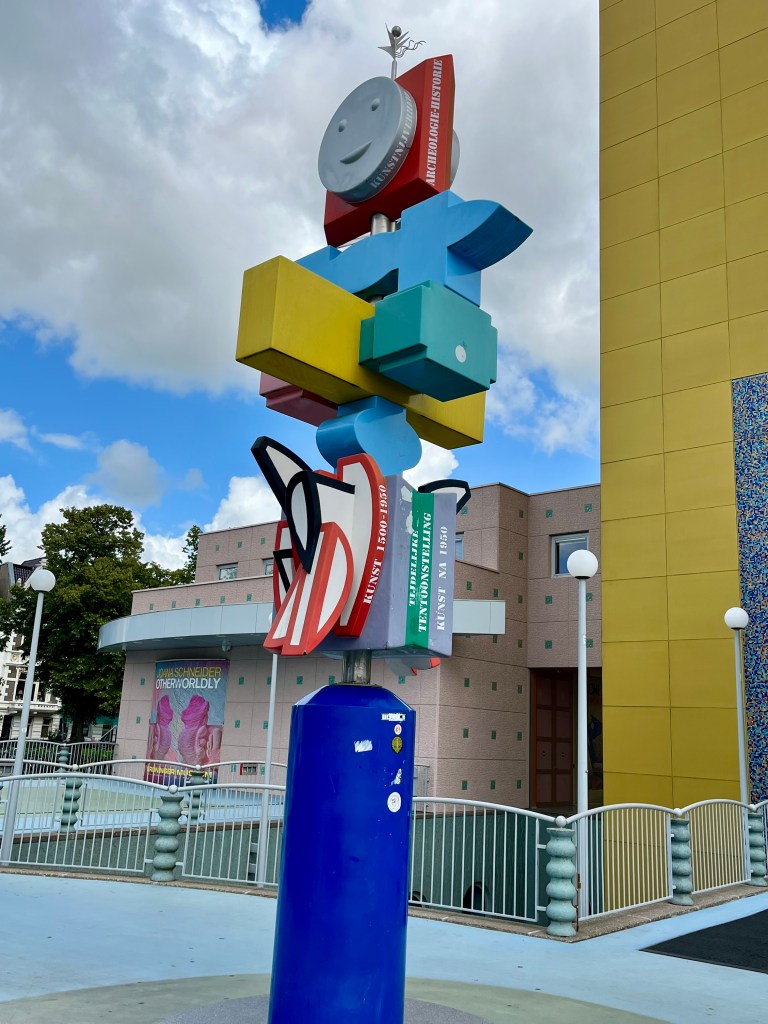
Then I took myself on a walking tour of the city
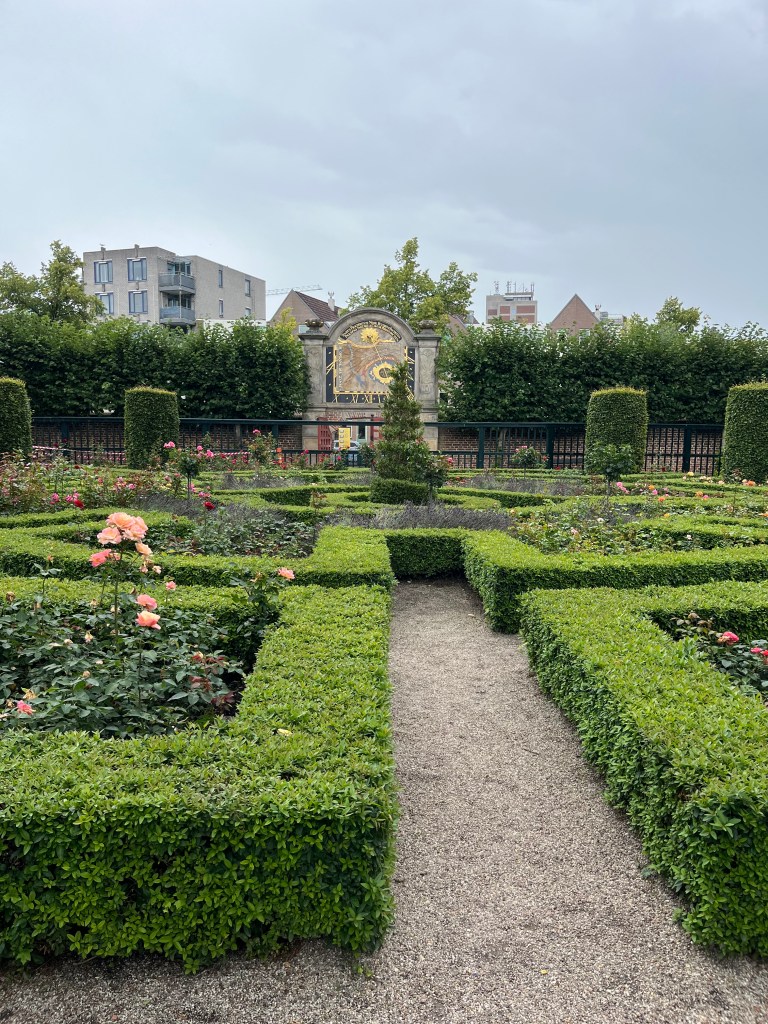

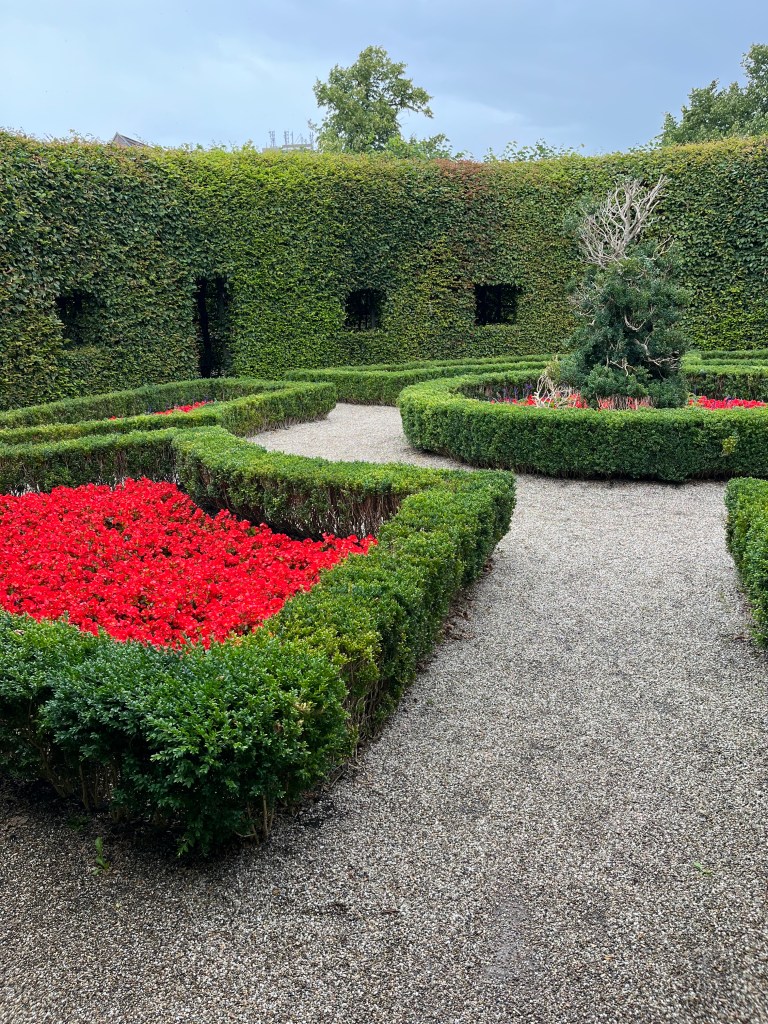



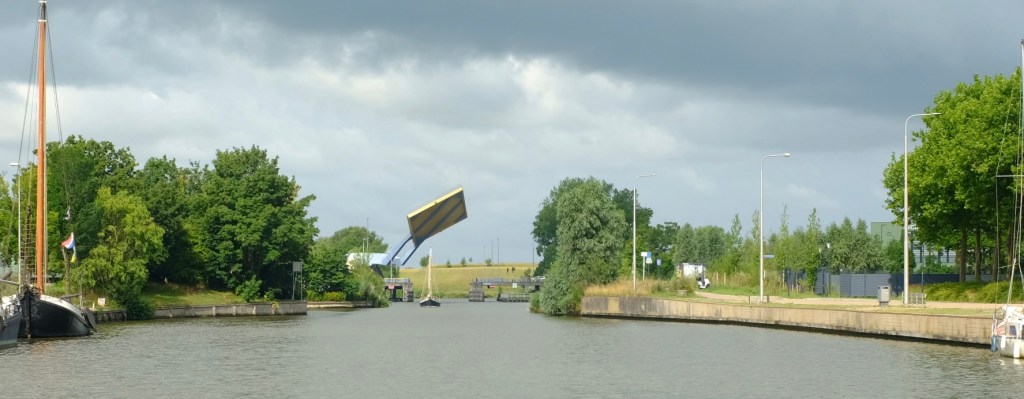
Only a few days in Groningen, and we turned around heading back west to Friesland, this time along the less picturesque Van Starkenborgkanaal. It was however a more direct route back to Leeuwarden, where we had planned to meet our friend, Terry

 Karen’s Travel Blog
Leave a comment