
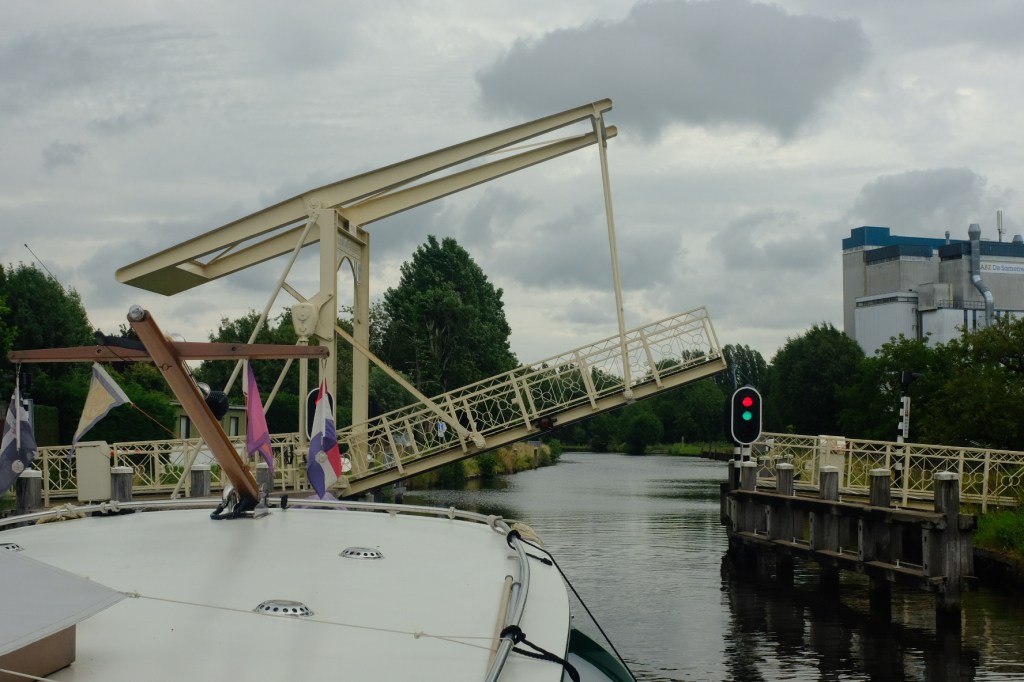
Leaving Gouda we took the Hollandse Ijssel, heading east. This section is a meandering narrow waterway, 32kms in length with 11 opening bridges. Although we were aiming for the town of Ijsselstein, we made a stop at the historical village of Oudewater.

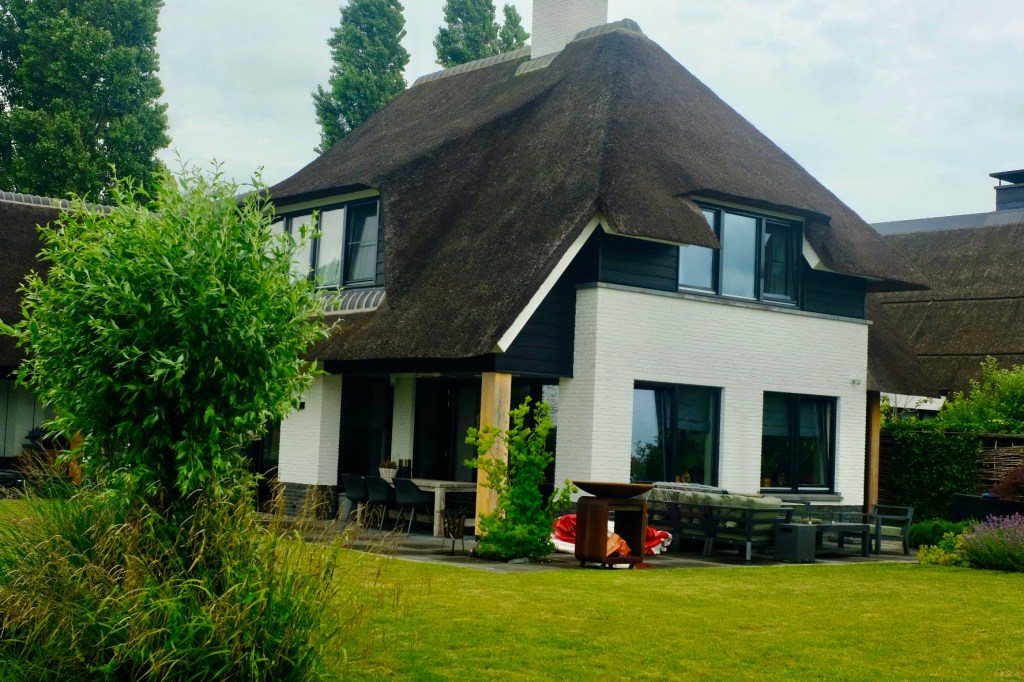
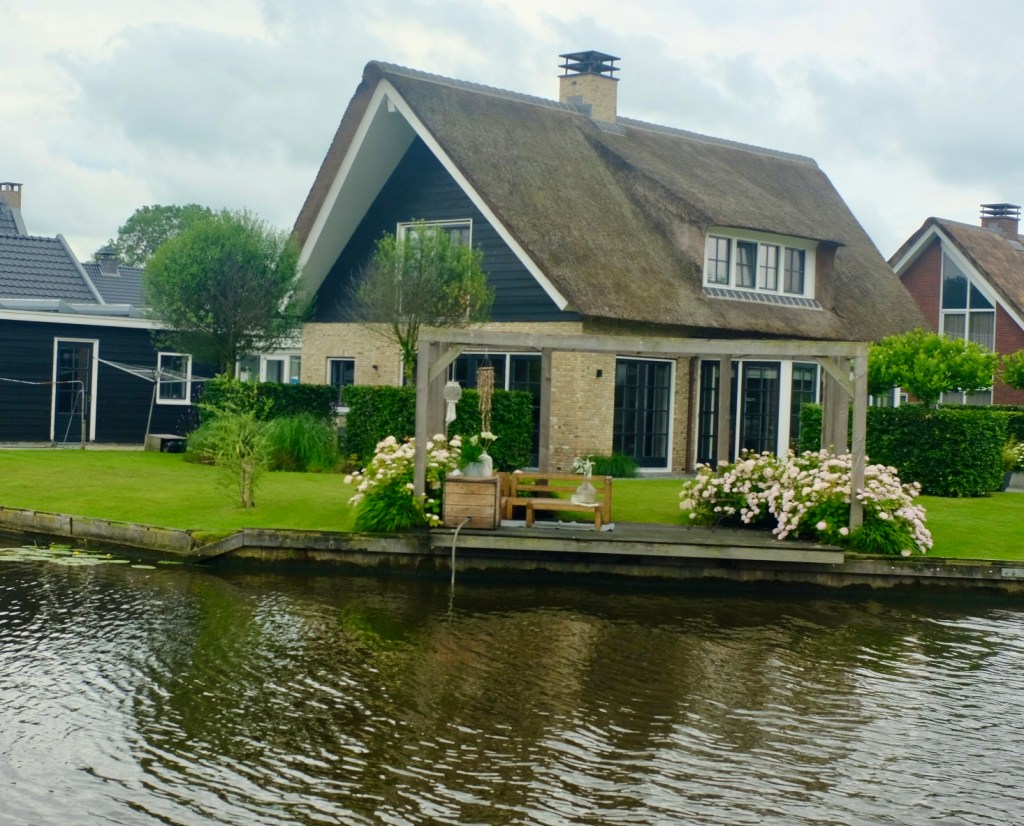
Little is known about the origins of Oudewater, though it did hold a strategic position between the provinces of South Holland and Utrecht. It was conquered by the Spanish in 1572 and most of its inhabitants were killed. In the 17th century it became an important centre for the manufacture of rope, as hemp was cultivated in the surrounding area.


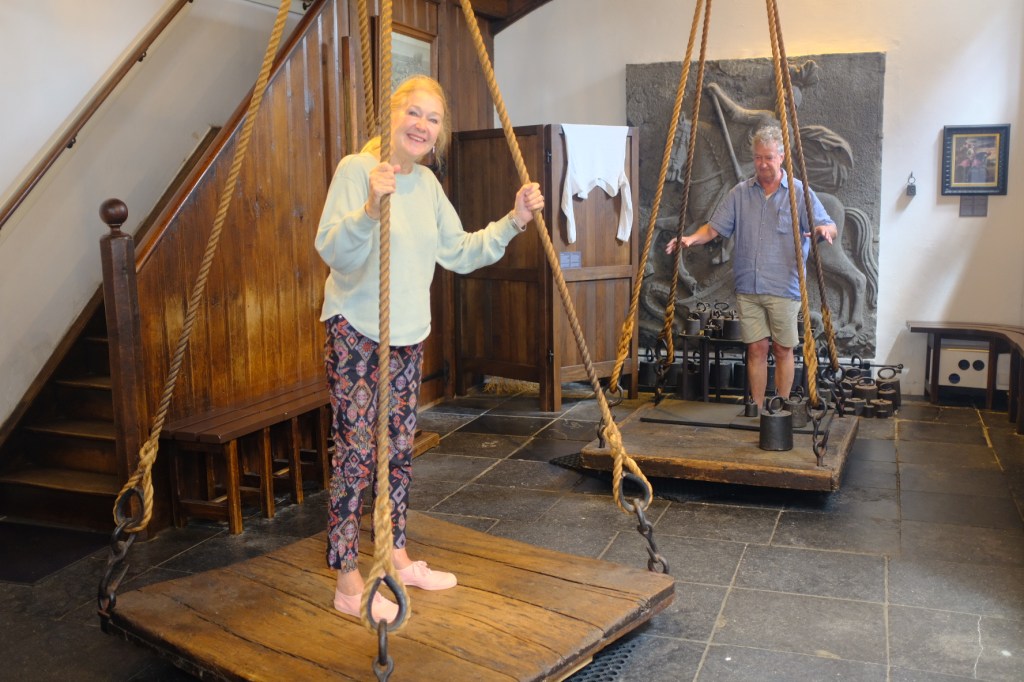
In the 16th century the towns notoriety was as a place where witches were tried. They were weighed on scales and if they were too heavy to ride a broomstick there they were deemed not to be a witch. Needless to say all the women regardless of size in Oudewater were cleared of being witches, with the last trail taking place in 1729.


The next day it was onto Ijsselstein. Now other than a free mooring I have nothing to report re this town. I stupidly left a hatch open when I was cleaning the boat and yes I missed my footing and fell in. A nasty gash on my knee put a stop to any exploring. Instead Peter rushed into town to purchase additional bandages and it was a quite night aboard and our last night on the Hollandaise Ijssel.
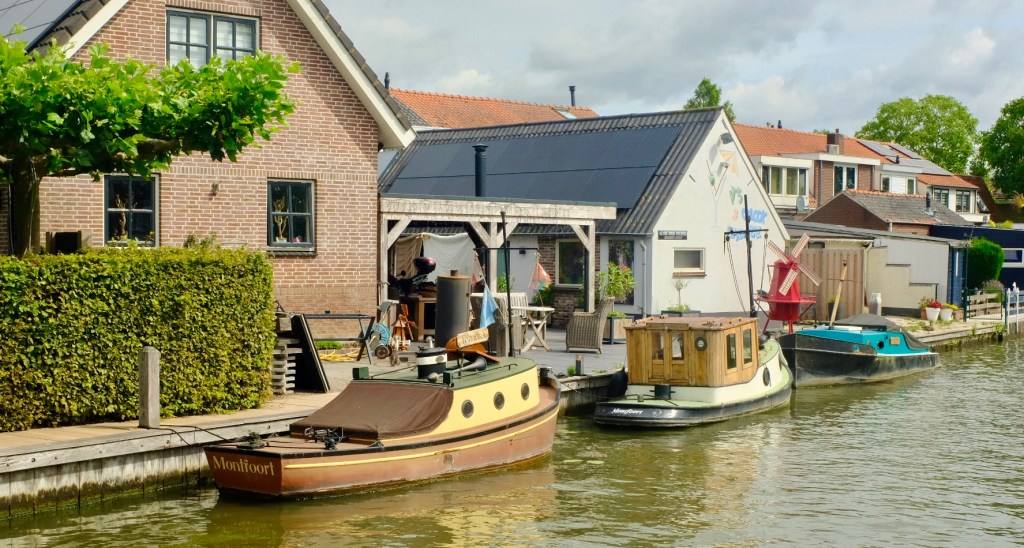
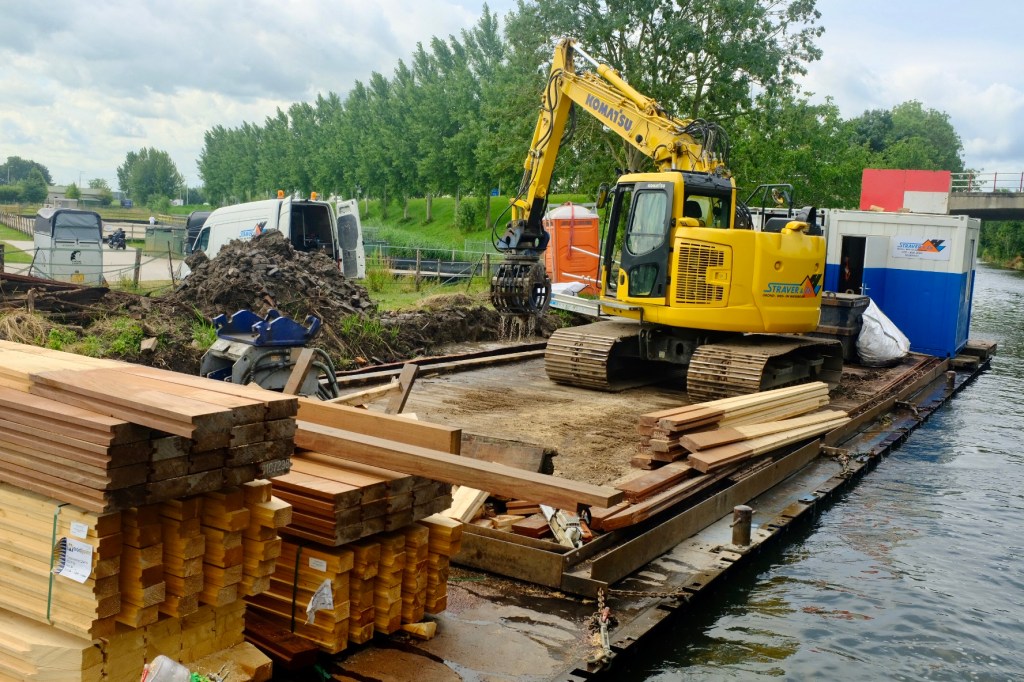

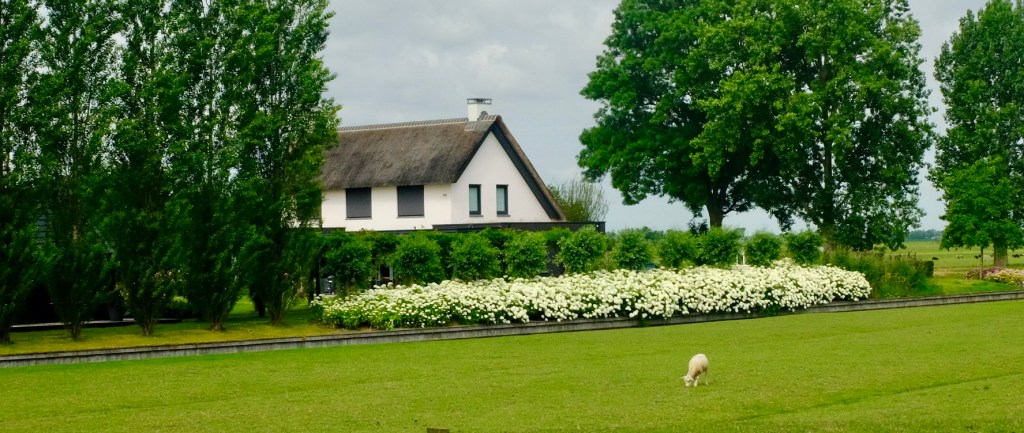
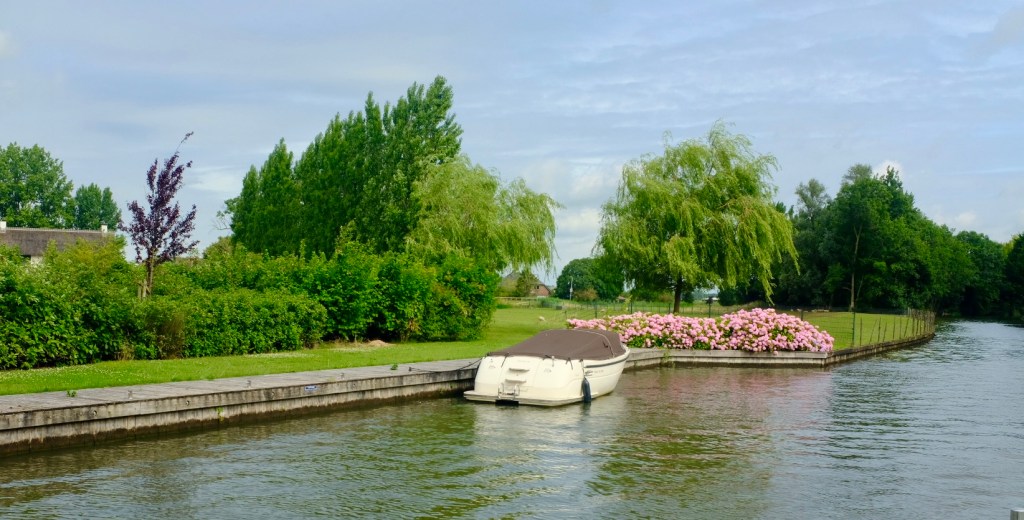
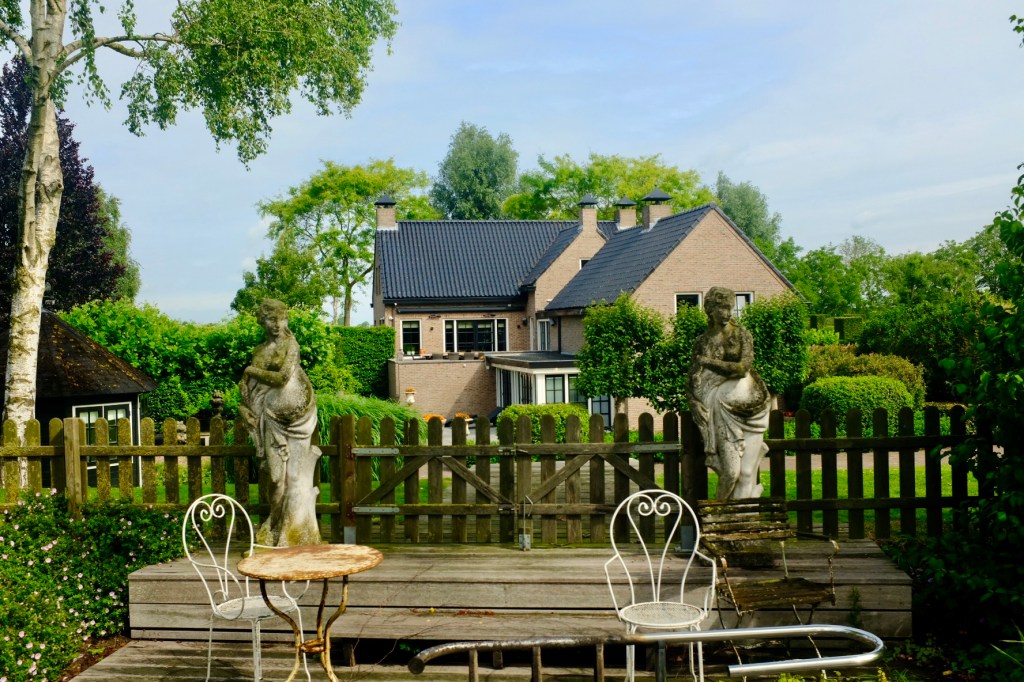
Leaving this narrow waterway we crossed the Amsterdam Rijn canal into the Lekkanaal, through a lock and onto the Lek.
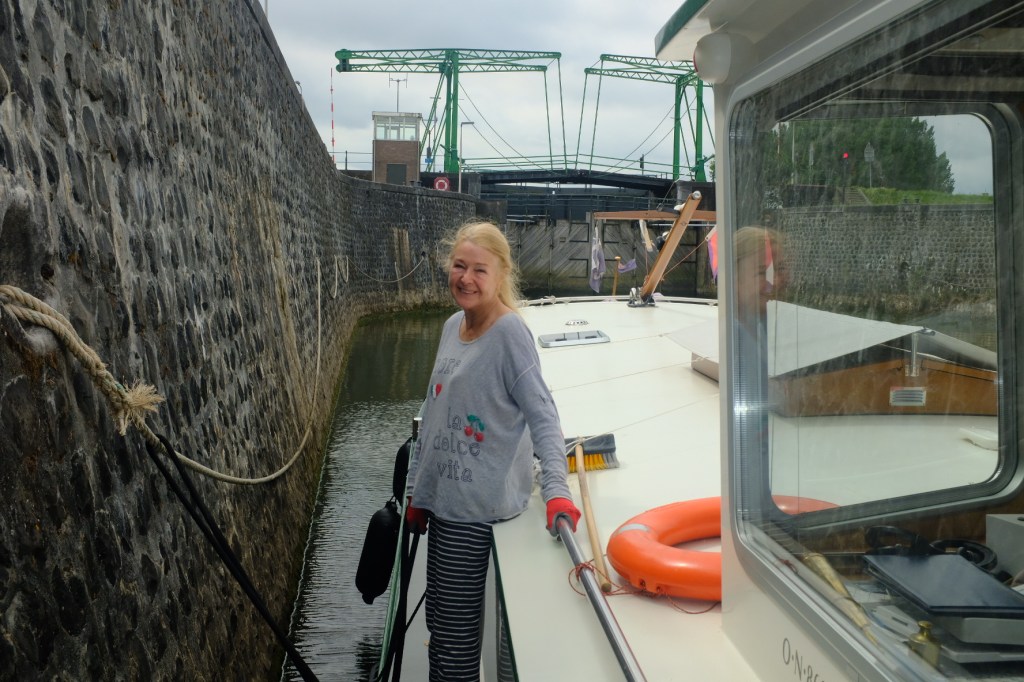
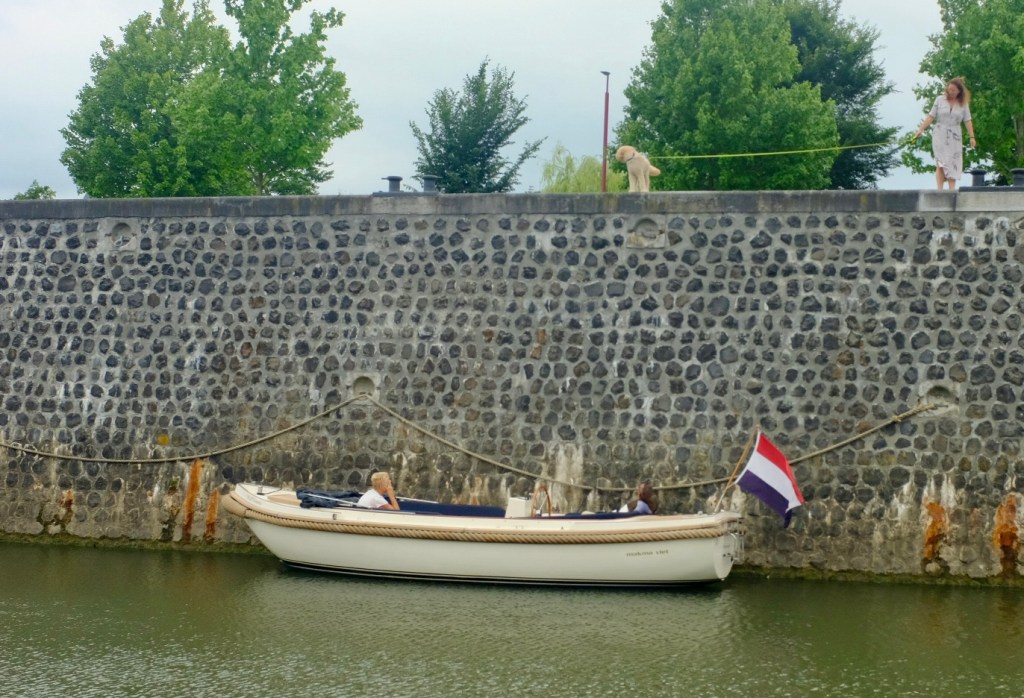
The Lek is a 60km stretch of river that is one of the outflows of the Rhine. Once it crosses the Amsterdam Rijn canal it becomes the Nider Rijn. We had now left South Holland and entered the province of Gelderland, our first stop Culemborg.
Situated on the Lek, Culemborg was not legally part of the Netherlands until the 18th century, instead it was part of a fiefdom of the Holy Roman Empire. The fiefdom had the right to collect tolls and offer asylum. It was a ‘Vrijstad’ or Free City. Consequently people could flee to Culemborg to escape their creditors. The Dutch term ‘going to Culemborg’ became synonymous with going bankrupt.
A trip to the tourist office produced the acquisition of a walking guide, so we were off to discover this medieval town
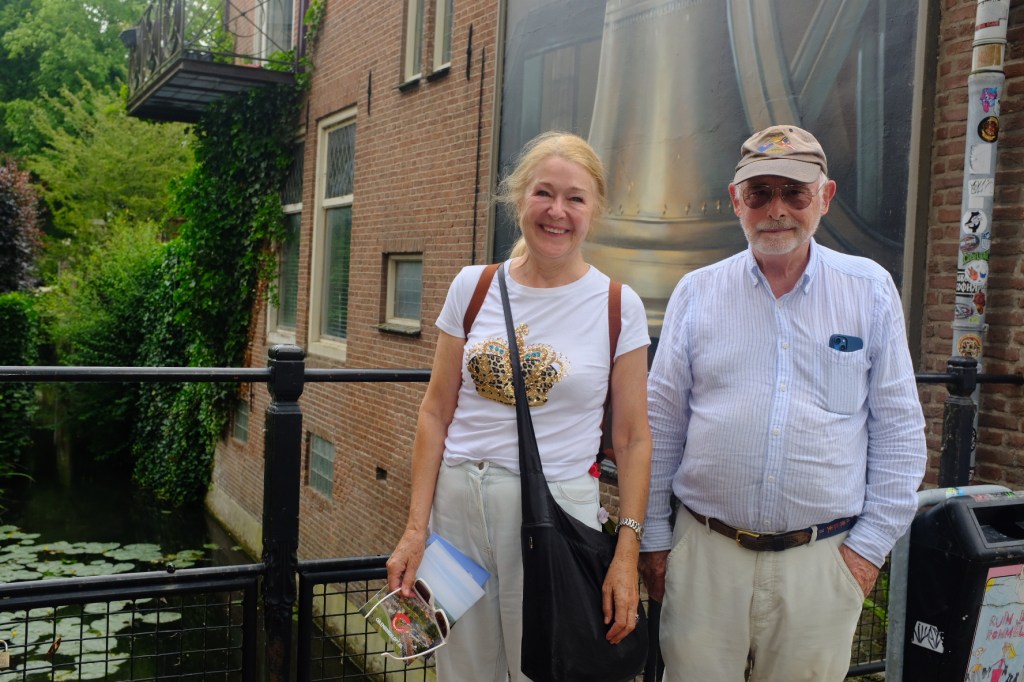
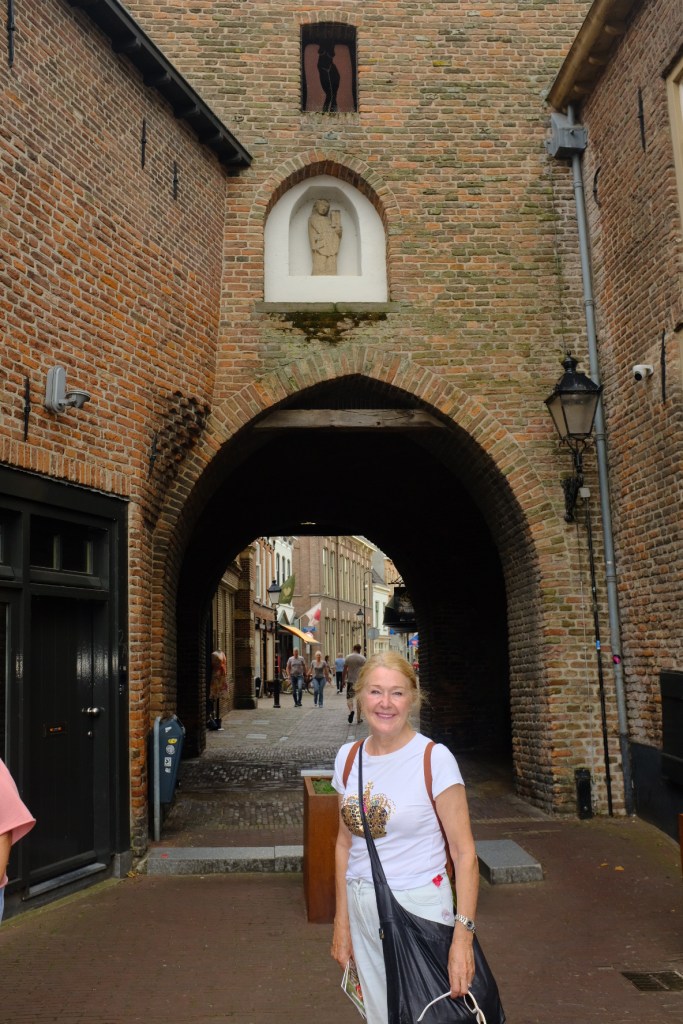

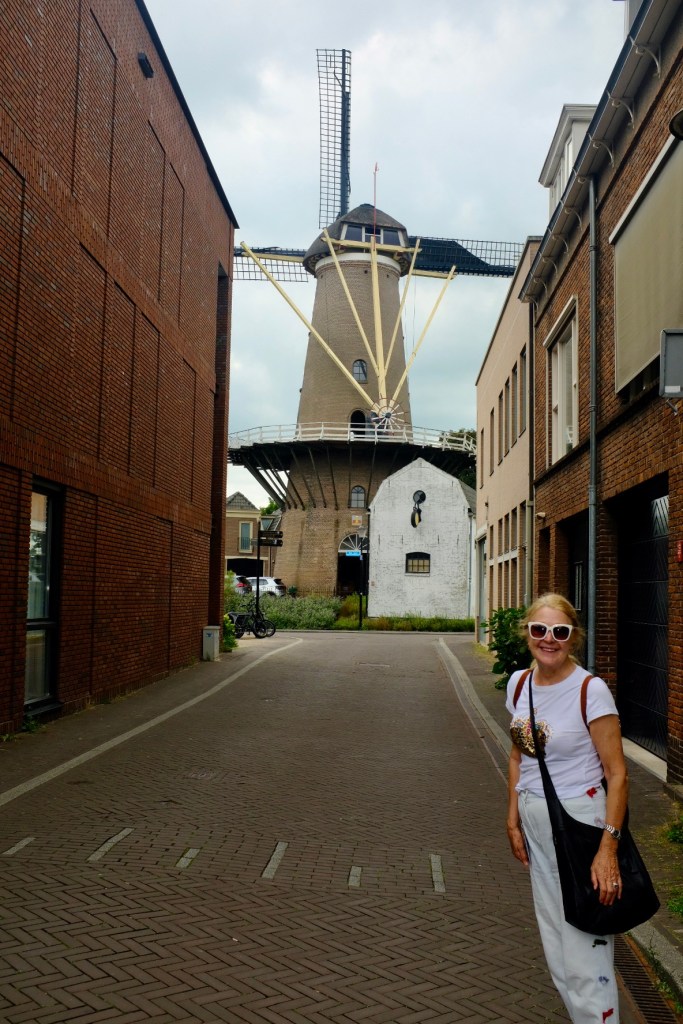

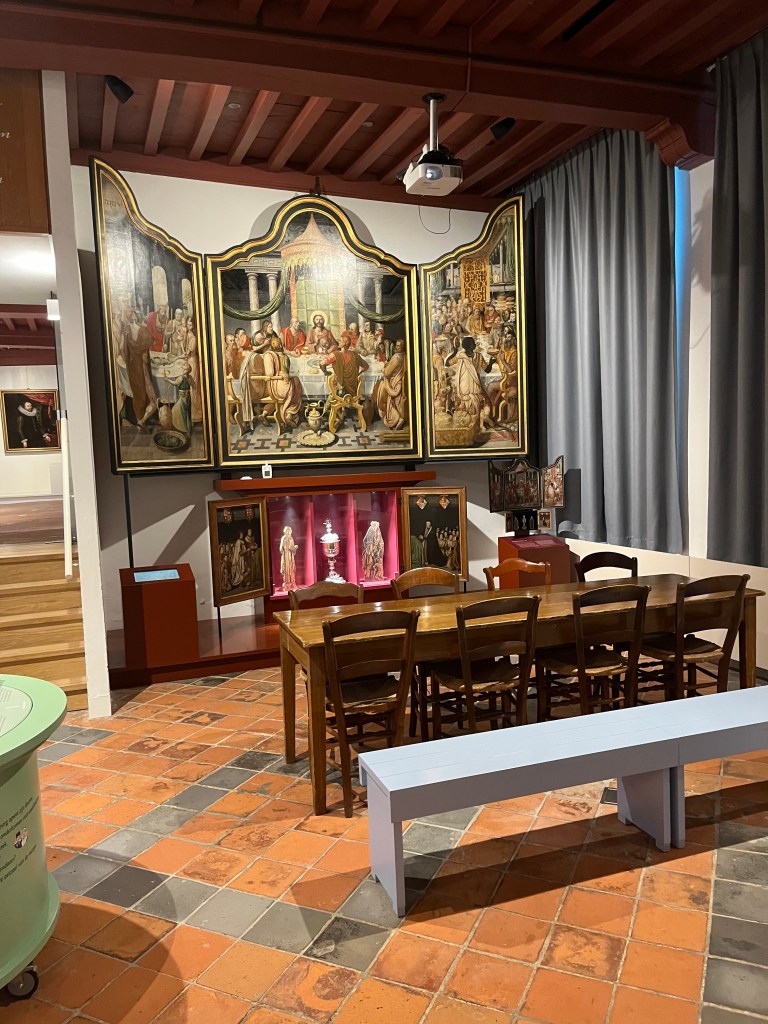
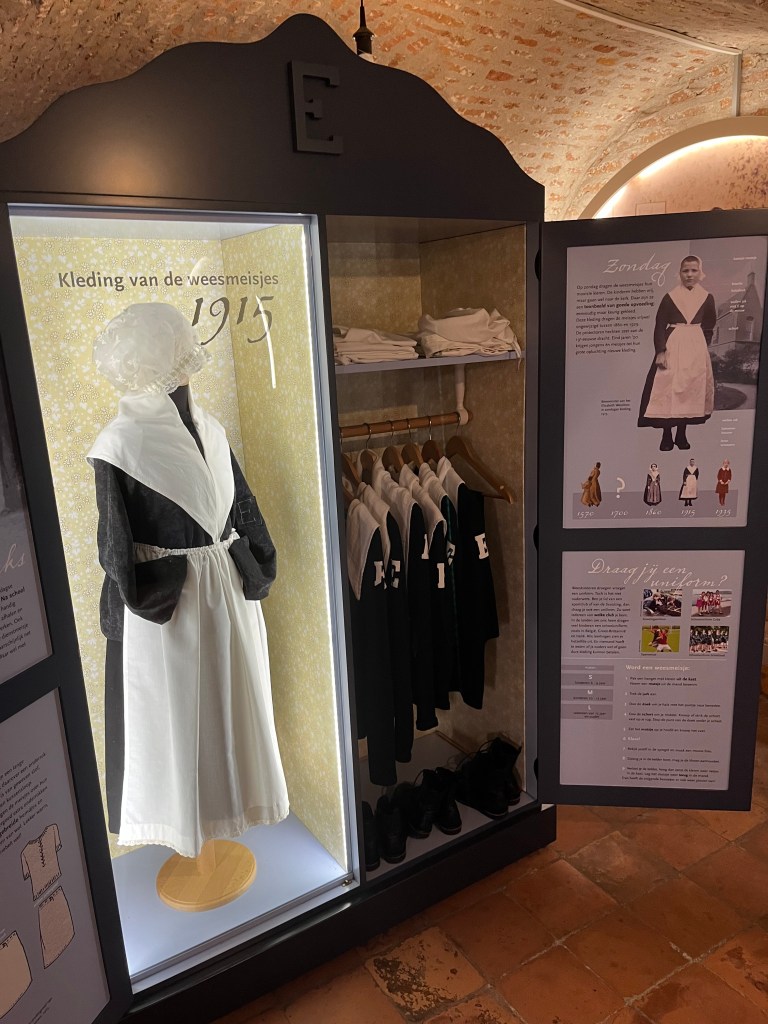
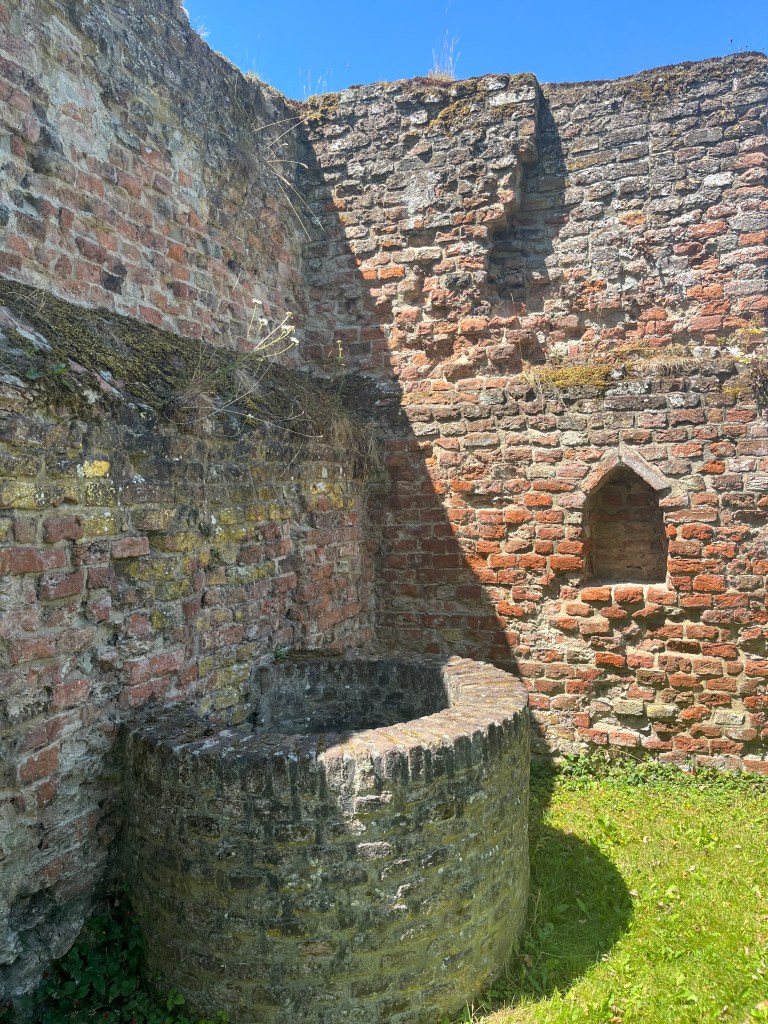
The other two sites to explore were the Elisabeth Orphanage and the archaeological site of the Culemborg castle that disappeared completely in 1812



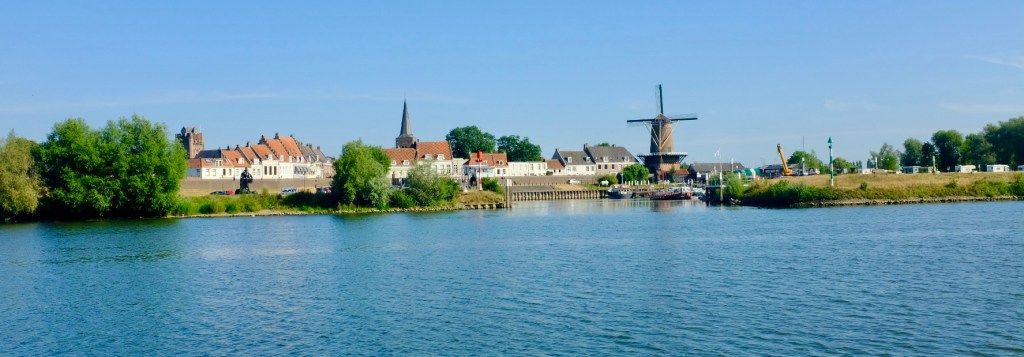
Heading east we left the Lek and cruised the Neder Rijn to Arnhem. If you are a WW2 enthusiast you will recognise this city as the site of a major battle in 1945. But it was very hot and the marina is a bit out of town, so we hid in our air conditioned Joie de Vivre only venturing out to stock up at the nearby supermarket

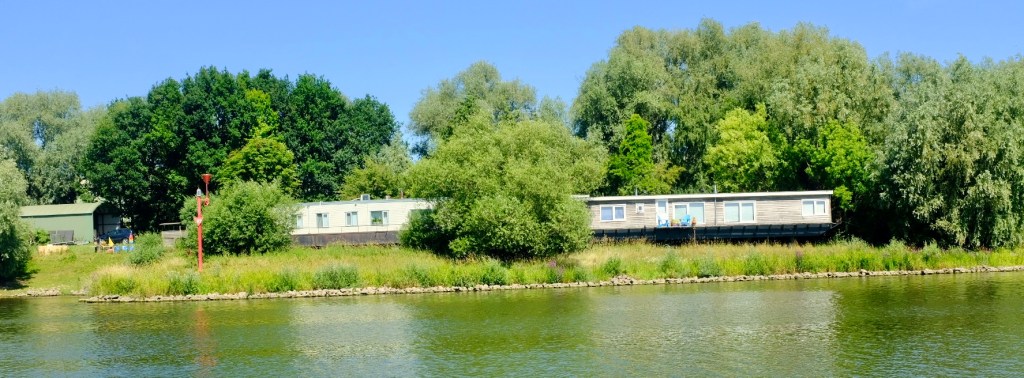

At Arnhem we caught up with Rose and Ade, friends from Brugge, who we would see again was we made our way north down the Ijssel.


 Karen’s Travel Blog
Leave a comment