
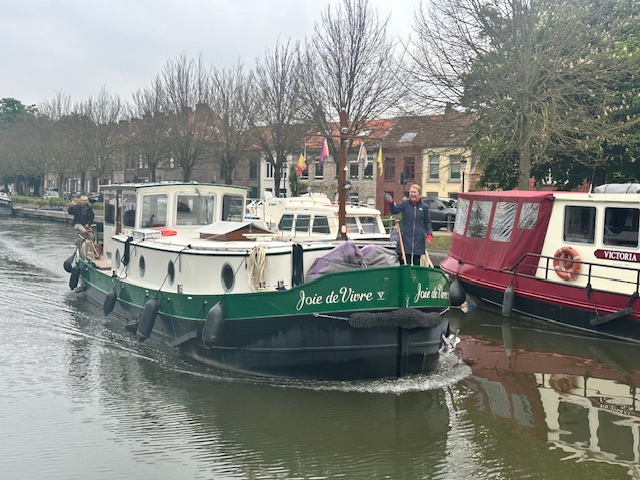
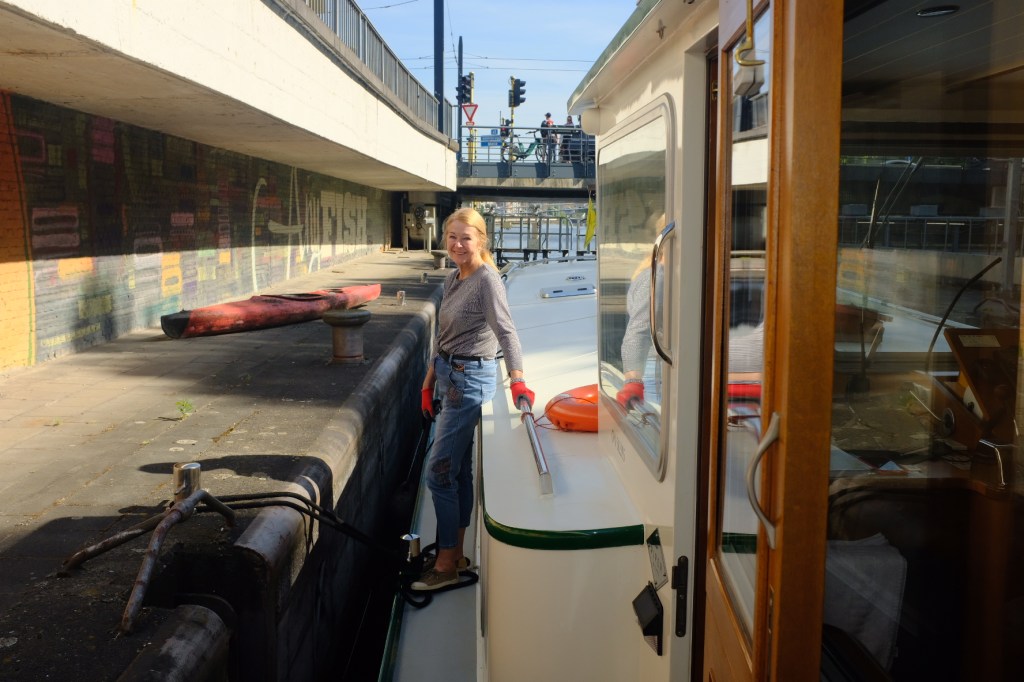
It was cool bright morning as we cast off lines and left our winter port in Coupure. With a couple of stowaways on board (James and Colin) we set out to Ghent , a 5 hour cruise down the Oostend Ghent canal
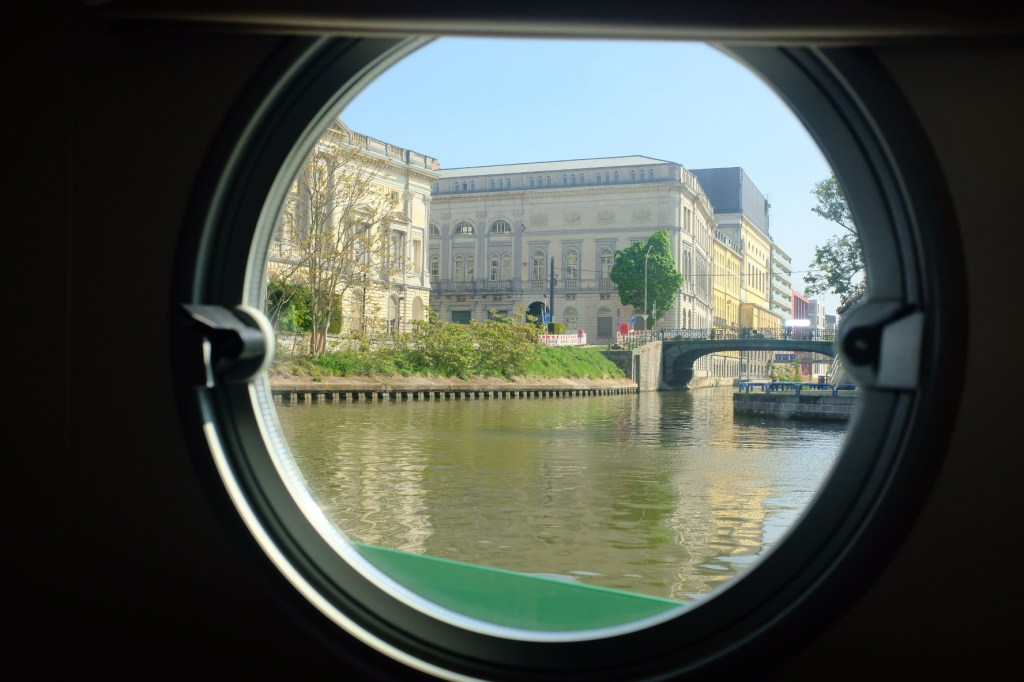

After our hectic pace last year the idea this year is to take a more laid back approach. So it the spirit of going slow, we stayed in Ghent 5 nights before continuing our journey north to the Netherlands.
Taking the route north through the harbour of Portus Ganda, our next destination was Ternuezen, on the West Schelde.
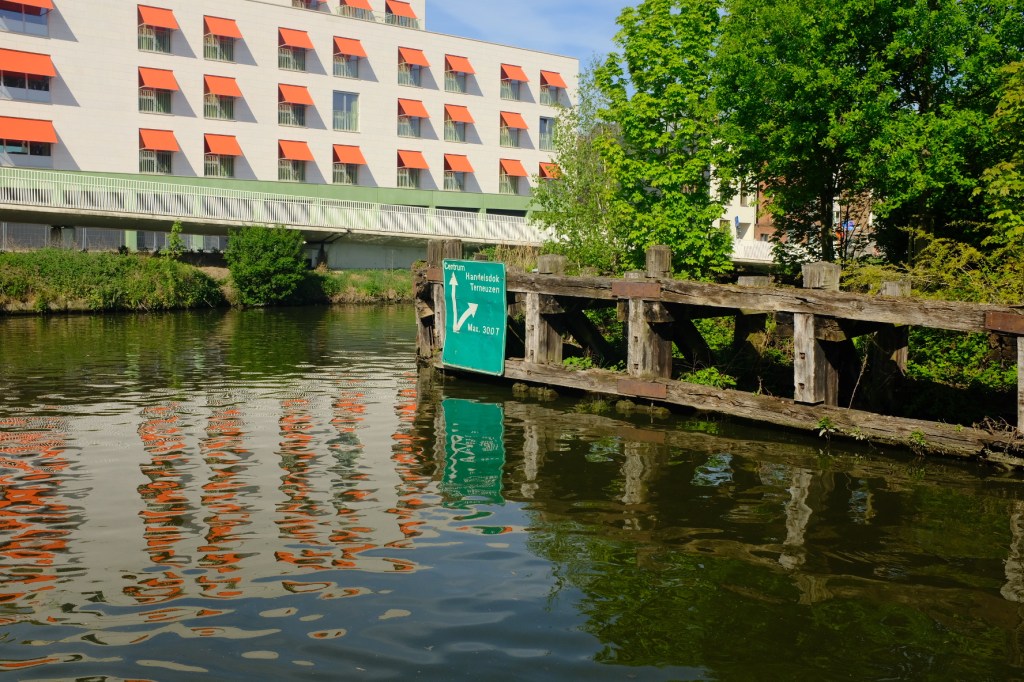
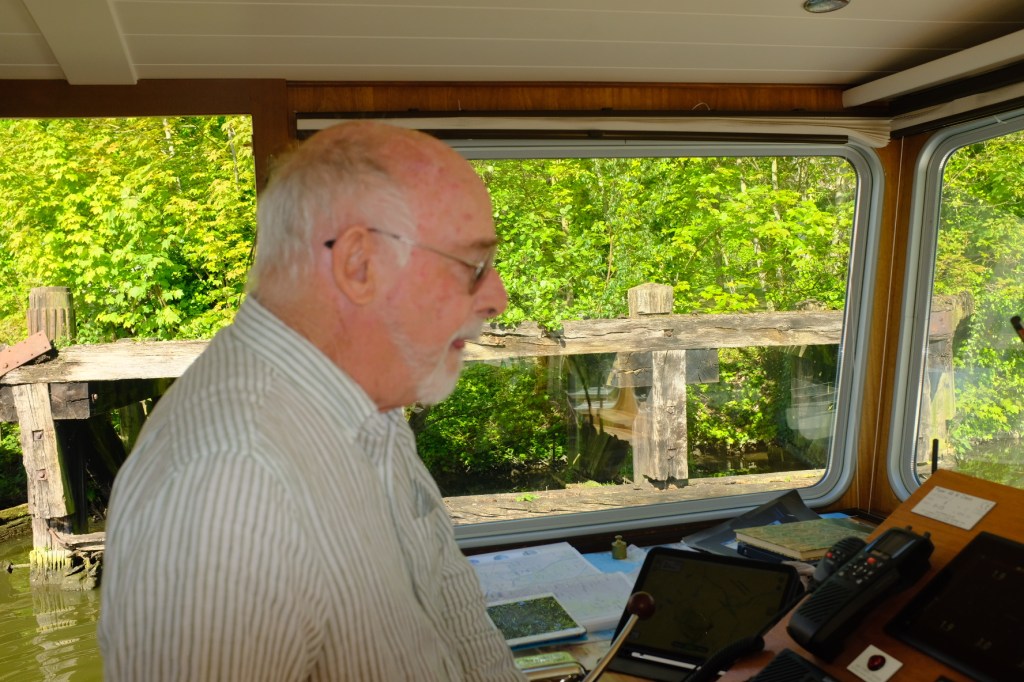
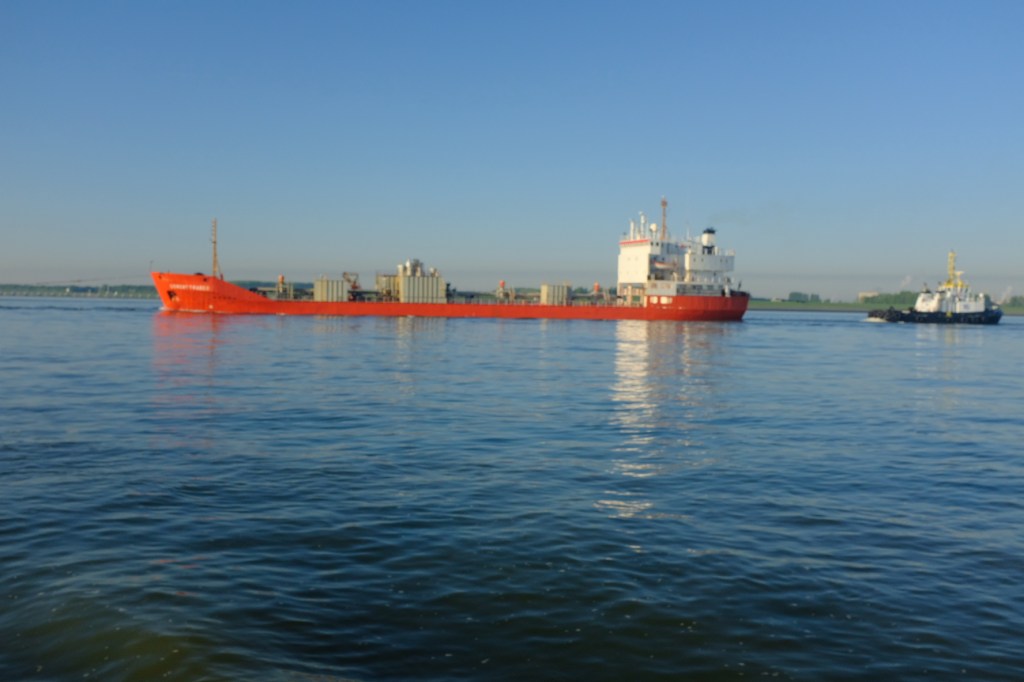
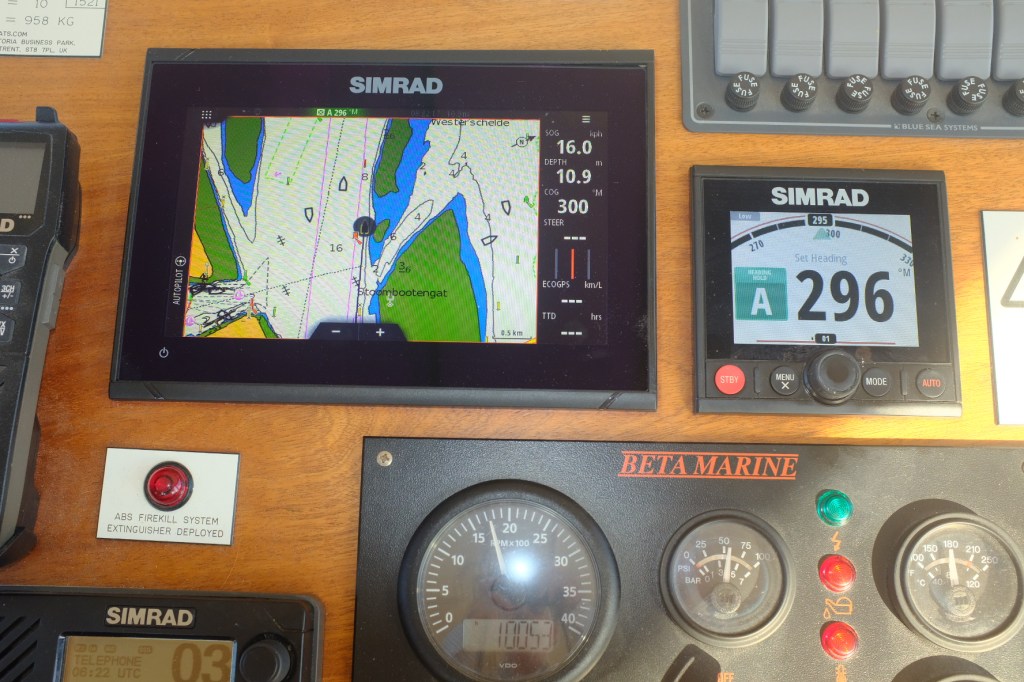
To travel further north it is necessary to cross the West Schelde which is the major shipping route to the Port of Antwerp, the second largest sea port in Europe, after Rotterdam. The estuary is navigable by ships of more than 100,000 gross tons, which gives you an idea of the traffic that we see along the way. After all, Joie de Vivre is just an annoying peanut of only 30 tons, amongst those big fellas!


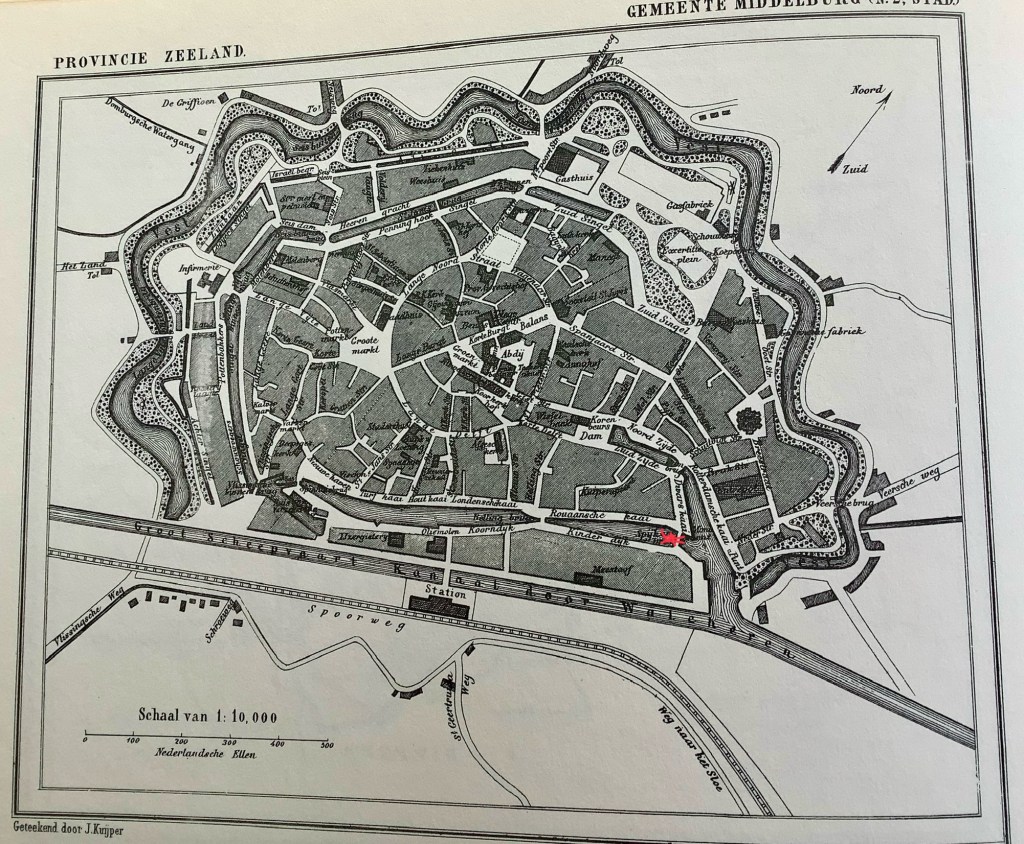
We bypassed the port of Vlissingen and made straight for Middelburg, the capital of the province of Zeeland. This historic town was according to historical evidence established in the 9th century and during its life of over 1200 years it has repelled Viking raids, become a powerful seat of the Catholic Church, was an important player in the scientific revolution as a centre of lens making and is touted to being the place where the microscope and telescope were invented. In addition it was the second largest centre after Amsterdam for the Dutch East India Company in the 17th century and was involved in the slave trade. About 1/3 of the city was destroyed during WW2, but much of the city has been rebuilt and restored along pre war lines.
We ended up staying for 7 days, as inclement weather moved in from the north. After enjoying what seemed to be an early summer, we were back to wooly jumpers, thick coats and boots
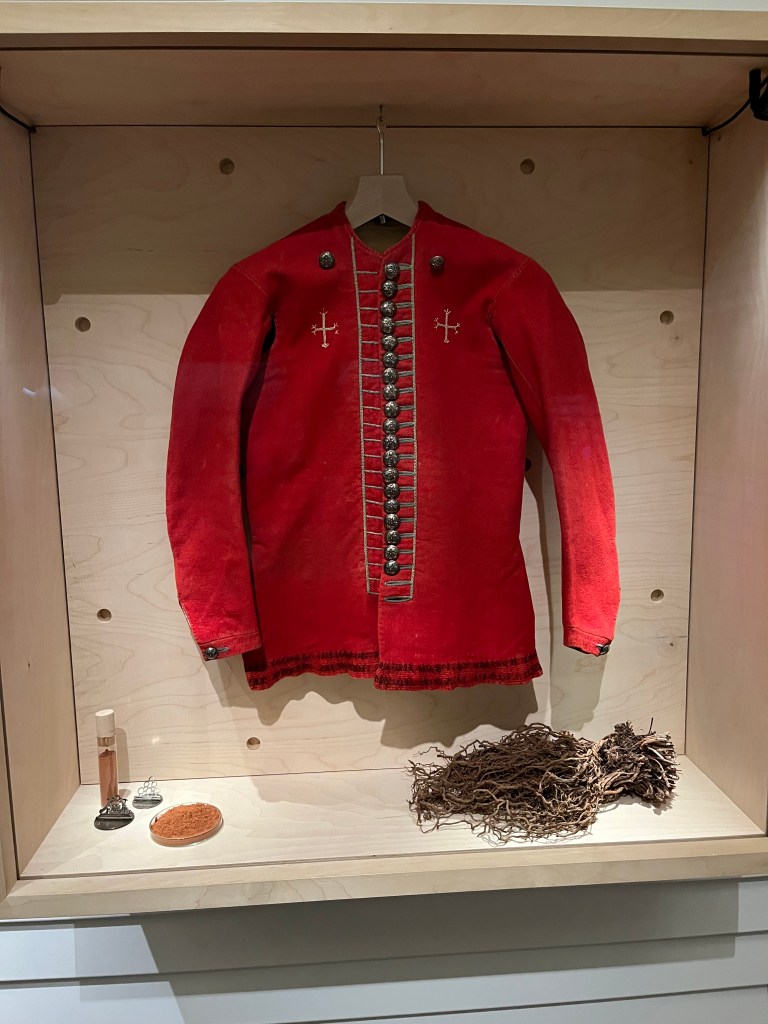

From the 16th century madder, from which a red dye was obtained, was grown in Zeeland. Not only was it used to die the wool of British army coats, but it was used along with a yellow dye from a plant known as woold to colour the Dutch flag. The original colours of the Dutch flag were orange, white and blue, but as the orange faded in the sunlight, forcing the continual redying of the flags, it was decided to remove the additional yellow die, leaving only the red madder. That’s how the Dutch flag became red, white and blue horizontal strips.


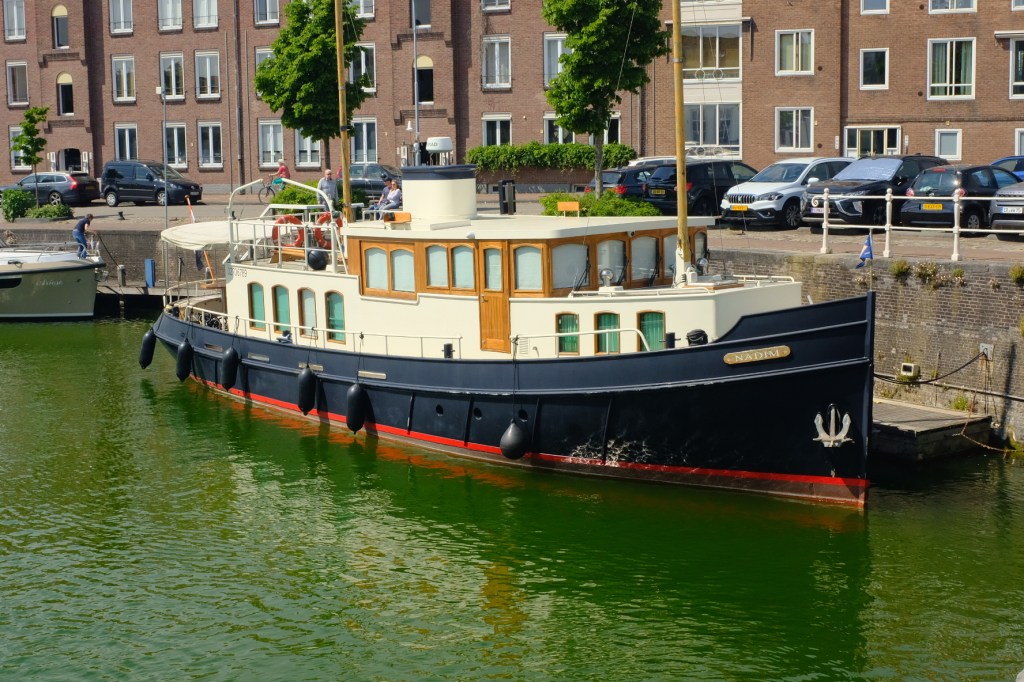
Arriving in the port in Middelburg much to Peter’s surprise we found the boat Nadine. Now this was a boat that Peter was keen to purchase, firstly before we built Joie de Vivre, then again in 2023 when it came up for sale a second time. Anyway we meet the owner, Ian who was happy to show us around the boat. Yes she’s a lovely boat but there’s a lot of work to be done.I think I’d rather have our Joie de Vivre, especially now as we seem to have cured all our problems.



From Middelburg to our next port Veere was only a short 7km trip along the canal, under 1 lifting bridge and through a lock
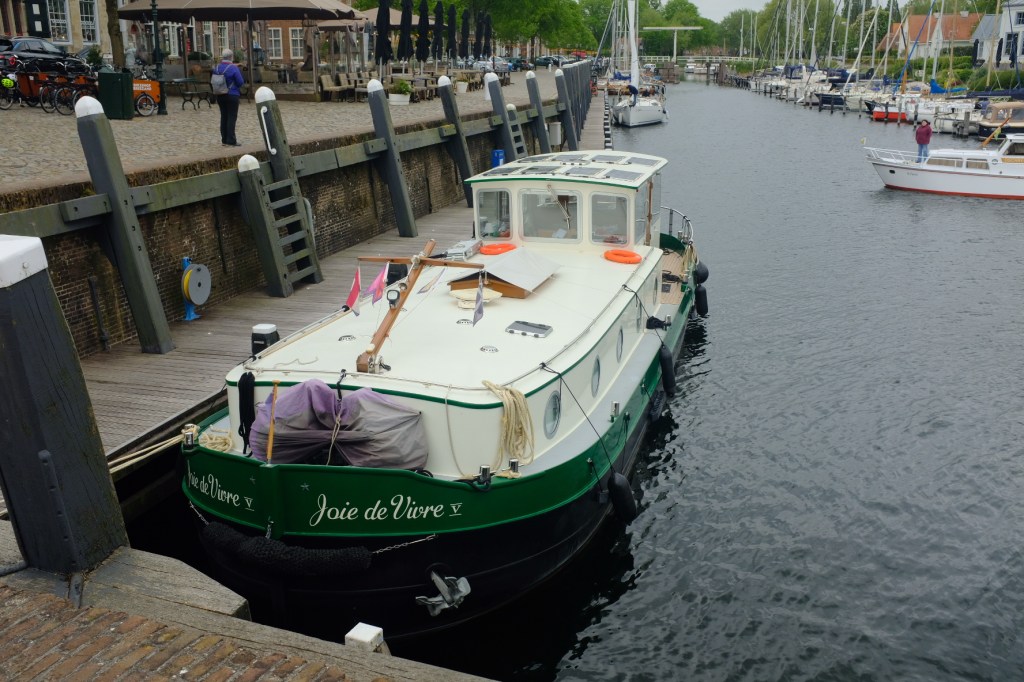
Veere is located on the Veerse Meer, a lake that was created as a flood control measure to regulate the water levels. Originally this outlet of the Schelde was known as the Veerse Gat, and Veere operated as an important port. It operated as a staple port for Scotland from 1541 to 1799. Now you ask what is a staple port. This was a medieval right accorded to certain ports, which required merchant barges or ships to unload their goods and offer them for sale to the local population. This could be very time consuming so often traders could pay a fee to avoid having to display their goods. Thus a staple right became a tariff which increased the wealth of the city. today the city’s wealth is dependant on tourists.
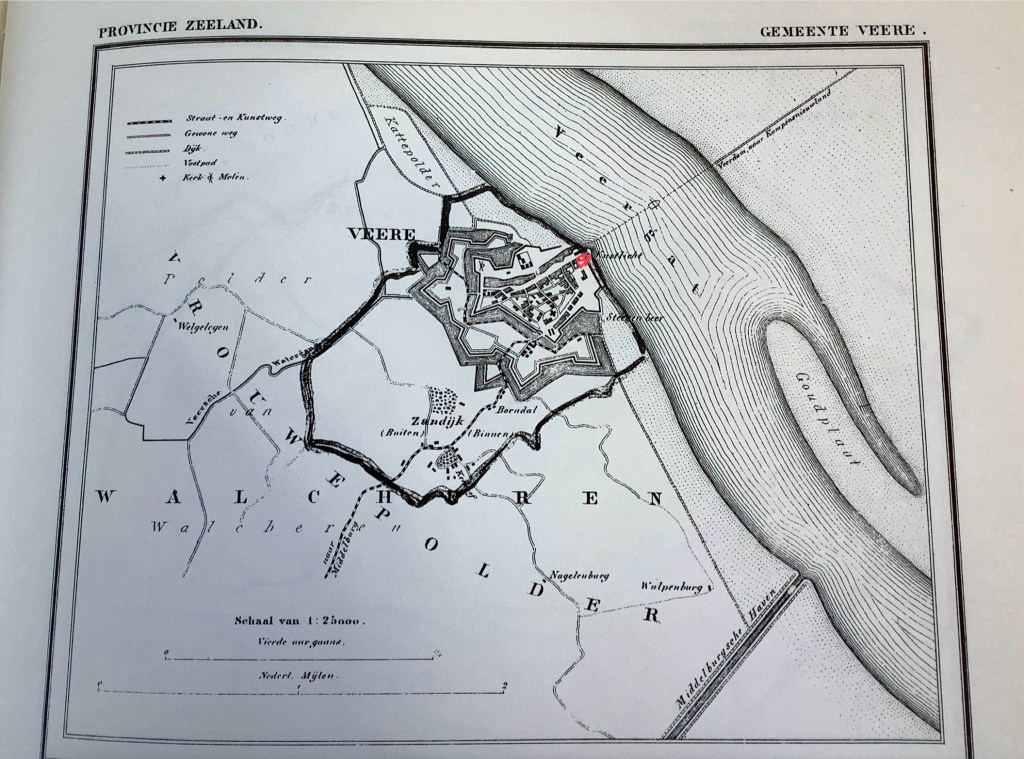


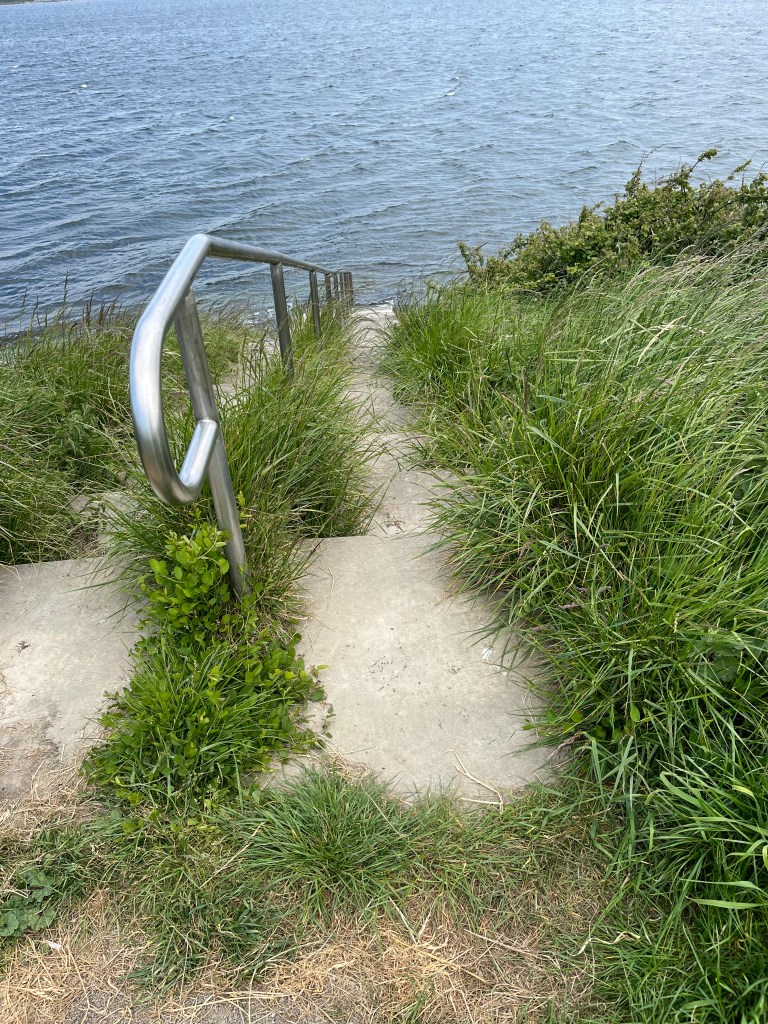

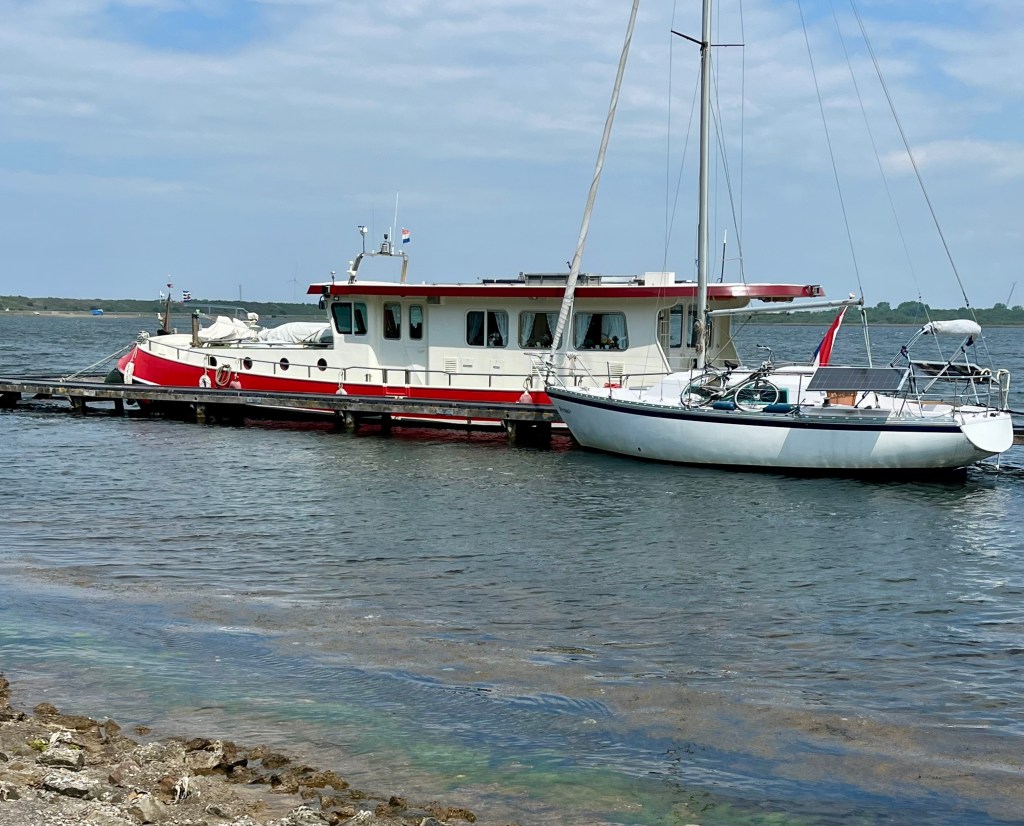


Making my way out of the town and into the hinterland, I found both walking and bike tracks that took me up to the dike wall. This area is a popular holiday destination, but with a cool wind from the north the visitors had not arrived as yet.
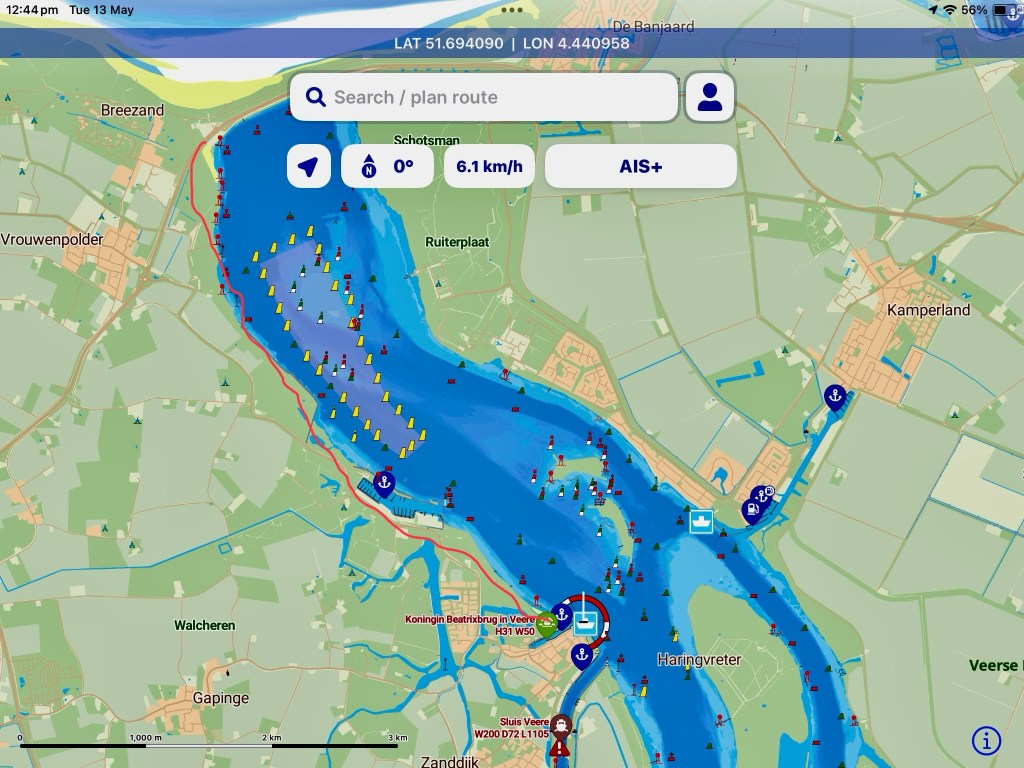
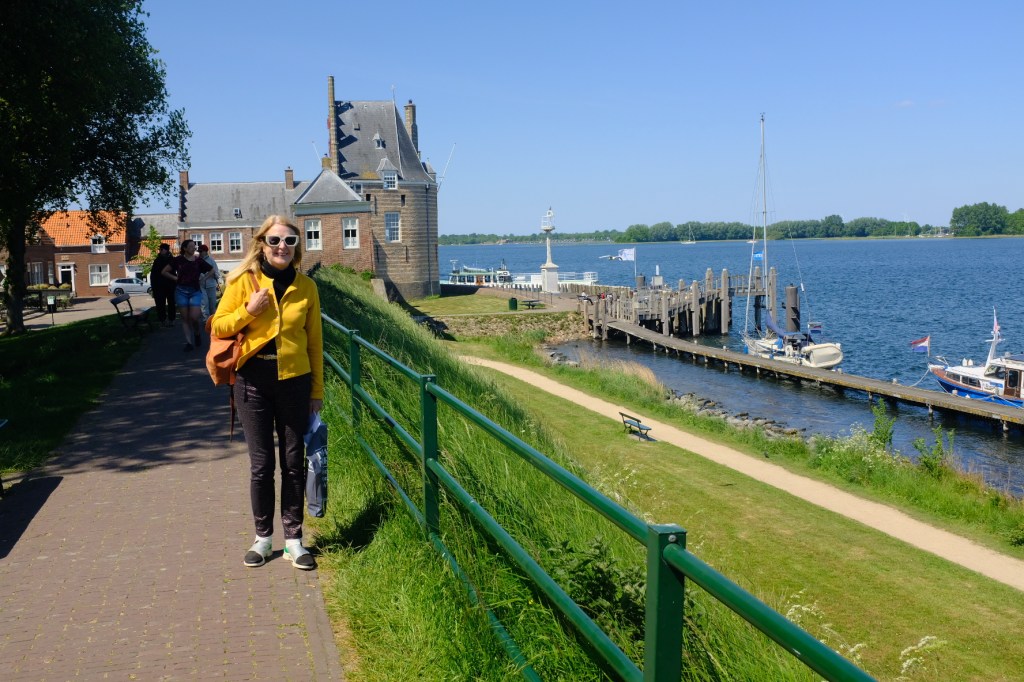

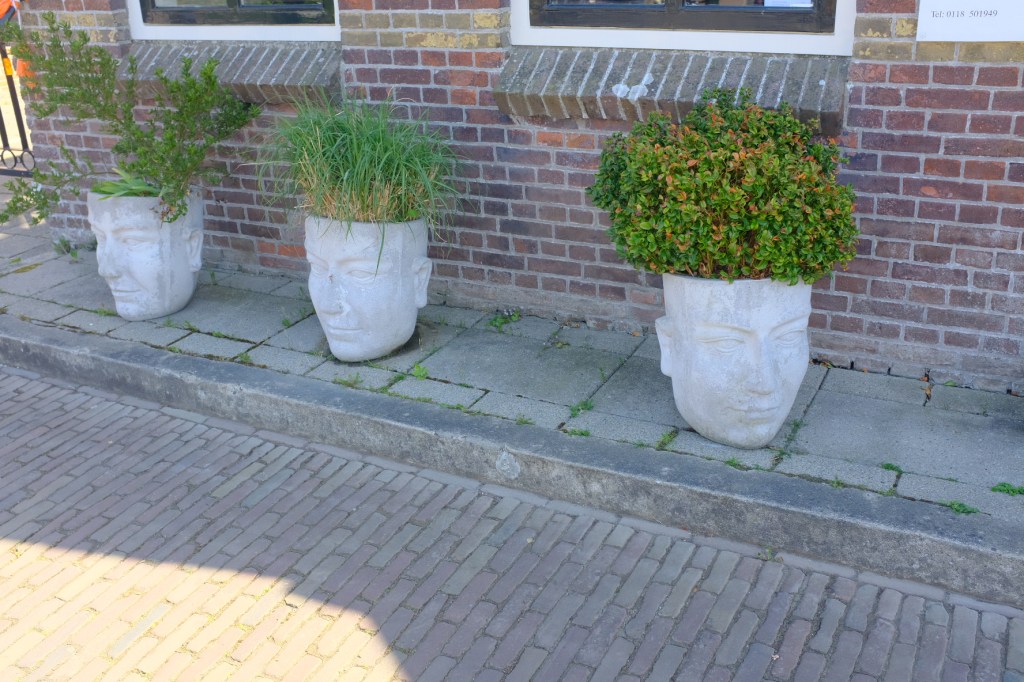
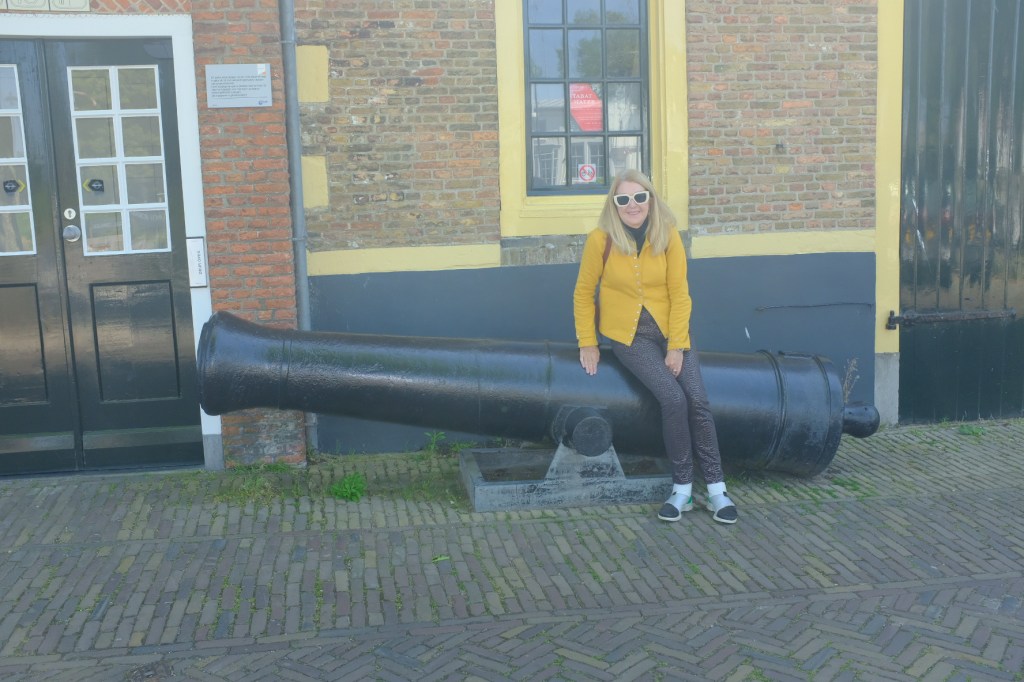
Next stop Yereske, famed for its oysters and mussels
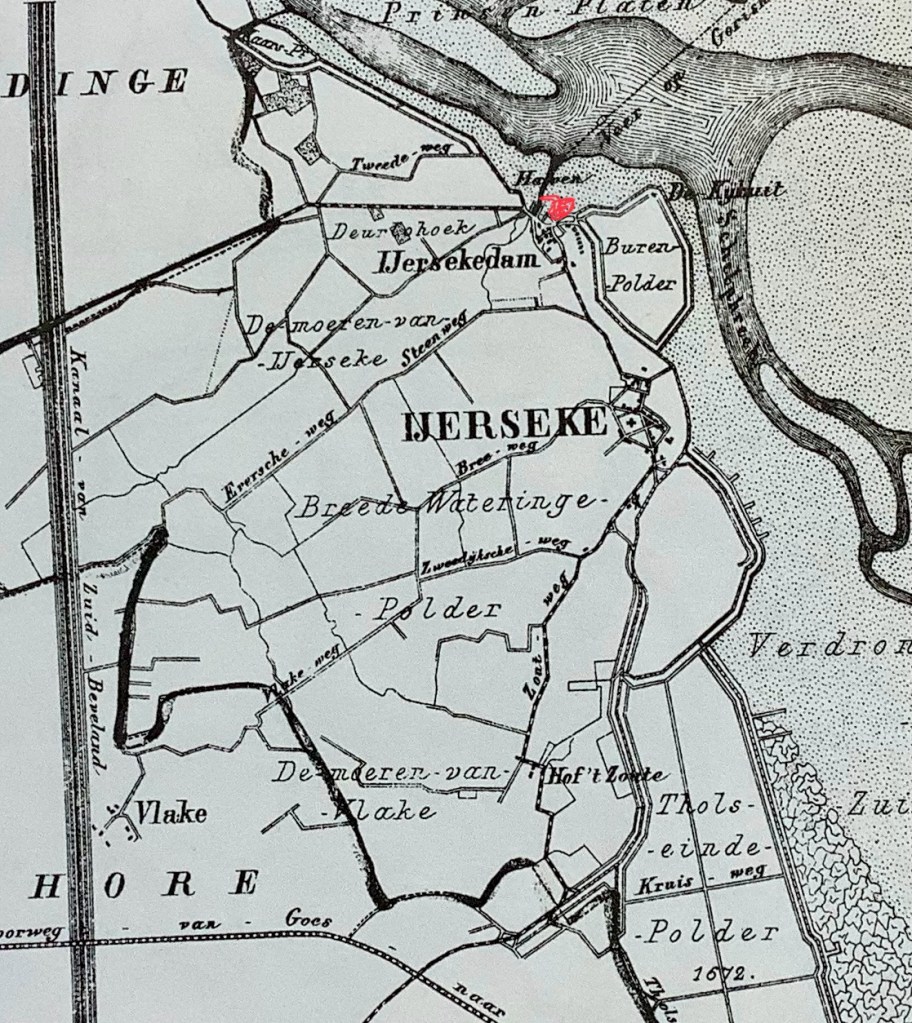
Yereske was a land locked village until the 16th century when the Saint Felix flood inundated this area of the East Schelde. On visiting the local museum we learnt about the lost town of Reimerswaal which lay to the east of Yereske. This important trading port that was home to over 6,000 residents was destroyed by repeated floods and fires. The last citizens, poor mussel farmers left in 1632. Today nothing remains, and though recognised as a national archeological monument its ruins are buried under the Oesterdam.

There were about 200 towns and villages in Zeeland, that were swallowed up by the sea during the Middle Ages. Many of these losses were due to the geography of the region, but some was to do with poor water management. In remembrance of these drowned villages there is a monument on the Oosterscheldedidijk, that list the names of the lost villages and well as these words of wisdom “It is true for now, it is true for later. Distrust the power of wind and water”. A grave reminder, as the world ignores the threat of climate change.
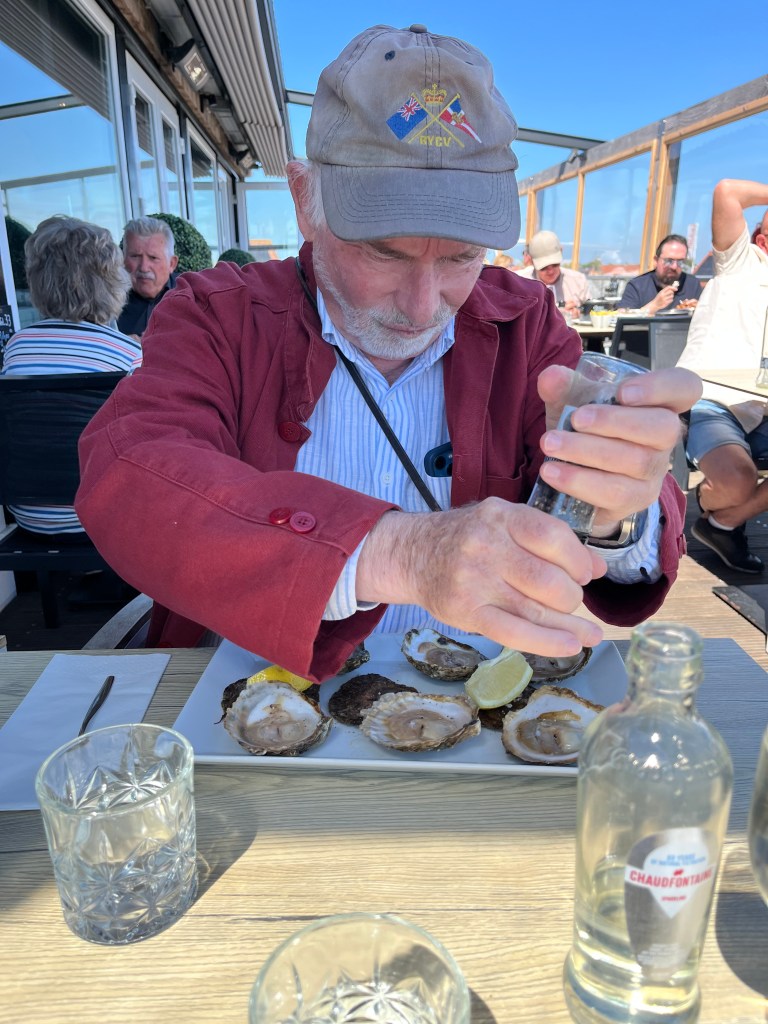
So enough of the history lesson, we came to Yerseke to eat oysters!
Two nights in Yereske and we were off , destination Willemstad. We were now leaving the province of Zeeland, heading in a north eastily direction to the province of North Brabant.


 Karen’s Travel Blog
Leave a comment