
Day 1 Wesel to Lake Bijland 51 kms
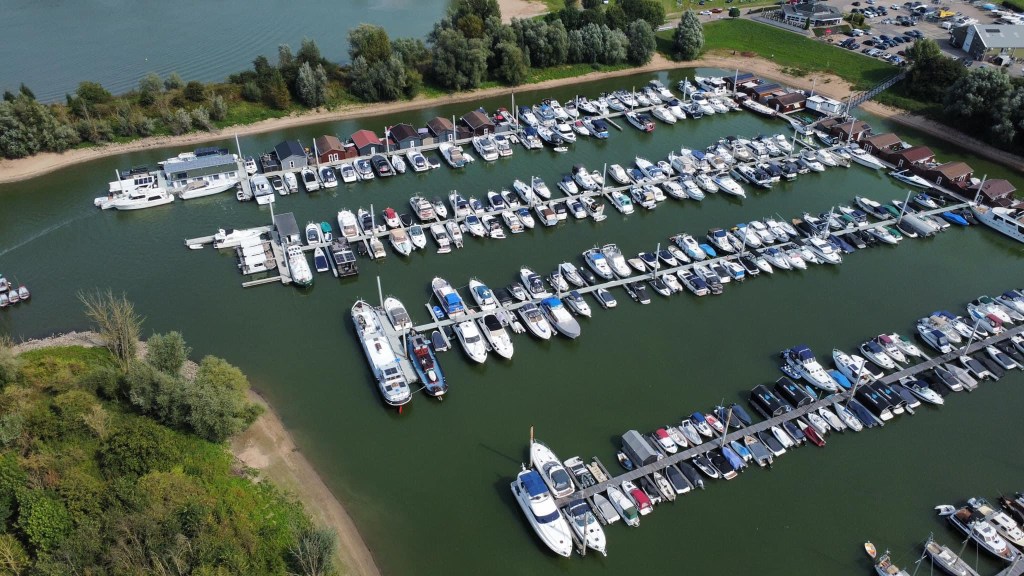
Day 2 Lake Bijland to Zaltbommel 72 kms
I looked back at our days travelling on the Marne au Rhin canal, where we we lucky to cover 10 kms in a day. 72 kms seems an impossibly long journey, but with no locks and about 5 kms assistance from the river we covered that distance in about 6 hours. Easy!
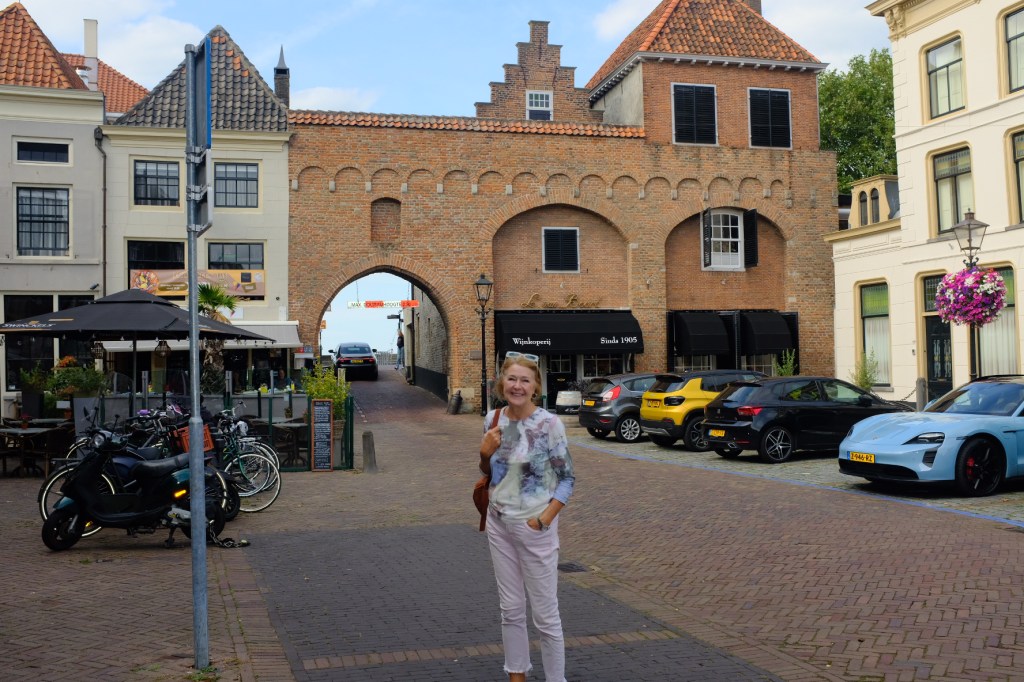
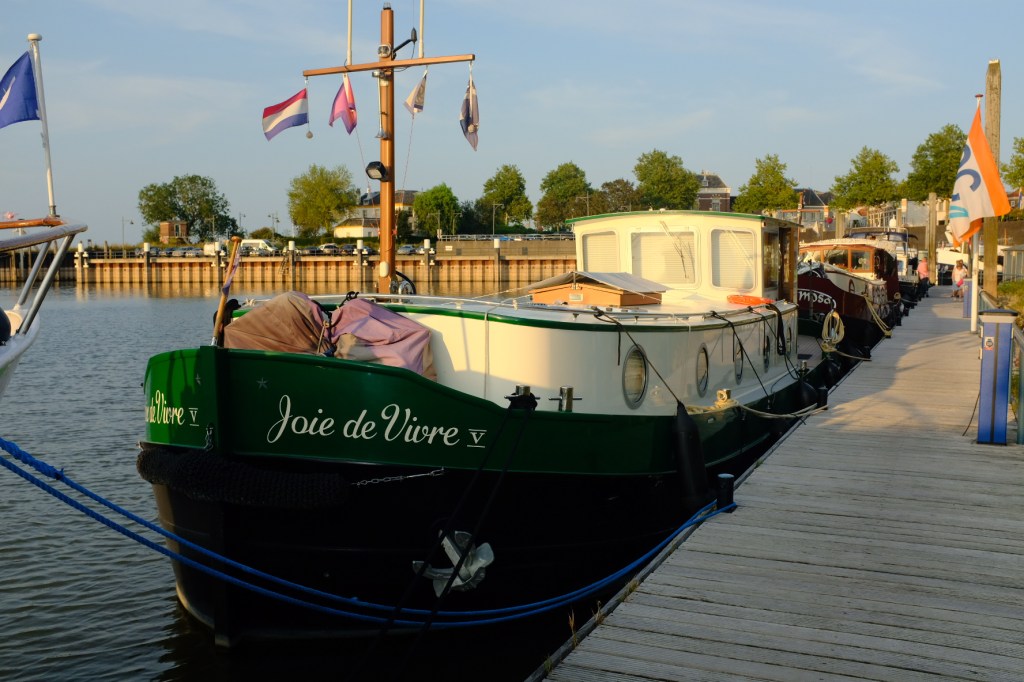
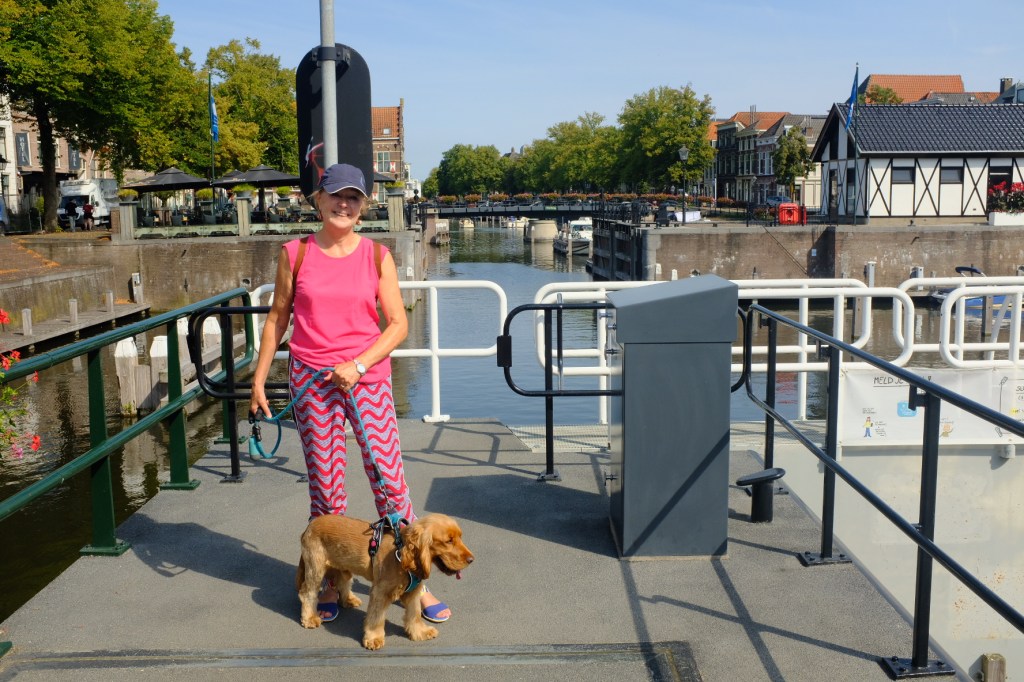
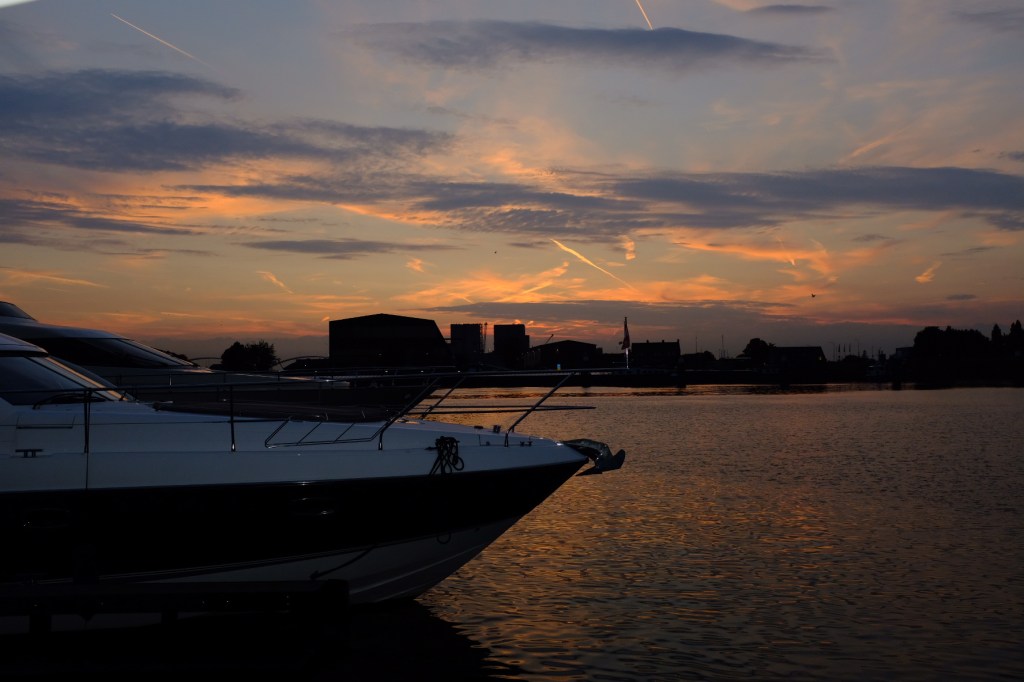
Similar to many towns along the Waal, Zaltbommel is a typical Dutch fortified town. After our trip through Germany we decided to rest for a few days in this friendly port and pretty town.


Day 4 Zaltbommel to Gorinchem 20kms
This was to be our 4th visit to Gorinchem. It is at this point that the Waal becomes the Boven Merwede, with the Afgedamde Maas joining the river from the south. We are now in the Rhine delta, as it flows towards the North Sea.
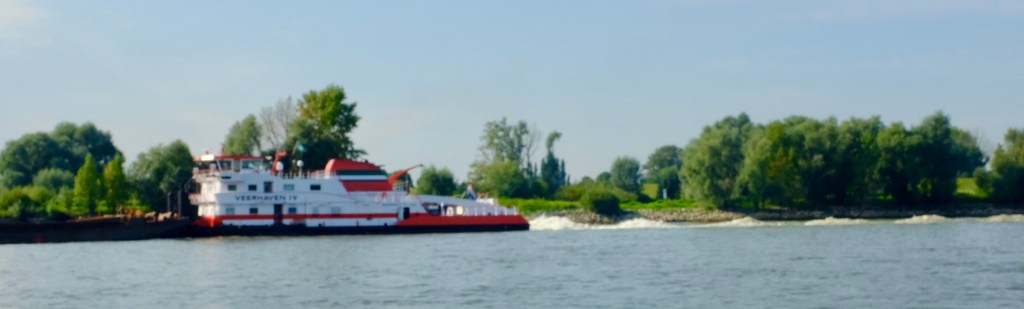
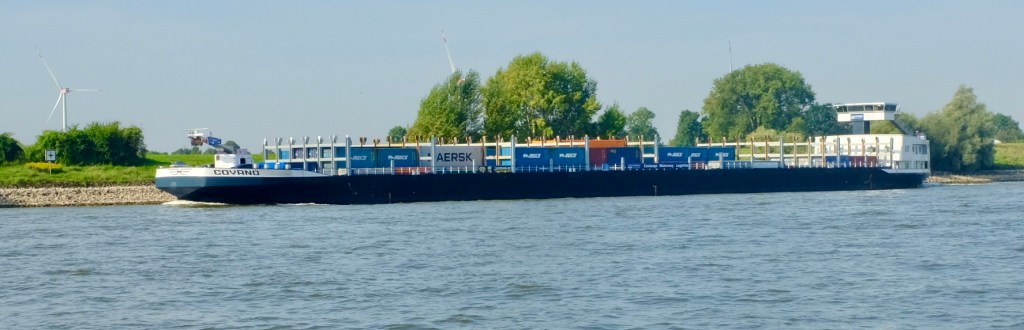
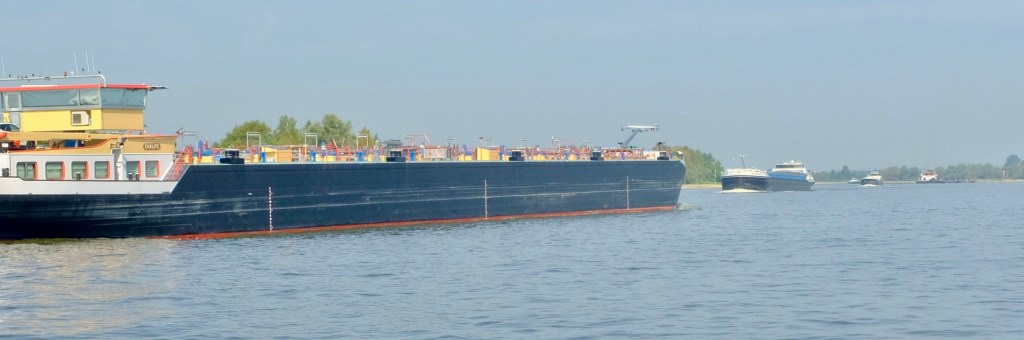


Gorinchem or Gorkum, as it is pronounced was founded by fishermen about 1000. It remains the largest existing fortified town in the Netherlands. It was an important defensive fort with 4 city gates, of which only one remains today. It was also part of the old Dutch Water Line, a series of water based defences devised in the 17th century that could be used to transform the Western Netherlands into a virtual island.

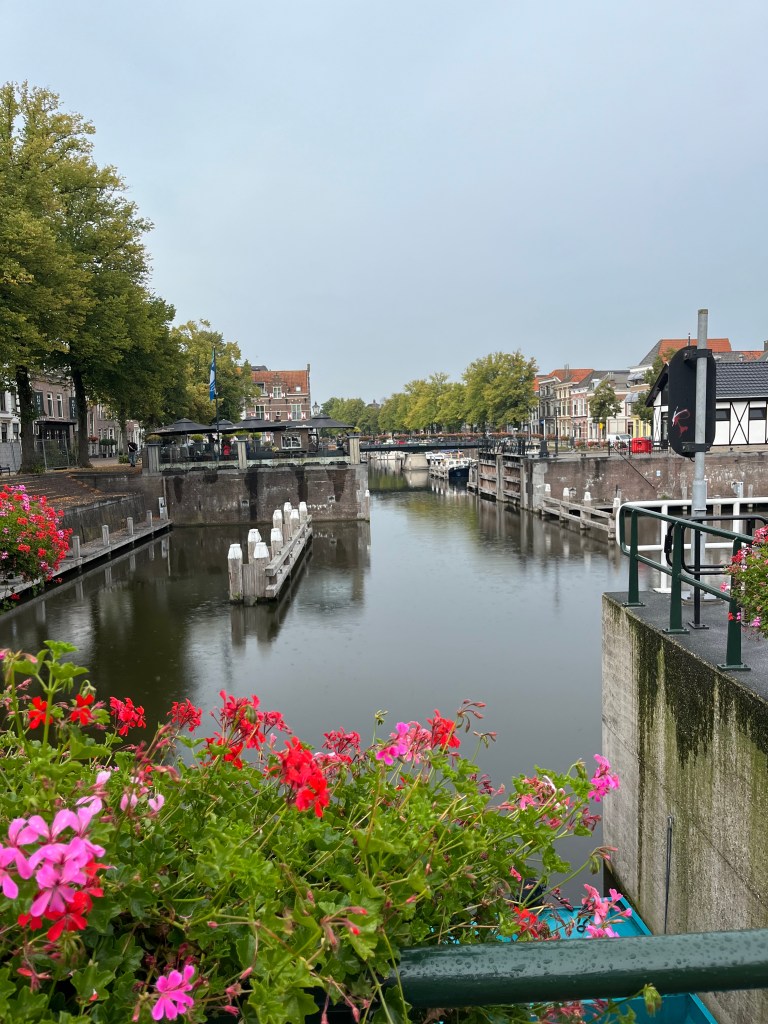




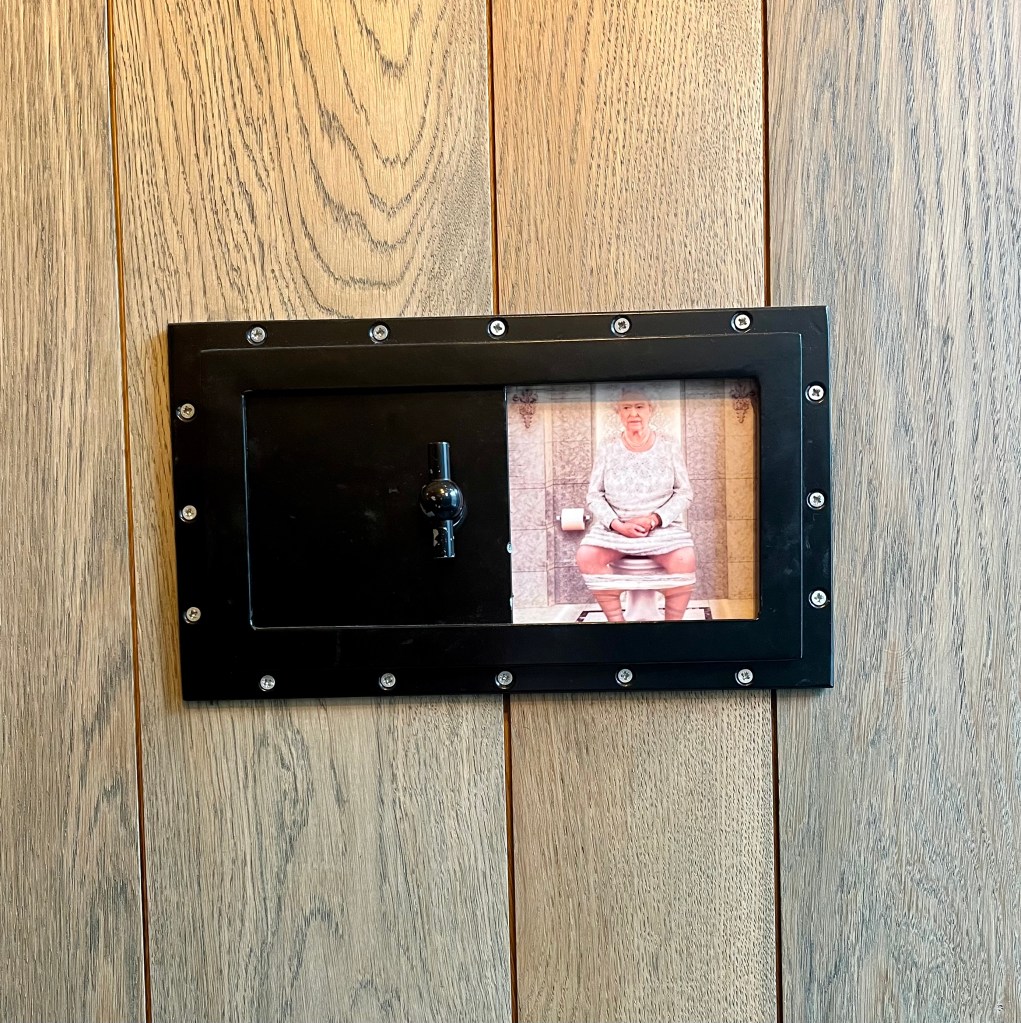
a high profile cliental!
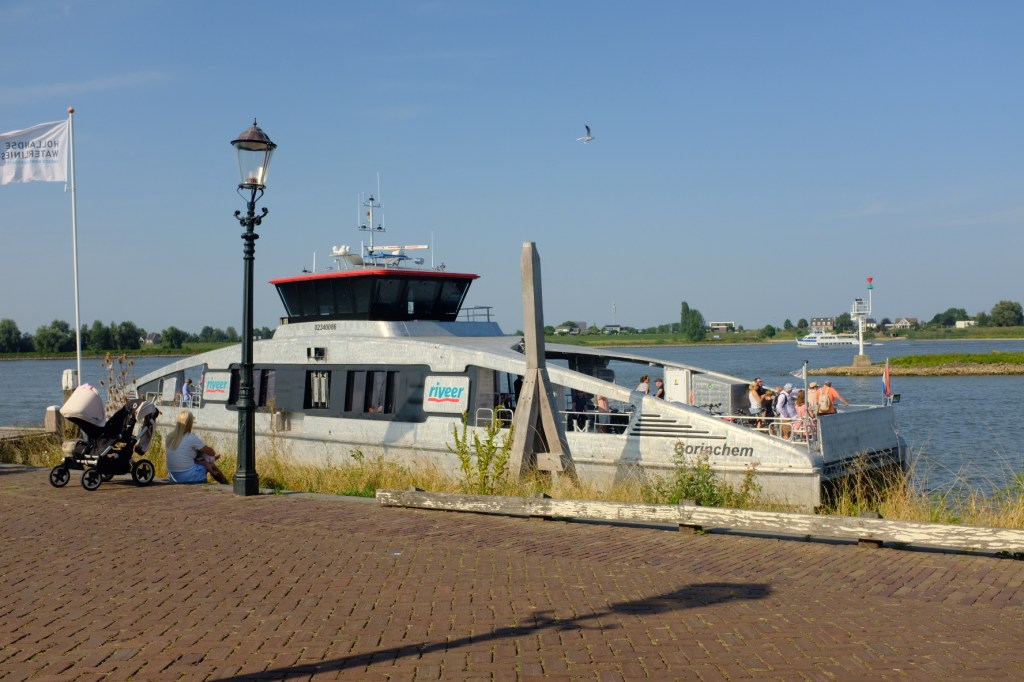
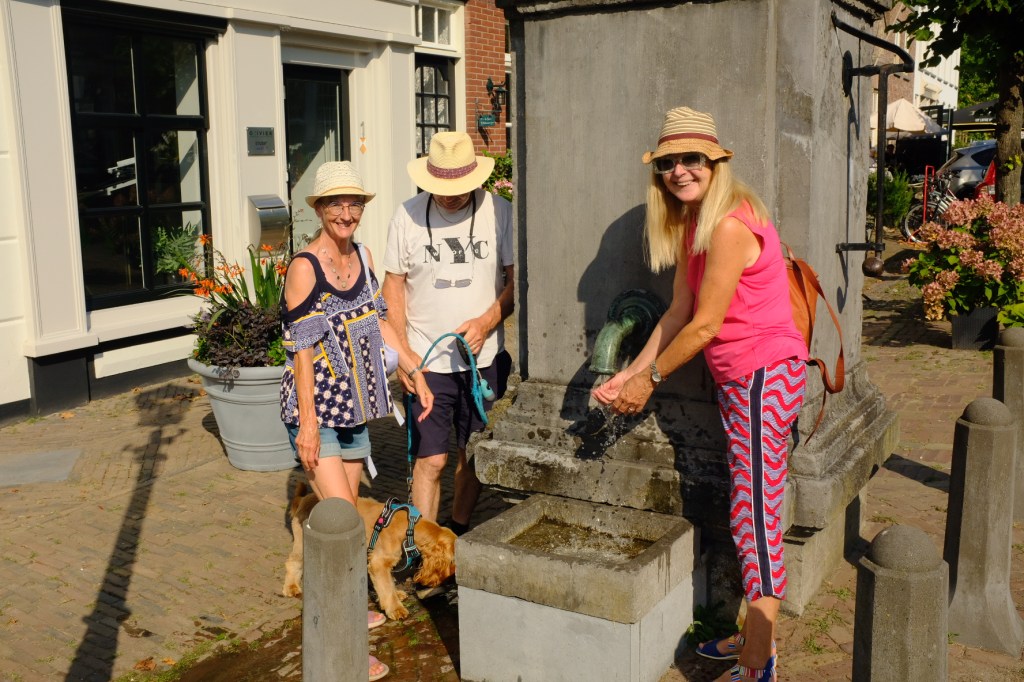
Opposite Gorinchem is the small town of Woudrichem that can be reached by a ride on a very fast ferry. The port is home to many traditional Dutch boats and the historic boat yard is certainly worth a visit.


Day 7 Gorinchem to Dortrecht 21 kms
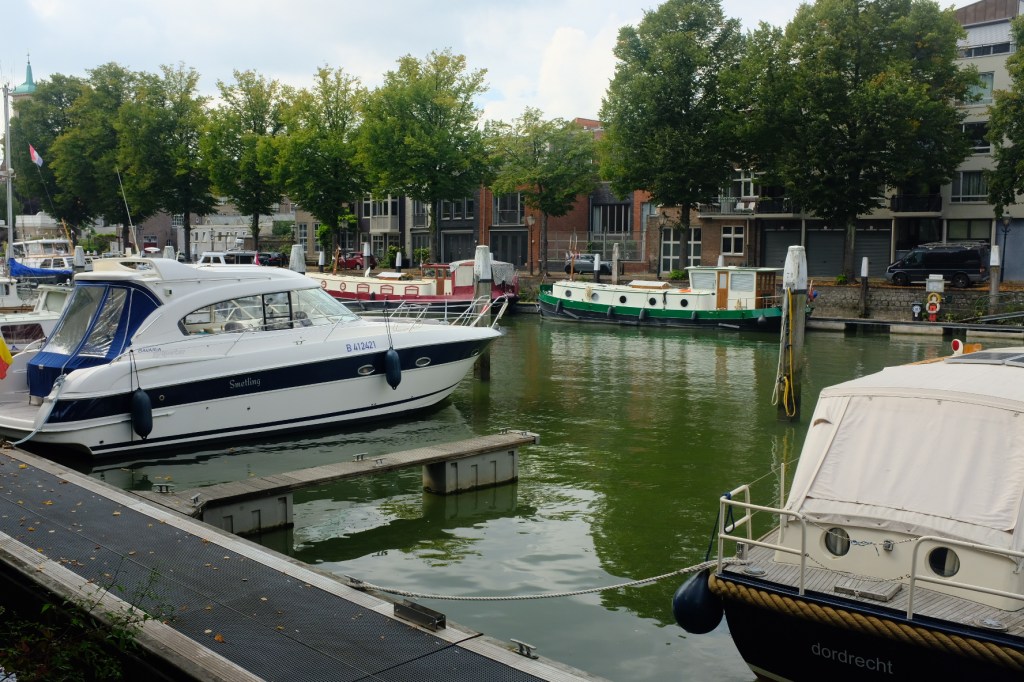
Our stay in Dortrecht was to be 5 day rest, while James visited the UK. We have travelled this way in previous years and this was to be our 4th visit to Dortrecht. The town is bordered by 5 rivers and is recognised as the oldest city in Holland. In the 12th and 13th century Dortretch developed as an important market city due to its strategic location. It traded in mainly wine, wood and cereals. We were staying in the marina at Wijnhaven or wine port, which indicated how important the wine trade was to Dortretch. The haven was originally one of the rivers that surrounded Dortrcht. The city had connections with all the French wine regions especially Bordeaux. Today along the Wijnstraat you can still see the old wine warehouses.


From 1780 to 1787 Dordrecht was home to the patriots faction (a similar organisation to the French liberty freedom fighters) which intended to remove the resident Staddtholder, or national leader, a position held by Willem V of Orange. Rather than end up as a victim of the guillotine like his French counterpart Willem fled to England. The patriots were finally defeated by the faction that supported the royalty, known as the Orangists, but this victory was short lived as only 2 years later the French Revolution began, which embraced many of the political ideals that the patriots espoused. The French revolution was supported by the patriots and spilled over into Holland. What followed was a period of unrest with the establishment of the pro French Batavian republic, then the French satellite state of the Kingdom of Holland, ruled by Napoleon’s brother and later simply a French providence. The Kingdom of the Netherlands came into being in 1815, in the aftermath of Napoleons’s defeat, with Willem V’s son proclaiming himself king. Today the Netherlands, like the UK is a constitutional monarchy.
We learnt all about this history, when we visited the Patriciershuis, an 18th century residence decorated in the Louis XVI style
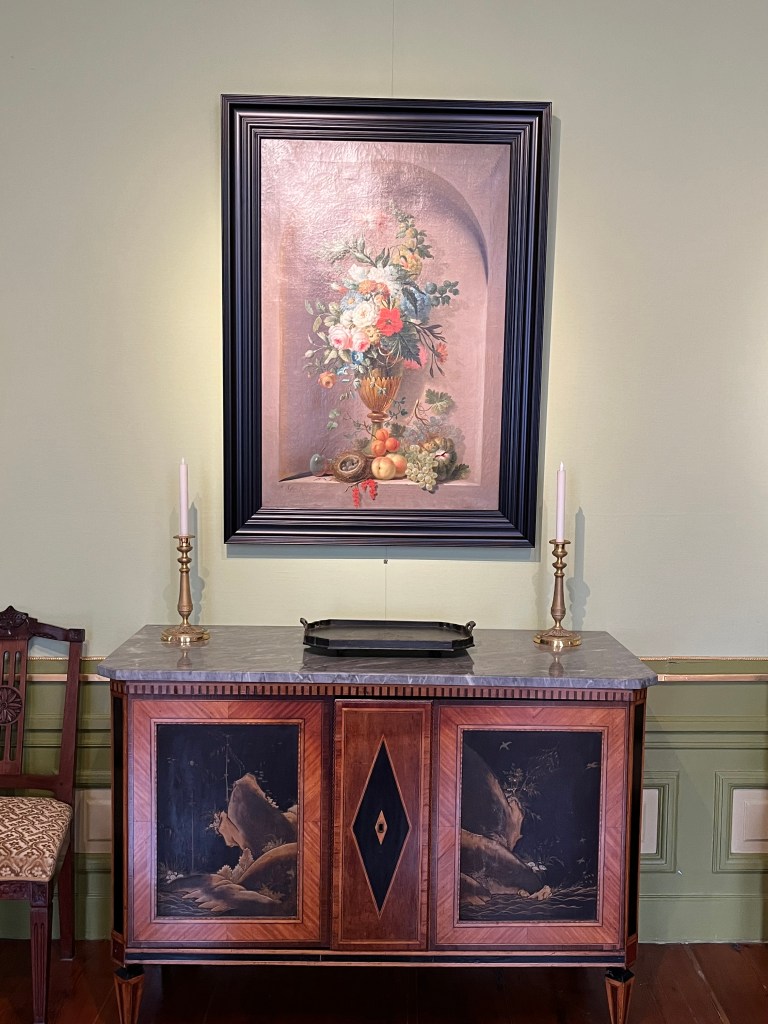

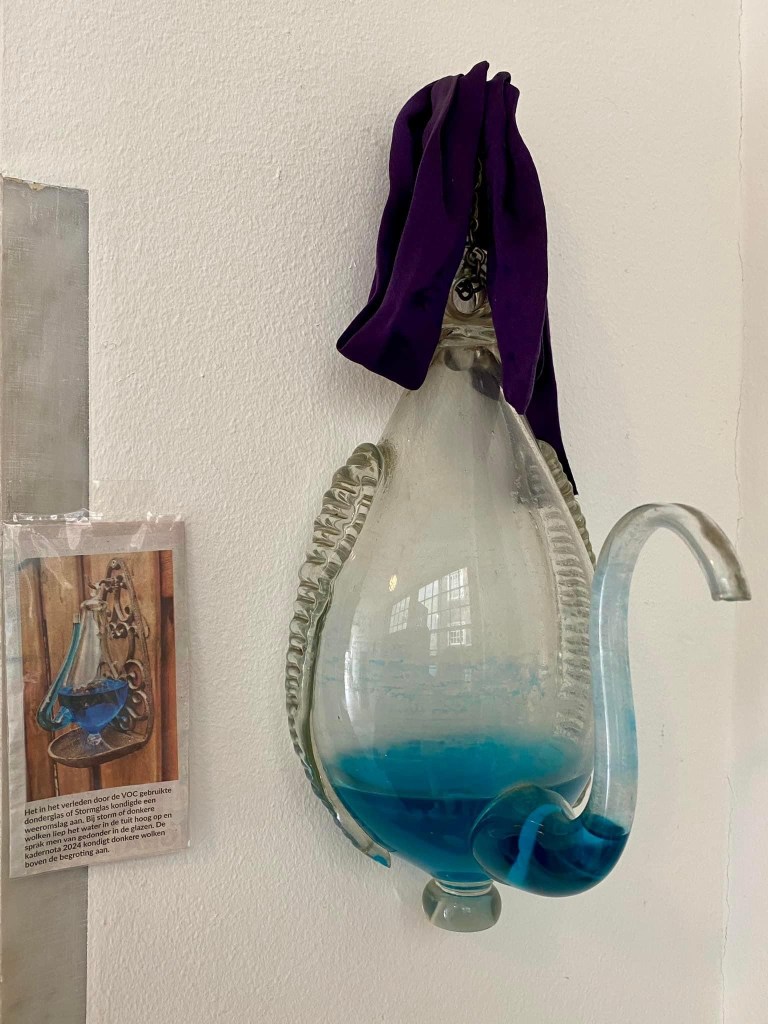
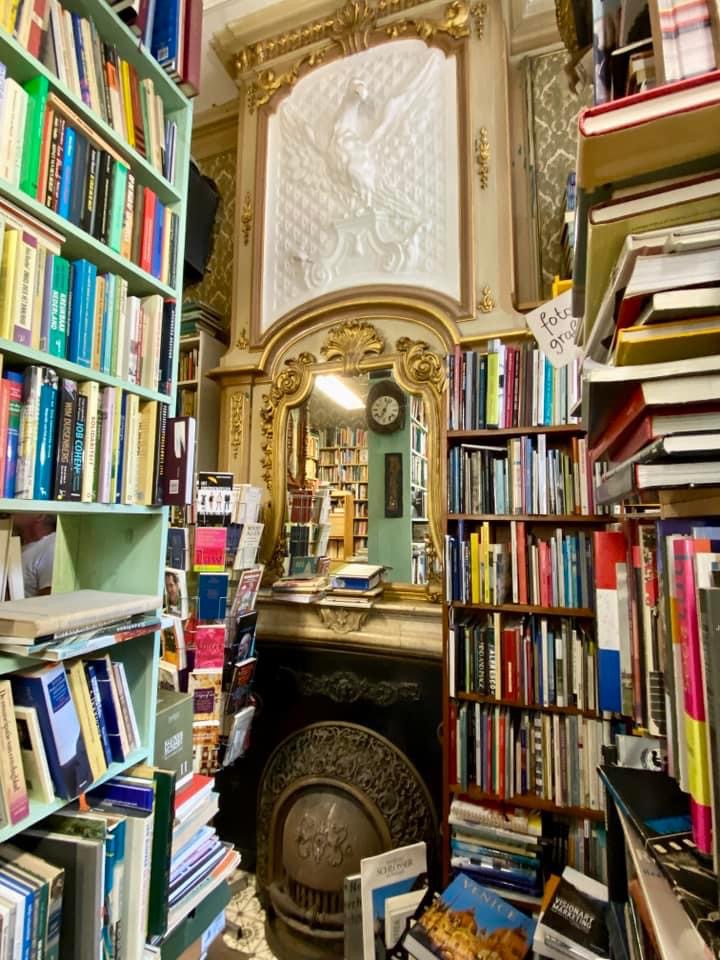
Not only did we wander the streets and visit a museum, but Dordrecht is a well known antique centre. There was plenty to see.
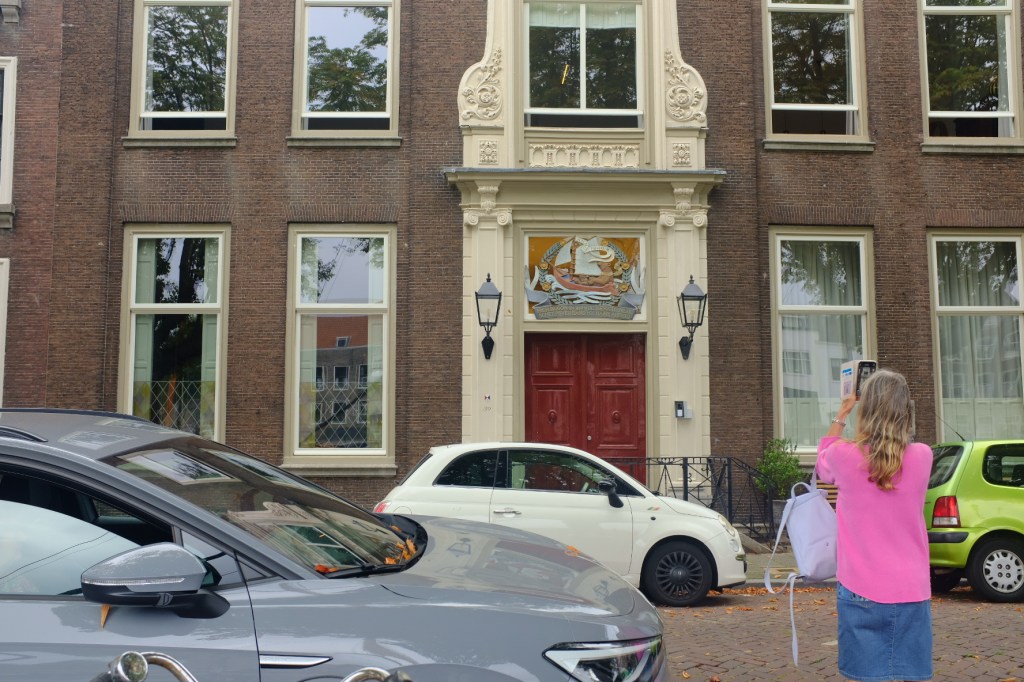

Day 11 Dordrecht to Rotterdam 21 kms, and still no locks
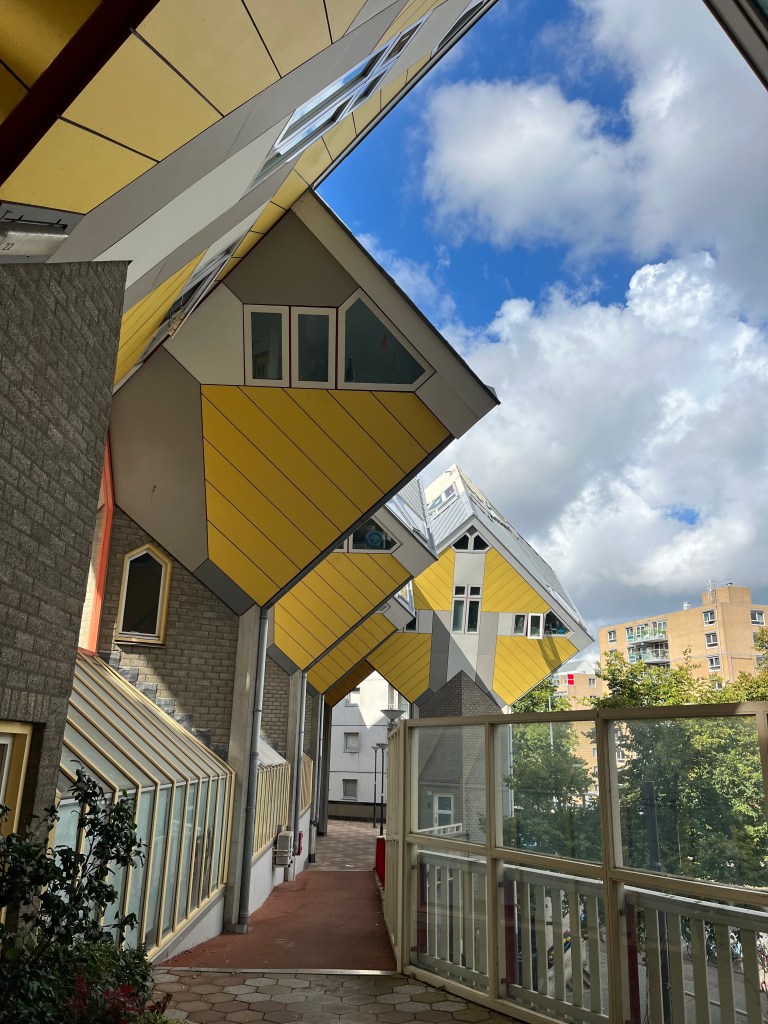
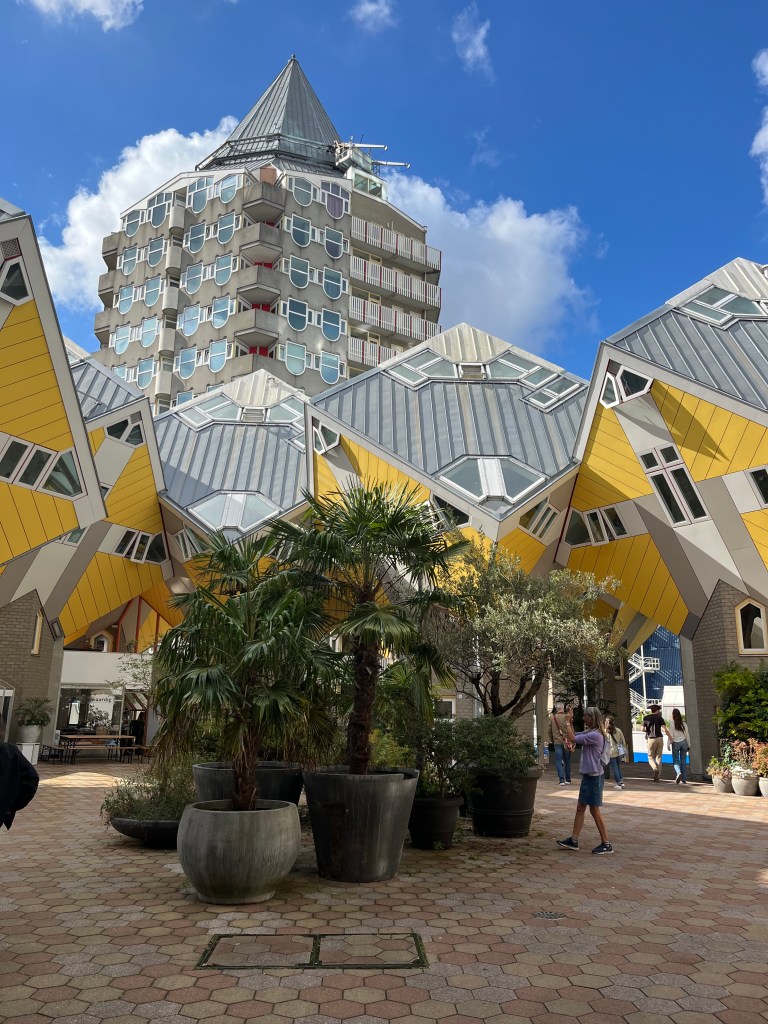
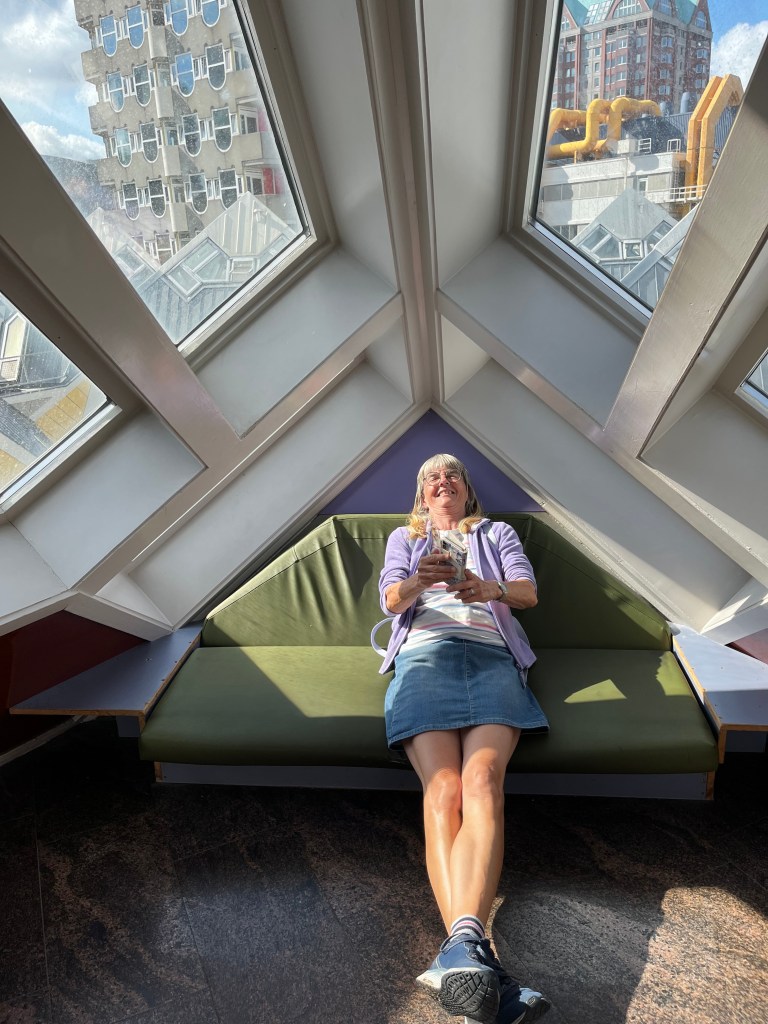
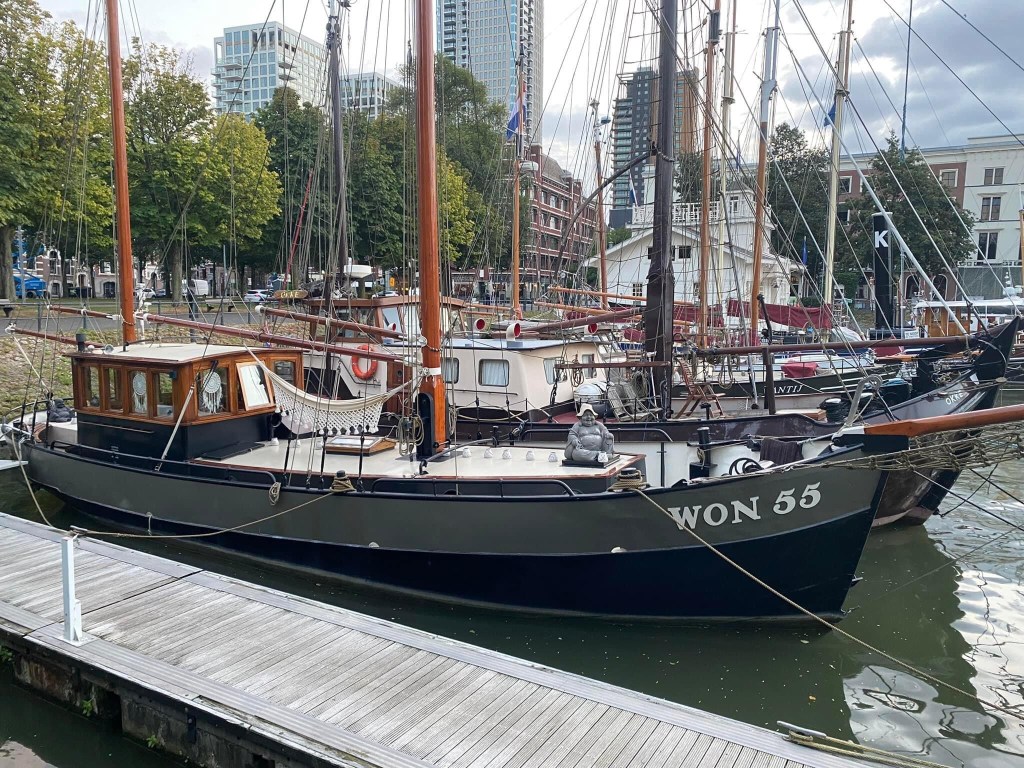
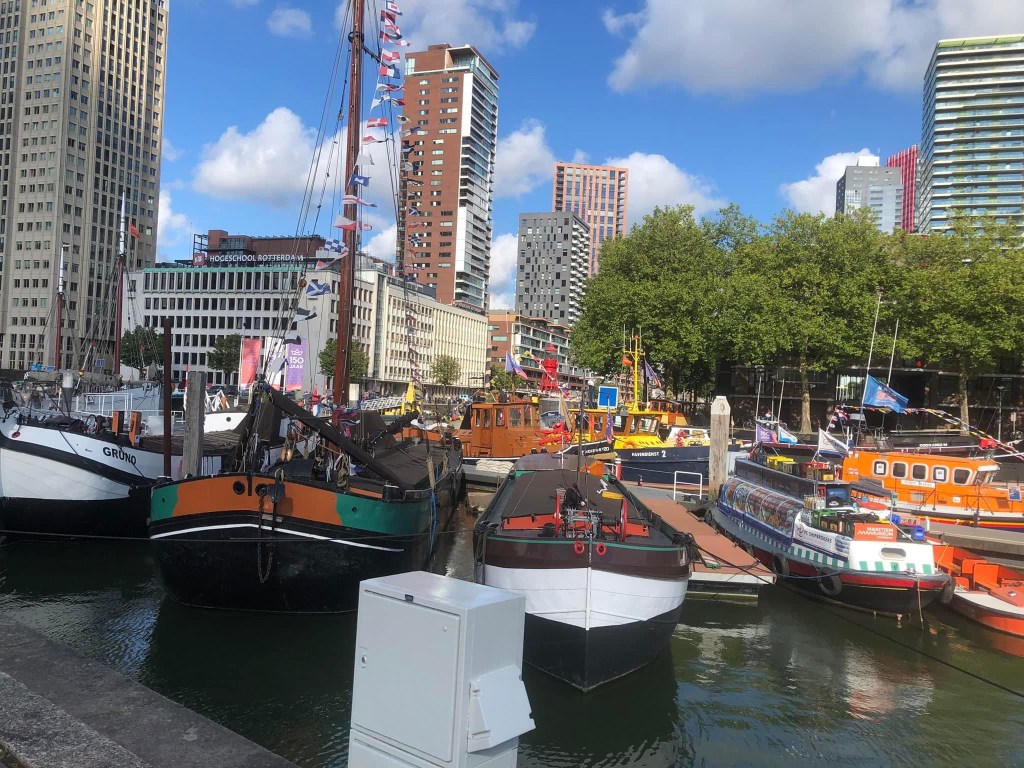
The port city of Rotterdam is the second largest city in the Netherlands. It was heavily bombed during WW2 and is now noted for its bold modern architecture. The Veeerhaven (where we mored) is adjacent to the old port, which is jammed heel to toe with traditional Dutch boats. Certainly a yachtsman’s delight.

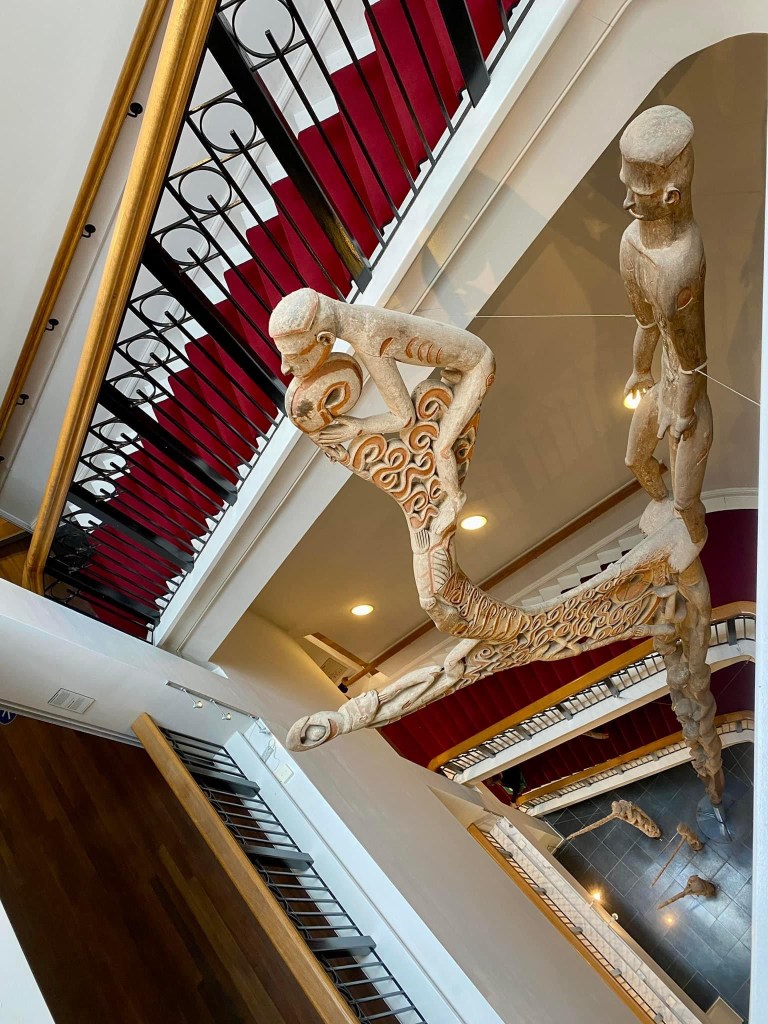
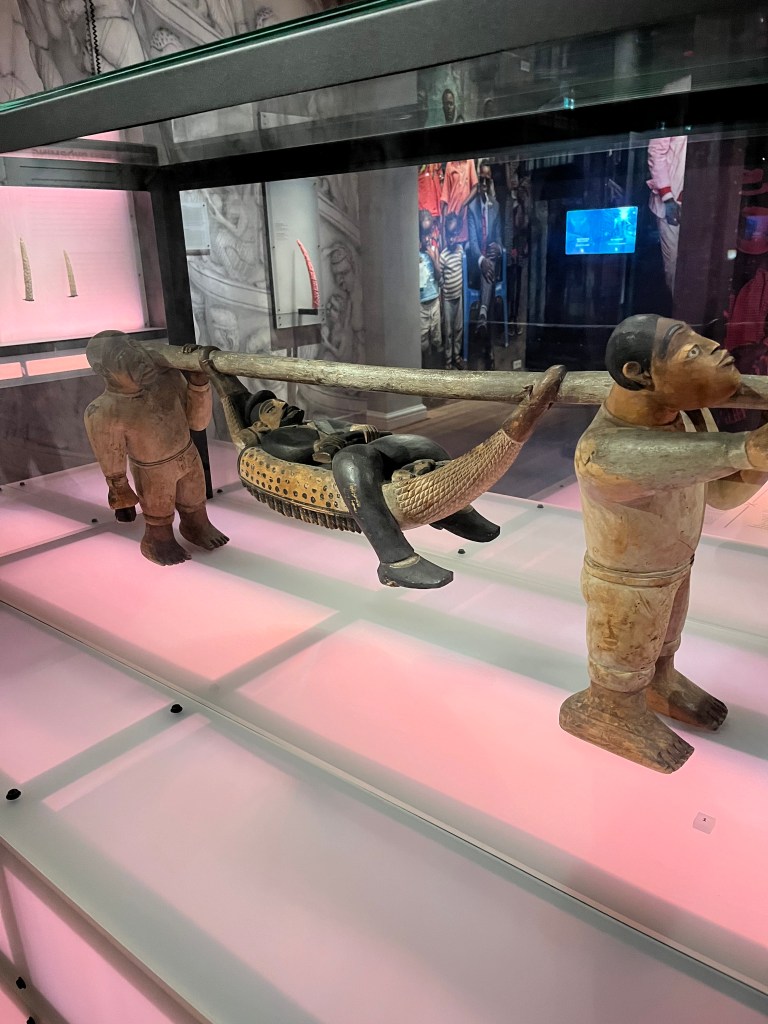
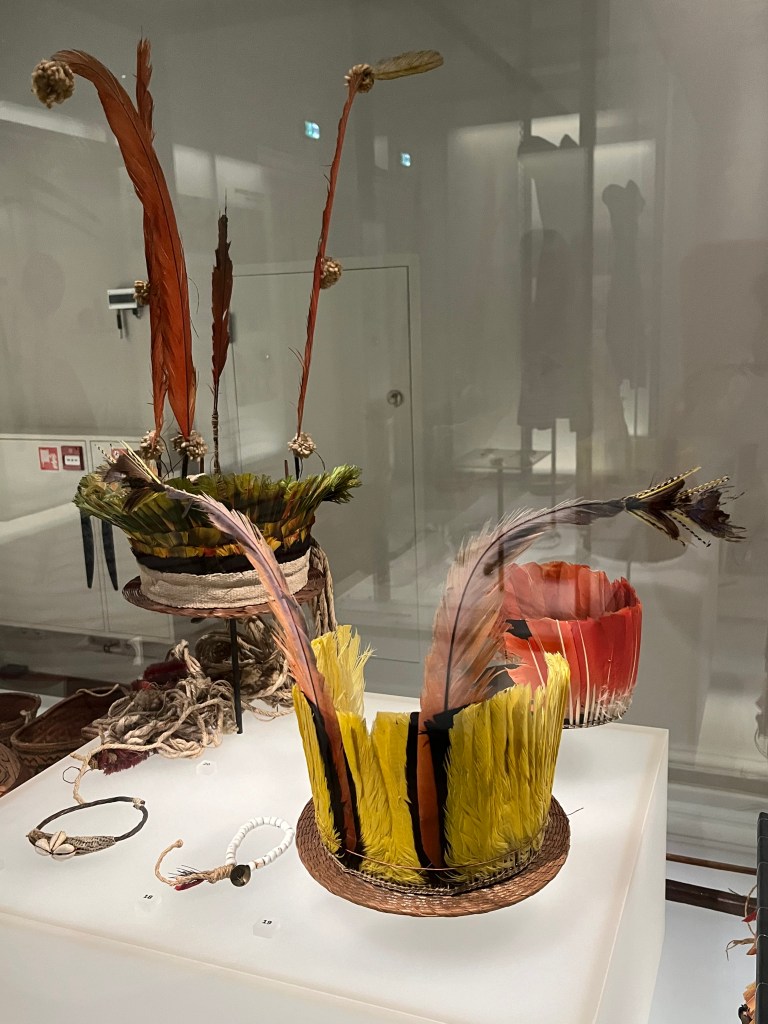
Close to the port was the Wereldmuseum (World Museum). The building was built in 1851 as the Royal Dutch Yacht Club. From the balcony of this swish yacht club, members could watch racing on the river. The yacht club was abandoned in 1878. Today it houses a collection of artefacts recovered during the Dutch exploration of the then little known world. Although the blurb sounded interesting, a collection of over 1800 objects from various cultures in Asia, Oceania, Africa and the Americas, it really didn’t live up to its claim to fame. Instead it seemed like an apology to Rotterdam’s slave trade past. From the 17th century until 1814 when the Netherlands abolished its involvement in the slave trade, Dutch slave ships from Rotterdam sailed to Africa and the Americas.



And just to round it off, some boats in the historic harbour

We stayed in Rotterdam for 3 days, due to the arrival of some inclement weather. We were heading south into the open waters of the Schelde estuary, so instead of being bashed around, we elected an extended stopover.
 Karen’s Travel Blog
Leave a comment