
Just to recap, we travelled from Willingen to Koblez on the Rhine, 1 lock 15 kms
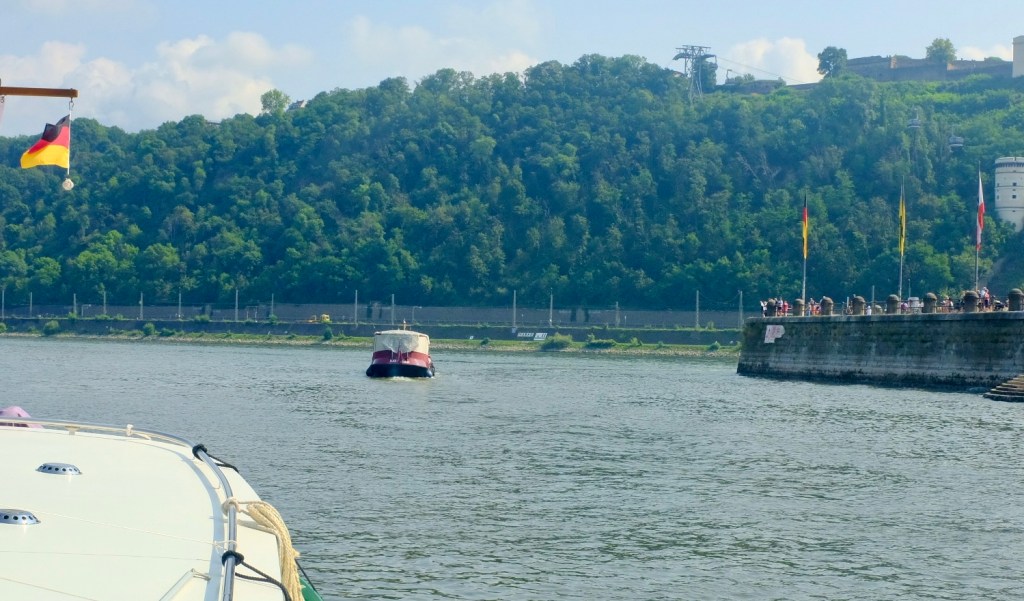

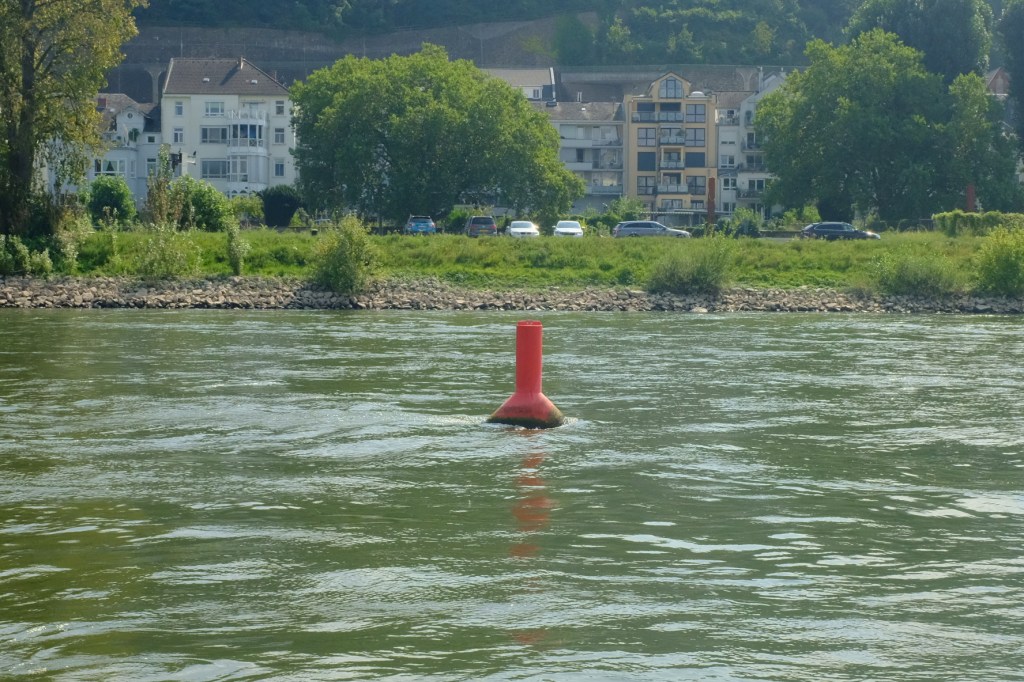
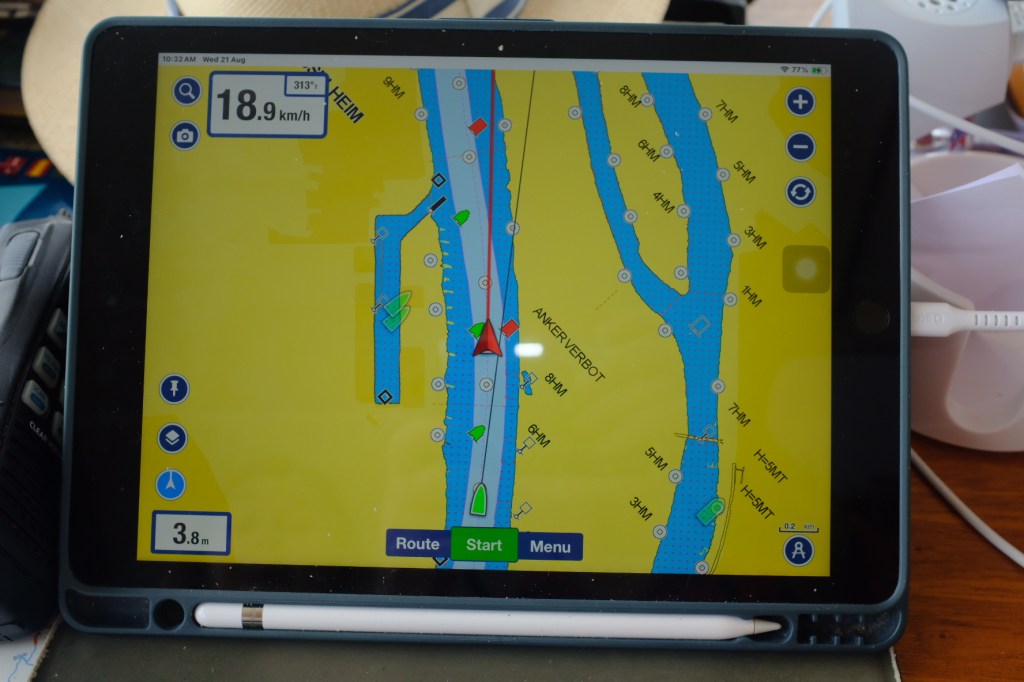
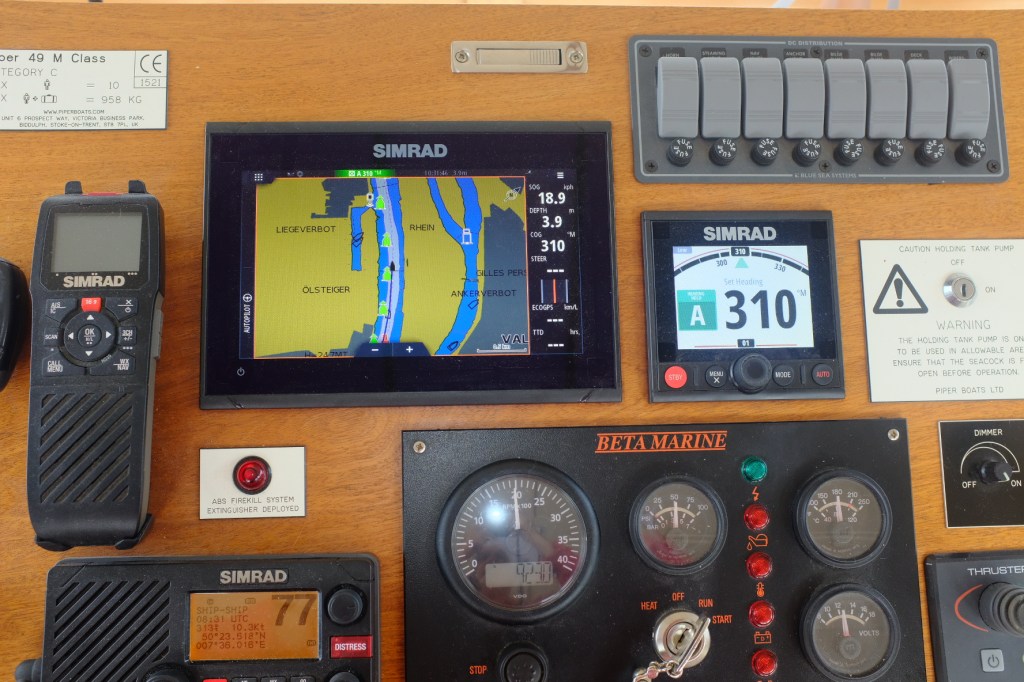
Our first port on the Rhine was a harbour just upstream from Koblenz. As we turned from the Mosel to navigate upstream our speed across the ground reduced to about 5kms per hour from 10 kms per hour. Thankfully our trip on the Rhine was to be down stream. With the extra help from the river we would average about 15 kms per hour for this section of our journey.
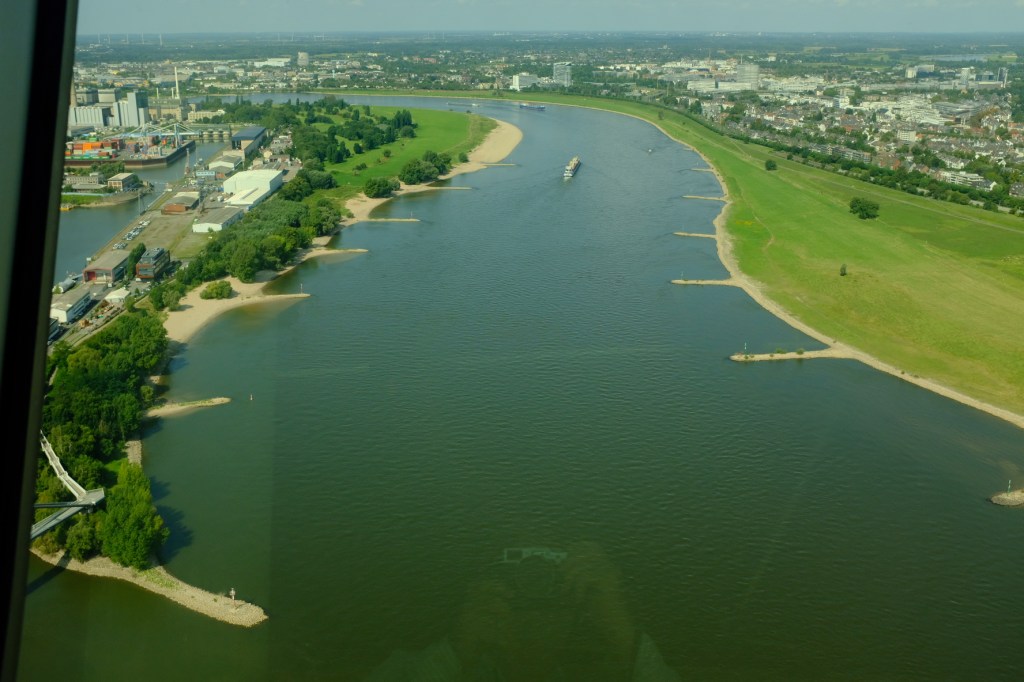
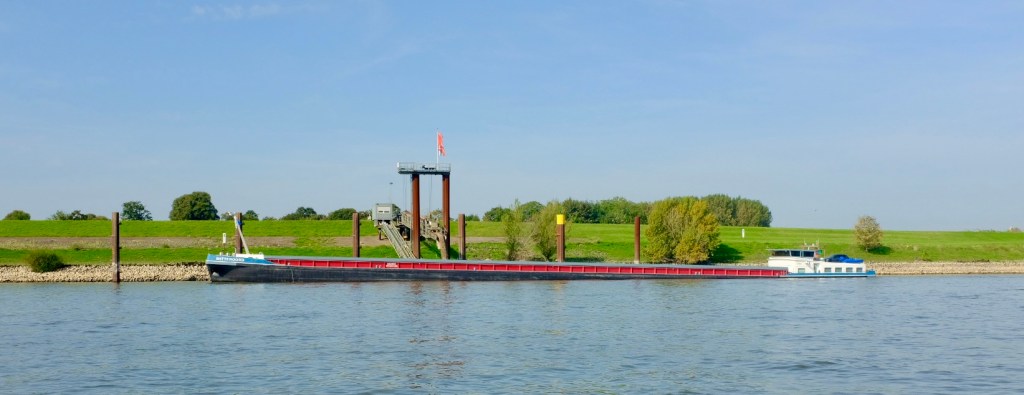
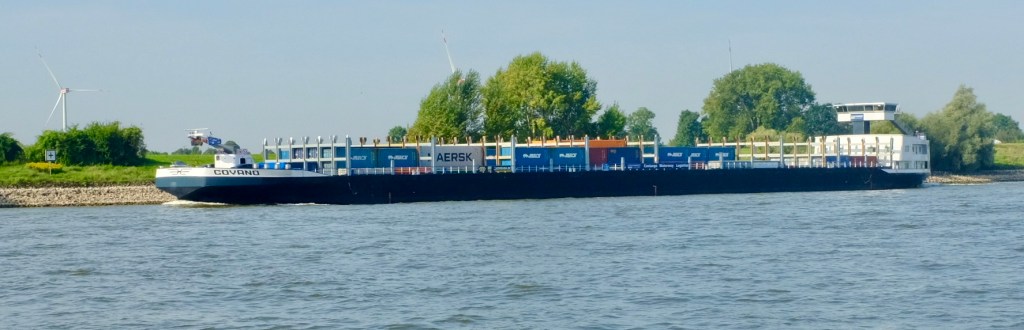
The picturesque Rhine is through the gorge, downstream from Strasburg and upstream from Koblenz, where the river cascades through this rocky valley, dotted with castles and vineyards. But that was not to be our path. Ahead of us was a 273 km journey from Koblenz to the border with the Netherlands (no locks), navigating with the large barges that ply the river. The scenery changed from small spa towns to the industrial heart of Germany, or as the Germans know it, the “Kolnpott”. Due to this industrial heritage most of the towns along the river were heavily bombed during WW2. Not many of our fellow bargees have taken on the challenges of this fast following river. The winding channel with intermittent groins, the ferries, the unpredictable current, the wake from the large barges and the incessant traffic all require constant attention. The river is forbidden to hire boats and pleasure boats over 20 meters. To captain a boat over 20 meters on the Rhine requires a special license attained by navigating up and down the length of the Rhine 8 times and sitting a series of exams.
Peter of course wanted to know how fast we could go
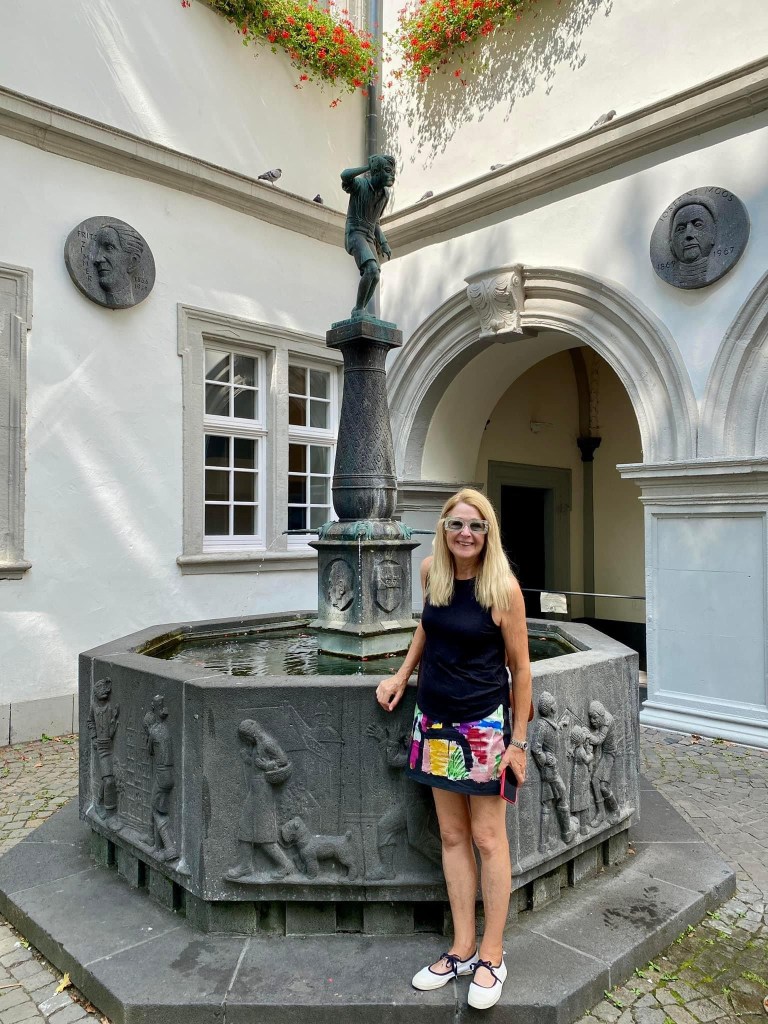
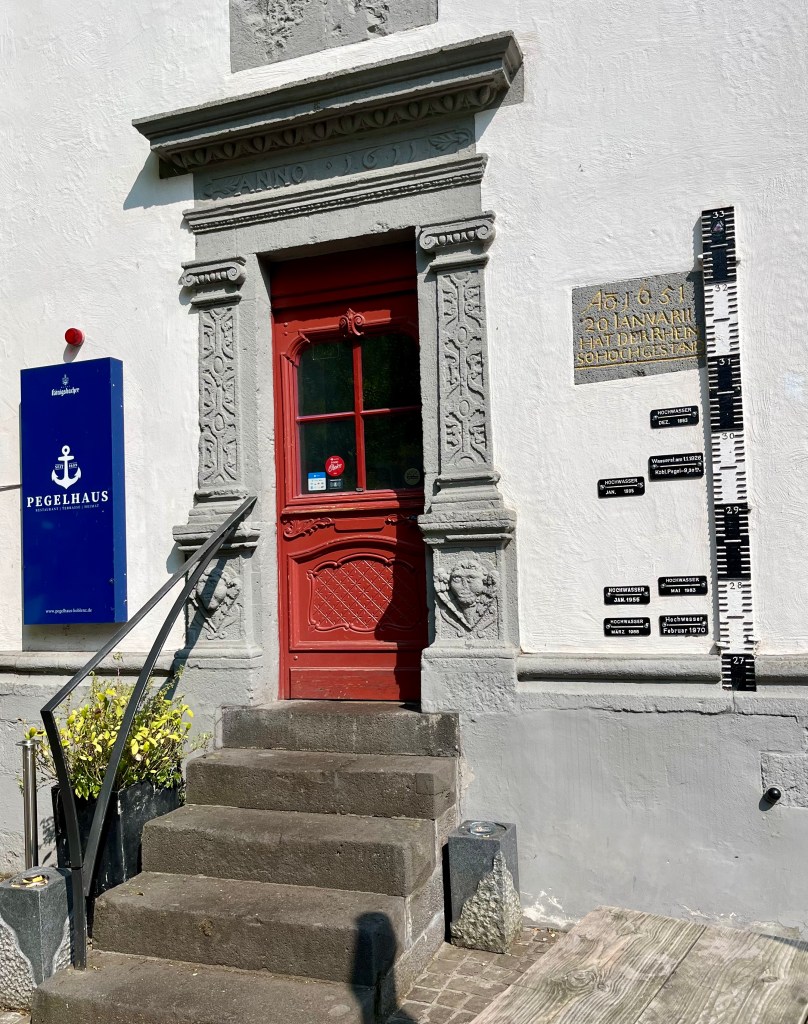
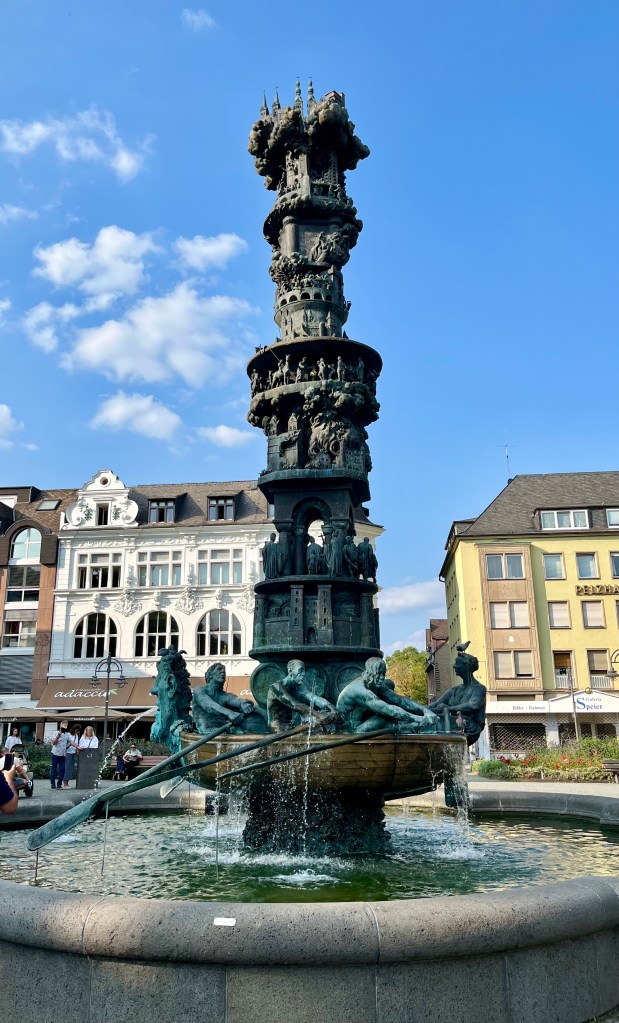
Koblenz
But before I go into more detail of the river, our first port of call was Koblenz.
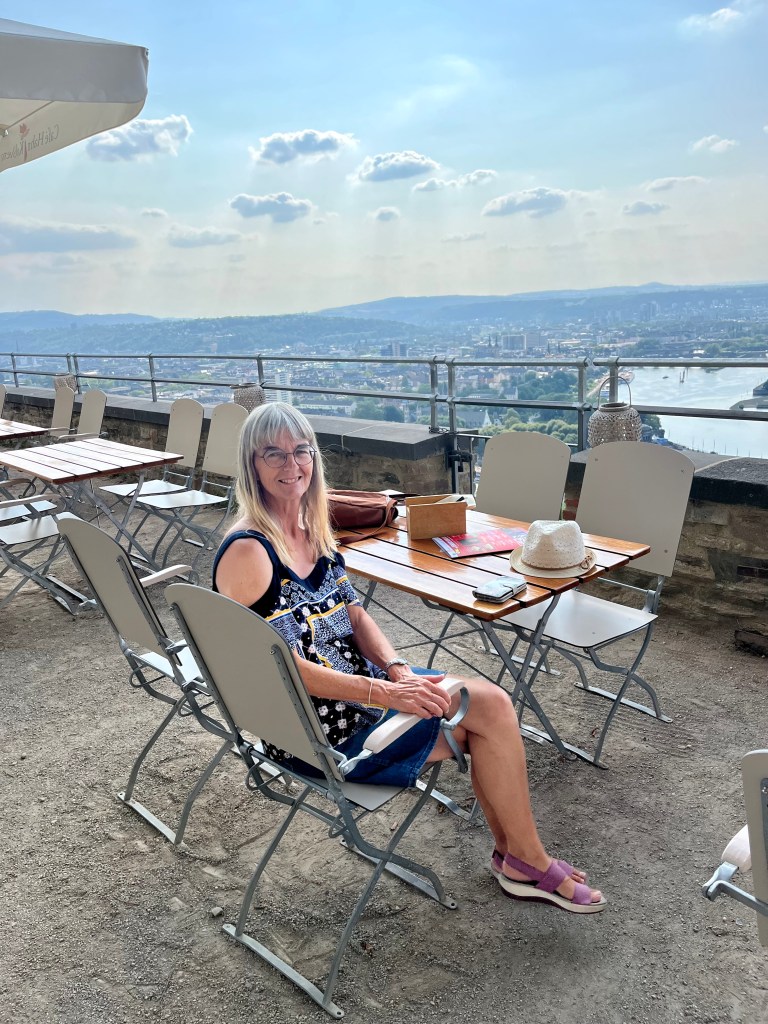
The city is dominated by the Ehrenbreitstein Fortress, which is easily accessed via a cable car. The construction of the fortress was started in 1817, however this strategic site situated on a hill overlooking the confluence of 2 major rivers, has been occupied for over 3,000 years. From a Celtic nobleman’s residence, to a Roman fortress and a medieval castle Ehrenbreitstein provides an insight into the patchwork of local history. Not much remains of the old town, as 97% of the town was destroyed in WW2.


A bit more of Koblenz

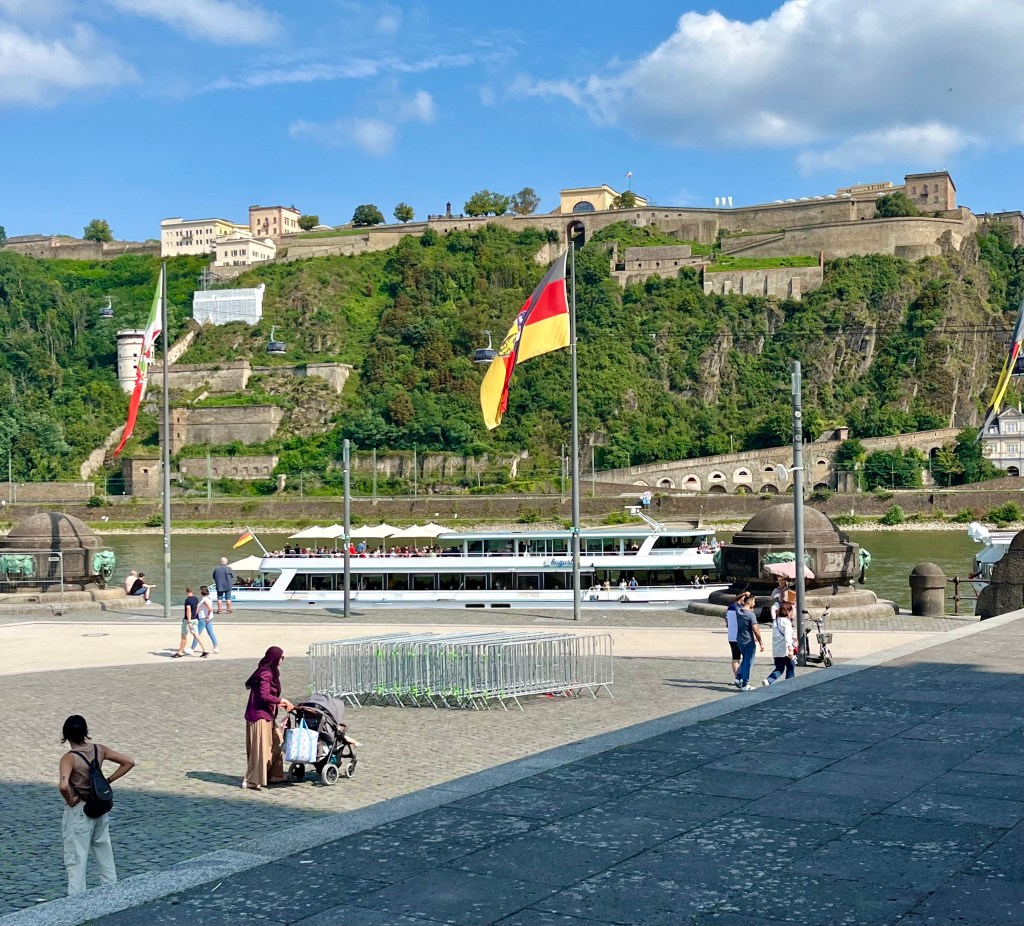
Day 3 Koblenz (Rheinlache Marina) to Oberwinter 49 kms

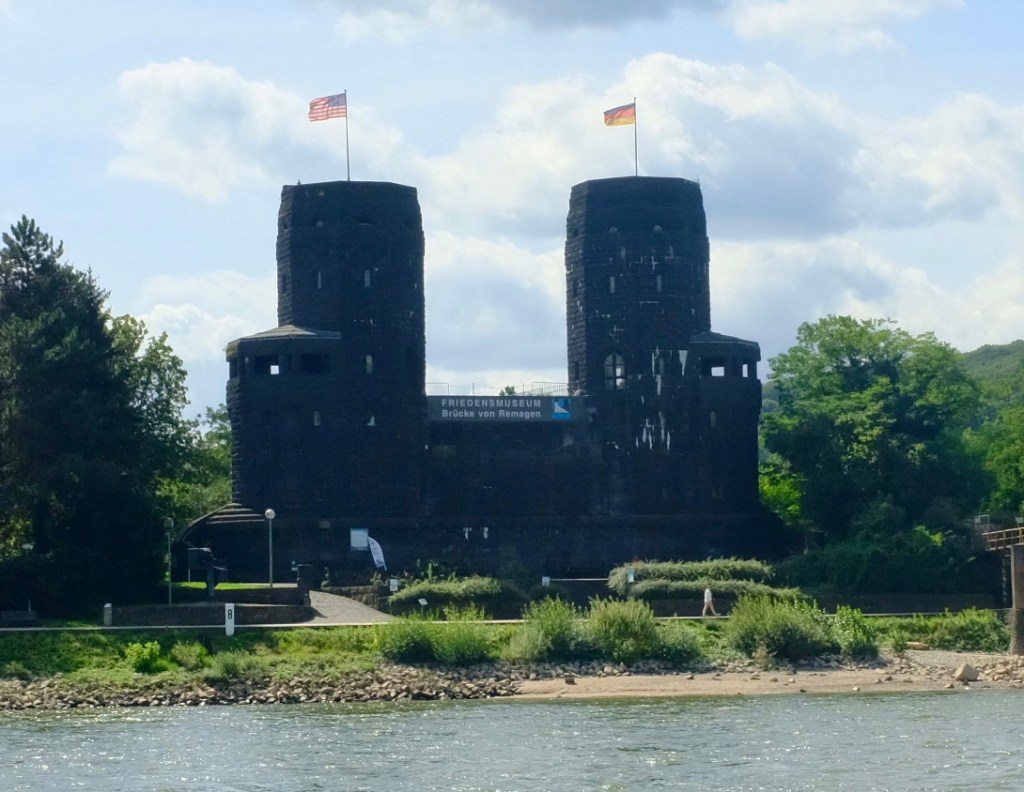
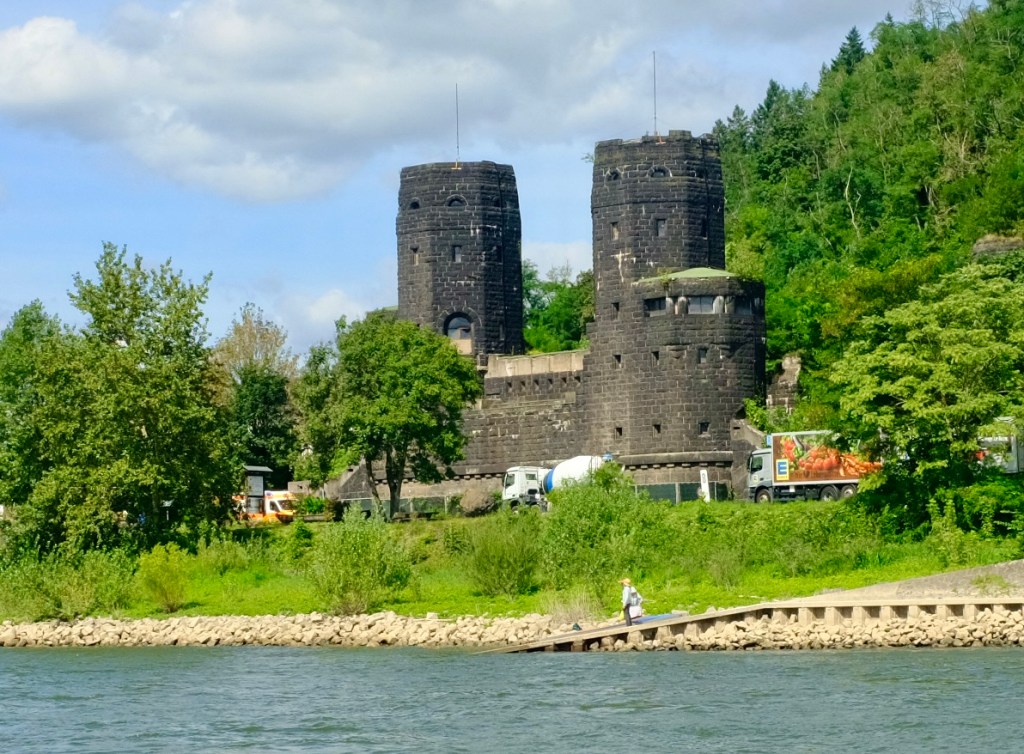
Day 4 Oberwinter to Cologne 49 kms

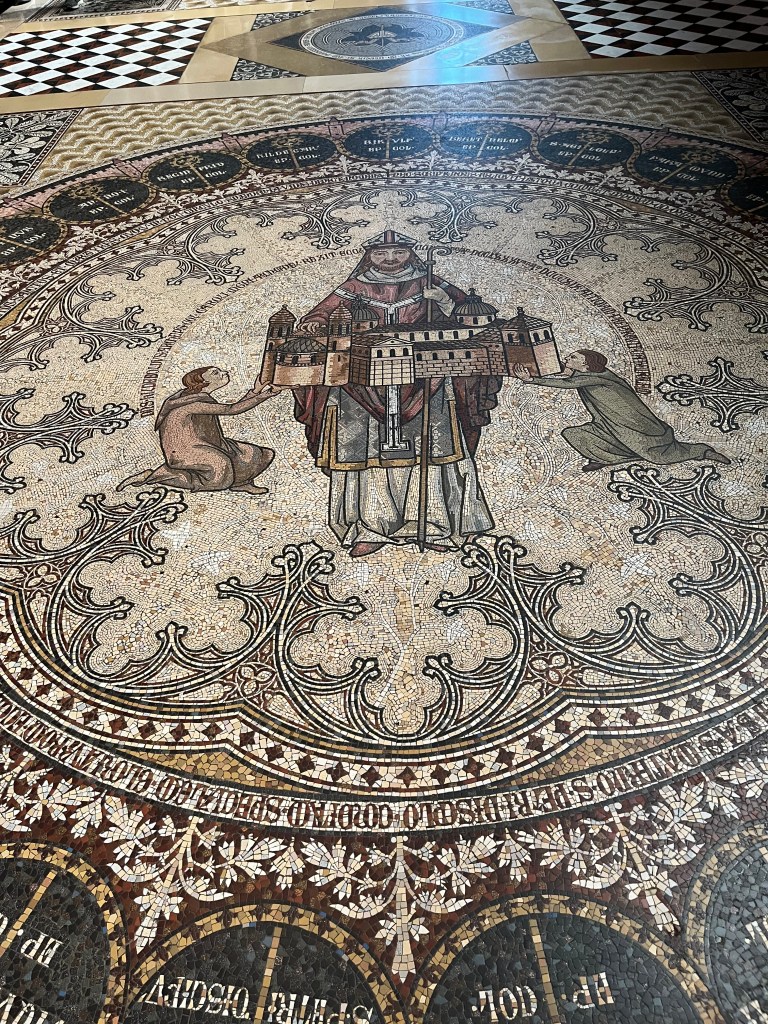
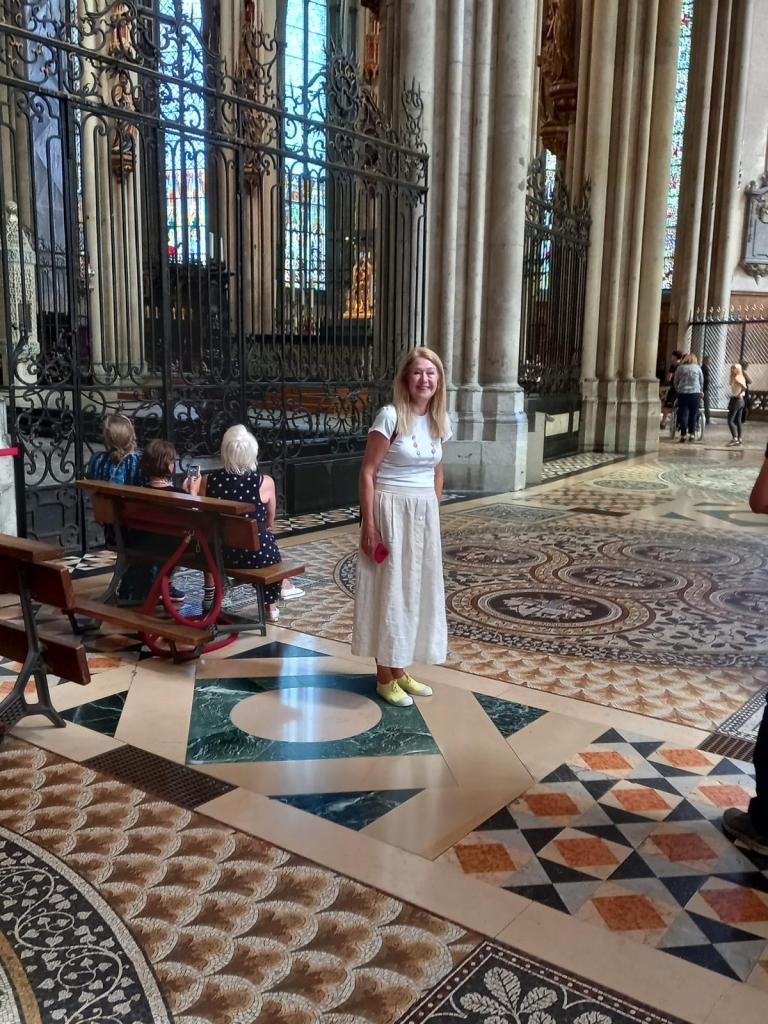
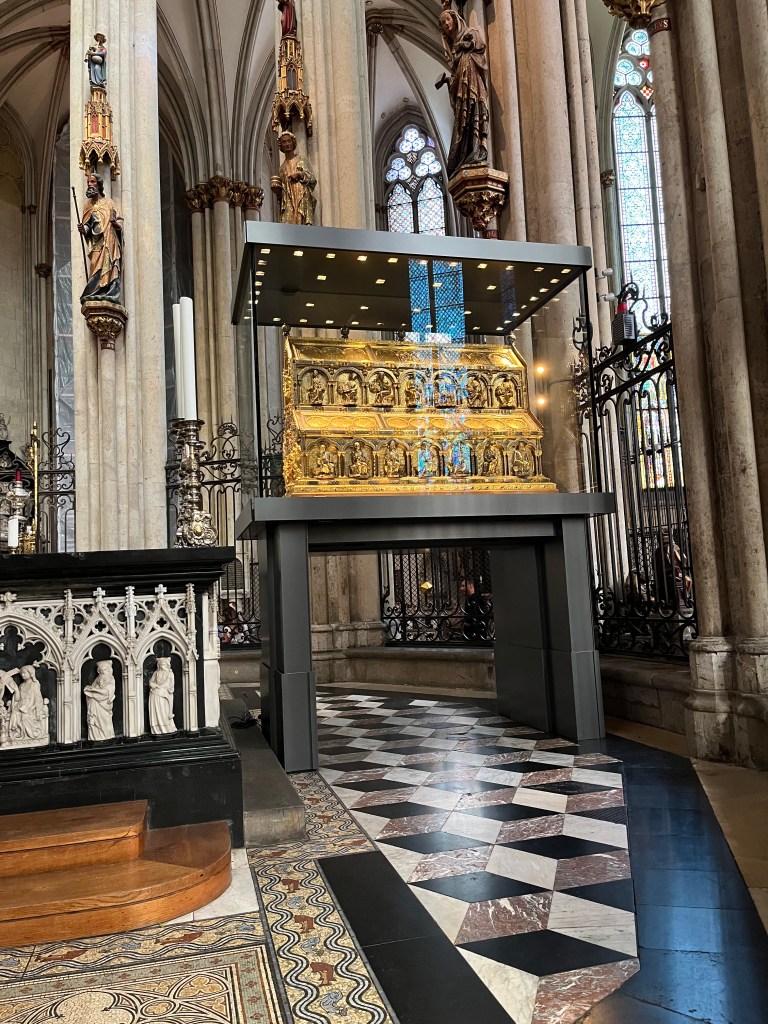
The stand out attraction in the city is the cathedral, which boasts the highest cathedral tower in the world. Unbelievably it took 632 years to build. During the French Revolution it was used as a folder storage room and a prisoner of war camp, and when Cologne was reduced to rubble in WW2, although damaged by a number of bombs the cathedral withstood the shock waves.

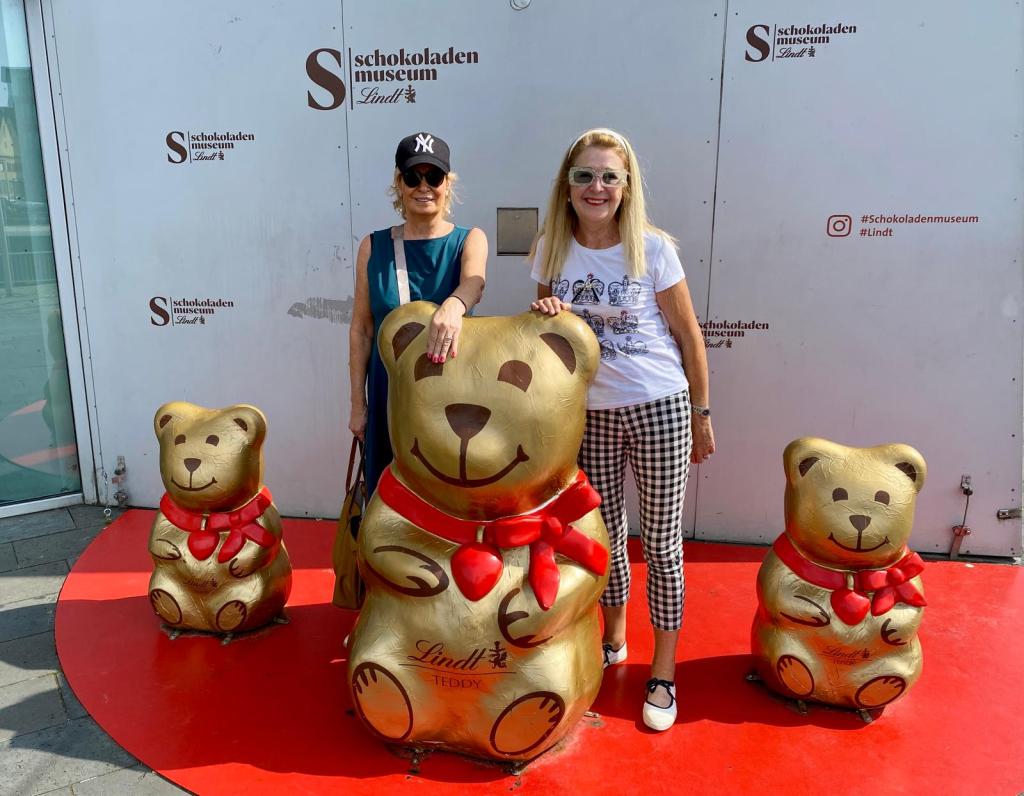
And just at the entrance to the harbour there was a Lindt chocolate museum! A must visit for chocolate lovers.


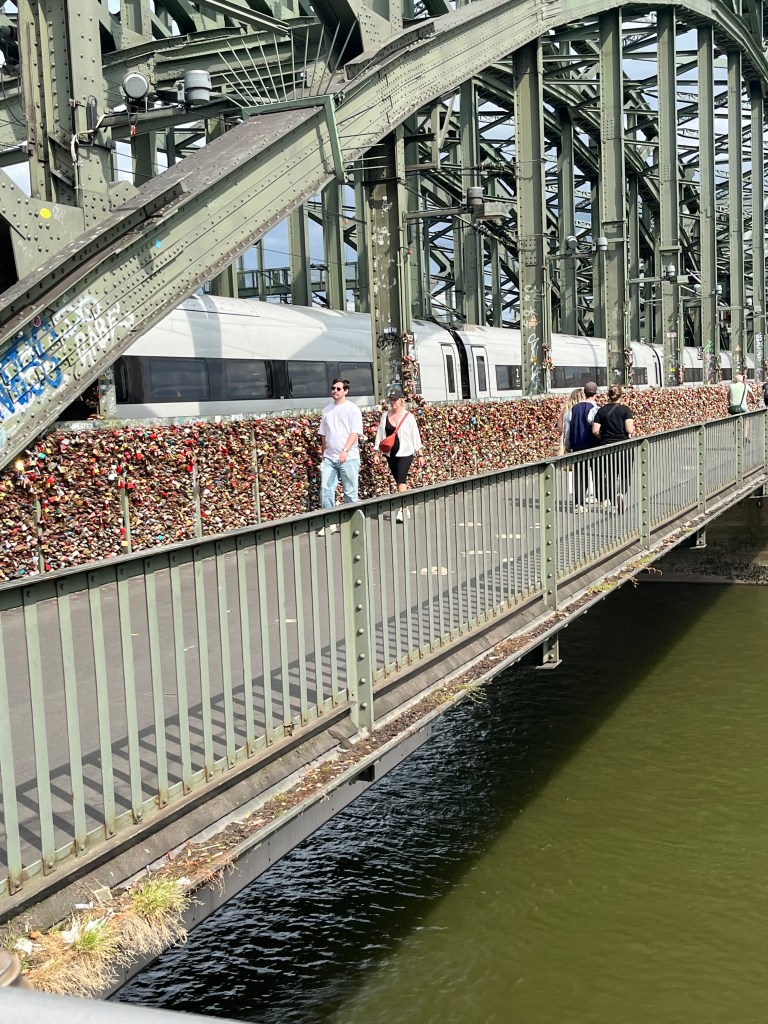

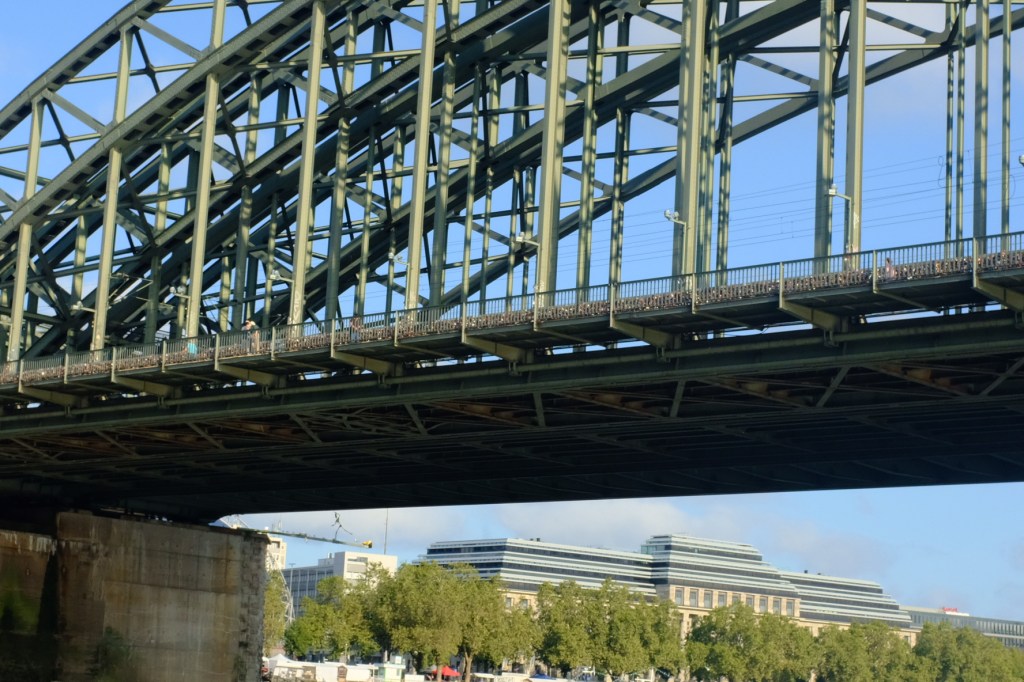
Day 7 Cologne to Dusseldorf 60 kms
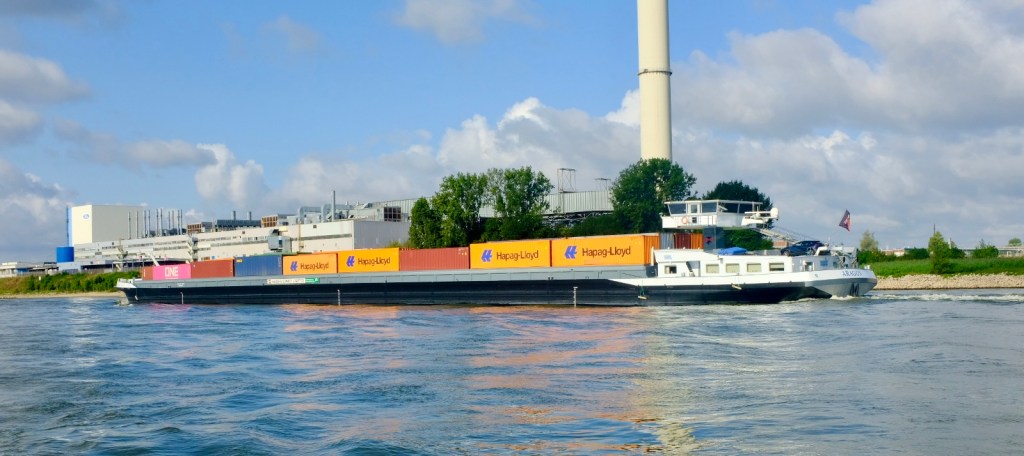


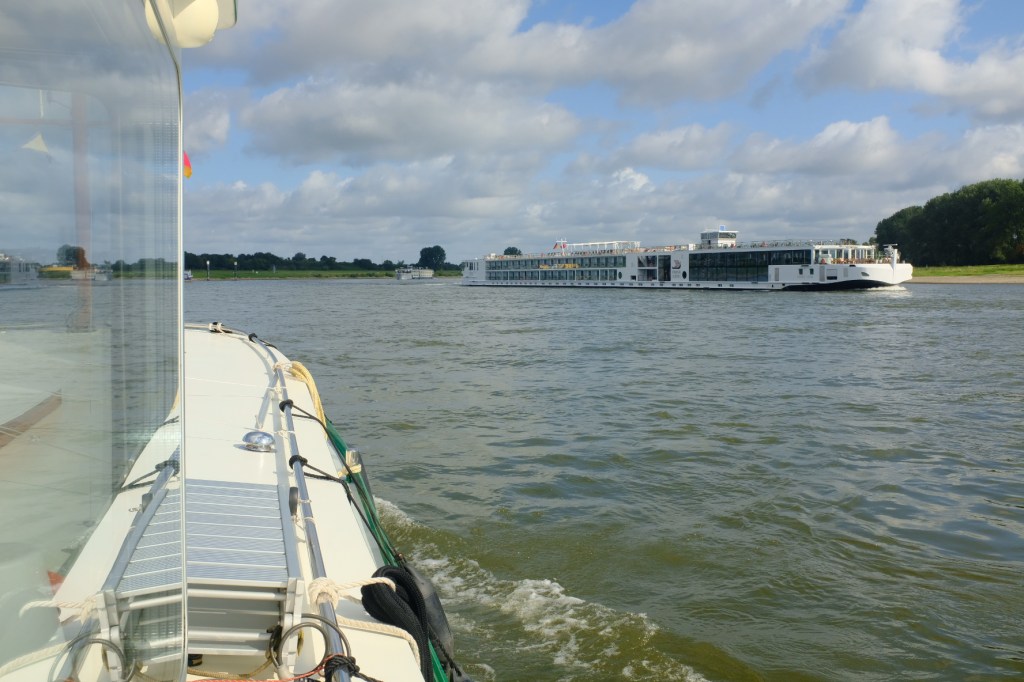

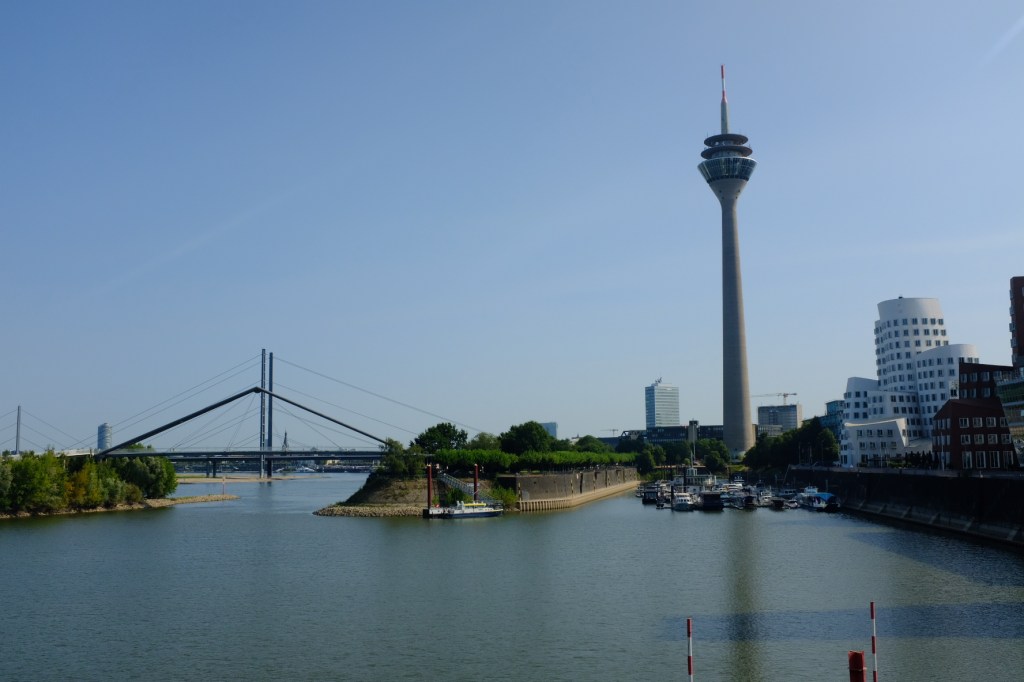
According to a local Dusseldorf resident,(who now resides in Australia) there is a rivalry between Cologne and Düsseldorf similar to that between Melbourne and Sydney. To me there were a lot more tourists in Cologne but with very little to see. I found that in contrast Dusseldorf was a vibrant city with a very active cafe culture.

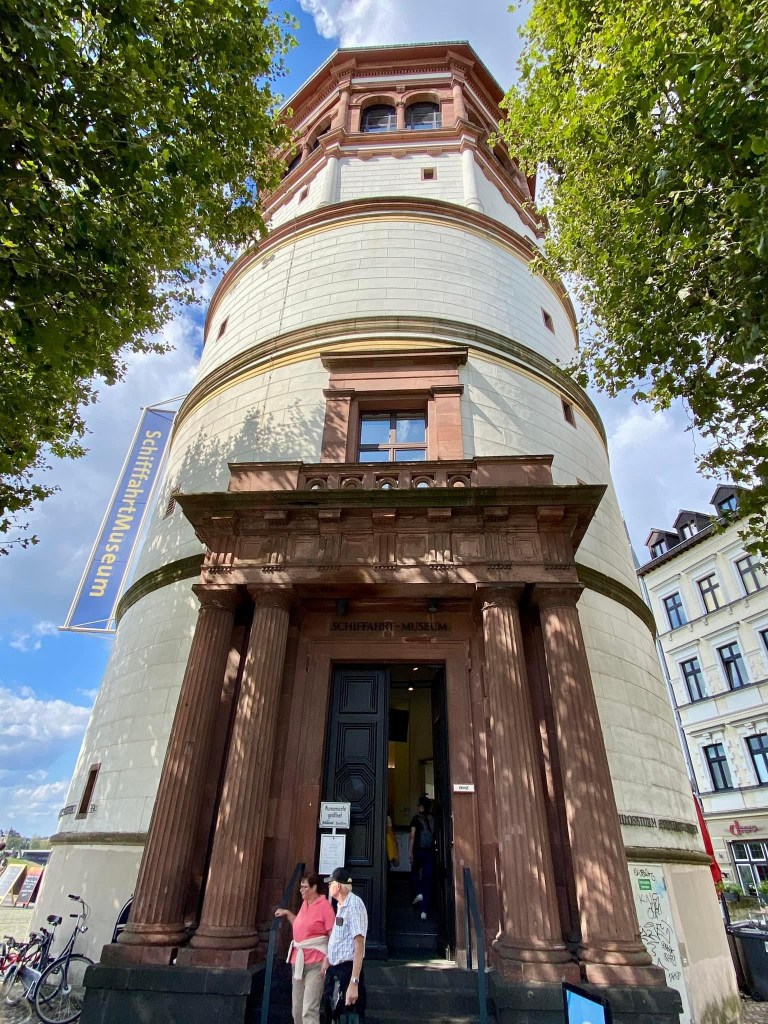
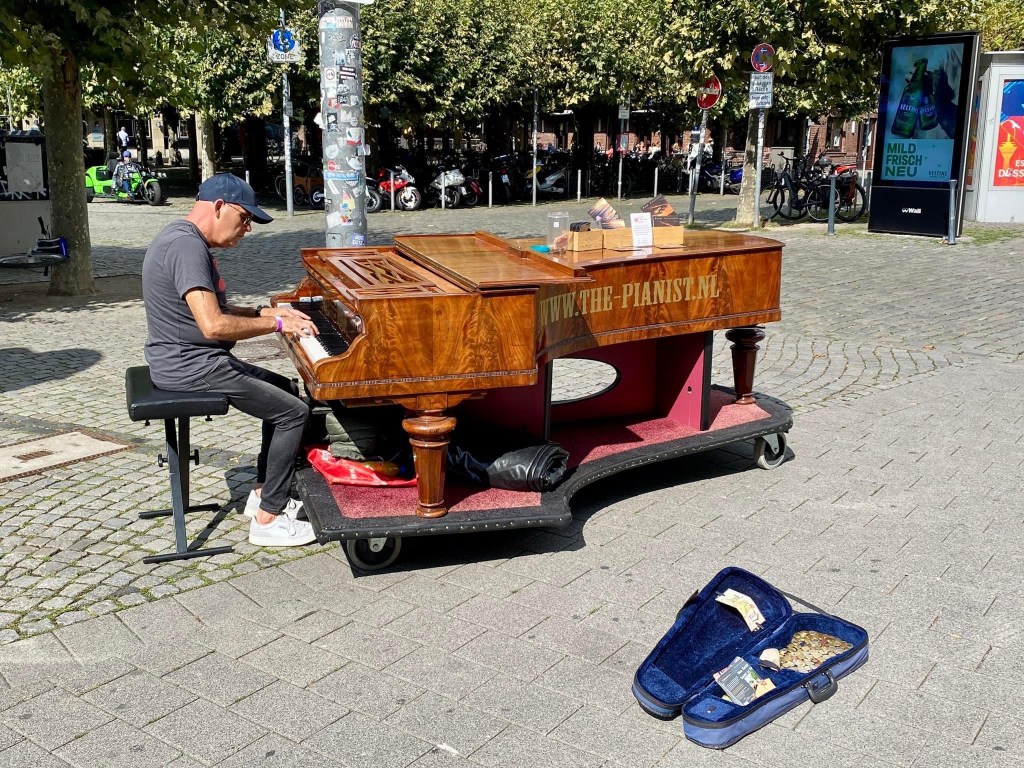
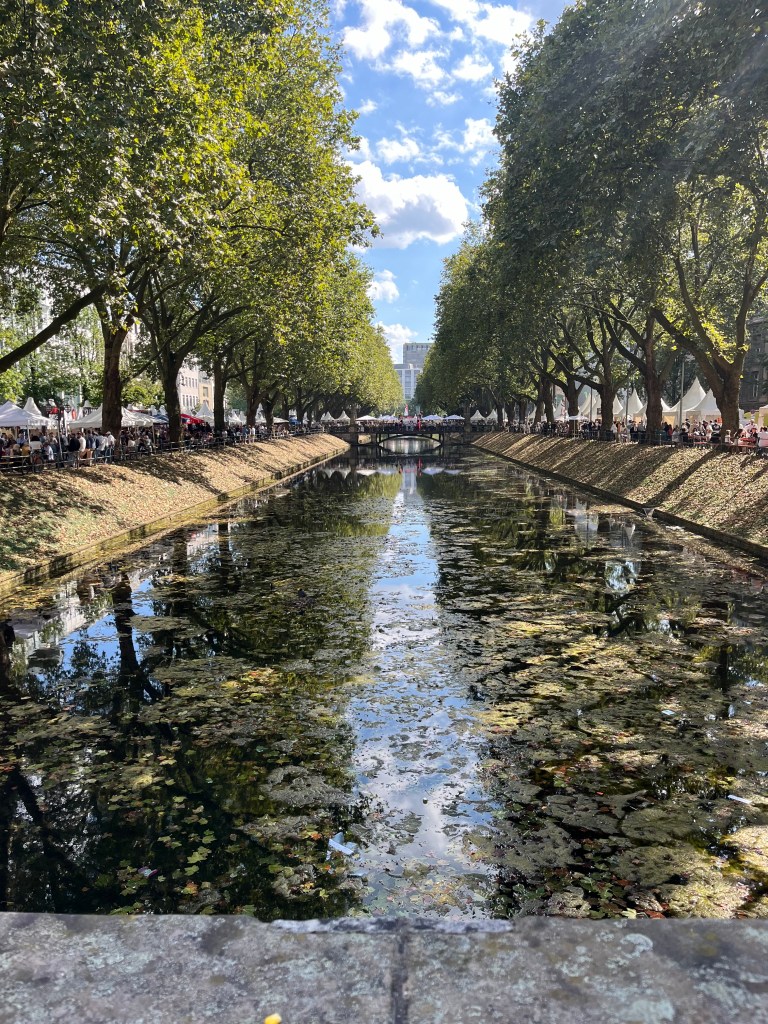
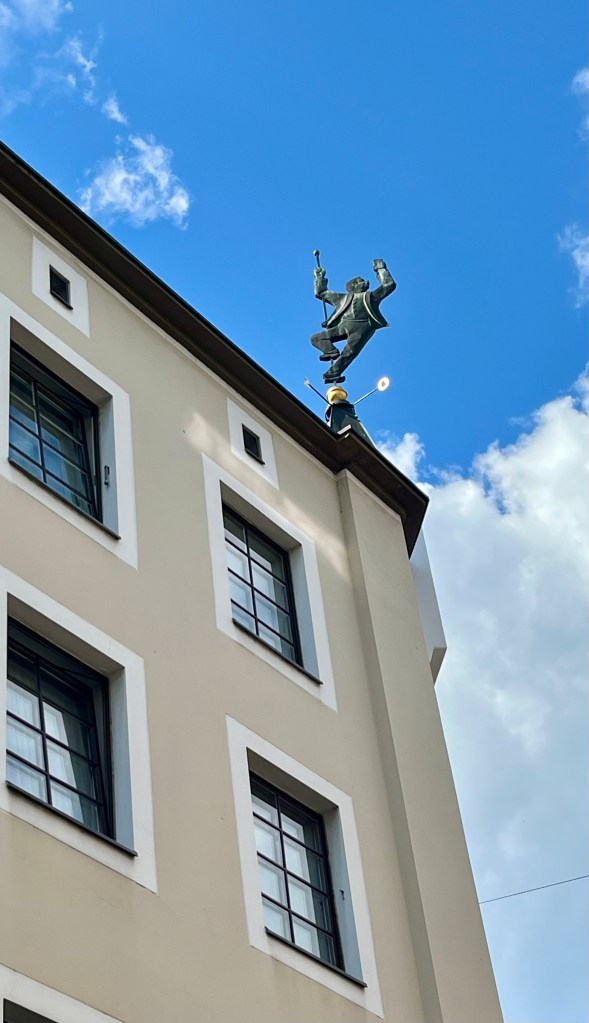
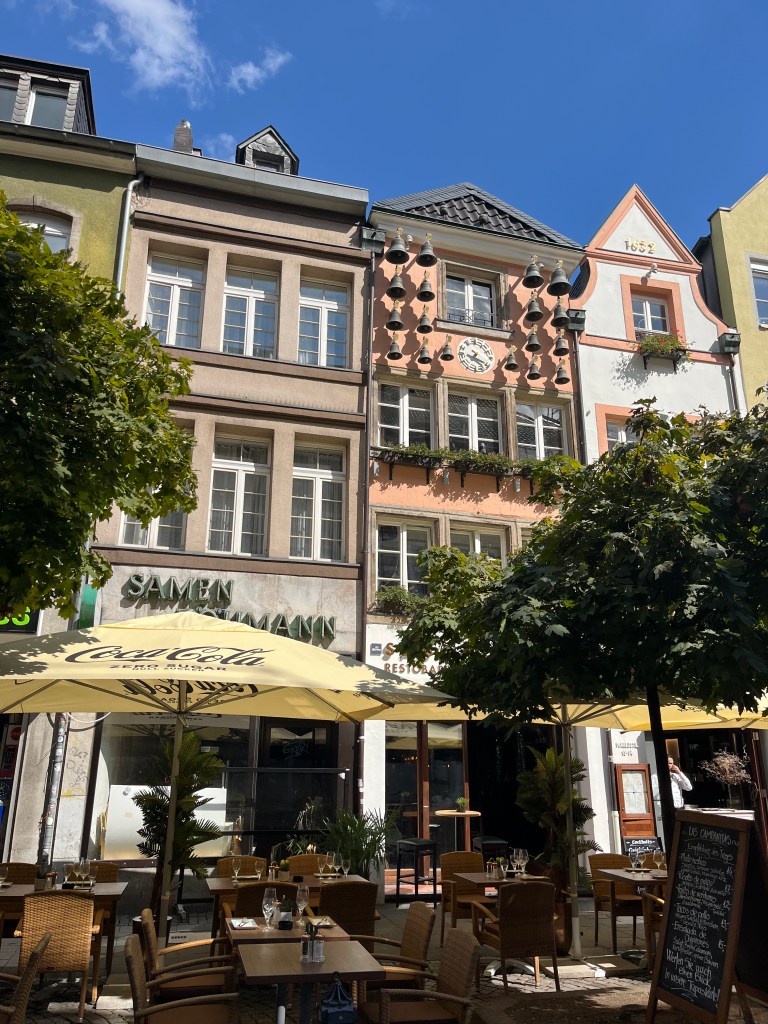
A trip to the tourist office alerted us to a Segway tour in town, which I booked for the following day.

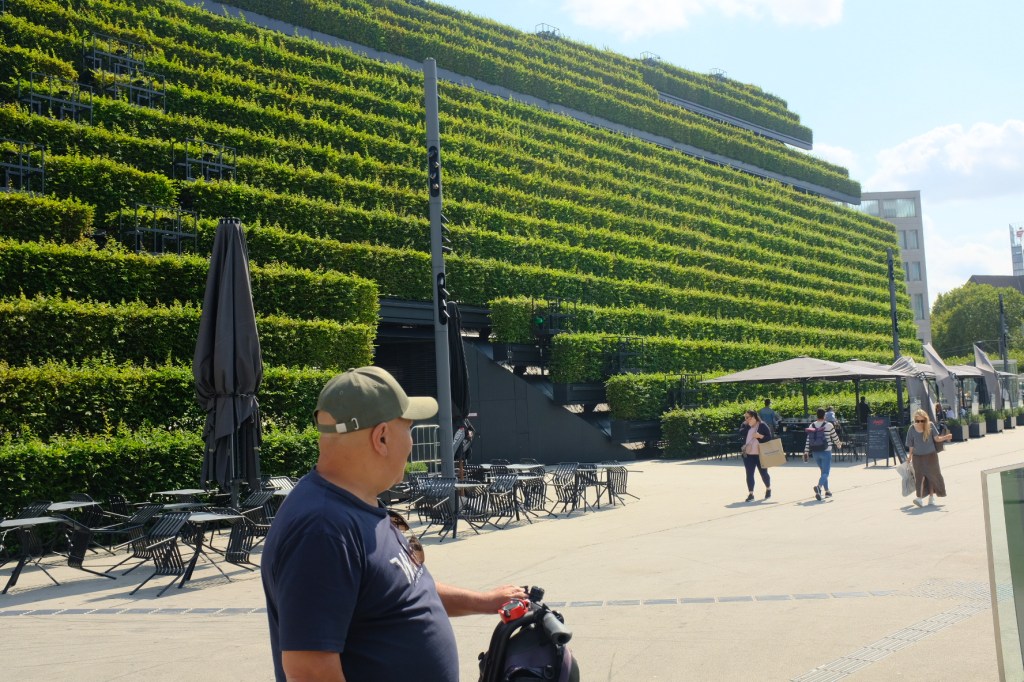
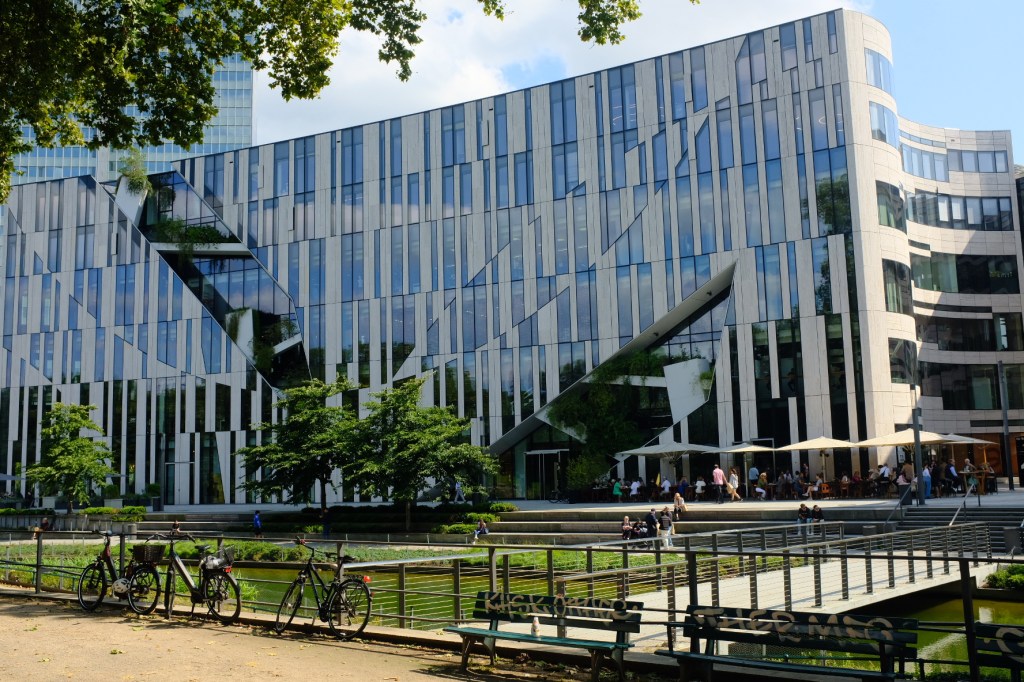

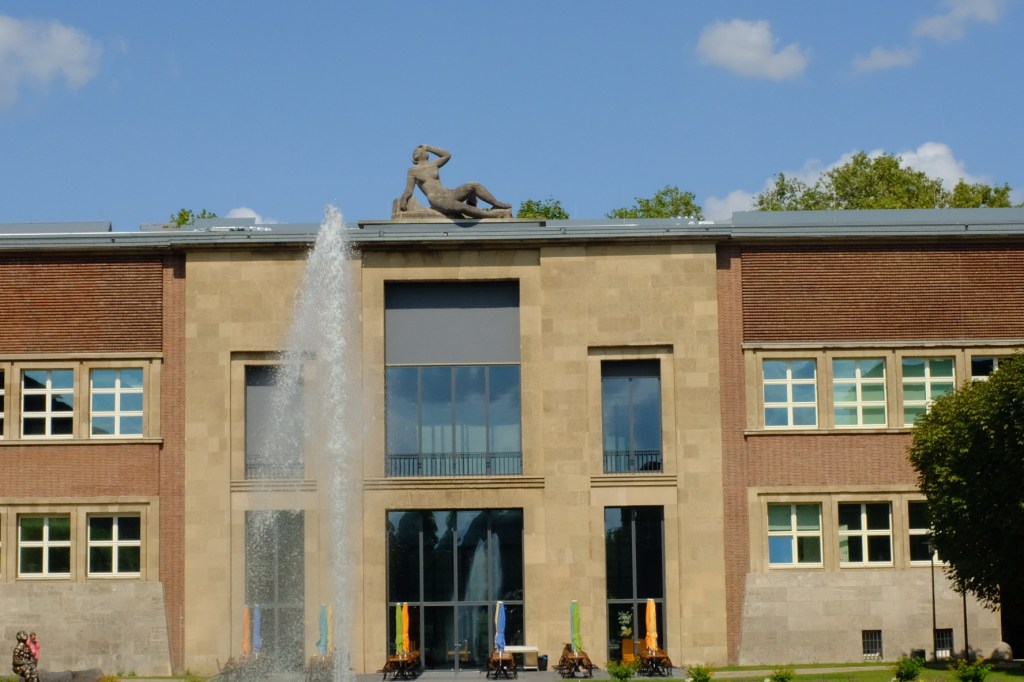
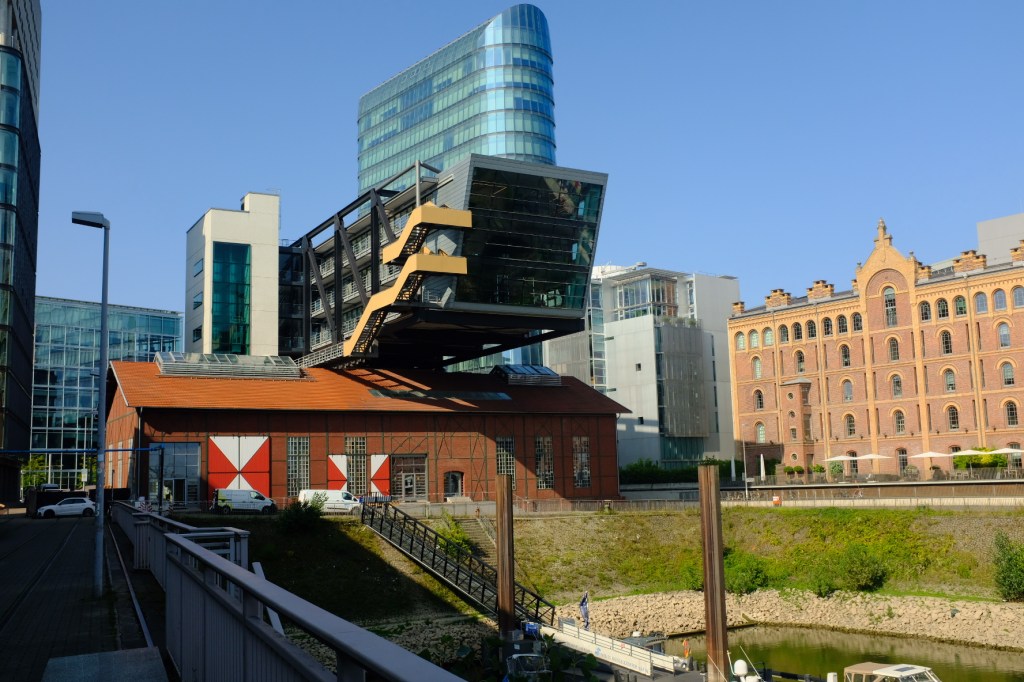
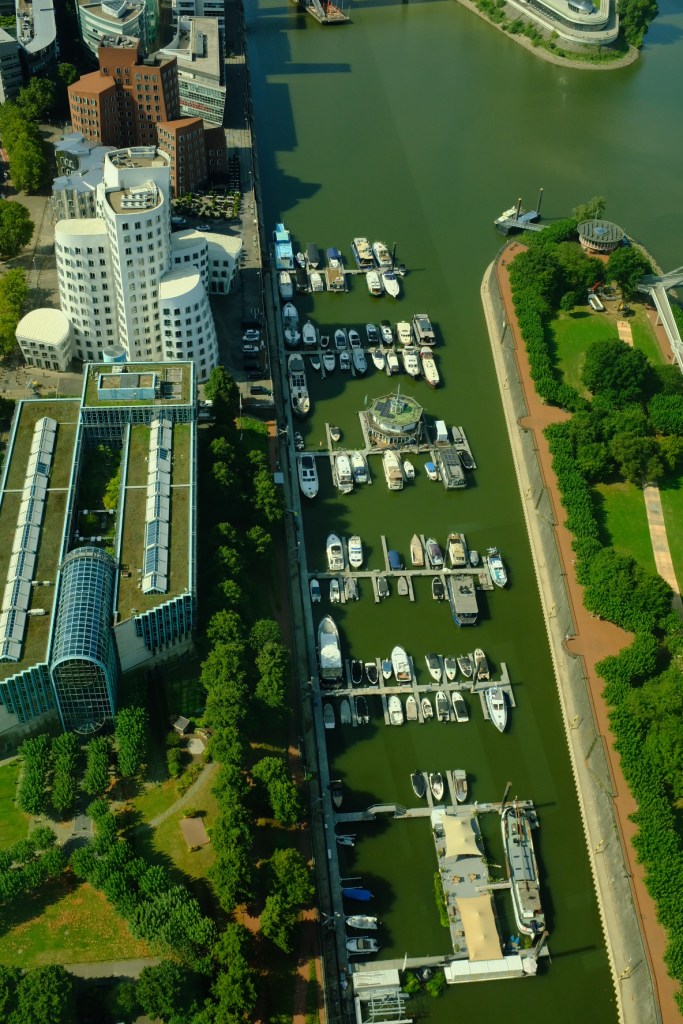
The harbour is adjacent to the redeveloped dock area with its bespoke buildings


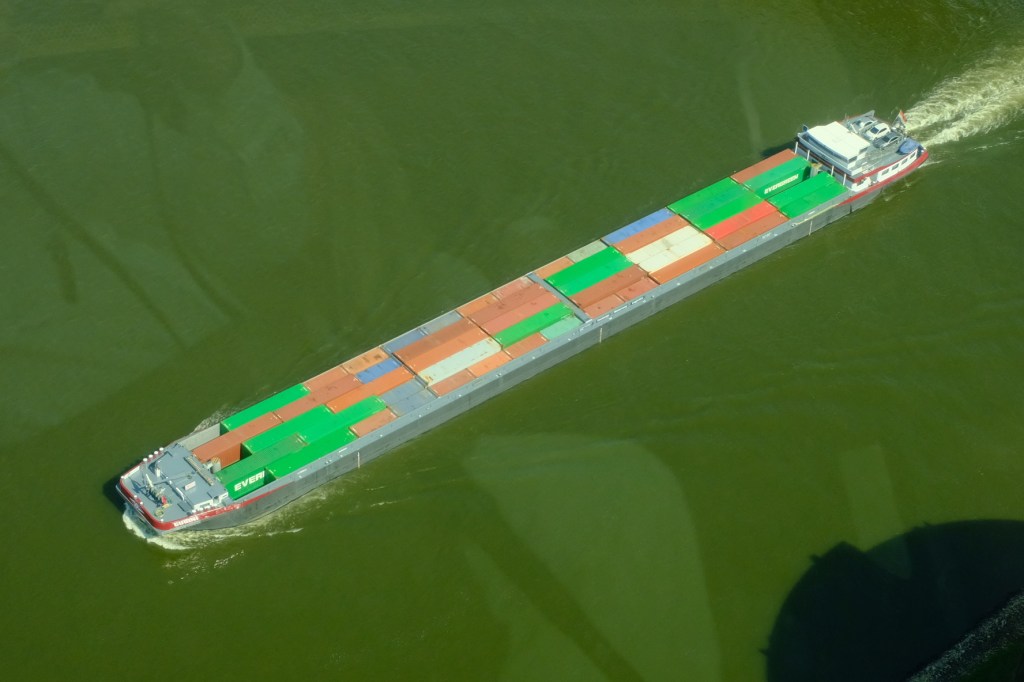

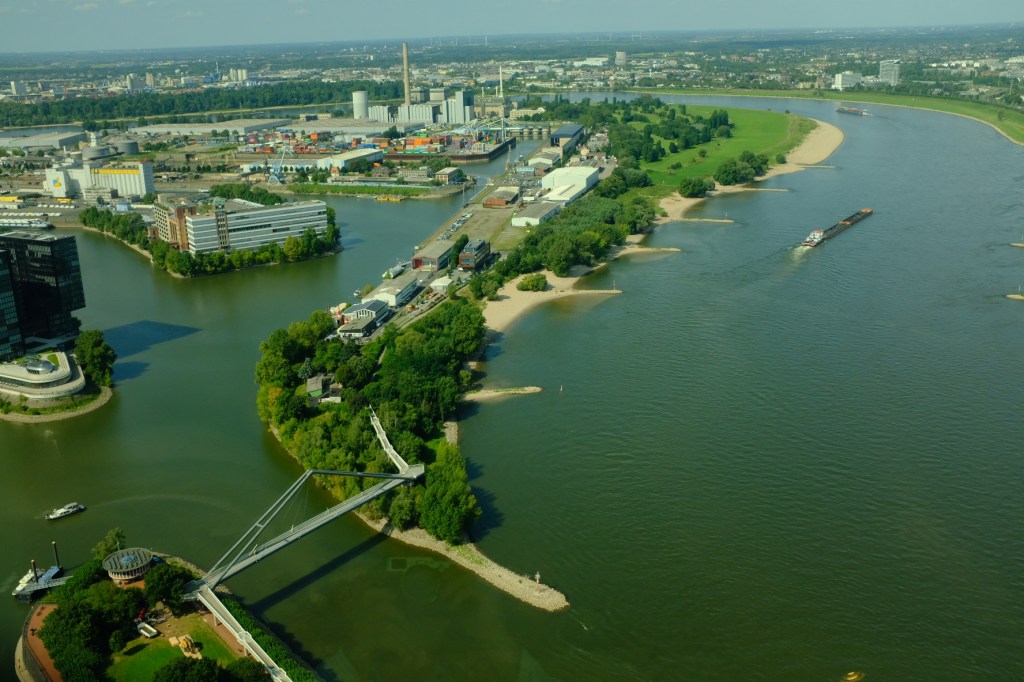
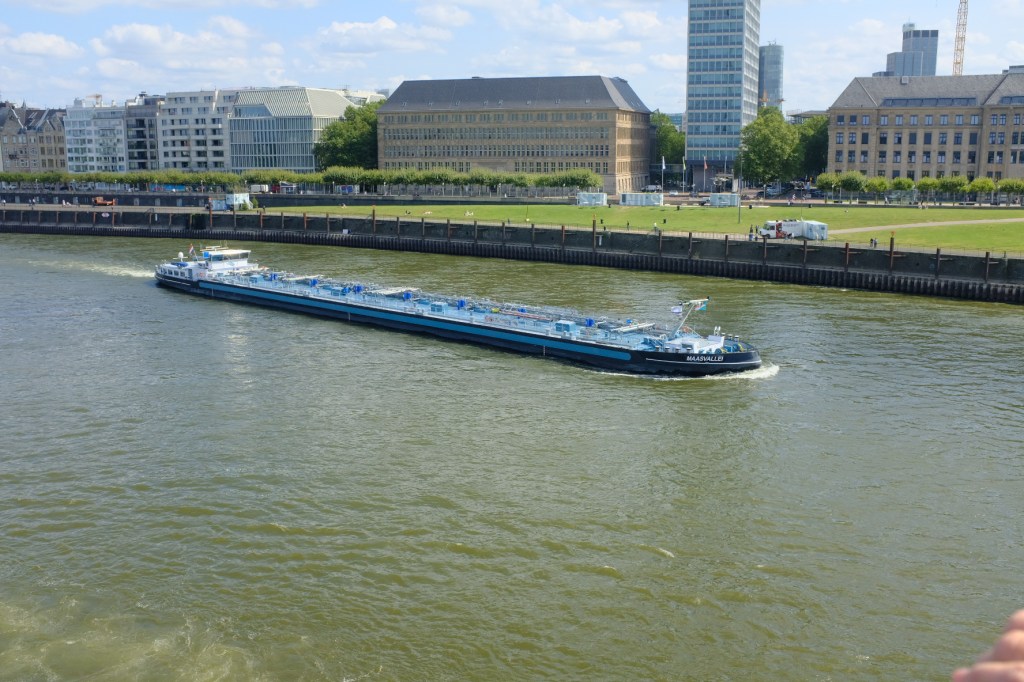
2 days in Dusseldorf it was back on the river. I must mention that there are no locks, though this does not make the navigation on the Rhine any easier. At all times it is important to keep an eye on the barge traffic. When approaching a boat coming towards you the rule is to pass port to port, unless the boat displays a blue board on the starboard side. This is called blue boarding and notifies you that they wish to pass starboard to starboard.

Day 9 Dusseldorf to Duisburg 27 kms
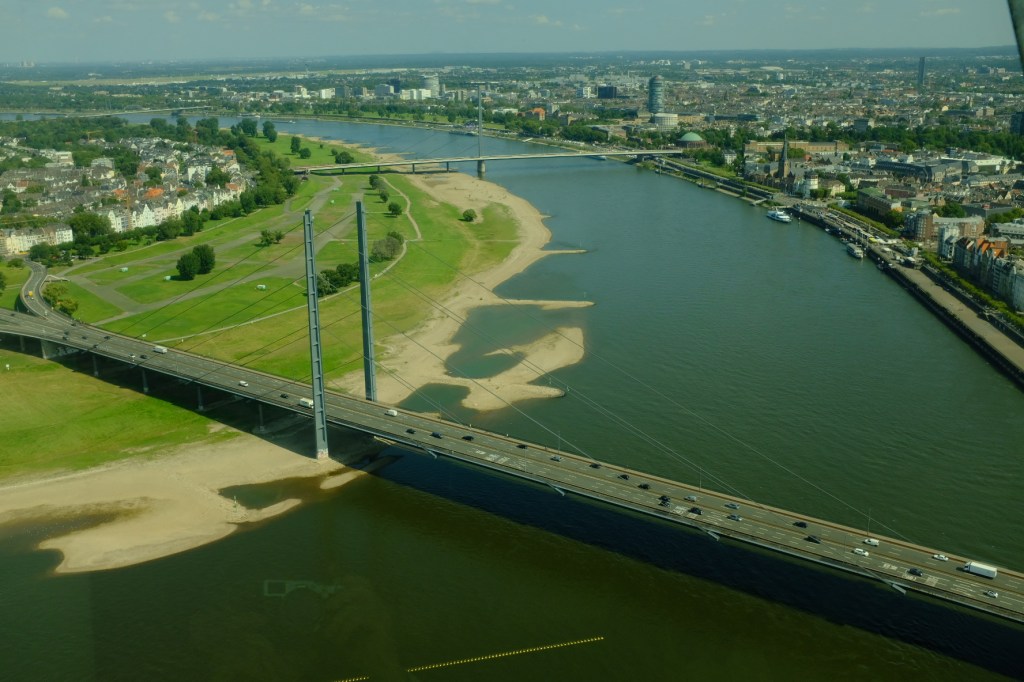
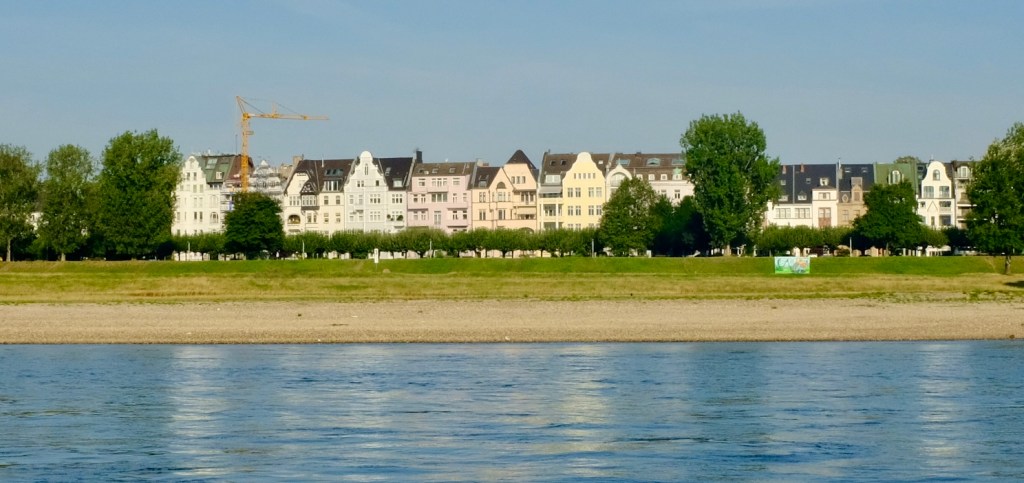
Travelling downstream , the town of Oberkassel is on the left bank, across the river for Dusseldorf. Unlike its neighbour who lost at least 90% of its housing stock during the air raids of WW2 this area was left untouched. The meadow in front of the houses hosts a 9 day festival each year.
Duisburg was rather uninspiring. The harbour master advised us there was limited mooring space and jammed us in on the dock. I really don’t know if he had something wrong with his eyesight or was just being difficult, but there was lots of empty moorings on the finger pontoons. Oh well, c’est la vie.
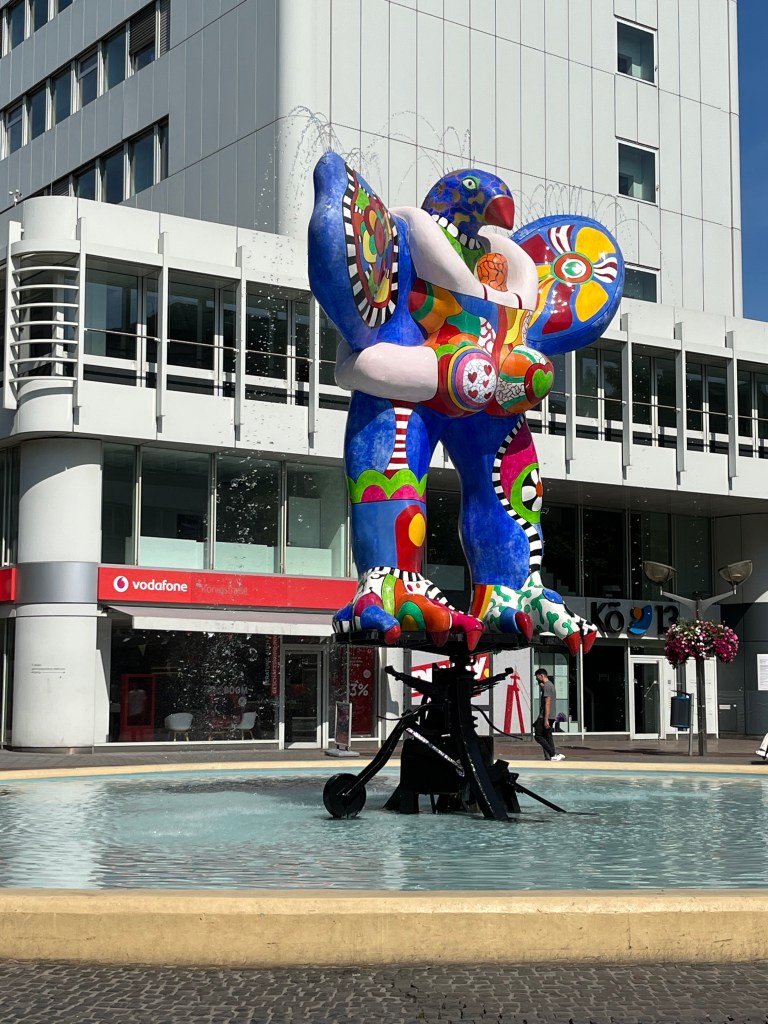
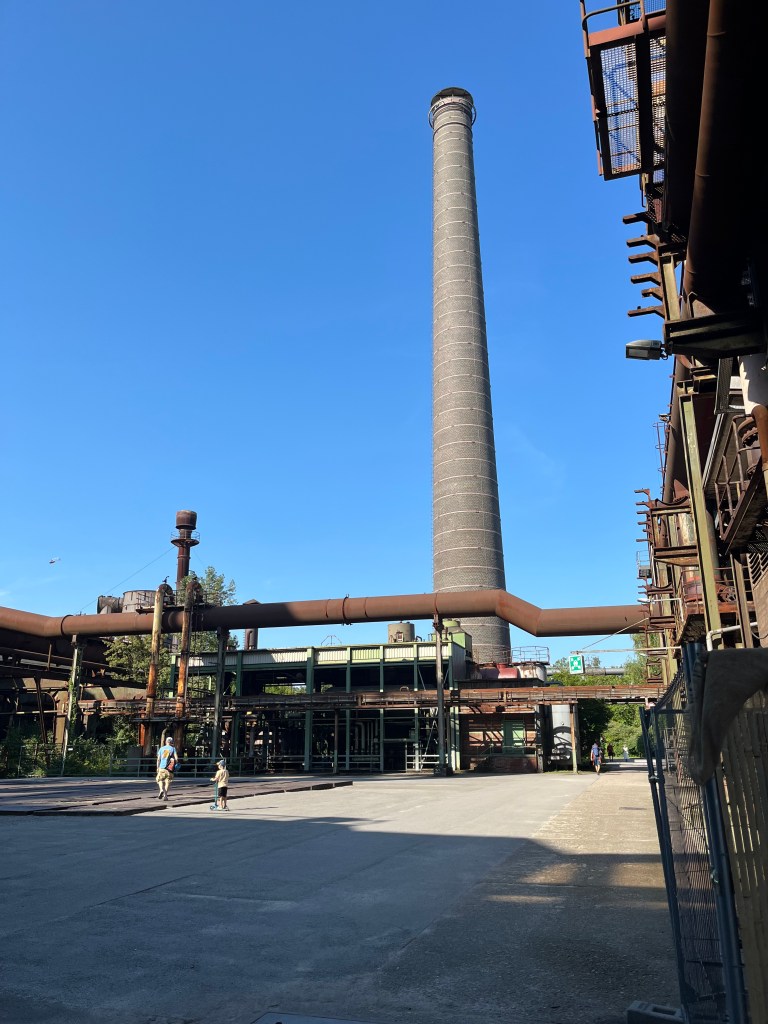
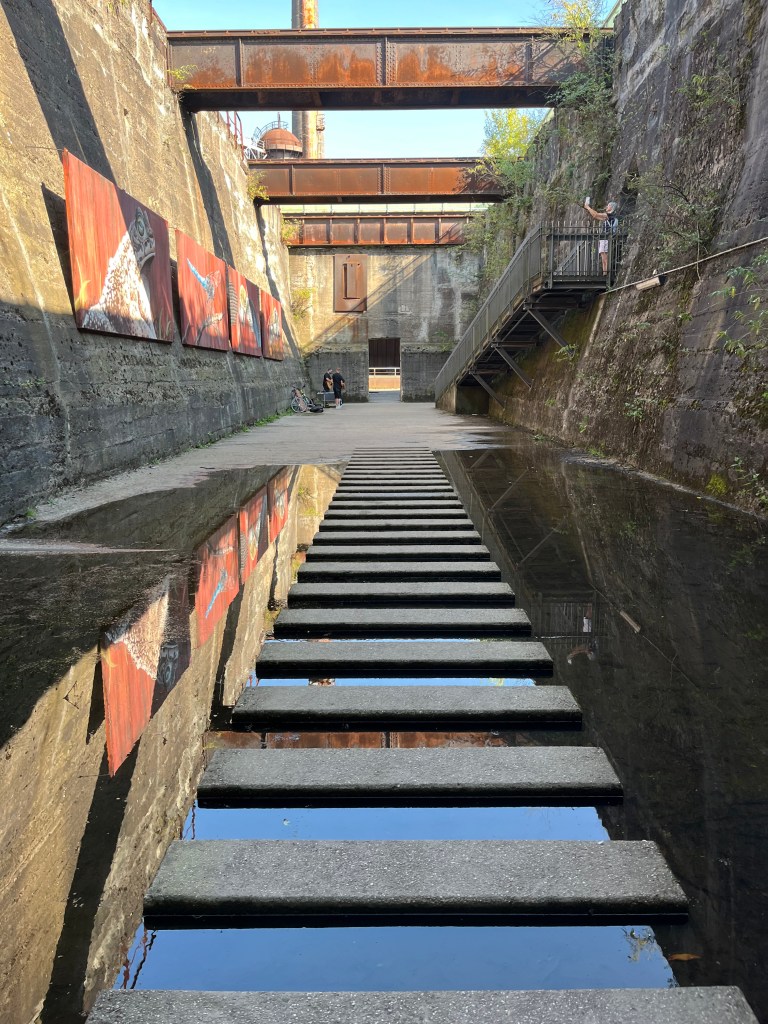
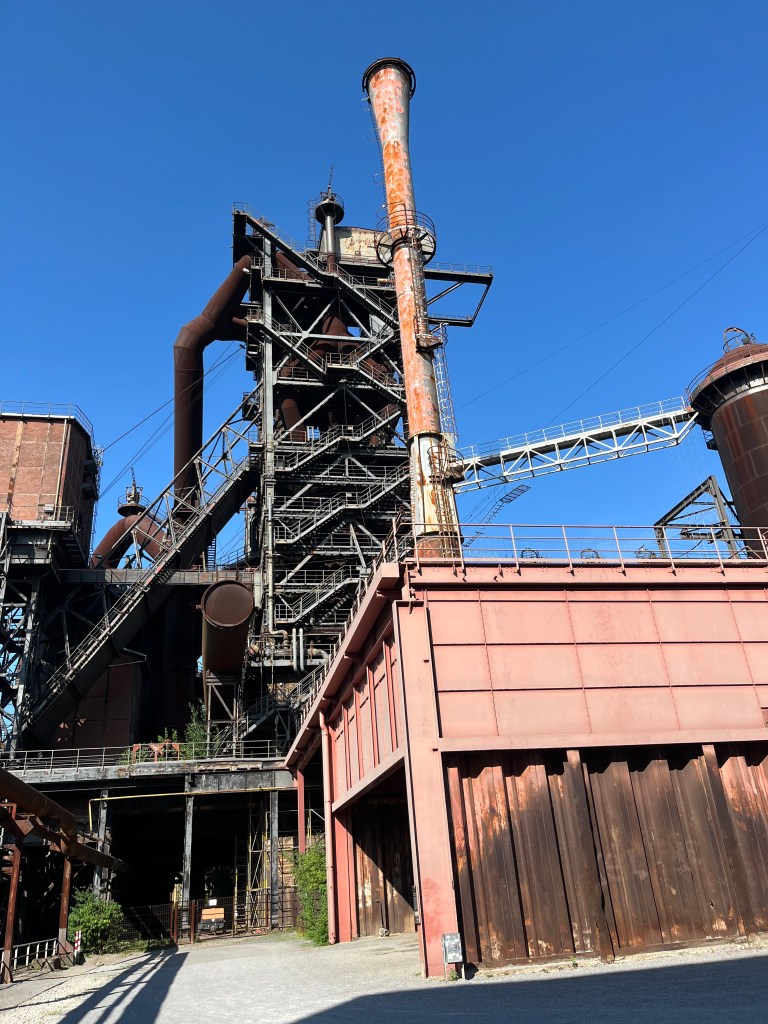
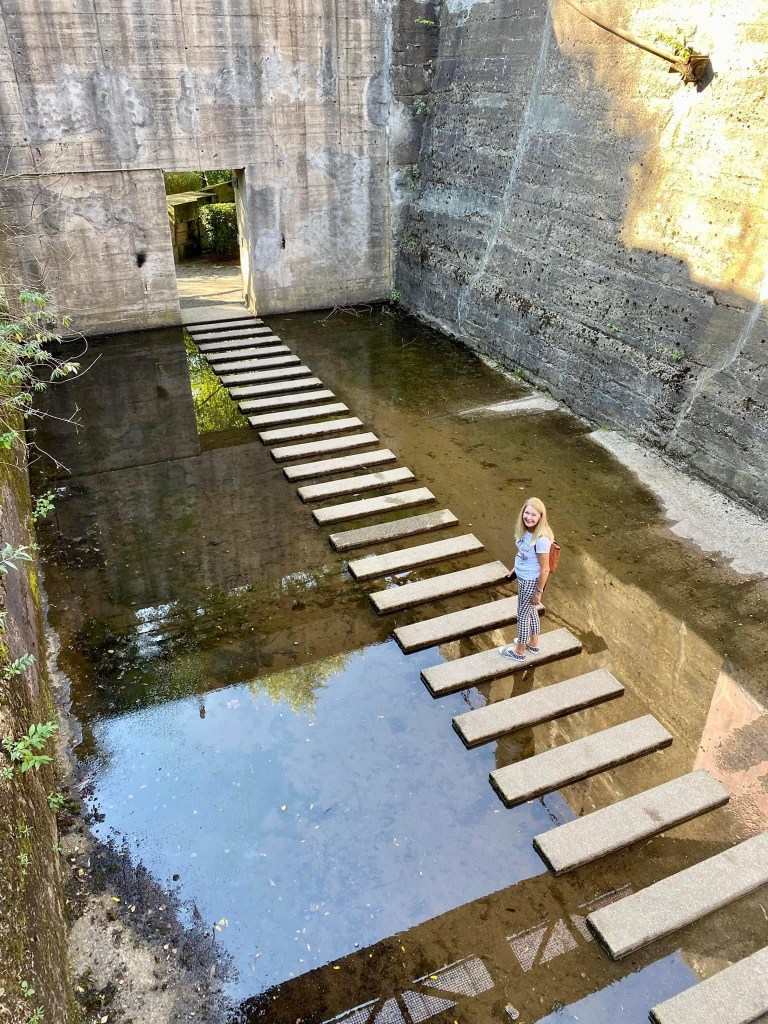
After a walk through the town we felt as though we had explored all the sights that Duisburg had to offer within 1 hour. Not to be discouraged we grabbed a tram to the Landschaftpark north of the city. This was the site of the old iron works that closed in 1960 Today the area has been transformed into a leisure park. A very innovative creation that pays homage to the hard workers of the past.




Day 10 Duisburg to Wesel 40kms
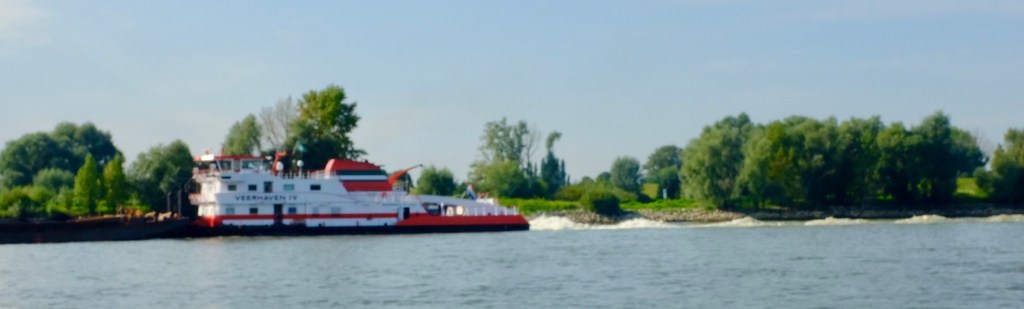
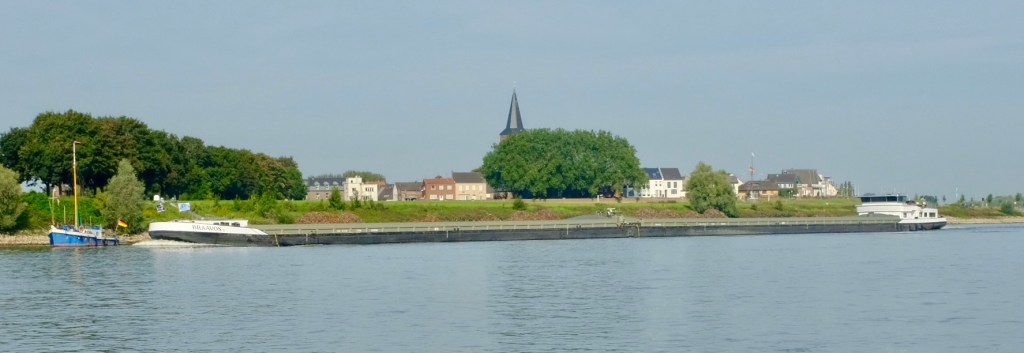
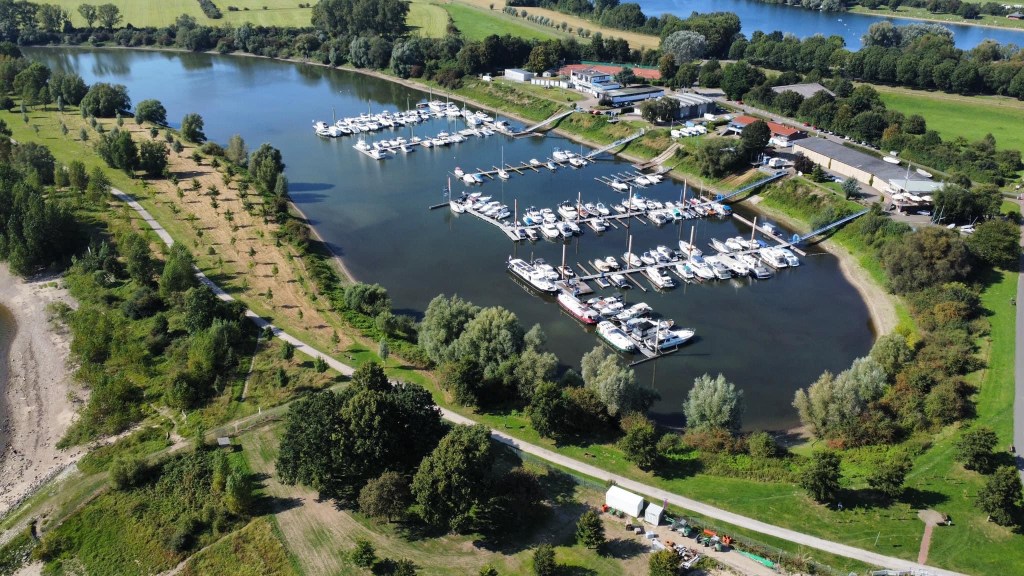
This was to be our last day on the German section of the Rhine. It has been quite an achievement and one that few of our fellow bargees have attempted. From Wesel we would navigate onto the Waal, which is the title given to the Rhine in the Netherlands
 Karen’s Travel Blog
Leave a comment