
Day 1 Saarburg to Schweich 2 locks 33 kms
It was well worth the struggle along the Marne au Rhin to be able to navigate down this majestic river.

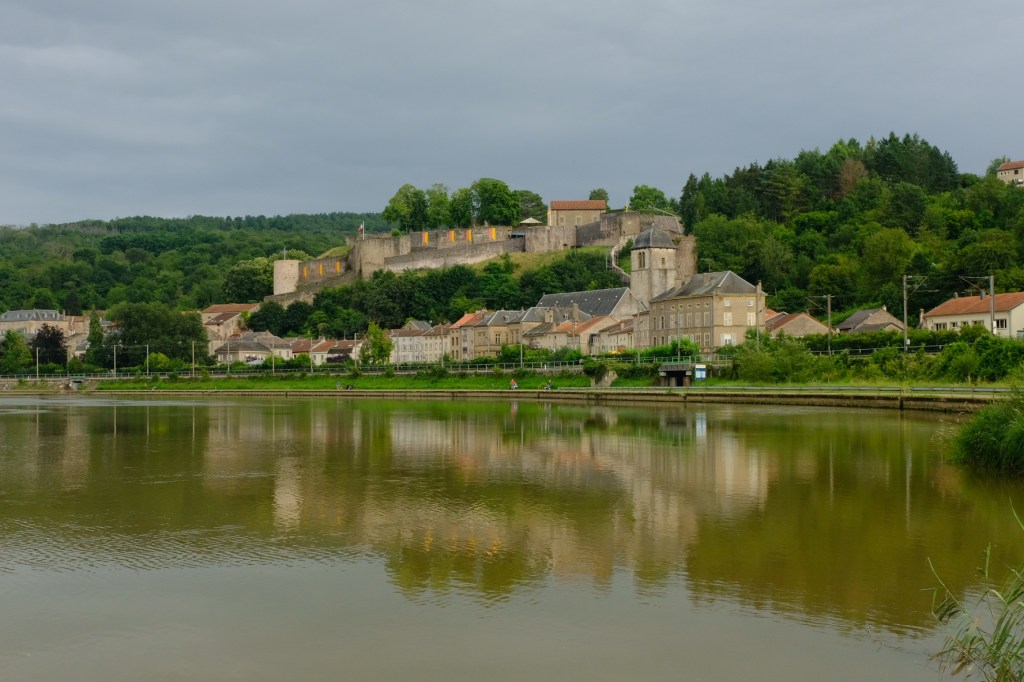

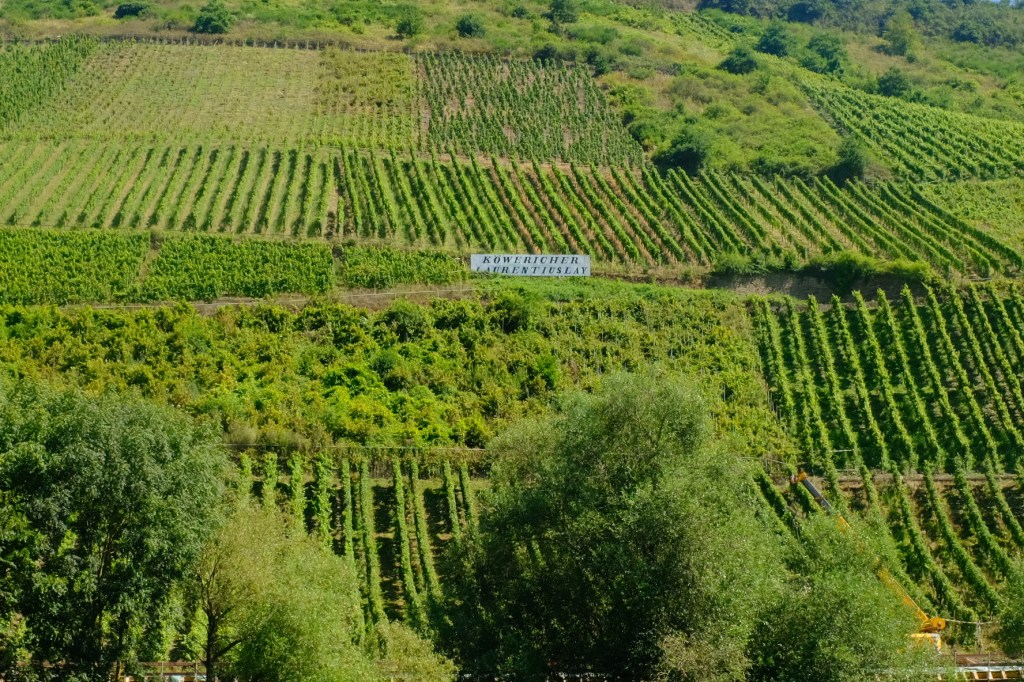

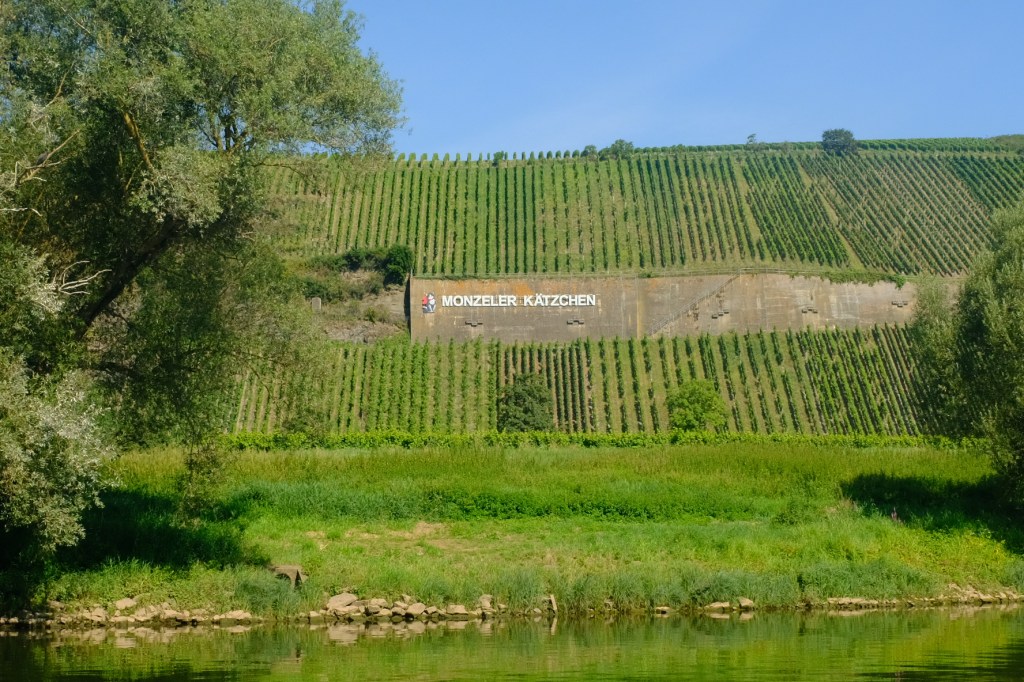
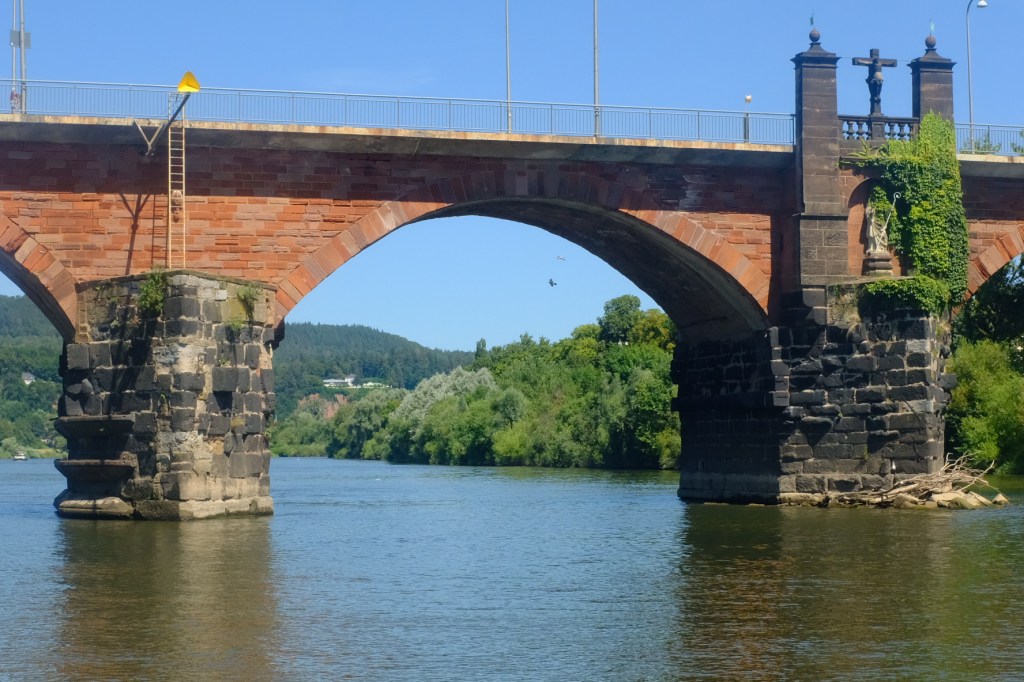
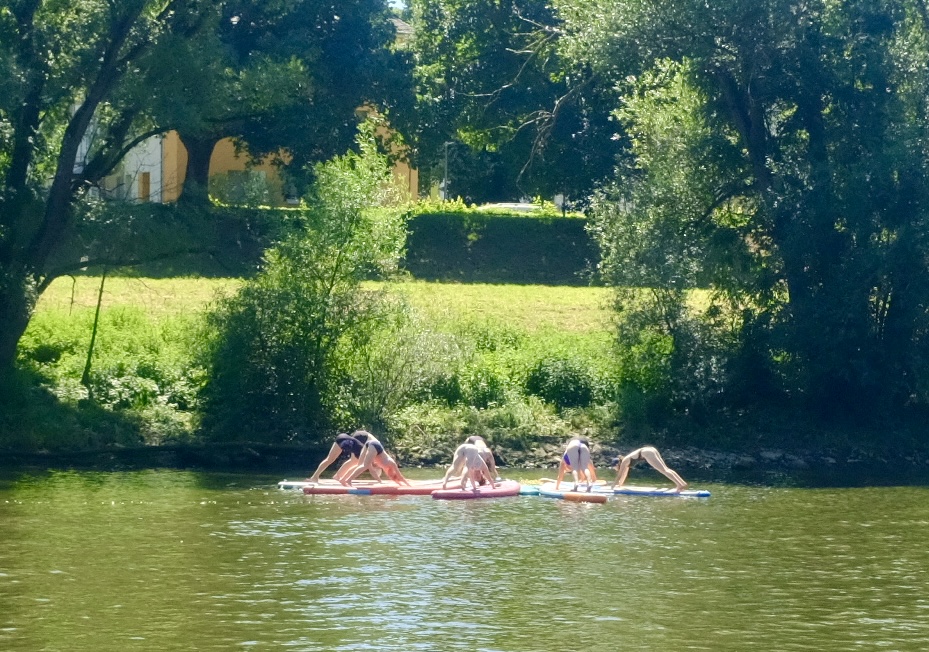
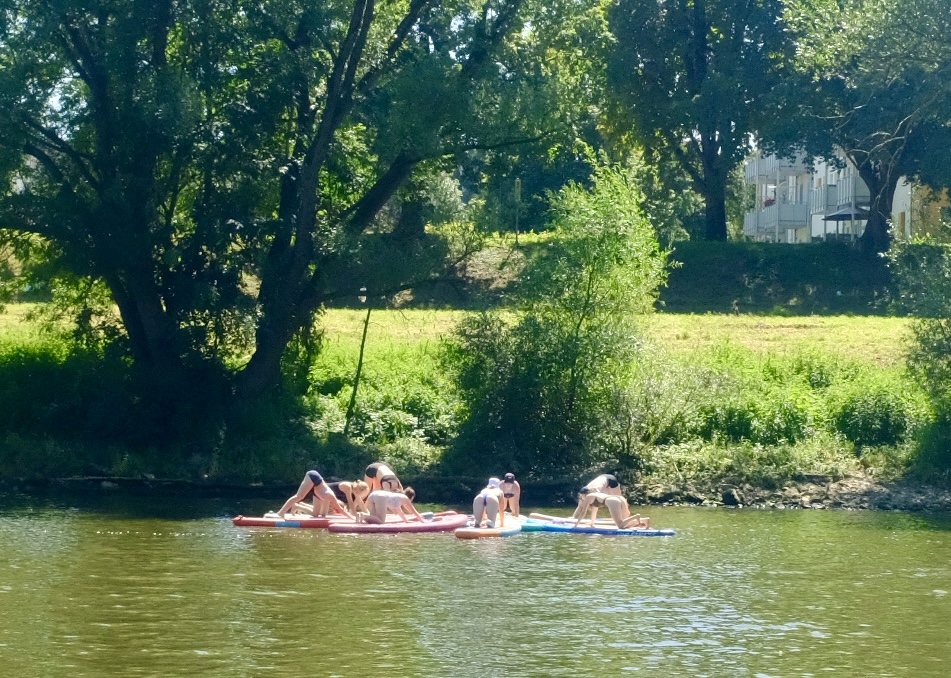

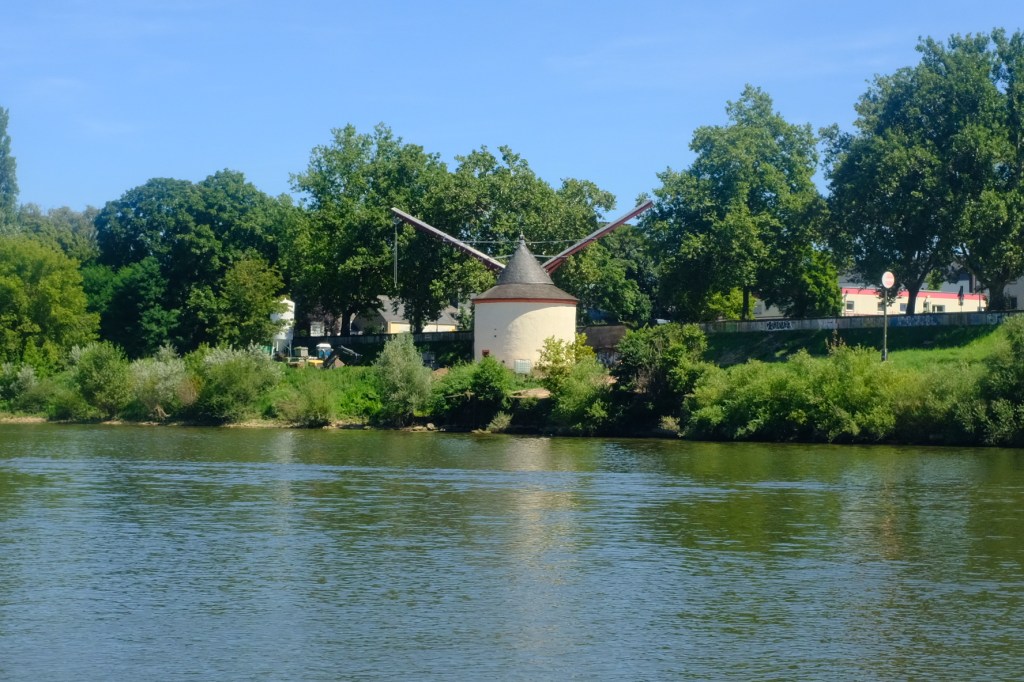
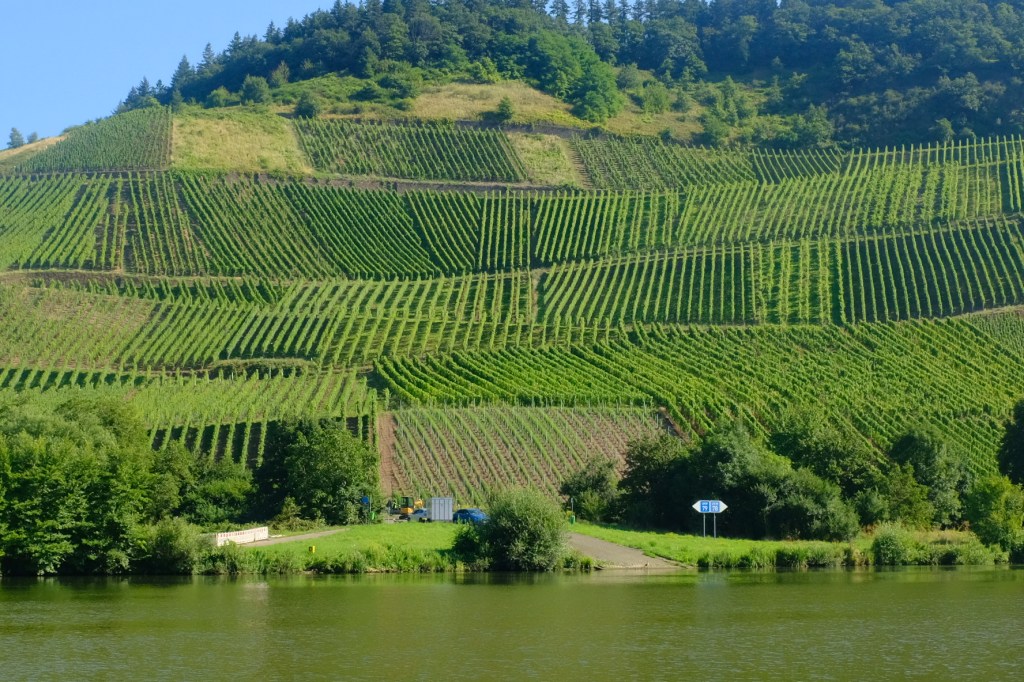
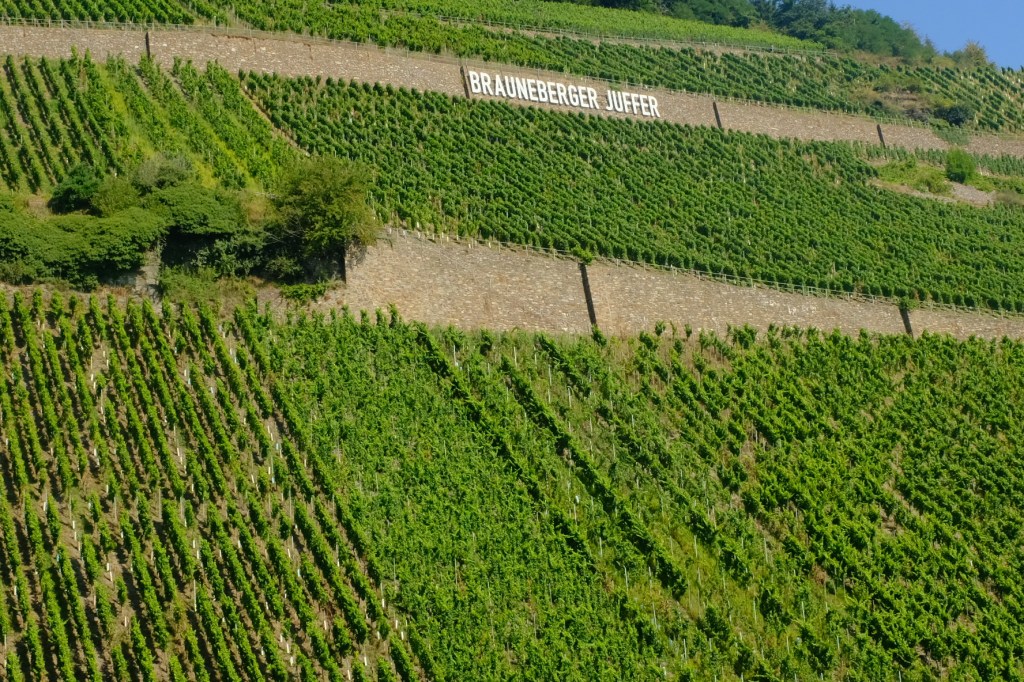
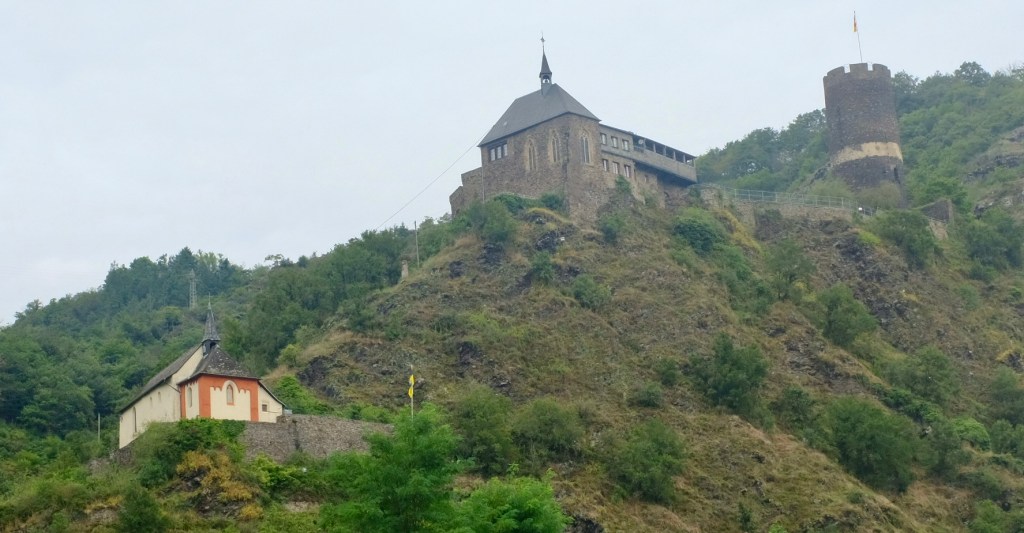
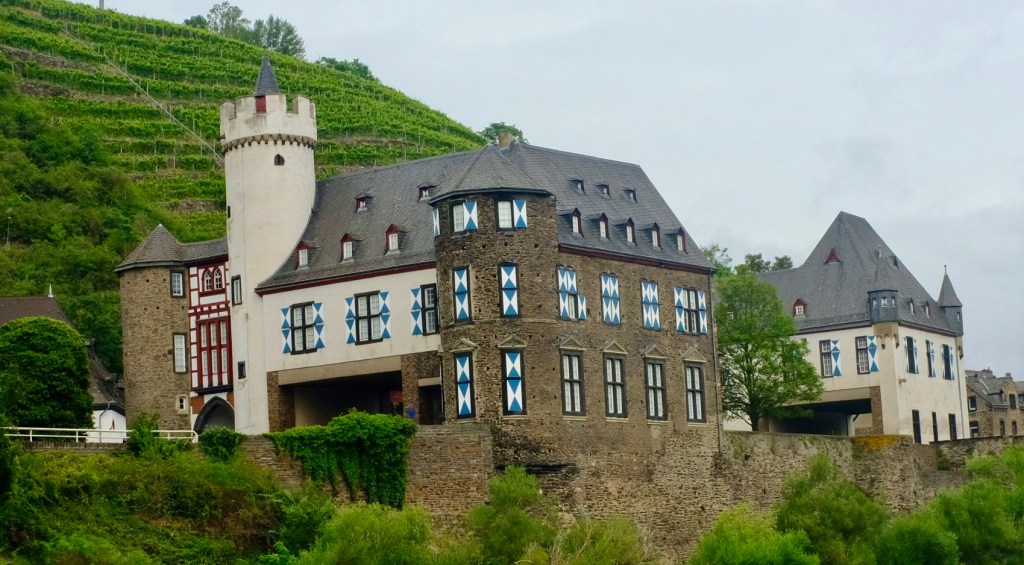
The passing scenery was spectacular. The vineyards look like varying shades of a green patchwork quilt draped over the steep hillsides. The tops of the hills are fringed with forests and often a ruined castle.
Day 2 Schweich to Neumagen-Dhron 1 lock, 26 kms
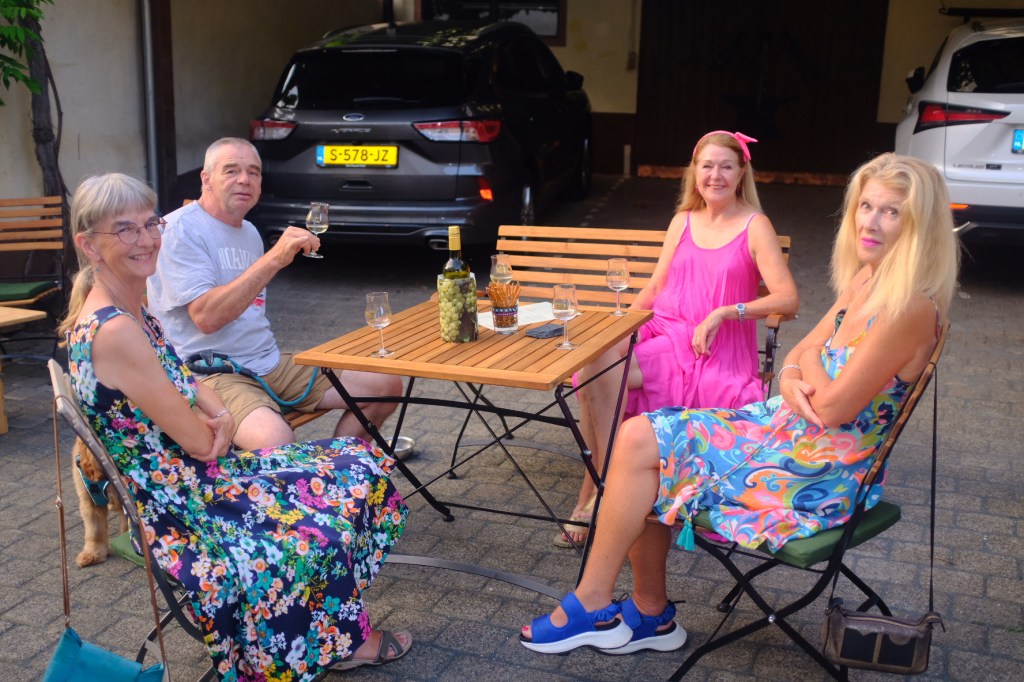
Like many of the towns and villages along the Mosel, Neumagen-Dhron claims to be the oldest wine village in Germany. The truth is that the Romans were the first to cultivate wine in the Mosel valley. It was more an economic decision than anything else. It was too costly to import wine from Italy over the mountains to satisfy the local thirst, so they planted vines on the steep slopes. The consequence was that each Roman settlement had its own wine industry. Today these towns are strung out along the river like diamonds in an expensive necklace.
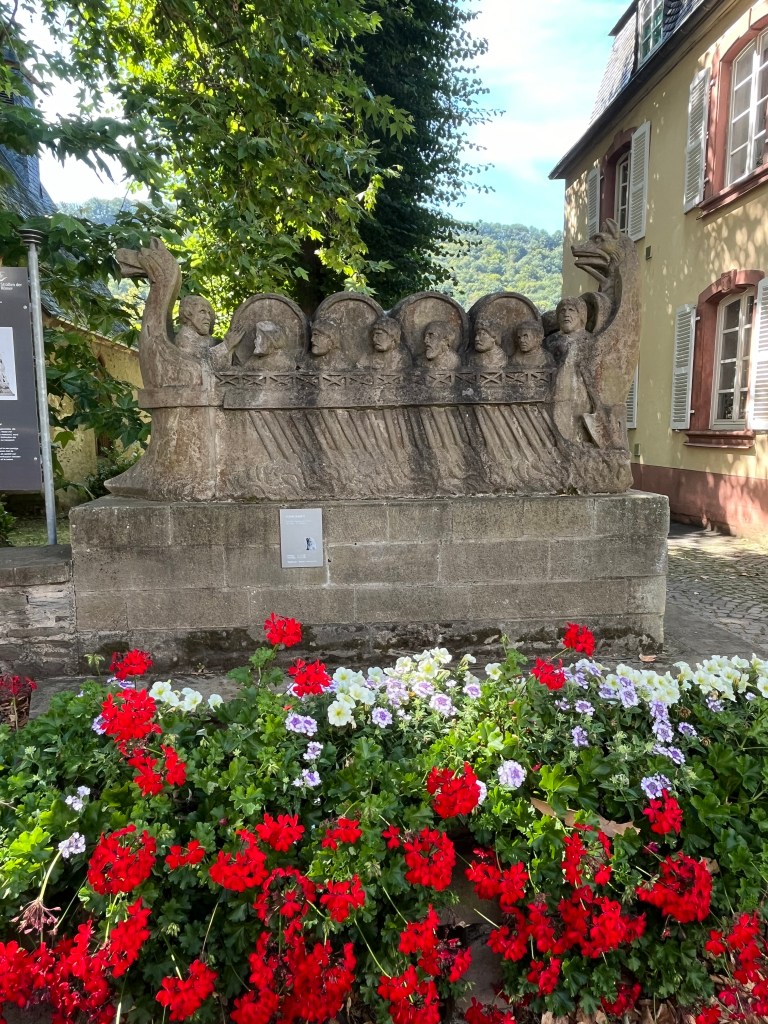
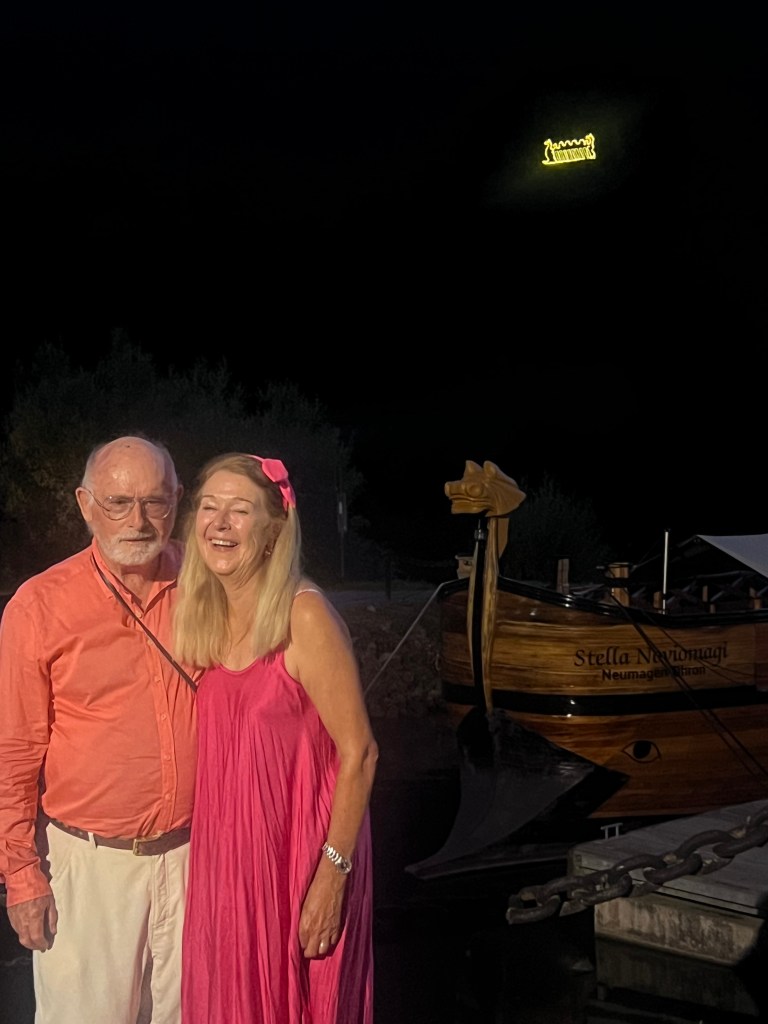
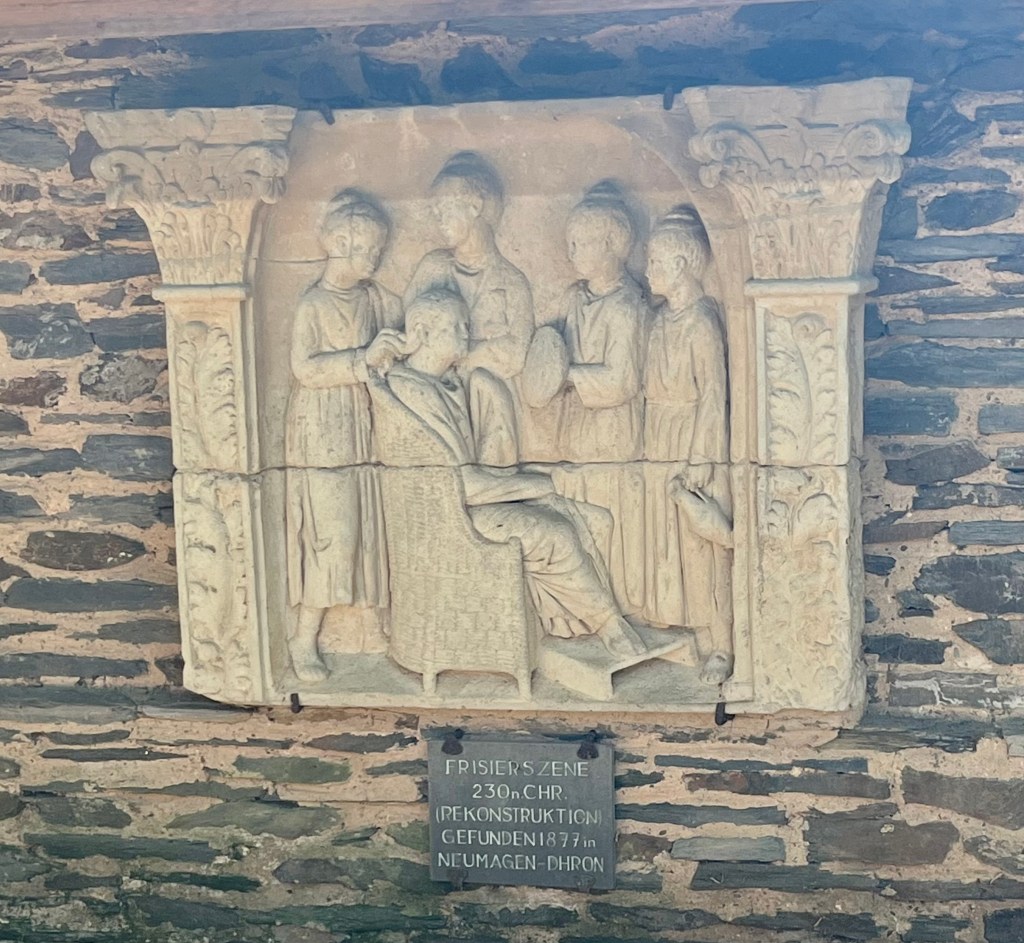
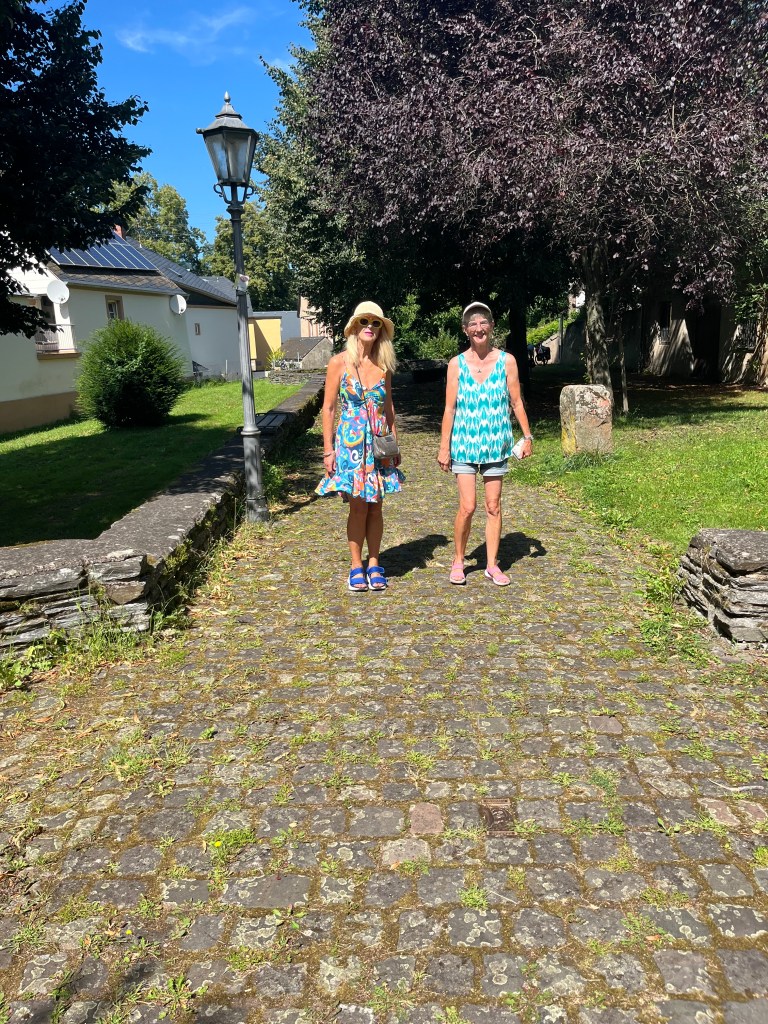
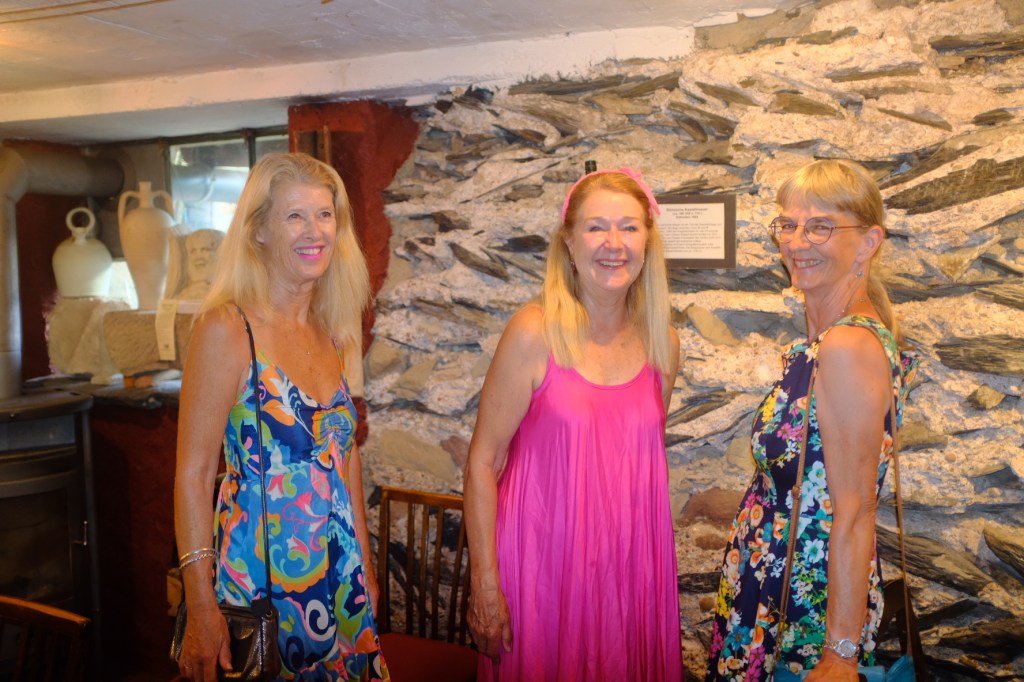
The village of Neumagen-Dhron was the site of a Roman fort, and many archeological finds have been unearthed in the vicinity. These finds are preserved in the museum in Trier, but the town has placed replicas throughout the village centre and provides a great downloadable walking guide.

More of Neumagen-Dhron
Day 3 Neumagen -Dhron to Bernkastle-Kues 1 lock 24 kms
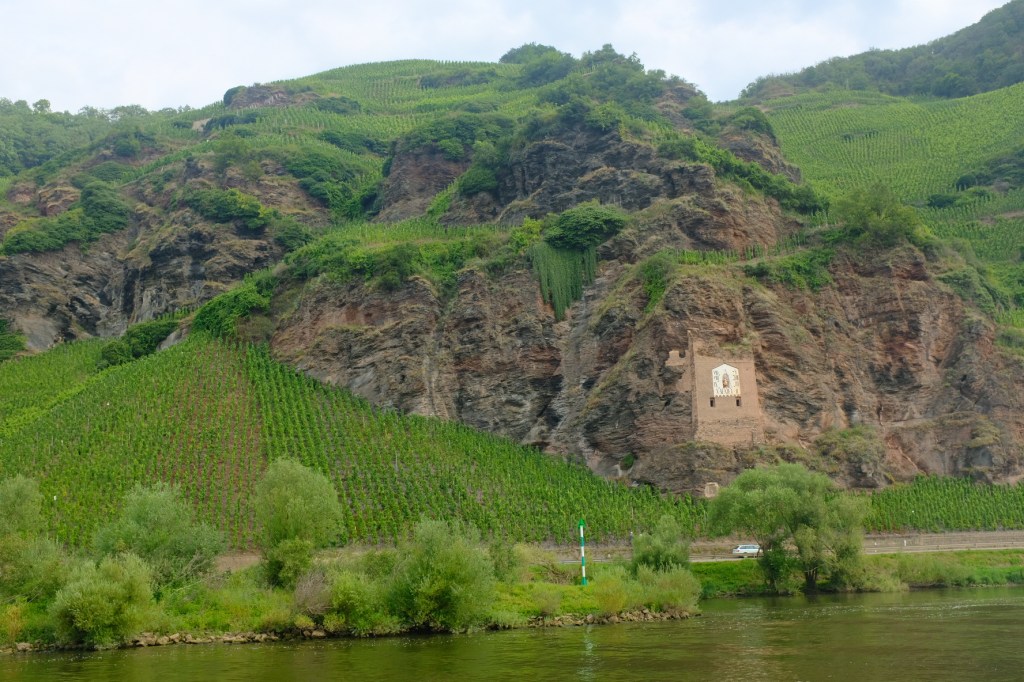
We were amazed at the steepness of the vineyards along the river, the steepest being at a 65 degree incline. Due to the difficulty of the terrain, most of the grapes are hand picked as mechanical harvesting is impractical. And yes there are documented fatalities among workers tending the vines. Some of the wineries displayed sundials while others have a small chapel placed among the vines, perhaps to request a safe work environment from the man upstairs.
BernKastle-Kues
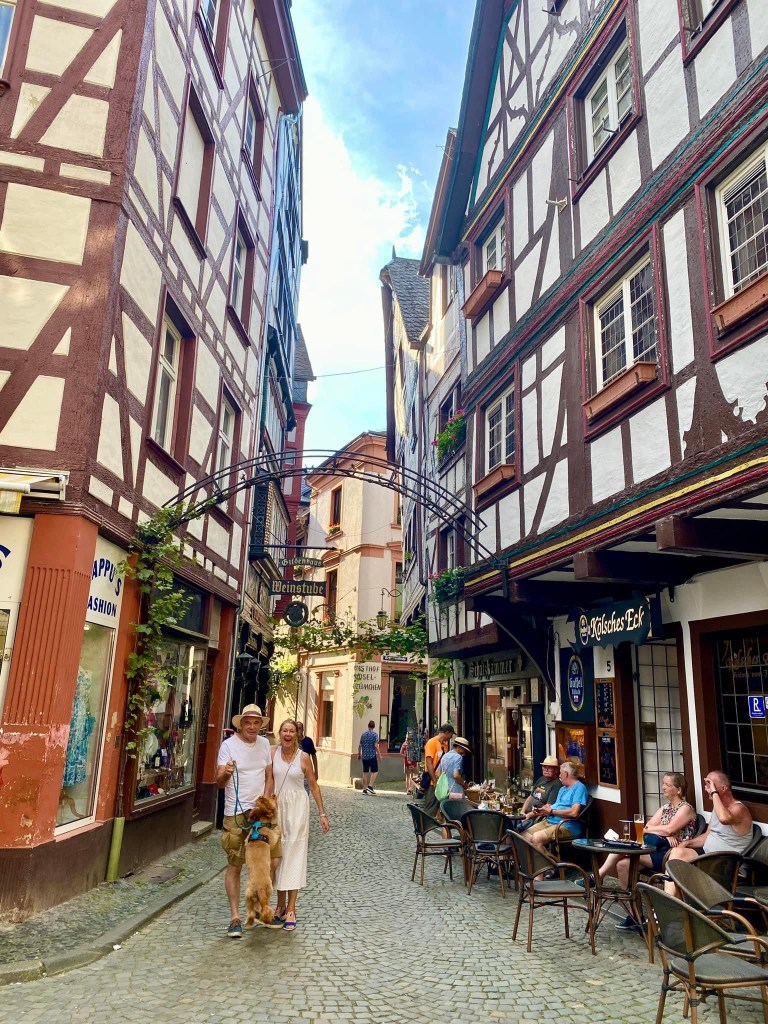
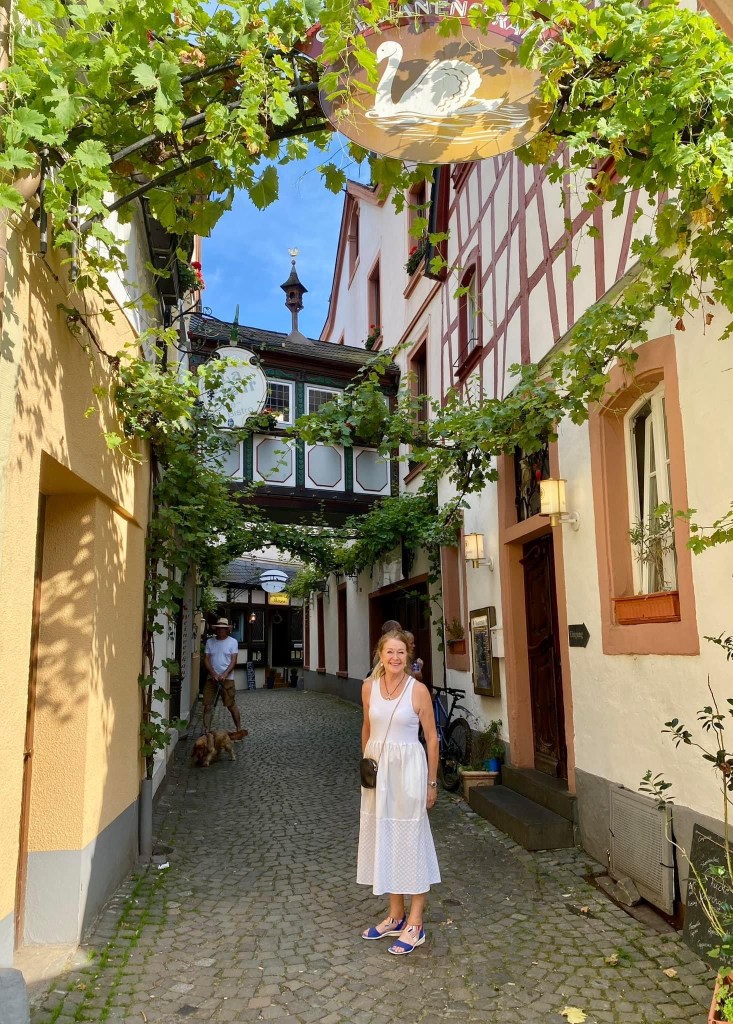
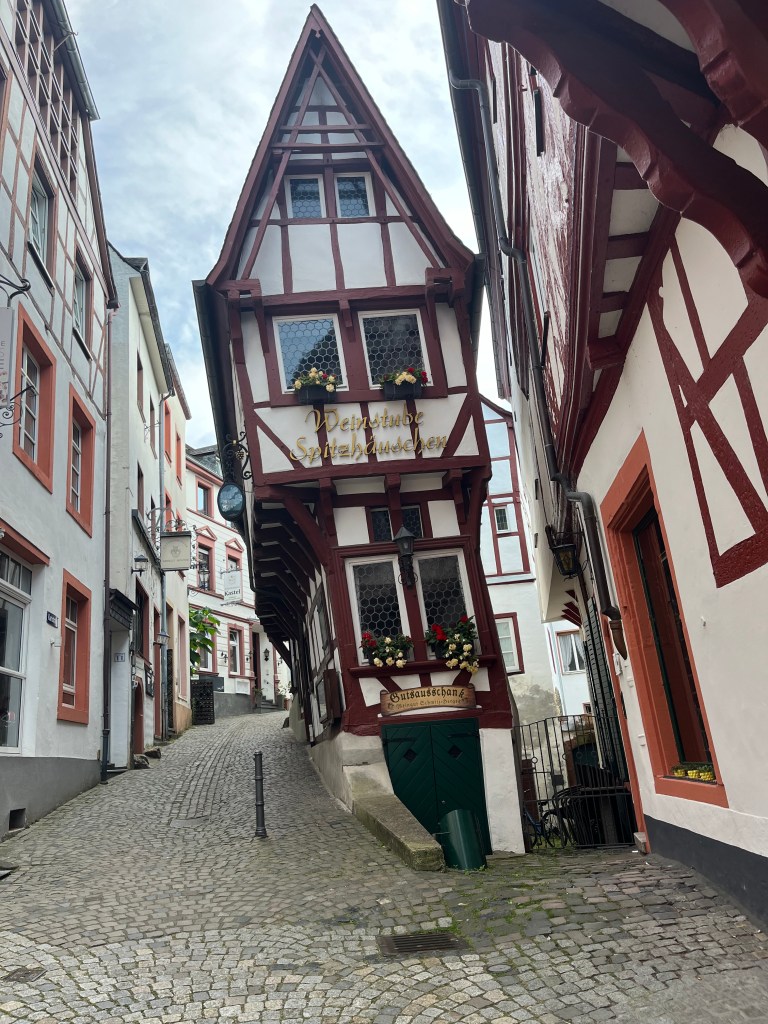
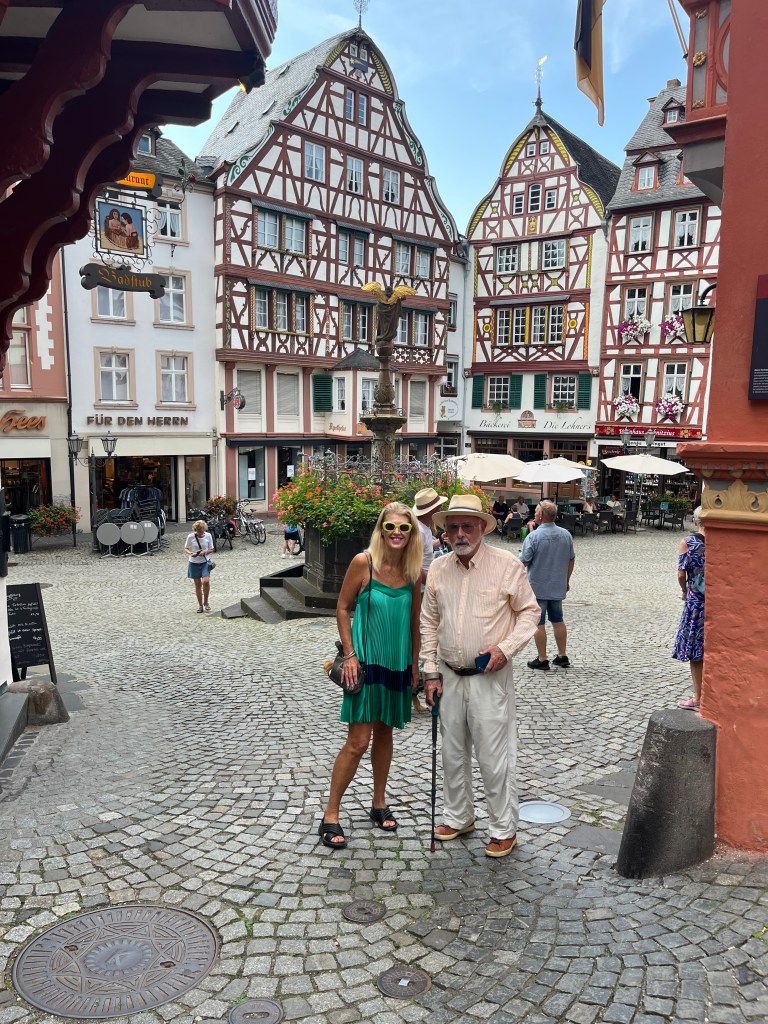
The wine from this area is said to have curing medicinal properties as it cured the then archbishop of a life threatening illness. It is now known as the Bernkasterer Doctor (well I knew wine was good for you).


Day 6 Bernkastle-Kues to Traben-Trabach 1 lock 21kms
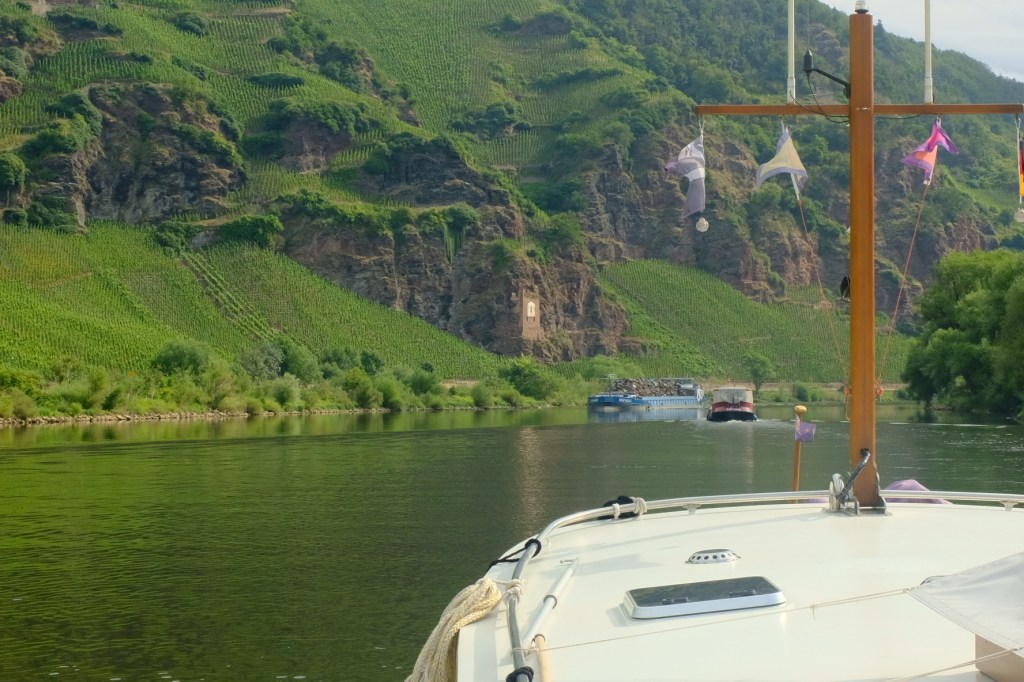
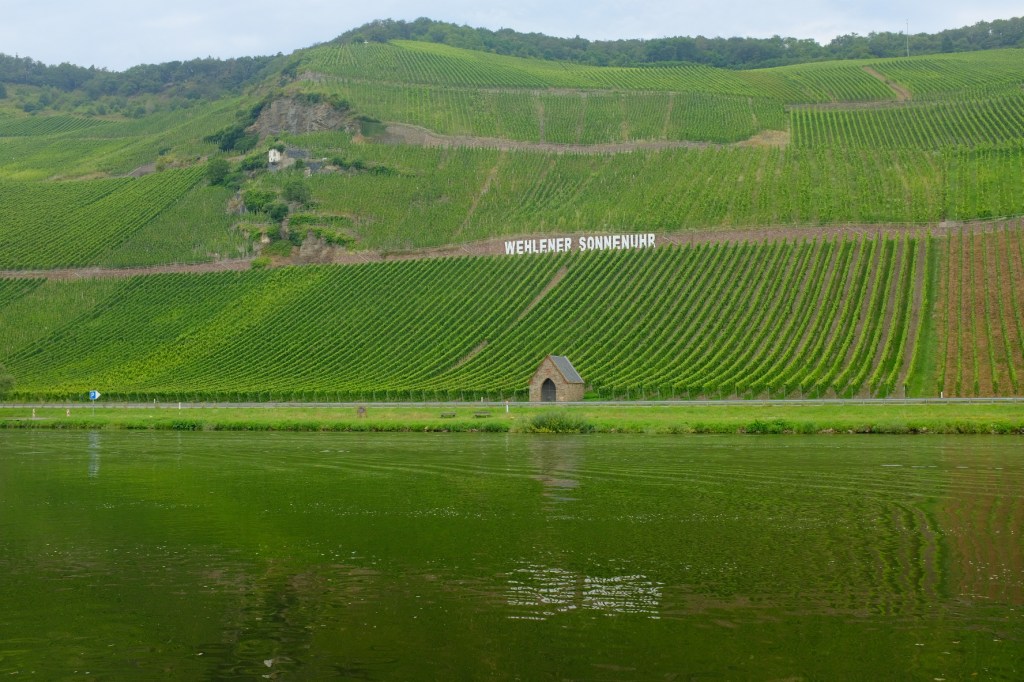

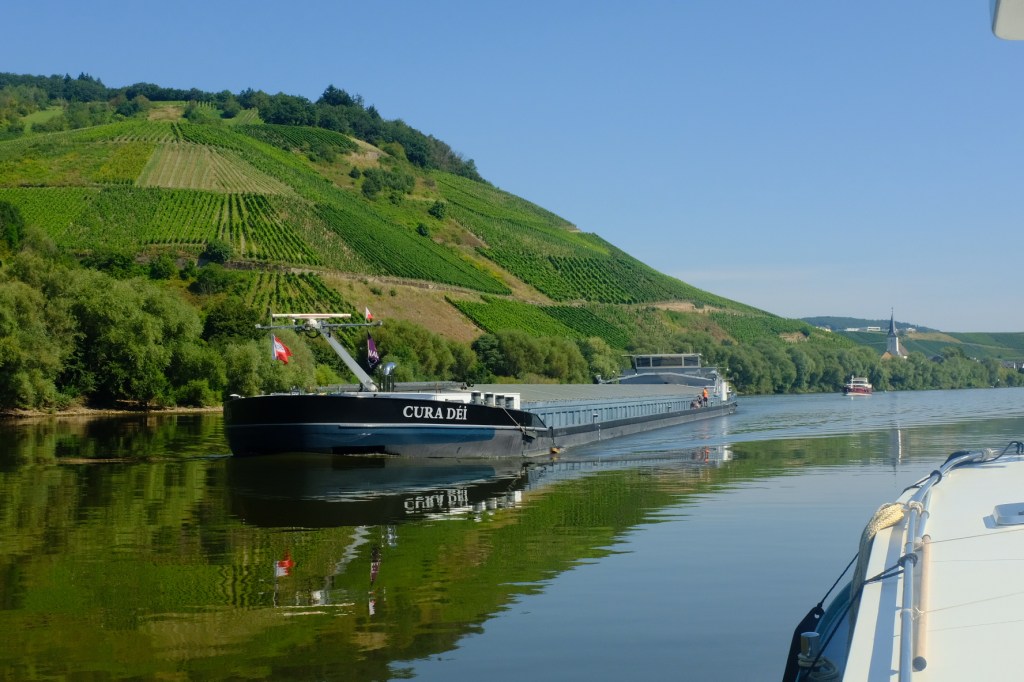
The German section of the Mosel was not fully canalised until the 1960s. It was engineered with exceptional environmental foresight. Rather than spoil the natural beauty of the steep sided valley or threaten the world famous vineyards there are virtually no canal cuts even though there are places where a 10km loop in the river could have been avoided.
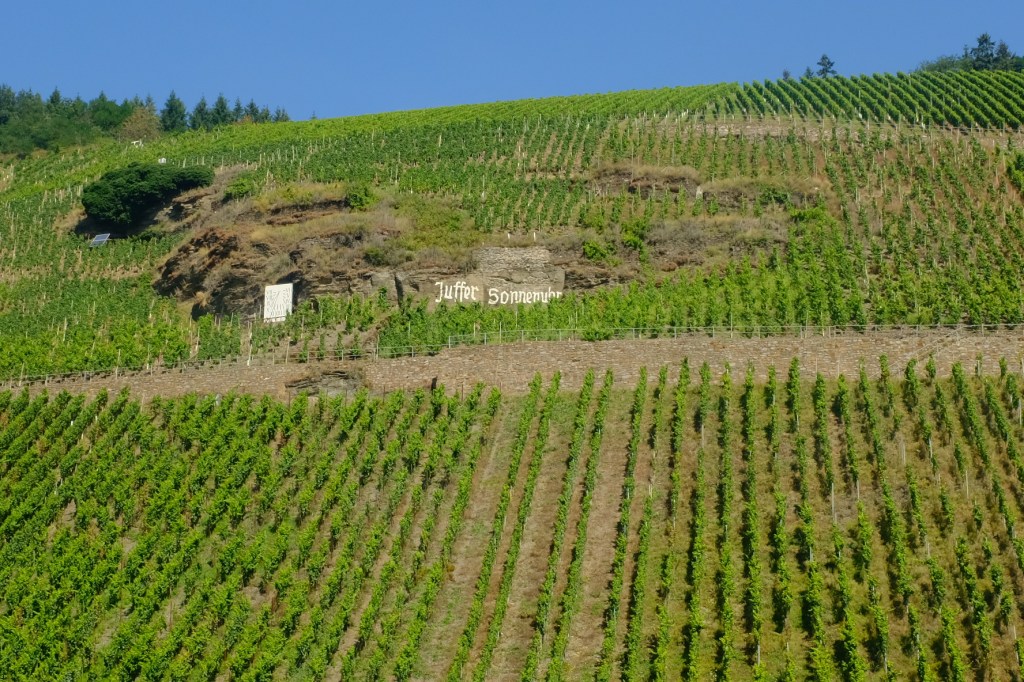
The soil of the area is dominated by porous slate which is ideal for drainage and has good heat retaining properties to aid in the ripening of the grapes. In some places there is no top soil, only slate. When there is heavy rainfall this slate is washed down the valley and must be collected and redistributed back under the vines. This slate contributes to the mineral flavour of the wine, and yes I have discovered my favourite riesling, dry with a hint of sweetness and a mineral after taste.
Traben-Trachen is another wine town overlooked by a ruined castle. It was here we put Jo on the train to her final destination in Spain.
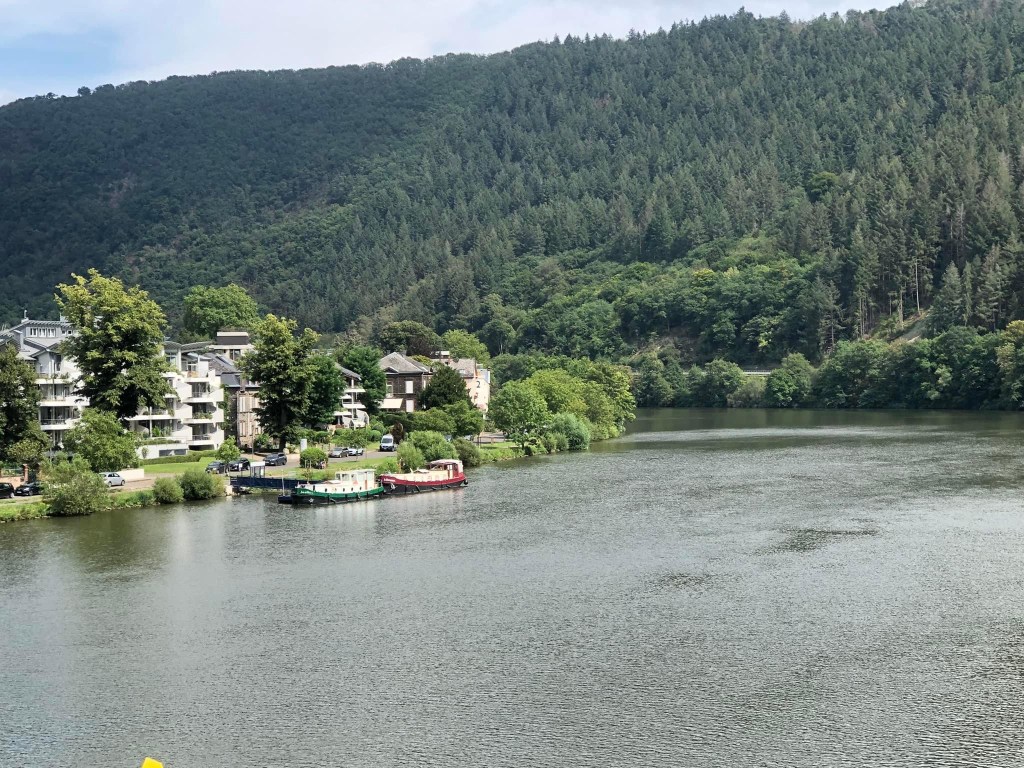

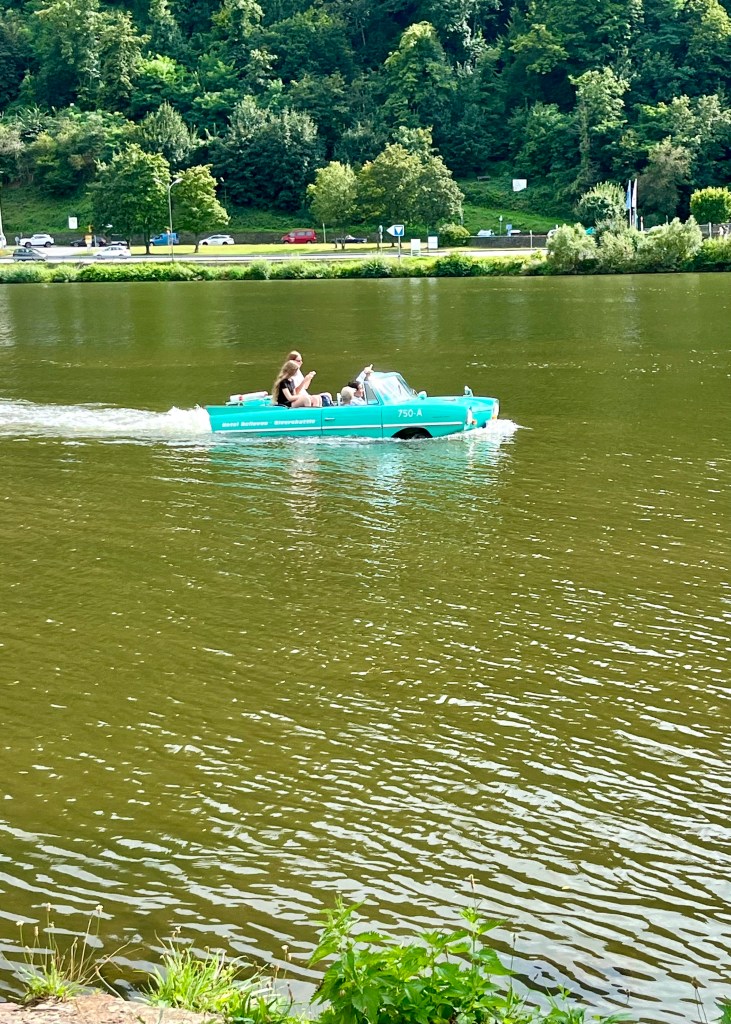
Day 7 Traben-Trabach to Seinheim Yacht Haven 2 locks 39kms
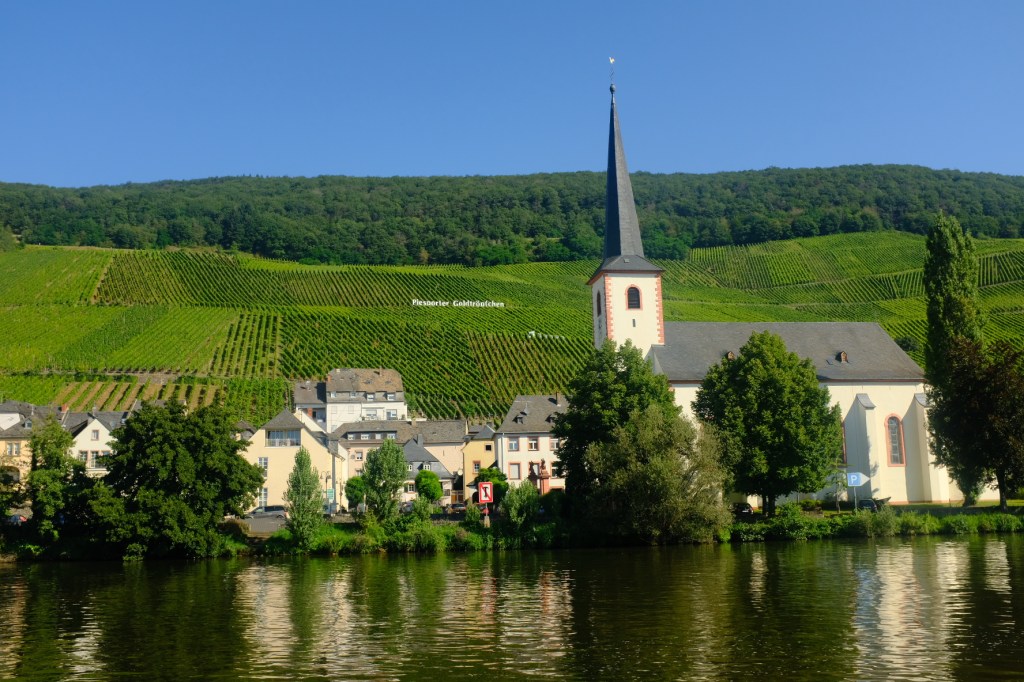

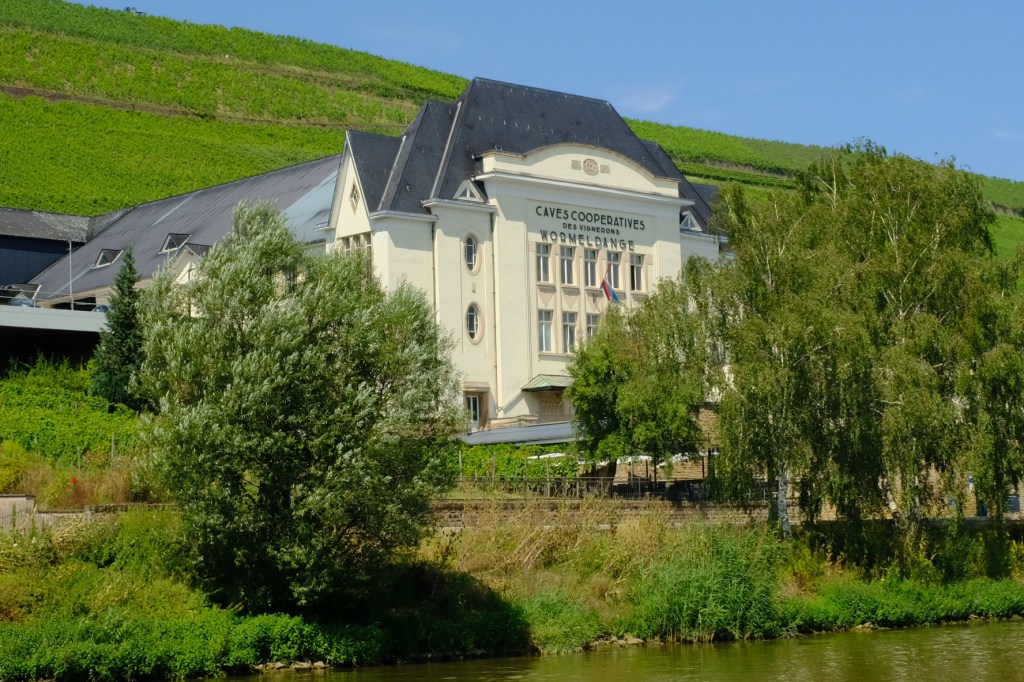
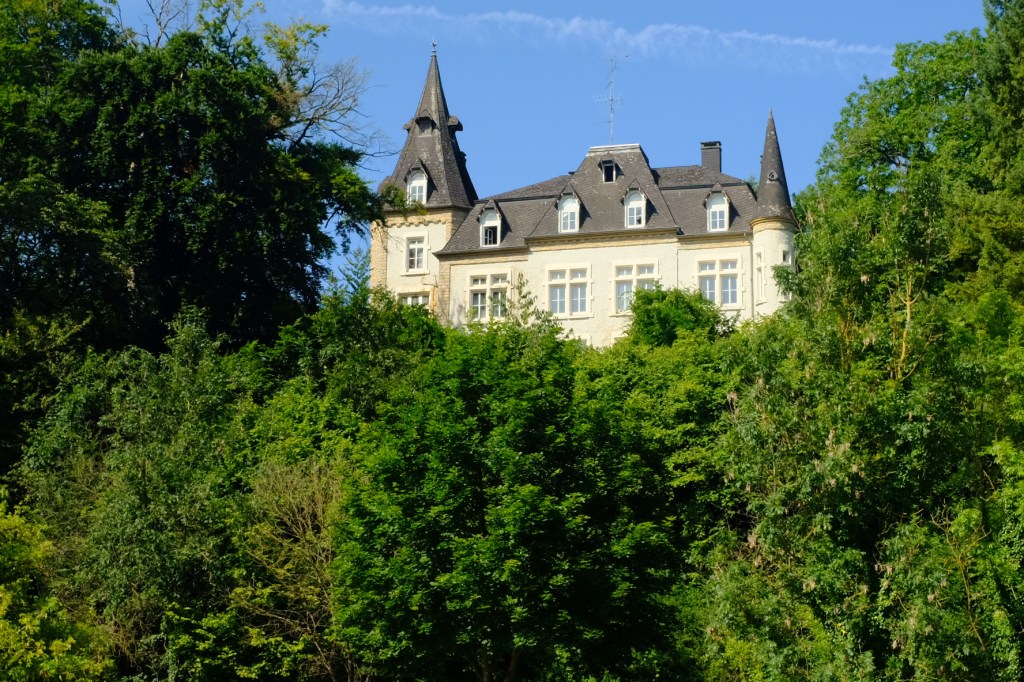
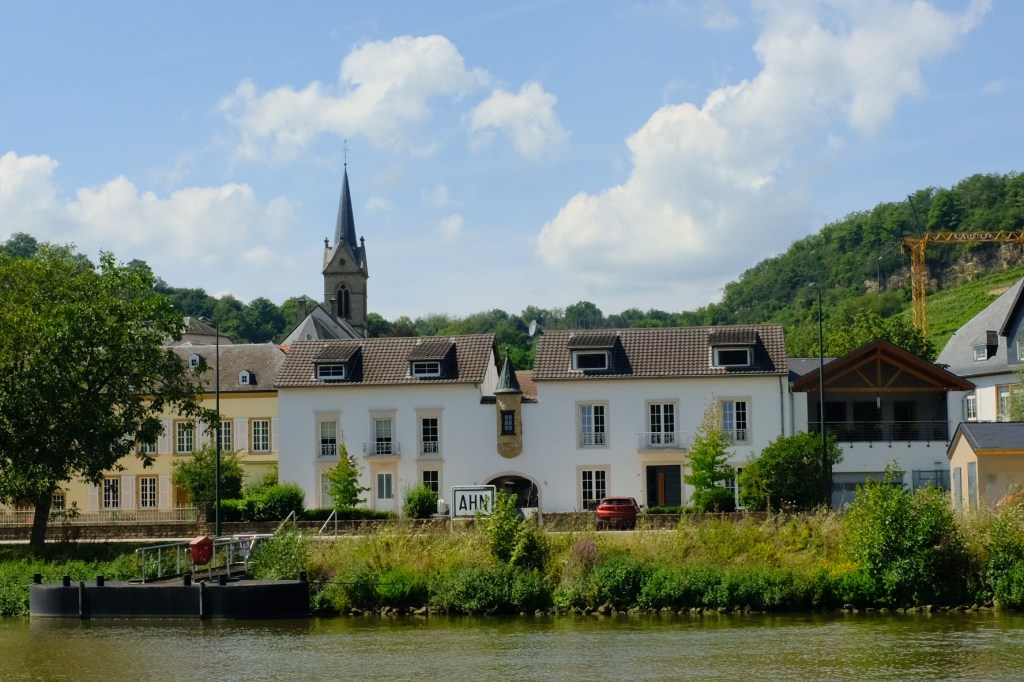

Another hot day and we were forced to wait at the locks with the commercials being given priority. Our overnight stop was adjacent to a camping ground with a small shop where you could order bread for the following day
Day 8 Seinheim Yacht Haven to Cochem 1 lock 17kms

The castle was built in the 12th century and was officially named an imperial castle when it was occupied by King Konrad III. You may wonder why there are so many ruined castles along the Mosel. We can thank Louis XIV for the destruction of these inspiring structures. With little thought to tourism in the future he had most of the castles along the river destroyed during his conquest of the area. A German industrialist Louis Ravene bought the ruined castle at Cochem in 1866 and renovated it as a gift for his second wife. She didn’t wait around for her new home to be completed and ran off to Berlin with her lover. Louis died shortly after from a broken heart. After his death his family used the castle as their summer home and it was later much admired by members of the Third Reich hierarchy. The town purchased it in the 1970’s and it is now a very popular tourist attraction. In fact the town is a very poplar tourist town where there are a number of moorings for the large hotel cruise boats.
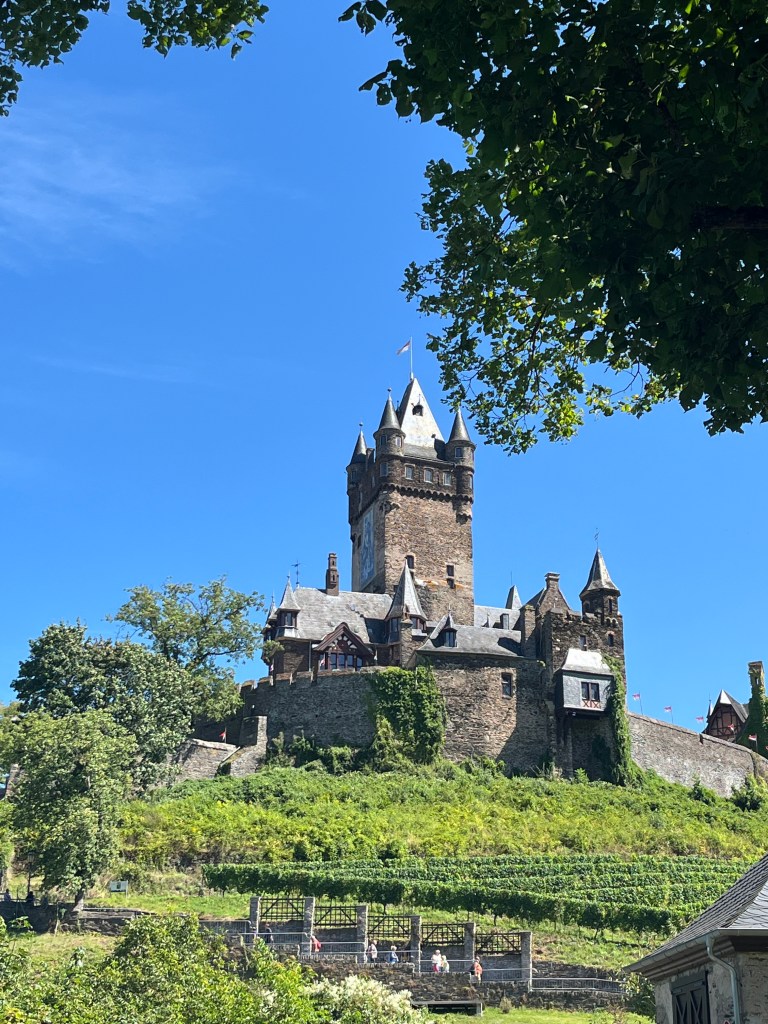
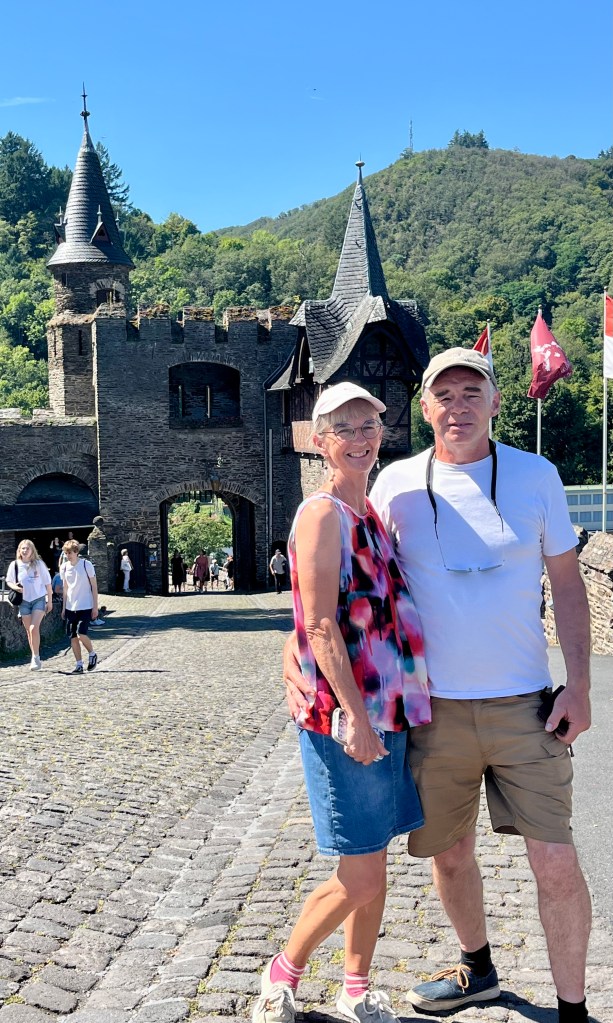

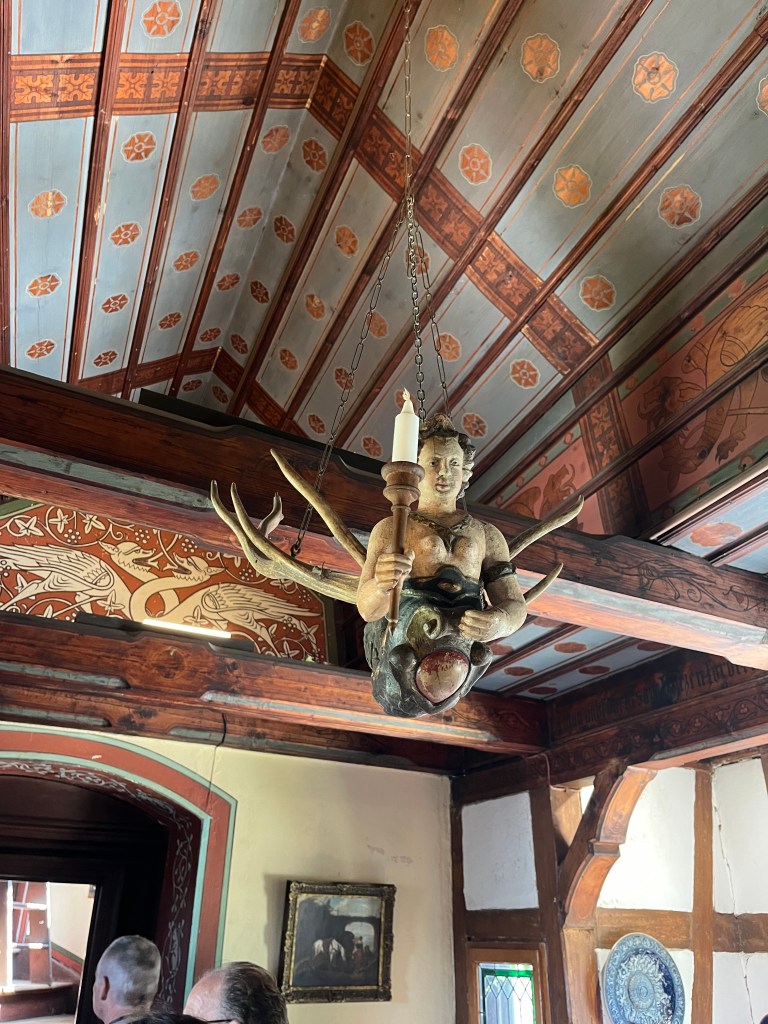

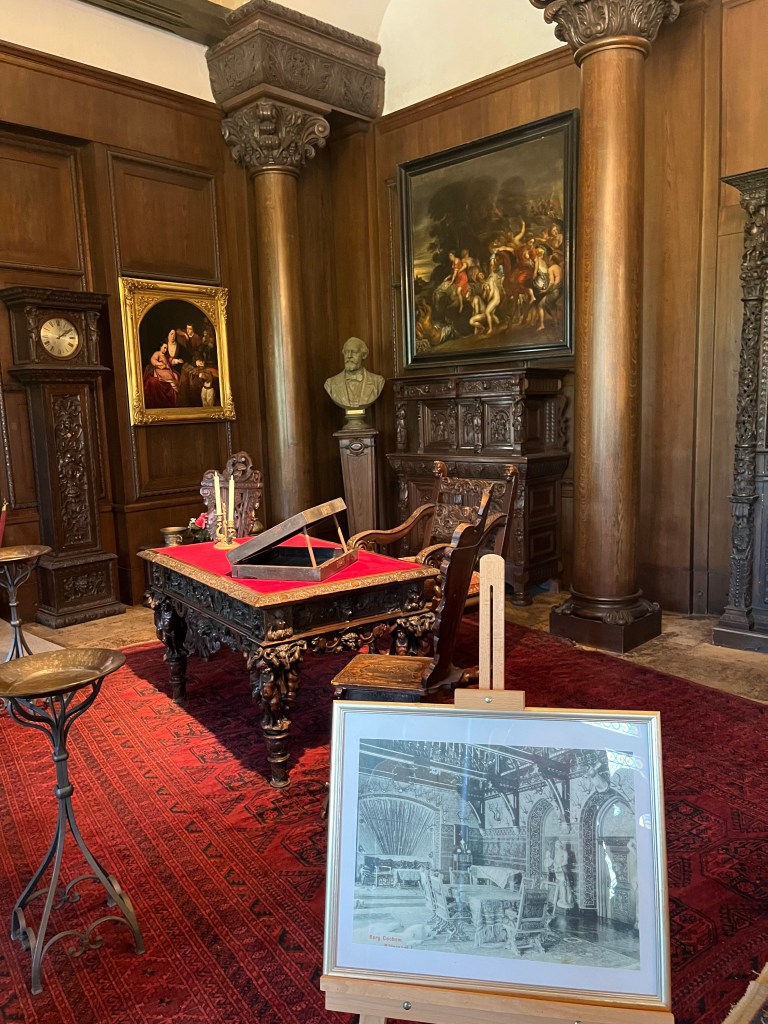
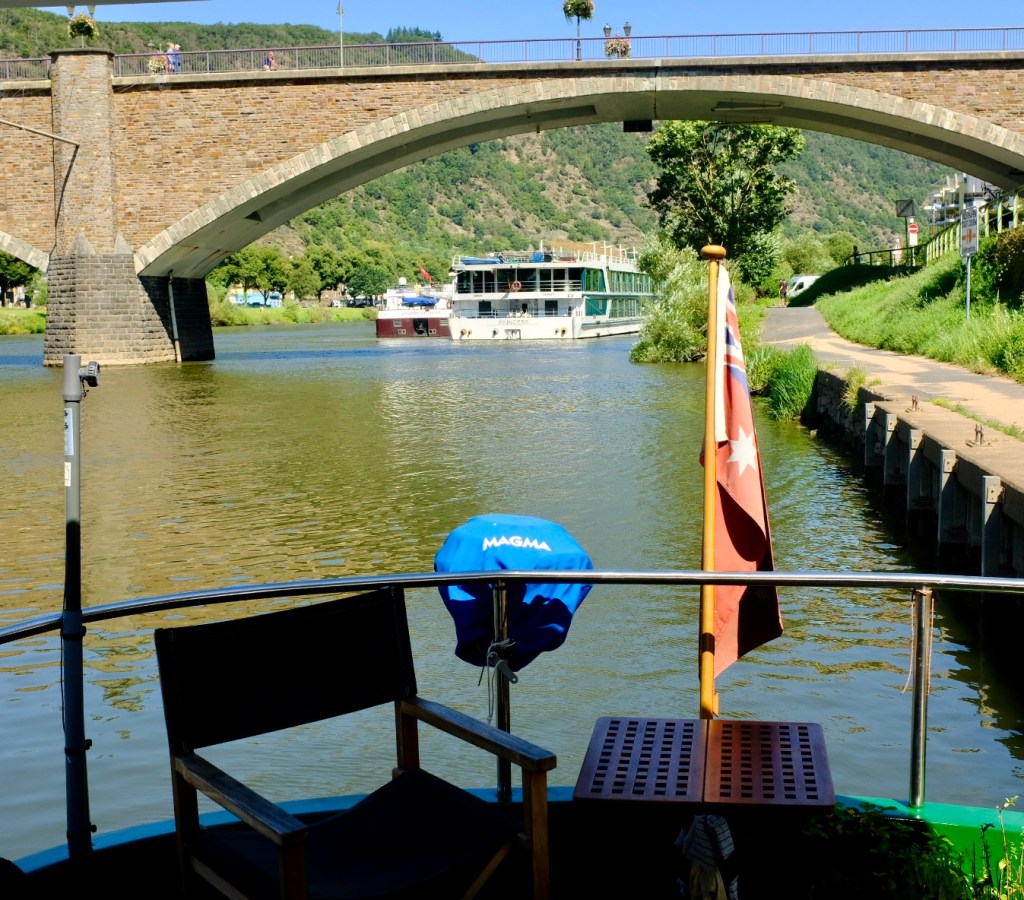
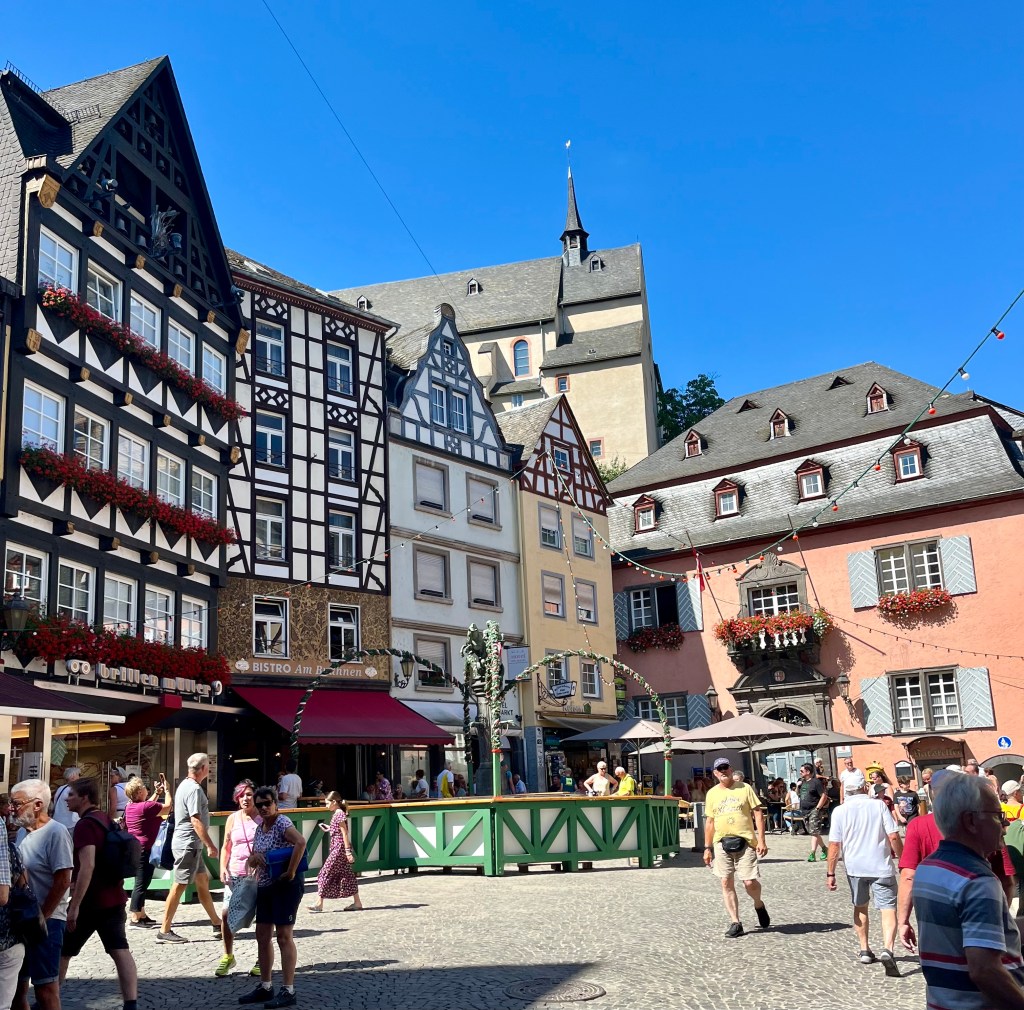

Cochem was heavily bombed in WW2 but much of the old town has been rebuilt. It was also close to a concentration camp that provided slave labour to Bosch
Day 10 Cochem to Winningen Marina 2 locks 39 kms
This was to be our last stop on the Mosel before we turned onto the Rhine at Koblenz



Day 11 Winningen to Koblez Rheinlache Marina 1 lock 15kms
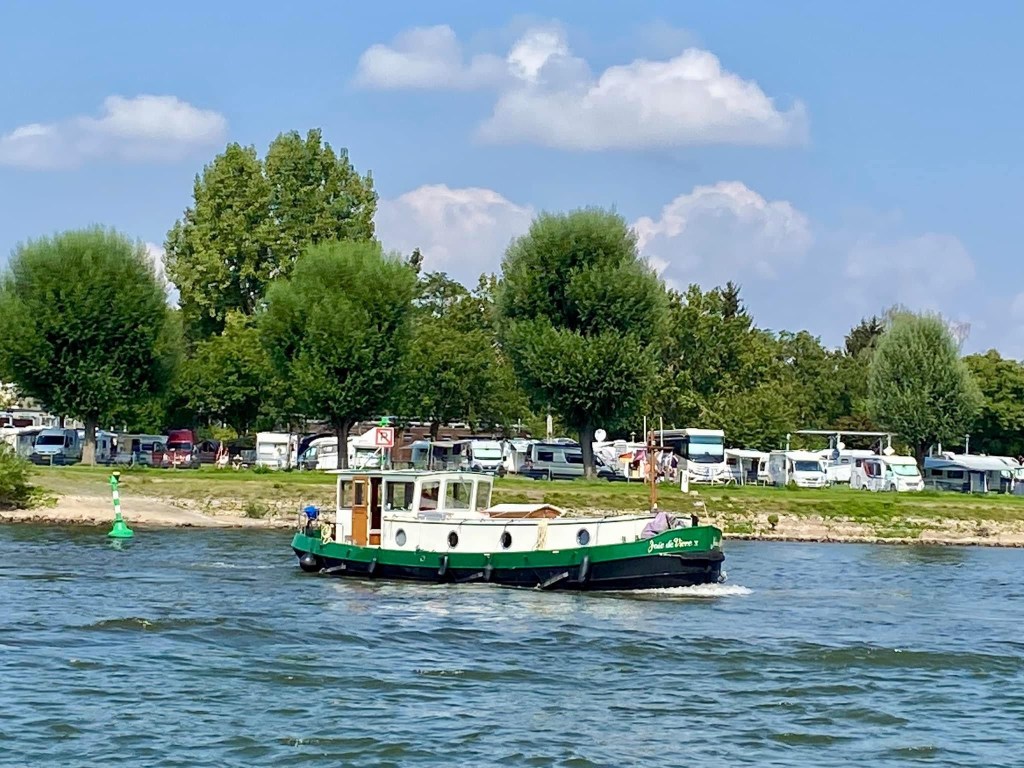
So it was farewell to this ‘grapevine enclosed amphitheater’ as described by a Roman poet and hello to the Mighty Rhine




 Karen’s Travel Blog
Leave a comment