
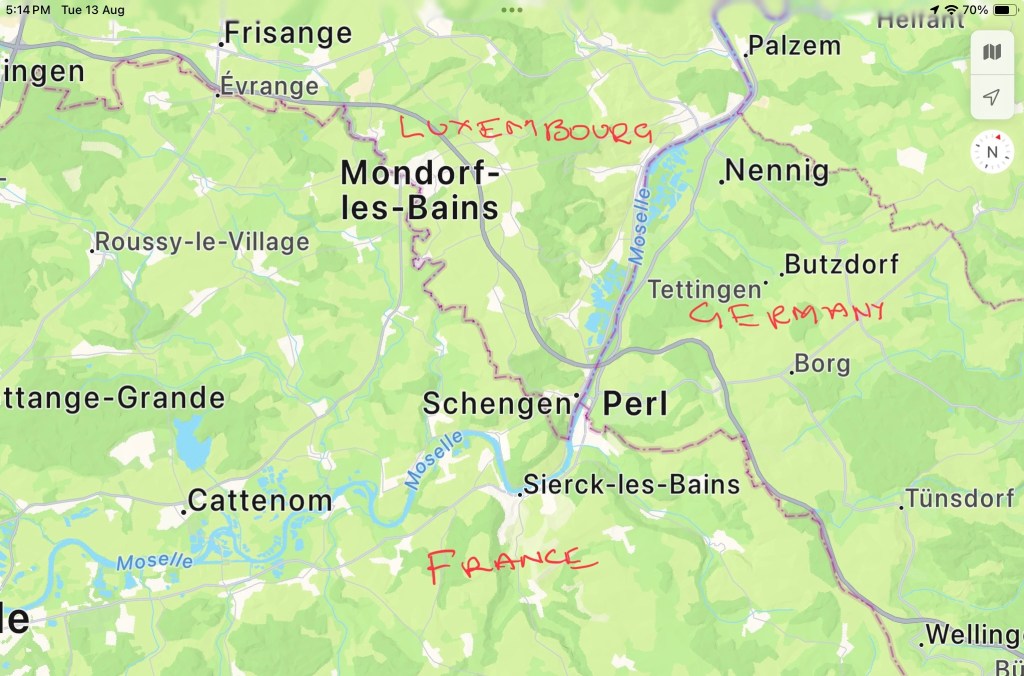
At this stage I have added a map so you have a visual understanding where we are. Leaving France we continued on the Moselle (the Musel in Luxembourg and the Mosel in Germany) and crossed the border into Luxembourg/Germany. The river is the demarcation line between Luxembourg and Germany. As we travel North down the river, we have Luxembourg on the left bank and Germany on the right
Day 1 Sierck las Bains to Schwebsange 1 lock 6 kms
This was just a pit stop to restock the larder and the fuel tank. We had paid the discounted price of 2 euros a litre for diesel in Strasbourg, but the price at this port in Luxembourg was 1.47 euros. A considerable saving!
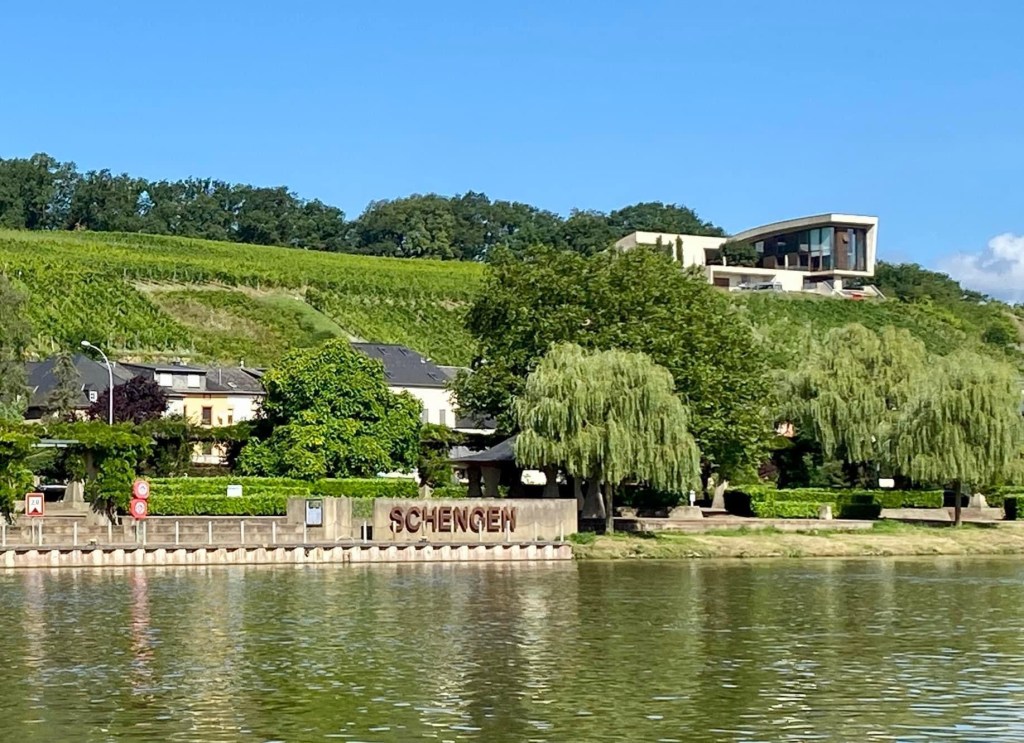
Time to change our courtesy flag
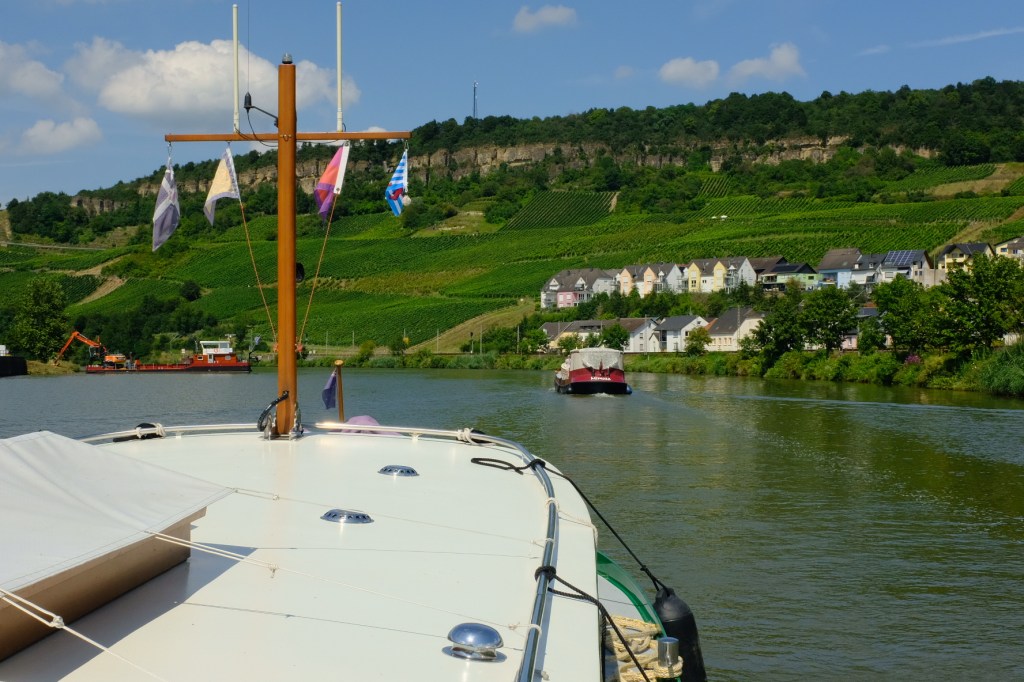
Flag 1
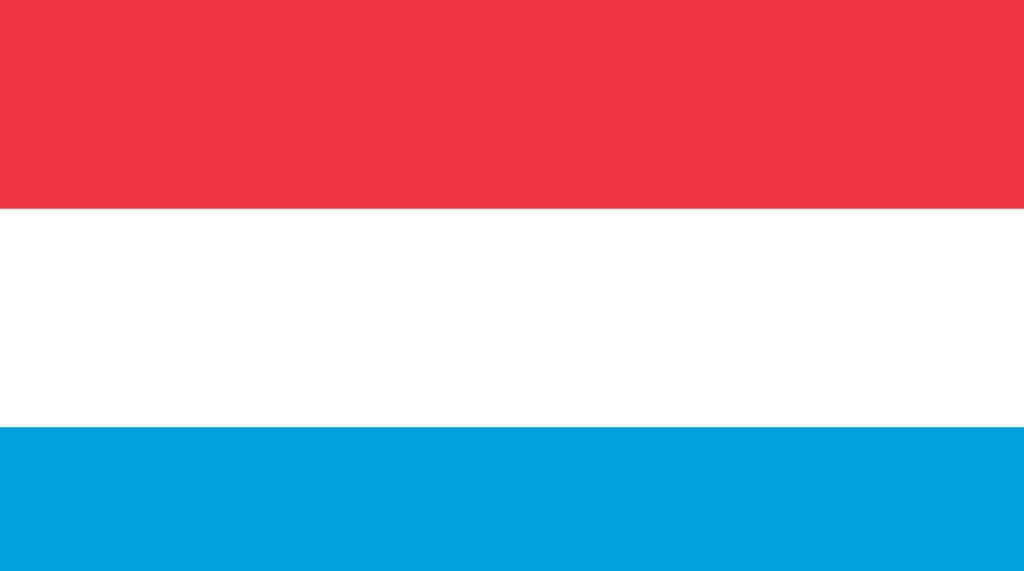
This is the official national flag of Luxembourg, but as it is very similar to the flag of the Netherlands (the bottom blue strip on the flag is a royal blue in the Netherlands and an aqua blue in Luxembourg), there has been much debate over whether to change it.
Flag 2
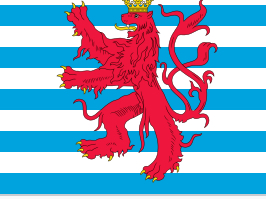
Based on the coat of arms for Luxembourg the red lion is the offical ensign for ships registered in Luxembourg. It is also accepted a a civic flag. We decide to invest in a red lion flag. After we are a ship and it is a very pretty flag!
Day 2 Schwebsanger to Konz 2 locks, 38 kms
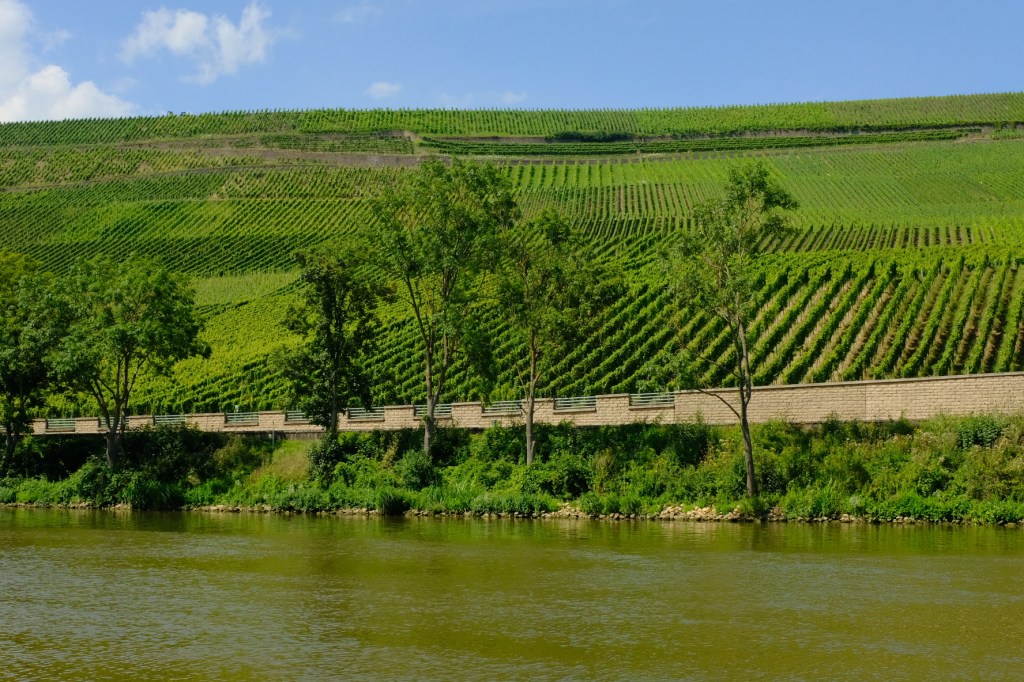
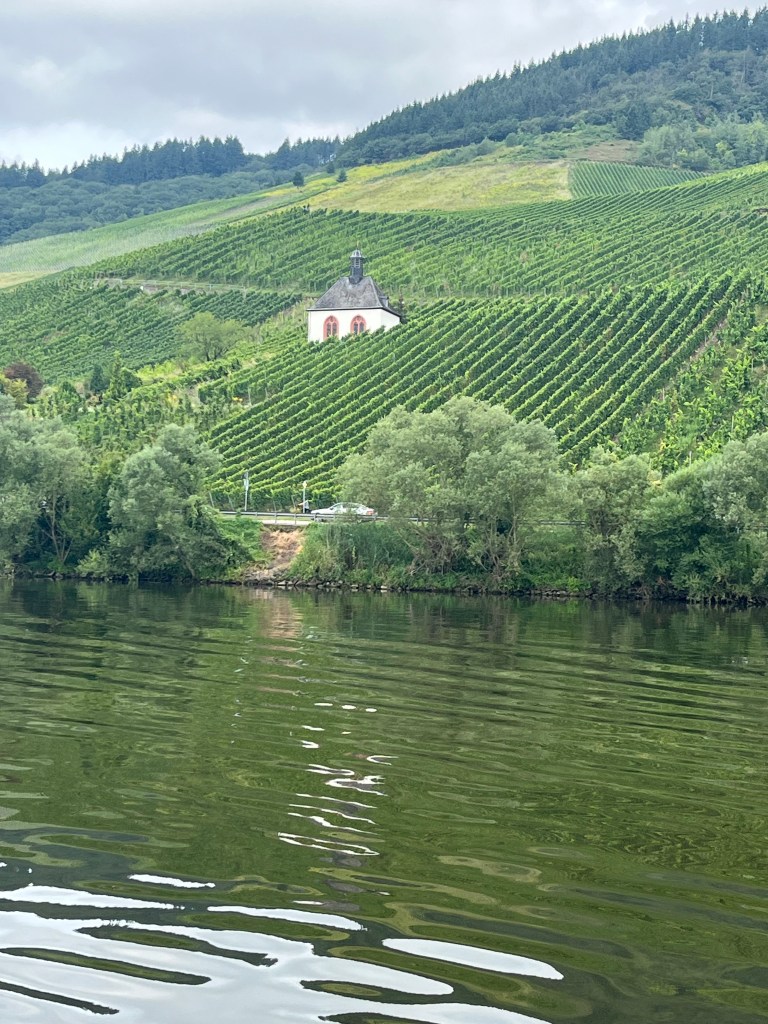
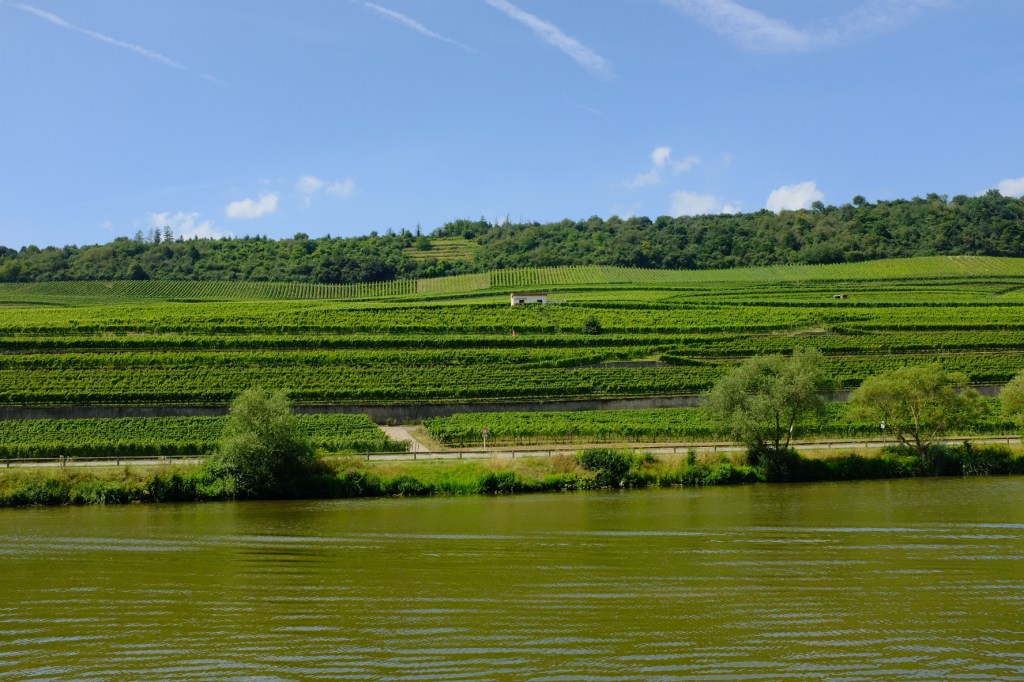
Some of the towns along the Luxembourg side of the river offer free electricity at their docks. They are available to pleasure boats like us, as long as there are no bookings for hotel boats. Although they were all empty, the power had been disconnected for the week we were there, so we decide to race onto Germany and the harbour at Konz.

2 Days in Konz visiting Trier and Luxembourg
It was only a 9 minute train ride to the Roman town of Trier, and if you do get a chance this is a must visit. Walking from the station our first port of call was Port Nigra, the Roman city gate, which is the most recognised monument of the city.
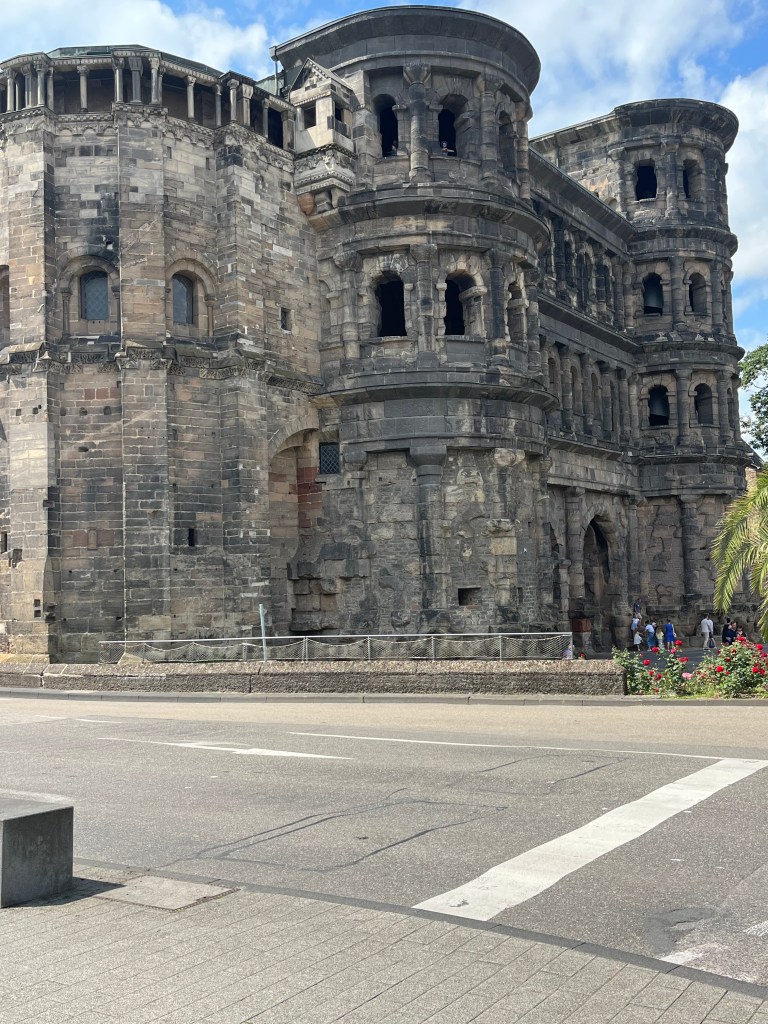


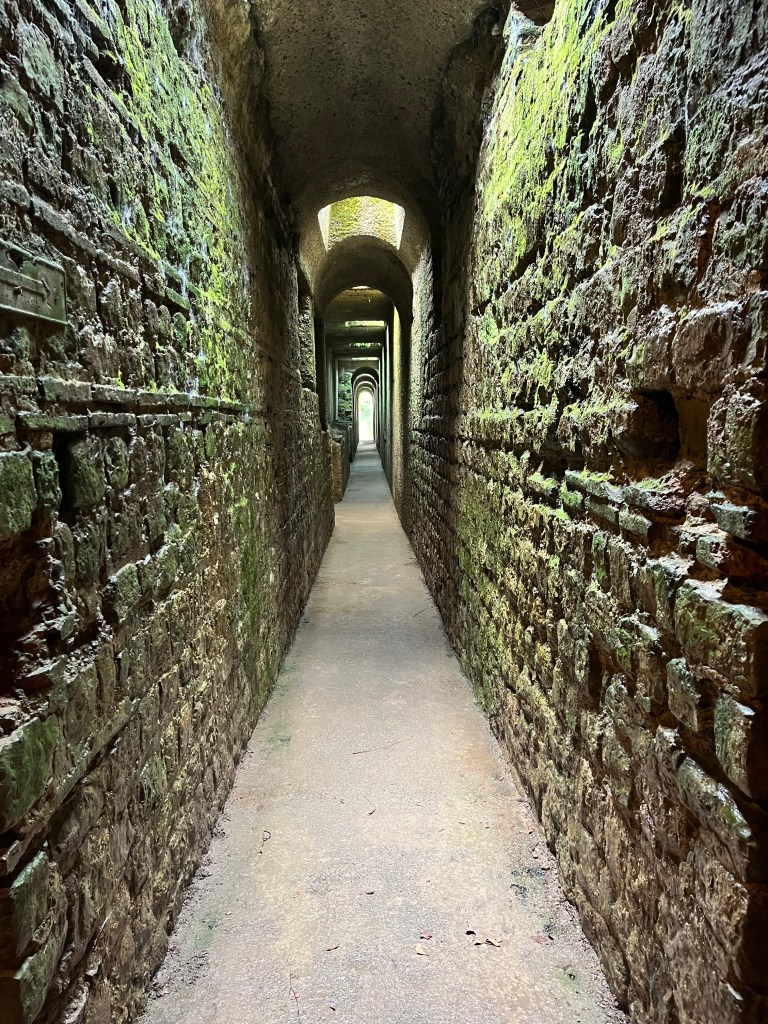
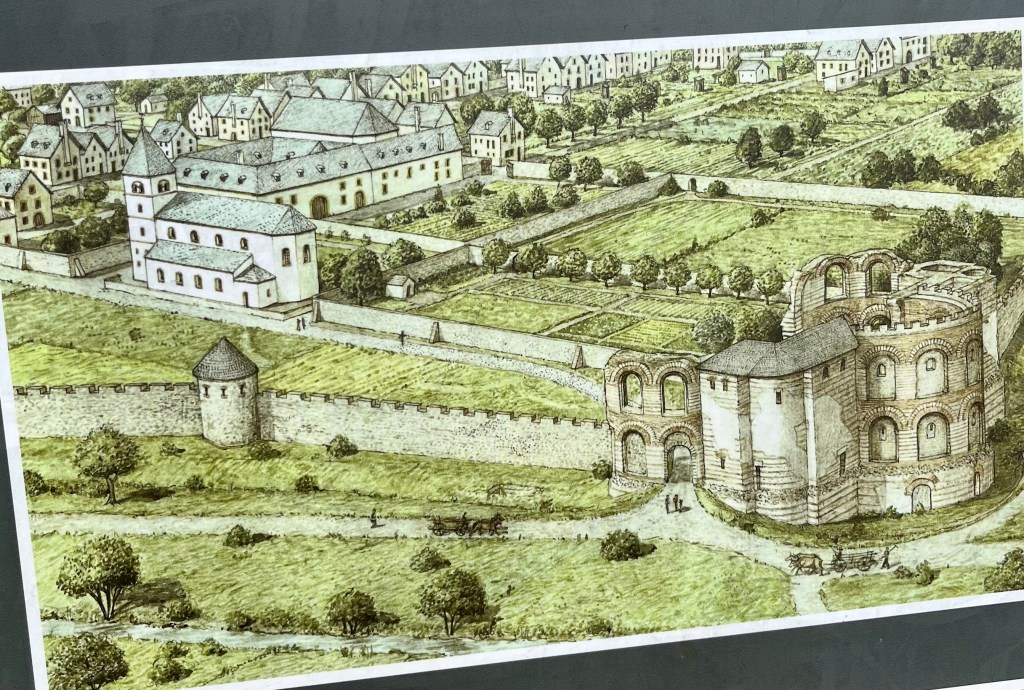
Aside from the Roman ruins several cathedrals within Trier are listed as UNESCO World heritage sites

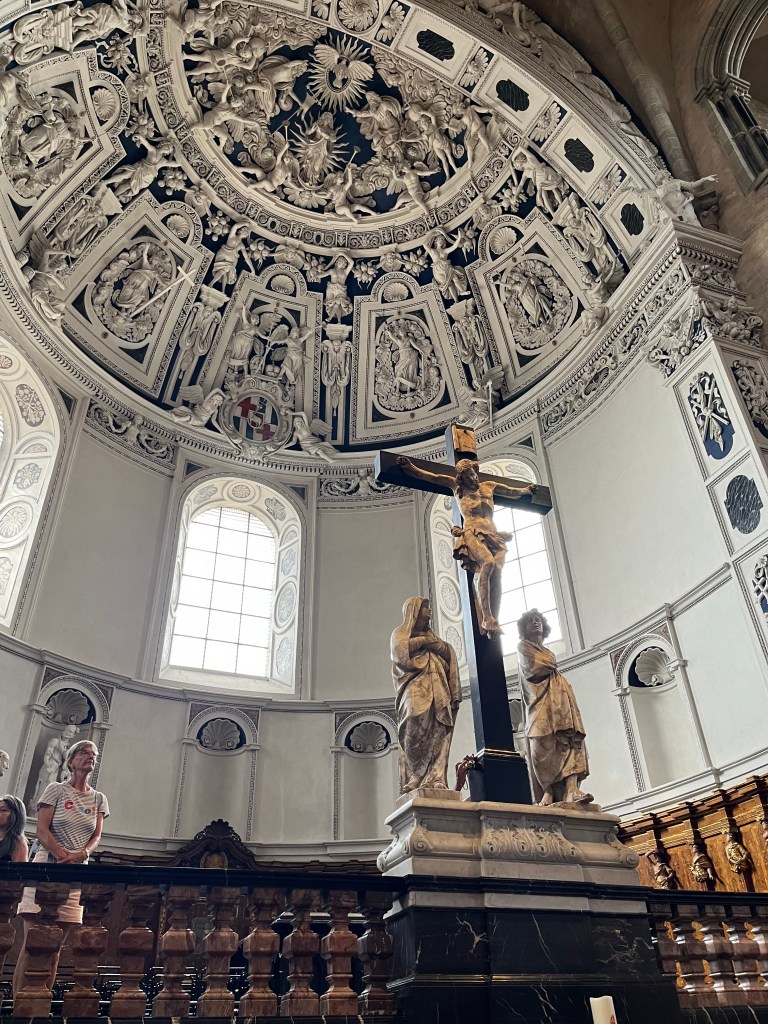

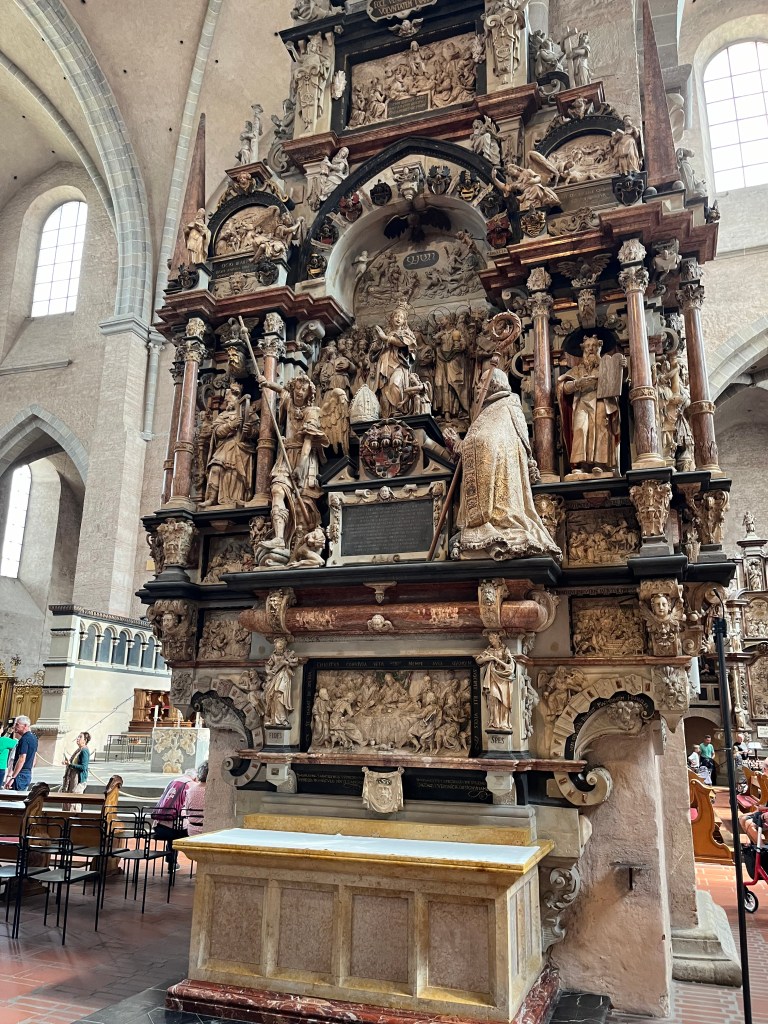
Although large sections of Roman brick work can be seen this cathedral was destroyed by the Franks and rebuilt, only to be destroyed again by the Vikings. Throughout the centuries the cathedral continued to be rebuilt and embellished according to the then fashion.

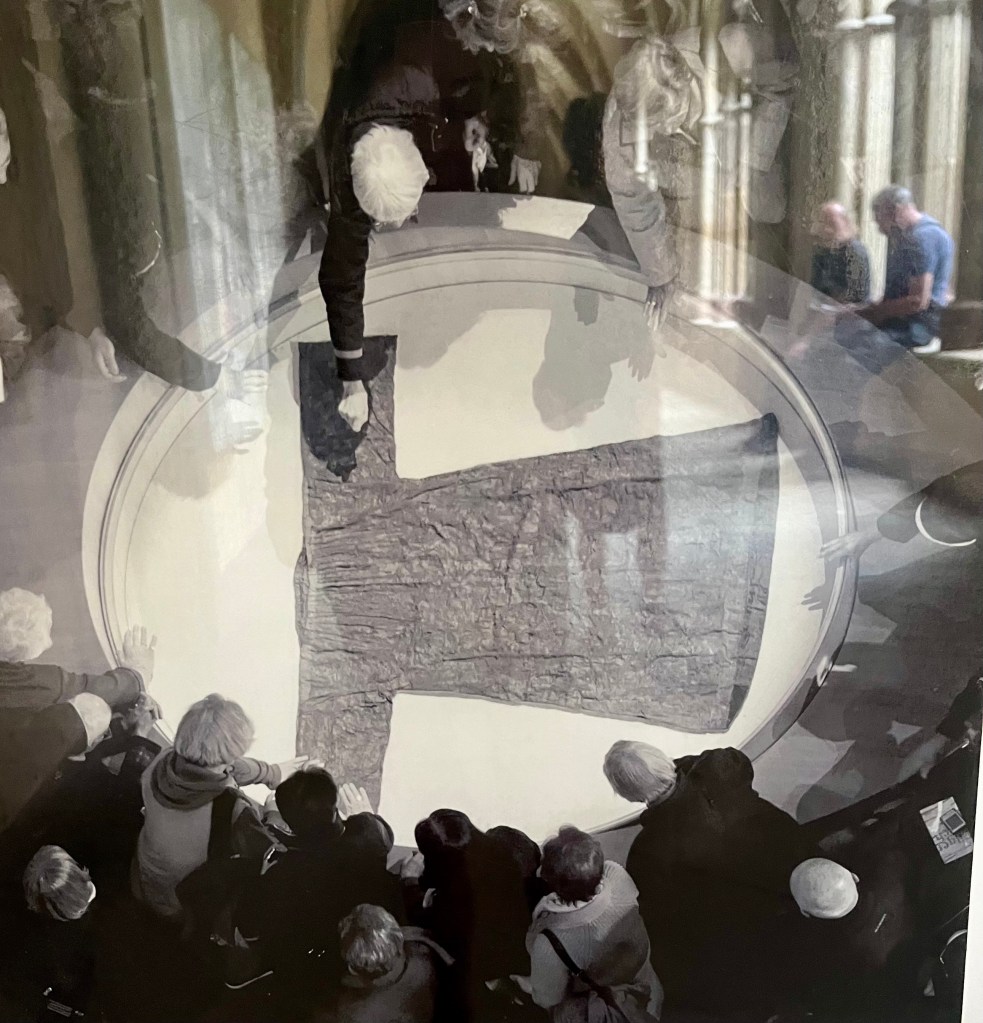
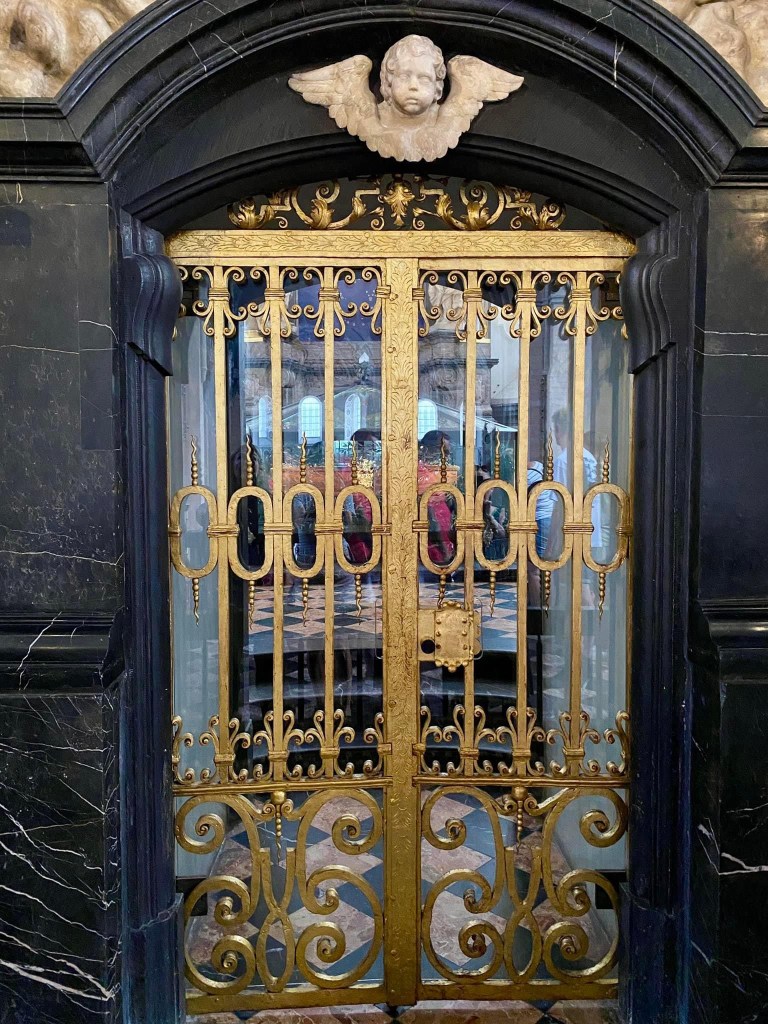
The most important relic of the cathedral in Trier is the Holy Robe. Reported to be the seamless robe that Christ wore to the cross is was bought to Trier in the 11th century and has been a pilgrims destination ever since. Today it is locked behind an iron gate in a coffin.
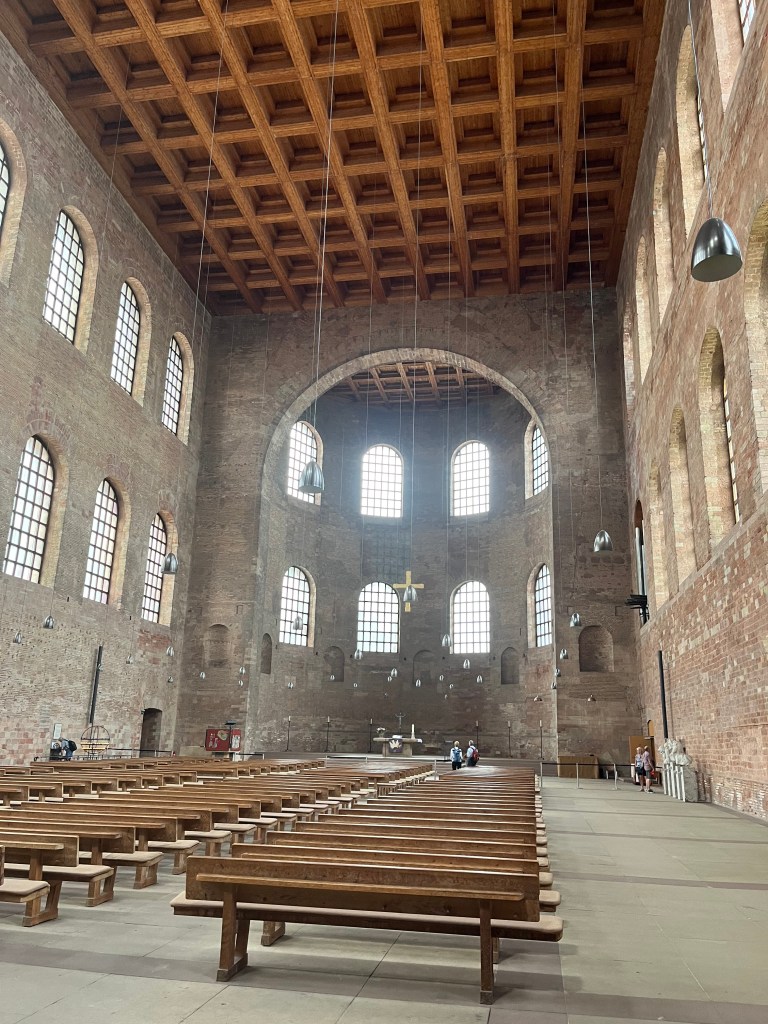
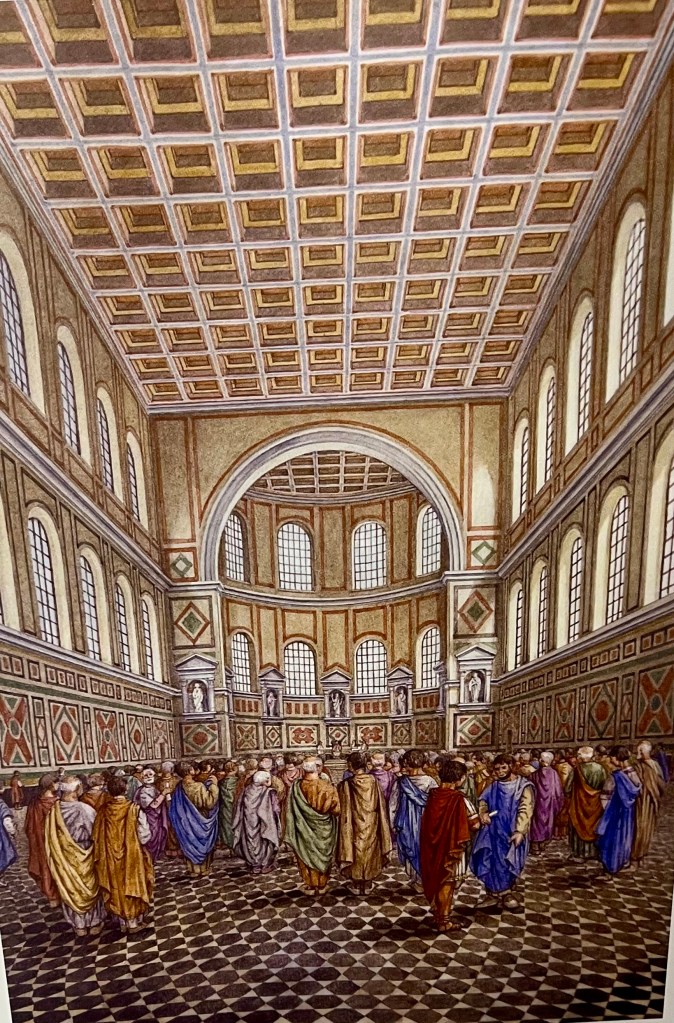
So much to see in Trier

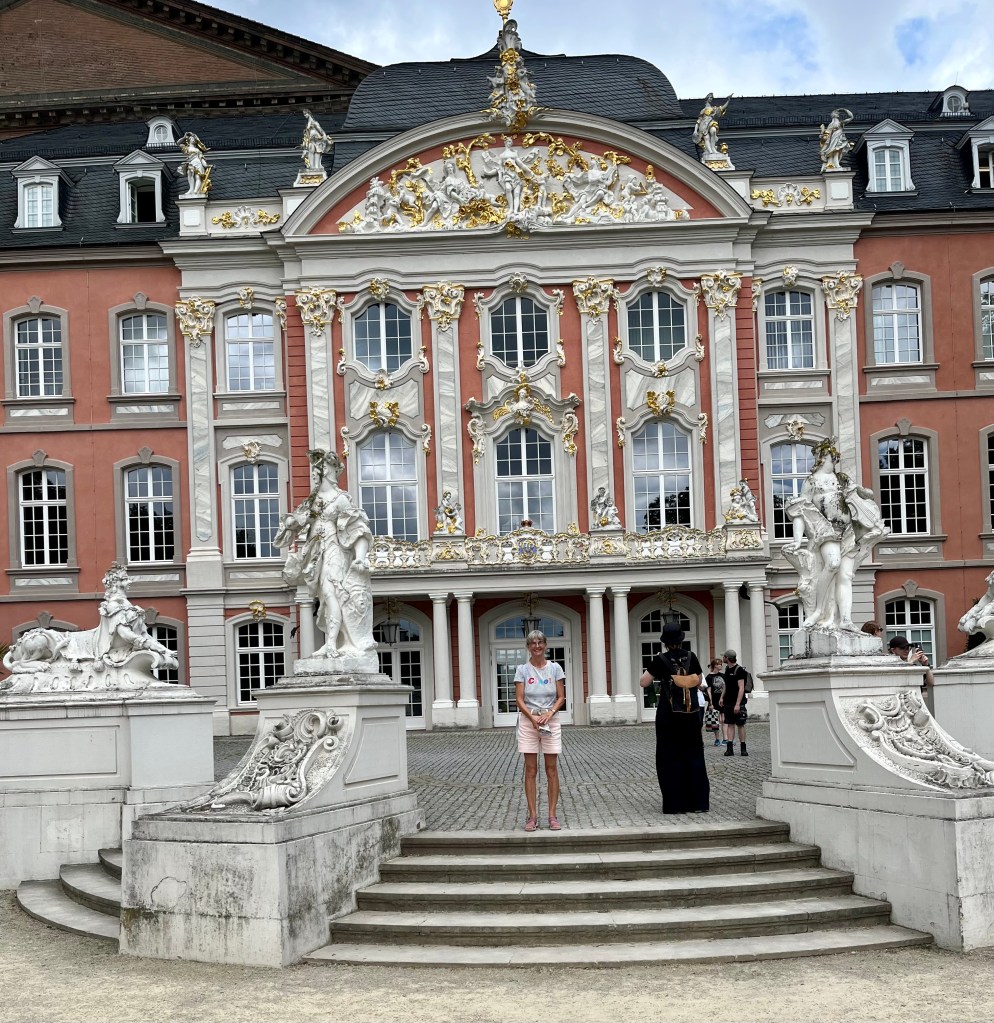
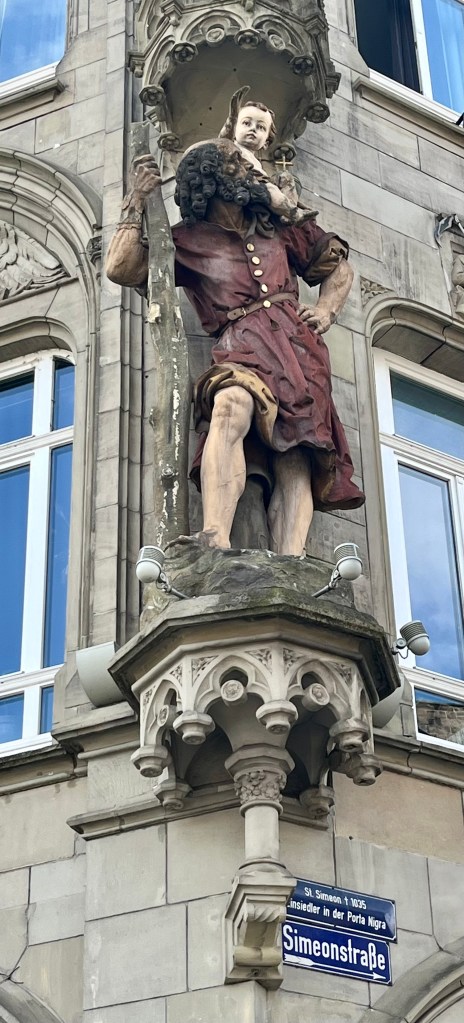
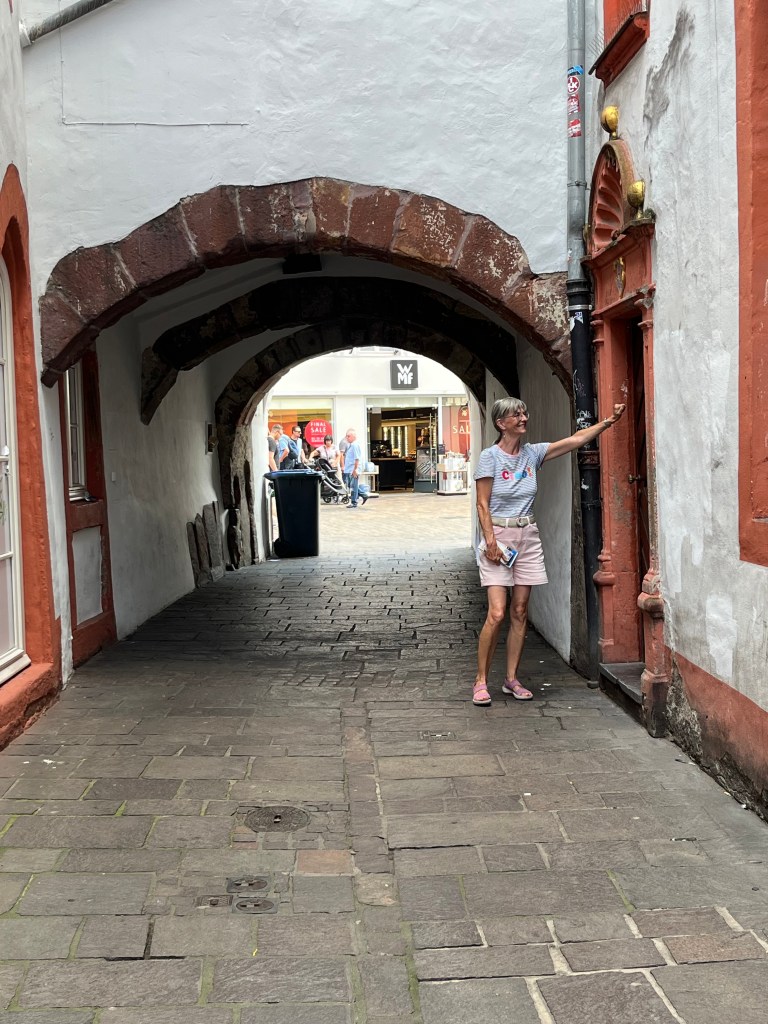
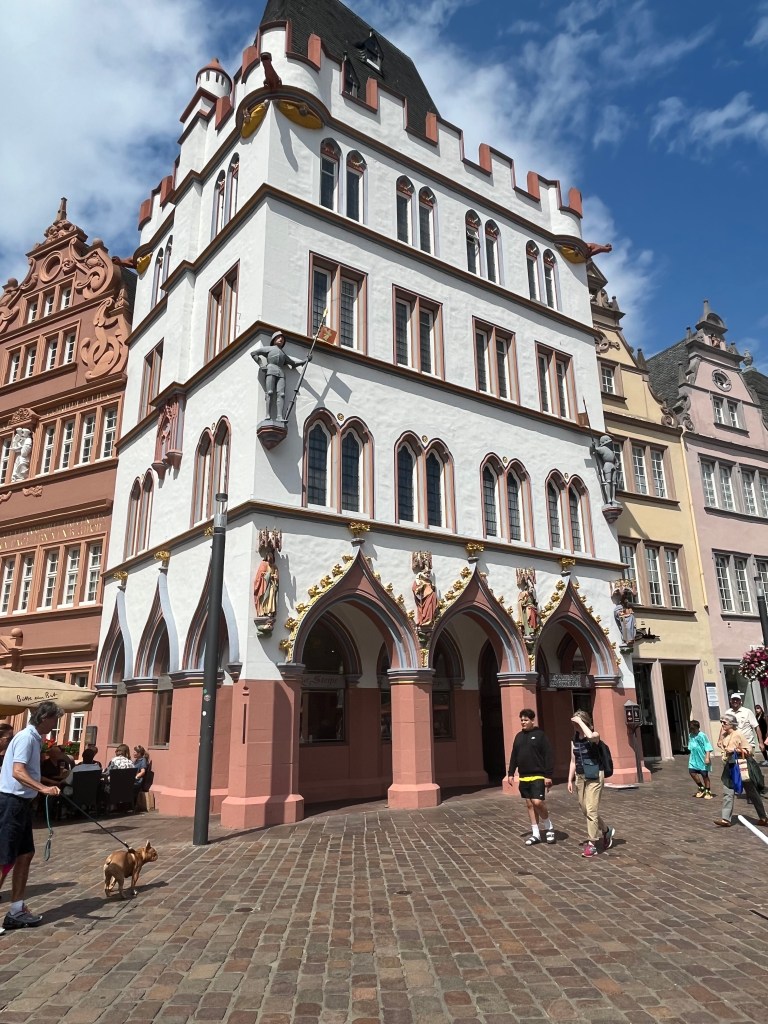
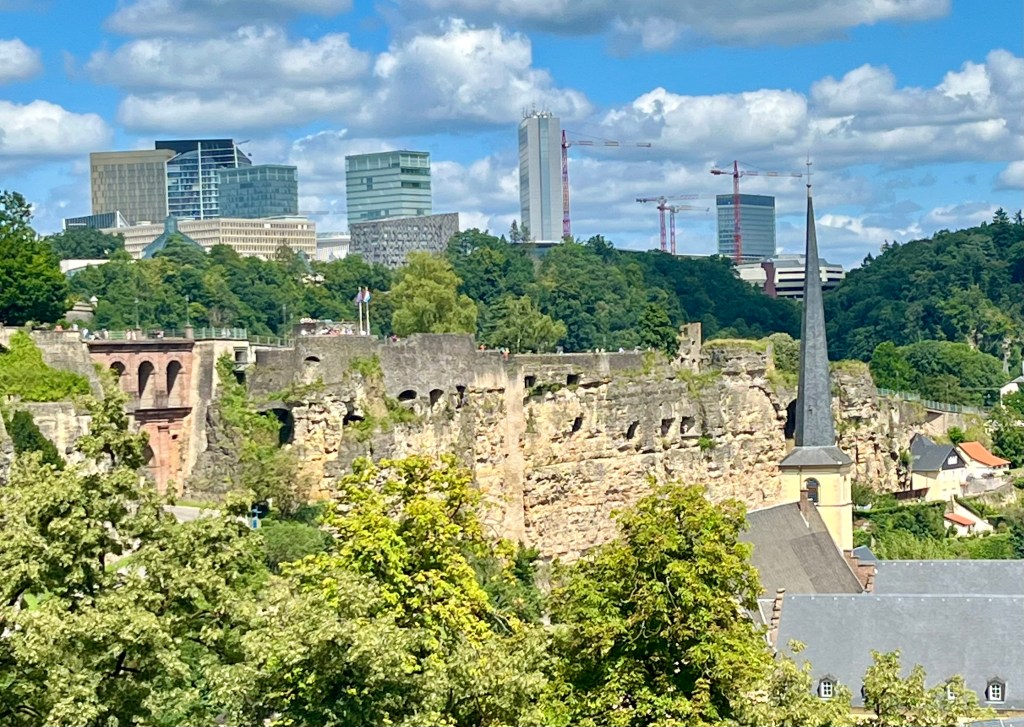
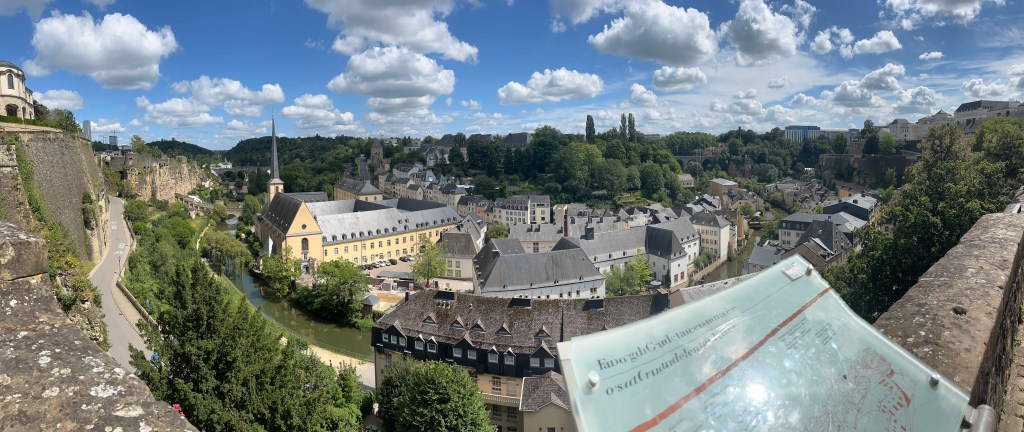
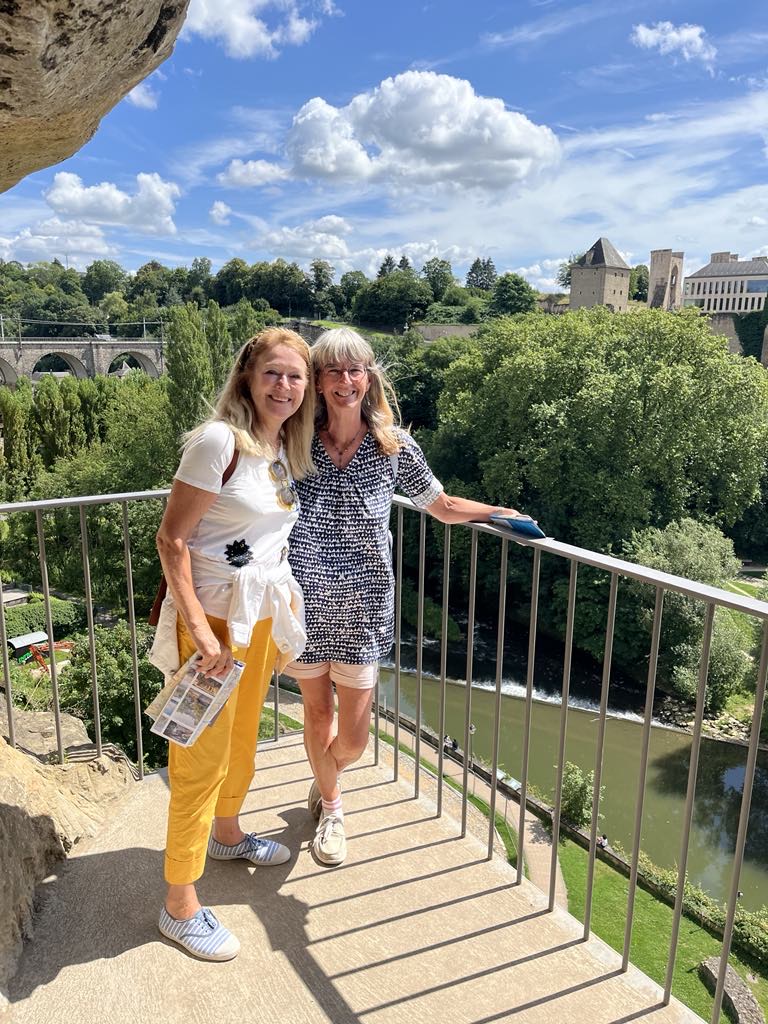
The next day we again embarked on the train to Luxembourg city, only 40 minutes away. Yes the capital of Luxembourg is Luxembourg. Perched high on cliffs that drop into the narrow valleys of the Alzette and Petrusse rivers the city has a complex layout set on several levels, with many bridges and viaducts that straddle the gorges. Because of this unique geographic location the city has been a place of important military significance from the times of the Romans.
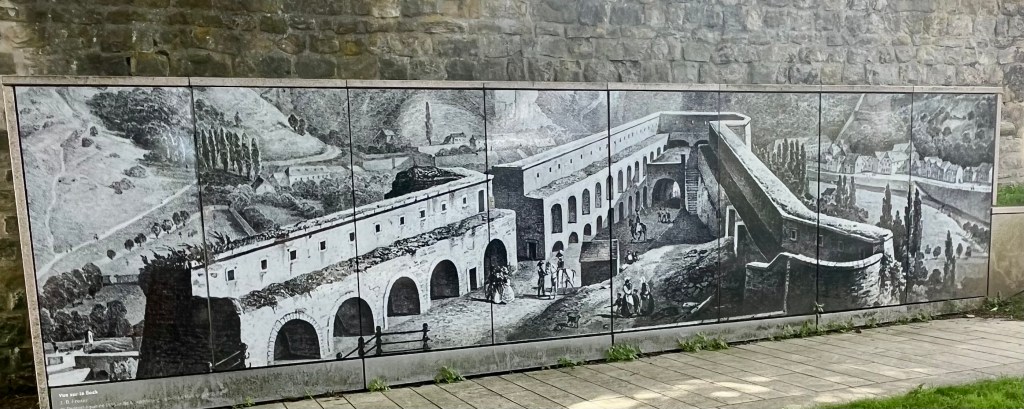
The most impressive structure in the city are the historic remains of the Bock Casemates.
What does the term Casemate mean?
Derived from the Greek word meaning chasm a casemate is a bomb proof vaulted room intended to accomodate troops and equipment.
Built in the 17th century by the Spanish, enlarged by the French military engineer Vauban and then later by the Austrians today they provide tourists with stunning views of the city. That’s of course if you don’t get lost in the maze of tunnels.


After 2 days of marching through the local tourist towns we were back on the river, with Jo Atkinson in tow to explore more delights of the Moselle. But first it was a quick diversion up the Saar to Saarburg.
 Karen’s Travel Blog
Leave a comment