
So I’m sure you’ve heard this all before. The plan was to do this, but due to closures either of the waterway or locks, we were forced to change our plans, and do that. Well this was the case with our trip down the Sarre to Germany. The Sarre was in flood and although now open to navigation, lock 30 just before the border with Germany was still closed. As to when it would open, well that was anyone’s guess. We had varying predictions from 1 week to a month. Throwing caution to the wind, we decided to take the chance and navigate down the canal in hope the water gods would take kindly to us and the lock would miraculously open. In the event that the lock did not open the downside would be that we must turn around before the problem lock and navigate back to Canal de la Marne au Rhin and from there to Nancy and the Moselle.
The Sarre Colliery Canal or Canal des Houlliers de la Sarre was constructed in 1860 to ship coal from Saarbrucken to the factories in Mulhouse. From the confluence with the Canal de la Marne au Rhin to Sarreguemines it is a distance of 64kms and 27 locks.
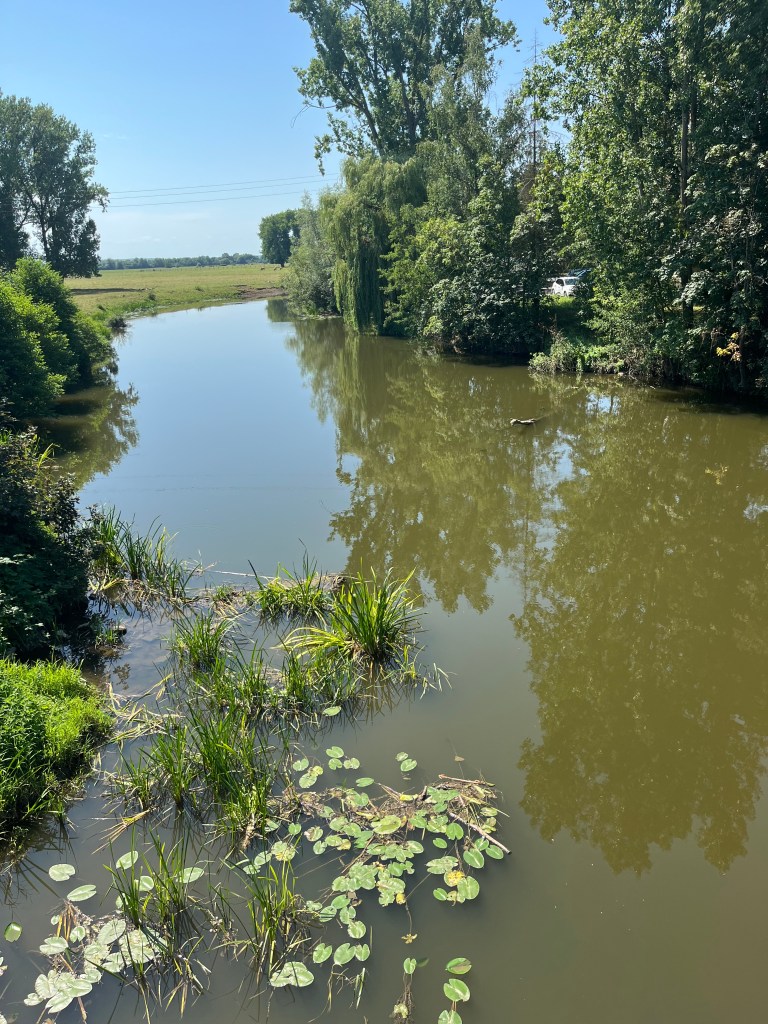

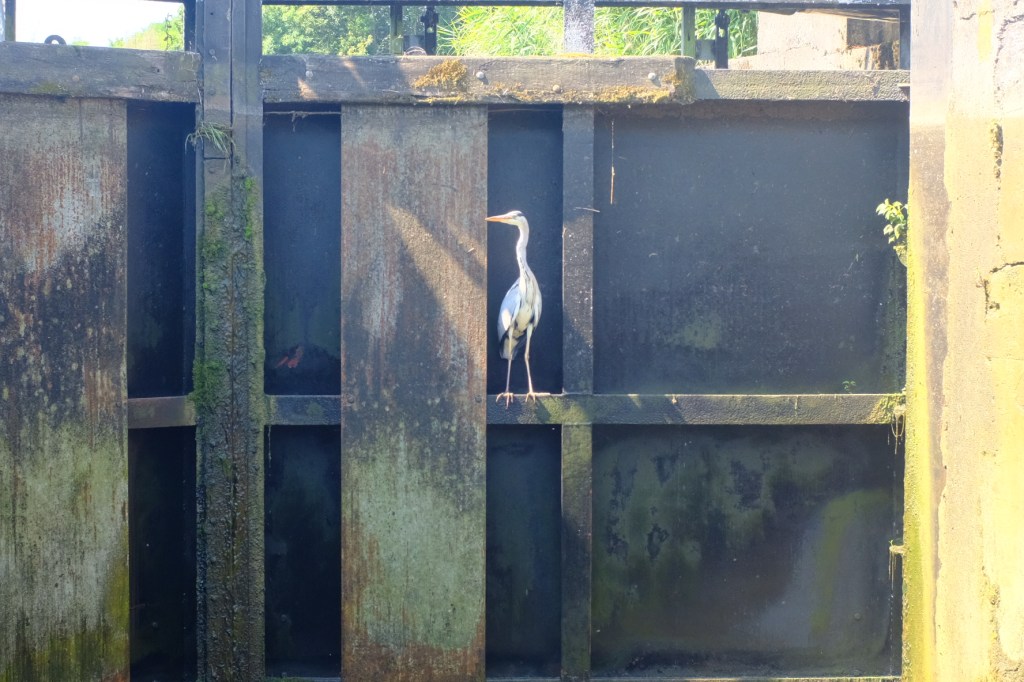
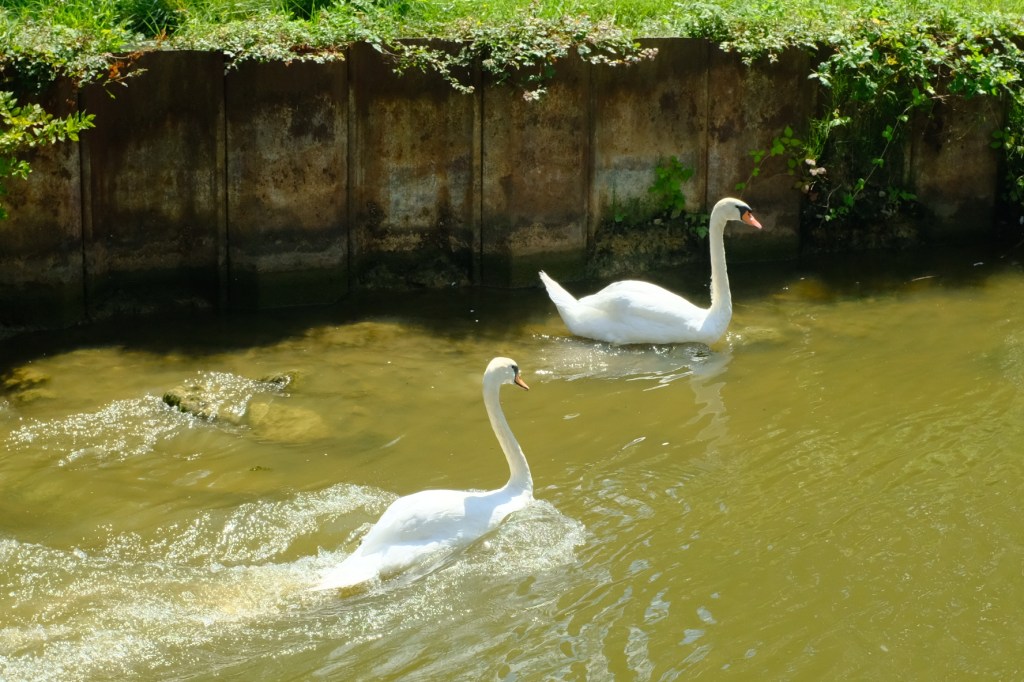
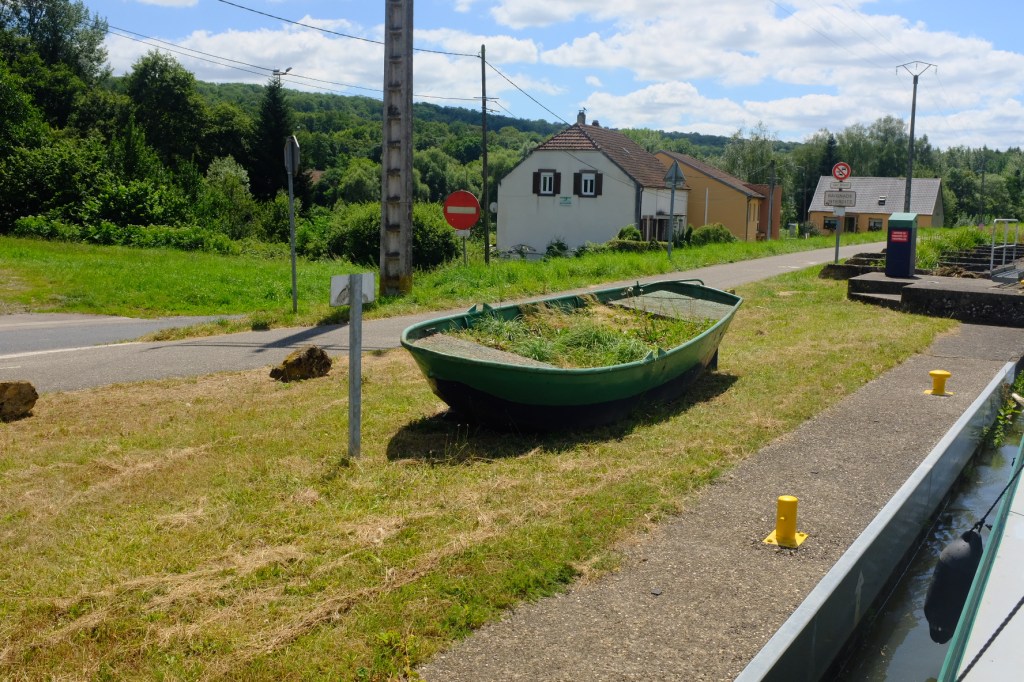
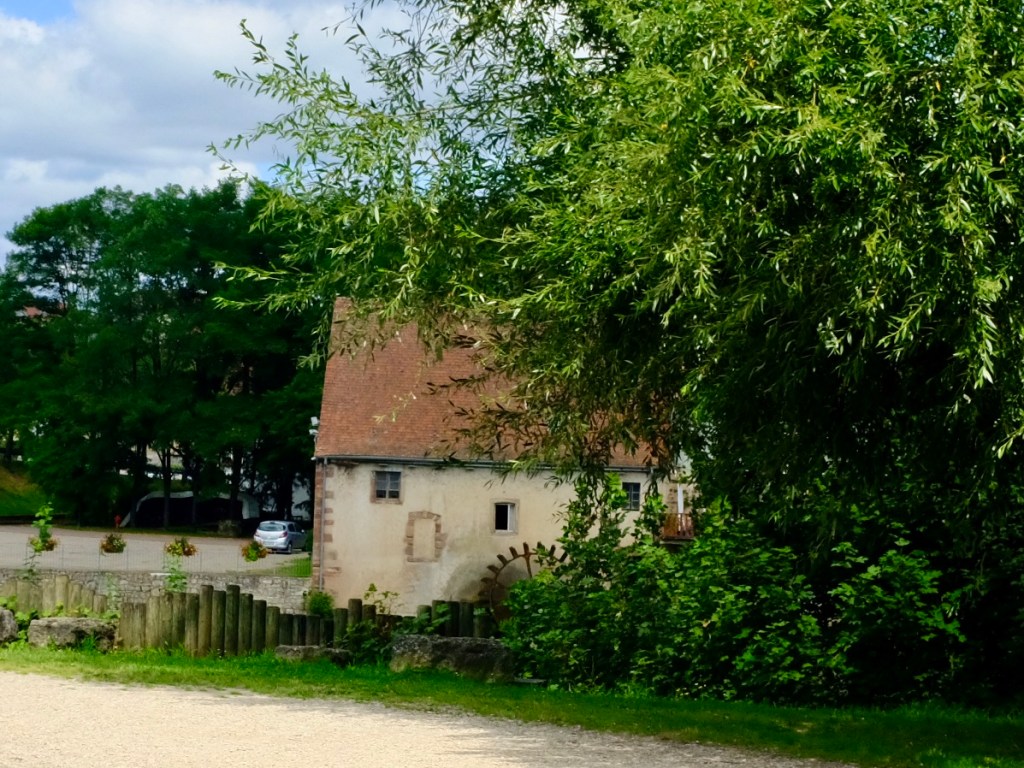
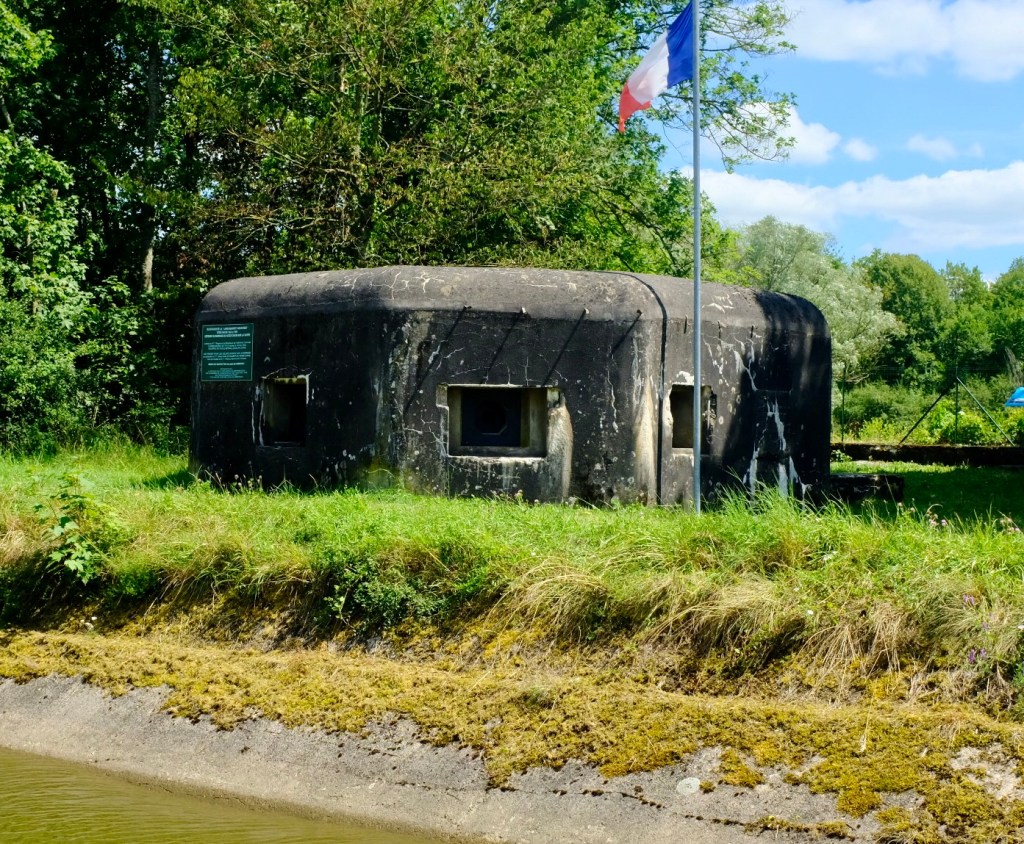
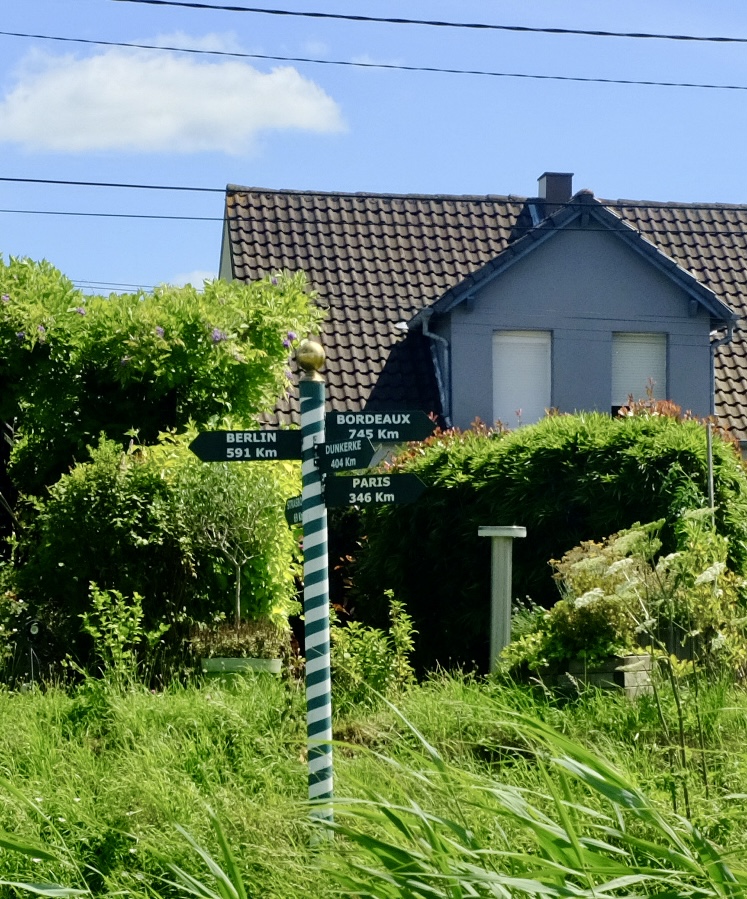
Day 1 Hesse to Pont d’Albeschaux 2 locks, 22kms
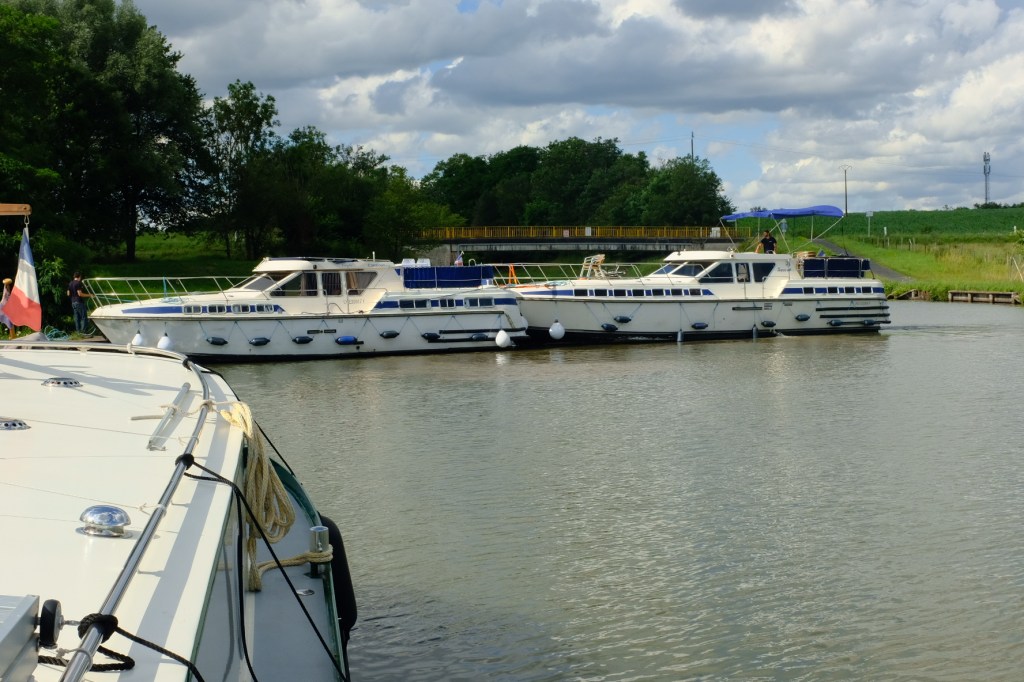
Our first overnight stop on this canal was a wild mooring. Here we were amused to see one hire boat manoeuvre another up onto a slipway to repair the bow thruster. Not a choice for us!
Day 2 Pont d’Albeschaux to Mittersheim 12 locks 10 kms
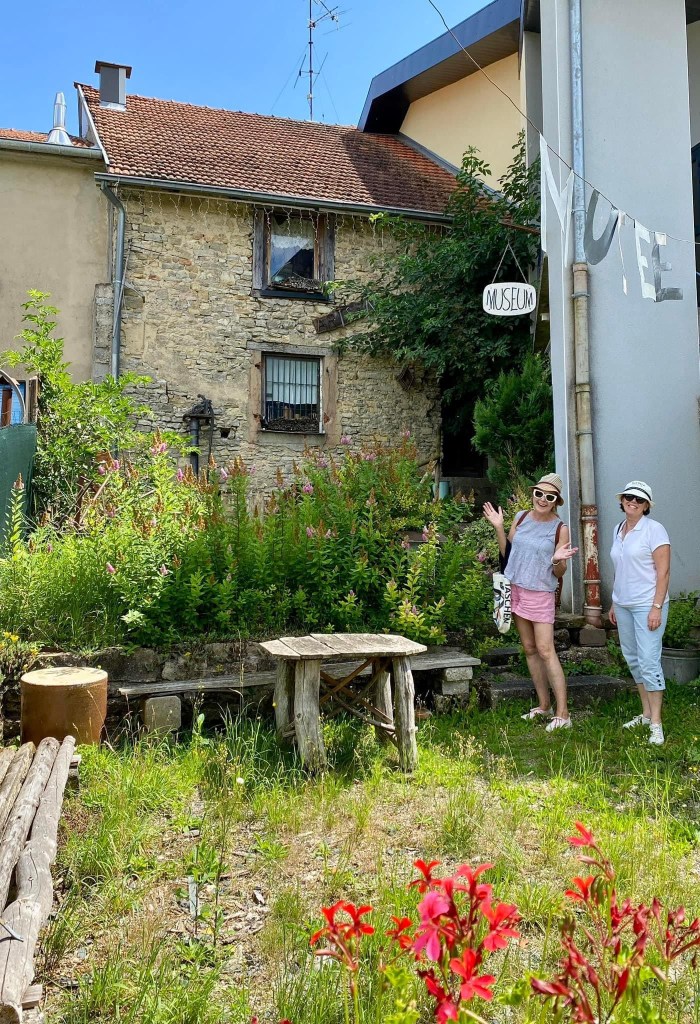
This village has a very well appointed port with a cafe serving drinks and ice creams (it was hot enough to indulge). In town there is a small supermarket which opens only in the morning. There were directions to the local museum, but it looked as though it had been closed for a very long time.
Day 3 Mitersheim to Sarrable 7 locks 21 kms
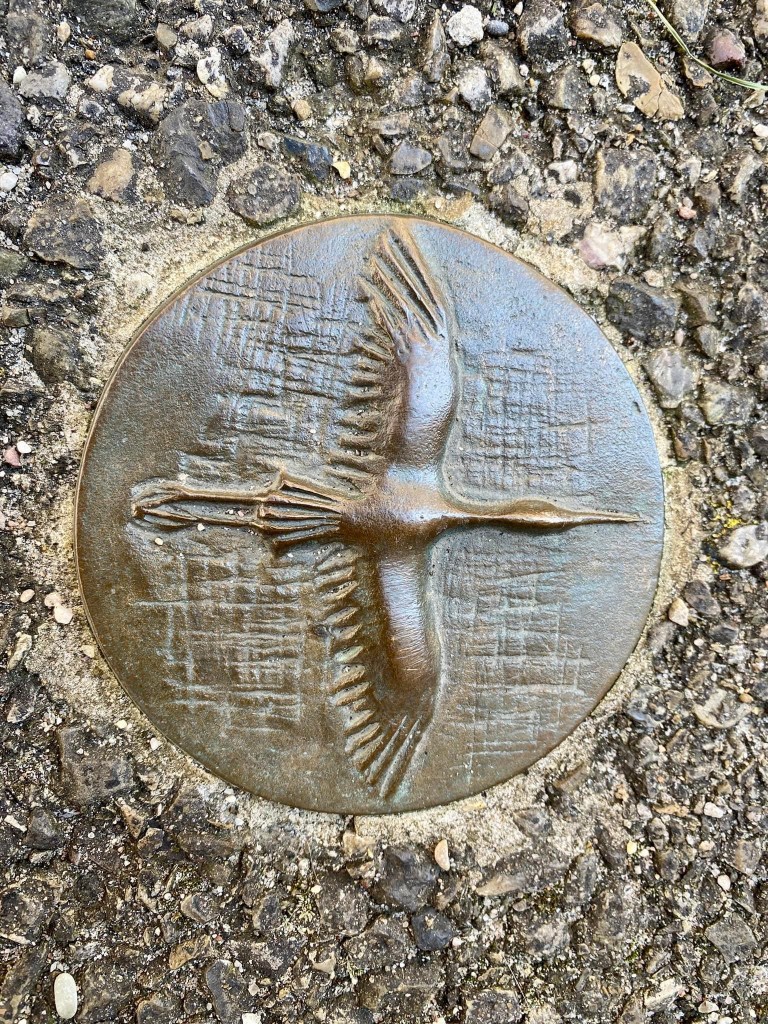
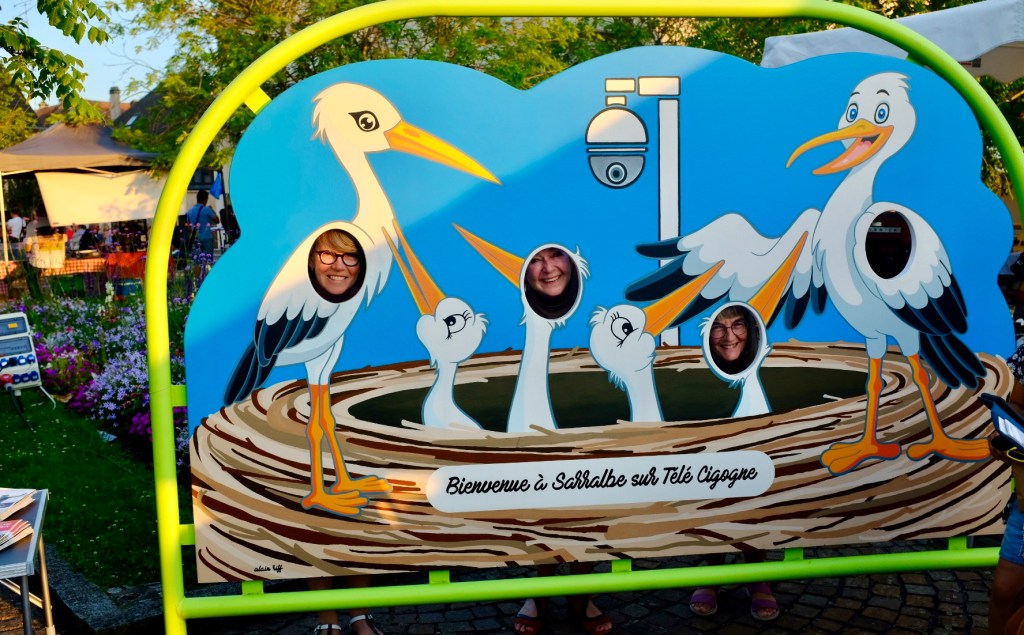
If you fancy yourself as a birdwatcher then perhaps you should visit Sarrable. The stork trial indicated by medalions on the pavement direct you past many stork nests that are perched on the top of chimneys and the side of roofs; we even noticed one balanced on the side of the church roof.


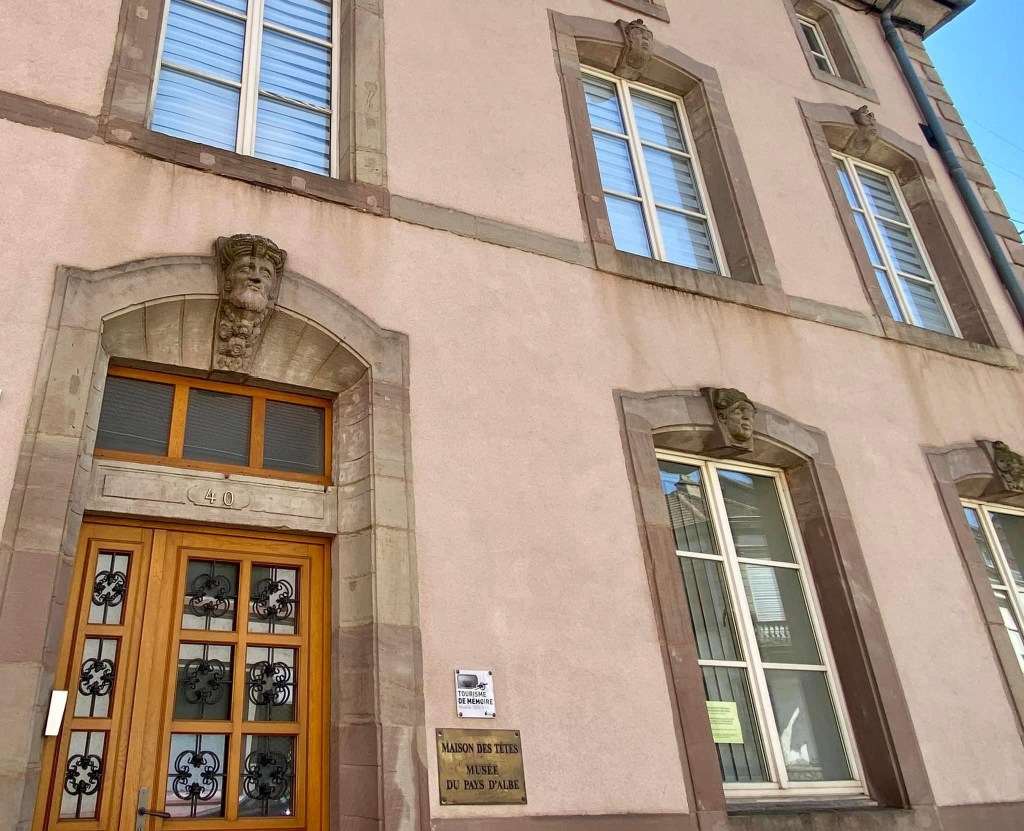

The church was struck by lightening in 1957 and burnt down. It has been rebuilt, which to us, indicates that there must be some wealth in this village.
In no hurry we stayed for 2 nights in Ssarrable before making our way to Sarreguemines
Day 5 Sarrable to Sarreguemines 7 locks 23 kms
It was with a sigh of relief from Peter when finally after months of canals, at lock 27 we entered the river Saar. But with our mooring only 1.5 kms away, this relief was very short lived. And then as you guessed this was the end of our navigation on the Saar. Lock 30 was still closed and we go no further.

The mooring is outside the Casino, which is not a casino in the modern sense. Built in 1878 it was a place of congregation and recreation for the workers of the local ceramic works. Originally called La Reunion, its present name derives from the German “Kasino”, a place of assembly. The facade is decorated with a ceramic mural produced locally. To the left is the gate house or folly built in the renaissance style and there is a bandstand in the gardens to the right.
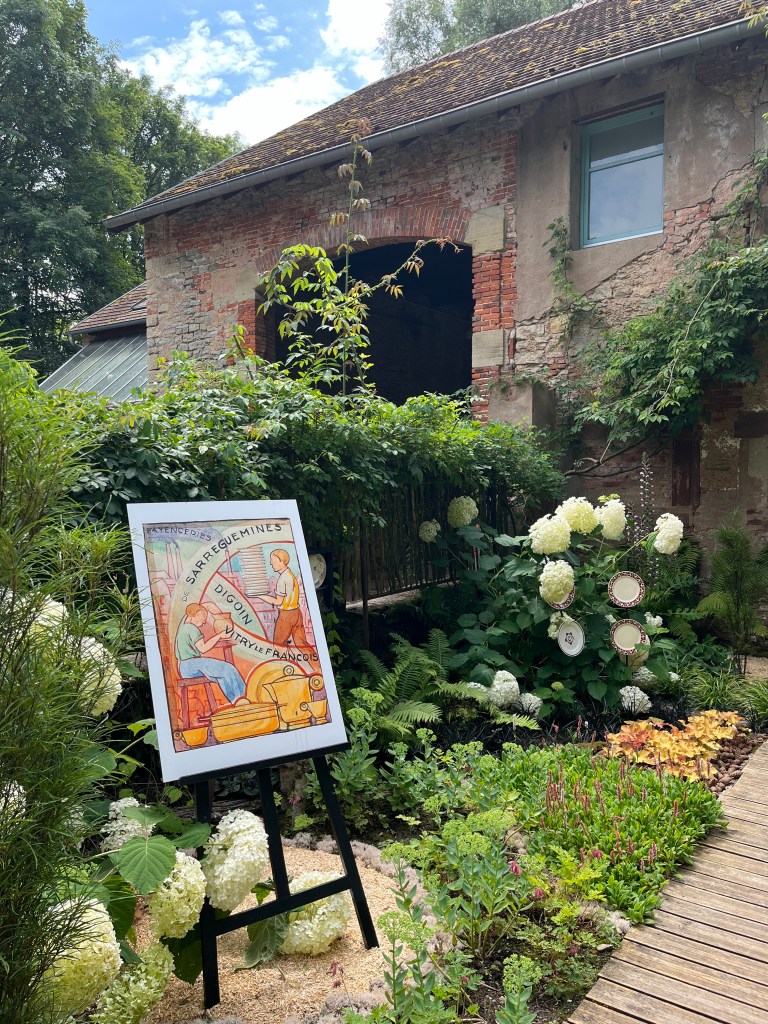
The faience industry in Sarreguemines was born in the 1790’s and finally closed its doors in 2007. All that remains today are 2 museums devoted to the story of this local industry., which at its height employed over 3,000 people.
What is Faience?
So I guess you have heard of porcelain. Both porcelain and faience are glazed stoneware, that is water resistant. The main difference is how these 2 types of ceramics are produced. But first to the similarities. Both are shaped, then fired and afterwards dipped in a glaze and fired again. Both are often painted before the second firing, but as faience is baked at a lower temperature often the colours used are more vibrant. Porcelain is often blue as this colour can be baked at a higher temperature.
Due to the lower firing temperature need to produce faience, it is cheaper than porcelain and is often used to make objects for daily use, whereas the more expensive porcelain is for special or occasional use.
The Museums
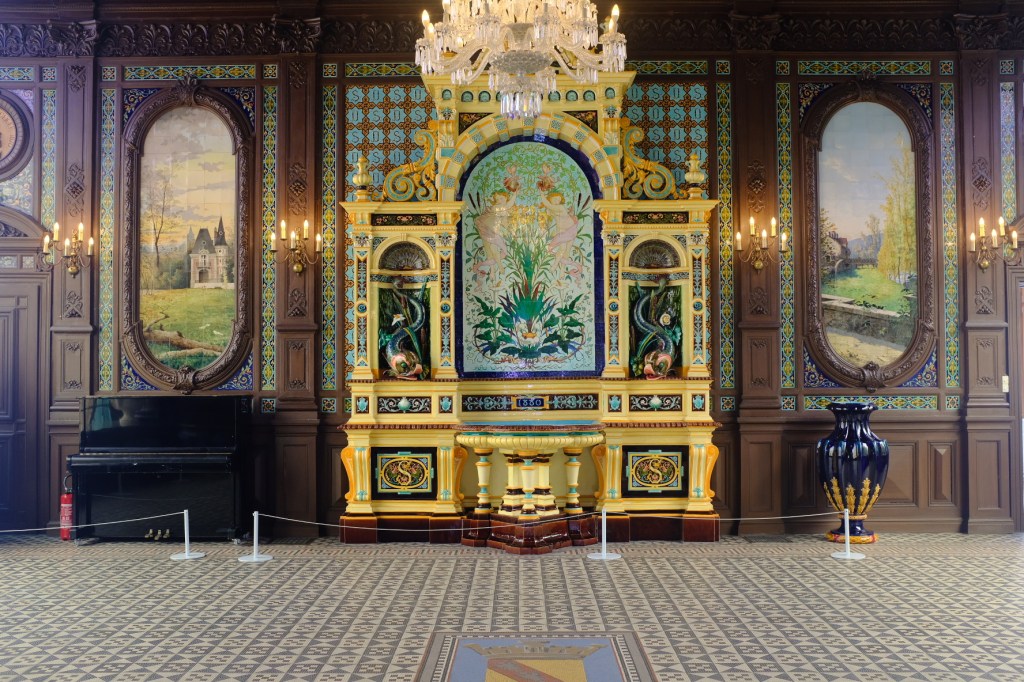
The first museum is in the town and housed in the former apartments of Paul de Geiger, director of the faience works from 1871 to 1914.
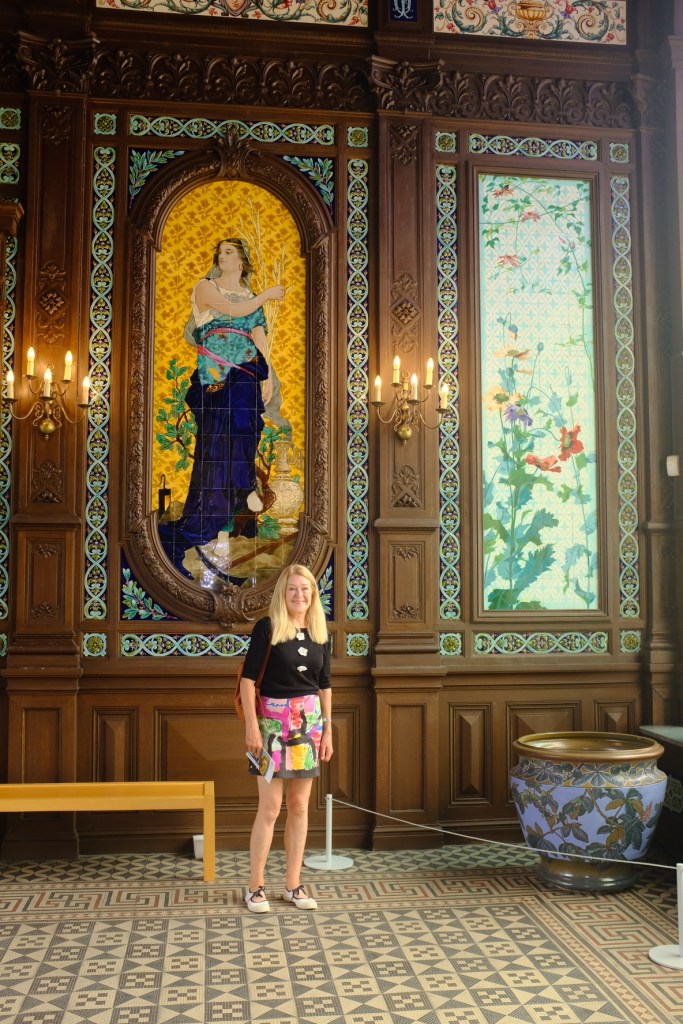
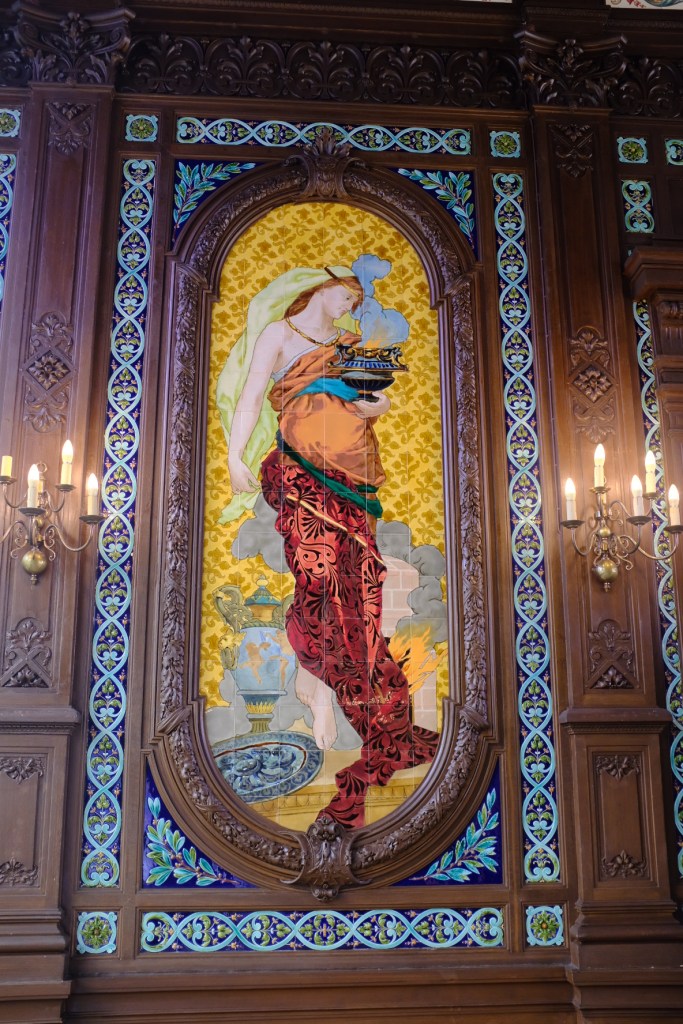

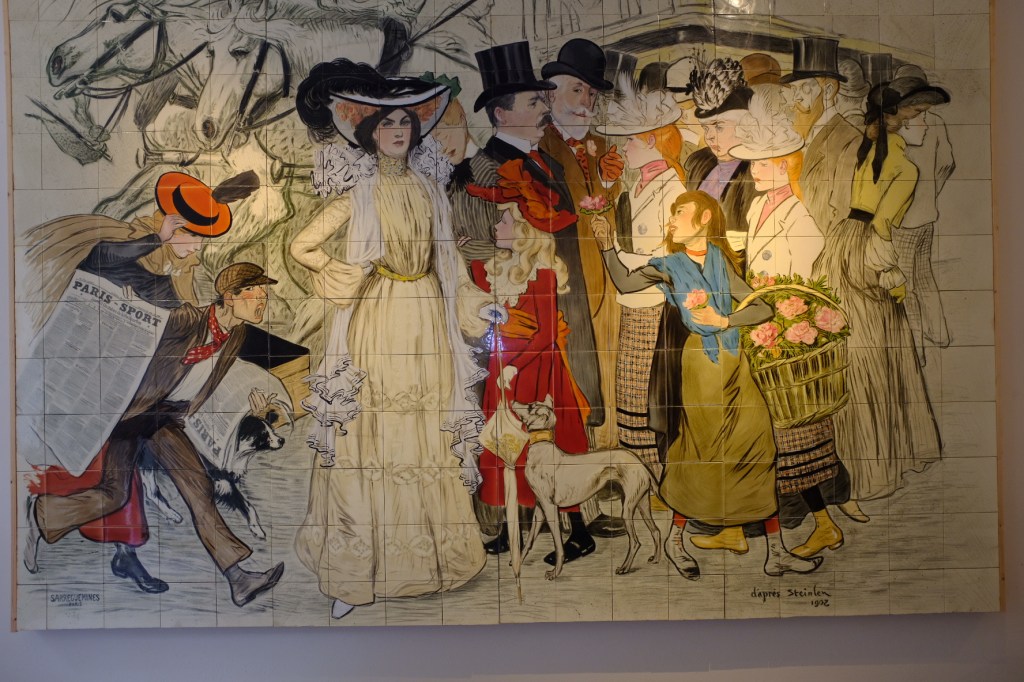


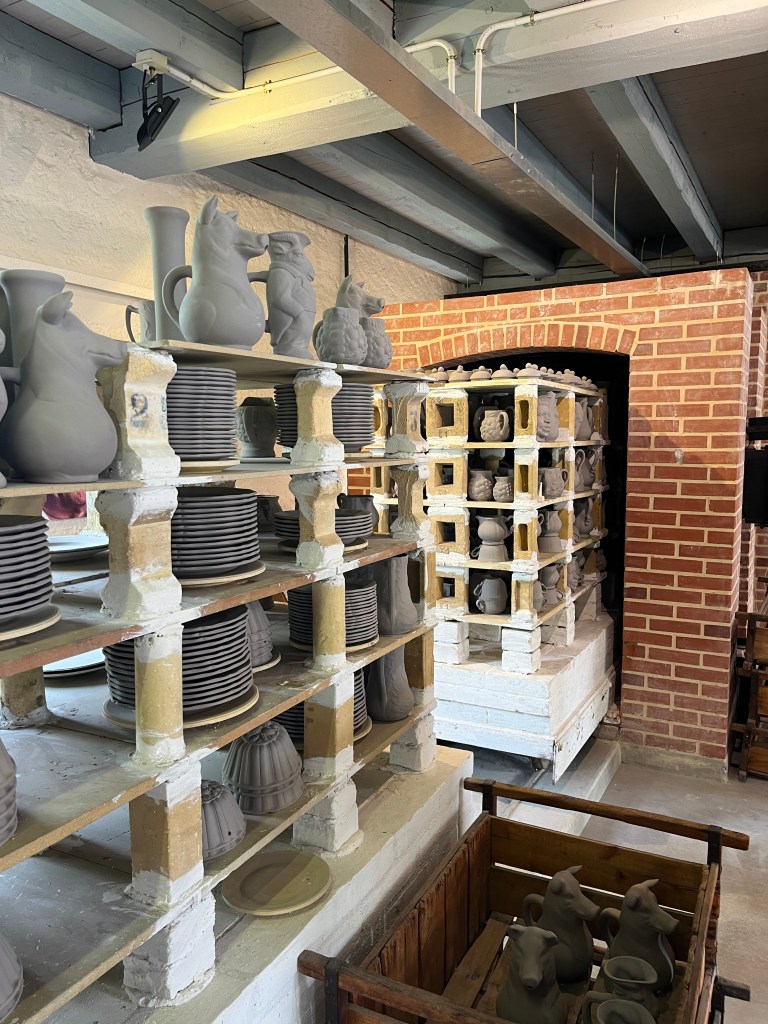
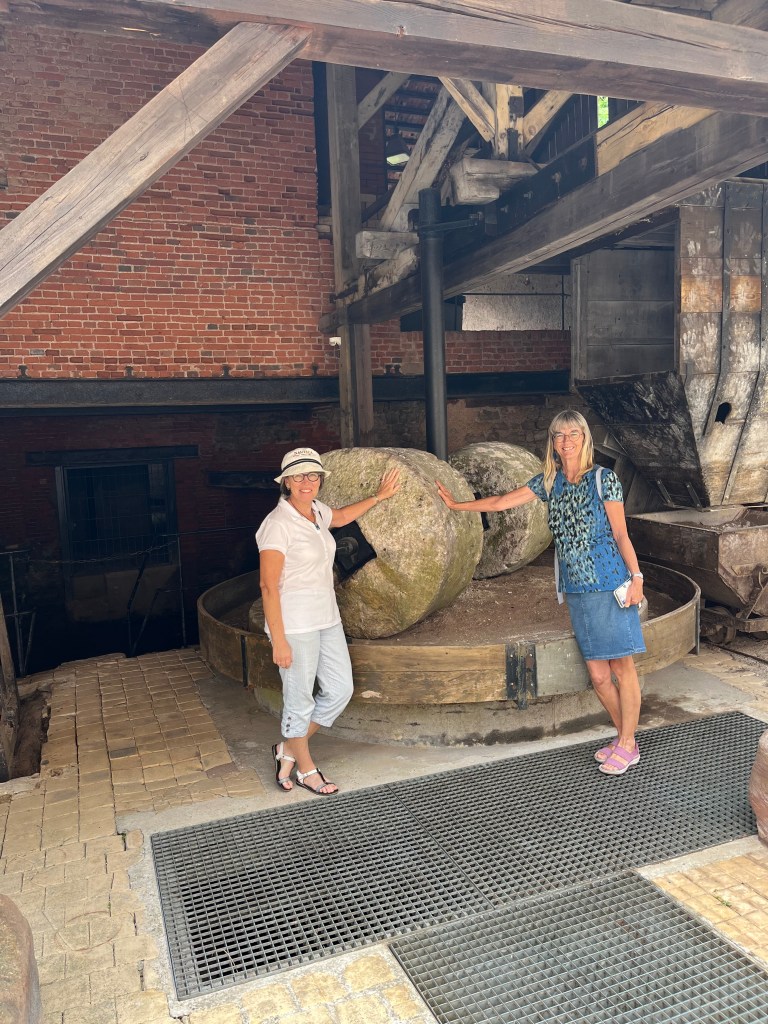
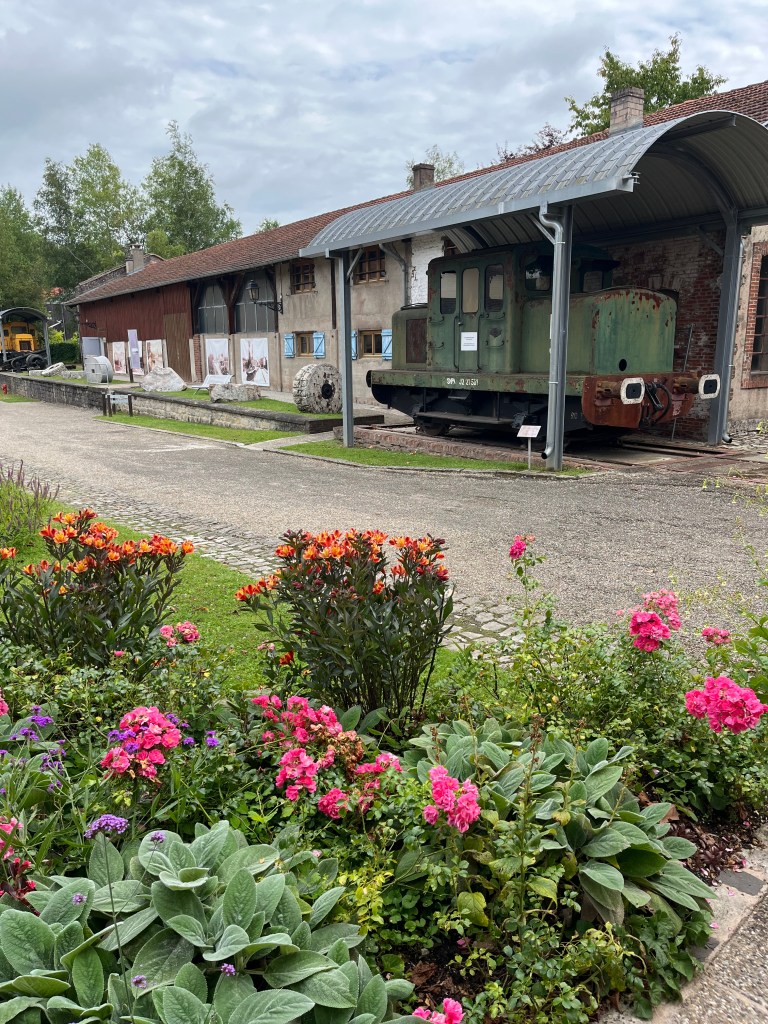
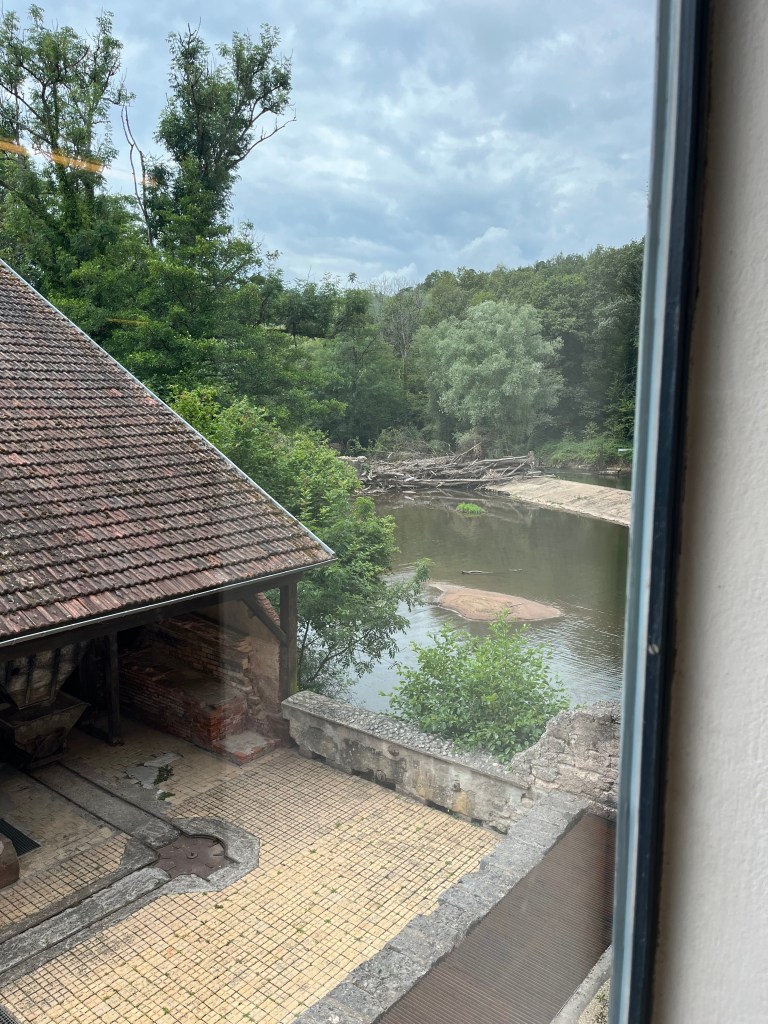
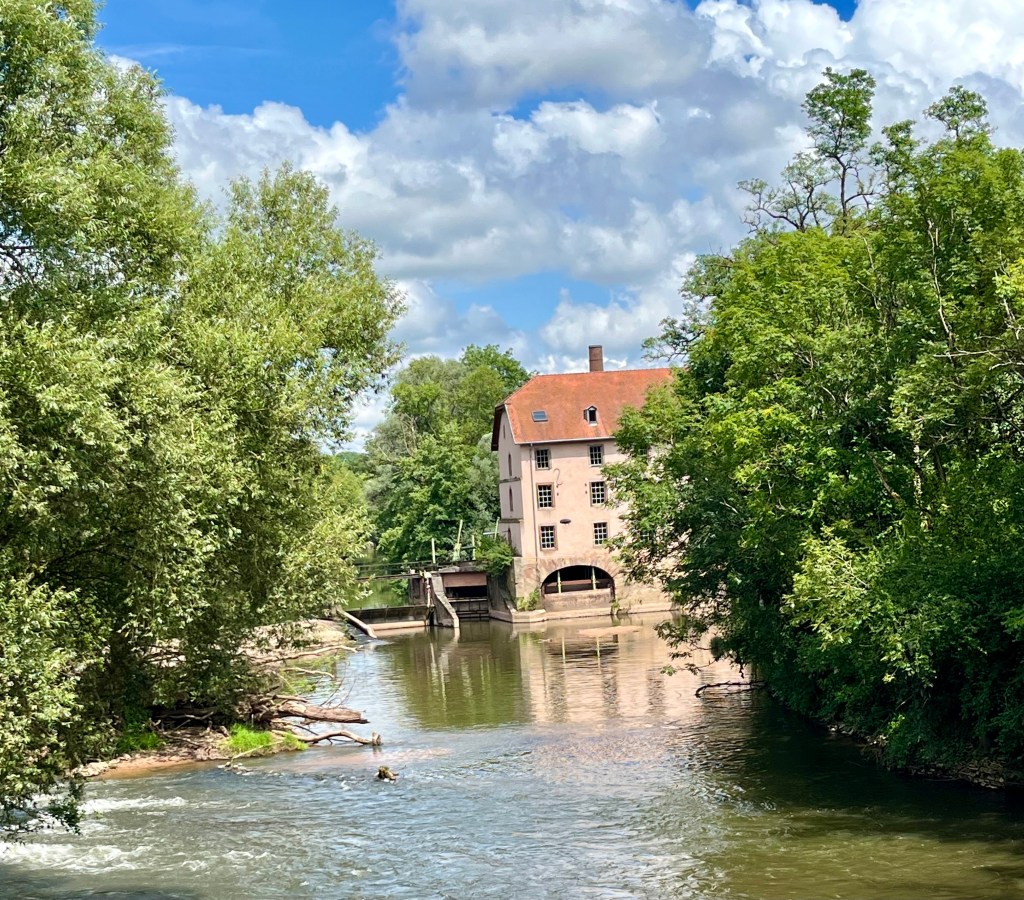
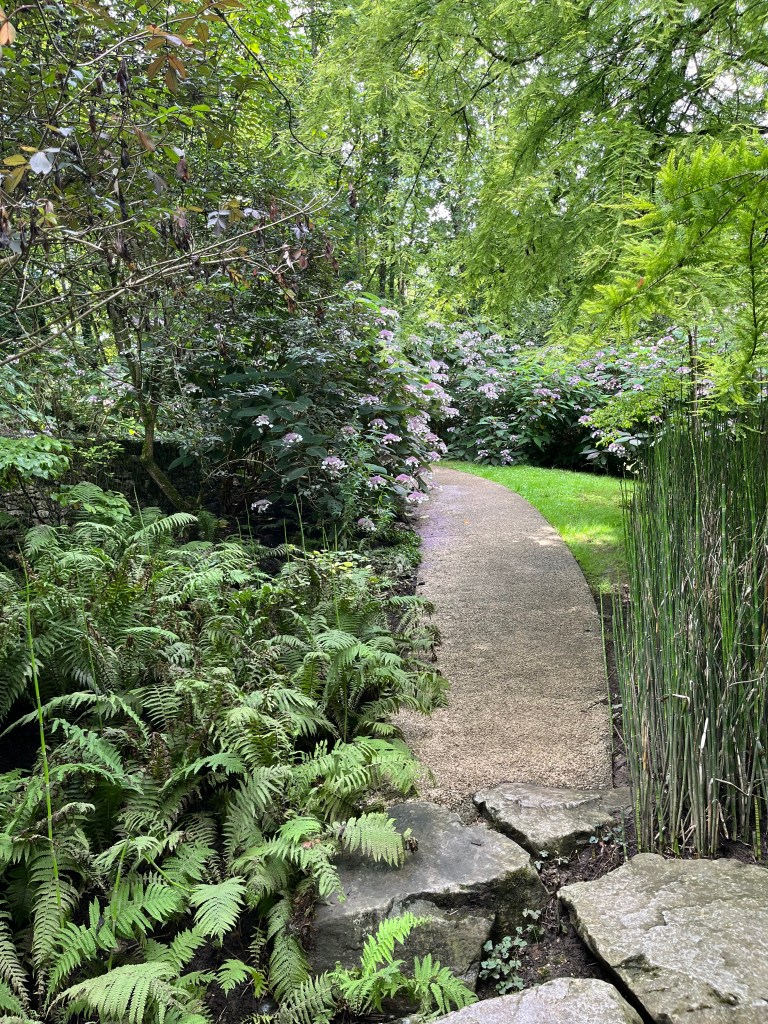
The second museum is the Moulin de la Blies or the Mill on the Blies. This was one of the manufacturing sites belonging to the Faiences de Sarreguemines and was used to produce the faience paste. The museum is in 2 parts, the first in buildings dedicated to the various techniques used in they production of faience and the second an inspiring garden laid out on the abandoned land and around the dilapidated structures of the original mill.


After 2 nights in Sarreguemines it was time to turn around and head up the Saar and back to the Canal Marne de la Rhin to continue our journey to the Moselle.
Day 7 to Day 9 Sarreguemines to Port de Houllion 19 locks 62 kms, then another 2 kms to the Canal Marne de la Rhin, which would take us back to Nancy.
 Karen’s Travel Blog
Leave a comment