
From Toul there are 2 options to navigate to Nancy
Option 1 and I must say the preferred route is to travel north along the Moselle, before turning south towards Nancy. This is a distance of 33kms, 6 locks and 2 lifting bridges. Easy
Option 2, again travelling along the Moselle, but this time in a south eastwardly direction to the Embranchment de Nancy, a distance of 43 kms and 27 locks, including a flight of 5 then a flight of 10. Well you can see why the votes for option 1 were decisive. However, as luck would have it, 1 of the locks in the northerly route was closed for maintenance for a week, so the choice was either to sit it out in Toul or proceed along the southerly route. Foolishly we decided to proceed.
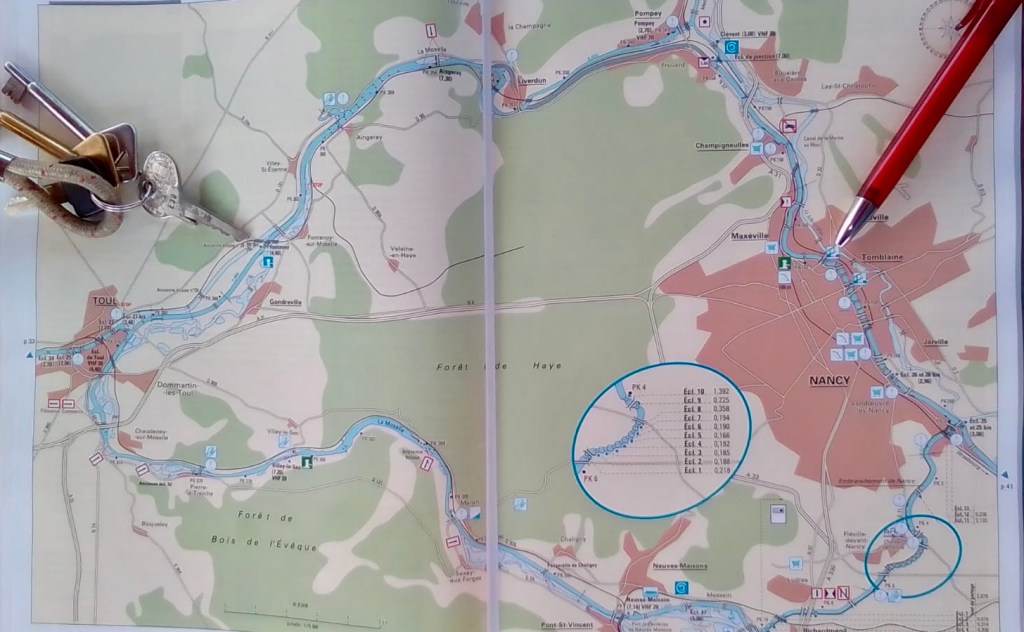
With 2 rural overnight stops along the way we entered the Embranchment de Nancy with 19 locks and 17kms ahead of us and bang at the pound between lock 1 and 2 we lost our bow thruster propeller.! The only positive in the whole experience was we were travelling downhill, which is easier to control the boat, than uphill. At this point I must say that Peter demonstrated his excellent boat handling skills. 18 locks without a bump is no mean feat! A fellow barge owner made a remark on Facebook that you should learn to control the boat without relying on the bow thruster, well I can vouch for Peter, he has accomplished that task with flying colours! Arriving safely in the port at Nancy, Julie had dinner and a reviving drink or 2 ready for us!
We stay put for a week, waiting for the diver Momo to come and replace our bow thruster propeller.
A Week in Nancy
Nancy was the capital of the Duchy of Lorraine until it was annexed by France in 1766, under King Louis XV. The city has many layers, as a medieval settlement, a 17th century town recognised as a UNESCO world heritage site and a rich art nouveau history.
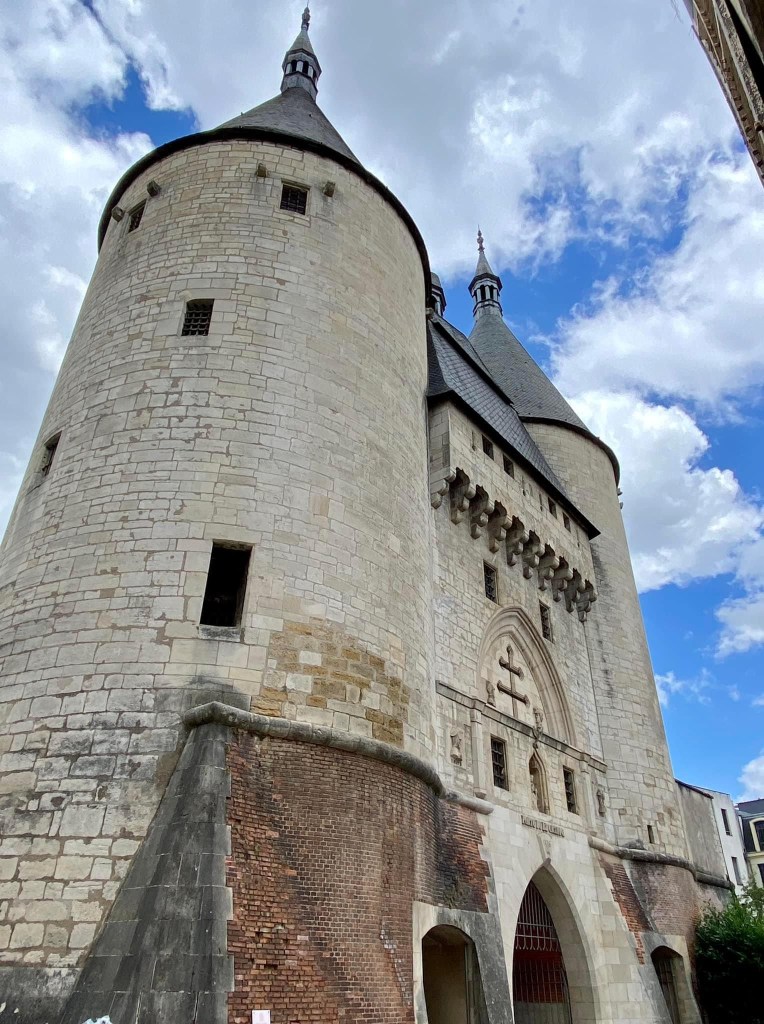

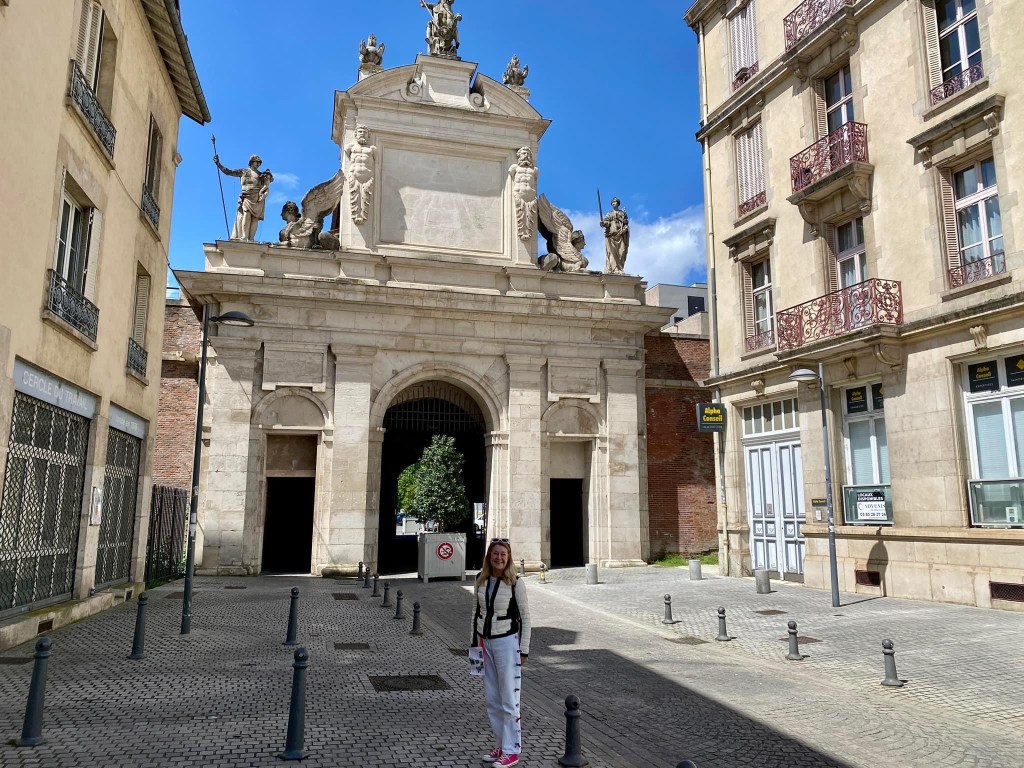


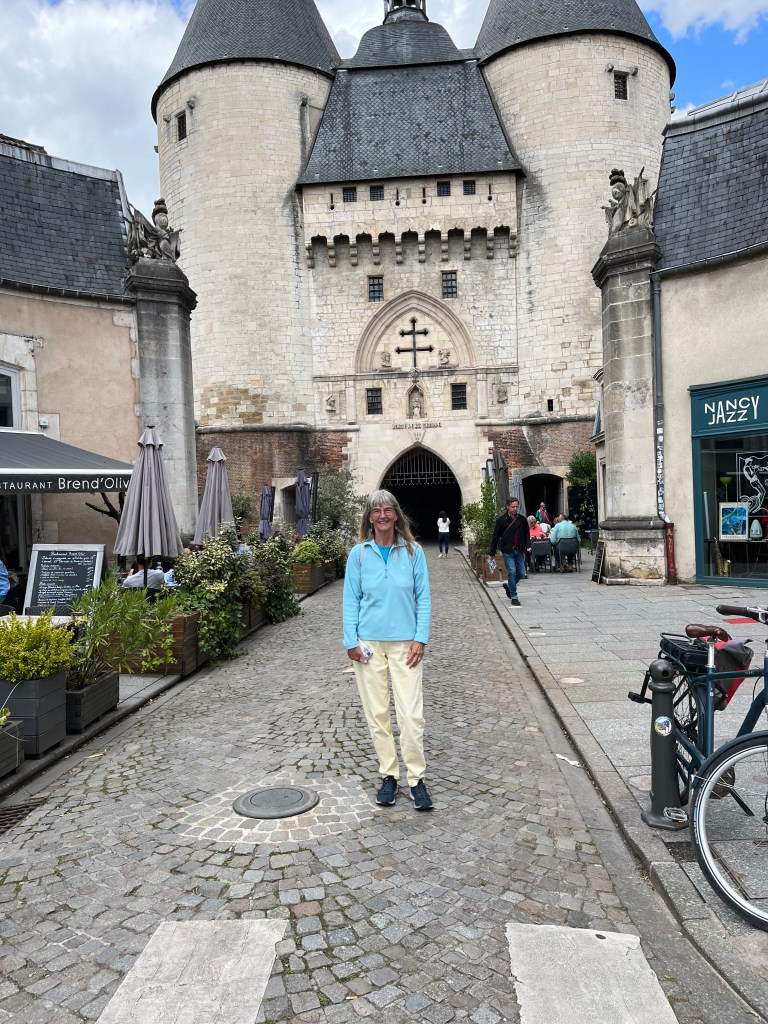
From Medieval city gates, to the Ducal Palace (now a museum) and unusual sculptures Julie and I walked the Ville Vieille of Nancy (old town)
The last Duke of Lorraine was Stanislaus, the exiled King of Poland. As the father-in-law of Louis XV he was given the vacant duchy of Lorraine, a position he held until his death in 1766, when the area reverted to being a province of France. Under his rule Nancy experienced growth and a flowing of Baroque culture and architecture. He oversaw the construction of Place Stanislaus, a major square that links the medieval town with the 17th century city.

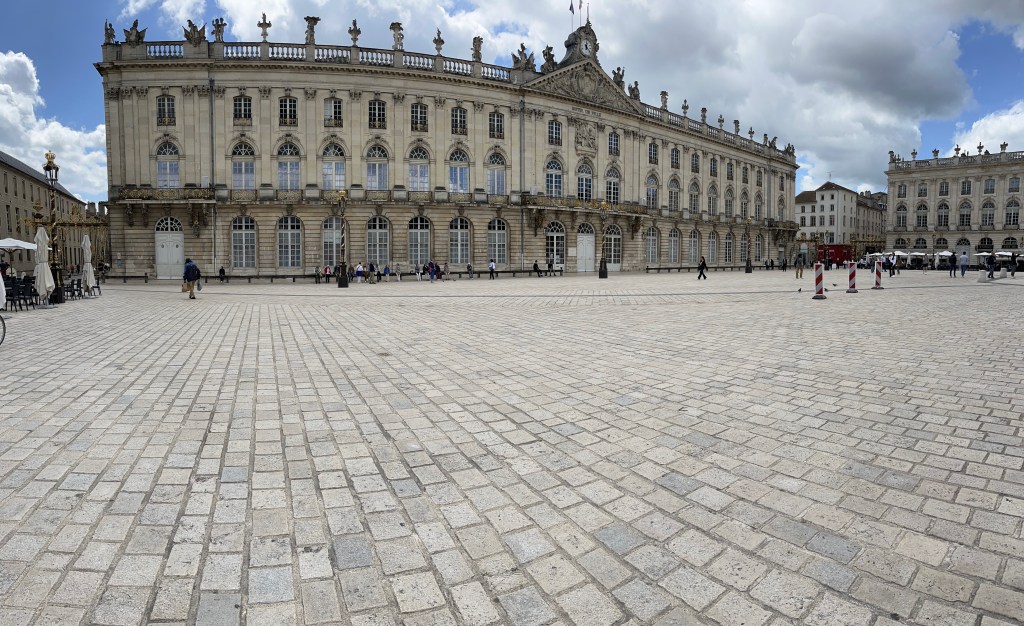
Place Stanislaus
The Art Nouveau school of Nancy developed after France’s defeat in the Franco-Prussian war, when Alsace and a large part of Lorraine were ceded to Germany. Nancy remained in France as an important border town and became the new home of many artists and artisans who left the German occupied areas.
We visited 2 sites, the Villa Majorelle home of Louis Majorelle one of the founding members of the Ecole de Nancy and of course the museum of the Ecole de Nancy. Both truly a visual feast!
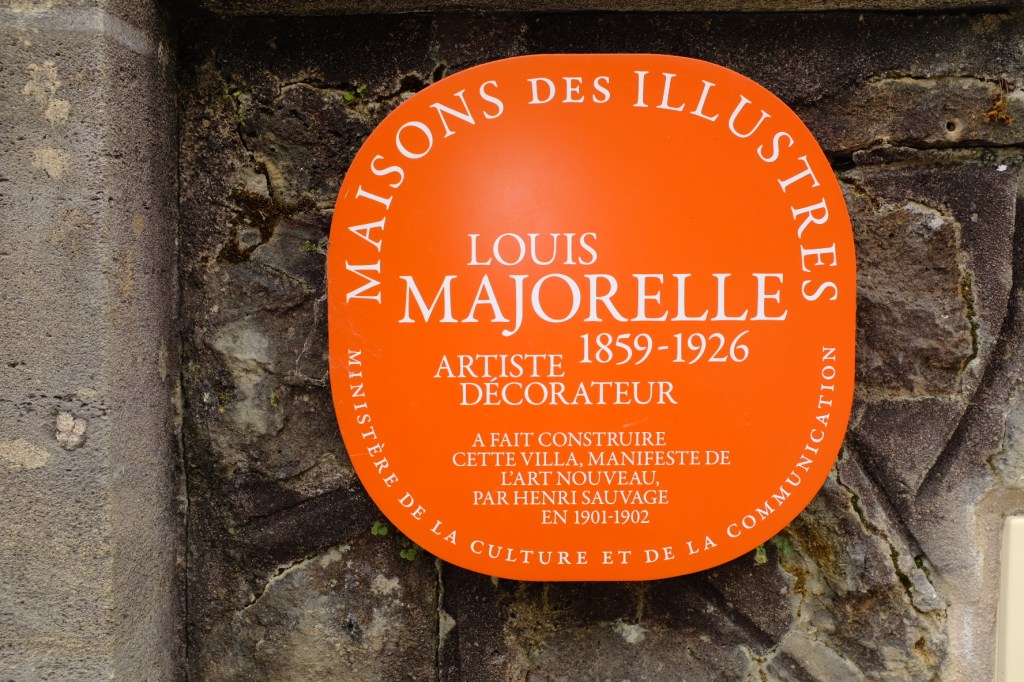


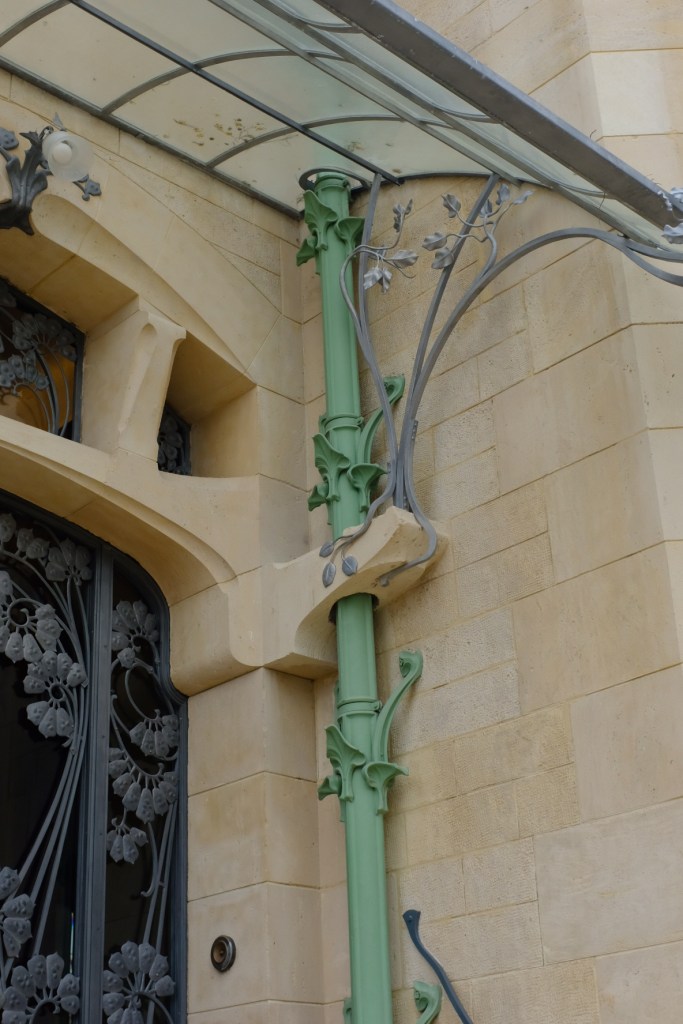
Villa Majorelle
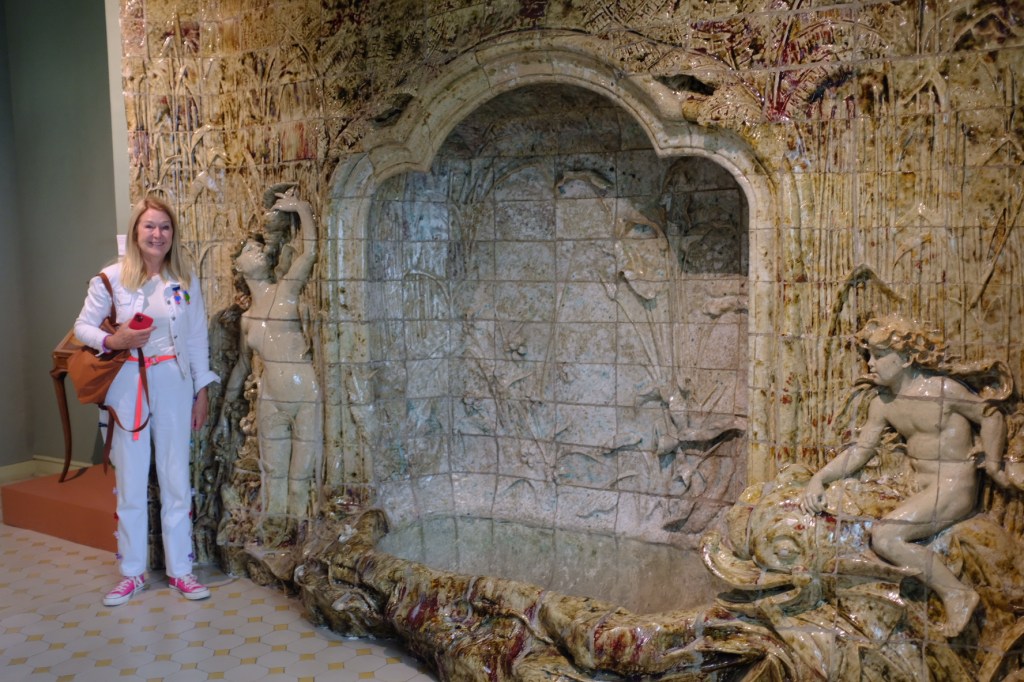
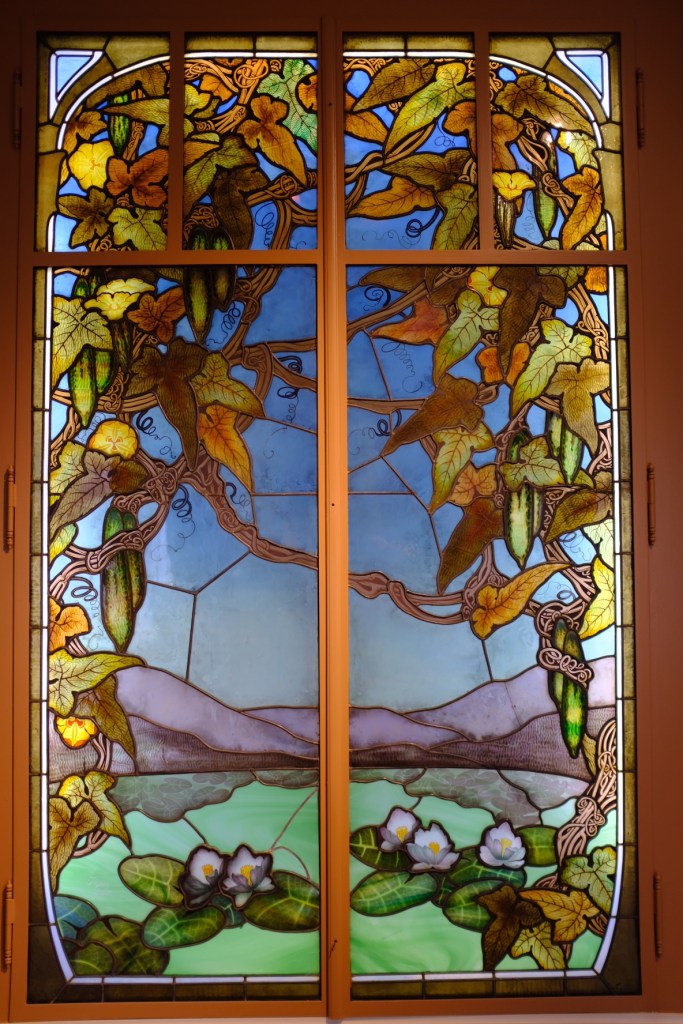

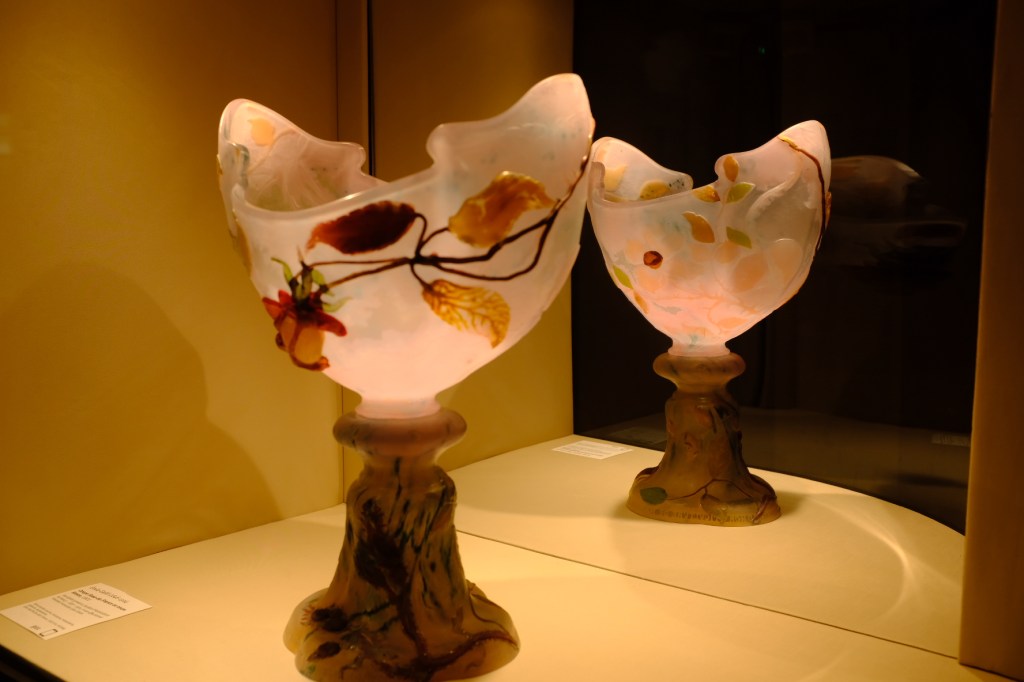

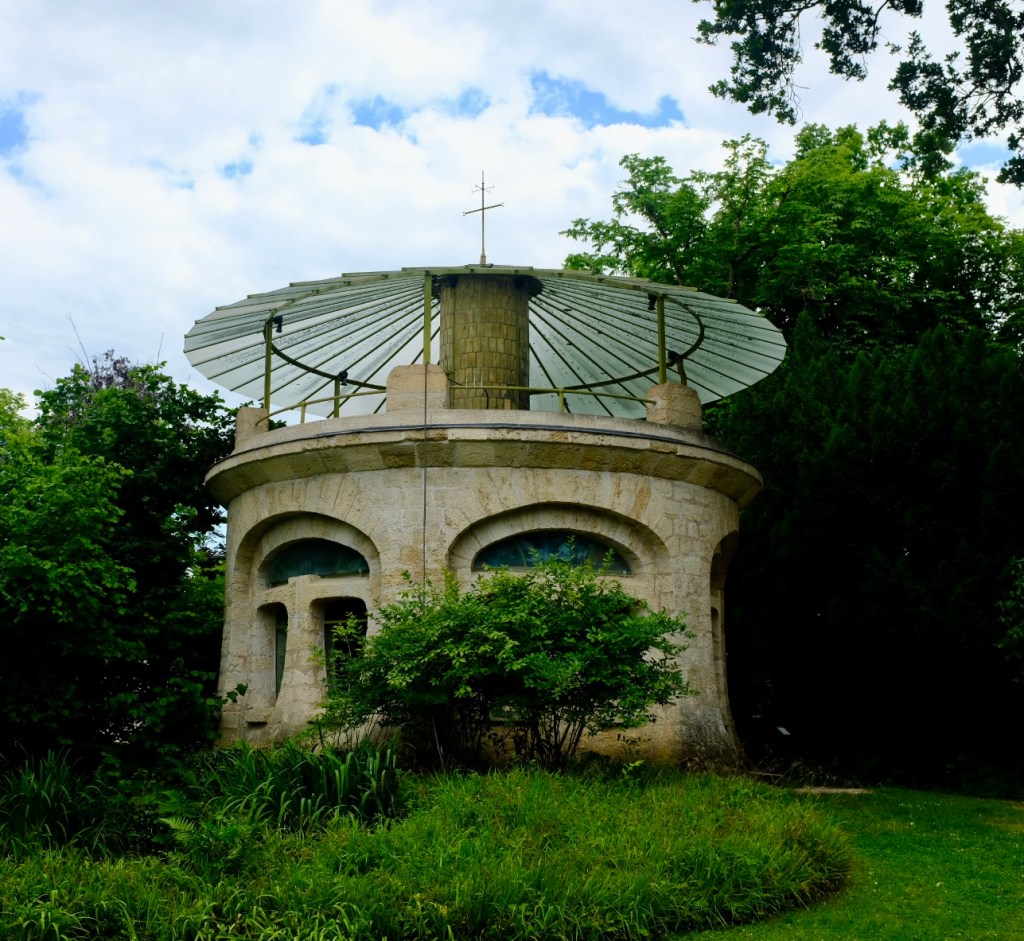


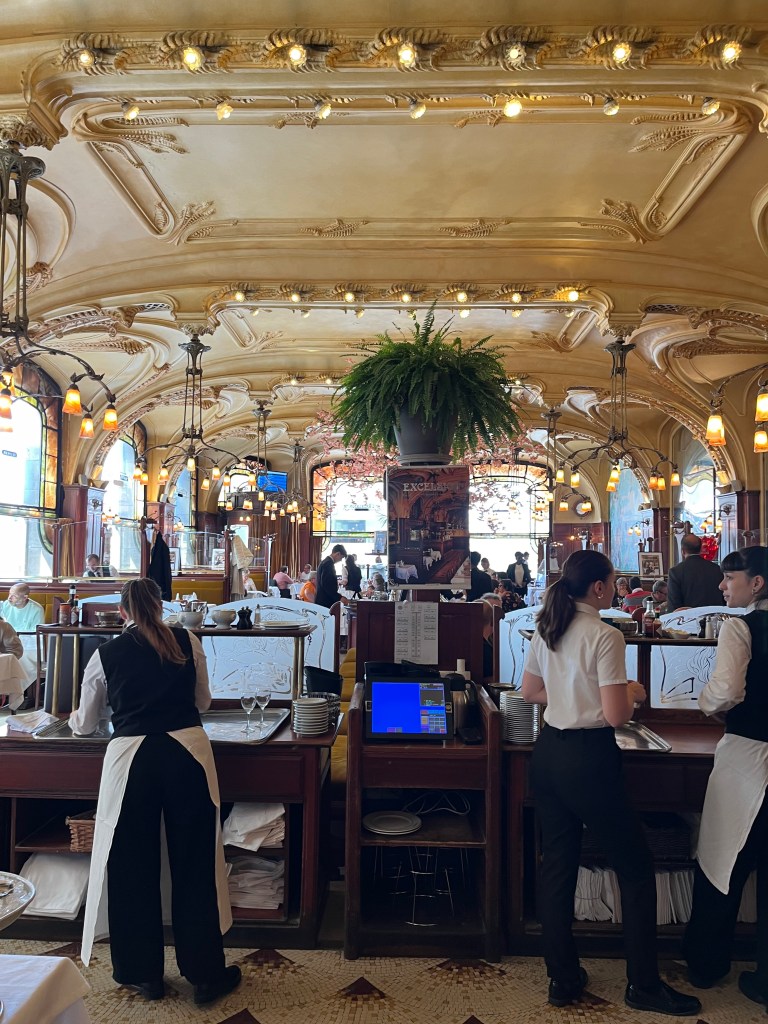
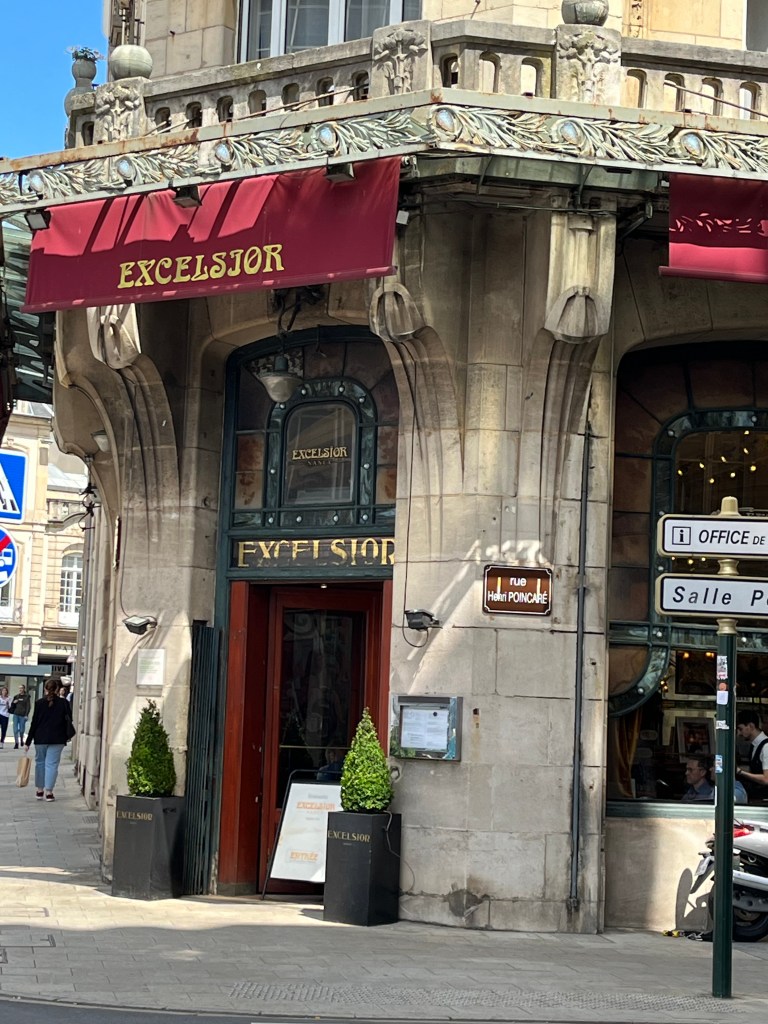
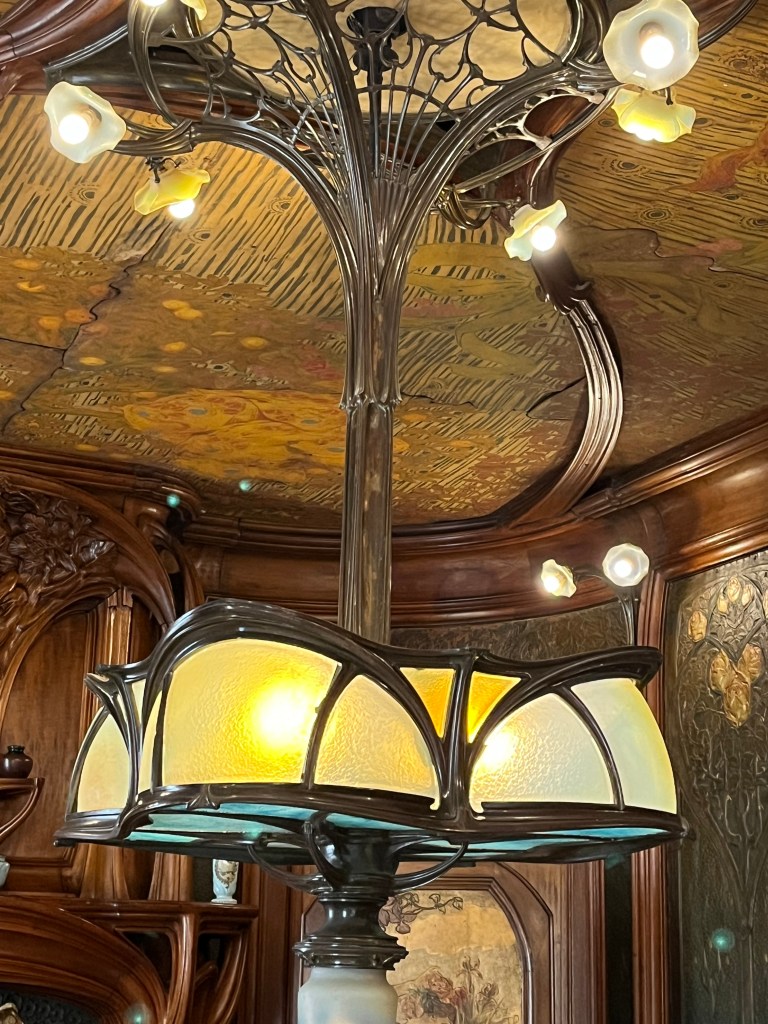

Above are the images of other Art Nouveau sites in Nancy
At last our diver arrived to replace the bow thruster propeller
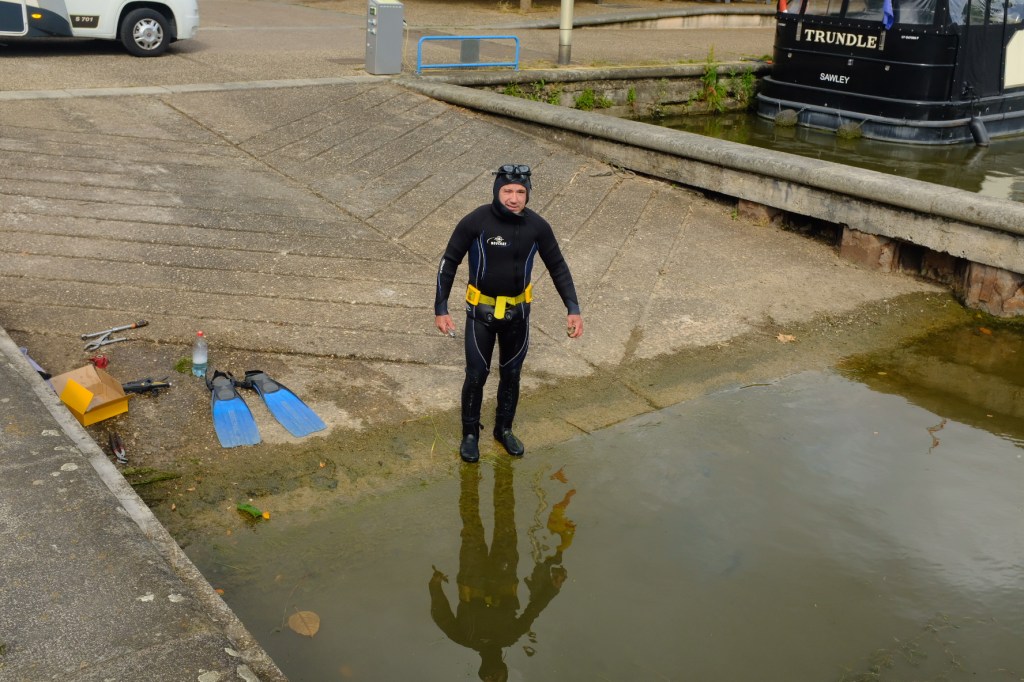


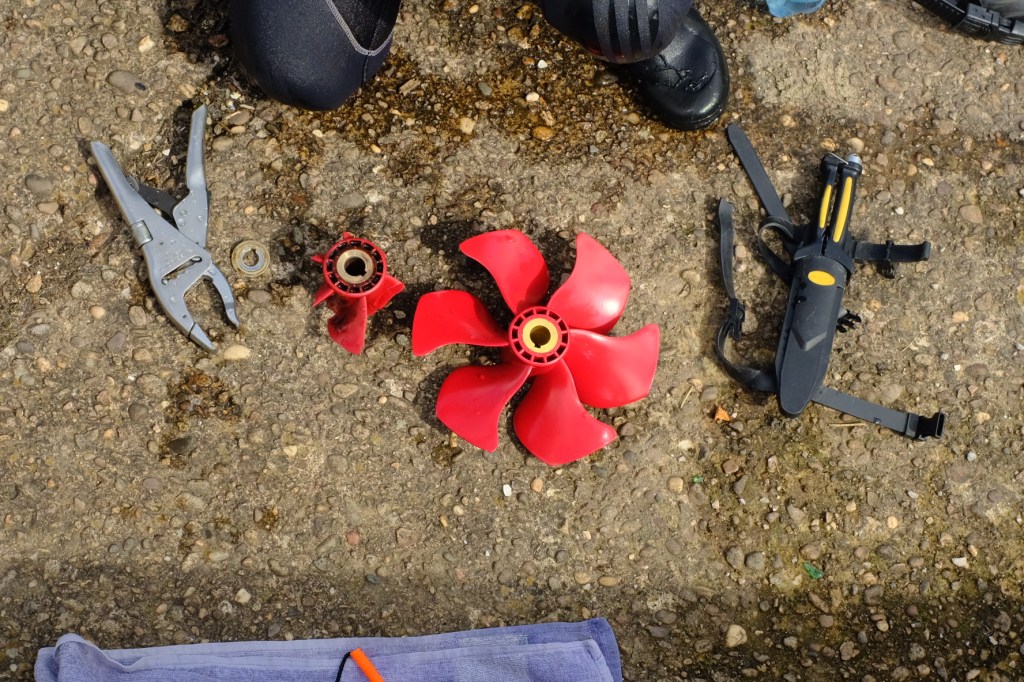

Yes we certainly did a good job with it, no blades left! With the dirty canal water we were amazed he could get the job done.
With our bow thruster intact we were now ready to depart for the next part of our journey. Having completed the hellish trip on the Canal Marne au Rhin West we now were ready to tackle the Canal Marne au Rhin East. Hope you will join us for the next addition of our story.

 Karen’s Travel Blog
Leave a comment