
Well, by this time you must know a little about the challenges of barging in Europe. Luckily this particular challenge was not ours, but belonged to our travelling companions on Mimosa. A broken bow thruster prop was suspected and finally confirmed with an under water inspection.
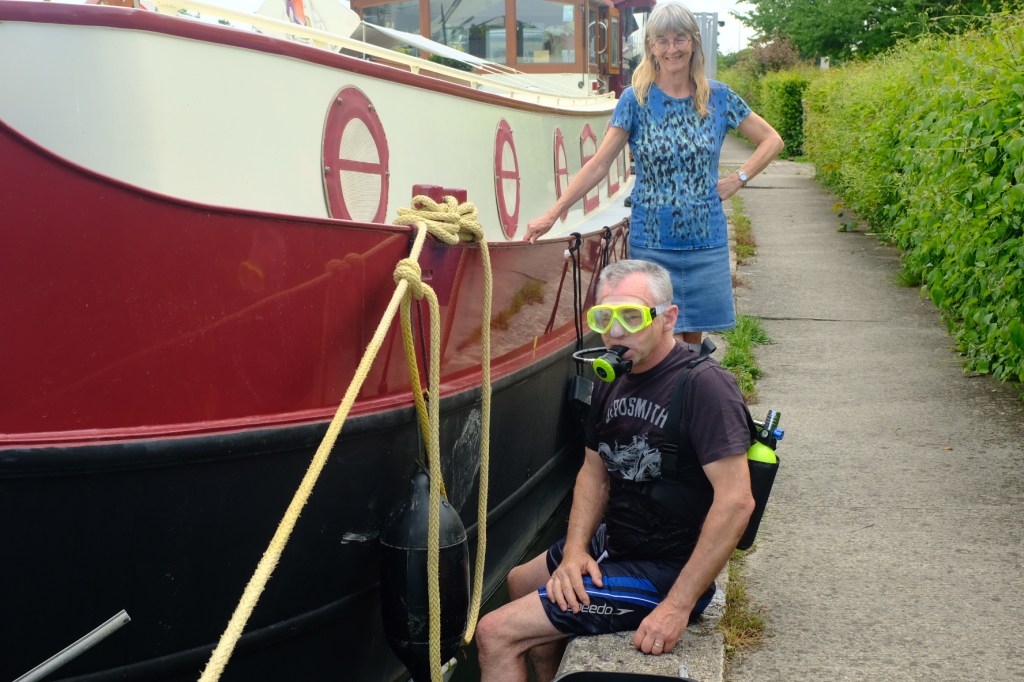
The fix was to be delivered by a diver (Momo) who we planned to meet in Pogney, our first stop after Chalon de Champagne.
With the locks on the French canals being only 5.2 meters wide a bow thruster is an essential piece of kit in order to line up when entering and exiting the lock. In other words a bow thruster equals no damage to your precious boat.
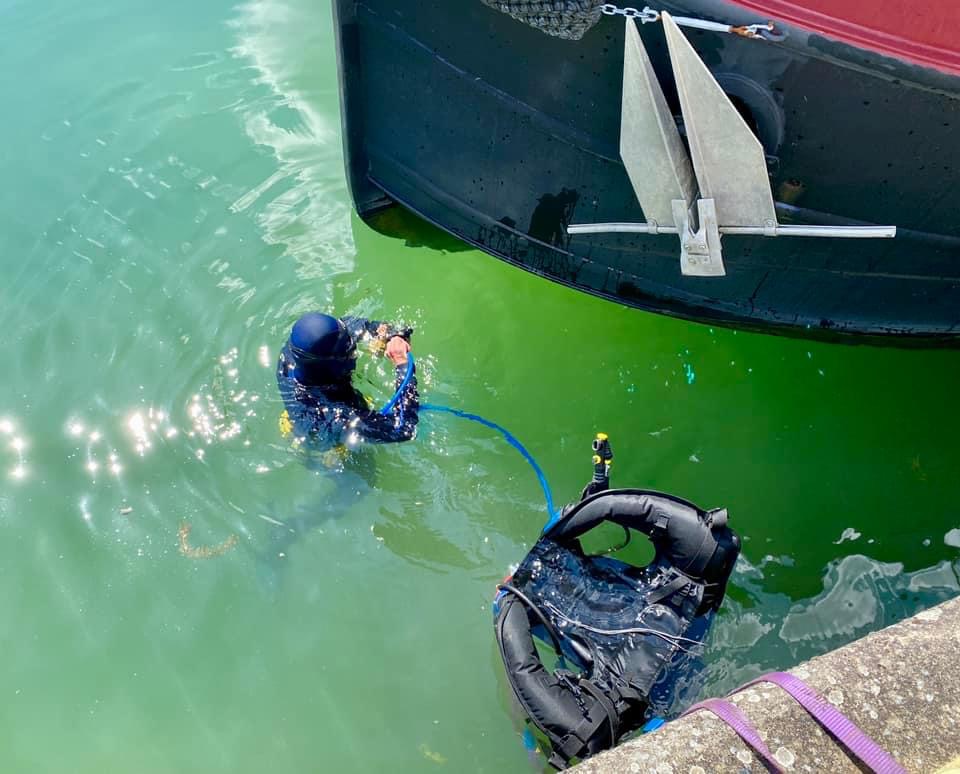
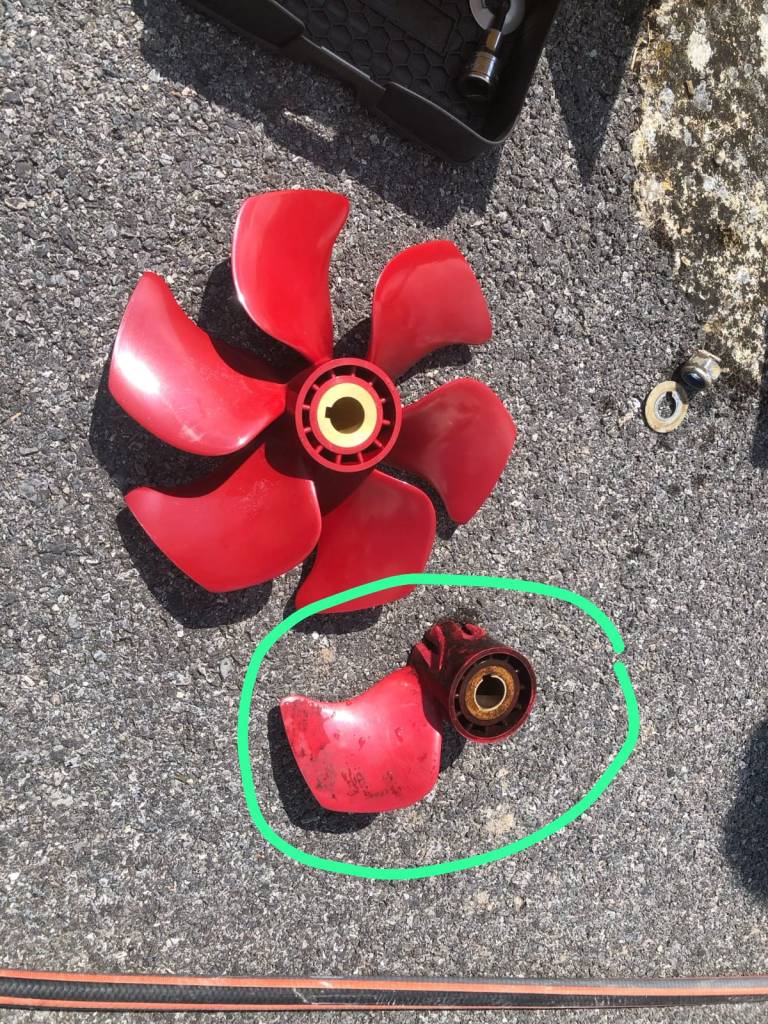
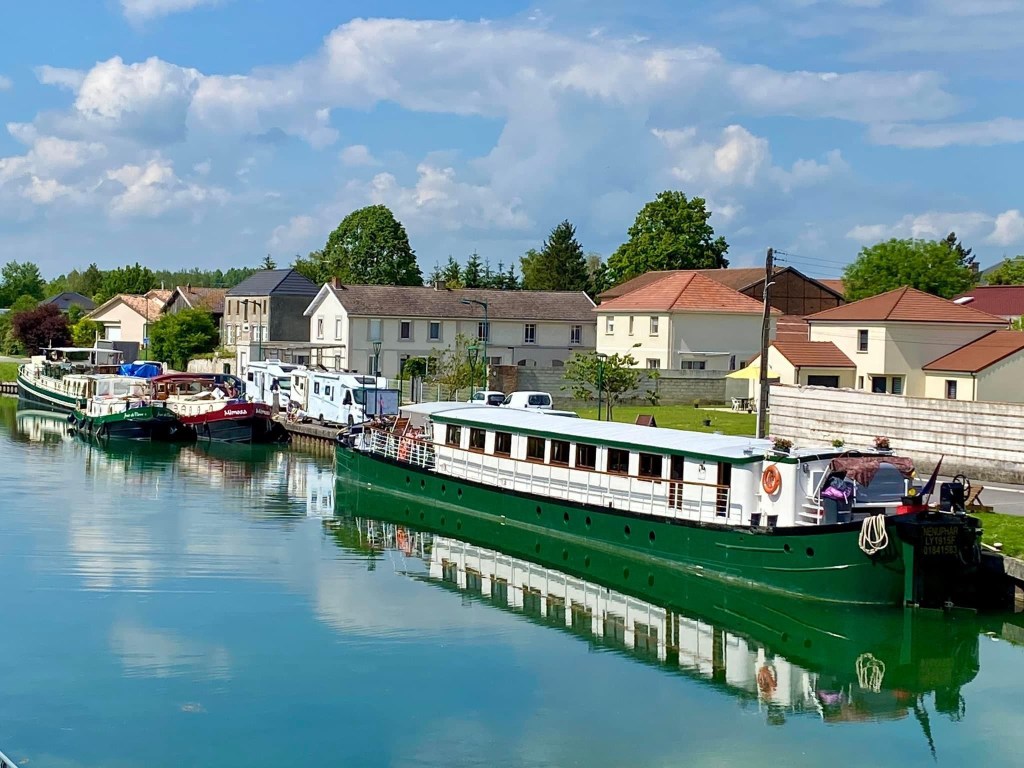
While the diver was in the water we thought it was best for him to check our bow thruster prop, and yes we had lost one blade. As it was still performing to expectation we decided to bravely carry on, hoping with all fingers and toes crossed that we don’t lose anymore more blades on this journey.
Vitry le Francois, last port of call on the Canal Lateral de la Marne
Situated on the confluence of the Marne and the Saulx Vitry has been an important transit port since the Middle Ages. Destroyed in 1544 during one of the many wars that have devastated the region, it was rebuilt the following year in what was considered a modern design of a right angle street plan. The town was again destroyed during World War II and again rebuilt, though the renaissance layout remained intack.
During the first months of WW I Vitry was the home to the General Headquarters of the French Army but rapid advancements of the Germans forced its relocation closer to Paris. It however remained an important hospital base, close to the front lines. The port became a place of embarkation, as barges ferried men and equipment to the front lines, returning with casualties. At the height of the Battle of Vertdun in 1916, barges were also utilised as floating hospitals.




Canal Marne au Rhin
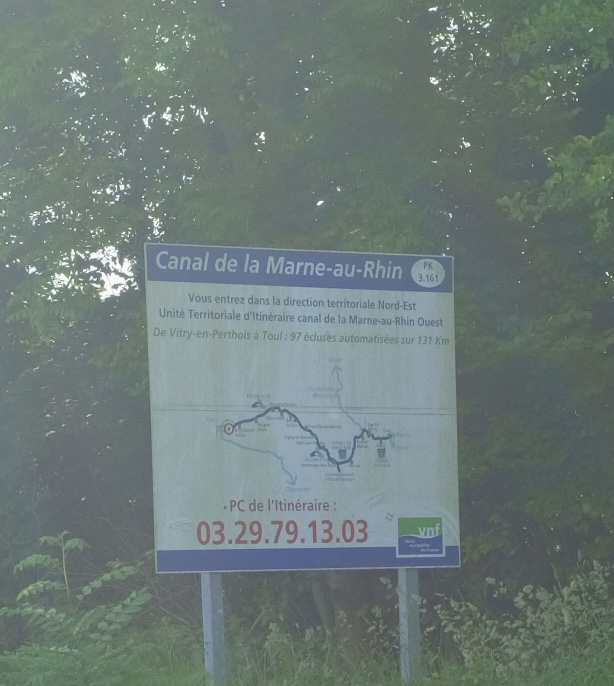
Day 1 on the canal was quite an easy trip. 18kms and 6 locks to Pagny sur Saulx, a small port with free electricity. The town previously housed a roof tile factory, but the site was abandoned and dismantled a few years ago. Heavily bombed during WW1 the citizens of town were awarded the Croix de Guerre.
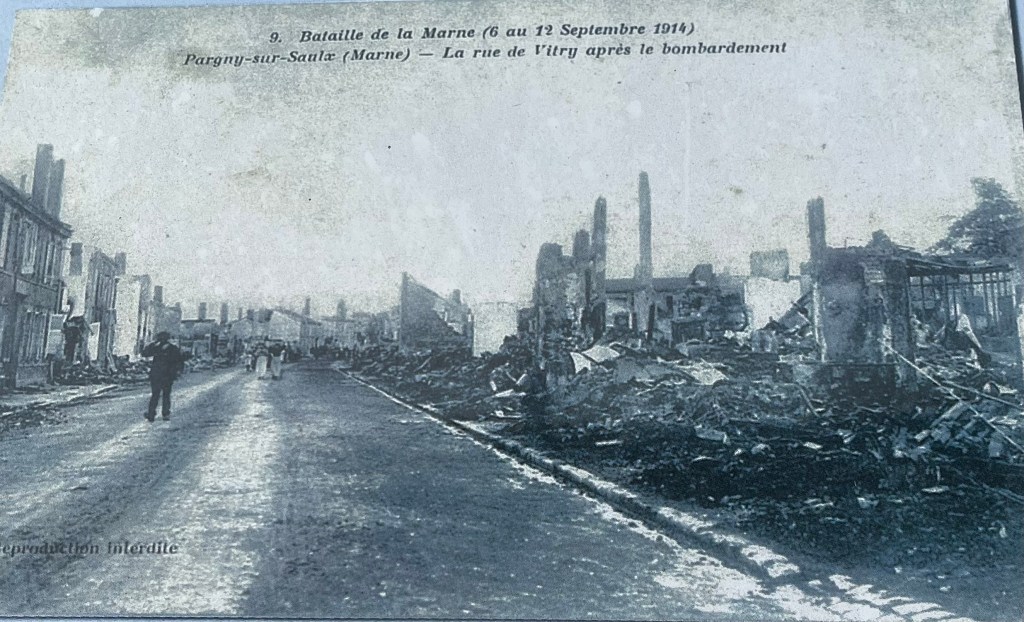
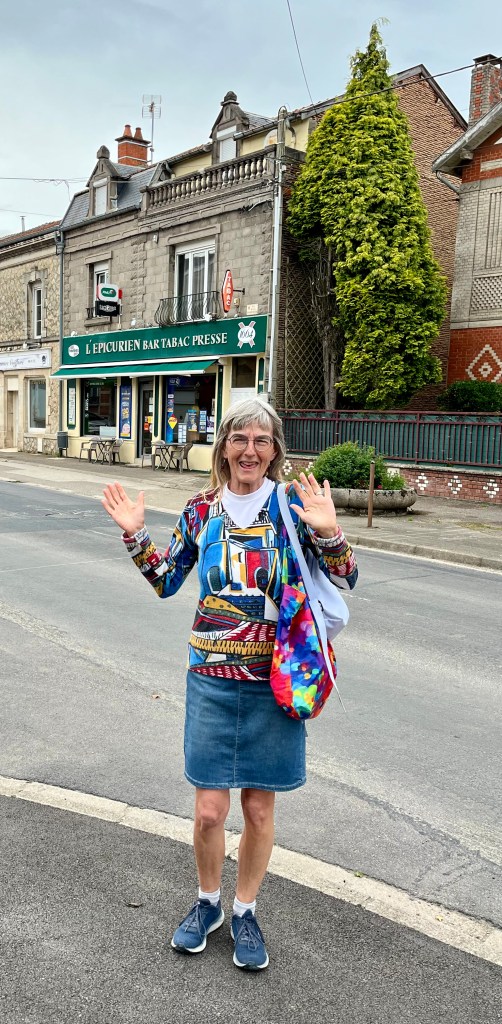
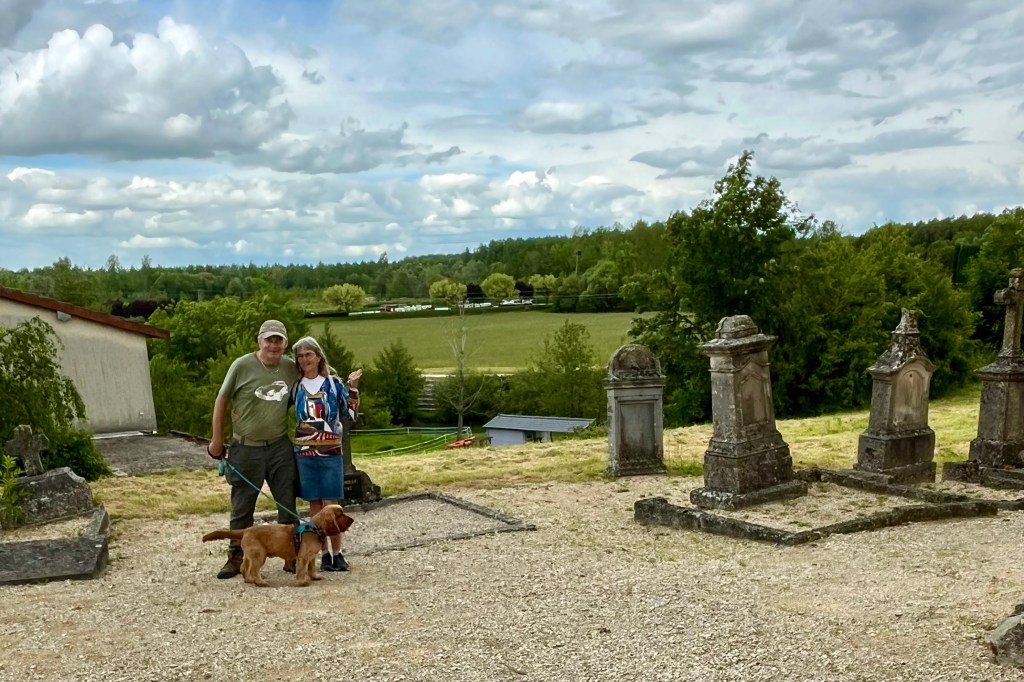
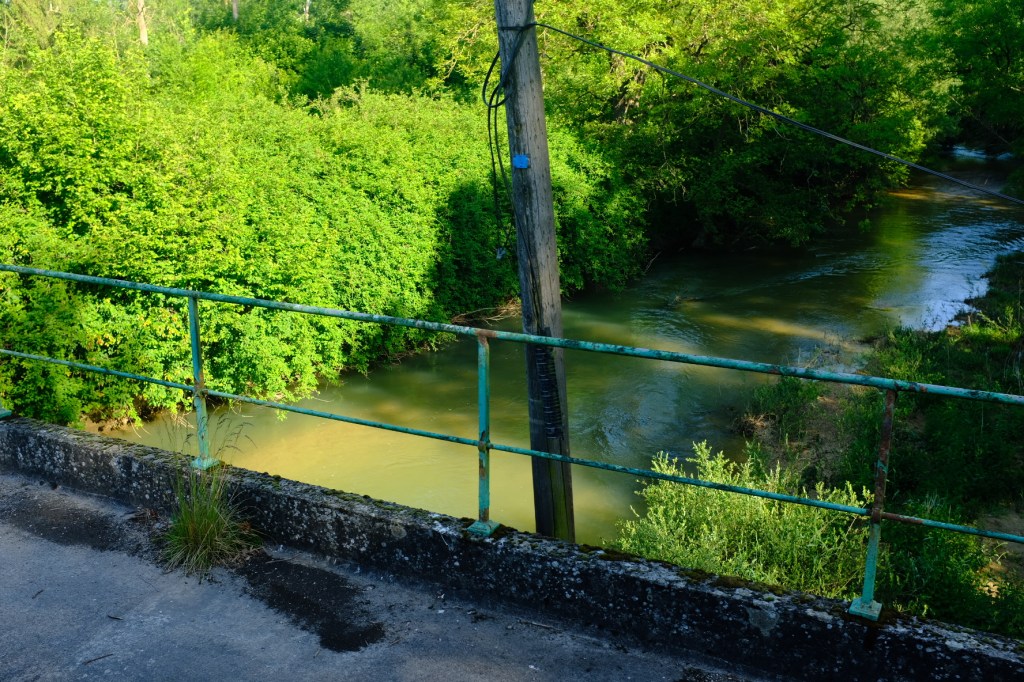
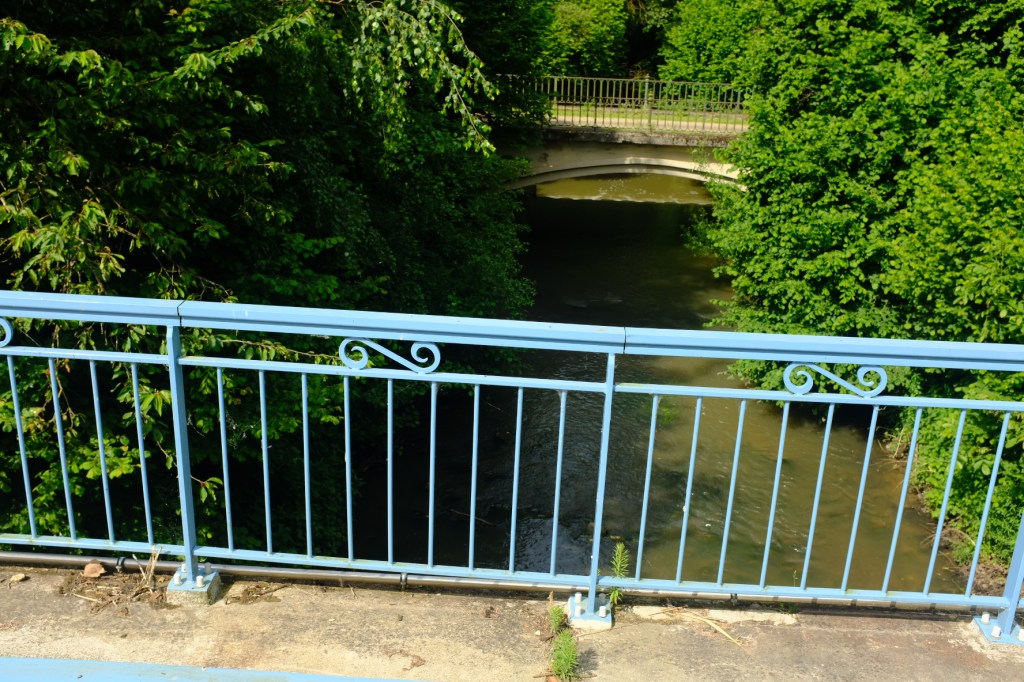
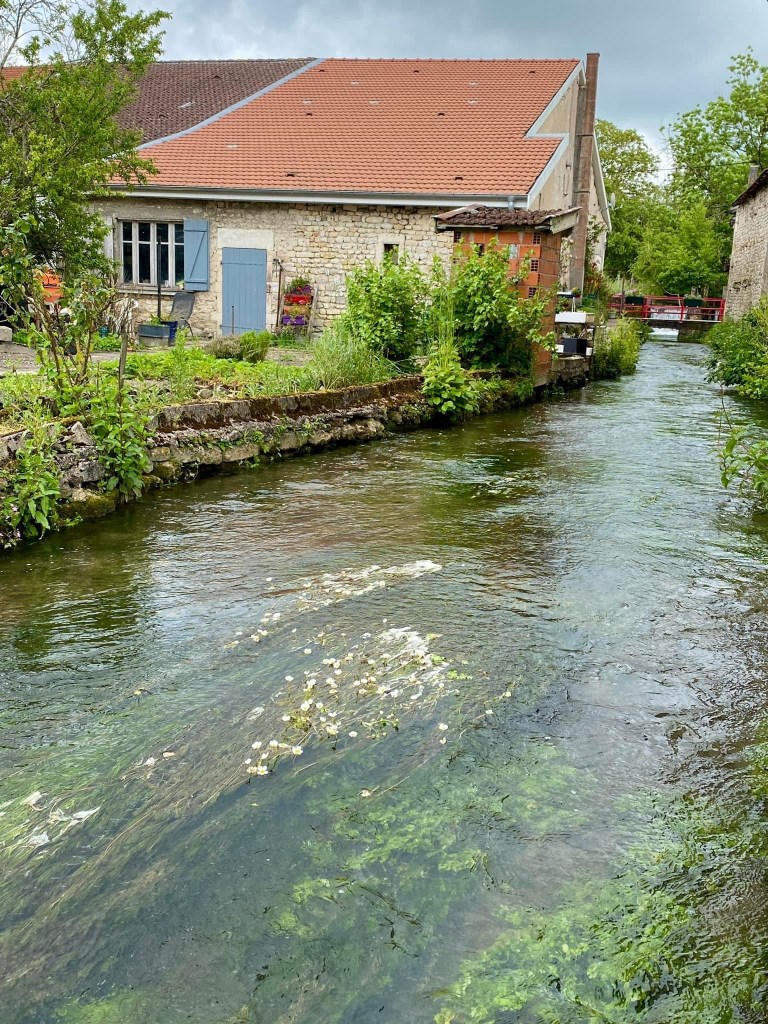
The river Saulx, which is a tributary of the Marne weaves its way through the countryside in this area. Hence the name for this town, on the Saulx. As we travel along the canal we catch glimpses of this river, and at times cross it via an aqueduct.
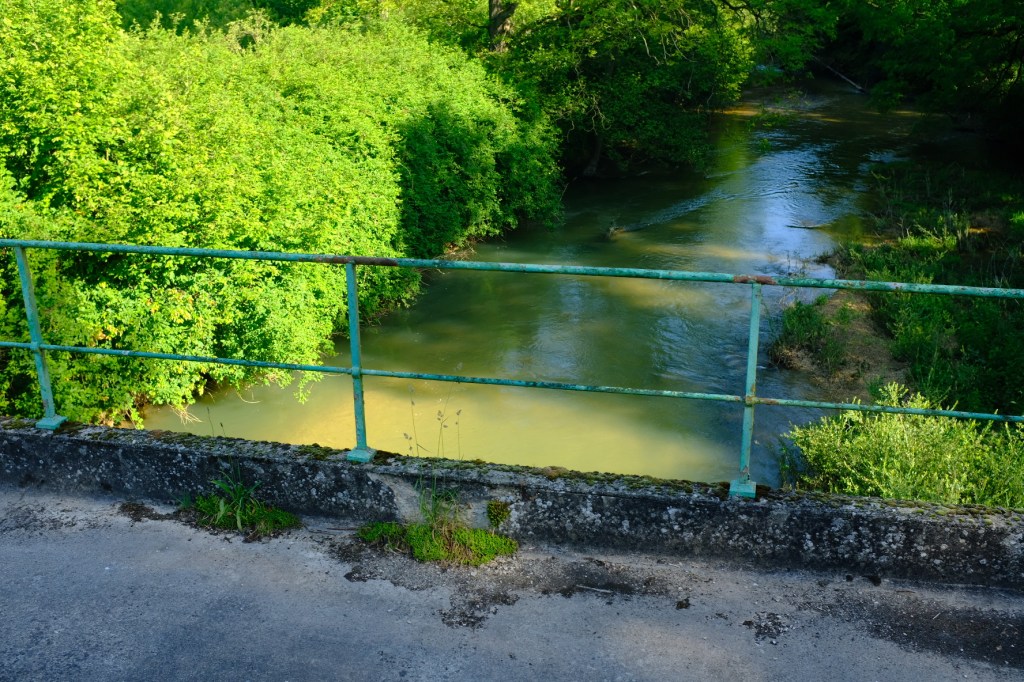
After a quiet introduction to the Canal Marne au Rhin, day 2 and we were in for a shock. The weed was ravenous, its green tendril like fingers snaking through the water impending our passage. Normally the boat travels at 9kms per hour at 1600 revs, but driving through this feral garden our speed was slowed to 6kms per hour. The next obstacle was the amount of weed that jammed the locks doors forcing numerous calls to the VNF to rescue us.
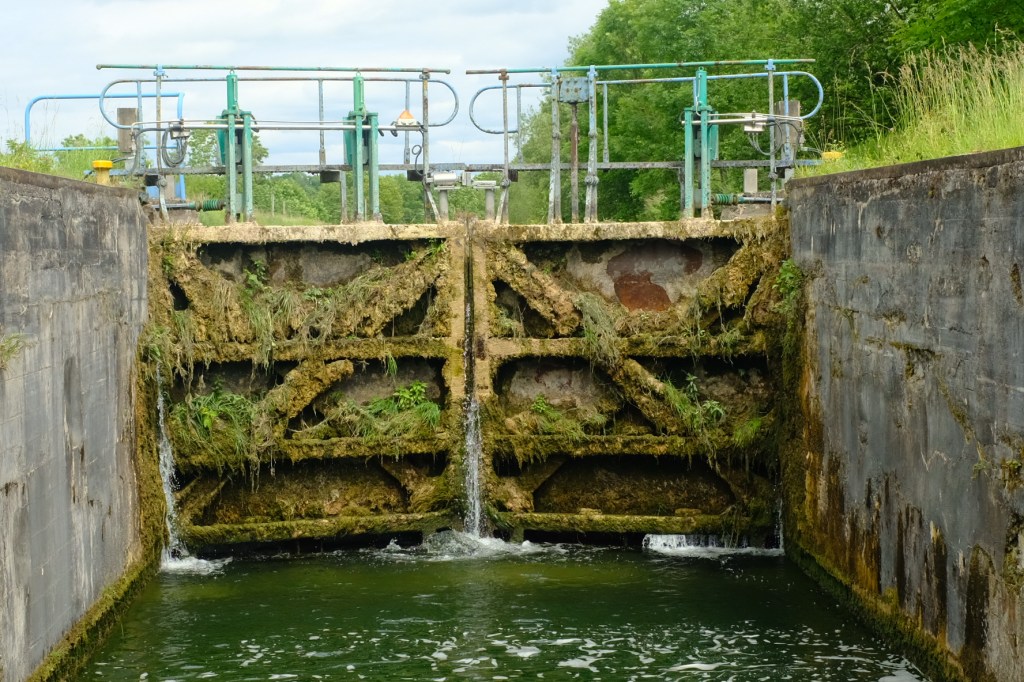

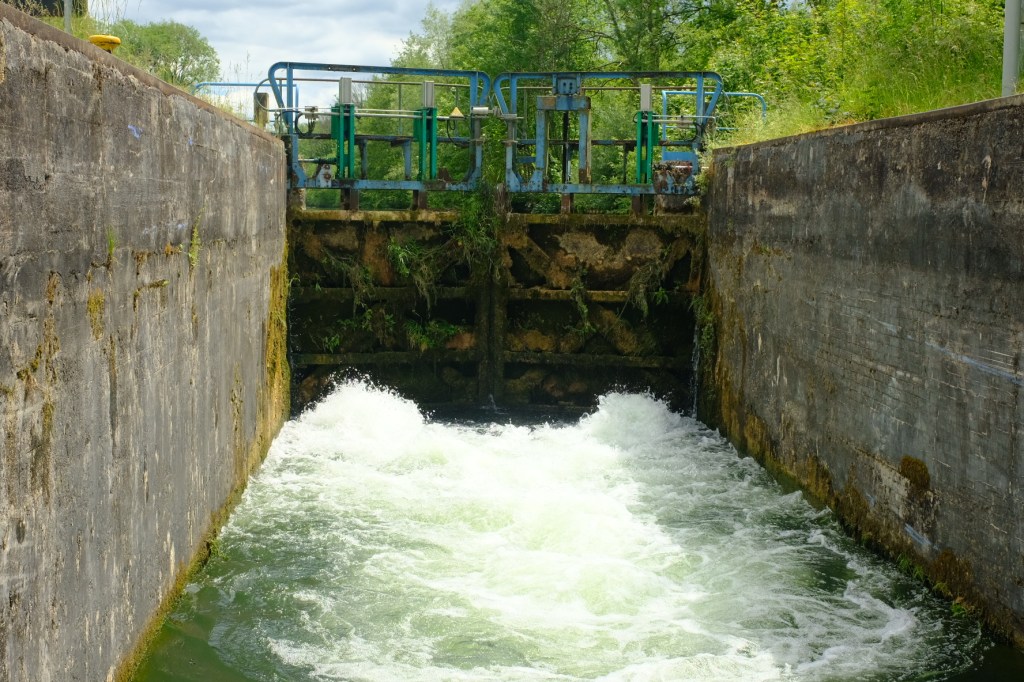

At times we had so much weed around the propeller it was difficult to stop the boat at we entered the lock!
6 hours, 21 locks, 21kms and numerous calls to the VNF. Yes that’s a lock about every kilometre! Not planned, but as our stop for the night was unavailable we were forced to soldier on to Faims.

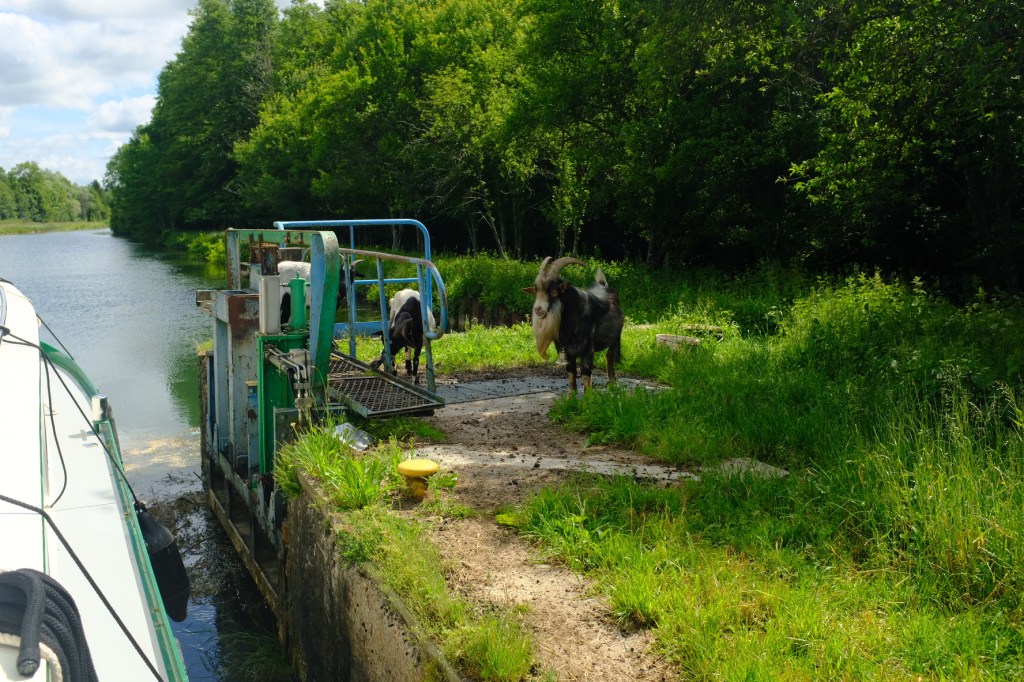
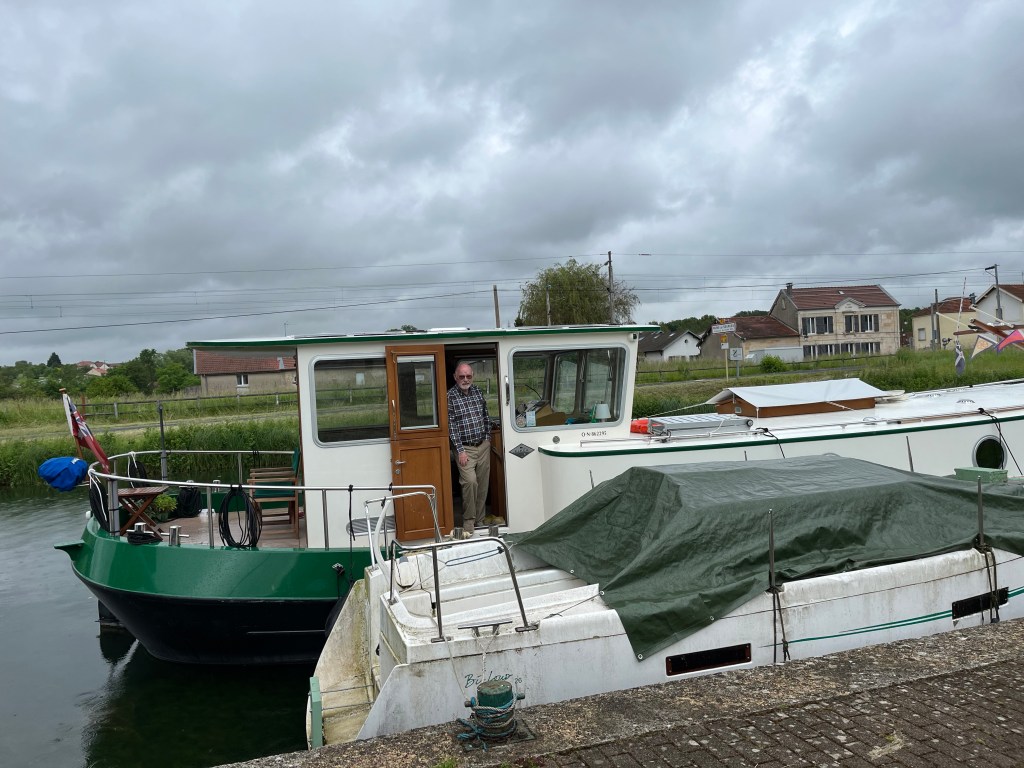
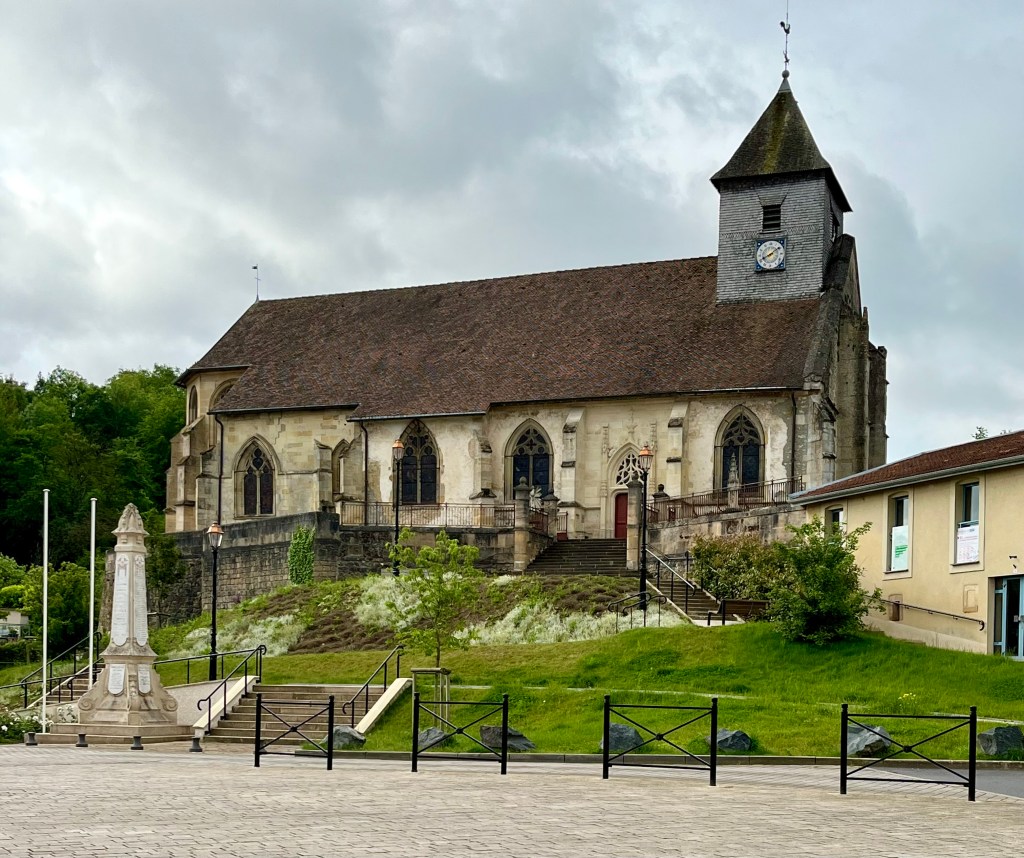
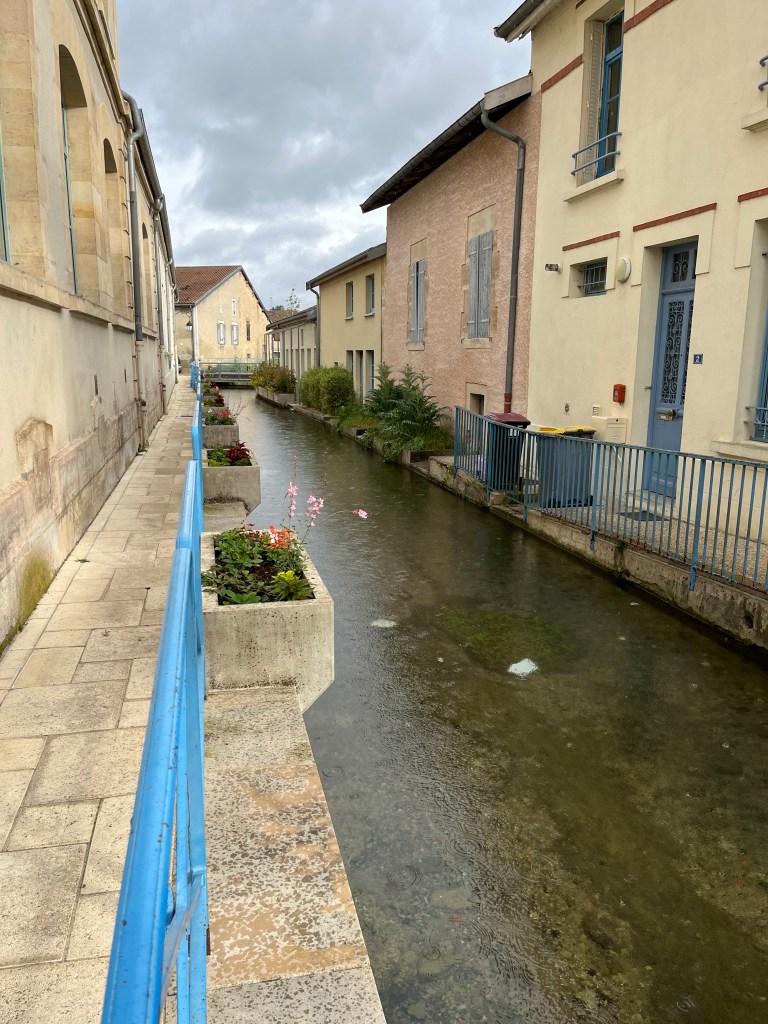
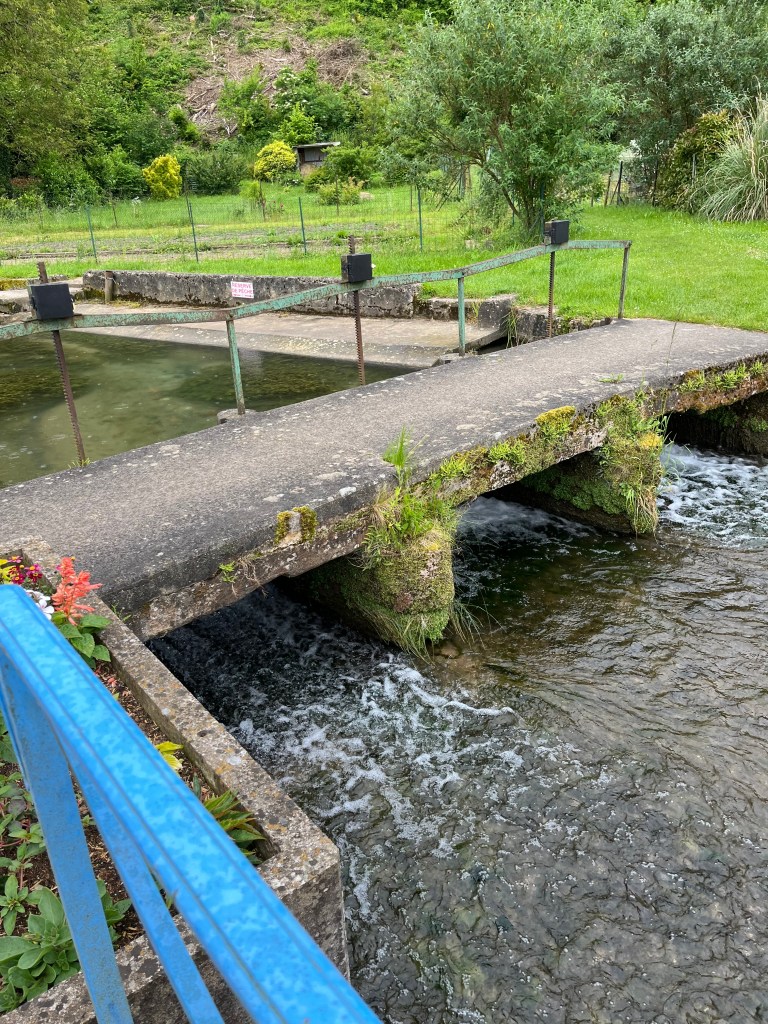
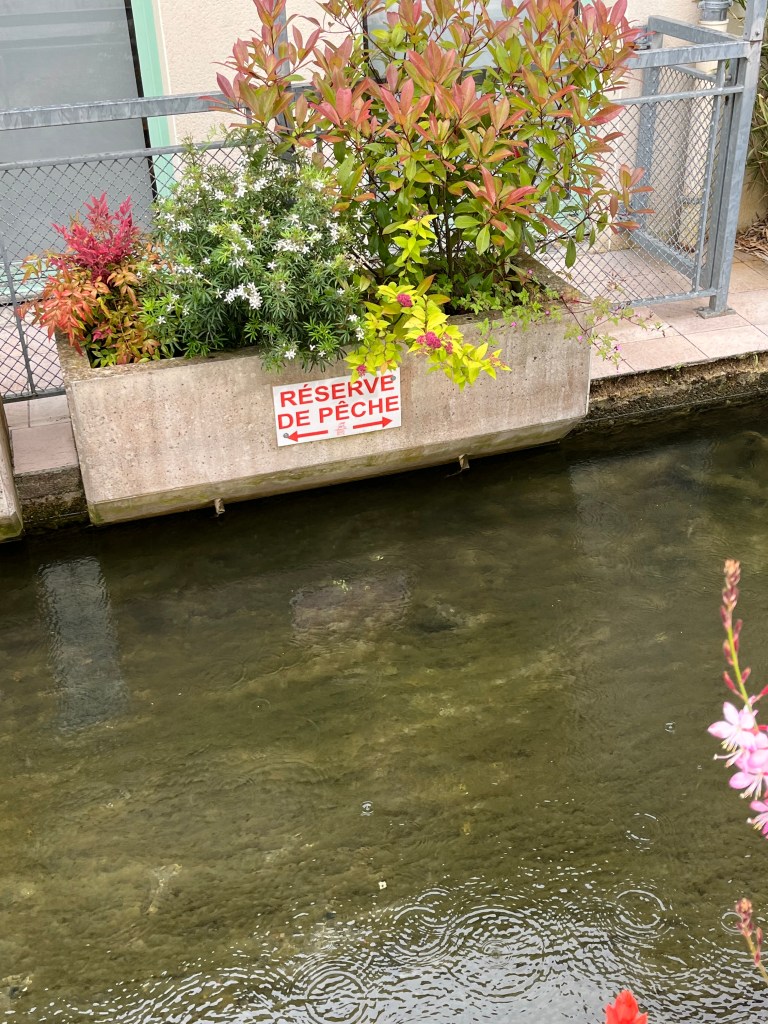
Views of Faims
Day 3 and it was only a short hop to Bar de Doc, 4 locks and 4 kms. But yes you guessed it, every lock was broken. The VNF personal suggested that it was best to stop at Bar de Duc to wait for the locks to be repaired (apparently an electrical fault had closed down the whole section.) We had planned an overnight stop, so this was not a problem.
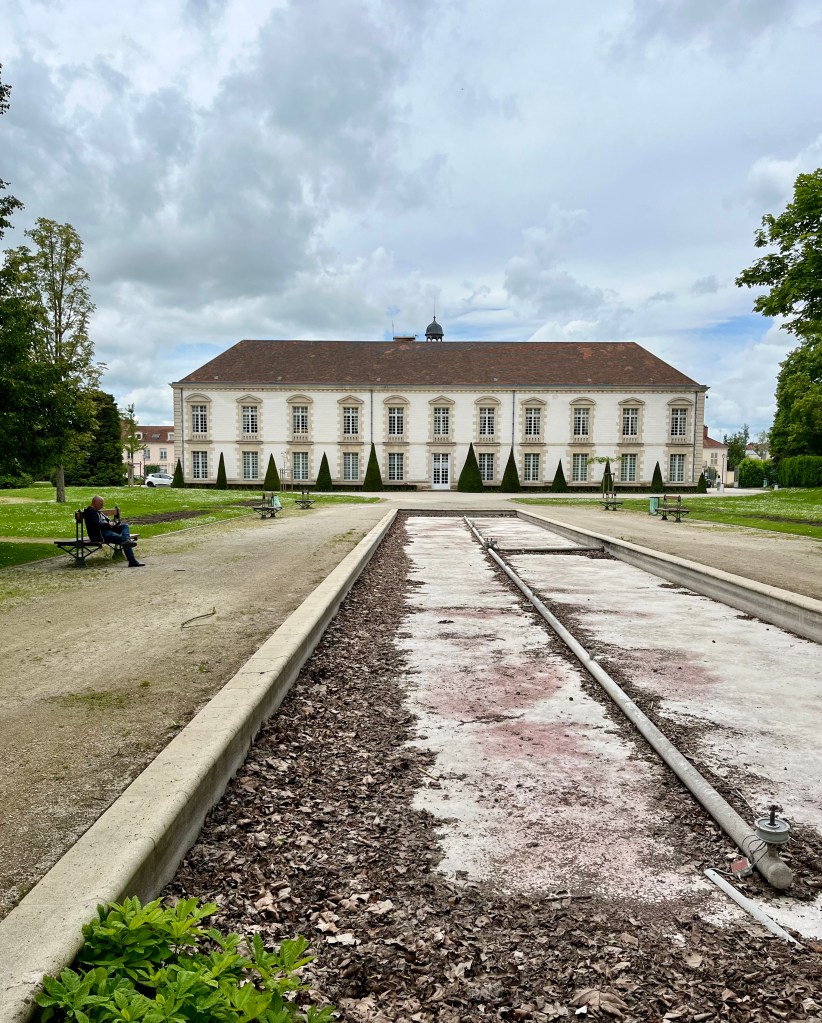
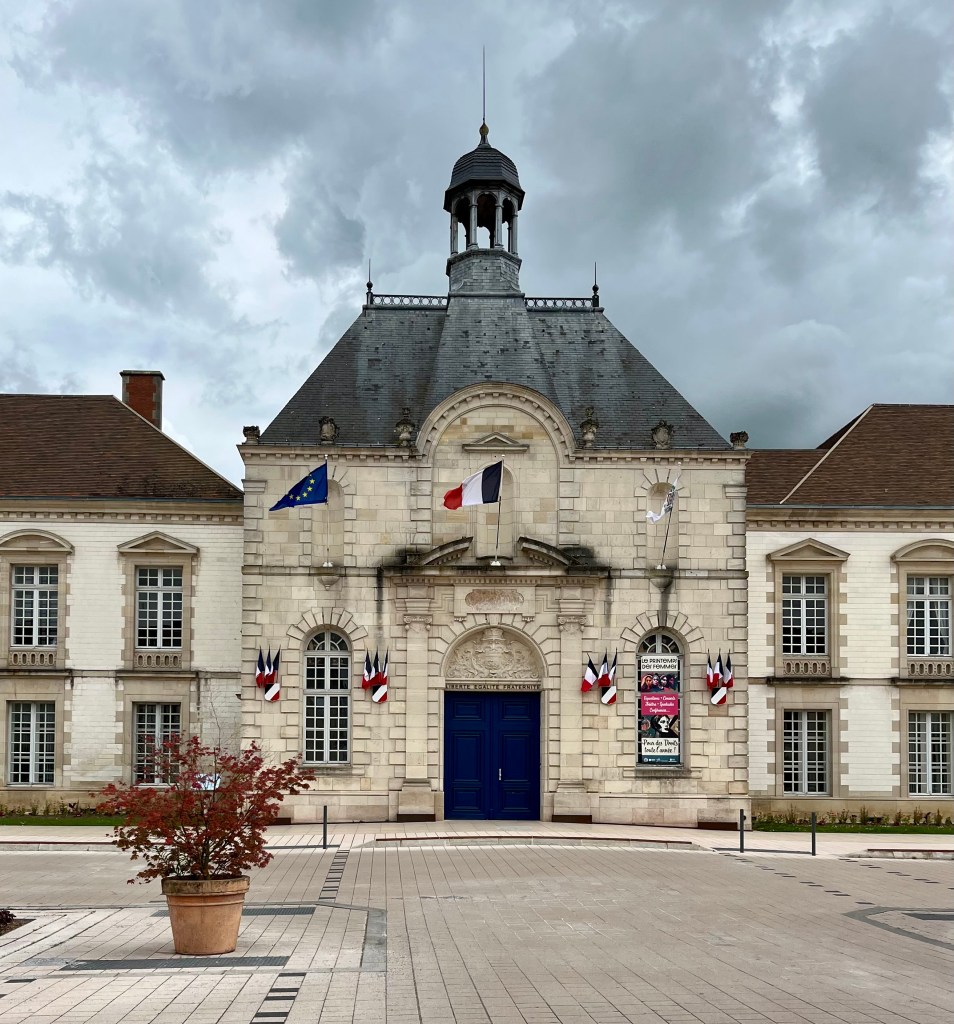
Bar de Duc is a combination of 2 towns in 1, the upper town and the lower town. The lower modern town is bordered by the Canal Marne au Rhin on the north east and the Ornain river on the south west. The Duchy of Bar, of which Bar de Duc was the principle town was a private Duchy from the 11th century. It then became part of the Duchy of Lorraine 1480 and it was not until 1735 that the area became part of the Kingdom of France.
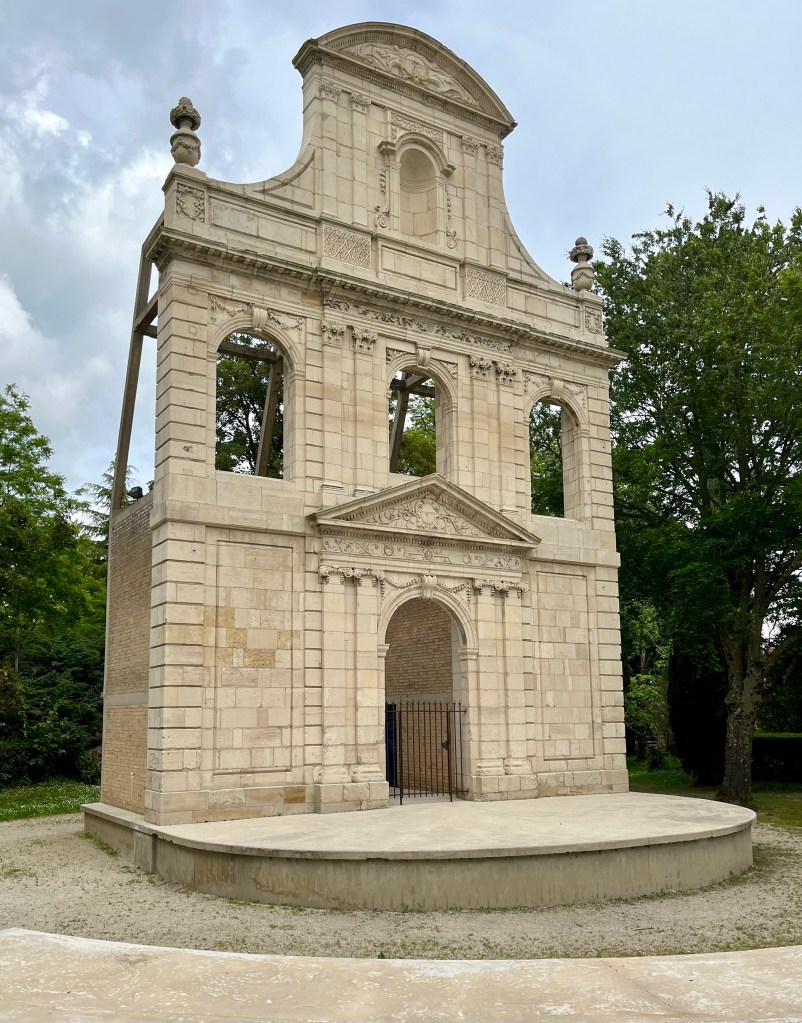
The upper town was born out of the building of a fortress by Duke Frederic 1 in 950 on a spur of rock. By the 13th century it had developed into a protective settlement. The 15th century is considered the Renaissance period in Bar de Duc, a period of relative peace and prosperity in both cultural and economic terms. Using the local Savonniere stone (a type of fine grain limestone) the population of aristocrats, attracted to the area by the granting of significant privileges by the Princes of Bar, created what is today considered the finest example of a Renaissance town in France.
Julie and I braved the rain and walked up the hill to discover this historic town.
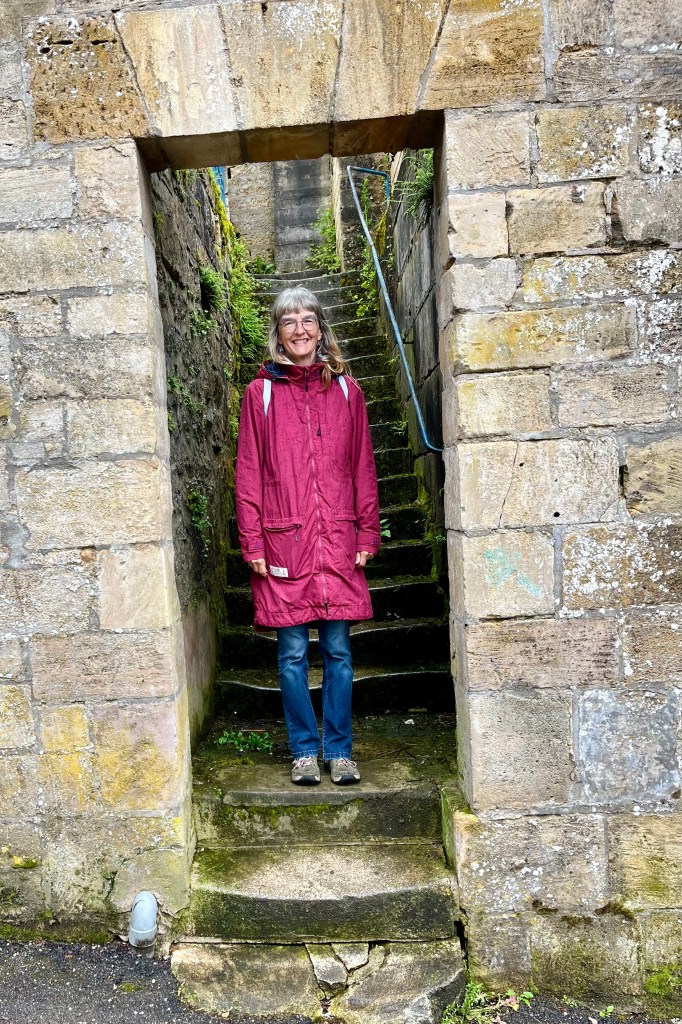
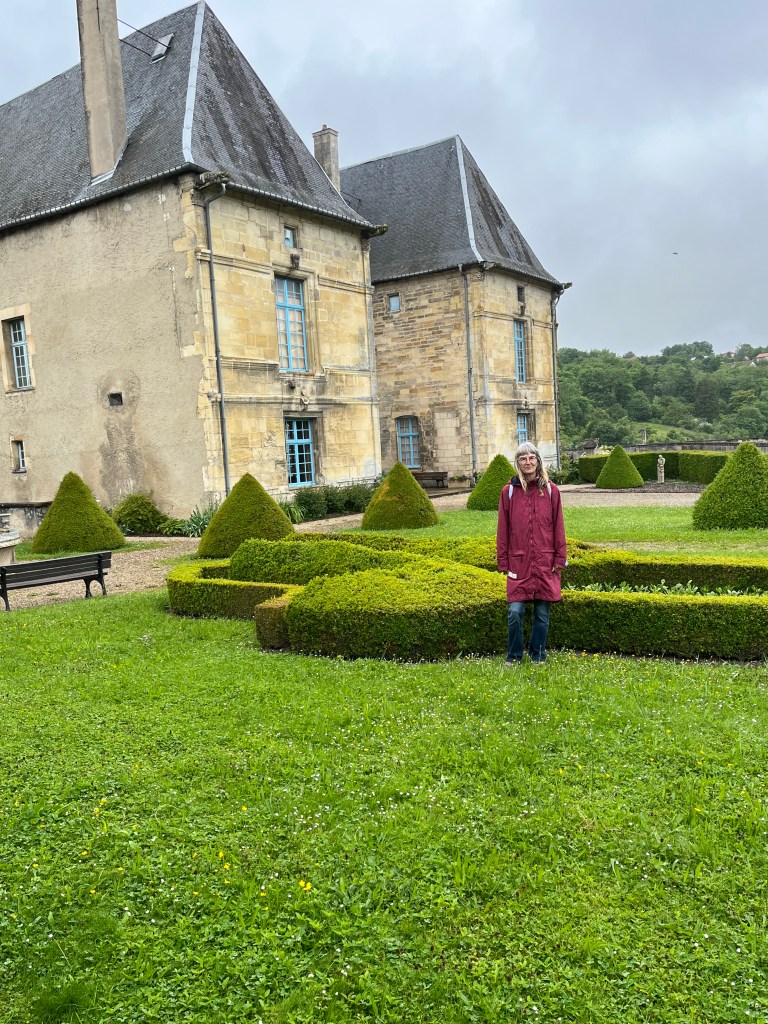


The church of St. Etienne contains the macabre sculpture of a petrified, skinless corpse on the tomb of Rene Chalon, Prince of Orange. Dying from wounds, sustained in battle, his deathbed wish was that his tomb depict his body as it would be three years after his death. The church was closed by we did manage to find a replica of the sculpture in the tourist office.

Day 4, 11 locks, 2 lifting bridges and 11 kms to the unremarkable village of Tronville. Sometimes we stop just to catch our breath!
Day 5, a short hop to Ligny, 5 locks and 4kms.


Day 6, 8 locks, 8kms to Naix aux Forges, founded as a Roman town in the 2nd century covering more than 120 hectares and occupied by over 15,000 citizens.
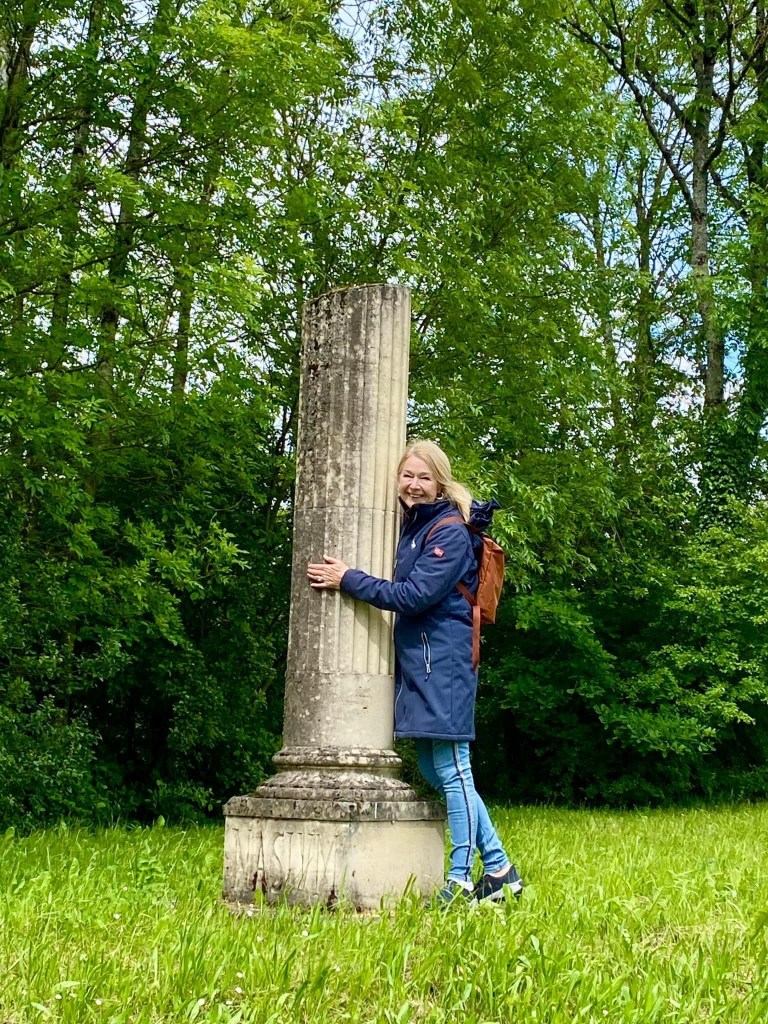

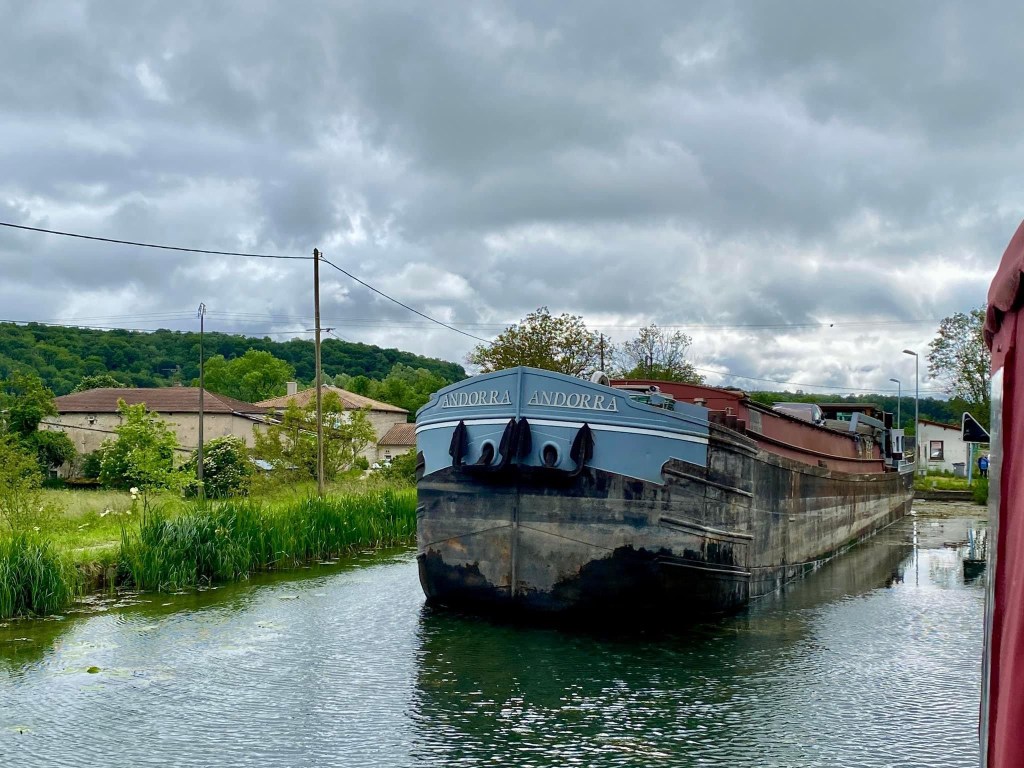
Day 7 13 locks, 13kms to Demange aux Eau. This was our last overnight stop before we tackled the 4.785km Mauvages tunnel.



Just a bit of line dancing in the French countryside


What is a lavoir? Built from the 17th to the early 20th century lavoirs were a place set aside for the communal washing of clothes. In the mid 1800’s lavoirs were established in every neighbourhood in Paris and government grants encouraged municipalities across France to construct their own. Consequently we find lavoirs in most of the small towns and villages that we encounter during our travels. Today of course the lavoir has been replaced by domestic washing machines and laundromats.
The Canal Marne au Rhin has not finished with us. Stay tuned for the next instalment.


 Karen’s Travel Blog
Leave a comment