We were now on the Canal de l’Ainse a La Marne which literally means the canal from the Aisne (the river that provides the water for the Canal du Ardenne) to the Marne. It is 58 kms in length and rises to the city of Reims before descending to the Marne valley . Our first stop along the canal was for a night outside a factory complex before arriving in the beautiful city of Reims the following day. That was certainly a contrast, but that’s what canal cruising is all about!
On our way to Reims
Reims is the 12th most populous city in France and has a long history dating from Roman times. It is mainly noted as the site of the coronation of French kings a ritual which was performed at the cathedral of Reims. The architecture of the city reflects its diverse history, from the Roman ruins of the Porte de Mars to the art deco buildings constructed after the city was subjected to over 1,000 days of bombing raids from 1914 to 1918.
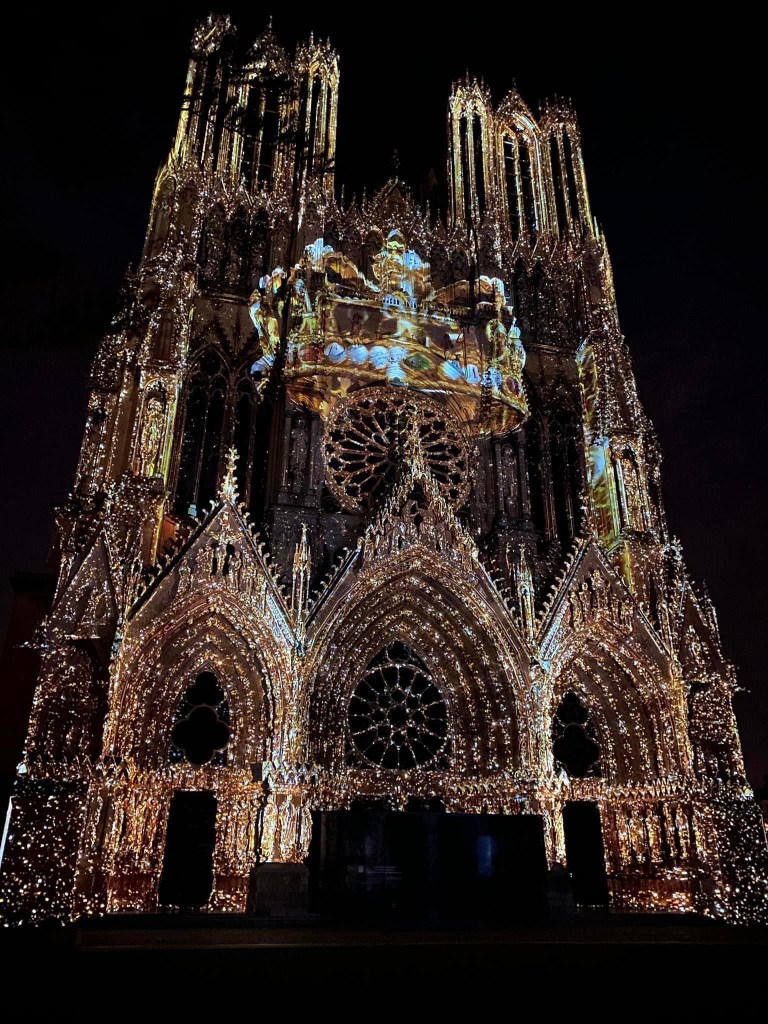
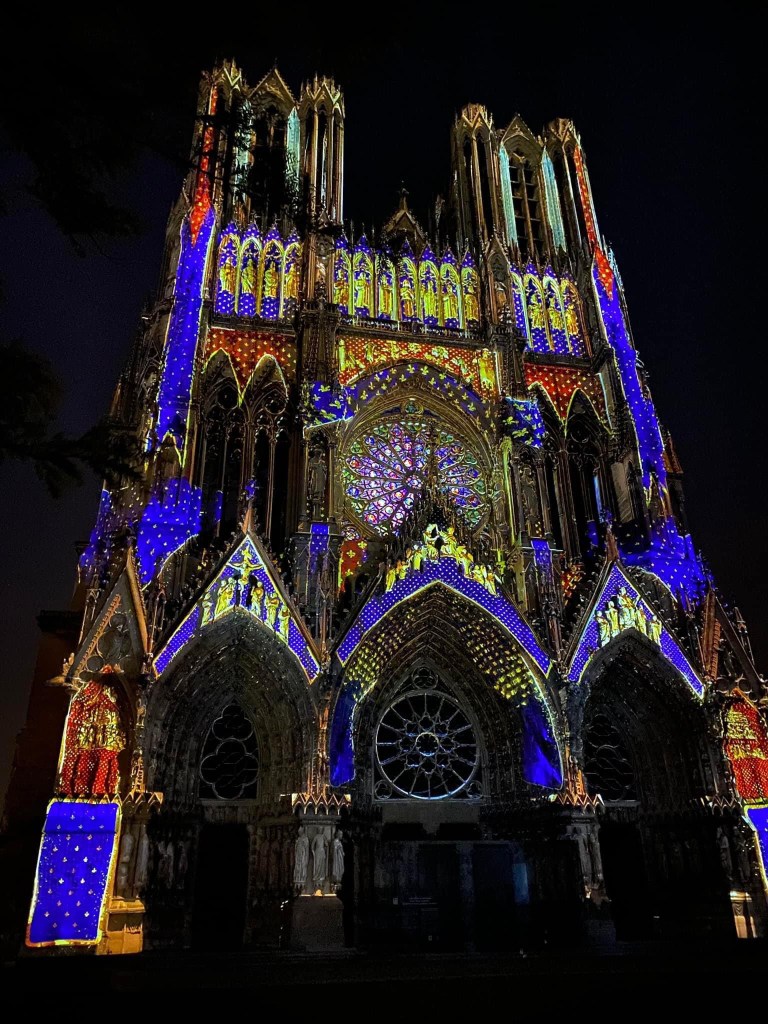
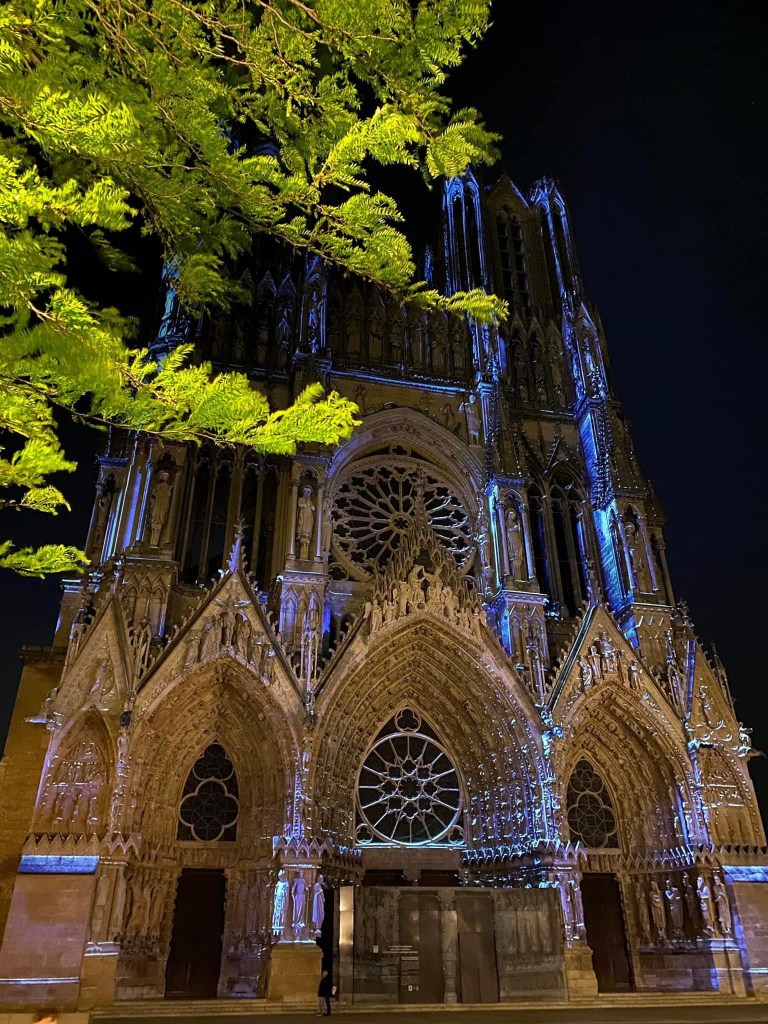
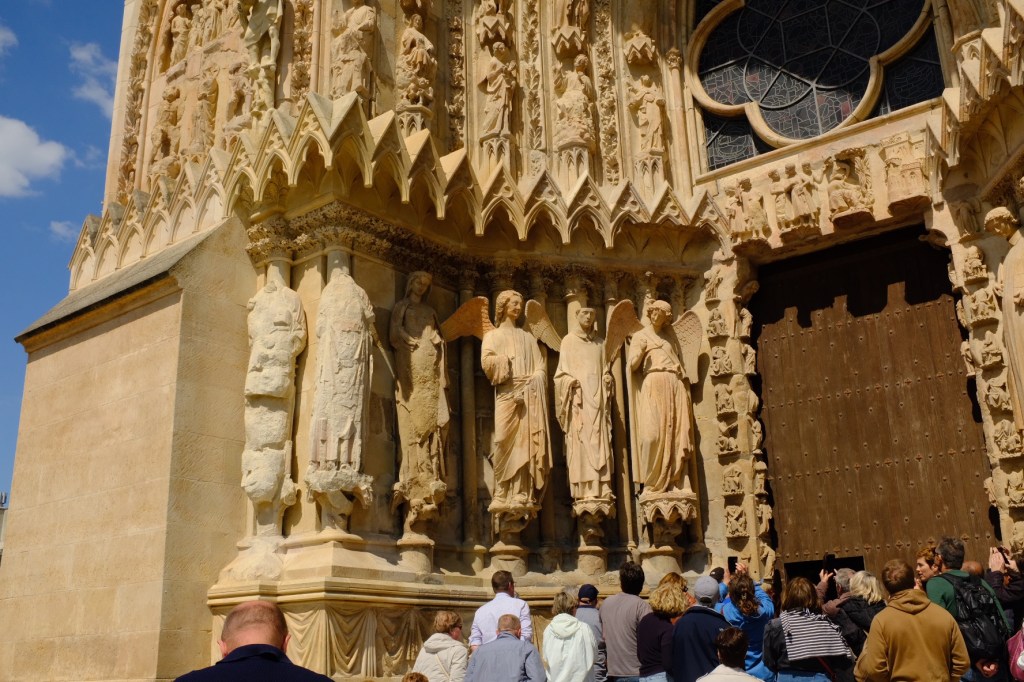
The cathedral at Reims. The last French king to be crowned there was CharlesX in 1835. The light and sound show on the facade of the cathedralThe cathedral was severely damaged by bombing during WW1 and the images of the damage was used by the French to confirm the barbarity of the Germans. After the war many thought the cathedral should not be repaired , but rather remain a monument to the victims of war. This was luckily over ruled and the cathedral is now a permanent renovation site, correcting not only the ravages of war, but now the damage caused by pollution. Beginning in 1968 many of the statues on the exterior were moved to the adjacent Archbishops palace and replaced by copies. The statue on the left is the smiling angel. Don’t know why she is famous, but is is featured on a lot of promotional material for Reims
The city is still undergoing restoration and many of the monuments were either closed or covered up.
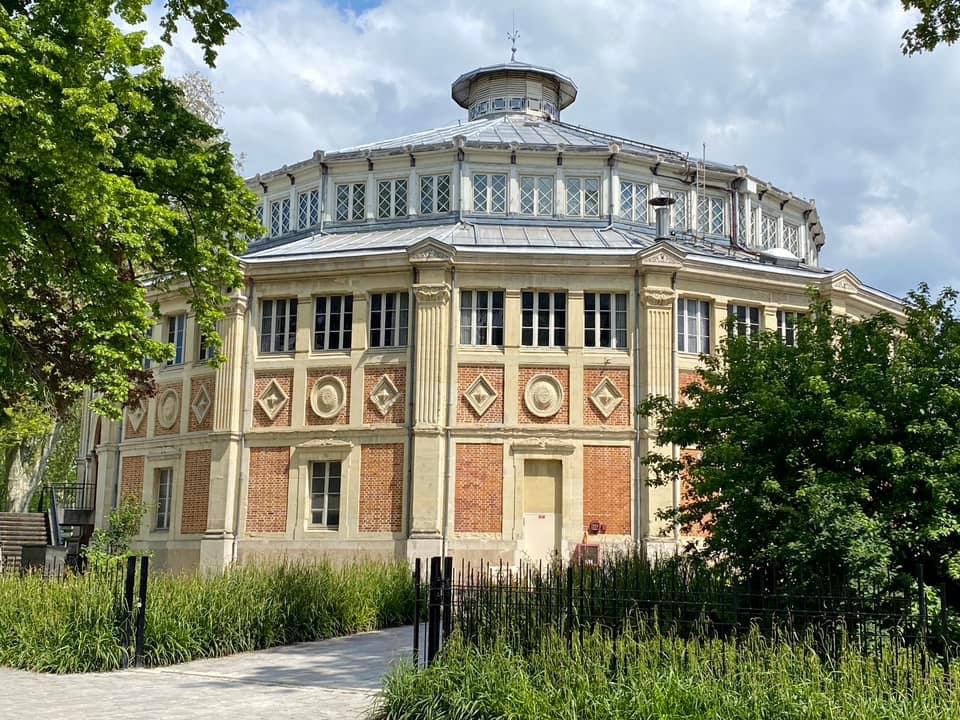
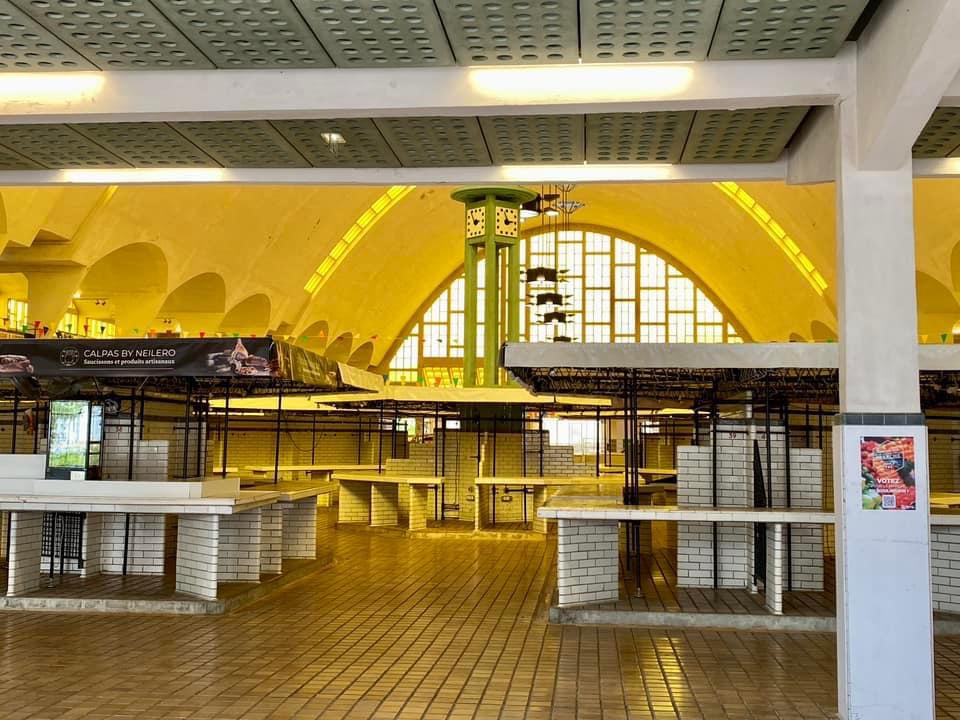
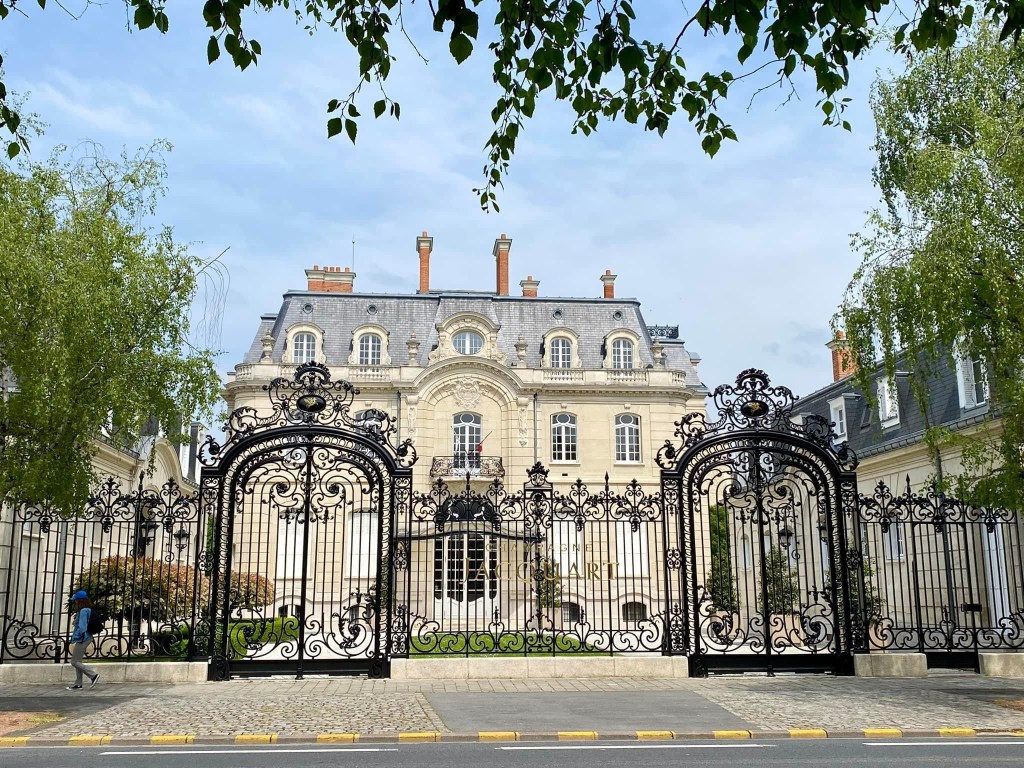
The circusThe interior of the art deco covered market. Unfortunately it was not a market day when we visited Some of the private mansions built by wealthy wine entrepreneurs in the city of champagne
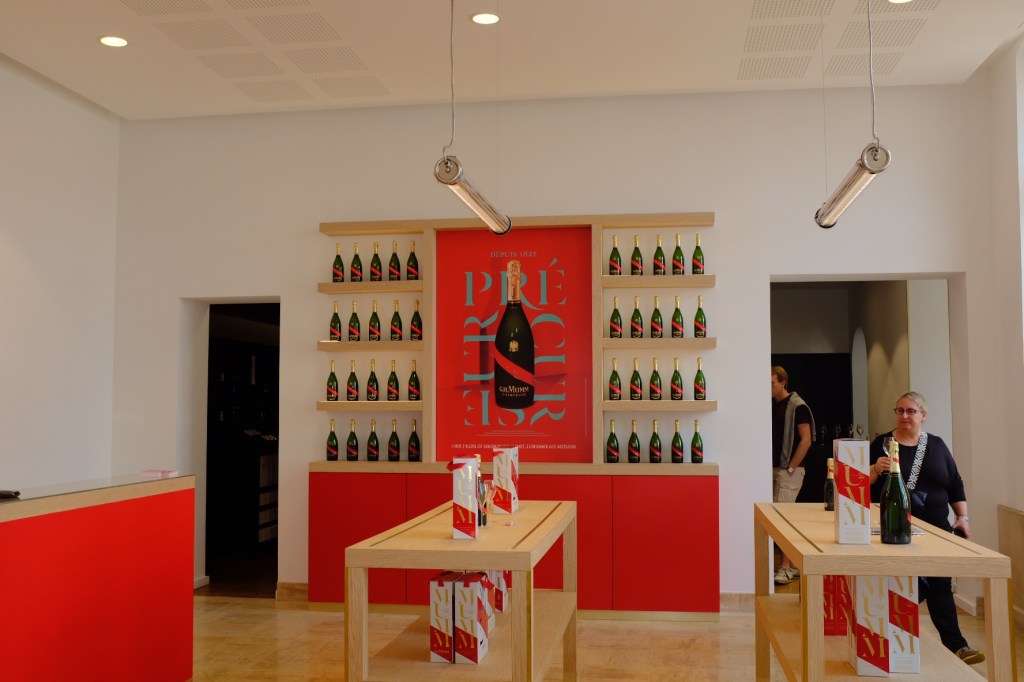
So now we are on the subject of champagne, why visit Reims without discovering one of the many champagne caves in the city. After much deliberation we choose a tour of the Mumm cellars!
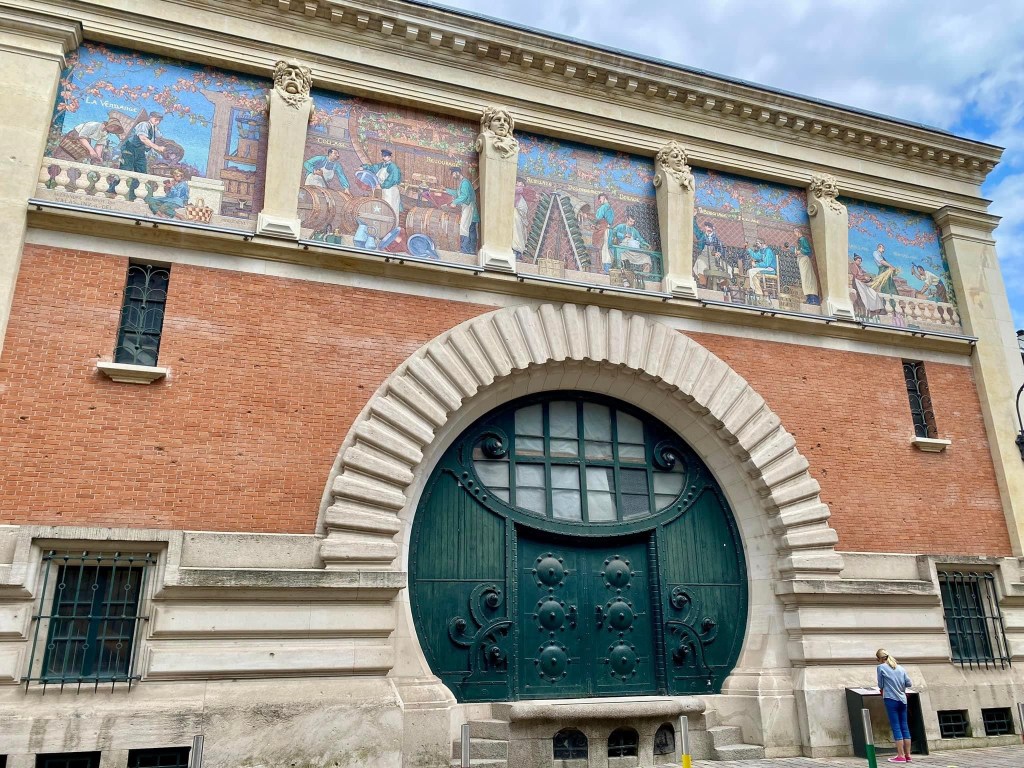
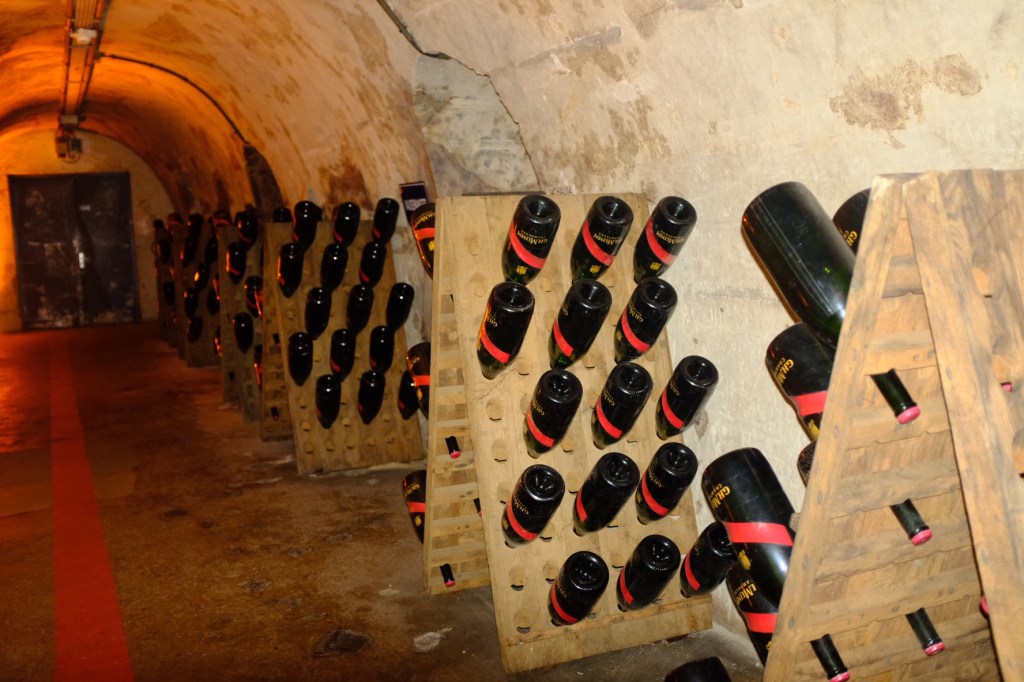
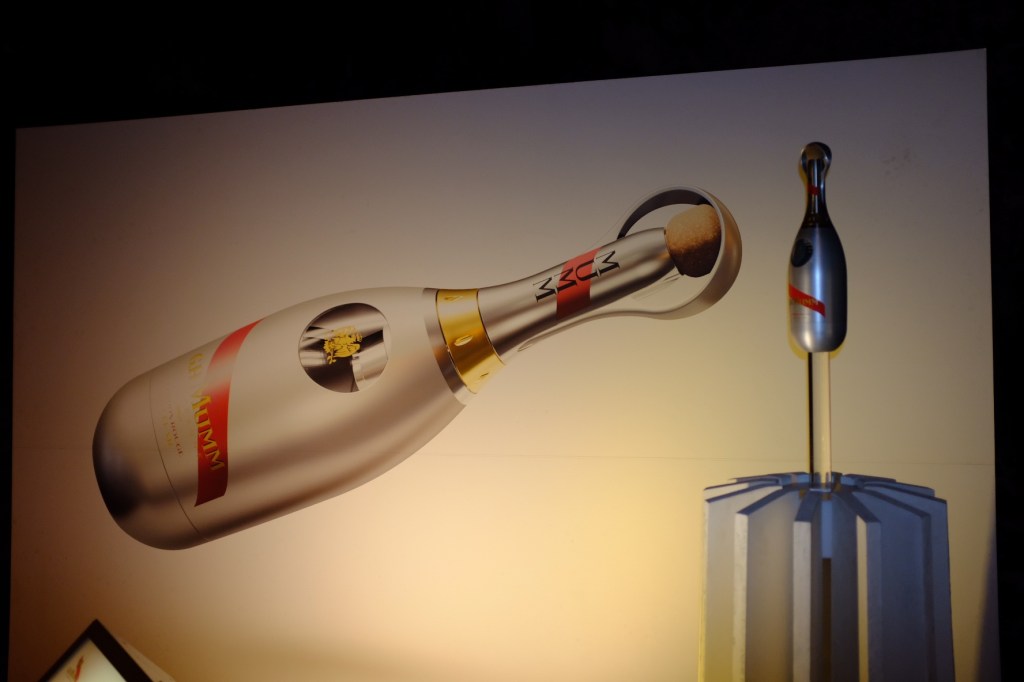
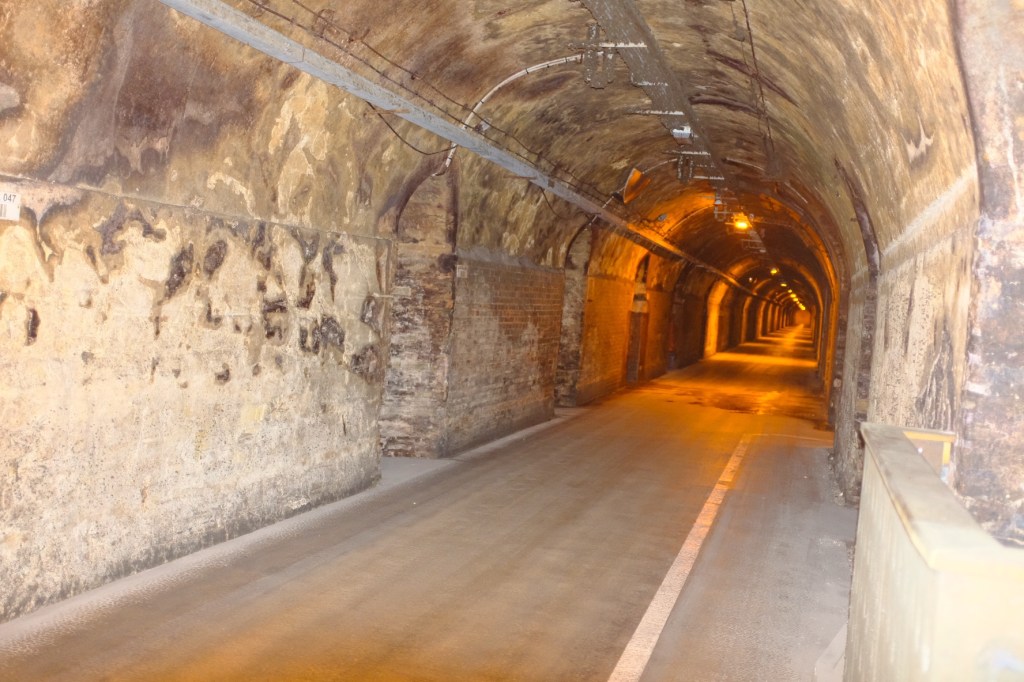
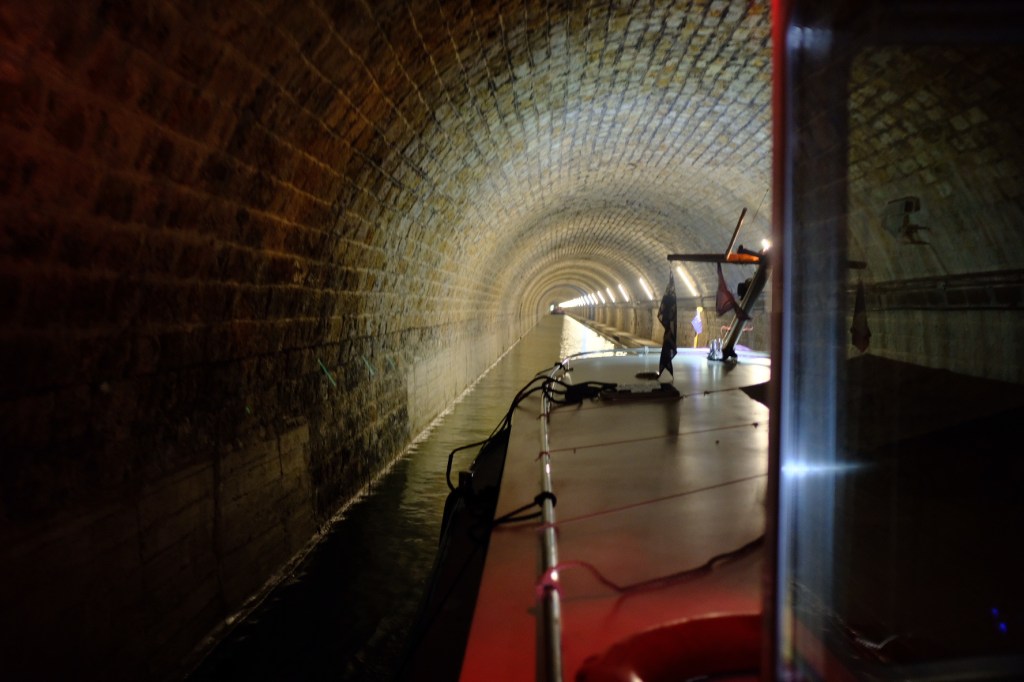
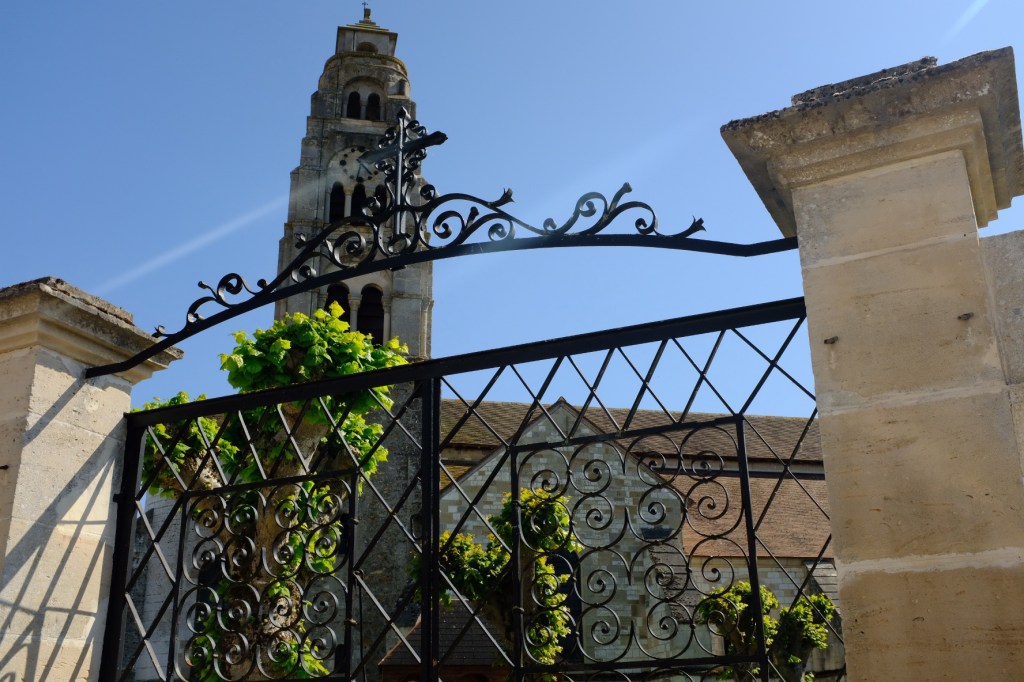
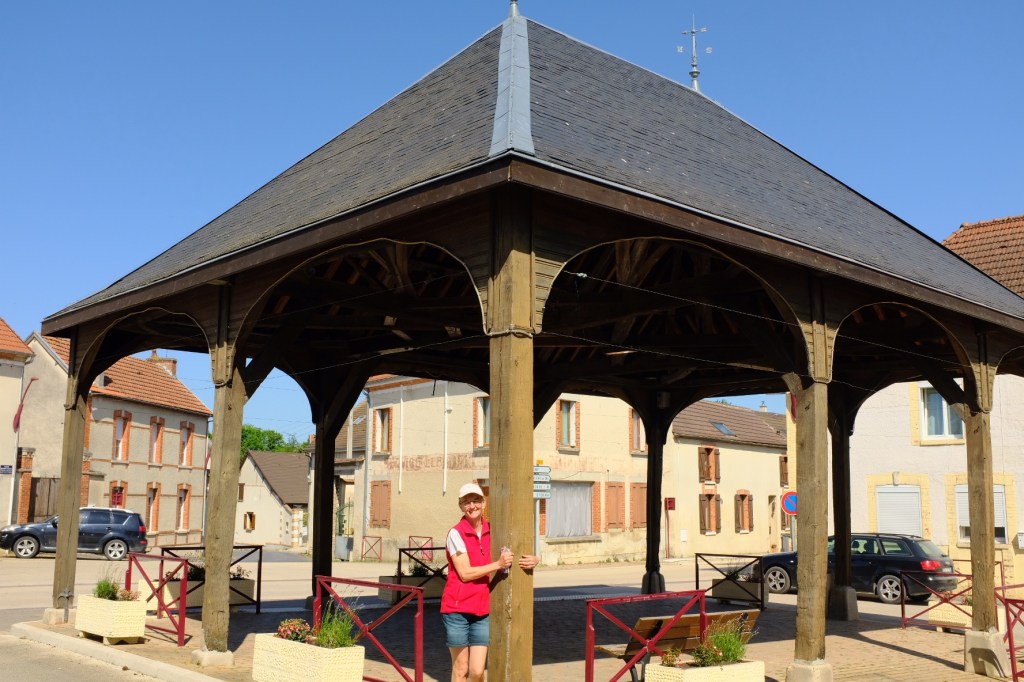
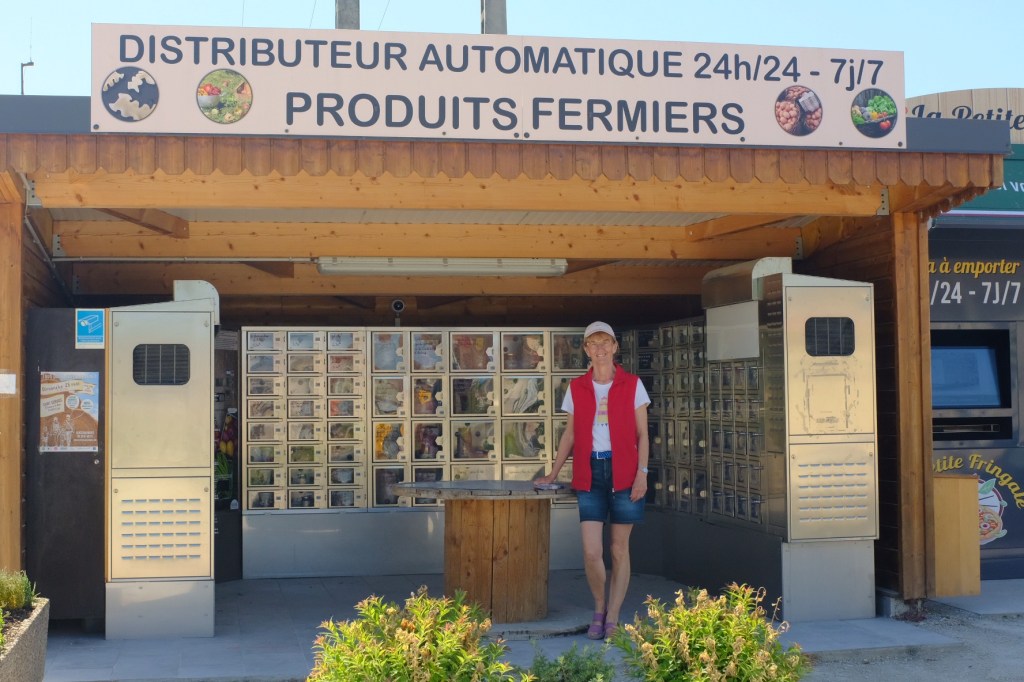
The tasting room. Yes we did make it pass the tasting room and down over 12 meters into the ground to the cellars!During WW1 the cellars were used as bomb shelters for the local populace. Today they hold at least 5 years of vintageYou will be pleased to know you will be able to drink your Mumm in space. This bottle has been to the space station and backThis section of the cellar is named the Champs Élysées and is 2kms in length More of Reims. Oh did I mention there was a galleries Lafayette in town!From Reims it was only 10km to our next stop at Silley. A quite countryside mooring next to a war cemetery, we’re 12,000 young men were layed to rest during WW1. A tragic waste of life and lost opportunities.At the plateau level of the canal is a 2.3km tunnel that takes you under Mt. Billy before descending 10 locks to the Canal Lateral au Marne. Although the guide book indicated travelling time of 40 minutes, Peter completed the task in just over 15 minutesAt the confluence of the canal de l’Aines de La Marne and the Canal lateral a la Marne is the village of Conde. We stopped overnight to rest from the riggers of the day. Not much to report here . The church was locked, the covered market was empty. The only activity was at the automated self serve farm shop serving hot and cold food on the edge of town
During the heyday of canal transportation the Marne was the major waterway connecting the Seine and Paris to the rivers in the east (e.g the Meuse). To facilitate travel along the river a number of lateral canals were constructed along its course, to avoid major meandering bends in the river itself, the longest of which was the canal lateral de la Marne.
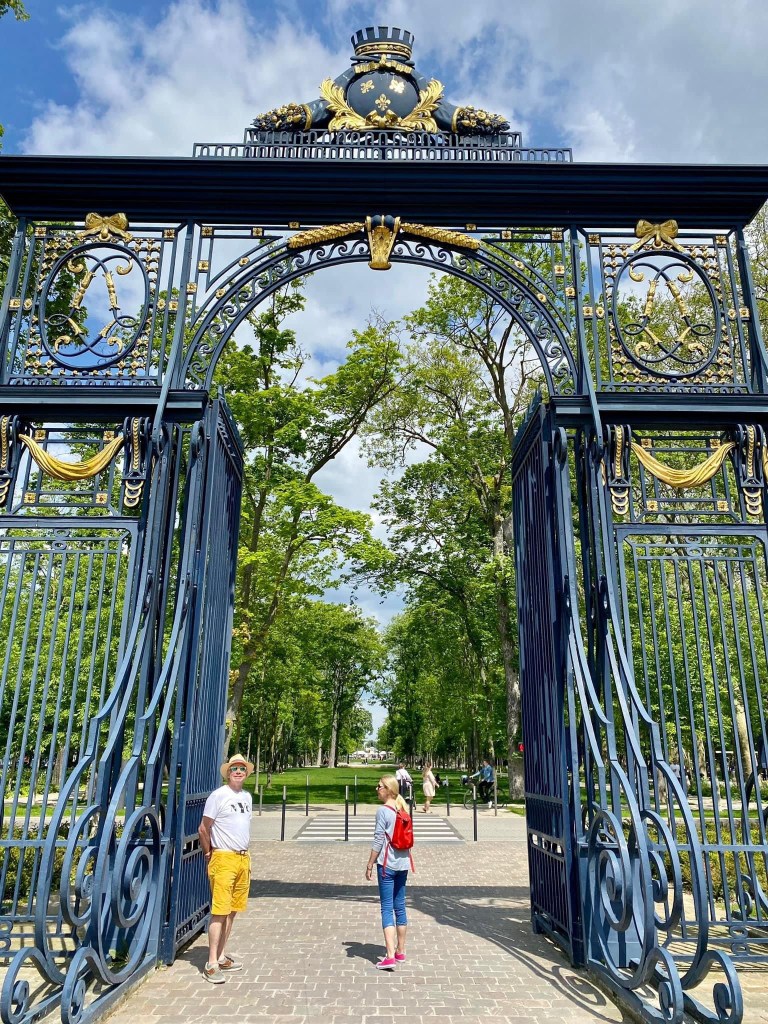
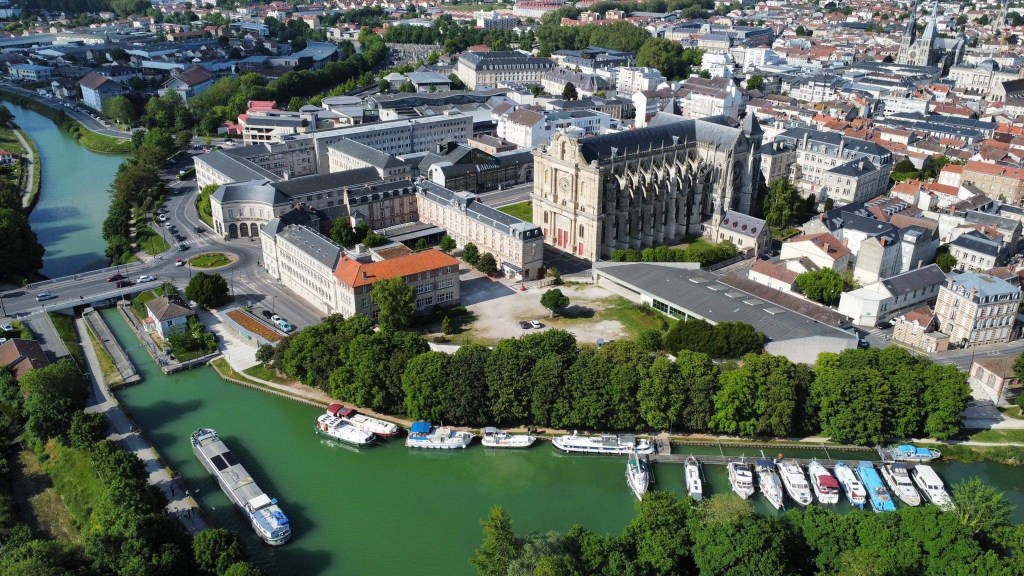
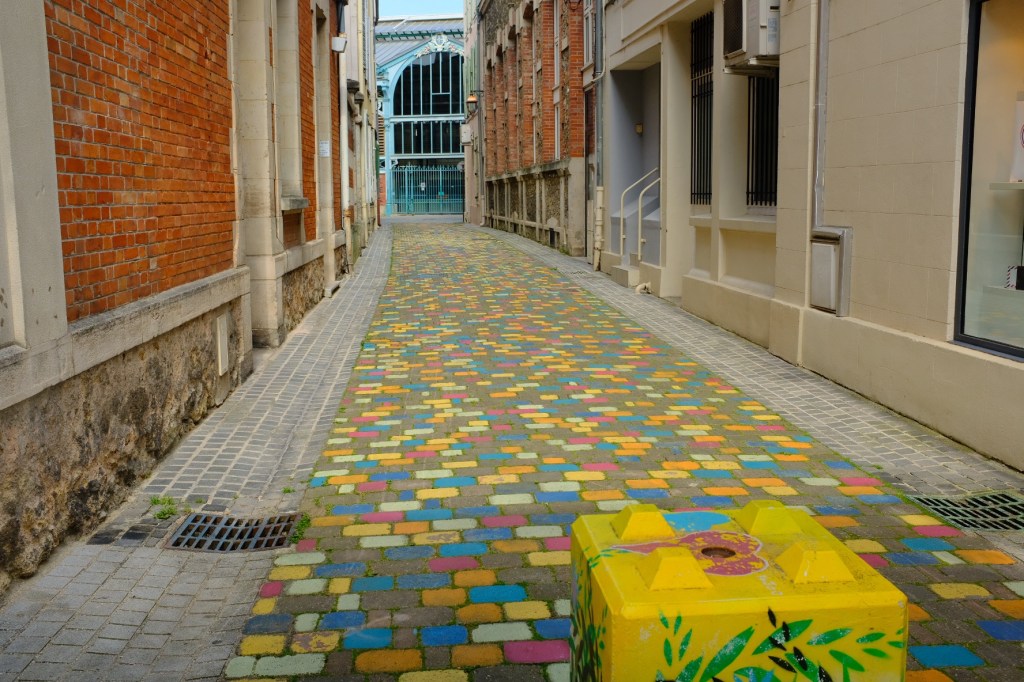
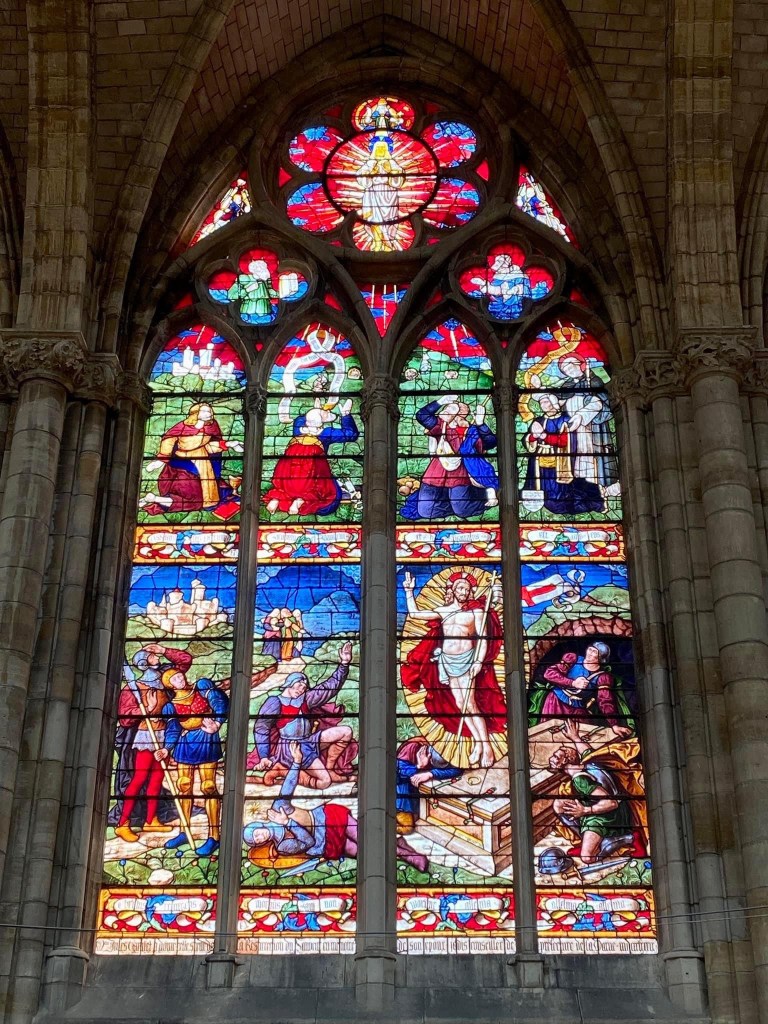
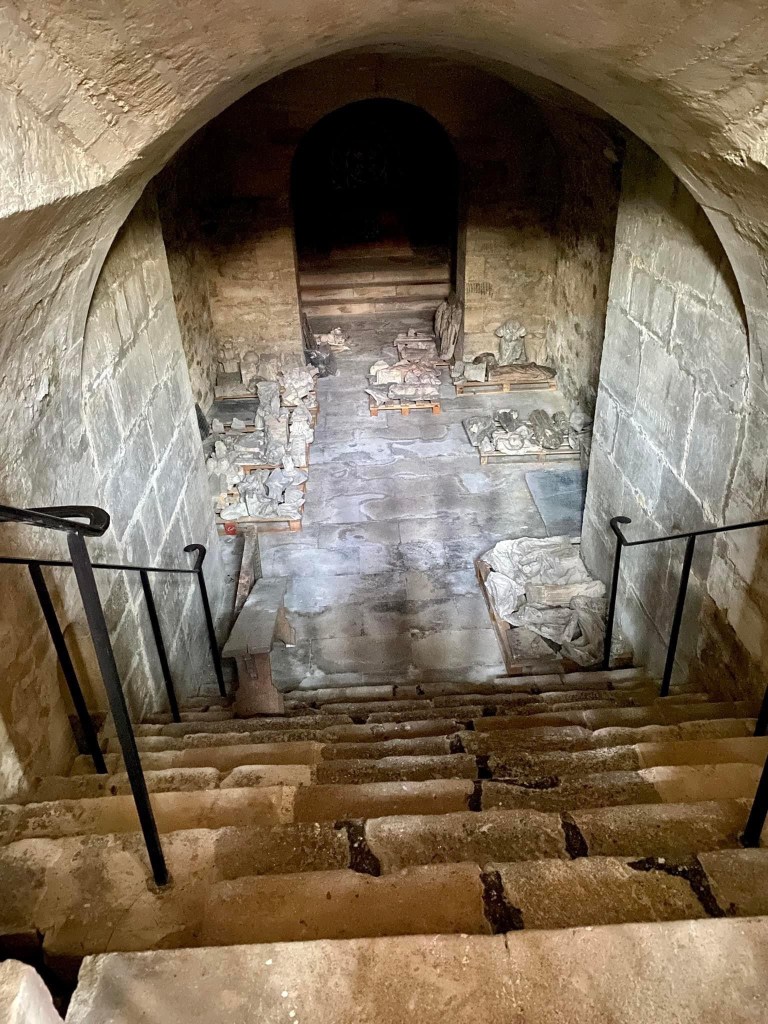
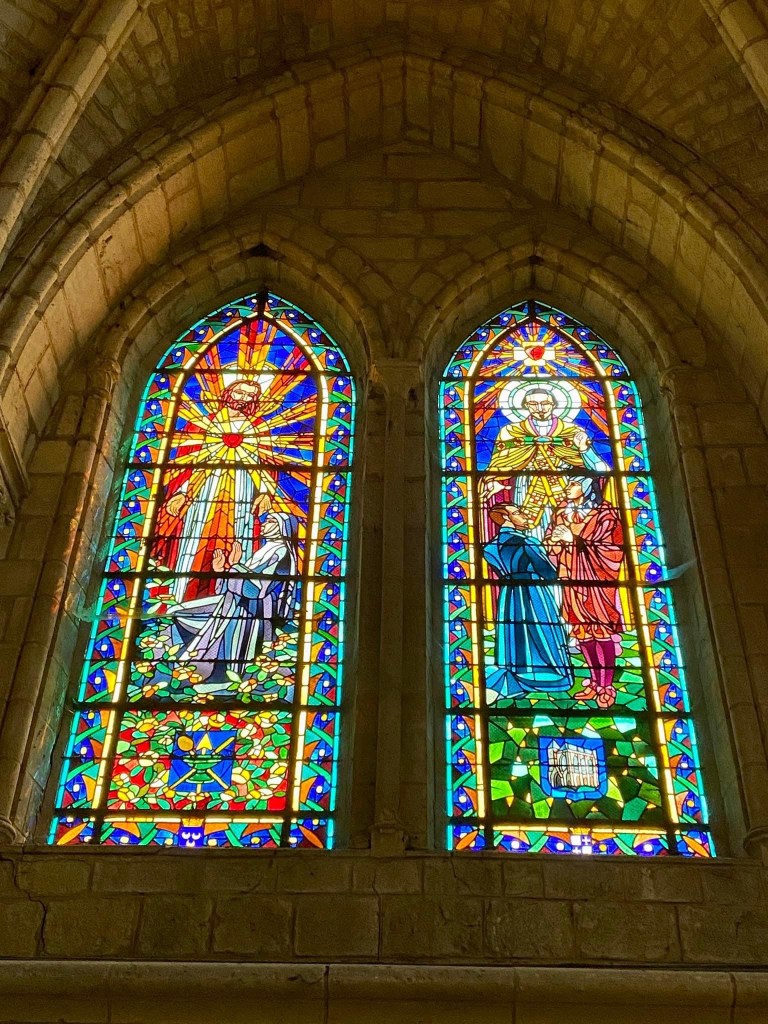
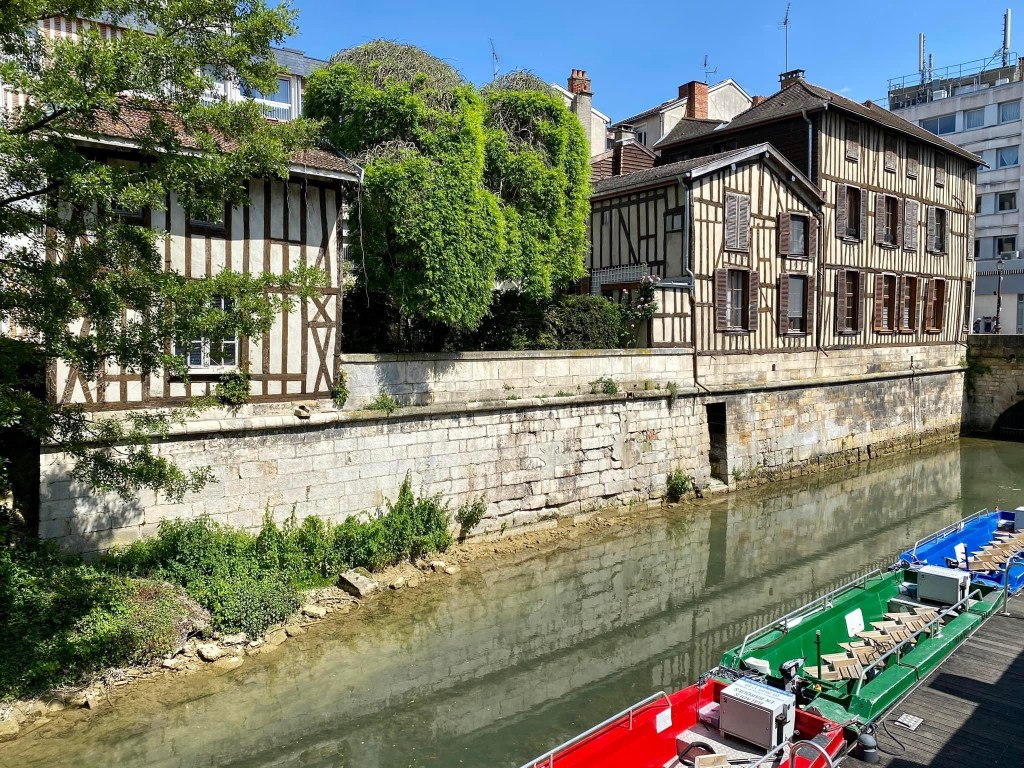
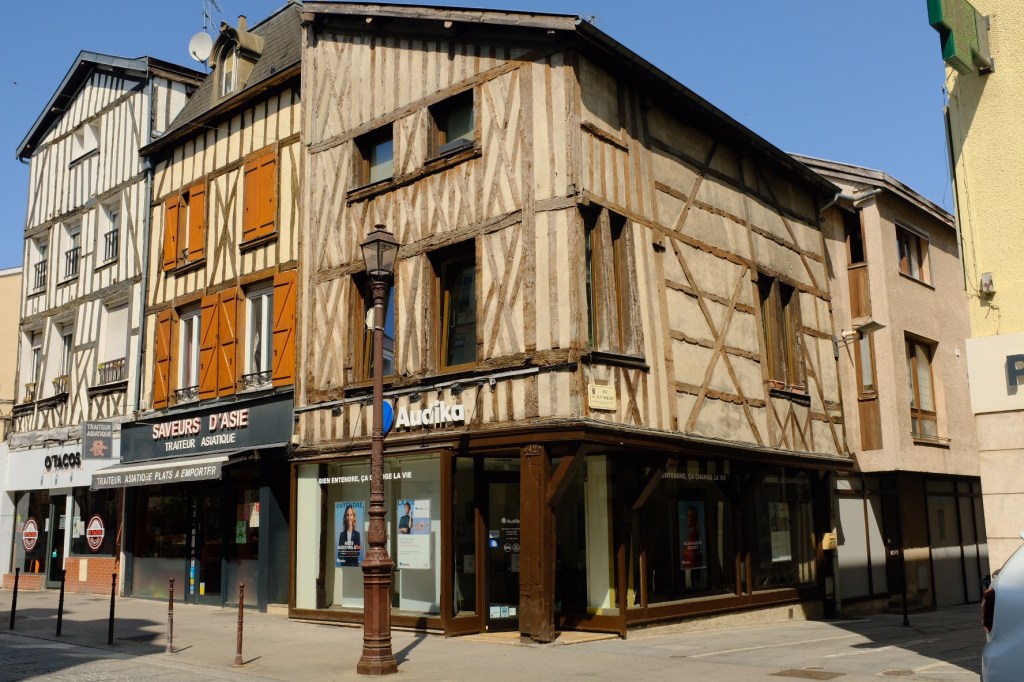
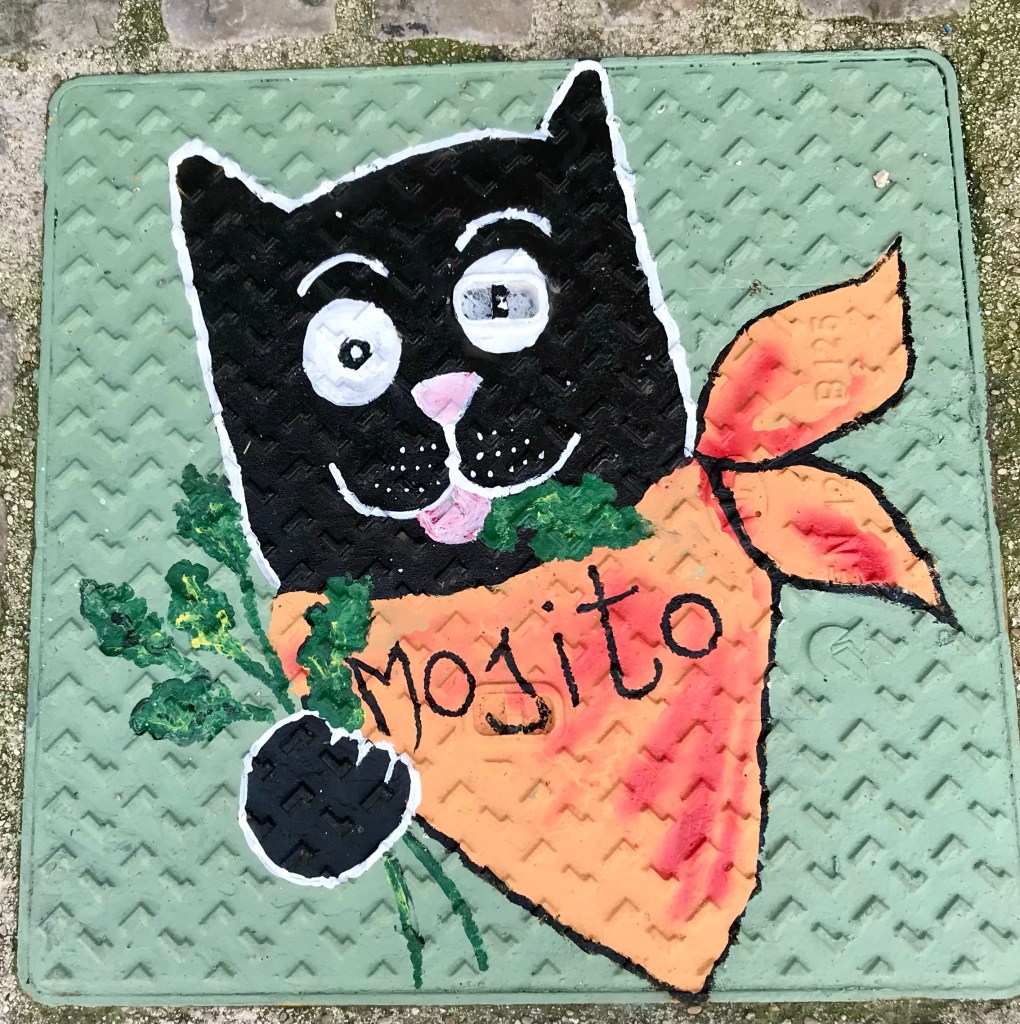
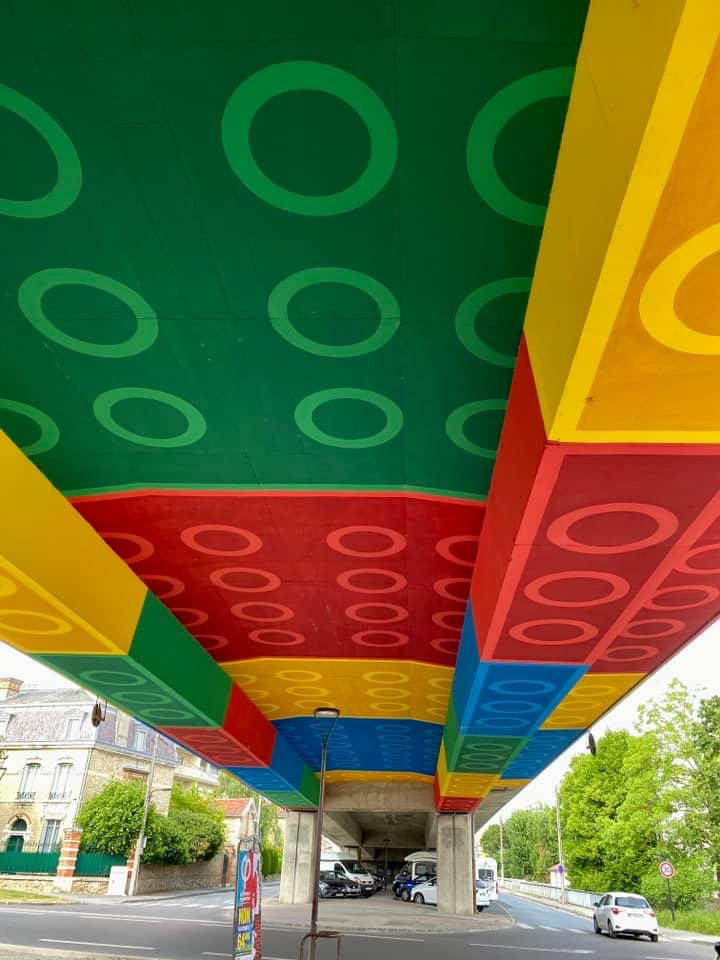
We made a slight detour and turned left up the canal to the city of Chalon en Champagne. Sorry, only one champagne cave here. Oh dear, our stocks will be running low!Pavement art in Chalon de Champagne The saint Etiennes cathedral The cathedral is noted for its 12th century stain glass windows and Romanesque cryptThe architecture has a definite alpine look. This is apparently due to a number of people migrating to Chalon en Champagne from the Alsace region after the Napoleonic warsMore pavement art and a Lego bridgeAnd at last the sun has chased away the rain clouds!












 Karen’s Travel Blog
Leave a comment